May issue cover: What’s going on here?

May2016This month’s cover image is inspired by the Article on p. 528 of this issue, by Jeff Wall, Nicola Illing, Nadav Ahituv and colleagues. The paper reports the genome of the bat Miniopterus natalensis and transcriptional dynamics in the developing bat wing. This species, one of a group known as vesper bats, is also known as the Natal long-fingered bat and is found in parts of Africa.

The image chosen for the cover is a frontal view of a bat embryo at a late stage of development (stage CS21) taken by study co-author Mandy Mason. This developmental stage is known as
“Translucent Wing”, as you can clearly see the skeletal structures in the wing and the membrane between the outstretched digits. The embryo in this image was stained with Alizarin red (maroon-red-pink) for bone and Alcian blue (blue-cyan) for cartilage. The image was actually taken as part of an earlier study to understand the progression of limb development in this species and to compare it with that of the mouse.

The current study presents not only the genome sequence of the Natal long-fingered bat, but also RNA-seq and ChIP-seq (for H3K27ac and H3K27me3) profiling of the developing limbs. The authors identified more than 7,000 genes that were differentially expressed between the forelimbs—the eventual wings—and the hindlimbs. Through comparative genomics analyses, they found nearly 3,000 regions showing evidence of accelerated evolution along the bat lineage that overlapped with H3K27ac peaks, suggesting that these are candidate enhancer regions for wing development. “This study offers a comprehensive resource for future work in comparative limb development,” co-author Mandy Mason told us. “Aside from the results that we have presented in this paper, these open datasets can be queried to help answer additional questions that may be asked by both our and other research groups.”


Ancient regulatory logic

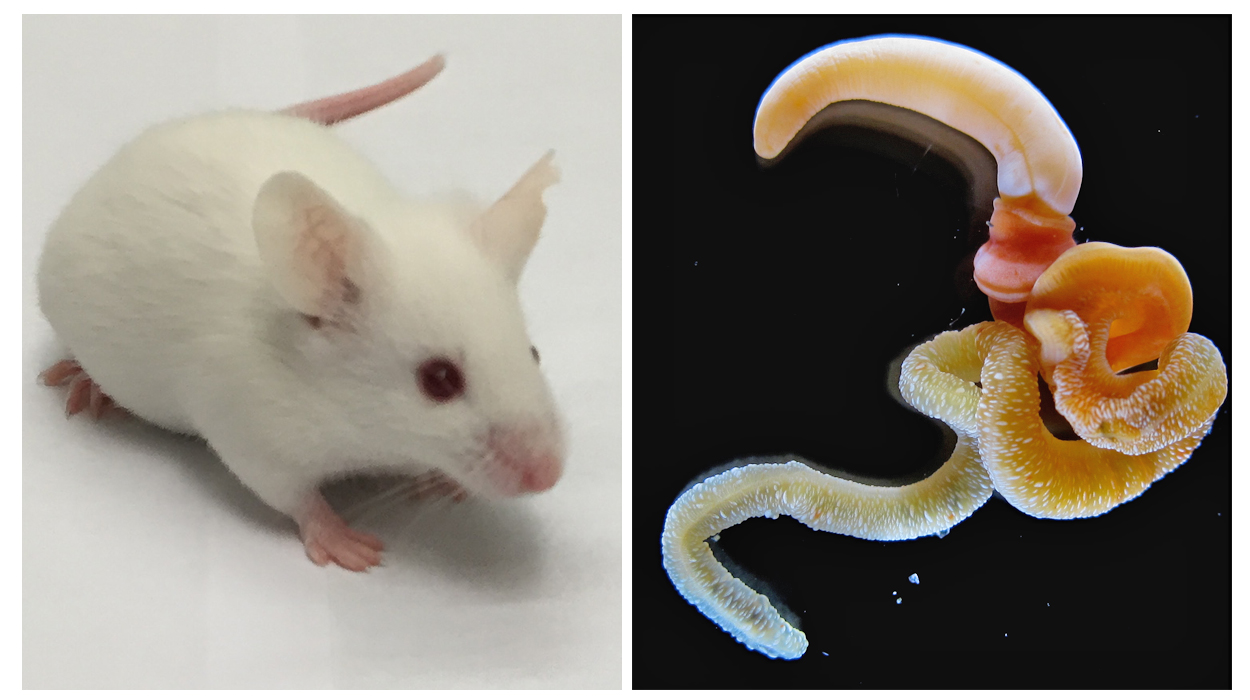
Yao et al. found that certain brain enhancers were functionally conserved between mice (left) and acorn worm (right), despite very limited sequence conservation.

Yao et al. found that certain brain enhancers were functionally conserved between mice (left) and acorn worm (right), despite very limited sequence conservation. {credit}Douglas Epstein{/credit}

A study published this week in Nature Genetics shows that enhancers can be conserved across very long evolutionary distances, even without extensive sequence conservation. Continue reading

Genetic link between type 1 and type 2 diabetes

Dooley et al., Nature Genetics 2016

Dooley et al., Nature Genetics 2016

Type 1 and Type 2 diabetes (T1D and T2D) are complex diseases characterized by insulin signaling defects resulting from either autoimmune deregulation or metabolic dysfunction, respectively. Both cause disruption of blood glucose regulation and can lead to significant systemic effects. Despite the physiological distinctions underlying disease development, there are commonalities between T1D and T2D; in T1D, pancreatic beta cells are targeted by the autoimmune system, while in T2D there is gradual, progressive beta cell mass decline. There are some shared genetic risk factors associated with both conditions, but distinguishing between genetic versus secondary causes related to beta cell failure has been challenging.

A new study this week in Nature Genetics reports on a T1D model and the identification of genetic loci underlying beta cell fragility, independent of an immune component. TD1 non-obese diabetic (NOD) mice expressing the insHEL transgene, which causes unfolded protein stress, developed diabetes, and the authors determined that this was not dependent on adaptive immunity. They characterize mutations in two genes, Glis3 and Xrcc4, which compound the stress effects, leading to apoptosis. Changes in these molecular pathways are likewise reflected in islet cells of diabetes patients. This mouse model, therefore, could be useful in study possible targets to prevent beta cell loss. Continue reading

The many ways MYB drives cancer

Two papers published online this week in Nature Genetics demonstrate that MYB, long known as a cancer gene, has many different strategies for driving tumorigenesis.
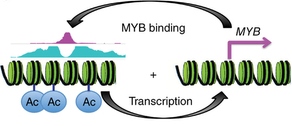
A positive feedback loop drives MYB overexpression in ACC

A positive feedback loop drives MYB overexpression in ACC{credit}Drier et al. Nat. Genet. 2016{/credit}

Bradley Bernstein, Birgit Knoechel and colleagues studied the role of MYB translocations in adenoid cystic carcinoma (ACC) and found that MYB translocations can reposition the gene to be driven by super-enhancers—which themselves are bound by MYB to drive its own expression even higher. In an interesting twist, they also found that MYB drives different regulatory programs in different ACC cell lineages: MYB’s oncogenic function is mediated by TP63 in myoepithelial cells, while in luminal epithelial cells, MYB appears to act through the Notch signaling pathway.

In an independent study focused on pediatric angiocentric gliomas, Keith Ligon, Rameen Beroukhim, Adam Resnick and colleagues found that MYB translocations resulting in MYB-QKI fusion genes are the most common MYB alteration in this cancer type. The fusion results in higher expression of MYB and loss of QKI expression, both of which contribute to the development of these gliomas. As in the ACC study, this translocation resulted in repositioning of MYB near enhancers that help drive its expression up. At the same time, the translocation caused loss of some regulatory elements, also leading to aberrant expression of MYB, and loss of function of QKI, a tumor suppressor. Thus, MYB-QKI uses three different mechanisms to drive gliomagenesis.
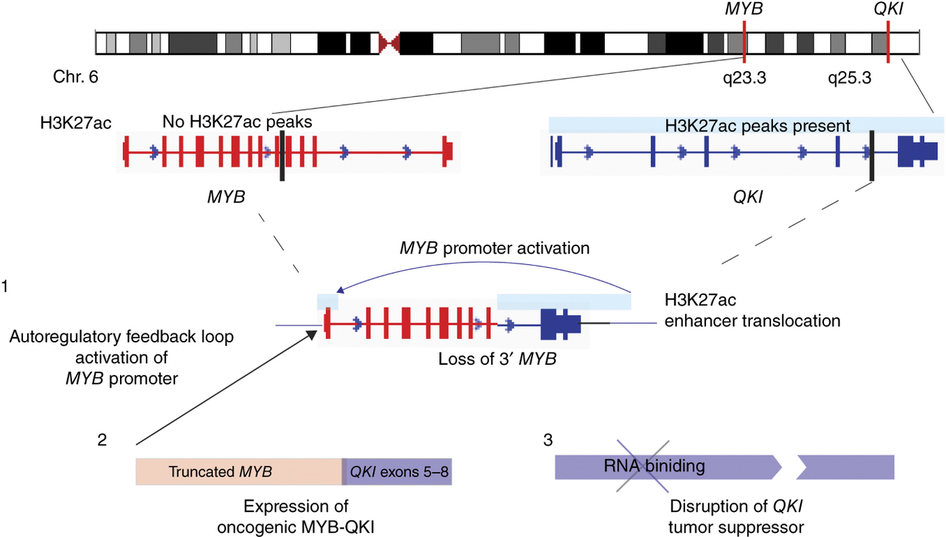
MYB-QKI promotes tumorigenesis through 3 mechanisms

MYB-QKI promotes tumorigenesis through 3 mechanisms{credit}Bandopadhayay et al. Nat. Genet. 2016{/credit}
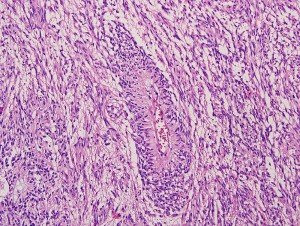
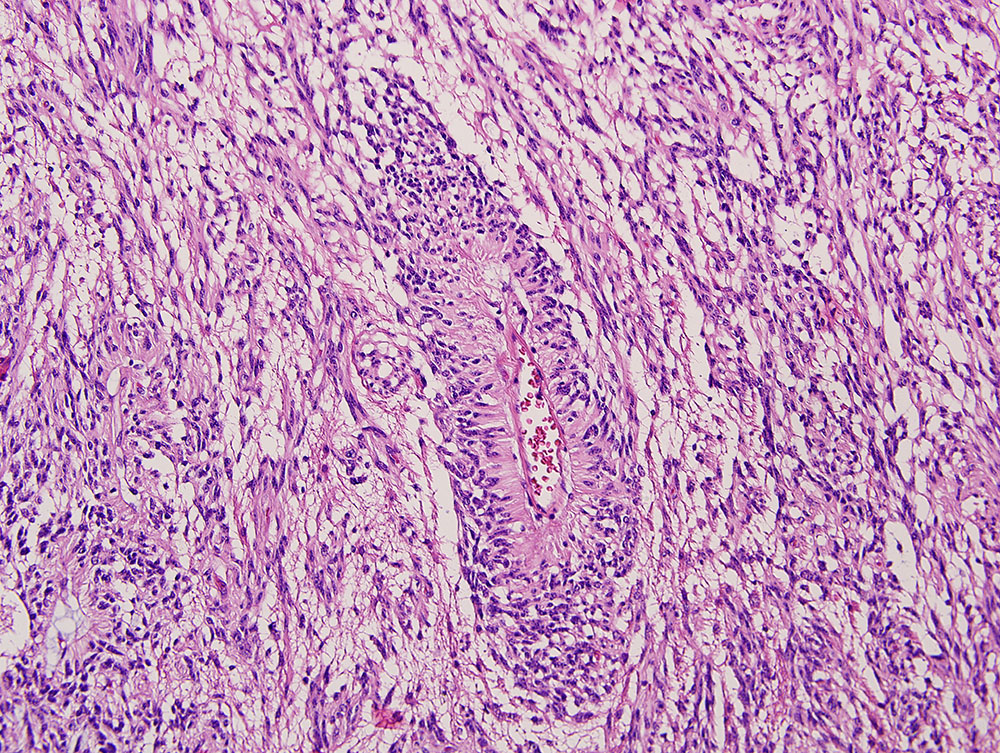
Angiocentric glioma.

Angiocentric glioma. Angiocentric gliomas are characterized by cells that typically grow around blood vessels. {credit}Shakti Ramkissoon {/credit}

Both cancer types are relatively rare but aggressive, and new treatment options are sorely needed. Adenoid cystic carcinoma (ACC) occurs in secretory glands, mainly the salivary glands in the head and neck, and can spread to the nerves as well as metastasizing to distant sites, such as the lungs. The tumors are often resistant to therapy and can recur many years after the primary tumor has been removed surgically. Angiocentric gliomas are very rare brain tumors that generally affect children and young adults. Very little is known about the genetic changes that occur in this tumor type and, prior to this study, there were no known recurrent driver mutations, which are often good candidates for new targeted drug therapies. “The discovery of a recurrent rearrangement in angiocentric glioma provides a clinically relevant diagnostic marker, and insights into the biology that drives these tumors,” said Pratiti Bandopadhayay, one of the lead authors of the study.

We asked some of the authors from both studies to tell us a little more about the work and why it is important. Yotam Drier and Birgit Knoechel talked to us about the study in ACC. Pratiti Bandopadhayay, Lori Ramkissoon, Guillaume Bergthold and Payal Jain talked to us about the study in angiocentric gliomas.

How do your findings clarify earlier results showing a role for MYB in ACC? Do you think these findings are relevant for other cancer types?

Yotam Drier and Birgit Knoechel (Broad Institute):

Our work identified a unifying mechanism for MYB over-expression in ACC. Persson et al. suggested in 2009 that MYB over-expression occurs where the MYB 3′ untranslated region (UTR) is lost. However, in most cases of ACC the MYB 3′ UTR remains intact, and we now describe that in all cases of detected MYB rearrangements in this cancer–independent of whether the 3′ UTR is retained or lost–MYB is being driven by hijacking MYB bound super-enhancers, thus creating a positive feedback loop. This is complementary to the previous model, and we believe that in those cases where the MYB 3′ UTR is lost, both mechanisms would contribute to increased MYB expression.

We believe that similar rearrangements involving enhancer translocations may contribute to MYB overexpression in other cancer types. For example, our colleagues at Dana Farber simultaneously report a similar mechanism of MYB activation in angiocentric gliomas.


How do the mechanisms described in your paper compare to what is described in the related paper by Drier et al.?

Pratiti Bandopadhayay, Lori Ramkissoon and Guillaume Bergthold (Dana-Farber Cancer Institute) and Payal Jain (Children’s Hospital of Philadelphia):

We were excited to learn about the findings from the Bernstein group as their findings compliment ours, in a completely different tumor type. We found that angiocentric gliomas harbor rearrangements involving the MYB and QKI genes, while Dr. Bernstein’s team focused on adenoid cystic carcinomas, which frequently have similar MYB rearrangements. Both papers show that MYB rearrangements result in aberrant activation of the MYB promoter to drive expression of the oncogenic fusion proteins, and that these fusion proteins then participate in auto-regulatory feedback loops to drive their own expression.


From your perspective, what was the most unexpected finding in this study?

Yotam Drier and Birgit Knoechel:

We were surprised by our finding that MYB orchestrates 2 opposing epigenetic states—a TP63-dependent program in myoepithelial cells and a NOTCH-dependent program in luminal cells. Thus, overexpression of a single transcription factor can drive distinct epigenetic states that depend on the cellular context in which the overexpression occurs.

Pratiti Bandopadhayay, Lori Ramkissoon, Guillaume Bergthold and Payal Jain:

The unexpected result of our study that we find very exciting is that this one single driver rearrangement contributes to tumor growth through multiple mechanisms. MYB-QKI rearrangements simultaneously drive expression of a fusion protein that causes cells to grow faster and form tumors, it changes the regulatory landscape of the gene to promote expression of this protein and it simultaneously disrupts a tumor suppressor gene (QKI) that in turn also makes the cells divide faster.  We feel that this finding is likely relevant to a number of other pediatric and adult cancers.

How does the fusion with QKI impact the function of the translocated MYB and do you think it is necessary for its role in driving gliomagenesis?

Pratiti Bandopadhayay, Lori Ramkissoon, Guillaume Bergthold and Payal Jain:

The rearrangement with QKI results in displacement of regulatory elements on QKI towards MYB and these elements help drive expression of MYB-QKI. In addition, it disrupts the function of QKI itself, which is a tumor suppressor gene.  We feel that the association with QKI is important in angiocentric glioma since the rearrangement between MYB and QKI occurred with such high frequency in our study.


What are the additional steps needed before your findings can be implemented in the clinic?

Yotam Drier and Birgit Knoechel:

Interestingly, while BET inhibition can slow tumor growth in low grade ACCs, high grade ACCs often show genetic activation of NOTCH and are thus amenable to treatment with gamma secretase inhibitors or other NOTCH targeting therapies. It will be important to evaluate whether combining BET inhibition with NOTCH inhibition may show additional effects over BET inhibition alone. It is conceivable that by adding the NOTCH inhibitor one might preferentially target the luminal epithelial cells which are characterized by a NOTCH driven regulatory program. This will need to be tested further in preclinical models. Moreover, the fact that grade 3 tumors failed to respond to BET inhibition requires further preclinical analyses. Identifying mechanisms of BET inhibitor failure which are just entering clinical trials will be of utmost importance in order to predict which patients may benefit from these.

Pratiti Bandopadhayay, Lori Ramkissoon, Guillaume Bergthold and Payal Jain:

We are excited that our results provide us with novel possibilities to treat angiocentric gliomas. As MYB is a transcription factor the likelihood of targeting it or the MYB-QKI fusion is challenging; however we identified several downstream targets that represent potential therapeutic strategies. In addition, the finding of altered regulatory elements represents another exciting therapeutic strategy. Our findings directly impact clinical care for children with angiocentric glioma through development of two diagnostic tests that will be used to support the diagnosis of angiocentric glioma.  We also feel our findings are likely relevant to other pediatric and adult cancers that are driven by driver rearrangements.

Finally we would like to highlight that multiple institutions and funding sources helped facilitate this study. We would also like to acknowledge the families whose children have been afflicted with Pediatric Low-Grade Glioma.


Pollinators and Petunias

Sheehan et al., Nature Genetics, 2015

Sheehan et al., Nature Genetics, 2015

Pollinators are attracted to flowers based on certain characteristics, including color, scent and morphology. Evolutionary changes in these traits correlate with changes in pollinator-plant relationships, and pollinator syndromes, or suites of floral characteristics that influence pollinator identity, can differ greatly between even closely related species.  Thus, characterizing the molecular basis that underlies shifts in pollinator syndromes can lead to the discovery of speciation genes, as well as to a greater understanding of evolutionary trajectories and timelines that define the species.

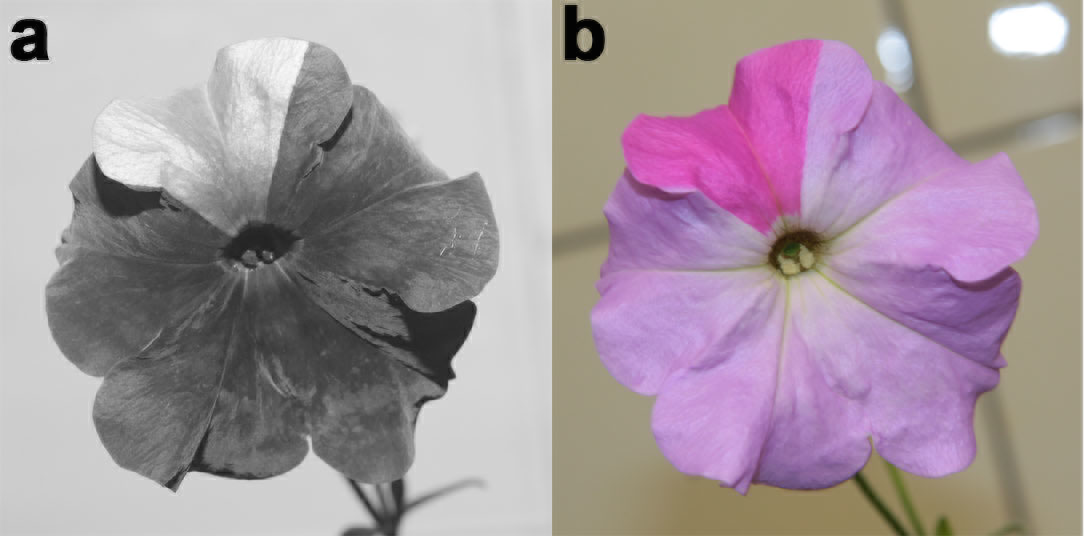
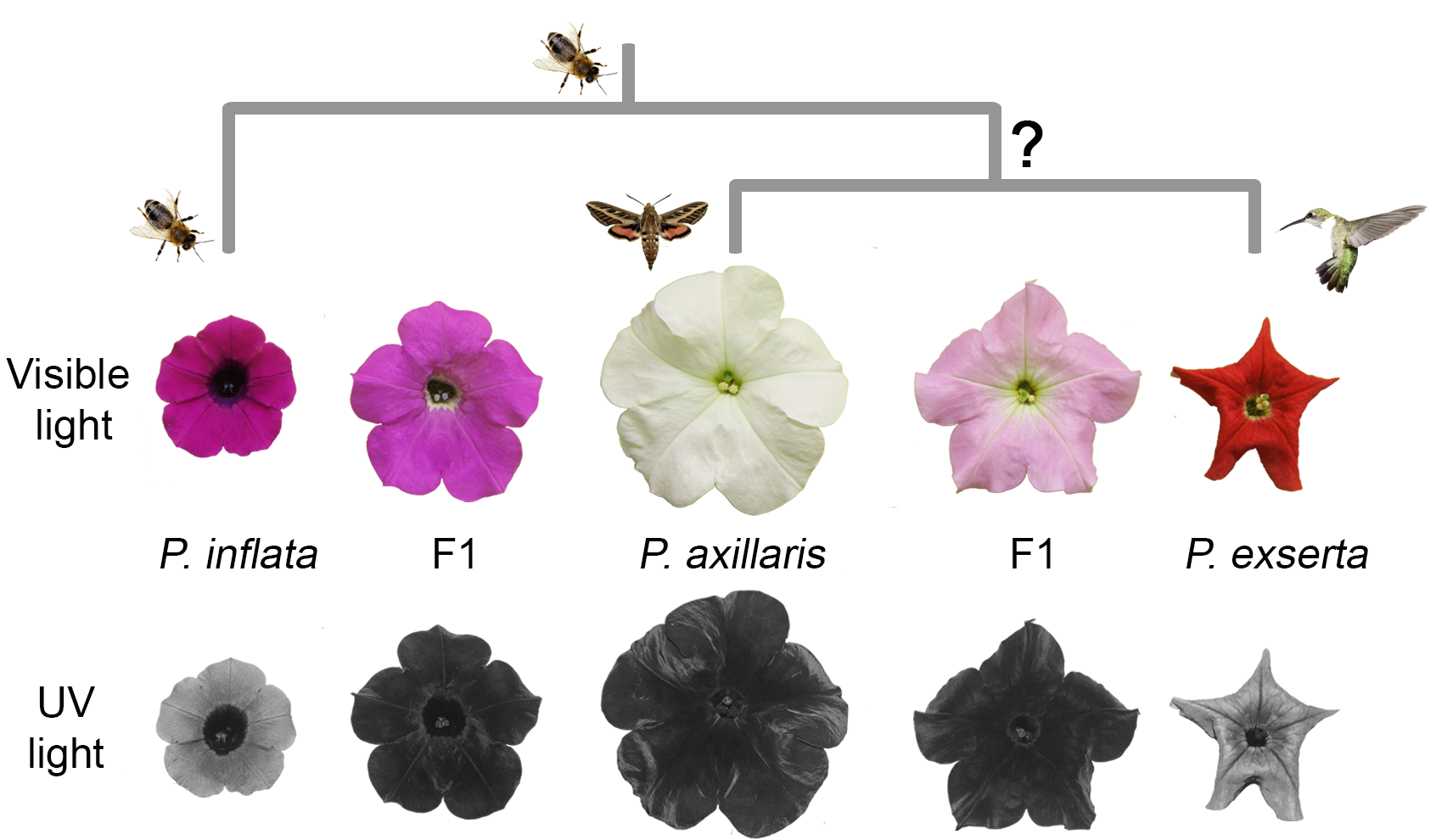
A new study this week in Nature Genetics reports on a gene that controls levels of ultraviolet (UV) light absorbance in different species of Petunia, affecting whether the flowers are pollinated by bees, hawkmoths or hummingbirds. Through a series of elegant experiments involving QTL analysis, genetic crosses and a transponson mutagenesis screen, the authors were able to not only find a single gene, but also to describe the particular mutations responsible for the increased UV absorbance seen in one species and the decreased absorbance seen in another.

Sheehan et al., Nature Genetics 2015

Sheehan et al., Nature Genetics 2015

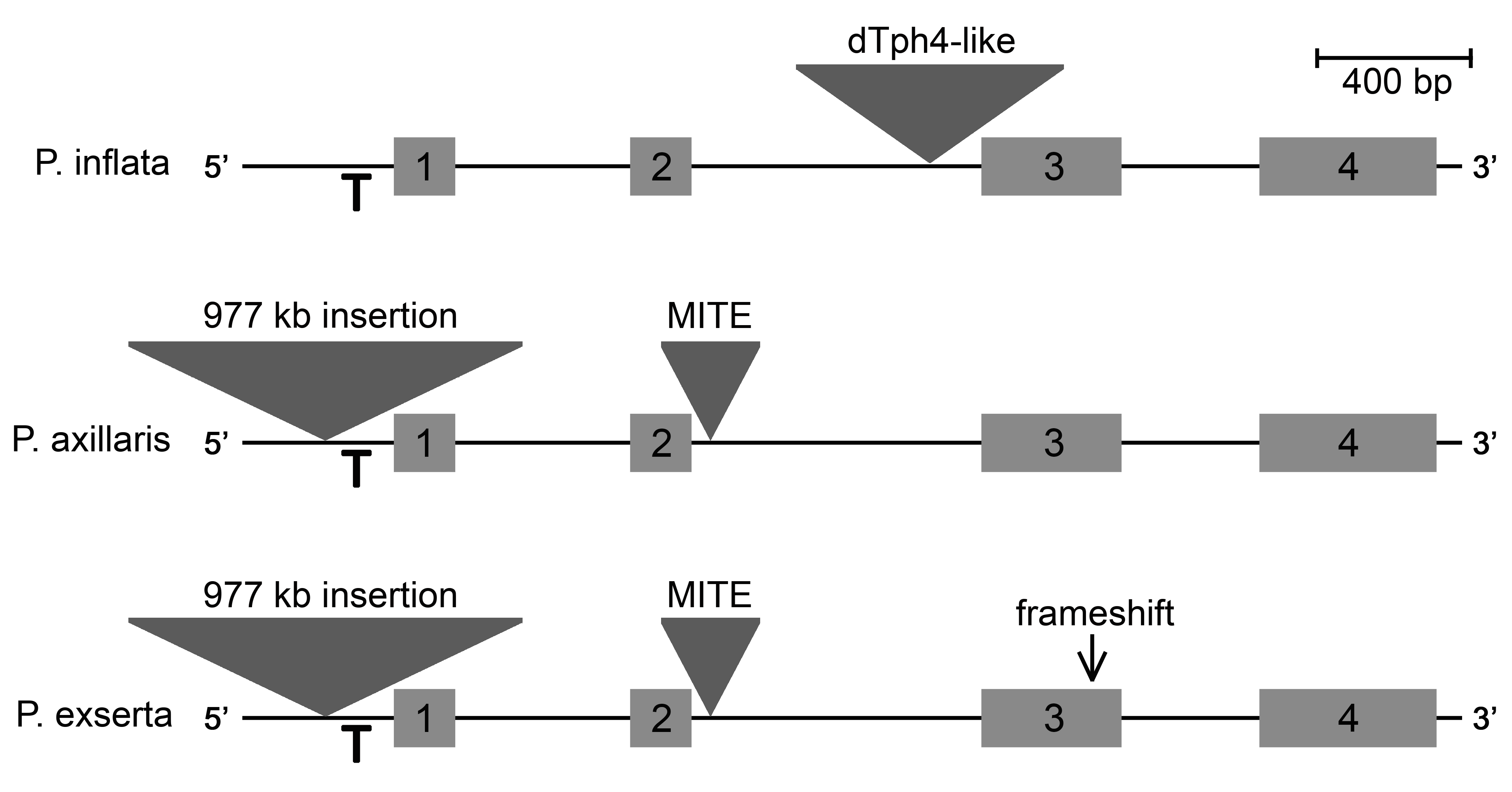
The MYB-FL gene that they isolated is a transcription factor that regulates FLS (flavonol synthase) and thus directly controls the production of flavonol, a compound that absorbs UV light. Flowers with high UV absorbance have a concomitant decrease in visible light absorbance, and this is reflected by pollinator preference. Species with low UV absorbing flowers have pink or red coloring and are pollinated by bees or hummingbirds, while species with high UV absorbing flowers have white coloring and are pollinated by (the nocturnal) hawkmoth. The authors found that the high UV absorbing species has a promoter mutation in the MYB-FL gene that increases its expression, while in the low UV absorbing species that is pollinated by hummingbirds, there is a frameshift mutation in the MYB-FL locus that compromises the function of the protein.

Through this analysis, the authors were able to formulate a model for the evolutionary relationships between three Petunia species. Colorful flowers that have low UV absorbance and that are bee-pollinated represent the ancestral state, as exemplified by P. inflata. The increased UV absorbance of the white flowered, hawkmoth-pollinated P. axillaris evolved via a gain-of-function cis-regulatory mutation in MYB-FL that increases its expression and thus, flavonol production. Finally, a subsequent inactivating frameshift mutation seen in P. exerta restored low UV absorbance and is associated with colorful flowers that are pollinated by hummingbirds.

Sheehan et al., Nature Genetics 2015

Sheehan et al., Nature Genetics 2015


We spoke with lead investigator Cris Kuhlemeier to get some background on this research.

Why do you work with Petunia? Is it a particularly good subject for studying pollination syndrome shifts?

Our goal is to find the plant genes responsible for the adaptation to different pollinators. For that, we need a system with good molecular genetics and well-defined pollination syndromes. The garden petunia has a long history as genetic model system, today it is probably best known for the discovery of RNAi. Wild Petunia species are adapted to pollination by bees, hawkmoths and hummingbirds. These species are easy to cross and propagate in the lab and give fertile offspring, and most of the genetic tools can easily be transferred from the garden petunia to the wild species.

You identified different classes of mutations in the MYB-FL gene that help to clarify evolutionary relationships between different Petunia species. What advantage does this approach have over sequencing and phylogenetic analysis?

In recent radiations such as in Petunia, classical phylogenies often have limited resolution and individual gene trees are often in conflict. We try to understand the process of adaptation and speciation by studying the gene modifications that cause reproductive isolation. By superimposing these functionally relevant polymorphisms onto the classical phylogeny, discrepancies between individual gene trees become informative.

It is interesting that you observe a trade-off between levels of anthocyanins and flavonols in these flowers. Were you expecting to see this and were you surprised that a single locus affected both levels?

Anthocyanins and flavonols share the same precursors, so finding metabolic competition was not unexpected. We started this project on the assumption that the genetics of pollination syndromes would be relative simple. At least simple enough to be able to clone the relevant genes. That a single gene can change two traits simultaneously was better than we had hoped for.

You hypothesize that R2R3-MYB transcription factors provide the toolbox for shifts in floral pollination syndromes. Do you think that your results are generalizable to other plants and/or complex traits?

R2R3-MYBs appear indeed to be over-represented, in the same way that HOX factors are overrepresented in segmentation or MADS box factors in floral organ identity. But the sample size is still small, and it is always dangerous to extrapolate, especially in ecology and evolution.

Finally, this works represents a nice combination of laboratory and field studies. Do you enjoy collecting flowers in the wild?

Well, it did rain a lot during my visit last month. But yes, it has been a new and enjoyable for me experience to go to the field with my great Brazilian colleagues. In Brazil with its great biodiversity, I also sense the excitement that, thanks to the recent progress in sequencing technology, we are no longer limited to model systems but can study interesting biological processes in almost any plant species.

Methylation marks tumor suppressors

Sharp and broad H3K4me3 peak definitions

Sharp and broad H3K4me3 peak definitions{credit}Chen et al. Nat. Genet. 2015{/credit}

Modifications to histones, including methylation and acetylation, are used by cells to regulate gene expression. Though a lot is now known about how different histone marks correlate with transcriptional activation or repression, the “histone code” has not yet been fully elucidated. As we discussed last week, a recent study found that, contrary to expectation, genes that are dynamically regulated during development do not display histone modifications normally associated with active transcription.

A new study published this week in Nature Genetics reports another unexpected epigenetic pattern. Tri-methylation of histone 3 at lysine 4 (H3K4me3), a mark associated with active transcription, is usually present as a sharp, narrow peak at the gene promoter. The authors of the study observed that some genes show a different pattern of H3K4me3: broad, low density methylation spanning up to 10kb along the gene body.

The broad H3K4me3 mark was associated with high gene expression levels and transcriptional stability in this study. The authors also found that cell identity genes and, interestingly, tumor suppressor genes, were enriched for the broad H3K4me3 mark.

broadpeaks_genes

H3K4me3 density at housekeeping genes and tumor suppressor genes. Right panel is a zoomed-in version of the left panel.  {credit}Chen et al. Nat. Genet. 2015{/credit}

Though it is unclear why tumor suppressors specifically would be associated with this mark, a comparison between normal and tumor cells showed that H3K4me3 peaks at tumor suppressor genes became narrower in cancer cells and that this was associated with transcriptional repression. Finally, the authors showed that candidate tumor suppressor genes could be identified by the broad H3K4me3 mark.

We asked one of the study’s lead authors, Wei Li, to tell us a little more about the study:

What was the motivation for your studies?

The general motivation was to make novel discoveries based on existing ‘big data’ in epigenomics. In order to do so, we have had to develop novel bioinformatic tools that will enable us to look at the data from a completely different angle.  In particular in this study, we developed a new tool to quantify the H3K4me3 signal based on its width only. Most previous studies have only focused on its height or total signal, because the majority of genes (>95%) only have narrow (<1 kb) and high H3K4me3 peaks.   This simple method has never been used in epigenomic data analysis before. We further proved that this computer-derived broad H3K4me3 signal alone is sufficient to define both known and novel tumor suppressors and its performance is even better than the human curated KEGG pathway in cancer (a collection of well-curated signaling networks involved in cancer development).

When you first observed broad H3K4me3 peaks, did you expect that it would be such a widespread feature of tumor suppressor genes?

No, it is totally unexpected. Many people in the field (including ourselves) observed broad H3K4me3 peaks long time ago (even in the first histone mark ChIP-seq paper published in 2007), but all ignored them and treated them as potential sequencing artifacts.  My lab used the UCSC genome browser to check epigenetic patterns gene by gene on a daily basis, and we gradually noticed that broad H3K4me3 peaks are consistently observed in different datasets and specific to a small group of genes. To test whether it is an artifact or not, we decided to perform a functional enrichment analysis of genes marked with broad H3K4me3. If nothing is enriched, it must be a sequencing artifact.  Interestingly, we found an unexpectedly strong enrichment in tumor suppressor genes.

Did you consider whether any other classes of genes were enriched in this histone mark?

We used an unbiased data-driven approach (rather than hypothesis driven) to study the genes marked with broad H3K4me3 peaks. It turns out that only cell identity genes and tumor suppressors are enriched. When we removed cell-type specific broad H3K4me3 peaks by epigenomic conservation analysis, tumor suppressors is the only class of genes that are enriched in the conserved broad H3K4me3.

Widespread shortening of H3K4me3 peaks in cancer

Widespread shortening of H3K4me3 peaks in cancer{credit}Chen et al. Nat. Genet. 2015{/credit}

Tumor suppressors are defined by their role in cancer. Why do you think they show a similar pattern of H3K4me3 in normal cells?

A common feature of tumor suppressors is that they are usually highly expressed in normal cells to prevent tumor formation. This is likely why they show a similar pattern of H3K4me3 because broad H3K4me3 is associated with increased transcription elongation and enhancer activity together leading to exceptionally high gene expression in normal cells.

Not all tumor suppressors show the broad H3K4me3 mark. Why do you think this is?

Cancer is always heterogeneous. To my knowledge, there is no single mechanism in the literature that can specifically explain all tumor suppressors. Broad H3K4med3 is not an exception.


Developmentally regulated genes break the rules

A new study published online this week in Nature Genetics reports that a certain class of genes, those with expression restricted to a specific developmental time point, follow a different set of rules than the rest of the genome.

The modifications to histones in promoter and enhancer regions are generally predictive of gene expression. For example, when a promoter is highly methylated at lysine 4 on histone H3 (H3K4me3), its associated gene is generally highly transcribed. Other marks may also be associated with activation, while different marks are associated with gene repression.

Developmentally regulated genes show similar H3K4me3 levels to silent genes, even though they are highly expressed during development.

Developmentally regulated genes show similar H3K4me3 levels to silent genes, even though they are highly expressed during development.{credit}Pérez-Lluch et al. Nat. Genet. doi: 10.1038/ng.3381{/credit}

SÍlvia Pérez-Lluch et al. examined the expression levels and histone modifications for all genes in the Drosophila modENCODE data set and identified a surprising pattern. Genes that were restricted in their expression to a specific developmental timepoint (called “developmentally regulated genes”) lacked epigenetic marks of active transcription, even when they were highly expressed. The authors confirmed the same pattern using modENCODE data for the netmatode C. elegans. 

Developmentally regulated genes  showed  expression levels during their actively transcribed period that were similar to those of  genes that are expressed stably throughout development. Another pattern identified by the authors was that strong histone marking is also associated with transcriptional stability. Comparable expression and chromatin modification data to that of the fly and worm aren’t yet available for mammals across multiple developmental timepoints. However, using data from ENCODE, the authors were able to show that mammalian cells showed a similar trend with regards to transcriptional stability.

We asked the lead authors of the study,  SÍlvia Pérez-Lluch, Montserrat Corominas and Roderic Guigo to give us a little insight into the history of this study and where they see this research going in the future:

When you began this study, what were your expectations? Did you expect to find that active chromatin marks were missing from so many actively transcribed genes?

We did not. Actually, our initial aim was not to investigate the relationship between chromatin marking and transcription, but the role of histone modifications in the regulation of splicing. We designed our initial experiments to compare levels of histone modifications in exons that were differentially included between Eye-antenna and Wing imaginal discs (EID and WID)—our hypothesis at that time being that the levels of some histone modifications would correlate with differential exon inclusion between these two tissues. But the results were quite frustrating, since we did find, in general, very low levels of marking in exons that were differentially included between WID and EID. This was initially very disappointing to us.  However, we also found, more generally, that many genes that were differentially expressed between WID and EID had also very low levels of a number of histone modifications typically associated to active transcription—even genes with very high expression levels. Since many such genes are likely to be regulated during development, this led us to hypothesize that lack of active histone modifications could be a general feature of developmentally regulated genes. This seemed an implausible hypothesis, going against the current models of the relationship between chromatin marking and transcription. Nevertheless, we turned to modENCODE data to further test it. The results were so strikingly consistent with our model that we “forgot” about our initial aim, and we focused our efforts instead into gathering additional supporting evidence. Understandably, our results were initially met with skepticism—the concern being that lack of chromatin marking could be a technical artifact derived from developmentally regulated genes having restricted expression patterns, and therefore making histone modifications difficult to detect using current technologies. Thus, a substantial amount of our work has been directed to address this concern.

Why do you think this pattern had not been observed before?

We are actually not the first to observe transcription with apparent lack of histone modifications. There have been a few reports of genes being transcribed in the absence of some histone modifications. Our main contribution is to show that this phenomenon is more widespread that generally assumed, and that it characterizes specifically genes that are regulated during development (at least in fly and worm). Why has this not been observed before? Mostly because data containing estimates of gene expression and histone modification along a sufficiently large number of developmental time points were not available before the modENCODE project. Then, we used a very simple, but effective measure to identify genes regulated during development, the coefficient of variation of gene expression. In summary, to make this observation you need both the data and the right approach to look at it

Your study showed that the link with transcriptional stability is also present in mammalian cells. If the association between chromatin marks and developmental regulation also holds in mammals, what, if any, do you think are the implications for biomedical research?

This is difficult to answer. Our initial results suggest that the model could be also applicable to mammals, but the data to test it are not yet available. Here we need to emphasize the importance of well-designed large-scale data production projects that monitor genome activity (transcription, chromatin structure, 3-dimensional genome organization, transcription factor binding, etc.) in a systematic and consistent way. We also want to emphasize that, at this point, our research is very basic. However, one could speculate that if our model holds in mammals, it could contribute to design better-informed approaches to manipulate/modulate expression levels of genes. Extrapolated to mammals, our results suggest that transcription factors play a comparatively more important role than histone modifications in the regulation of tissue specific genes. It has been shown that, in humans, tissue specific genes are more likely to be involved in diseases.

Are you able to speculate as to why developmentally regulated genes use a different epigenetic program compared to other genes?

What we call developmentally regulated genes correspond to genes with variable expression along time, which are often expressed only at a particular time point. Since development is a continuous process, one could speculate that rapid activation and de-activation of genes that are specific to a particular time point is more likely to occur without the need of modifying histone residues in chromatin.

What do you see as the most important next steps in this area?

Maybe the most important issue is to further challenge the model by investigating additional systems—in particular, mammalian systems—including differentiation processes, and additional histone modifications. The ultimate test of the model would come, however, from single-cell analysis, that is, from monitoring whether gene transcription does occur without histone modifications within the same cell. This is currently not possible given available technologies, but it may be feasible in the near future. It would be also important to investigate the role of distal enhancers, and of 3D chromatin structure, in the expression of developmentally regulated genes. Furthermore, we need to dig into the mechanism, by analyzing, for instance, how different classes of genes respond to perturbations of histone modification systems.


A heart-healthy microRNA

A paper published June 1st in Nature Genetics began by asking how a defect in micro RNA regulation might affect the heart. The result is the surprising finding that deregulation of a single micro RNA (or miRNA), miR208-a, in heart cells severely affects the ability of heart muscles to contract.

Heart and its blood vessels

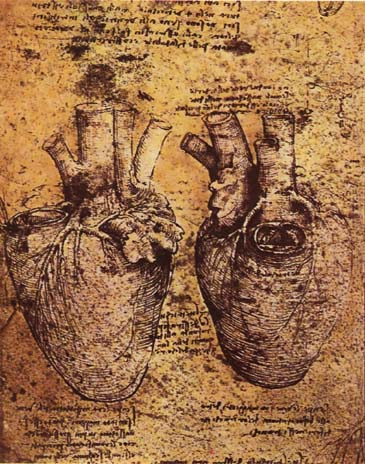
Heart and its blood vessels{credit}Leonardo da Vinci{/credit}

The authors, Jian Ding et al., deleted the gene Trbp specifically in mouse cardiomyocytes, the muscle cells of the heart. Trbp encodes an important protein for the production and regulation of miRNAs, which in turn are thought to regulate the expression levels of target genes. Because miRNAs can each have many target genes, and genes can each have many miRNAs that target them, it is thought that, generally, the effect of losing any one miRNA will be very small.

Trbp is too important to be deleted from the whole mouse. This would lead to a very early death. However, when Trbp was deleted only in cardiomyocytes, mice were able to live up to 8 months (though most died before 4 months). Immediately after birth, there were no obvious defects in the hearts of mice with the Trbp deletion, but by 3 weeks after birth there were signs of trouble. The heart chambers of these mice were dilated and the heart couldn’t contract normally. Eventually, this led to cardiomyopathy and heart failure.

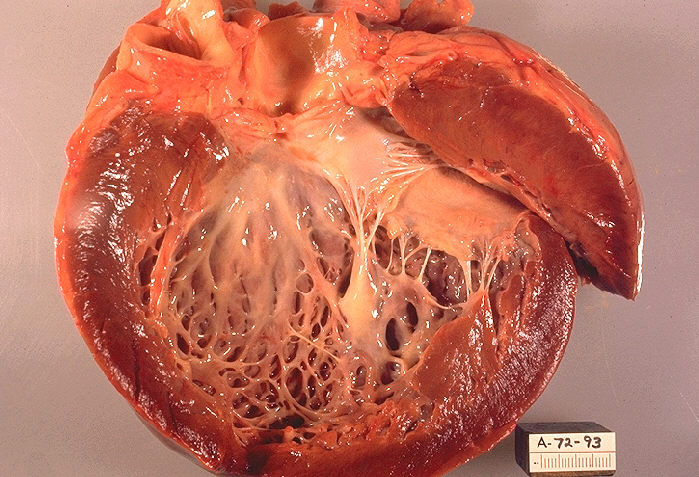
Gross pathology of idiopathic cardiomyopathy. Opened left ventricle of heart shows a thickened, dilated left ventricle with subendocardial fibrosis manifested as increased whiteness of endocardium. Autopsy.

Gross pathology of idiopathic cardiomyopathy. Opened left ventricle of heart shows a thickened, dilated left ventricle with subendocardial fibrosis manifested as increased whiteness of endocardium. Autopsy.{credit}CDC/Dr. Edwin P. Ewing, Jr. {/credit}


To find out how deletion of a gene for general miRNA regulation could have such a specific effect on heart muscle function, the authors looked for genes that were aberrantly expressed in the deletion mice. They found that the levels of genes for slow and fast twitch muscle fibers were not expressed at their normal ratios due to increased expression of a gene called Sox6. They also noticed that several miRNAs were not processed normally in Trbp deletion mice. One miRNA in particular, miR-208a, was found to be responsible for misregulation of Sox6. Adding normally-processed miR-208a back into the Trbp deletion mice completely reversed the heart defects.

We asked the senior author of the study, Da-Zhi Wang from Harvard Medical School, to tell us a little more about the background of this fascinating discovery.

What motivated you to choose Trbp for this study? Why did you specifically choose to knock this gene out in cardiomyocytes?

We have been interested in microRNA biogenesis [the creation of miRNAs from longer RNA precursors] and the underlying functional mechanisms for the past ten years. It has been generally thought that most (if not all) microRNAs are produced and processed in a similar manner, where they are transcribed by RNA polymerase II and processed by the microprocessor (Drosha/DGCR8 complex) in the nucleus.  In the cytoplasm, they are further processed by Dicer and Dicer co-factors.  Trbp is interesting because, unlike Dicer, Drosha and Ago2, which were primarily characterized as regulators of miRNA pathway, Trbp was originally identified as an RNA binding protein binding to HIV RNA, suggesting it may play a distinct role in RNA biology. Interestingly, several previous studies, primarily conducted in vitro, suggested that Trbp could function as a Dicer binding partner to modulate miRNA biogenesis. However, few studies have directly linked the biochemical properties of this RNA binding protein to any physiological function.

Our lab studies molecular mechanism of the cardiac system. We have previously knocked out Dicer in mice and we found that cardiac-specific deletion of Dicer resulted in the blocking of miRNA biogenesis. As a consequence, we found that cardiac function was impaired in Dicer mutant mice (Chen et al., PNAS 2008). In order to have our hands on Trbp, we thought that we would first generate cardiac-specific Trbp knockout mice, which will enable us to examine its biological function as well as to define the molecular mechanism in a defined biological system.

Were you surprised to see such a significant cardiac defect in these mice?

Not really. As we predicted that Trbp is functionally important in the heart, we actually expected to see the cardiac defects. On the other hand, we were aware of the presence of a Trbp homologous gene, Pact, which potentially could have resulted in functional redundancy.

What was your initial reaction when you learned that only 60 miRNA transcripts were affected by Trbp deletion? Was this expected? Why or why not?

We were indeed surprised to see that only 60 miRNA transcripts were affected in Trbp-KO hearts.  As indicated earlier, prior studies have suggested that Trbp functions as an obligate co-factor of Dicer to regulate miRNA biogenesis globally.  Our study, on the other hand, clearly demonstrated that the effect of Trbp on miRNA expression is context-dependent.  We would like to emphasize that most previous Trbp-related studies were conducted biochemically in vitro, whereas we took a mouse genetic approach to delete the Trbp gene in vivo. These apparently inconsistent observations further underscore the importance of genetic studies in vivo.

What do you see as the most significant aspect of this study?

Re-expression of a single miRNA (miR-208a) or knockdown of a single mRNA target (Sox6) could fully rescue the loss of Trbp phenotype. This may make us rethink the functional mechanisms of miRNAs and their targets.

How do you envision others using this study in the future?

Although our study clearly demonstrated that the function of Trbp is mediated by miR-208a and Sox6 in the heart, it remains to be determined of how Trbp specifically regulates the biogenesis/processing of miR-208a. In other words, how is the specificity of Trbp conferred/determined?

Another important finding of our study is that the Trbp-miRNA-mediated fast- and slow-twitch myofiber gene program is correlated with cardiac function.  The fast- and slow-twitch gene regulation has been extensively studied in skeletal muscle (and linked to skeletal muscle function), but not in heart.  It will be important to investigate whether human cardiomyopathy patients are linked to dysregulation or mutation of the fast- and slow-twitch myofiber program.

Enhancing our knowledge of regulatory evolution

Stark

Fly illustrations from The University of Texas Publication No. 4313: April 1, 1943 and The University of Texas Publication No. 4445: December 1, 1944

A paper published online this week in Nature Genetics mapped the enhancer regions of 5 fruit fly species to better understand the evolution of regulatory DNA. 

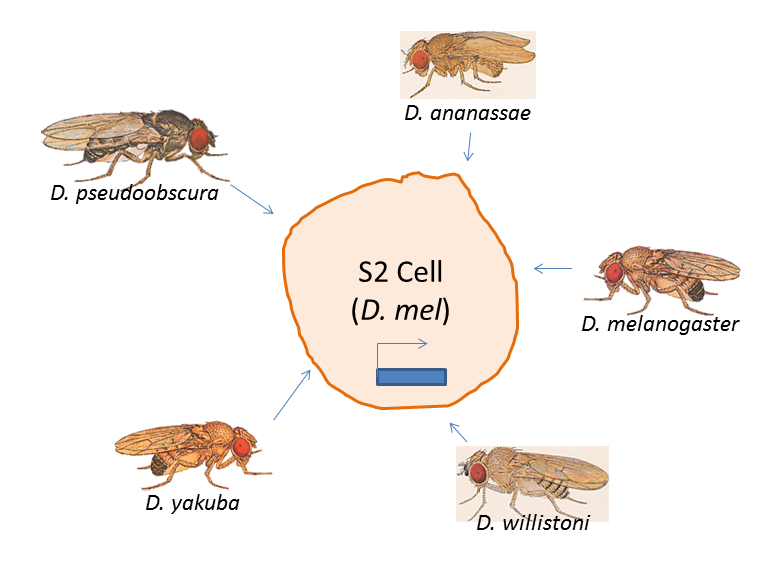
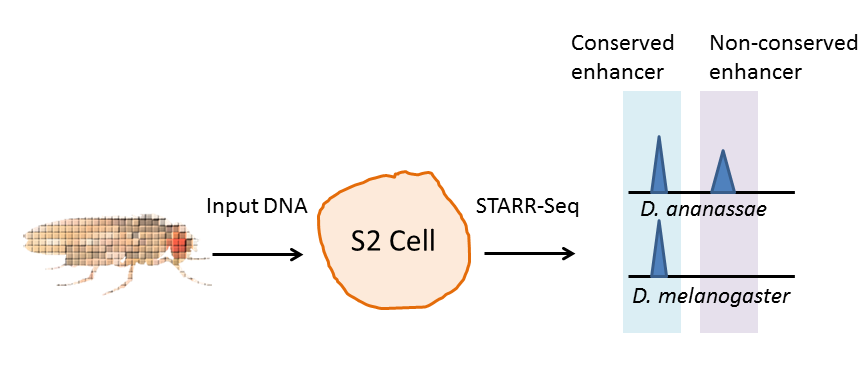
Alexander Stark and colleagues used a recently-developed method, called STARR-Seq, to find which Drosophila melanogaster enhancer elements were still functional in the different fly species. Basically, you chop up your input DNA, put the fragments into a vector with an open reading frame preceding it (so your input DNA can act as an enhancer, if it so chooses) and then toss it into some cultured cells.

In this case, the cells used were Drosophila melanogaster S2 cells. Keeping the cell line constant ensured that any differences seen in the expression levels of the ORFs + enhancers would be due to cis changes and not trans ones (like different transcription factors).

After expressing the constructs in S2 cells, you sequence the transcripts and compare them to the input and to the genomic sequence of the reference species, D. melanogaster. Interestingly, the authors found a pretty high proportion of enhancer elements are conserved between species. Between D. melanogaster and it’s closest relative used in the study, D. yakuba (only 11 million years diverged), 58% of the D. melanogaster elements were conserved. Between the most distant relatives (D. mel and D. willistoni), 34% were conserved. Now, they may just look like flies to you and me, but those two species are about as distantly related as you and I are from lizards.

Another key finding was that even over relatively short evolutionary time, hundreds of new enhancers can appear, right out of the blue. DNA sequences that had previously done nothing (or at least, done something completely different) were transformed into working enhancers. Between D. mel and D. yakD. mel gained 525 enhancers, while its yellower relative gained 472.

STARR

As for losses, the authors estimated that every 10 million years, about 4% of enhancers lose their activity. This rate of gain and loss of enhancer elements is probably faster than was previously thought. The authors speculate that the rates are likely to be much higher in mammals. Another example of why regulatory DNA is so important to the evolution of gene expression and function.