A physicist’s adventures in biology, funding and job-hunting:

Q&A with Ronald Walsworth who is a staff scientist at the Harvard-Smithsonian Center for Astrophysics and a faculty member in the Harvard physics department.

The scientist profiled in the August issue of Nature Methods, Ronald Walsworth, who is a physicist at the Harvard Center for Astrophysics (CfA) has built and tested a quantum diamond microscope that benefits from particular flaws in a diamond.

What follows is an edited excerpt of his conversation with Nature Methods’ technology editor Vivien Marx. Read more here.

Ronald Walsworth (r) and Chih-Hao Li (l) adjust a laser frequency comb used in the search for Earth-like exoplanets. Photo credit: Harvard-Smithsonian Center for Astrophysics

Ronald Walsworth (r) and Chih-Hao Li (l) adjust a laser frequency comb used in the search for Earth-like exoplanets.
Photo credit: Harvard-Smithsonian Center for Astrophysics

  Q: The new instrument can quantify single cells, what else can it or might it do?

  RW: We have all these neat, cool things that diamond sensing can do, based on the   way it helps to detect small changes in magnetic fields. Diamonds can go into extreme environments–underground, under water, or they can go into high temperatures such as in an airplane engine–where there is a need for sensors.

  Some companies are developing imaging systems based on our research on the special kind of flaw in diamonds that involve nitrogen vacancy (NV) centers. There is an entire community of researchers working on NV centers who use them as nanoscale probes with which you can map out magnetic signatures at the near-atomic scale.

  There are physical science applications such as nano-scale probing of surfaces of novel materials that might be used in computing or for energy storage. They are also used for condensed matter physics research. In the life sciences, these diamonds can probe living tissue. We’re pursuing an approach using a planar surface with many NV centers to image a sample. In our paper, we showed single-cell imaging and we think we could move toward single molecule sensing and imaging, such as assaying tissues for magnetic signatures in early-stage brain disease.

Q: You do fundamental physics. Isn’t biology too squishy for you?

RW: We are doing a lot of basic physics research, a bit of astrophysics, lots of different things. I enjoy learning new things. One way to do that and to be professionally productive is to develop new tools that are relevant from day one for some field that is new to me. Then I have the enjoyment of learning while I am contributing and while I’m still kind of ignorant. About half way up the learning curve is where I often have my best ideas.

I am involved in collaborations about how to create networks of atomic clocks, another is about sensing gravity waves, or new ways for detecting exoplanets. I am a professor in the department of physics and a member of the center for brain science. I have a lab there, too, next to [neuroscientist] Jeff Lichtman. Some astro-people are increasingly interested in aspects of biology, too. There’s the Origins of Life Initiative at Harvard led by my friend and exoplanet astronomer Dmitar Sasselov, who is also interested in questions of synthetic biology.

Q: Your background led you down this path?

RW: I did my PhD in physics at Harvard and kind of never left. I never really did a post-doc. I got my PhD in the physics department on atomic clocks and fundamental symmetry tests in physics and did some work at the CfA where there was an atomic clock group. Then I got an offer to do a post-doc with future Nobel Laureate David Wineland, at the National Institute of Standards and Technology. I felt that was great, but I wanted to finish up my PhD work.

One thing led to another, and after a year I developed some ideas of my own that I wanted to pursue. There was some unused lab space and I took a gamble that I could just keep myself going on my own and do the research that I wanted to do and declined the post-doc. Years passed and I was able to raise money and build up a research group from scratch.

Q: You said you don’t recommend this path to others, why might it not work for them?

RW: The Smithsonian had some funding that made me a principal investigator day one.  You didn’t have to go through some formal hiring process, you could just try things. If you got resources to keep yourself afloat, you did science. It was very fertile and it gave myself and others a path through which to rise up, if we could get science done.

By the mid-1990s, I had built a group of four to five people, without being hired by anyone in any formal way other than having people at CfA say: “you can stick around in some space in a corner.”

I never went through a formal hiring process following up on an advertised position. I’ve never been hired anywhere. The last time I applied for a post was in 1984 when I applied to graduate school.

Q: Is that kind of path still possible?

RW: There is a good aspect to having more formalized procedures, there isn‘t nepotism and favoritism. Under-represented groups can be properly advanced and you are making sure there is a level playing field: those are all good things.

When it’s a bit more like the Wild West, there are lowered hurdles for young scientists when they are creative and full of energy. But even when you are trying to make things progressive and formalized it becomes unintentionally regressive to satisfy older and middle-aged scientists on hiring panels and study sections who vet and decide that “this is the young person we are allowing to join our ranks.” That lets existing researchers decide who should be hired and given a chance, rather than giving everybody a chance to pursue their creativity and see how it works out.

Q: How do you personally advise young scientists?

RW: Now I am going to sound like a griping middle-aged guy but I can think back to the young guy, too. There are too many barriers keeping people from trying things out. Scientists write proposals to get funding. We are enthusiastic about some of the proposals. Others we are less excited about. It’s tough when those ones are the ones we are less excited about.

But we always need to look out for the younger people, the next generation of scientists with promise and talent. We need to clear the path so they can get things done. I have physics graduate students from MIT and Harvard, some are also in chemistry or biophysics, some are MD/PhDs. I try to integrate everybody. They are in different locations, so we switch locations for lab group meetings. Fridays we have group seminars and then we go out to lunch together. One of my post-docs is someone who should already have a job. That’s another thing that bothers me, there are not enough jobs.

There are jobs for people who want to leave science who use their great analytical skills to do data analysis in the financial world. But for people to deploy their skills properly and continue in science, it’s hard. I have helped land good jobs for some of my people and I have a few more who are just finishing post-docs, who are just great and who need jobs.
Funding crisis in basic research

The editorial in our November issue discusses the shortage of funding for basic science in the US and how the ramifications of funding shortfalls on society at large can be measured.  But the US is not alone in facing a much tightened research budget.

Outcries over changes in funding polices can be heard also in many European countries.

In a column in Nature on October 9, Amaya Moro-Martin, a member of the governing board of Euroscience describes the problems and sums their root cause up by saying that “the policy-makers and leaders of an increasing number of nations have completely lost touch with the reality of research.”  The numbers she quotes are indeed stark: Italy’s spending on basic research has dropped precipitously and recruitment of scientists has fallen by 90%. And the situation is equally dire if not more so in Spain, Greece and Portugal.  She predicts that these budget cuts are triggering a brain drain from southern to northern Europe and, more seriously, lead people to leave research altogether in search for a more stable career.

The focus of the European research commissioner on applied rather than basic research will not solve this problem. Applied research does not ask the fundamental questions that underlie new discoveries, instead it improves upon what is already known.

Scientists in Canada voice similar concerns that their government puts increasing focus on funding projects that offer immediate commercial value rather than supporting basic research. A summary by the Canadian Association of University Teachers summarizes the drop in Canadian federal funding for basic Research over the last 8 years.  The authors urge their government to make basic research a priority and leave the awarding of grants to peers rather than side stepping this process by determining which projects or institutions will receive money.

Anniversary Issue Cover

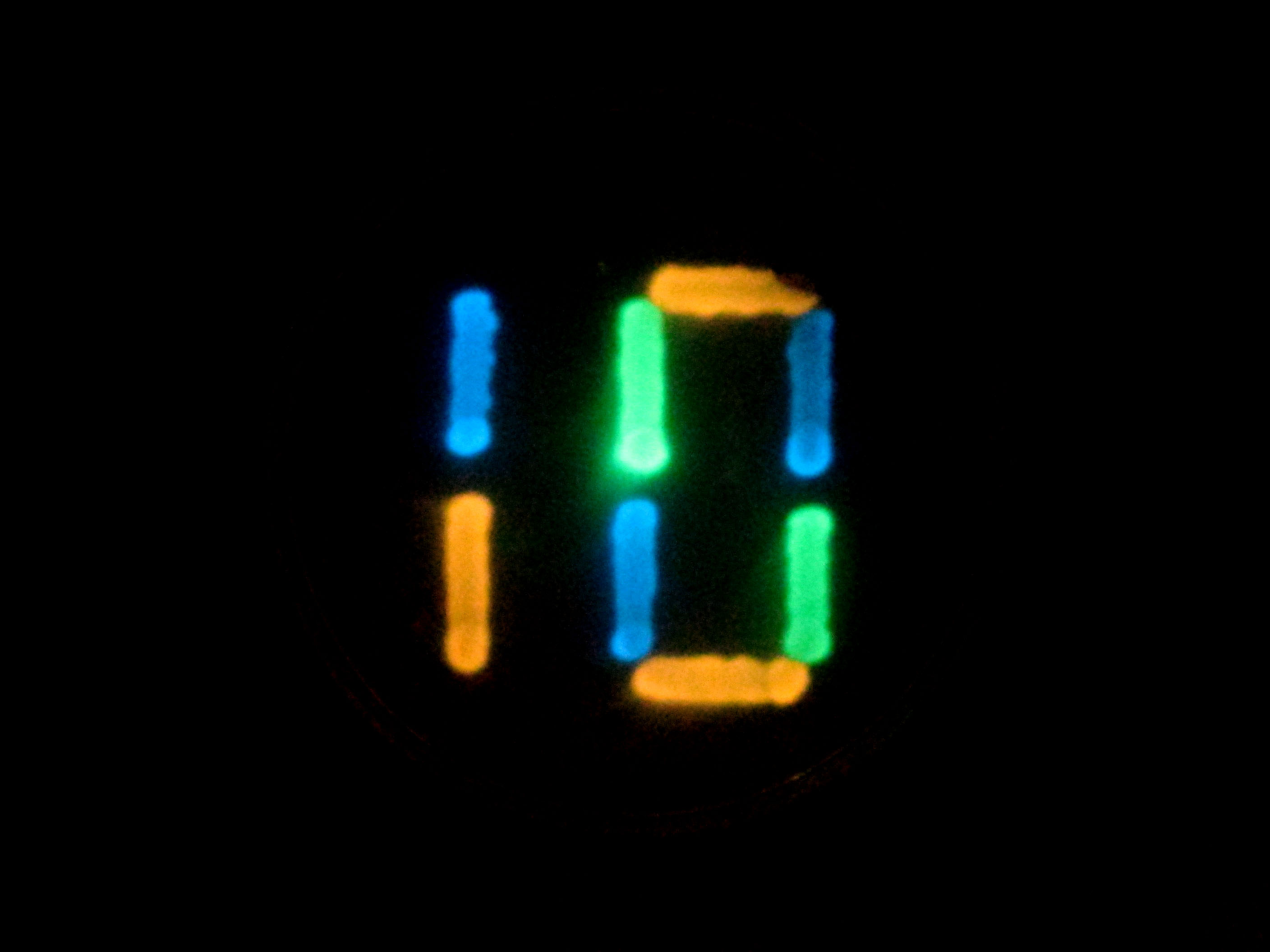
Over the summer we asked for contributions from our readers for the cover of our tenth anniversary issue. We asked for images of the number “10” made using biological research tools and techniques. We were delighted to have many excellent submissions and to be able to use them all on the cover. Here is a bit more detail about these images.

Ke image

{credit}Yonggang Ke{/credit}

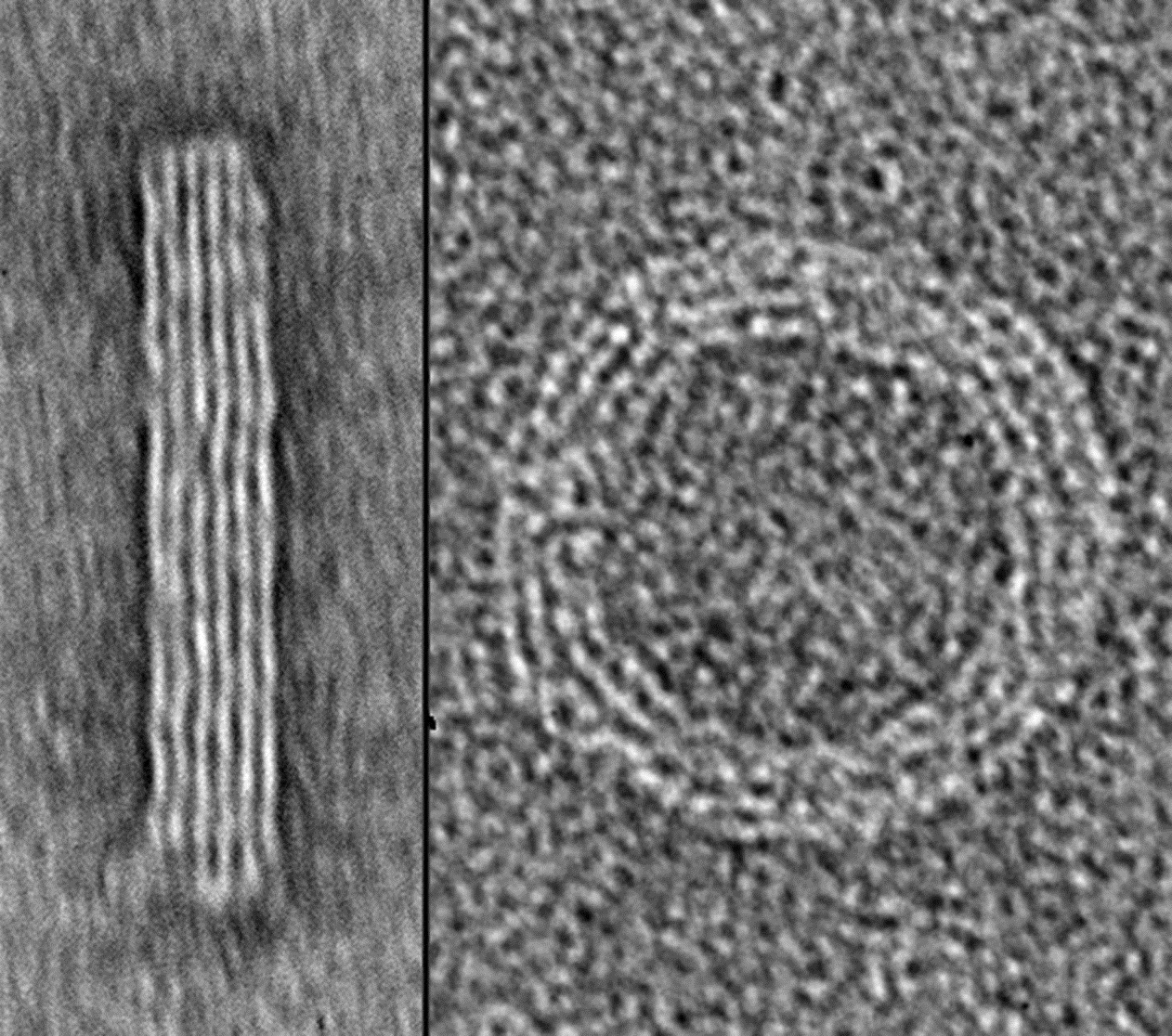
Yonggang Ke at Georgia Institute of Technology and Emory University sent us an image of DNA nanostructures. Ke and colleagues used DNA origami to generate two self-assembled 3D nanostructures, imaged them with transmission electron microscopy, and then assembled the images to form the number 10. The height of the final image is 120 nm.


Hogberg cover

{credit}Alan Shaw and Björn Högberg{/credit}

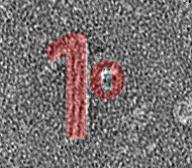
Alan Shaw and Björn Högberg at Karolinska Institutet also applied nanotechnology to the challenge. Building on their recently published Nanocalipers technique (Shaw et al, 2014) they displayed a ferritin protein as the “0” (instead of ephrin as in their published paper) and use DNA origami to generate a nanostructure in the form of a “1”.


DSCN0678-adjusted

{credit}Sandra Duffy{/credit}

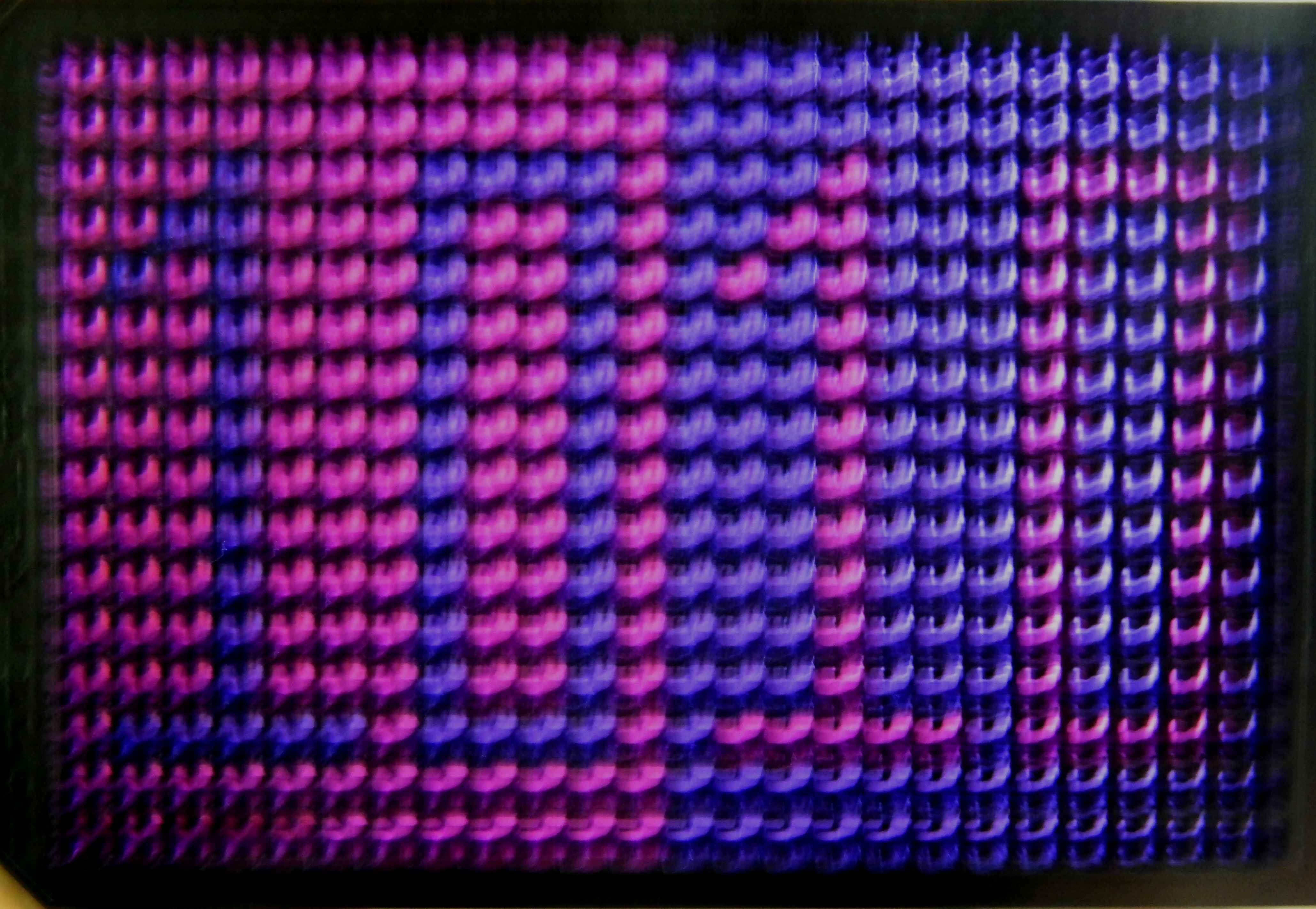
Sandra Duffy at Griffith University based her image on indicators of cell viability. Cytotoxic compounds were added to mammalian cells in a 384-well microtiter plate, either in the shape of a 10 in one half of the plate, or to all wells outside the shape of a 10 in the other half of the plate. After incubation, a cell viability marker (resazurin) was added to the wells. Viable cells convert the blue reagent to red, and the image was taken with a simple point-and-shoot camera.


Nano-lantern-2

{credit}Akira Takai, Yasushi Okada, Masahiro Nakano and Takeharu Nagai{/credit}

Nano-lantern-1

{credit}Akira Takai, Yasushi Okada, Masahiro Nakano and Takeharu Nagai{/credit}

Nano-lantern-3

{credit}Akira Takai, Yasushi Okada, Masahiro Nakano and Takeharu Nagai{/credit}

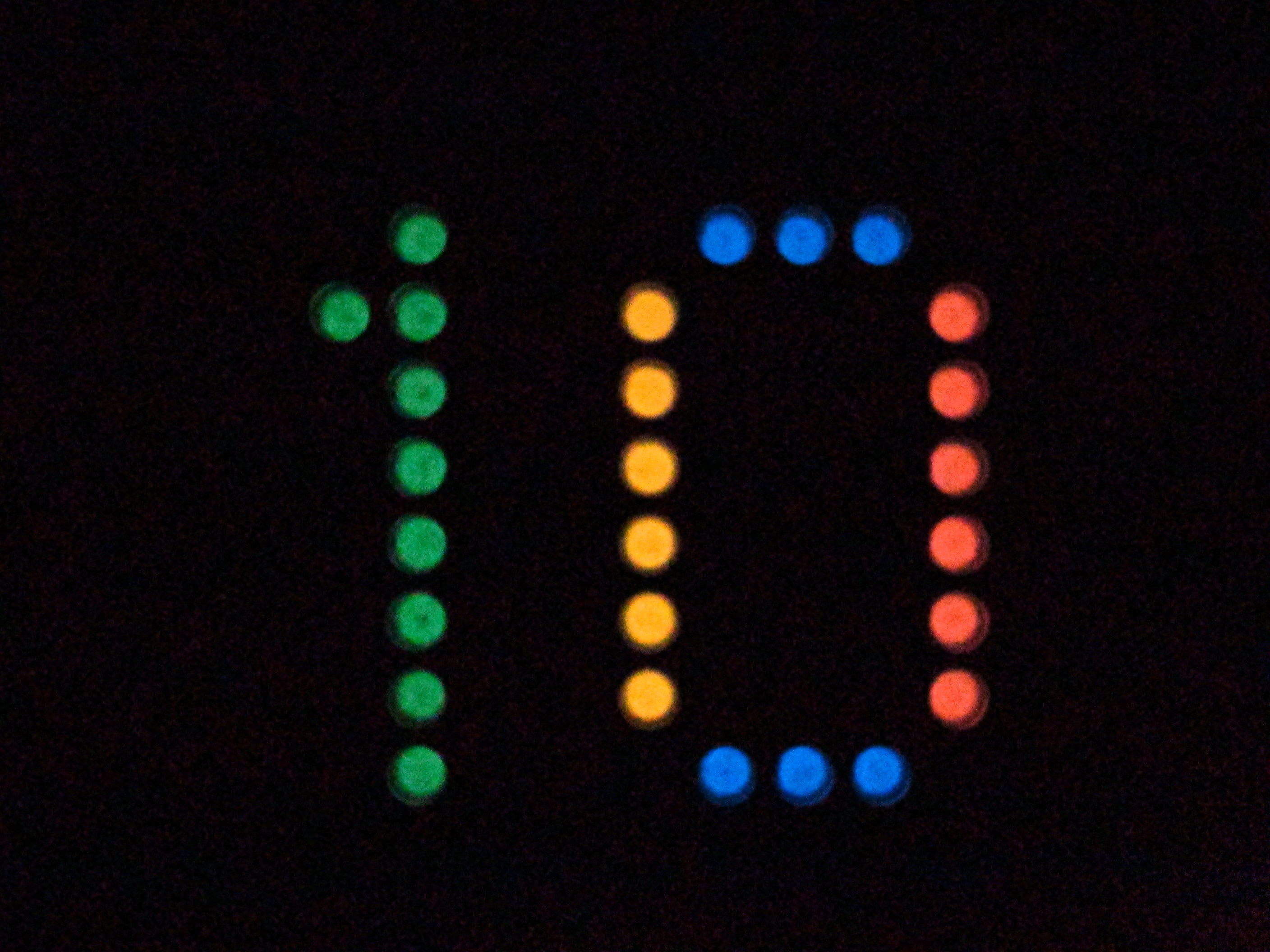
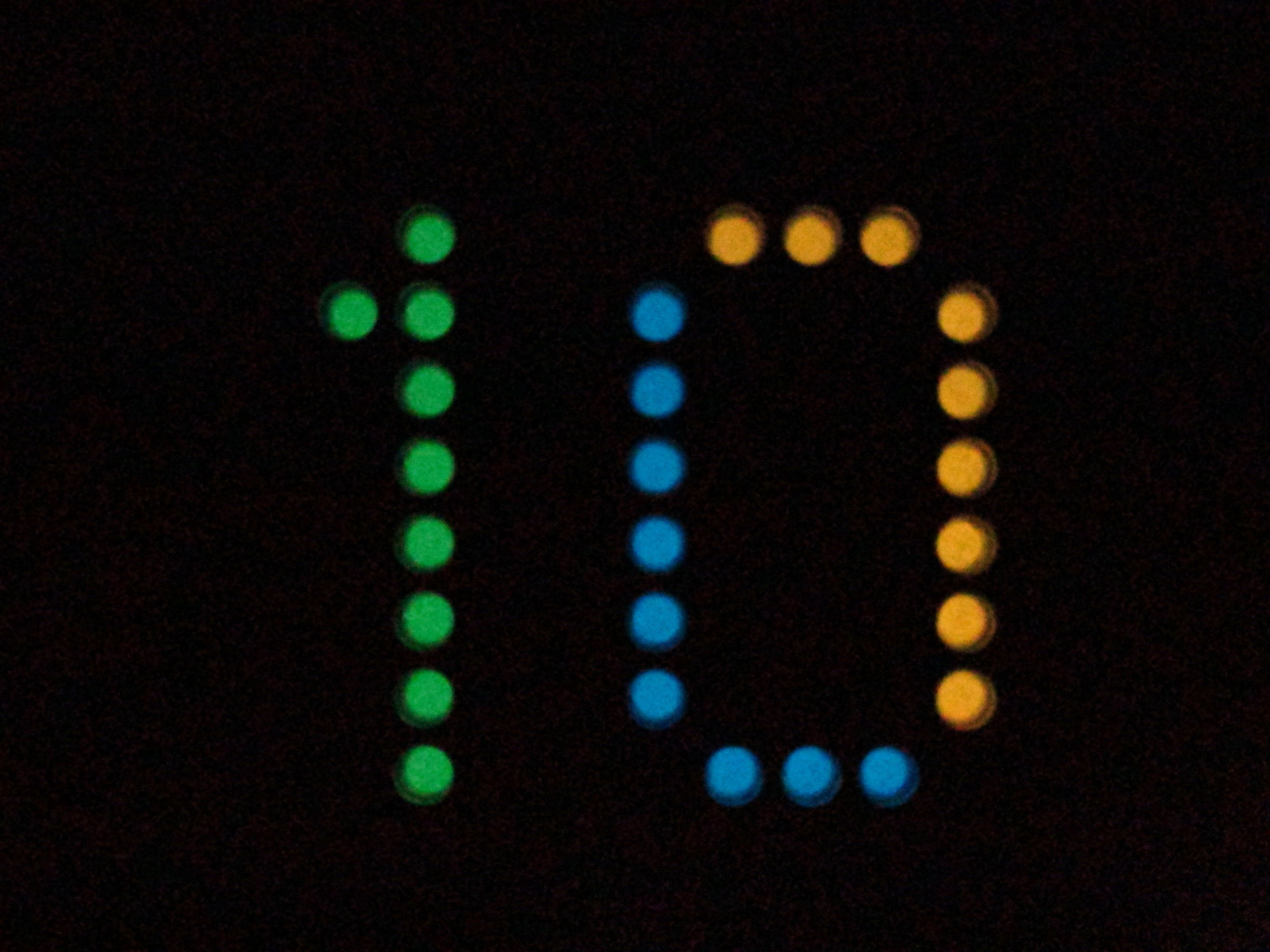
Akira Takai, Yasushi Okada, Masahiro Nakano and Takeharu Nagai, at Osaka University, used multicolour luminescent reporters to write the number 10, either by expressing them in bacterial cells streaked on an agar plate, or by aliquoting them in purified form in a 96-well plate.


10.2-Merge-v2-cropped2

{credit}Lauren Polstein and Charles Gersbach{/credit}

Lauren Polstein and Charles Gersbach at Duke University used light-sensitive transcriptional activators to photoactivate a GFP reporter in mammalian cells in the shape of the number 10.


Navneet Dogra and T. Kyle Vanderlick at Yale University examined bacteria stained with fluorescein (green) interacting with small unilamellar vesicles labeled in red. They used a laser to photobleach all fluorescence except that in the desired shape of the number 10. Image to come.

Finally, Kristina Woodruff and Sebastian Maerkl at EPFL used a standard microarrayer to spot live mammalian cells onto a 675-well array in the shape of a 10 (Woodruff et al, 2013).  Image to come.

We are very grateful to all contributors – thank you for helping us design a cover that salutes the creativity and ingenuity of methods developers!


Optogenetics in neuroscience at Nature Methods

The optogenetic manipulation of cellular properties has not only revolutionized neuroscience, but this technology can also be applied to the manipulation of signaling pathways, transcription or other processes in non-neuronal cells. Here, we highlight some of the papers we have published on the neuroscience side of optogenetics.

Optogenetic tools

2014 has been an exciting year for us with the publication of new optogenetic tools. Klapoetke and Boyden developed Chrimson and Chronos, two channelrhodopsins that they discovered in a screen of algal transcriptomes. Chrimson is more red-shifted than previously known channelrhodopsins while Chronos has faster kinetics. Hochbaum and Cohen described another algal channelrhodopsin called CheRiff, which is highly sensitive to blue light stimulation, making it compatible with red-shifted voltage sensors.

Previously, we published papers describing modifications to optogenetic tools. For example, Prakash and Deisseroth tailored opsin with custom properties. To ensure stoichiometric expression of optogenetic activators and/or inhibitors, Kleinlogel and Bamberg simply and elegantly fused the two proteins into a single chain. Depending on the two partners, this marriage can lead to synergisms or bidirectional effects. Finally, Mattis and Deisseroth undertook a comprehensive characterization of available tools.

Optogenetic applications

Since the initial description of Channelrhodopsin2 (ChR2) as an efficient tool to evoke neural activity in a light-dependent manner, we have seen a flurry of papers applying ChR2 for a variety of questions in neuroscience. For instance, Zhang and Oertner combined this tool with two-photon calcium imaging in rat slices to study synaptic plasticity. Liewald and Gottschalk applied the same methodology to analyze synaptic function in freely moving C. elegans.

ChR2 can also be used to map the function of brains regions as Ayling and Murphy demonstrated by evoking activity in limb muscles via light stimulation in the motor cortex of ChR2 transgenic mice. Similarly, Guo and Ramanathan mapped neural circuitry in C. elegans by combining ChR2-mediated neural activation with imaging of a genetically encoded calcium sensor in downstream neurons. To facilitate circuit mapping in mice, Zhao and Feng generated mouse lines that express ChR2 in GABAergic, cholinergic, serotonergic or parvalbumin-expressing neurons.

While ChR2 is a very popular tool in optogenetics, other family members can do the job as well. C1V1T is a fusion of two different opsins and is particularly useful when applying two-photon excitation, as shown by Packer and Yuste. ReaChR is activated by red light and thus especially useful in vivo. Inagaki and Anderson studied courtship behavior in Drosophila with this tool.

Method of the Year

We celebrated the impact of optogenetics by recognizing the technology as our Method of the Year 2010. We marked the occasion with the publication of special Commentaries on the subjects. Deisseroth discussed the past, present and future of optogenetics. Hegemann and Möglich deliberate on the exploration of new optogenetic tools. And Peron and Svoboda illuminated us on the precise delivery of optogenetic stimulation. In addition, our News Feature recounted the stories behind the “Light tools”.

If we have sparked your interest, the mentioned papers are listed below.

We are excited to hear about the upcoming developments in optogenetics from you.


Nathan C Klapoetke, Yasunobu Murata, Sung Soo Kim, Stefan R Pulver, Amanda Birdsey-Benson, Yong Ku Cho, Tania K Morimoto, Amy S Chuong, Eric J Carpenter, Zhijian Tian, Jun Wang, Yinlong Xie, Zhixiang Yan, Yong Zhang, Brian Y Chow, Barbara Surek, Michael Melkonian, Vivek Jayaraman, Martha Constantine-Paton, Gane Ka-Shu Wong & Edward S Boyden
Independent optical excitation of distinct neural populations
Nature Methods 11, 338–346 (2014) doi:10.1038/nmeth.2836

Daniel R Hochbaum, Yongxin Zhao, Samouil L Farhi, Nathan Klapoetke, Christopher A Werley, Vikrant Kapoor, Peng Zou, Joel M Kralj, Dougal Maclaurin, Niklas Smedemark-Margulies, Jessica L Saulnier, Gabriella L Boulting, Christoph Straub, Yong Ku Cho, Michael Melkonian, Gane Ka-Shu Wong, D Jed Harrison, Venkatesh N Murthy, Bernardo L Sabatini, Edward S Boyden, Robert E Campbell & Adam E Cohen
All-optical electrophysiology in mammalian neurons using engineered microbial rhodopsins
Nature Methods 11, 825–833 (2014) doi:10.1038/nmeth.3000

Rohit Prakash, Ofer Yizhar, Benjamin Grewe, Charu Ramakrishnan, Nancy Wang, Inbal Goshen, Adam M Packer, Darcy S Peterka, Rafael Yuste, Mark J Schnitzer & Karl Deisseroth
Two-photon optogenetic toolbox for fast inhibition, excitation and bistable modulation
Nature Methods 9, 1171–1179 (2012) doi:10.1038/nmeth.2215

Sonja Kleinlogel, Ulrich Terpitz, Barbara Legrum, Deniz Gökbuget, Edward S Boyden, Christian Bamann, Phillip G Wood & Ernst Bamberg
A gene-fusion strategy for stoichiometric and co-localized expression of light-gated membrane proteins
Nature Methods 8, 1083–1088 (2011) doi:10.1038/nmeth.1766

Joanna Mattis, Kay M Tye, Emily A Ferenczi, Charu Ramakrishnan, Daniel J O’Shea, Rohit Prakash, Lisa A Gunaydin, Minsuk Hyun, Lief E Fenno, Viviana Gradinaru, Ofer Yizhar & Karl Deisseroth
Principles for applying optogenetic tools derived from direct comparative analysis of microbial opsins
Nature Methods 9, 159–172 (2012) doi:10.1038/nmeth.1808

Yan-Ping Zhang & Thomas G Oertner
Optical induction of synaptic plasticity using a light-sensitive channel
Nature Methods 4, 139 – 141 (2006) doi:10.1038/nmeth988

Jana F Liewald, Martin Brauner, Greg J Stephens, Magali Bouhours, Christian Schultheis, Mei Zhen & Alexander Gottschalk
Optogenetic analysis of synaptic function
Nature Methods 5, 895 – 902 (2008) doi:10.1038/nmeth.1252

Oliver G S Ayling, Thomas C Harrison, Jamie D Boyd, Alexander Goroshkov & Timothy H Murphy
Automated light-based mapping of motor cortex by photoactivation of channelrhodopsin-2 transgenic mice
Nature Methods 6, 219 – 224 (2009) doi:10.1038/nmeth.1303

Zengcai V Guo, Anne C Hart & Sharad Ramanathan
Optical interrogation of neural circuits in Caenorhabditis elegans
Nature Methods 6, 891 – 896 (2009) doi:10.1038/nmeth.1397

Shengli Zhao, Jonathan T Ting, Hisham E Atallah, Li Qiu, Jie Tan, Bernd Gloss, George J Augustine, Karl Deisseroth, Minmin Luo, Ann M Graybiel & Guoping Feng
Cell type–specific channelrhodopsin-2 transgenic mice for optogenetic dissection of neural circuitry function
Nature Methods 8, 745-752 (2011) doi:10.1038/nmeth.1668

Adam M Packer, Darcy S Peterka, Jan J Hirtz, Rohit Prakash, Karl Deisseroth & Rafael Yuste
Two-photon optogenetics of dendritic spines and neural circuits
Nature Methods 9, 1202–1205 (2012) doi:10.1038/nmeth.2249

Hidehiko K Inagaki, Yonil Jung, Eric D Hoopfer, Allan M Wong, Neeli Mishra, John Y Lin, Roger Y Tsien & David J Anderson
Optogenetic control of Drosophila using a red-shifted channelrhodopsin reveals experience-dependent influences on courtship
Nature Methods 11, 325–332 (2014) doi:10.1038/nmeth.2765

Karl Deisseroth
Optogenetics
Nature Methods 8, 26–29 (2011) doi:10.1038/nmeth.f.324

Peter Hegemann & Andreas Möglich
Channelrhodopsin engineering and exploration of new optogenetic tools
Nature Methods 8, 39–42 (2011) doi:10.1038/nmeth.f.327

Simon Peron & Karel Svoboda
From cudgel to scalpel: toward precise neural control with optogenetics
Nature Methods 8, 30–34 (2011) doi:10.1038/nmeth.f.325

Monya Baker
Light tools
Nature Methods 8, 19–22 (2011) doi:10.1038/nmeth.f.322

April ’09 Conferences

Better late than never I always say. Anyway, now that we are over two weeks into April I am finally posting the conference schedule for Nature Methods editors. Nathan (our technology feature editor) is already at AACR in Denver and Natalie (one of our Associate Editors) is on her way to the Keystone meeting in British Columbia.

American Association for Cancer Research (Denver, CO) April 18-April 22

AACR is celebrating their centennial and Nathan Blow, who edits the Technology Features, is already there. We have only published a few papers targeted directly to cancer researchers but these investigators are heavy users of general techniques and technology. There will undoubtedly be many company reps there for Nathan to talk to about their new and upcoming products.

Keystone Symposia – Stem Cell Niche Interactions (Whistler, British Columbia) April 21-26

This is the second year Natalie de Souza is attending this conference. It turned out to be productive last time and hopefully this year will be as good or better. Competition for high quality papers in the stem cell arena is tough but our recent publication of a very nice iPS cell paper by Allan Bradley was a very good development.

Keystone Symposia – The Biology of RNA Silencing (Victoria, British Columbia) April 25-30

The trips to Canada continue with Nicole Rusk going to see what is new in the area of RNA silencing. We have always had a strong interest in this area as evidenced by our Focus on RNA interference published back in 2006. Now much of the community seems to be focussing their attention on naturally occurring small RNAs.

Information on the Nature Methods editors can be found here.

March’09 Conferences

Editors like to attend scientific conferences to get the pulse of the community and find out what is new and exciting in different subject areas. I like to think that face-to-face interactions also help ensure that editors aren’t viewed as faceless cogs in an uncaring publishing machine. It is also a welcome change of scenery after staring at a computer screen for hours on end, day after day.

To alert our readers to upcoming conferences of methodological interest that a Nature Methods editor will be attending, we will begin posting monthly conference schedules on Methagora. We hope this information is helpful to you and look forward to meeting some of you at these meetings. Information on the Nature Methods editors can be found here.

Biophysical Society Annual Meeting (Boston, MA) Feb 28-Mar 4

No editor from Nature Methods has ever attended this meeting before (though not for lack of desire). But this year Associate Editor Natalie de Souza and Nathan Blow, who edits the Technology Features, will both be attending.

Pittcon 2009 (Chicago, IL) Mar 8-13

Nathan Blow will attend this conference whose technical program and exposition cover laboratory science technology over a wide array of scientific disciplines.

Systems Biology: Networks (Cold Spring Harbor, NY) Mar 18-22

It seems that we rarely miss the various network biology meetings anymore and they always have something interesting. Natalie de Souza is planning to attend.

Perspectives in Stem Cell Proteomics (Hinxton, UK) Mar 22-23

This meeting, devoted to the intersection of two interesting fields, will be attended by Associate Editor Allison Doerr.

ESF Ligand Binders Workshop (Alpbach, Austria) Mar 23-25

Our publisher, Veronique Kiermer, will be attending this meeting.

Computational Cell Biology (Cold Spring Harbor, NY) Mar 24-27

We have published some computational biology papers and are interested in pursuing this field further. Editor Dan Evanko is planning to attend.

In terms of longer term plans, I will be attending EBSA 2009 in Genoa Italy. The conference will be running from July 11 to 15 so I’m hoping the weather will be beautiful. Italy itself was certainly beautiful the one time I visited previously and I’m looking forward to seeing a different part of the country.

For those who don’t know, EBSA 2009 is the 7th Congress of the European Biophysical Societies’ Association (EBSA). It was formed in 1984 with the objectives to advance and disseminate knowledge of the principles, recent developments and applications of biophysics, and to foster the exchange of scientific information among biophysicists. EBSA 2009 provides special incentives for young investigators and the 7th Congress will celebrate 25 years of EBSA.

Structural genomics in the spotlight

Check out Nature Methods’ February 2008 issue, featuring several methodological aspects of structural genomics and structural biology. A Commentary provides an overview of the efforts of the US-based Protein Structure Initiative, a Review from multiple, worldwide structural genomics consortia provides a consensus strategy for expressing and purifying recombinant proteins, a Perspective provides a user-friendly guide to protein crystallization, and the Technology Feature shows a day in the life of a structural genomics facility. Additionally, the Editorial discusses some of the criticisms that structural genomics efforts have faced, as well as some of the beneficial results.

What are your thoughts about structural genomics? Share your comments here!