How we built a better tomato

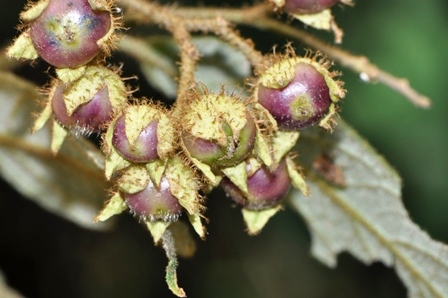
One species of wild tomato, Solanum lacerdae

One species of wild tomato, Solanum lacerdae{credit}Sandy Knapp{/credit}

Most wild tomato species bear little resemblance to the large, red fruits you’re used to seeing in the supermarket. This is because humans have been molding the tomato to their own taste for thousands of years, by selecting for larger, tastier and (of course) redder fruits.

As a consequence of this selective breeding, we have significantly altered the tomato genome. A new paper published online this week in Nature Genetics analyzed the genomes of 360 tomato accessions, including multiple wild species and cultivated varieties, to understand exactly how and where humans have left their mark on the tomato genome.

This study, the product of a collaboration between many groups around the world, found that human selection on the tomato has led to vast improvement in certain traits at the cost of dramatically reducing genetic variation in large swaths of the genome. An unintended consequence of historical selective breeding in tomato is that there is now little room for improvement on many traits that we care about. By identifying these regions, the study will allow tomato breeders to make more strategic plans for future crop improvement.

We asked one of the study’s senior authors, Sanwen Huang, to tell us a little more about the work and why it is important:

This study was obviously a huge undertaking. How did collaborations come about, and what were the major difficulties in the project?

As an international consortium, we sequenced the tomato genome together (Nature 2012) and this project was regarded as another milestone of tomato research. The difficulty in the current project was deciding what to sequence. Fortunately, our team includes experts who understand tomato germplasm and they studied the natural variation of tomatoes for a long time. As a corollary, we combined tomato lines from many well studied core collections from several countries, such as the US (Roger Chetelat), Israel (Dani Zamir), France (Mathilde Causse), Italy (Andea Mazzucato), and China (Yongchen Du, Zhibiao Ye, and Jingfu Li).

What do you see as the most important aspect of your study’s results?

There are several important results that came out of this work. First, the evolution of tomato fruit size had two stages, from the wild progenitor of the modern cultivated tomato, Solanum pimpinellifolium, to cherry tomato (from ~1g to ~10g), and from cherry tomato to big-fruited tomato (from ~10g to ~100g). We found that there are two independent sets of QTLs or genes that have been selected during the two evolutionary stages. Second, there is a huge genomic signature of the divergence between fresh tomato and processing tomato [tomatoes used for commercial canning], on chromosome 5. This genomic region harbors several genes related to higher soluble solid content and fruit firmness that were selected during breeding for processing tomato. And more interestingly, we noticed that in recent fresh tomato F1 breeding, this region was also exploited for better taste and longer shelf-life.  Third, we identified the causal variants for the pink tomato, which can be used for selective breeding. Pink tomato is a favorite in North China and I prefer it too, as it tastes better than the red ones. Finally, we found there have been costs to historical selection. For example, the near fixation of 25% of the tomato genome due genetic hitchhiking that occurred during domestication and improvement sweeps, as well as the linkage drags associated with wild introgression.

Cover of Nature, May 2012

Were you at all surprised to find such a large number of domestication and improvement sweeps? Did these results differ at all from other prominent vegetables, such as cucumber or potato?

The number and genomic proportion of domestication sweeps in tomato are similar to those in cucumber. However, the linkage disequilibrium blocks are bigger in tomato than in cucumber, possible due to the fact that tomato is a self-crossing species. Based on our data, we predict that the effective population size of tomato at domestication was about 300, similar to that of cucumber (~500), which is significantly smaller than that of maize (~150,000). This means these two vegetables have undergone much more severe bottlenecks during domestication as compared to maize.

How do you envision tomato breeders using the results of your study?

As a result of this work, tomato breeders will have a panoramic view of tomato variation and a better understanding of the raw materials used in their own breeding programs. From a practical standpoint, they will have access to a database of 11 million SNPs, from which they can pick the ones best suited to their molecular breeding programs. For example, they can combine the SNP dataset with their phenotypic data, to elucidate the genetic bases of important traits. Finally, and importantly I think, they will better understand the limitations of conventional breeding and the cost of historical selection, which will give them clues to improve their future programs.
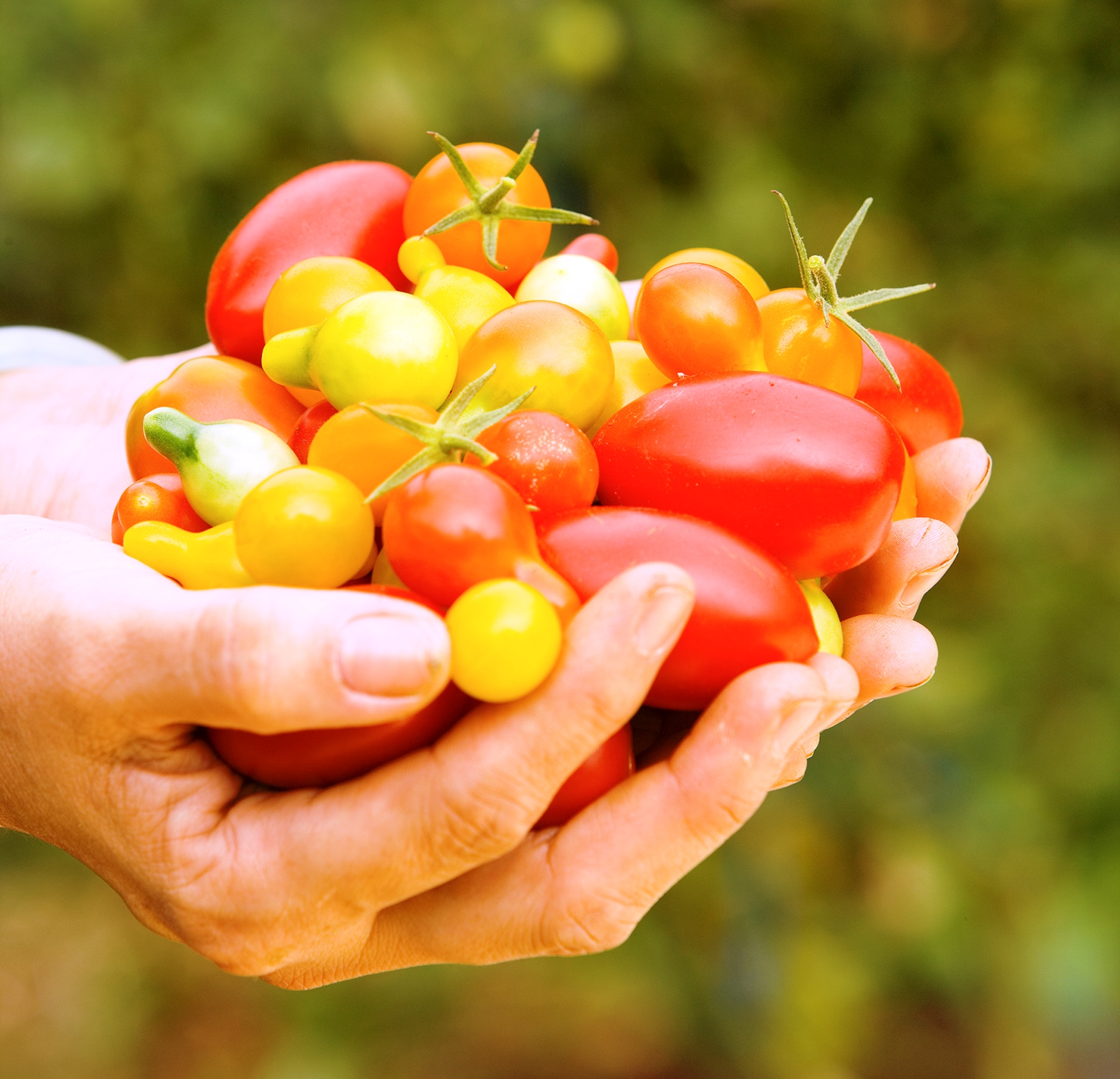
NRCSHI07018_-_Hawaii_(716072)(NRCS_Photo_Gallery)

{credit}Photo courtesy of USDA Natural Resources Conservation Service{/credit}

Congratulations on your recent move to the Agricultural Genome Institute at Shenzhen where you are a co-founding director. Can you tell us a little about this new institute and what its goals are?

Thanks! The leadership of the Chinese Academy of Agricultural Sciences set up the institute (AGIS) to innovate agricultural research using genomics.

AGIS is located at the Dapeng District of Shenzhen, a beautiful bay area. The Shenzhen municipal government is developing the Dapeng Peninsula as the International Bio-valley and high-tech agriculture is one of the highlights. AGIS will recruit ~200 scientists who will decode, analyze, and utilize agricultural genomes. There will be three themes of research: the first theme is to develop basic algorithms and bioinformatic tools tailored for agricultural genomes, many of which are quite different from the human genome that has been the focus for most bioinformatians; the second theme is to empower agricultural breeding with genomics, to increase the efficiency and effectiveness of breeding that is essential to global food security; and the third theme is to provide genomic surveillance of food safety and agricultural environment, which is a huge concern of society and a need for sustainable development.
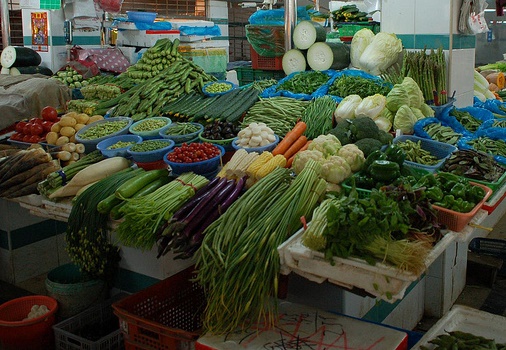
A vegetable market in Shanghai, China

A vegetable market in Shanghai, China{credit}nadja robot via Flickr.com{/credit}

Bonus question: What is your favorite vegetable?

China is a country of vegetables, as there are over 200 kinds of vegetables that are regularly consumed in the country. I enjoy the diversity. For fruit vegetables I like tomato, cucumber, and chili; for leaf vegetables, I like Chinese cabbage, lettuce, and coriander.


You can read more about this exciting study at The Scientist. Read the full paper here. 

Discovery of a gene for heart and gut rhythms

heartbeatWhat do your heart and gut have in common? More than you might think. A new study by Gregor Andelfinger and colleagues has found that a single gene, SGOL1 (Shugoshin-like 1), is required for the normal rhythms of both the heart and intestine.

The study’s co-authors found 17 patients with dysrhythmias of both the heart and intestine, termed sick sinus syndrome (SSS) and  Chronic intestinal pseudo-obstruction (CIPO), respectively. SSS is a term for a type of cardiac arrhythmia. Though it’s very rare in children or young adults, it is more common in the elderly and generally requires the patient to have a pacemaker implanted. CIPO occurs when the intestines stop their usual rhythmic pulses, and food can no longer pass through the digestive tract on its own. Both conditions are extremely rare as inherited disorders, so finding both disorders in these 17 patients was a truly remarkable discovery.

All affected patients in the study shared the same homozygous variant, which resulted in changing a lysine to a glutamic acid at a conserved residue. The new syndrome was named Chronic Atrial and Intestinal Dysrhythmia (CAID).

We asked one of the study’s lead authors, Gregor Andelfinger at Sainte-Justine University Hospital Research Center in Montreal, to tell us a little more about the work:

How did you become involved in studying CAID?

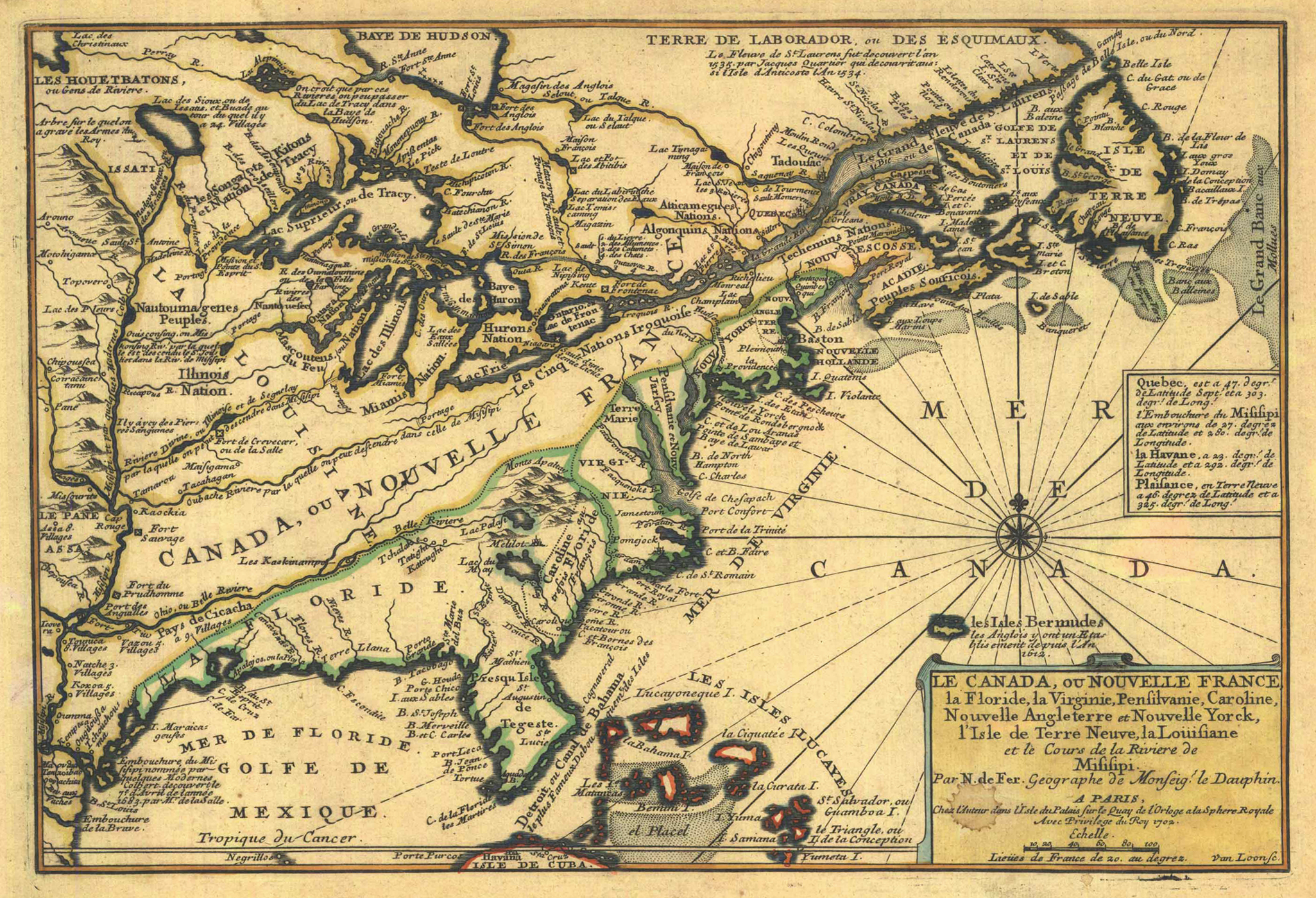
Map of Canada (New France) in North America 1703

Map of Canada (New France) in North America 1703{credit}Wikipedia{/credit}

We have an excellent collaboration across our provincial biobank for congenital heart disease in Québec and exchange regularly among colleagues. We now have more than 3,000 deeply phenotyped participants in our biobank—both affected and unaffected family members—and when my colleagues told me about an unusual co-occurrence of SSS and CIPO in a couple of cases, we quickly fanned out and a side project suddenly got to center stage in the lab. We were surprised to see how many patients we found in relatively short time for a previously undescribed disease. Obviously, we would be very eager to learn from other groups whether they have encountered similar rare patients, and would love to cooperate! Let’s not forget that this type of research always has a human face, and this is what motivates our group in the first place.

What would you say was the most unexpected aspect of this research? 

Everything in this project was unexpected! On the clinical side, the emergence of a generalized automaticity disorder in humans was totally unanticipated. On the molecular side, one of the biggest surprises certainly was how wrong we all were with our thoughts on what could be the causal gene. Virtually all members in the lab placed their bets on ion channels, a priori the most likely suspects. As you know, we were all proven wrong and had to go back to rethink how this disease arises. We were again surprised how a completely new picture emerged when we finally put all the pieces of the puzzle together—from genetics, populations and cell biology to disease.

How does the finding of SGOL1 mutations in these rare cases help inform the biology of CIPO and SSS more generally?

When doing my literature search, I was very surprised that one of the discoverers of the sinus node [the heart’s pacemaker tissue], Arthur Keith, had already drawn parallels between cardiac and gut pacemaking in an article in 1915 [PDF]. The recent literature suggests a role for TGF-β signaling as a driver for fibrosis in channelopathies and arrhythmias, and obviously this could very well be an important pathway through which a progressive destruction of pacemaking tissues takes place (for example, see papers here and here). Remember that we can clearly show that all patients in our series were normal at birth and developed disease only at later stages. On the other hand, we also have evidence that some ‘developmental anomalies’ are present in CAID patients, since the malformed gut pacemaking system probably was present from birth on, with initially normal function. I think that we are dealing with an overlap of developmental and acquired phenotypes, and that a similar process takes place in isolated SSS and CIPO, even if we could not detect SGOL1 mutations in the isolated forms of disease. Beyond this, I think the monogenic nature of the CAID phenotype tells us that all pacemaker cells need the cohesin complex. I would not be surprised if we found at least two non-canonical roles for SGOL1 in the future, one driving the developmental, and the other one driving the acquired part of disease, and that these disease pathways are at least partially shared in isolated SSS and CIPO. ‘Shugoshin’ means ‘guardian spirit’ in Japanese, so this is a very apt name for functions of this gene beyond its known function of protecting sister chromatids

What do cardiac and intestinal pacemakers have in common, and what could make them particularly vulnerable to mutations in a cohesin complex member?

First, they are both relatively small organs. An adult sinus node is approximately 15 x 5 x 1.5 mm long, probably not more than 50,000 cells. Second, both organs are non-uniform and comprise different cellular subtypes, and third, they have to be in a very particular place to efficiently perform their function. Fourth, and very importantly, cells in both organs are capable of automaticity. What could the cohesin complex have to do with these commonalities of different pacemakers in the human body? For the known functions of cohesin, in particular cell division, I speculate that a defect could directly influence how many cells will be available to form a certain organ. However, apart from the smaller myenteric plexuses we found in CAID patients, we do not have direct experimental evidence for this. Of course, this could also affect subpopulations within these organs, the second organ property I alluded to above. Ageing and loss of cells over time may also come into play in this intricate balance.

I am at a loss to come up with a valid hypothesis how a dysfunction of the cohesin complex would lead to the misplaced myenteric plexuses we found in CAID patients. As far as the fourth commonality between cardiac and intestinal pacemakers is concerned, we know that automaticity is mainly generated due to spontaneous depolarizations. The channels responsible for this phenomenon are mainly the HCN-channels and SCN5A, but calcium transients also participate in this. Given that cohesin plays an important role in transcriptional regulation, it is conceivable that some target genes are not correctly expressed when SGOL1 is mutated, either in time, space or quantity. Several recent studies on cohesinopathies point out that higher-order chromatin architecture organization has to be tightly regulated for normal gene expression, and I speculate that a dysfunction of SGOL1 could lead to problems with ion channel expression and thus be one of the key factors why we see this exquisite target organ specificity.

Can you say a little about the FORGE Canada consortium and how your research relates to its mission?

Care4RareThe FORGE Canada (Finding of Rare Disease Genes) was launched on April 1, 2011 and brought together clinicians from all 21 Clinical Genetics Centres representing every province, as well as clinicians from 17 countries. From nation-wide requests for proposals, 264 disorders were selected for study from the 371 submitted; disease-causing variants (including in 67 genes not previously associated with human disease; 41 of these have been genetically or functionally validated, and 26 are currently under study) were identified for 146 disorders over a 2-year period. The outcome of this project was recently published in an article in AJHG. This project has a successor, Care4Rare, which is a pan-Canadian collaborative team building upon the infrastructure and discoveries of the FORGE Canada (Finding of Rare Disease Genes) project.  The goal of CARE for RARE is to improve clinical care for patients and families affected by rare diseases.  I think the great success of these projects also stems from their openness to collaborators like our group – this is the way it should be, and since my lab is working on several rare disease traits, we have benefited greatly from their help.


You can read the full paper here on the Nature Genetics website.

Pinpointing genes underlying developmental delay

A paper published online this week at Nature Genetics uses an innovative method to find new genes that contribute to neurocognitive disorders, such as autism.

The paper reports 10 new candidate genes for developmental delay or autism. The results also led to the discovery of two new subtypes of developmental delay, caused by loss of the genes SETBP1 and ZMYND11, respectively. You can find the paper reporting this study here.

Gene-duplication

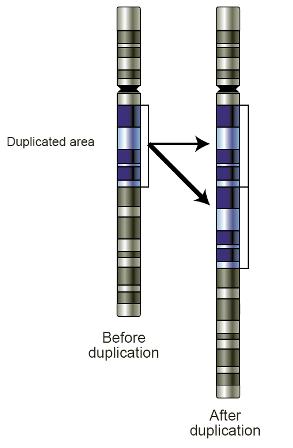
One example of a CNV. In this case, the region is duplicated. {credit}Wikipedia{/credit}

The authors of the study narrowed in on the 10 candidate genes by first building a map of all the regions in the genome with different copy numbers between the developmentally delayed and normal children. These differences, known as copy number variants (CNVs), can each include many different genes. By then integrating this map with single base-pair changes (SNVs) between the two groups, the researchers were able narrow in on the genes most likely to contribute to cognitive disorders.

I asked one of the senior authors of the paper, Evan Eichler, to tell us a little more about the background of the study and why it is important:

Q: The study includes authors from many institutions–how did you all come together to work on this project?

A: The multi-center collaboration is one that developed over the last ten years when we began our work on CNVs and genomic hotspots flanked by segmental duplications. Some connections go further back, for example, I have known Lisa Shaffer from the days when I was a graduate student and she was in charge of the molecular cytogenetics laboratory at Baylor College of Medicine.

Q: Why did you decide to focus on CNVs rather than other types of variants? Was this the plan from the start?

A: The paper actually goes after both CNVs and SNVs. We used the very large number of cases and controls to identify regions that reached nominal significance for burden (i.e excess of deletions and duplications in patients when compared to controls). We then selected genes for resequencing (using MIPs [molecular inversion probes]) and show excess of loss-of-function mutations and similarity in clinical phenotypes between the SNV and CNV patients. It was the plan from the start.

Q: What would you say is the major new breakthrough in this study?

A: A systematic approach to go from large CNVs to pinpointing the underlying gene responsible for specific forms of developmental delay and ID. The paper bridges between those two types of variants and shows the power of combining these different datasets to make discoveries.

Q: How do you envision clinicians using the results? Are there any caveats that they need to consider?

A: Hopefully, the CNV morbidity map will provide clinicians and families some guidance in terms of interpreting previous variants of unknown significance. The discovery of specific genes and intersection of exomes and CNVs should also help with interpretation of clinical exomes that are now being generated. I anticipate that more than 1/2 of the genes listed in Table 2, for example, are relevant to pediatric DD as well as other diseases. The caveat is that more data and clinical assessment are required. Despite 30,000 cases and 20,000 controls many regions are still underpowered to move them to a category of benign or pathogenic. Large clinical labs should exchange their CNV data more freely.

Q: Do you think the approach used in this study (coupling exomes and CNVs) will be useful for other neuropsychiatric (or other) disorders?

A: Yes. Many complex neuropsychiatric disorders may in fact manifest as mild DD or other learning disorders early in childhood. Case-in-point is ZMYND11. We show that it is most likely the gene responsible for the 10p15.3 microdeletion syndrome but also find that 3/4 males with truncating mutations also have neuropsychiatric diagnoses as adults. A sporadic truncating mutation of ZMYND11 was also identified in a recent trio exome sequencing study of schizophrenia family. It still surprises me that the neuropsychiatric and pediatric developmental delay fields don’t compare notes more often.

Preliminary look at GWAS articles including dbGaP accessions

{credit}NCBI {/credit}

In this month’s Editorial (doi:10.1038/ng.3088) we mention 66 articles in this journal published between 2008 and 2013 that cite dbGaP accession codes and we took a preliminary look at citation of 13 pairs of GWAS articles with and without a dbGaP accession published on the same trait on the same day in the same journal (in the case of more than two simultaneous articles, non-overlapping pairs were assigned by sequential DOI number). Here are the references and some of the citation information for readers who want to investigate this area further.

Simultaneously published articles with citation data:

Screen Shot 2014-08-25 at 4.33.49 PM

citationdataAll Nature Genetics articles with dbGaP accession:

DOI Scopus citations up to 8/1/14
10.1038/ng.249 212
10.1038/ng.364 184
10.1038/ng.362 174
10.1038/ng.416 128
10.1038/ng.311 468
10.1038/ng.269 396
10.1038/ng.291 583
10.1038/ng.290 305
10.1038/ng.386 111
10.1038/ng.384 464
10.1038/ng.381 534
10.1038/ng.377 169
10.1038/ng.456 86
10.1038/ng.466 137
10.1038/ng.474 270
10.1038/ng.432 141
10.1038/ng.716 87
10.1038/ng.714 131
10.1038/ng.520 628
10.1038/ng.523 86
10.1038/ng.521 211
10.1038/ng.517 134
10.1038/ng.501 191
10.1038/ng.493 75
10.1038/ng.602 46
10.1038/ng.604 68
10.1038/ng.537 148
10.1038/ng.568 198
10.1038/ng.567 80
10.1038/ng.571 281
10.1038/ng.573 223
10.1038/ng.686 761
10.1038/ng.666 91
10.1038/ng.642 197
10.1038/ng.1017 52
10.1038/ng.1013 56
10.1038/ng01113 13
10.1038/ng.859 85
10.1038/ng.803 374
10.1038/ng.801 387
10.1038/ng.970 69
10.1038/ng.922 75
10.1038/ng.934 31
10.1038/ng.941 77
10.1038/ng.223 43
10.1038/ng.2250 103
10.1038/ng.2466 18
10.1038/ng.1108 124
10.1038/ng.1051 45
10.1038/ng.2354 95
10.1038/ng.2344 35
10.1038/ng.2213 60
10.1038/ng.2274 71
10.1038/ng.2285 22
10.1038/ng.2272 40
10.1038/ng.2368 23
10.1038/ng.2360 30
10.1038/ng.2385 63
10.1038/ng.2564 42
10.1038/ng.2505 23
10.1038/ng.2529 51
10.1038/ng.2554 38
10.1038/ng.2792 17
10.1038/ng.2794 6
10.1038/ng.2764 42
10.1038/ng.2702 36

Love for Nature Genetics

In a previous blog post, I asked “what makes a Nature Genetics paper?” I have been slow to follow up on the post with my own answers to that question, but in the meantime I would like to share this email that brightened my day (edited for clarity): 

“I work on the field of genome-wide association studies (GWAS) in complex diseases and I note that of recent months, the criteria and standard of Nature Genetics (NG) for accepting GWAS papers is getting higher and higher.

 Looking back at this editorial from 3 years back:  https://www.nature.com/ng/journal/v43/n7/full/ng.881.html

Vol43_7

Cover art from Vol 43, Issue 7 {credit}John Arabolos{/credit}

It appears that NG remains truly interested in strong, novel biological insights arising from the genetic work, and this is really wonderful. Consistent with this, NG published a beautiful and conclusive GWAS on visceral leishmaniasis in 2013, even though very small studies in the past have hinted at the same gene, but without any power to be at all definitive. I could go on and on, as there are many such great examples.

Despite a ton of [rejections without review], my collective experience with the journal has been very good due to the consistency of the editorial decisions handed down, and the very helpful tone of the editors. It may seem subtle and not all that obvious, but I note that ‘secondary, strongly genome-wide significant, ethnic specific signals’ within a broadly known locus is usually not of sufficient novelty for NG, and it is really consistent throughout. The journal is to be saluted for the consistent, increase in standards throughout the years.”

We of course try to be as consistent as possible in our editorial decisions and to constantly raise the bar…though this doesn’t always make everyone happy, for sure. We’d love to hear from more of you (whether positive or negative feedback…though please keep it civil!). You can email me or directly leave a note in the comments if you prefer.

Enhancing our knowledge of regulatory evolution

Stark

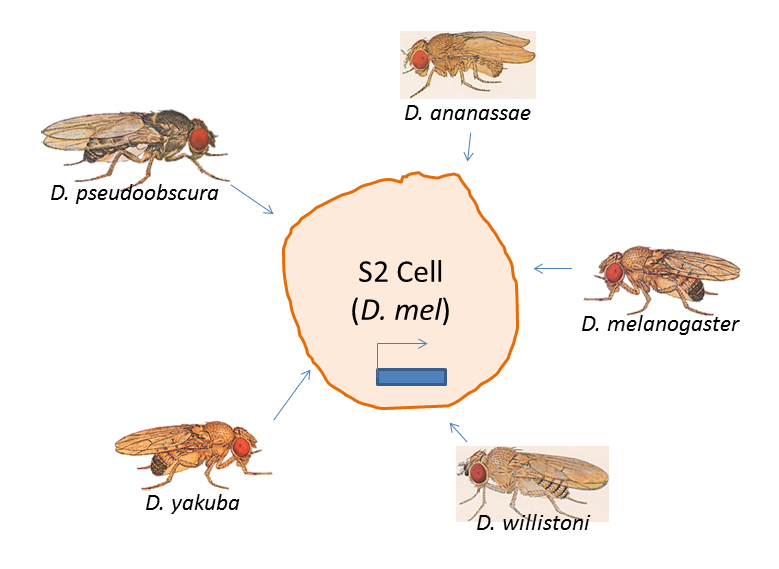
Fly illustrations from The University of Texas Publication No. 4313: April 1, 1943 and The University of Texas Publication No. 4445: December 1, 1944

A paper published online this week in Nature Genetics mapped the enhancer regions of 5 fruit fly species to better understand the evolution of regulatory DNA. 

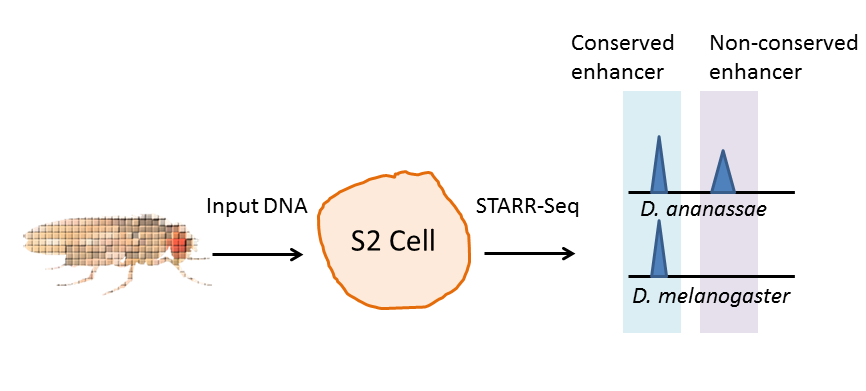
Alexander Stark and colleagues used a recently-developed method, called STARR-Seq, to find which Drosophila melanogaster enhancer elements were still functional in the different fly species. Basically, you chop up your input DNA, put the fragments into a vector with an open reading frame preceding it (so your input DNA can act as an enhancer, if it so chooses) and then toss it into some cultured cells.

In this case, the cells used were Drosophila melanogaster S2 cells. Keeping the cell line constant ensured that any differences seen in the expression levels of the ORFs + enhancers would be due to cis changes and not trans ones (like different transcription factors).

After expressing the constructs in S2 cells, you sequence the transcripts and compare them to the input and to the genomic sequence of the reference species, D. melanogaster. Interestingly, the authors found a pretty high proportion of enhancer elements are conserved between species. Between D. melanogaster and it’s closest relative used in the study, D. yakuba (only 11 million years diverged), 58% of the D. melanogaster elements were conserved. Between the most distant relatives (D. mel and D. willistoni), 34% were conserved. Now, they may just look like flies to you and me, but those two species are about as distantly related as you and I are from lizards.

Another key finding was that even over relatively short evolutionary time, hundreds of new enhancers can appear, right out of the blue. DNA sequences that had previously done nothing (or at least, done something completely different) were transformed into working enhancers. Between D. mel and D. yak, D. mel gained 525 enhancers, while its yellower relative gained 472.

STARR

As for losses, the authors estimated that every 10 million years, about 4% of enhancers lose their activity. This rate of gain and loss of enhancer elements is probably faster than was previously thought. The authors speculate that the rates are likely to be much higher in mammals. Another example of why regulatory DNA is so important to the evolution of gene expression and function.

NIH Common Fund song & video contests

“We want to know whether our future baby’s health is based on genes or the environment.” This is a concern shared by a lot of would-be parents for sure, and is the question posed to Dr. M. Elizabeth Ross at the beginning of this short video. The video, made by the labs of Dr. Ross and Dr. Christopher E. Mason at Weill Cornell Medical College is part of a competition sponsored by the NIH to commemorate the 10th anniversary of the Common Fund.

Logo for the NIH Common Fund 10-Year Commemoration Song & Video Competitions

The video takes a tongue-in-cheek approach to explaining an NIH-funded project investigating the role of epigenetic changes in birth defects. The contest ends tomorrow, May 9, and the results will be determined by the number of “Likes” the videos receive on YouTube.

To vote for this or any of the other amazing videos (and songs), check out the contest page here.


What makes a Nature Genetics paper?

largecoverIn the editorial published in the current issue of Nature Genetics, we draw attention to the development and implementation of community standards for biomedical publications. We also note that we will be discussing our own standards—interactively with the community, we hope—on this blog.

The goal is two-fold. First, we’d like to better communicate to researchers what we’re looking for in specific sub-fields (eg: genomic associations, cancer studies, epigenetics, evolutionary genetics, data analysis, etc) to more clearly answer the question “what makes a Nature Genetics paper?” Second, we want you to help us update what a Nature Genetics paper should be. Are there criteria we should be applying that we’re not? Don’t be shy. Obviously, we love to hear what we’re doing right, but it’s much more helpful to learn what we’re doing wrong.

So, to start off, I’m asking you: What makes a Nature Genetics paper? What should make a Nature Genetics paper? Send me your questions about our editorial processes or your comments/suggestions either in the comments to this post, by email (brooke.laflamme [at] us.nature.com) or on Twitter (@Brooke_LaFlamme). We will post contributions without name attribution unless you specify that you want to be named. For reasons of editorial responsibility we will need to record your name and affiliation offline. Questions and comments will be answered by staff on our editorial team in future posts.


New non-coding RNAs keep stem cells stemmy

Human embryonic stem cells. Image adapted from Russo E (2005) Follow the Money—The Politics of Embryonic Stem Cell Research. PLoS Biol 3(7): e234. doi:10.1371/journal.pbio.0030234

Human embryonic stem cells. Image adapted from Russo E (2005) Follow the Money—The Politics of Embryonic Stem Cell Research. PLoS Biol 3(7): e234. doi:10.1371/journal.pbio.0030234{credit}Nissim Benvenisty{/credit}

Stem cells are increasingly being used to develop new disease treatments and to understand the basic biology of a number of diseases. However, one of the questions that still needs to be answered regarding stem cells is how they manage to stay in a pluripotent state, instead of differentiating into other cell types. Understanding how pluripotency is maintained has important implications for the optimization of stem cell-based therapies and to the understanding of disease states such as cancer than involve an aberrant undifferentiated state.

Earlier this week in Nature Genetics, Piero Carninci, Alistair Forrest and colleagues (including the FANTOM consortium) reported the identification of a new class of non-coding RNAs that appear to be important for maintaining pluripotency. They name these new RNAs “Non-annotated stem transcripts (NASTs),” since they previously had no known or predicted function. In fact, nearly none of them had even been identified as transcripts before this analysis.

The authors found that NASTs tend to be transcribed from long-terminal repeat (LTR) retrotransposon families, suggesting an important role for this particular “junk DNA”.  To figure out what they actually did in the cell, the group knocked down specific NASTs in mouse stem cells carrying a reporter for nanog (a marker of the pluripotent state). Basically, if the NAST in question is important for maintaining pluripotency, knocking it down should reduce the reporter expression (in this case, they’d glow less green under UV light). They tested 77 NASTs, 25 of which affected the expression of the nanog reporter. They confirmed that these NASTs affected pluripotency by also checking the expression of other marker genes.

In a press release, Dr. Carninci had this to say about the study:

“Our work has just begun to unravel the scale of unexpected functions carried out by retrotransposons and their derived transcripts in stem cell biology. We were extremely surprised to learn from our data that what was once considered genetic ‘junk’, namely ancient retroviruses that were thought to just parasite the genome, are in reality symbiotic elements that work closely with other genes to maintain iPS and ES cells in their undifferentiated state. This is quite different from the image given by textbooks that these genomic elements are junk.” 

As we delve deeper and deeper into our genome, we continue to find unique functions for “junk DNA”, which we’ve known isn’t actually junk for some time. Studies such as this one, that integrate data from a variety of sources and add functional data to test in silico predictions, will surely yield more exciting discoveries about our genomes.


Follow me on Twitter @Brooke_LaFlamme

Happy DNA Day!

Watson-Crick-DNA-model

“It has not escaped our notice that the specific pairing we have postulated immediately suggests a possible copying mechanism for the genetic material”

Today is the 61st anniversary of the publication of the structure of DNA in Nature by James Watson and Francis Crick. Even though there are no traditional activities for this day, we hope you celebrate it doing something fitting (sequencing your genome, perhaps?).

The U.S. National Human Genome Research Institute has a National DNA Day website geared toward teachers and students, with a host of educational materials and activities centered around DNA Day.

For a little bit of history, you can also read a letter Francis Crick wrote to his son about the discovery of the structure of DNA here. In New York City, students celebrated the occasion by submitting their DNA to the National Genographic project, revealing the diversity of genetic origins amongst New Yorkers.

And finally, if you want to celebrate how far we’ve come since 1953 (and you have a ton of time to waste), you can try your hand at 2048-exome. Sure, maybe you can sequence a whole exome, but can you get to the Nature Genetics tile?


Follow me on Twitter @Brooke_LaFlamme