Cancer vaccine pioneer: the day I do not take it personally is the day I leave science

Harnessing the body’s own immune system should lead to less toxic cancer treatments, says a pioneer in the field of immuno-oncology
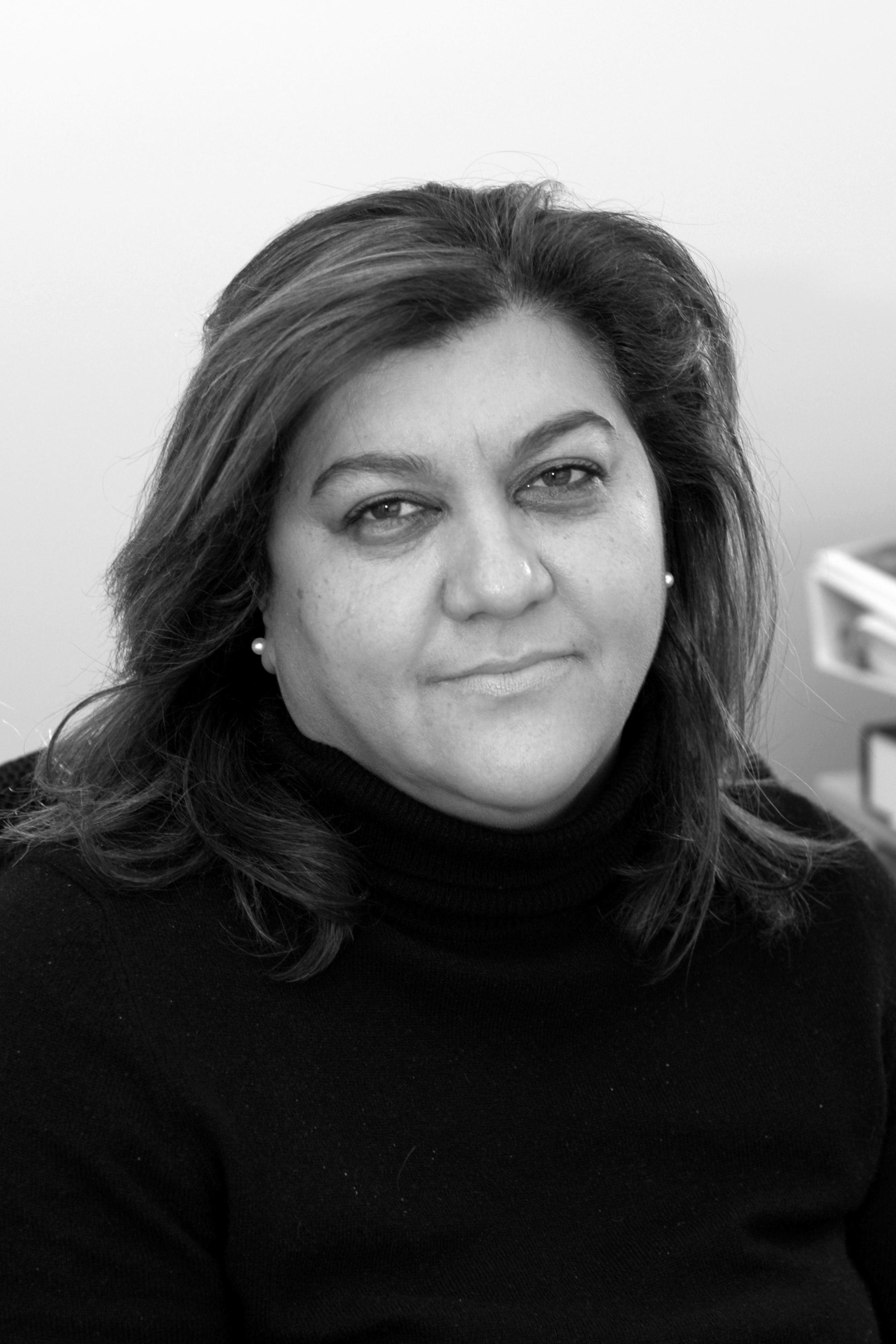
 

Dr Helen Sabzevari

Dr Helen Sabzevari

Dr Helen Sabzevari is Senior Vice President of Immuno-Oncology  at pharmaceutical company EMD-Serono. Sabzevari majored in immunology and immunobiology before going on to do a PhD in immunology, during which she became fascinated by the idea of activating the immune system against cancer. As a result, she went on to do her first postdoc in the fledgling field of cancer immunotherapy. Here she talks to Naturejobs about this growing field of research, and how immunotherapy is changing the treatments on offer for cancer patients.

What is cancer immunotherapy?

In one sense it is looking at how our immune system succumbs to the cancer in the first place, and that makes sense from the perspective that with cancer, the immune system is dealing with its own cells so it’s logical that it would not attack itself. But on the other hand it is fascinating to see how we might train the immune system to recognise cancer cells. For me this is really the dogma I want to address – that on one hand we need the immune system to recognise the serlf versus the non-self, but on the other hand, with cancer, we have to come up with ways to get our immune system to become aware of something that is wrong internally.

After your first postdoc, you switched fields for a while. Why?

It was very clear to me was at that point that in the field if immunology there was a disconnect between cancer immunotherapy on the one hand, and basic immunology and auto-immunity research on the other. Usually these two diseases are opposite sides of a coin – what leads to auto-immunity is over activation of the immune cells, whereas with cancer there is a quiescence of the immune system. My feeling was that it was very important to understand both sides, so I did a senior postdoc in the field of autoimmunity. At the time, some of my mentors did not consider that the best move because I had gained publications and focus in the field of immunotherapy. From my perspective it was completely the opposite – I wanted a holistic view of immunology, in order to come up with more innovative approaches for the immunotherapy of cancer.

During your career have you seen a shift in the way people are looking at treating cancer?

Absolutely. In the past two or three decades the treatment of cancer has been really focussed on radiation and chemotherapy. But the biggest issue there is the toxicity of these treatments. The whole concept of using immunotherapy is to understand how to activate the immune system, which is your own self defence mechanism, and come up with much more innovative therapies that can first lead to the stabilisation of the disease, and eventually work towards a curative aim. This has allowed us to think about approaches that are less toxic, and by reducing the toxicity, patients can maintain the treatment for longer periods of time with a much better quality of life.

What kinds of people are suited to a career in immunotherapy?

It’s unique, in that we need individuals with a good understanding of cancer biology and also a very solid understanding and training in immunology – they can connect this, see the bigger picture, and apply it. Continue reading

Scientists rally as sequester-based budget cuts loom

Vivien Marx reports from the AACR meeting and Rally for Medical Research in Washington, with details of the AACR plenary address by Harold Varmus.

Leaving the talks and conference halls behind, around 8,000 researchers and clinicians attending the American Association of Cancer Research (AACR) in Washington, DC joined patients and patient advocates on the Carnegie Library grounds to rally against cuts to research budgets. Members of Congress, patient advocates and celebrities involved in the organization Stand Up to Cancer, which also funds research, made their loud and forceful case against sequestration, the impending across-the-board forced 5% budget cuts facing government agencies, including the US National Institutes of Health.

Rally participant, University of Wisconsin scientist Nihal Ahmad, says that the sequester is already hitting his research, cutting into his ability to buy tools and reagents, which is work on signal transduction in tumors.

Overcoming cancer is a “very significant outcome for this country,” says Daniel Pollay of Weill Cornell Medical Center, explaining why he attended the rally. Andrea Russello, a product scientist at Cell Signaling Technology took part in the rally because her customers include academic scientists whose work is being affected by the sequester. She also knows many young scientists who cannot find jobs after their post-doctoral fellowships. The risk now is not just a budget plateau. “I think we’ll really regress if we can’t keep pushing forward,” she says.

Columbia University Medical Center researcher Jeanine D’Armiento looks at matrix metalloproteinases in tumors, in lung diseases in particular. Her latest grant scored in the 9th percentile. “Last year funding was at 10% and now it’s at 6%, if it were last year I would have received that grant. But right now, I don’t have it.” Staff cuts have been inevitable and she feels that her dream to move from mouse models into humans has to be put indefinitely on hold. According to NIH rules, the grant can only be resubmitted after 36 months.

Prior to the rally, National Cancer Institute Director Harold Varmus in his AACR plenary address encouraged delegates to attend it in order to highlight the importance of doing science to counter illness. The new BRAIN Initiative proposed by President Obama, may bode well for the future of science, he says, but it is an initiative that will “come too late” to address the problems cancer researchers face this fiscal year and the near future, he says.

Instead of just a fall over a fiscal cliff, research funding has actually been declining since 2003, he says. Inflation has eroded the agency’s spending ability to 2001 levels.

At the same time, he feels optimism about the new inroads against cancer that researchers are making and the possibilities the current $4.8 billion dollar budget provides. To manage the sequestration, his agency will keep the number of funding grants constant this year with a grant-funding success rate around 13%-14%.

He also took the opportunity to talk about initiatives the NCI is rolling out, also as a way to manage sequestration. The NCI is rolling out new initiatives geared toward ‘precision medicine’, including:

  • A Cancer Knowledge Commons, which is an informatics-based approach to aggregating data from many sources, will help to promote the use genomic analysis to improve research, treatment and outcomes.
  • A new Center for Cancer Genomics to continue the work of such projects as the The Cancer Genome Atlas
  • Clinical trials that find drugs that match the genomic profile of patients to drugs that stand to help them.
  • Continuation of the Provocative Questions Initiative, which is geared toward unanswered questions related to the biology of cancer and which are high risk but are also high reward opportunities.
  • A focus on RAS mutations, which are found in around one quarter of all tumors, leveraging proteomics and immunotherapies.
  • Looking at new ways to perform pre-clinical testing of drugs.
  • Global health initiatives.
  • Programs that take on the cultural change across the research community necessary to allow better sharing of results, reagents and reporting of outcomes from clinical trials.

MD Anderson faculty express frustration with leadership

Ron DePinho, the president of  MD Anderson Cancer Center in Houston, Texas, is under fire, after an internal survey found frustration among the institution’s faculty over its leadership and direction.

The survey, obtained and posted by the Cancer Letter, documents what the newsletter calls a “decline of morale” among the 514 people who responded to the survey. They represent roughly one-third of the institution’s 1,592 faculty.

The faculty who responded to the survey appear concerned with what they perceive as an unreasonably high clinical workload, departure of leaders who have nurtured the institution, concern over DePinho’s US$3-billion ‘Moon Shots’ programme, focused on eight cancers, and dissatisfaction with what one faculty member called DePinho’s “dictatorial” and “imperious” style.

Particularly troubling to the faculty have been continuing conflict-of-interest issues linked to DePinho that have drawn negative publicity to the institution.

In May, the state-taxpayer-funded Cancer Prevention and Research Institute of Texas (CPRIT), based in Austin, said that it would review a grant that it had awarded to DePinho’s wife, Lynda Chin, who had been named scientific director* of the Institute for Applied Cancer Science, a drug-discovery centre created by DePinho. The grant, worth $18 million a year, had not undergone a scientific review.

Then, in June, DePinho apologized for promoting on television the stock of a company that he co-founded, without disclosing his involvement with the company.

One faculty member writes in the survey of being “so tired of having to answer questions from other Houstonians about why MD Anderson is going downhill/always in the [Houston] Chronicle.”

DePinho responds in an e-mail to the Cancer Letter than the feedback was “humbling”.

“That survey was taken during a tough period at MD Anderson, and the results reflect it,” DePinho said in an e-mail, the Cancer Letter reports.

“I am committed to conducting a future scientific survey of faculty to make sure we continue this open channel for feedback. This is a period of change for healthcare and science, but also one of unprecedented opportunity,” DePinho told the Cancer Letter.

The Cancer Letter notes that it is difficult to tell whether the sentiments expressed in the survey reflect those of the majority of the faculty.

In response to a previous article in the Cancer Letter, the publication notes, a group of 36 faculty from the institution objected to the publication’s ongoing coverage of the MD Anderson controversies.

“The complaints of a few have led to inaccurate articles that have unfairly tarnished the institution’s reputation by presenting a false picture of what is actually taking place,” the group asserts.

*This post was corrected to reflect that Chin is the scientific director, and that Giulio Draetta is the director, of the Institute for Applied Cancer Science.

New techniques could improve reprogrammed-immune-cell treatment of HIV and cancer

­­­

Recent experiments exploring the use of patients’ own genetically reprogrammed immune cells toward the treatment of chronic diseases such as HIV and cancer have had encouraging and sometimes high-profile results. Yet, these studies have only been conducted in a limited number of individuals, and outcomes have been inconsistent, ranging from complete remission to complete inefficacy.

Now, two teams of researchers have demonstrated a method of using patients’ cells to create long-lived immune cells that target specific HIV and cancer antigens, and appear to resist degradation over time. Their work was published today in two separate papers in Cell Stem Cell.

“Our method has realized the functional rejuvenation and unlimited production of mature cytotoxic T cells with desired antigen-specificity for the first time in vitro,” says Shin Kaneko a stem cell biologist at Kyoto University in Japan and a co-author of the HIV-related study.

Difficulties in previous attempts to extract and reengineer T cells from patients are thought to be due in part to a phenomenon known as ‘cellular senescence’, a type of aging process. Naïve, quiescent T cells can survive for decades in the body. But active T cells, particularly those expanded outside the body in the laboratory, can gradually lose the ability to proliferate and be effective. This can lead to insufficient numbers of active immune cells to combat disease.

“Replicative senescence is likely to be a major issue for adoptive cell therapy,” says Carl June, an immunologist at the University of Pennsylvania’s Perelman School of Medicine in Philadelphia. “[These papers] address this issue and are exciting demonstrations of the progress in cell and developmental biology.”

Continue reading

Metabolic gatekeeper provides new target for disrupting cancer metabolism

In the 1920s, the German physiologist Otto Warburg proposed that cancer cells generate energy in ways that are distinct from normal cells. Healthy cells mainly metabolize sugar via respiration in the mitochondria, switching only to glycolysis in the cytoplasm when oxygen levels are low. In contrast, cancer cells rely on glycolysis all the time, even under oxygen-rich scenarios. This shift in how energy is produced—the so-called ‘Warburg effect’, as the observation came to be known—is now recognized as a primary driver of tumor formation, but a mechanistic explanation for the phenomenon has remained elusive.

Now, researchers have implicated a chromatin regulator known as SIRT6 as a key mediator of the switch to glycolysis in cancer cells, a finding that could lead to new therapeutic modalities. “This work is very significant for the cancer field,” says Andrei Seluanov, a cancer biologist at the University of Rochester in New York State who studies SIRT6 but was not involved in the latest study. “It establishes the role of SIRT6 as a tumor suppressor and shows that SIRT6 loss leads to tumor formation in mice and humans.”

SIRT6 encodes one of seven mammalian proteins called sirtuins, a group of histone deacetylases that play a role in regulating metabolism, lifespan and aging. SIRT1—which is activated by resveratrol, a molecule found in the skin of red grapes—is perhaps the best known sirtuin, but several of the others are now the focus of active investigation as therapeutic targets for a range of conditions, from metabolic syndrome to cancer. Just last month, for example, a paper in Nature Medicine demonstrated that SIRT6 plays an important role in heart disease.

Six years ago, a team led by Raul Mostoslavsky, a molecular biologist at the Massachusetts General Hospital Cancer Center in Boston, first showed that SIRT6 protects mice from DNA damage and had anti-aging properties. In 2010, the same team established SIRT6 as a critical regulator of glycolysis. Now, reporting today in Cell, Mostoslavsky and his colleagues have shown that SIRT6 function is lost in cancer cells—thus, definitively establishing SIRT6 as a potent tumor suppressor.

Continue reading

Texas resignation puts peer review under microscope

In the wake of the resignation of its Nobel-Prize-winning scientific leader, the US$3-billion Cancer Prevention and Research Institute of Texas (CPRIT) is defending the integrity of its grant-making process.

Al Gilman, chief scientific officer of the CPRIT, based in Austin, resigned from his post on 8 May; his resignation letter was made public today by ScienceInsider. In the letter, ScienceInsider writes, Gilman “alludes to problems” with the institute’s peer-review system, warning that “negative decisions” made at the oversight committee’s next funding round in July “would have a fatal impact on CPRIT’s peer review system” and would “be extremely harmful to the research community’s view of science in Texas, and thus on the ability to recruit scientists to the state.”

In a letter released today, CPRIT chief executive Bill Gimson defends the institute’s peer-review process.

“As CPRIT’s founding chief scientific officer, [Gilman] helped shape the framework and policies that distinguish CPRIT’s research portfolio from other cancer research funding agencies,” Gimson writes. “Under Al’s leadership, CPRIT recruited the best peer review committees in the world while implementing a conflict-free system that is the cornerstone of our cancer research grant award process.”

In an e-mail, Gilman declined to elaborate on the issues he raised in his resignation letter.

CPRIT’s peer-review process is similar to that of the state-funded California Institute for Regenerative Medicine (CIRM), a stem-cell agency based in San Francisco. CPRIT peer reviewers all live and work outside the state, and their recommendations must be approved by the agency’s governing board.

But CIRM’s grant-approval process has been criticized for failing to exclude perceived conflicts of interest, most recently at a meeting convened by the US Institute of Medicine in April. A CIRM chief scientific officer, Marie Csete, also resigned from her post at the agency in 2009, although she did not cite problems with peer review as a reason.

Gilman’s resignation letter states that he will leave the CPRIT on 12 October. In an e-mail, he said he does not plan to revise that leaving date, “unless I am provoked to leave earlier”.

Follow Erika on Twitter at @Erika_Check.


US cancer-genome repository hopes to speed research

The University of California at Santa Cruz (UC-Santa Cruz) has opened a US$10.3-million cancer-genomics hub (CGHub) that will store and make available all the data from the three major US cancer-sequencing projects, including the Cancer Genome Atlas (TCGA).

The hub will combine all of the data from the projects in one place, making it the largest collection of cancer genomes accessible to researchers around the world. Project leader David Haussler, who also directs the Center for Biomolecular Science and Engineering at UC-Santa Cruz, says that the aggregation of all the data in one place is crucial to advancing the application of personal-genomics technologies in cancer.

“If we don’t do something about it,” he told the Sage Bionetworks Commons Congress meeting in San Francisco on 20 April, “[The data] will all be locked up in different medical centres and people will be concentrating on small cohorts, and never getting the statistical power we need to attack the disease.” (Watch Haussler’s talk about cancer genomics from the meeting here.)

The data were previously stored in a database maintained by the National Center for Biotechnology Information, but the sheer amount of data involved in the cancer projects threatened to overwhelm that resource. Haussler says that CGHub is planning to store a terabyte (1 trillion bytes) of data from each of the 10,000 tumours from patients that will be sequenced as part of the Cancer Genome Atlas. CGHub’s current capacity is 5 petabytes (1 petabyte is roughly 1,000 terabytes) and is scalable up to 20 petabytes; the Cancer Genome Atlas alone could produce 10 petabytes of data in the next four years.

Haussler also hopes that aggregating the data in one place will enable a broader community of scientists to develop better tools for analysing them. Researchers might one day be able to access the CGHub data through cloud computing, as is now possible with data from the 1000 Genomes Project, and they can already install their own computers in the San Diego Supercomputer Center, where the CGHub data is physically housed, so that they can run their own analyses.

Haussler hopes that this broader accessibility could lead to speedier solutions to some of the more difficult problems confronting the genome-analysis field. For instance, he told the Sage Commons Congress, different centres that are participating in the Cancer Genome Atlas project are using different methods to identify somatic mutations — which appear after conception and may contribute to cancer. As a result, different centres are identifying different mutations in the same exact sequence data mapped to the same reference genome in exactly the same way.

“We do not have extremely precise tools that are guaranteed to give you the right answer,” Haussler said. “This is an incredibly hard problem. If it’s just a few gurus sitting around trying to work this out, it won’t happen.”

Follow Erika on Twitter at @Erika_Check.

Company scientist: It is too early to dismiss the predictive power of the personal genome

Knome, Inc, a Cambridge, Massachusetts company, is famously known for sequencing the genome of hard-living rocker Ozzy Osbourne. Knome bills itself as “the human genome interpretation company” and is credited for being the first to offer personal sequencing services.

So, when scientists from John Hopkins reported earlier this week that personal DNA sequencing fails to powerfully predict disease risk, the company got a lot of calls.

Nathan Pearson, Knome’s research director, shared the stage with Ozzy and Sharon Ozbourne for a 2010 TEDMed talk. So he should be on the defensive. But, he’s not. In a Wednesday interview in Knome’s office in a former furniture factory, Pearson echoed some of the same criticisms that have emerged since the Hopkins twin-study paper hit the news wires earlier this week.

 “Anyone who told you that whole genome sequencing is going to be a silver bullet of medicine would have been pulling your leg. That would be an irresponsible disservice to the public to say that – and to ourselves as scientists. “

Instead he offered that, “genomically personalized healthcare is really integrative.”

 “The thinking is that the whole genome will take the place beside more conventional cornerstones of care,” he said. “Face to face doctor vists. Family history. Lab tests. All of that will continue to be essential. Whole genomes will not replace any of those. They will compliment them.”

From a business point of view, Pearson said, overselling the predictive power of personal genetics won’t do his company any good. Eventually, funders will figure it out and stop paying for the work.

“It is important for us to accurately state what genomic data can tell us about health.”

That said, he has some concerns about the Hopkins study. One – it is old news. Another caveat he said, is that many of the 24 diseases the researchers looked at were cancers.

“We’ve known for a long time that cancer tends to be less genetically heritable than other diseases,” he said. “It’s not surprising that cancer comes in trailing the list of diseases…in terms of predictability.”

Pearson, like others say the study fails to address the anomalies of twin studies – like the impact of environment. Pearson also has problems with the way the study was publicized. While the results were widely reported in the press, the paper was not available to those who didn’t want to pay for it. (Late yesterday, Pearson said that publisher of the paper — Science Translational Medicine —   had dropped their paywall for this study. )

The story makes a big splash,” he said. “They are rehashing old knowledge and yet it propagates quickly ion the blogosphere…Scientific arguments are often made in the media as much as through the literature.’’

The Hopkins paper adds to that literature,  but  is too early to draw conclusion about the predictive power of personal genentics, he said.

“We still understand too little about how the frequency and distribution of disease variants — and their effect on disease risk to make precise model that accurately reflect biological reality.

Until science gets closer to that point, Pearson said speculation on the links between disease and the genome is premature.

“I’m not saying they shouldn’t have published,” he said. “We’ve got to start trying (to explore the genome-disease link) and in some cases, people are faulting these guys for taking a stab. Now there are number up on the board, so let’s continue going forward and see if they are right or wrong.  That’s science, right?”


A bend in the river for cancer genomics

People can be forgiven for thinking that the messages coming out of the American Association for Cancer Research annual meeting in Chicago this week seem to conflict. Finishing up today, the meeting hosted nearly 17,000 scientists, exhibitors and guests and had several talks expounding the dizzying pace of genome technologies being applied to cancer diagnosis and treatment. At the same time, some speakers warned of the challenges inherent in doing cancer ‘omics.’

A plenary talk Sunday evening by Elaine Mardis of the Genome Institute at Washington University in St Louis covered her group’s ongoing work to characterize individual patients’ tumours using what she calls deep digital sequencing, which looks at the whole-genome sequence from a patient and his or her cancer and then resequences and verifies individual mutations in DNA and RNA recovered from multiple biopsies. Her methods can show not only differences between cancer cells and normal cells but also how cancer cells change and evolve over time and in response to treatment. She has published recently on this for acute myeloid leukaemia (AML) and for myelodysplastic syndromes that can progress to AML.

Continue reading

Sari scare

The scare is that tying the petticoat under the traditional Indian women’s wear — the sari — too tightly and at the same place repeatedly might lead to skin cancer. The scare, obviously, is over rated. Any drawstring clothing — a pyajama, a salwar or a petticoat — could trigger this condition. The debate over whether this cancer should or shouldn’t be called ‘saree cancer’ refuses to die in the media[1], [2], [3], [4]. This, even four months after doctors reported  a couple of cases of cancer triggered by unhealthy petticoat tying in the Journal of Indian Medical Association (JIMA).

Sari

It boils down to how you tie the petticoat.

The researchers from Grant Medical College, Mumbai say it is ‘debatable’ whether the sari is an ideal clothing for the Indian climate. They also point out that “to make matters worse, they wear a skirt underneath fastened securely to the waist by a cord. These tight garments induce various dermatoses along the waist in female patients”. This is primarily because of sweating and skin irritation. They, however, cite an earlier study of 140 cases of waist line lesions associated with sari wearing but no malignancy.

In both the cases that the fresh study reports, the malignancy triggered by waist dermatoses was slow to spread.

Is the case study good enough to get worried over the humble sari or the salwar-kurta or pyajamas yet? Two cases do not seem to be good enough. Though caution — tying the drawstrings loosely and not at the same place always — looks like the way out of the scare. The researchers also suggest replacing the thin cord with broader  belts with hooks to reduce pressure on a particular site.

As long as it doesn’t cause physical irritation or lesions, the sari — unequivocally voted the most flattering Indian wear — has been given a green signal, for now!