Sea lamprey genomics

sea lamprey

Jeramiah Smith

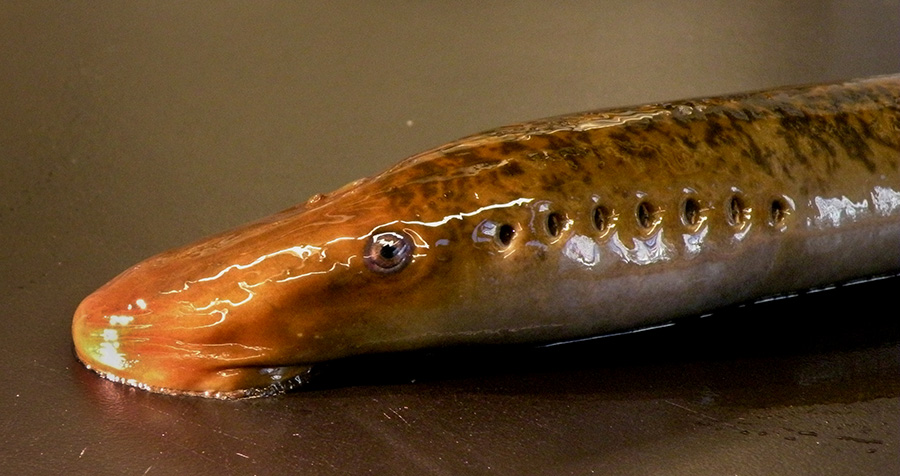
The sea lamprey (Petromyzon marinus) is an important model in evolutionary biology. It was discovered in 2009 (https://www.pnas.org/content/106/27/11212.long) that the genome of the sea lamprey undergoes extensive programmed genome rearrangement during development, where ~0.5 Gb (around 20%) of DNA is eliminated from the genome. The somatic tissues contain smaller genomes and only the germ cells retain the full complement of genetic material. The genome of the sea lamprey had been sequenced previously from the blood and liver, so only the somatic genome has been thoroughly characterized (https://www.nature.com/articles/ng.2568).
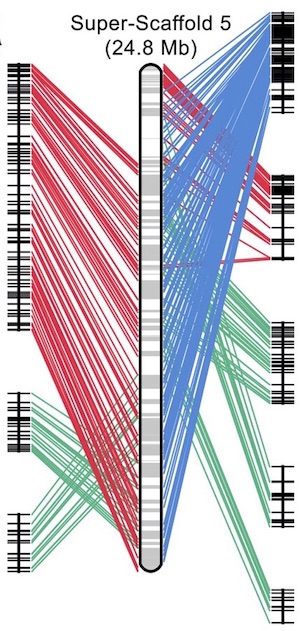
Smith et al., Nature Genetics, 2018

Smith et al., Nature Genetics, 2018

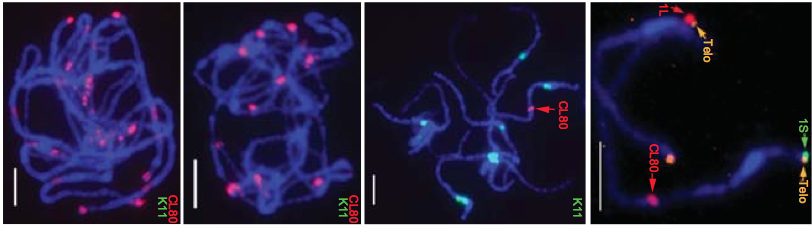
In a paper published this week in Nature Genetics, Jeramiah Smith and colleagues report the germline genome sequence of the sea lamprey.  Using a combination of shot-gun and long-read sequencing integrated with scaffolding data and a meiotic map, the authors assembled a high-quality genome with near-chromosome level of contiguity. This allowed them to identify hundreds of genes that were systematically eliminated from the genome during development. Comparative analysis showed that mouse homologues of these genes are often marked by repressive complexes, indicating parallel strategies for programmed development.

We spoke with lead author Jeramiah Smith from the University of Kentucky to get some background on this research:

  • What inspired you to sequence the germline of the sea lamprey?

I have worked with lamprey for years. I originally got involved with lamprey because it holds a special place in the vertebrate tree of life that shed light on the common ancestor of all vertebrates. That was the motivation for the first lamprey genome project, which sequenced DNA from blood and liver cells.  Once we started working with lamprey we found out that the genome was much more complex than we ever anticipated. This included the fact that the genome changes its sequence content in a reproducible manner over the course of its normal development: something we call programmed genome rearrangement. The amount of DNA that is eliminated from sea lamprey is more than is present in some entire fish genomes, roughly half a billion bases. For me, this finding was the major inspiration behind sequencing the germline genome.


  • What do you think were the most surprising or interesting findings to come out of the sequencing?

There were quite a few, but the strong overlap between programmed genome rearrangement and Polycomb-mediated silencing was near the top. The other was the rather strong evidence suggesting the some chromosomes, including chromosomes carrying the HOX genes, appear to have duplicated rather recently and seemingly independently from the rest of the genome. It’s a really strange genome.


  • Can you comment on programmed genetic elimination as a developmental strategy versus Polycomb-mediated silencing? 

Polycomb-mediated silencing arose deep in our evolutionary history, and is even present in unicellular organisms. We know that lamprey possesses human homologs of all Polycomb genes, but also uses programmed elimination. The difference between programmed elimination and other mechanisms of gene silencing is that programmed elimination is essentially irreversible, given that the DNA is physically removed. This means that the genes can never be expressed after an embryonic cell lineage has undergone elimination. Other silencing mechanisms are generally reversible, meaning that gene expression can be reactivated. In some cases reactivation is important. For example, in the context of development and regeneration. But in other cases activation of genes in the wrong tissue can case diseases, such as cancer. Lamprey seems to know which genes should never be reactivated outside of the germline.


  • What is the most challenging part about working with sea lamprey?

The Genome! Aside from undergoing complex changes during development it also contains a large amount of repetitive DNA and a lot of sequence polymorphism. These features present substantial challenges for assembly and downstream analyses, but we’ve found that they can also be useful tools. We’ve used the abundance of sequence polymorphisms as a tool for mapping genes in lamprey and we now think that some classes of repeats are going to be critical for our future work aimed at figuring out how eliminated DNA is identified and packaged in the early embryos. Lampreys also only breed once a year and take from 5 to maybe 20 years to mature, this makes some experiments impossible, but lamprey researchers are very creative and the community has figured out how to get a lot done in this system.

  • What organisms would you like to see sequenced in the future to help resolve the evolutionary relationships of vertebrates?

There are so many! Hagfish are going to be critical. They are another deep lineage that provides important perspective on vertebrate evolution and also happen to undergo programmed DNA elimination. There are also two other deep lamprey lineages that I also think will be important. Those species live in the southern hemisphere and diverged from sea lamprey around 300 million years ago, as opposed to the roughly 600 million year divergence between lampreys and other vertebrates. A lot of evolution can happen over 600 million years and these species should help bridge that gap. Salamanders and other amphibians are also going to fill important gaps and teach us a lot about the way vertebrate genomes evolve and function. It also seems certain that new sequencing technologies are also going to give us better genomes for other important species that have already been sequenced (e.g. amphioxus, sharks and shark relatives, and even sea lamprey). Finally, I think the zebrafinch germline genome will also be really interesting. They seem to have recently evolved something similar to lamprey’s programmed eliminations, and have a chromosome that’s unique to their germline. I’d really like to know what’s on that chromosome.

Woolly mammoth hemoglobin brought to life: From the archives (2010)

Combarelles-mammouth

{credit}Cave painting: Mammouth gravé de la grotte des Combarelles (Dordogne, France){/credit}

As part of the ongoing celebration of the last 25 years of Nature Genetics, the editors are each choosing a few papers from our archives that we want to highlight. My first pick a paper from Kevin Campbell, Alan Cooper and colleagues on their structure-function analysis of woolly mammoth hemoglobin, published in May 2010.

I’ve picked this one to highlight because, well, who doesn’t love woolly mammoths?

The authors compared the gene sequences of the adult-expressed α- and β-like globin genes from extant elephant species (African and Asian elephants) and from a 43,000 year-old Siberian mammoth specimen reported first in Science. They found that the mammoth β-like genes (designated HBB/HBD by the authors) had 3 amino acid-altering substitutions compared to the extant species.

To test the effects of these protein-coding differences, the authors then “resurrected” the mammoth hemoglobin protein by expressing the mammoth sequence in E. coli and testing its O2 affinity at different ambient temperatures. They found that the O2 affinity of the recreated mammoth hemoglobin is less affected by temperature than that of modern-day elephants. The detailed structure-function analysis reported by Campbell et al. offered us a rare glimpse into the evolutionary process that shaped an extinct organism.

The Colorful Carrot Genome

Simon carrots 1

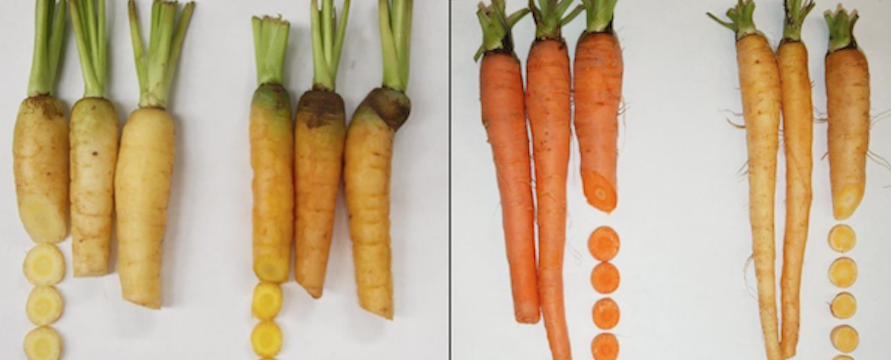
Iorizzo et al. Nature Genetics, 2016

A high-quality assembly of the carrot (Daucus carota) genome is reported this week in Nature Genetics. Carrot is an important crop due to its high content of Vitamin A precursors, alpha- and beta-carotenes, as well as its popularity in global cuisines.  The bright orange color of the modern carrot and its high carotenoid content are features that emerged through selection and breeding- the complete genome sequence will serve as a resource to aid breeders in crop improvement strategies.

Iorizzo et al., 2016, Nature Genetics

Iorizzo et al., 2016, Nature Genetics

Sequencing the carrot genome allowed for the identification of two novel Whole Genome Duplication events and 634 proposed pest and disease resistant genes. In addition, a novel candidate gene regulating carotenoid accumulation was found. Finally, the authors re-sequenced 35 carrot species and outgroups to determine genomic regions associated with domestication and estimated genetic diversity. Further phylogenomic comparisons with other plants clarified evolutionary divergence between carrot and tomato, grape and kiwifruit.

Iorizzo et al., 2016, Nature Genetics

Iorizzo et al., 2016, Nature Genetics

We spoke with lead author Philipp Simon to get some background on the research.

How did you end up working on carrots?

The position I am in focuses on carrot genetics and breeding. It became advertised soon after I completed my Ph.D. in genetics. The ability to do genetic research on a crop with a strong positive impact on consumers appealed to me. I was fortunate enough to enter that position.

What do you consider your most surprising result coming out of sequencing the whole genome?

The discovery of a candidate gene for the Y locus, which conditions the accumulation of carotenoid pigments in carrot roots. In previous work we were able to map the trait and also genes for enzymes in the carotenoid biosynthetic pathway, but none of those genes involved in carotenoid biosynthesis mapped with the Y locus. With a well-characterized genome available, we discovered a candidate for that important gene. The Y locus is one of the two genes responsible for the domestication of wild white carrots (ancestral wild type) to orange.

What user group do you think will benefit the most from these data?

The immediate users of the whole genome sequence will be by plant breeders for marker-assisted selection they have underway for carrot disease resistance and seed production traits. There are also several public sector labs doing more basic research on carrot pigments, biotic and abiotic stress response, reproduction, and evolution that will find it useful.

You propose an interesting model for carotenoid accumulation in the carrot. How might this knowledge be applied to the potential improvement of other crops?

 There are several possibilities. The knowledge of this mutation in carrot may provide insights for identifying similar mutations in sequenced genomes of other crops, or generating similar mutations with genome editing technologies, for example. This could have application with other root crops such as cassava, but similar mutations are also known to influence pigment accumulation in fruit crops, so there may be applications beyond root crops.

What are some of your future directions going forward now that the genome assembly is complete?

 Now we are using the carrot genome to understand genes for other carrot traits, including traits influencing accumulation of carotenoids, anthocyanins, carbohydrates and flavor terpenoids; pest and disease resistance; abiotic stress responses; plant reproduction and growth.

Bonus- do you have a favorite carrot recipe?

Regarding carrots in my diet, I usually eat raw carrots, but roasted or stir-fried carrots are also very tasty.

April issue cover: What’s going on here?

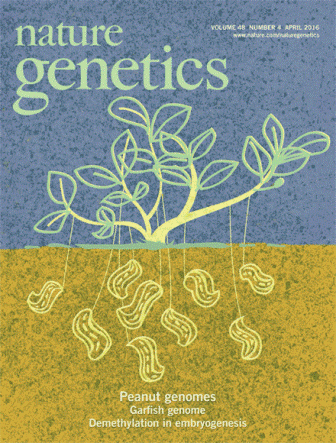
Tlalcacahuatl gold by Erin Dewalt

Tlalcacahuatl gold by Erin Dewalt

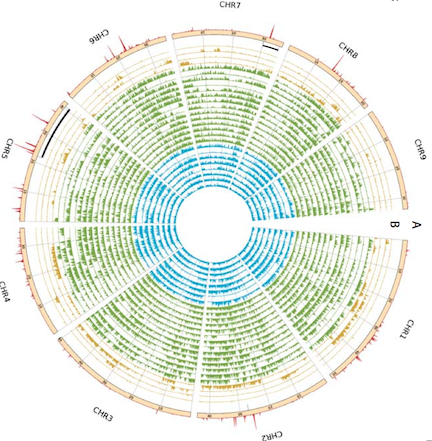
This month’s cover image is a visual tribute to the peanut and its importance to both the ancient civilizations of the Americas and modern agriculture. The genome sequences of the two progenitor species to the cultivated peanut were published in this month’s issue by David Bertioli and colleagues. The genome sequences are the first step to characterizing the genome of cultivated peanut, which was formed by the hybridization of these two species thousands of years ago. The genome sequences give us valuable clues about the evolution of these species. The authors also identified candidate genes for pest resistance, which could lead to advances in peanut cultivation in the future.

The image was inspired by a gold and silver necklace with beads in the shape of peanuts that was found in the tomb of the Great Lord of Sipan of the ancient Peruvian Moche culture. The necklace (c. 300) is now at the Museo Arqueológico Nacional Brüning in Peru. You can see an image of the necklace here and with more context here. The peanuts in the cover image have the same wavy shape as the beads in the necklace. The speckled texture and symmetric division of gold and silverish-blue in the cover image are also inspired by this ancient artifact.

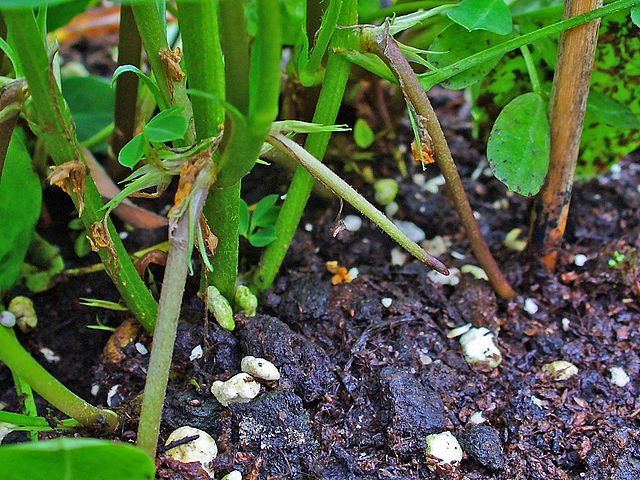
Erin Dewalt, senior graphic designer for Nature Publishing Group, developed the image concept. She shows the peanuts underground, almost dangling from the plant above like beads. Peanut seeds develop underground after the flowers are fertilized. The ovary develops into a “peg” (gynophore) that drives back down into the soil, where it develops into the fruit that we cultivate as peanuts.

640px-Arachis_hypogaea_006

Peanut pegs growing into the soil. The tip of the peg, once buried, swells and develops into a peanut fruit. {credit}H. Zell via Wikimedia Commons{/credit}

The title of the image, Tlalcacahuatl gold, is a reference to the ancient Aztec name for peanut, tlalcacahuatl. But it is also a reference to the wealth represented by the peanut, both for ancient cultures and for modern agriculture. Because peanut plants fix nitrogen, thanks to the symbiotic bacteria in their root nodules, they return nutrients to the soil and improve cultivation of other crops (a fact famously advertised to farmers in the U.S. by George Washington Carver).

Tangential reading: The peanut necklace of the Great Lord of Sipan was almost lost to history forever. As this LA Times article from 1988 reported, grave robbers nearly made off with the treasures of the Lord of Sipan, including the necklace.  


Highlighting genomes for DNA Day 2016

October 2015 cover

October 2015 cover “Histone butterflies” by Luisa Lente. Inspired by Salvador Dalí.

Today is national DNA day, celebrating the completion of the Human Genome Project in 2003 and the publication of the proposed structure of DNA in 1953 by James Watson and Francis Crick (PDF here).

This year for DNA day, we wanted to highlight papers reporting new genome sequences of organisms from peanuts to Papilio butterflies published in Nature Genetics over the last year. All reference genomes are published open access under a CC-BY licence.  Continue reading

Ancient regulatory logic

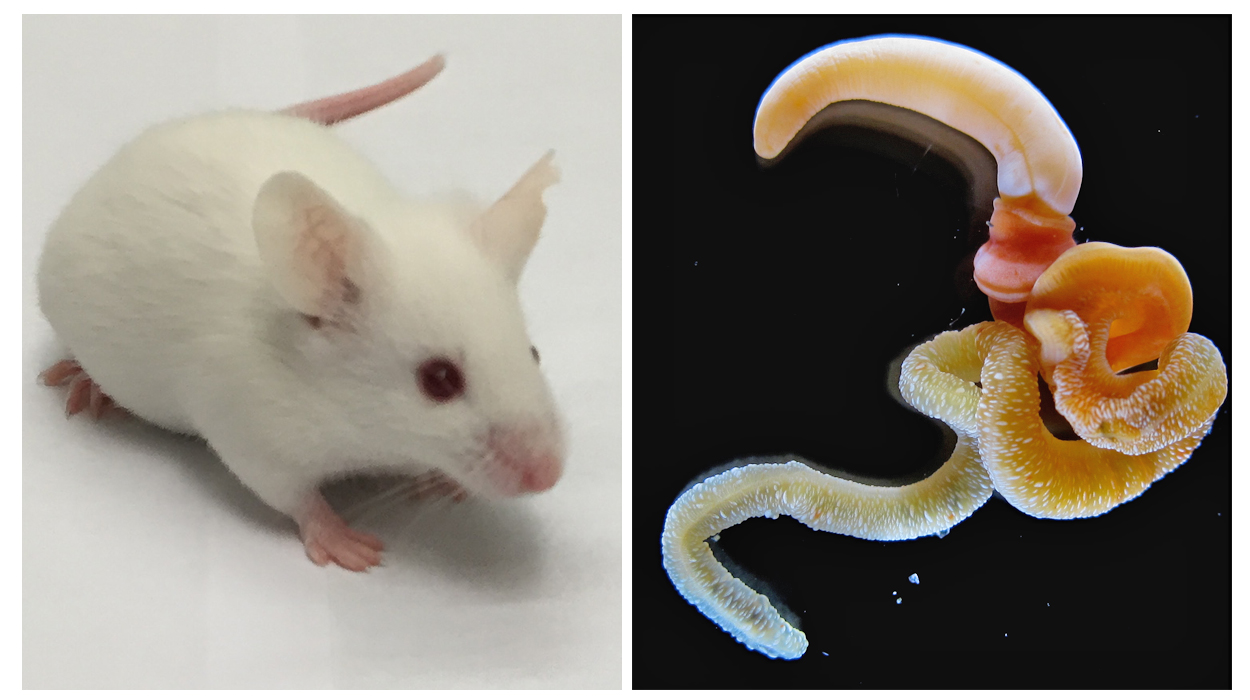
Yao et al. found that certain brain enhancers were functionally conserved between mice (left) and acorn worm (right), despite very limited sequence conservation.

Yao et al. found that certain brain enhancers were functionally conserved between mice (left) and acorn worm (right), despite very limited sequence conservation. {credit}Douglas Epstein{/credit}

A study published this week in Nature Genetics shows that enhancers can be conserved across very long evolutionary distances, even without extensive sequence conservation. Continue reading

Pollinators and Petunias

Sheehan et al., Nature Genetics, 2015

Sheehan et al., Nature Genetics, 2015

Pollinators are attracted to flowers based on certain characteristics, including color, scent and morphology. Evolutionary changes in these traits correlate with changes in pollinator-plant relationships, and pollinator syndromes, or suites of floral characteristics that influence pollinator identity, can differ greatly between even closely related species.  Thus, characterizing the molecular basis that underlies shifts in pollinator syndromes can lead to the discovery of speciation genes, as well as to a greater understanding of evolutionary trajectories and timelines that define the species.

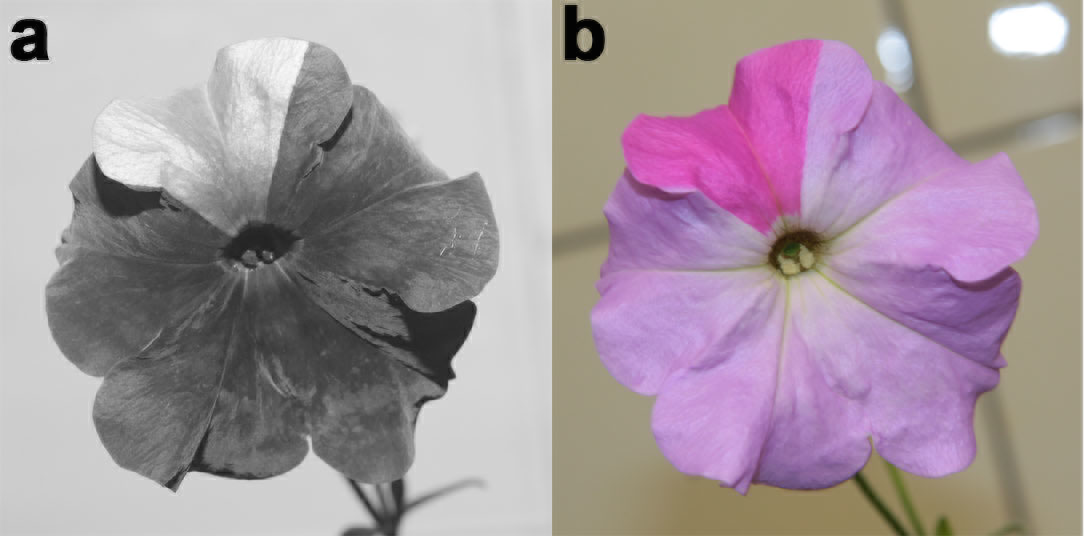
A new study this week in Nature Genetics reports on a gene that controls levels of ultraviolet (UV) light absorbance in different species of Petunia, affecting whether the flowers are pollinated by bees, hawkmoths or hummingbirds. Through a series of elegant experiments involving QTL analysis, genetic crosses and a transponson mutagenesis screen, the authors were able to not only find a single gene, but also to describe the particular mutations responsible for the increased UV absorbance seen in one species and the decreased absorbance seen in another.

Sheehan et al., Nature Genetics 2015

Sheehan et al., Nature Genetics 2015

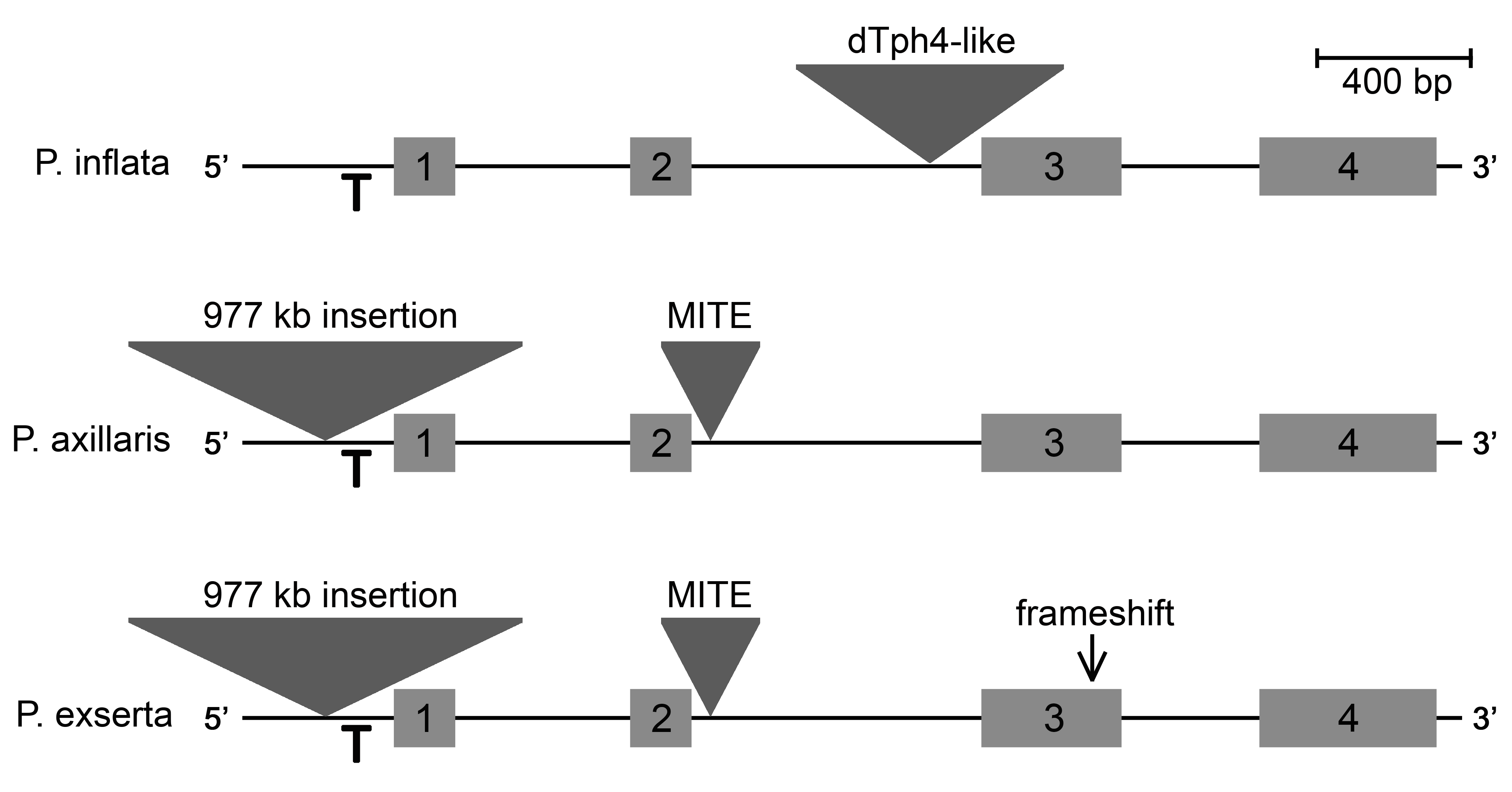
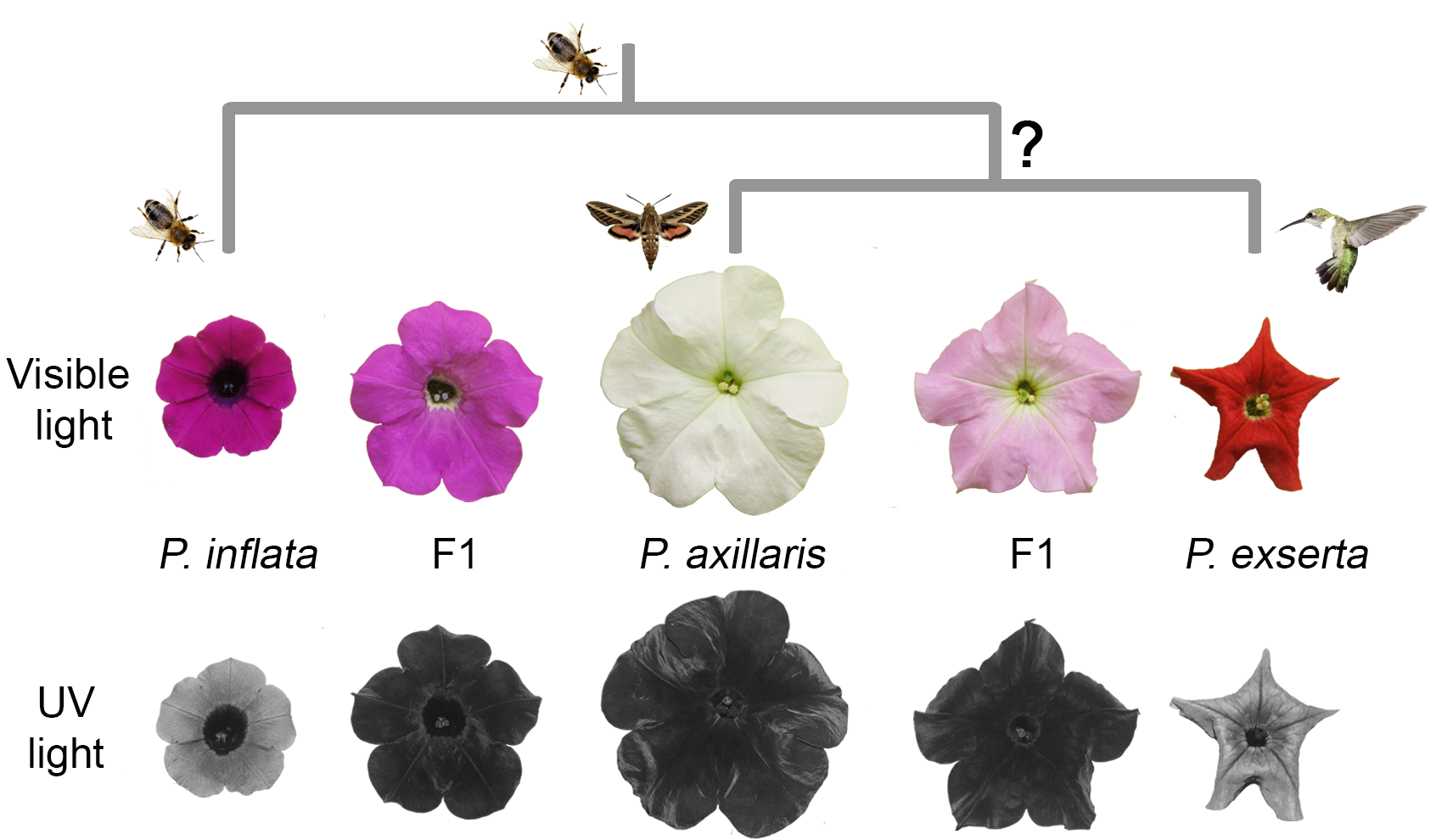
The MYB-FL gene that they isolated is a transcription factor that regulates FLS (flavonol synthase) and thus directly controls the production of flavonol, a compound that absorbs UV light. Flowers with high UV absorbance have a concomitant decrease in visible light absorbance, and this is reflected by pollinator preference. Species with low UV absorbing flowers have pink or red coloring and are pollinated by bees or hummingbirds, while species with high UV absorbing flowers have white coloring and are pollinated by (the nocturnal) hawkmoth. The authors found that the high UV absorbing species has a promoter mutation in the MYB-FL gene that increases its expression, while in the low UV absorbing species that is pollinated by hummingbirds, there is a frameshift mutation in the MYB-FL locus that compromises the function of the protein.

Through this analysis, the authors were able to formulate a model for the evolutionary relationships between three Petunia species. Colorful flowers that have low UV absorbance and that are bee-pollinated represent the ancestral state, as exemplified by P. inflata. The increased UV absorbance of the white flowered, hawkmoth-pollinated P. axillaris evolved via a gain-of-function cis-regulatory mutation in MYB-FL that increases its expression and thus, flavonol production. Finally, a subsequent inactivating frameshift mutation seen in P. exerta restored low UV absorbance and is associated with colorful flowers that are pollinated by hummingbirds.

Sheehan et al., Nature Genetics 2015

Sheehan et al., Nature Genetics 2015


We spoke with lead investigator Cris Kuhlemeier to get some background on this research.

Why do you work with Petunia? Is it a particularly good subject for studying pollination syndrome shifts?

Our goal is to find the plant genes responsible for the adaptation to different pollinators. For that, we need a system with good molecular genetics and well-defined pollination syndromes. The garden petunia has a long history as genetic model system, today it is probably best known for the discovery of RNAi. Wild Petunia species are adapted to pollination by bees, hawkmoths and hummingbirds. These species are easy to cross and propagate in the lab and give fertile offspring, and most of the genetic tools can easily be transferred from the garden petunia to the wild species.

You identified different classes of mutations in the MYB-FL gene that help to clarify evolutionary relationships between different Petunia species. What advantage does this approach have over sequencing and phylogenetic analysis?

In recent radiations such as in Petunia, classical phylogenies often have limited resolution and individual gene trees are often in conflict. We try to understand the process of adaptation and speciation by studying the gene modifications that cause reproductive isolation. By superimposing these functionally relevant polymorphisms onto the classical phylogeny, discrepancies between individual gene trees become informative.

It is interesting that you observe a trade-off between levels of anthocyanins and flavonols in these flowers. Were you expecting to see this and were you surprised that a single locus affected both levels?

Anthocyanins and flavonols share the same precursors, so finding metabolic competition was not unexpected. We started this project on the assumption that the genetics of pollination syndromes would be relative simple. At least simple enough to be able to clone the relevant genes. That a single gene can change two traits simultaneously was better than we had hoped for.

You hypothesize that R2R3-MYB transcription factors provide the toolbox for shifts in floral pollination syndromes. Do you think that your results are generalizable to other plants and/or complex traits?

R2R3-MYBs appear indeed to be over-represented, in the same way that HOX factors are overrepresented in segmentation or MADS box factors in floral organ identity. But the sample size is still small, and it is always dangerous to extrapolate, especially in ecology and evolution.

Finally, this works represents a nice combination of laboratory and field studies. Do you enjoy collecting flowers in the wild?

Well, it did rain a lot during my visit last month. But yes, it has been a new and enjoyable for me experience to go to the field with my great Brazilian colleagues. In Brazil with its great biodiversity, I also sense the excitement that, thanks to the recent progress in sequencing technology, we are no longer limited to model systems but can study interesting biological processes in almost any plant species.

On the history of pigs

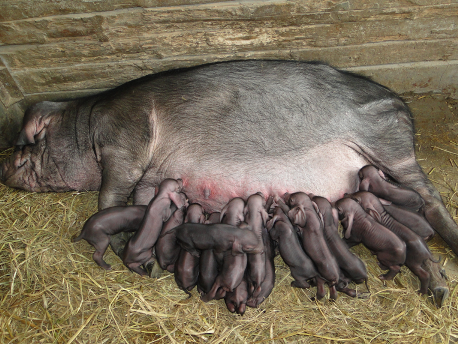
USDA_ARS_Meishan_pig-Cropped

{credit}Agricultural Research Service via Wikipedia{/credit}

Understanding the genomic changes that occurred during the domestication of animals and plants by humans is important on many levels. Such insights can provide information about human history and our interactions with other species, as is the case with genetic studies of dog and cat domestication. These studies can also help us to improve crop plants (such as tomato) and livestock (such as cattle) for human consumption or other use. Finally, genetic studies on domestication can help to identify disease-causing mutations that have been selected for as a by product of selection for beneficial traits (for example, in cats and dogs).

Though humans have a huge influence on important traits in domesticated species, those species are still responding to natural selection during the domestication process, which in turn may affect traits important for agricultural purposes. Identifying genomic regions influenced by positive natural selection in domesticated animals  can lead to important insights into the biology of specific breeds.

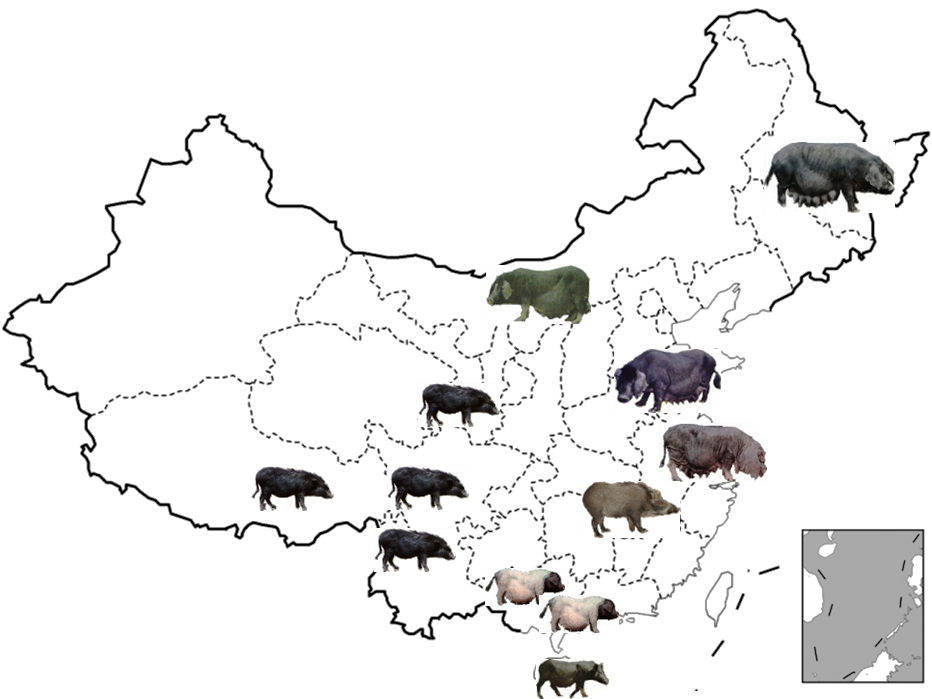
In this respect, the pig is an excellent model to study. Humans domesticated pigs approximately 10,000 years ago in the Near East and China, but a relatively open method of keeping pigs allowed for continued interbreeding with wild boars for some time. In a study published this week in Nature GeneticsLusheng Huang, Jun Ren and colleagues from Jiangxi Agricultural University sequenced the genomes of 69 diverse domestic and wild pigs in China to better understand their evolutionary history.

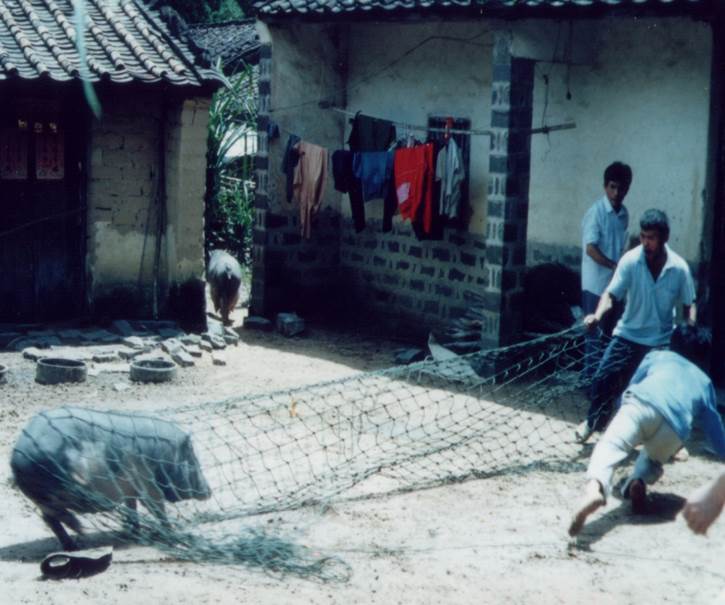
Pig sampling in China

Pig sampling in China{credit}Lusheng Huang{/credit}

The study included pigs from 11 diverse breeds (and 3 populations of wild boar) within China in order to compare the adaptations in breeds from cold vs. hot areas. They identified over 700 genomic regions that showed evidence of selective sweeps. Many of the genes in these regions were involved in processes important for regulation of temperature during cold or heat stress, such as hair development, energy metabolism and blood circulation.

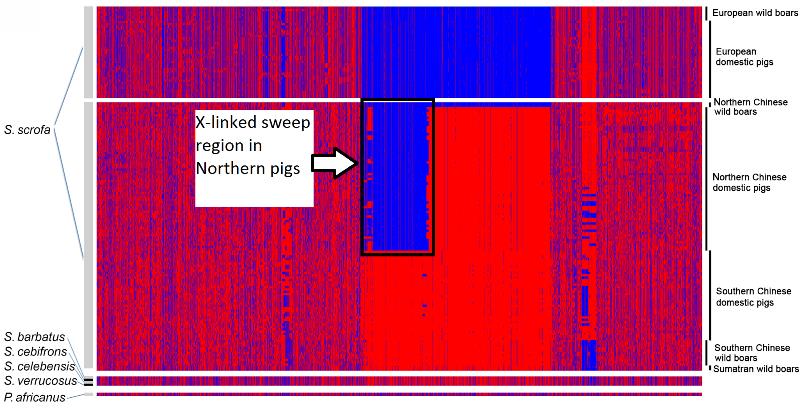
However, one of the most striking results was the identification of a large (~14Mb) sweep region on the X-chromosome. More than 94% of the single nucleotide polymorphisms (SNPs) in the 69 pig sample that had extreme allele frequency differences between North and South populations were located within the X-linked sweep region. All Northern Chinese samples showed a strong signature of selection in this region. Upon further analysis, the authors were able to determine that the most likely scenario, given their data, was that this region was introgressed from a now-extinct species of Sus. This region of the X-chromosome undergoes very little recombination. This fact, combined with the strong signal of positive selection in the region, meant the introgressed sequence remained mostly preserved for more than 8 million years.

We asked one of the study’s senior authors, Lusheng Huang, to tell us a little more about the work:

How did you collect the DNA samples from the pigs for your study? Were any of the samples difficult to get?

We collected DNA samples from 4,100 three-generation consangeneously unrelated pigs representing all 68 indigenous breeds that are distributed in 24 provinces of China. It took us four and half years to complete sample collections, Some native pigs lived in the high attitude regions (Yunnan, Guizhou, Sichuan and Tibet) were very hard to get. Afterwards, we constructed a DNA bank for Whole China indigenous pigs. As a pilot study, we first genotyped 520 unrelated pigs (no common ancestor within 3 generations) from 32 Chinese breeds for 60K SNPs in the Illumina porcine beadchip. Then, we selected 69 representative pigs from the 520 pigs according to their genetic relationships in the neighbor-joining tree constructed with the 60K SNP data. The 69 pigs selected for whole-genome sequencing are highly rep­resentative of populations at the geographical extremes of China.

pig sampling

{credit}Lusheng Huang{/credit}

Most of the sampled pigs were originally raised in government-sponsored conservation farms. We selected animals to cover a majority of consanguinity of each breed according to their pedigree information. However, samples of several breeds were collected from isolated villages or farms at rural areas. For example, it was a big challenge for us to collect samples of Tibetan pigs from different geographic populations in the vast region of the Tibet Plateau. To find purebred Tibetan pigs that were not influenced by human-mediated hybrid with exotic breeds, we had to travel to remote pastoral areas at high altitudes and make an in-depth field investigation with the kind help of local residents. To cover the consanguinity of each Tibetan population as broad as possible, we preferably collected samples from Tibetan boars that are usually aggressive like wild boars and were really difficult to get (see above picture).

What do the positively selected regions tell us about the history of pig domestication?

These regions clearly illustrate that pigs have experienced natural selection for local fitness before (ancient event) or after (recent event) domestication. The selection footprints in the pig genomes can be visualized by whole-genome sequencing, characterized by reduced heterozygosity, excess of low-frequency variants, extended and differentiated haplotypes. The selected sweep regions harbor functional genes that play a role in adaptation to local environments. DCF17 and VPS13A are two such examples highlighted in this study.

What do you think was the most unexpected result in this study? Did you believe it at first?

The extremely divergent haplotype in the X-linked sweep region between Southern and Northern Chinese pigs, an indication of a possible ancient interspecies introgression event, was the most unexpected result in this study. It is a big surprise. Frankly speaking, we did not believe it at first.

Adapted from Fig. 4a in Huashui Ai et al. 2014

The pattern of haplotype sharing in diverse populations. The haplotypes were reconstructed for each individual using all of the variants on the X chromosome. Alleles that are identical to or different from the ones in the Wuzhishan reference genome are indicated by red and blue, respectively. Adapted from Fig. 4a in Huashui Ai et al. 2014{credit}Nature Genetics{/credit}

Why is the finding of a large introgression region on the X chromosome important?

Although evidence of adaptive evolution driven by introgression from archaic species has been recently identified in some species including humans, the X-linked introgression region shows that adaptive introgression is not limited to closely related species, but in some cases, introgression with very divergent species can provide the basis for the evolution of radically new traits in a species. This radical example of so-called ‘reticulate evolution’ in mammals shakes the foundation of most modern evolutionary biology and provides a new view of adaptive evolution that emphasizes saltationist (sudden) processes driven by introgression. Moreover, as discussed in the paper, our ability to detect this, potentially quite old, introgression event is facilitated by the fact that the introgression fragment falls in a recombination-decreasing region. This has allowed the introgressed haplotype to be maintained for a prolonged period. Our results may suggest that introgression generally plays a much more dominant role in adaptive evolution than previously thought, but has been difficult to detect because introgression fragments in other systems degenerate quickly due to recombination.

Do you think similar ancient introgressions have occurred in other domesticated species? If so, how would you test this?

We cannot rule out the possibility. If one wants to test this hypothesis, we would suggest to use a research strategy similar to that used in this study. First, we would need to get the genome sequences of multiple species divergent from a domesticated species. Then, we can perform a genome-wide scan for possible introgression regions from another divergent species in the domestic species. Several statistics of ABBA, F4, haplotype sharing and phylogenetic analysis can be explored to identify such ancient introgressions.

Erhualian

{credit}Lusheng Huang{/credit}

Bonus question: What is your favorite breed of domestic pig?

Erhualian, the most prolific pig breed in the world.

Uncovering the secrets of the orchid

It seems that every day, another species of plant or animal is being sequenced. How do scientists choose which species should have its genome sequenced?

For some, such as African rice, the main consideration is whether the genome sequence will allow for improvement of agriculturally important crops. For others, including the marmoset, the interest lies mainly in the connection to human evolution.

Phalaenopsis_equestris_var._leucaspis_small

{credit}Wikipedia{/credit}

Now, Zhong-Jian Liu at the National Orchid Conservation Center of China and colleagues from around the world have sequenced the genome of the orchid Phalaenopsis equestris. Besides being a popular ornamental plant (and therefore a commercially important plant) with gorgeous flowers, the orchid has another unique claim to fame. This species uses a type of photosynthesis that is different from all other plant species sequenced to date.

Orchids use a photosynthesis strategy called crassulacean acid metabolism (CAM). CAM plants make up approximately 7% of plant species. Other notable CAM plants include cacti (such as the saguaro—a native of my home state, Arizona), agave (where tequila comes from), aloe vera and pineapple.

Most plants use the C3 metabolic pathway to turn carbon dioxide (CO2) into energy (there is also a third pathway, called C4, used by about 3% of plant species). All plants use sunlight and water to incorporate the carbons from CO2 into sugar, producing oxygen as a byproduct. When it is very hot or dry, C3 plants are at a disadvantage because they cannot efficiently use carbon due to a process called photorespiration. CAM plants are specifically adapted to these extreme environments. Their specialized leaves chemically store the carbon from CO2 acquired during the night and use it for photosynthesis during the day (when their stomata are closed, to prevent water loss) .

Many orchids, such as the species sequenced in the new paper, are epiphytes, meaning that they do not get their water from roots in the soil, but rather from the air or rain. They would therefore need to budget their water supply. This adaptation is likely related to their use of CAM instead of C3 metabolism.

In the genome paper, the authors identified genes important for CAM and analyzed their evolutionary history. They also analyzed genes involved in flower development, to better understand how orchids develop their spectacular flowers. The paper is certain to be an important resource for future studies of plant evolution and adaptation.

We asked one of the senior authors of the paper, Zhong-Jian Liu, to tell us a little bit more about the background of this study.

Can you tell us a little about the National Orchid Conservation Center of China?

The National Orchid Conservation Center of China was established in 2006 and is located beside Wutong Shan Mountain and Shenzhen reservoir, which is a very good location for the growth of orchids. The center is aimed at conducting the conservation of Orchidaceae germplasm, improving the level of orchid protection and advancing the cause of orchid conservation in China.

The center now owns the most endangered orchid species in China and there are more than 1,000 Chinese orchids belonging to international and national first and second-class protective orchids. There is a herbarium, tissue culture room and special library for orchids at the center. The herbarium has 3,835 specimens and 110 type specimens of orchids, and 243 animal and plant fossil specimens related to orchid evolution, which is the most in China. More than 1,800 books and 20,000 audio-visual documents are stored in the library. In academic research, 187 papers and 14 monographs have been published in China and abroad. “Pollination: Self-fertilization strategy in an orchid” was published in Nature and summarized by Year in Review 2006 and included in Book of the Year 2007 by Encyclopaedia Britannica.

The orchid genome represents the first genome sequence of a CAM plant. Why do you think this is so significant and how will it affect plant research in the future?

The CAM pathway for photosynthesis is indeed of importance. It not only leads to more efficient power conversion, but also strengthens the adaptation to harsh environments, especially drought, in comparison with C3 plants. Meanwhile, research of CAM can provide new directions for breeding programs to produce neo-species with drought resistance.

In our manuscript, we found gene duplication and loss events in four of the six key gene families in the CAM pathway. These events are important to the adaptation and evolution of orchids.

What was the most surprising result of the study and why?

We consider the finding that Orchidaceae has undergone an orchid-specific whole-genome duplication (WGD) event to be the most intriguing result. WGD can trigger a tremendous burst in gene diversification within quite a short period, which provides extensive gene material for neo-functionalization, sub-functionalization or dosage strengthening. All of these outcomes can give rise to diversity in morphology, metabolism, live style, etc. that can finally result in tremendous species radiation. We think the WGD event may be linked to the success of the orchid family. There are more than 20,000 species of orchid within 880 genera.

What was the most difficult part of the study?

The unexpectedly high heterozygosity rate in the orchid genome was the most challenging aspect for us. It is extremely difficult to assemble its genome using the raw reads. But we finally overcame this difficulty via the use of diverse assembly software packages, optimization of their core parameters and verification with the complement of the BAC sequences. Finally, we accomplished a very accurate, complete genome assembly.

There have been other genomes published with a similar level of heterozygosity to our genome, but we  were able to achieve a much more accurate and complete assembly than was the case with those genomes.

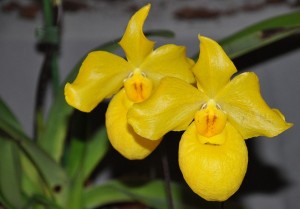
Paphiopedilum Armeniacum

Paphiopedilum armeniacum flowers {credit}Stefano via Flickr.com{/credit}

Do you have a personal favorite type or color of orchid?

I love all the species and colors of orchids very much. If there was one for me to choose, it would be Paphiopedilum armeniacum. I like its beautiful pale yellow flowers, which I have sometimes thought symbolize a yellow Chinese dream.

Enhancing our knowledge of regulatory evolution

Stark

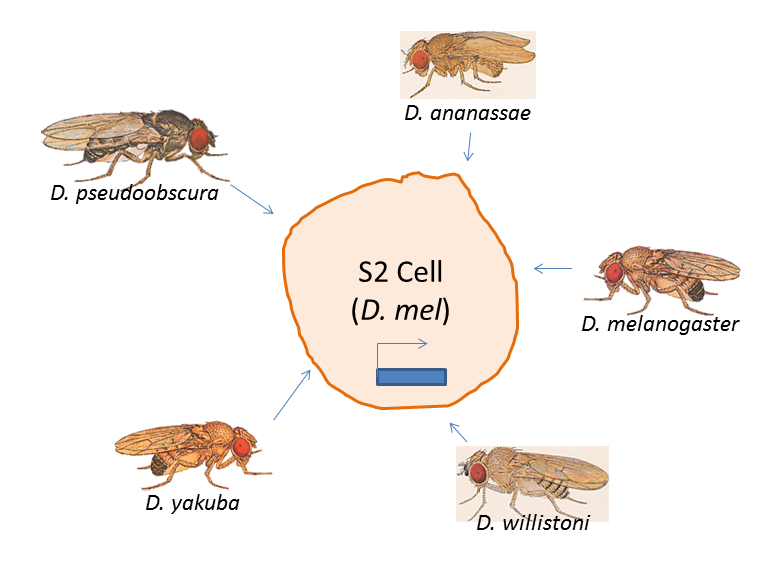
Fly illustrations from The University of Texas Publication No. 4313: April 1, 1943 and The University of Texas Publication No. 4445: December 1, 1944

A paper published online this week in Nature Genetics mapped the enhancer regions of 5 fruit fly species to better understand the evolution of regulatory DNA. 

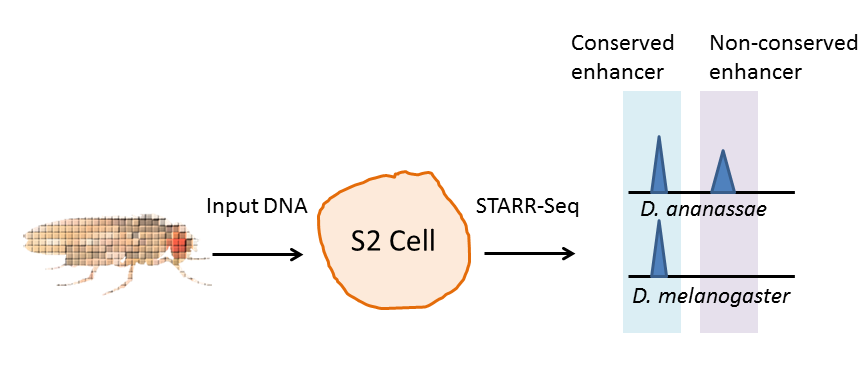
Alexander Stark and colleagues used a recently-developed method, called STARR-Seq, to find which Drosophila melanogaster enhancer elements were still functional in the different fly species. Basically, you chop up your input DNA, put the fragments into a vector with an open reading frame preceding it (so your input DNA can act as an enhancer, if it so chooses) and then toss it into some cultured cells.

In this case, the cells used were Drosophila melanogaster S2 cells. Keeping the cell line constant ensured that any differences seen in the expression levels of the ORFs + enhancers would be due to cis changes and not trans ones (like different transcription factors).

After expressing the constructs in S2 cells, you sequence the transcripts and compare them to the input and to the genomic sequence of the reference species, D. melanogaster. Interestingly, the authors found a pretty high proportion of enhancer elements are conserved between species. Between D. melanogaster and it’s closest relative used in the study, D. yakuba (only 11 million years diverged), 58% of the D. melanogaster elements were conserved. Between the most distant relatives (D. mel and D. willistoni), 34% were conserved. Now, they may just look like flies to you and me, but those two species are about as distantly related as you and I are from lizards.

Another key finding was that even over relatively short evolutionary time, hundreds of new enhancers can appear, right out of the blue. DNA sequences that had previously done nothing (or at least, done something completely different) were transformed into working enhancers. Between D. mel and D. yakD. mel gained 525 enhancers, while its yellower relative gained 472.

STARR

As for losses, the authors estimated that every 10 million years, about 4% of enhancers lose their activity. This rate of gain and loss of enhancer elements is probably faster than was previously thought. The authors speculate that the rates are likely to be much higher in mammals. Another example of why regulatory DNA is so important to the evolution of gene expression and function.