Ebola, and Working at Accelerated Speed

timeA short three months ago I wrote a blog about R&D leads in treating Ebola virus disease (EVD) with vaccines and therapeutics included in the Ebola pipeline.  The piece was sceptical about what could be achieved in the pace of product development, clinical trials and commercialization solutions for the emergency in West Africa.

Three months later, like many others, I am amazed by the response time by industry and coordinated action of governments, funders and implementors in accelerating R&D across interventions. Over this time period, EVD has also arrived on shores outside of the African continent in Spain, UK, France, Norway, Germany and USA. What I had considered early and unproven leads in August have now progressed rapidly to provide non-human primate data, first-in-man data and parallel planning for phase III trials, at-scale production, policy directives to deploy and supply financing.

EVD Vaccines

The World Health Organization and partners announced on Oct 23, their earliest timeline yet, hopes of introducing a brand new EVD vaccine to the field at scale by Q1 2015. Two candidates are currently in Phase I trials (GSK ChAD3 and New Link rVSV) and as many as five more vaccine candidates may enter Phase I trials in January 2015. Depending on the Ph I results returning in December, one or both of the leading vaccine candidates will be scaled up to Phase III trials in West Africa in January 2015. The clinical trials are now being designed with care among expert stakeholder groups. It is proposed that the large cohort trials will start with 20,000 health workers in Liberia and potentially 8,000 more in Sierra Leone. The positive externalities would be that beneficial outcomes are proved, the highest-risk group of people would be the first to gain protection. At the high-level meeting on Ebola vaccines, industry manufacturers pledged to increase capacity for production so supply constraints in the worst-case outbreak scenario can be reduced.

EVD Drugs

WHO technical consensus on whole blood therapies and convalescent blood serums are a priority for suffering patients. However, due to limited supply of blood, infrastructure for blood screening, processing and administration from surviving EVD patients and difficulty in logistics, this currently cannot be deployed as a wide-scale solution. There is support for the clinical trials of small molecule drugs (antivirals) that can be quickly and affordably produced without manufacturing constraints. In addition, the RNA and monoclonal Ab approaches will also commence efficacy trials, but face additional implementation hurdles such as complex manufacturing and high cost of goods to produce, thus resulting in constrained supply.

EVD Diagnostics

Diagnosing EVD in a person infected for only a few days is difficult, because the early symptoms, such as fever, are nonspecific to the disease and could be another infectious disease (malaria, typhoid, lassa fever, etc.). The US CDC recommends ELISA testing, PCR and virus isolation to identify EVD patients from other diseases. However, these tests currently require laboratory work and diagnosis and cannot be deployed at first-screening point of care.

The WHO is working with the Foundation for Innovative New Diagnostics (FIND), a public-private product development partnership, to check technical feasibility and closest match to target product profile for an EVD diagnostic to be developed. Multiple molecular and antigen detection technologies are being tracked by the diagnostics consortium with the following plan for commercialization:

Q1 2015: Validation phase

Q2 2015: Field trials conducted

It is important to concurrently accelerate the diagnostics work with high sensitivity and specificity to EVD at the same time as vaccine development. One of the common side effects of vaccines is the slight fever post-immunization and the initiation of the host immune response in reaction to the attenuated virus. Diagnostics will help distinguish if the fever is a normal side effect or presence of EVD itself.

Continuous Tracking the Call to Action

As the EVD outbreak continues to drain health resources in West Africa, other health indicators in the region are falling – for example, with the general population being too scared to visit hospitals, expectant mothers, patients with malaria, lassa fever and other health issues are not being appropriately treated. As the health indicators fall and business climate is hampered, West African countries start the spiral of downward economic impact, which is felt across the continent.

The R&D efforts have been accelerated by the global community, but the on-the-ground management of containment and control goes on day by day. Some may say the global community should have had these antidotes prepared since EVD was identified in 1976, others will see the accelerated development speed as a sign of further global collaboration. What lessons does this teach us about controlling other infectious diseases? That investments in basic research is important and that we cannot start from ground zero in outbreak situations? That, if there is political will, R&D for diseases of the poor can be accelerated across all areas? Perhaps in a World Bank proposed Emergency Fund? Overall, investments in health systems need to be higher on the global health agenda, since countries are better protected against any emerging threat if they have a strong defence.

Many questions, and answers are probably all of the above.

Julia Fan Li

Research in Extreme Conditions

Arctic

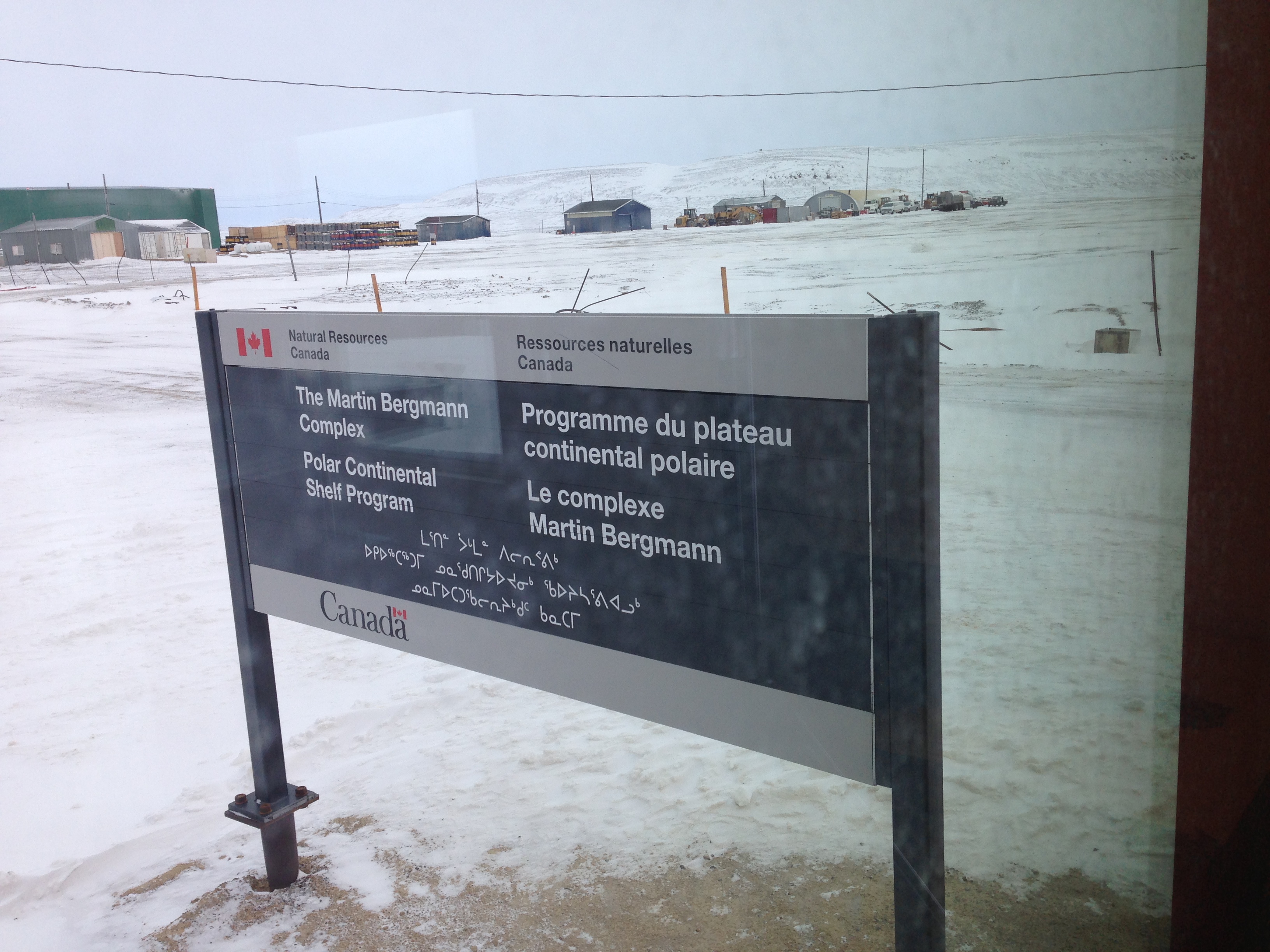
Welcome to the Polar Continental Shelf Program

This post isn’t so much about biotech or even health as it is research overall, but stick with me, as I introduce a research base very few ever think of…

There have been recent highlights of the importance of the changes in the Arctic, monitoring of climate change, discovery of natural resources, territorial disputes over tiny islands and the tensions of economic development and environmental stewardship.

Daily transactions, policy briefs and international cooperation agreements are discussed, negotiated and approved with the help of essential research that builds the evidence for key decisions.  Where do the data come from? Who collects them? What organizations help enable research to be conducted in extreme conditions of isolation, cold weather and remote infrastructure?

I had the opportunity to find out during my inaugural visit to Resolute Bay in Nunavut, Canada, on the tip of the mythical Northwest Passage – home of the Polar Continental Shelf Program. The PCSP is located in the high-Arctic and coordinates field logistics in support of advancing scientific knowledge. It operates adjacent to the Inuit village of Resolute Bay. The PCSP was established in 1958 by the government of Canada and has built up a logistics support network that stretches approximately 2,160 km from Alaska to Greenland, and from the Arctic Circle to the geographic North Pole.  The PCSP also serves a secondary purpose as an Arctic base to support management of Canada’s lands and natural resources and contributes to the exercise of Canadian arctic sovereignty.

Arriving at Resolute Bay from the majestic Canadian ice-breaker the Louis S. St. Laurent (LSSL) via helicopter (as there is no port), it took several minutes for the reality of being in the Arctic Circle to sink in. The landscape was flat and barren, unlike the lush green forests and Rocky Mountains of the Canadian ‘south’.  The first room of the PCSP looks like a replica of an elementary school’s cloak room, with pegs and benches for personnel to de-layer from their coats, gloves, hats and other winter gear. Past two additional sets of doors, one enters the warm and welcoming 100-person cafeteria room, where copies of Nature can be found on the information table, next to Polar Bear warning brochures (yes, even the scientific journals make it to the land of the polar bears).

Each year, PCSP is the landing base/home for 1000+ scientists who conduct more than 165 research projects at more than 60 field camps across the Canadian Arctic.  Researchers rely on PCSP for equipment, logistics and knowledge of safety and cultural aspects of working in the extreme environment. PCSP arranges air and overland transportation, radio communications and navigation and global positioning.  It is able to coordinate and arrange research camps to share in logistics synergies and mitigate the risks and dangers of working in isolation in the high arctic. PCSP delivers about $10 million worth of logistical services to science projects ranging from anthropology to zoology. The transportation costs are immense and the terrain treacherous – the costs of disarray are high. PCSP acts as an Arctic liaison between Canadian Arctic residents and the incoming scientists, providing advice on permitting, licensing and environmental assessment process that makes the science possible. In practical terms, PCSP also provides accommodation, daily catering, internet and working space. Specialty laboratory extensions include a walk-in freezer, fume hoods, compressed-air supply and a water purification system. There may not be rows upon rows of drug development or green biotech happening in the Arctic, but the one can feel the air of insatiable curiosity to know more about the edges of our world.

Resolute is one of the globe’s coldest inhabited places, with an average yearly temperature of -16.4˚C. My visit to PCSP came at the close of the 2013 ‘summer’ research season, as the Resolute Bay base had ushered all the scientists home and completed Operation Nanook for the Canadian military. We were the last large visiting party for the lean staff of PCSP to manage. Tim McCagherty and Glen Parsons were the PSCP managers on duty and shared with us the important work of the base. Even at the end of the 2013 season, the two men talked with energy, enthusiasm and gusto about the need to understand the North and to achieve that understanding with respect and safety.

The PCSP team welcomed the 2010 Canadian government investment of $11 million to refurbish the PCSP, doubling the number of beds available and adding leisure areas and an exercise room. The staff reminded us that for scientists engaged in short intense periods of research, it is important they have a comfortable start and end to their projects. Conducting frontier research in Canada’s remote Arctic is not without its dangers – the nexus community has suffered losses in 2011 with the crash of a Boeing 737 and recently in September 2013 with the loss of a Canadian coast guard helicopter.

I came away from PCSP with a new appreciation of frontier research. With the development issues of the Arctic coming to the fore with climate change, it is important to know where our research comes from and the support network that it takes to obtain data and evidence.  Government investment in basic science is not only about the principle investigators, but also the community of hard-working personnel who support frontier research.

Julia Fan Li

Innovative Financing for Cancer R&D

footies

Tackling big issues, like cancer, requires striking out in new directions.

Over the past week, we have seen extended press coverage of the principles of a potential cancer ‘megafund,’ building on ideas from the October 2012 Nature Biotechnology article by Fernandez, Stein & Lo on “Commercialization biomedical research through securitization techniques.”  The Economist covered it here and the Financial Times added its commentary here.

The article proposes an innovative financial structure in which a large number of biomedical programs at various stages of development are funded by a single entity to reduce portfolio risk. The hope is that a cancer megafund in the magnitude of $5 billion to $30 billion could effectively produce the next generation of cancer therapeutics. The article has gained a following since its publication and has united thought leadership from scientific and financial communities to brainstorm together on this audacious goal. Through the support of MIT Sloan School of Management (where the co-authors are based), Alfred P. Sloan Foundation, American Cancer Society and National Cancer Institute, a CanceRX conference was held June 16-18, 2013.

The conference steering committee convened a diverse set of stakeholders who normally would not have the opportunity to discuss, debate or structure such ideas. Nobel Prize winners shared panel discussions with credit rating agencies, investment bankers and university technology transfer directors. Medical research centres debated with business school professors on not only funding innovation, but also new business models to make R&D dollars sustainable and predictable.

Financing the cure(s) for cancer is a complex problem. However, the conference was smartly structured into different streams so that participants could analyze and understand the core mechanisms separately before thinking about potential implementation of the whole. The key issues included:

  1. Scientific and engineering challenges
  2. New business models
  3. Financing structure, marketing and investor concerns
  4. Technology licensing and intellectual property issues
  5. Credit models and debt rating
  6. Government, healthcare reform and non-profits

One may think that $5 billion – $30 billion for a disease area sounds almost too big. Can it really be done? It strikes me that perhaps we can learn lessons from history and what we can accomplish if we are united to achieve a goal. At the same time as the MIT CanceRX conference, G8 leaders were gathering in Northern Ireland to discuss the global challenges of today. Thirteen years ago at the G8 Summit in Okinawa, Japan, political leaders planted the idea of a fund to provide resources for infectious epidemics afflicting the world: HIV/AIDS, Tuberculosis and Malaria. A year later, African leaders in Abuja endorsed the idea and in two years, the Global Fund to Fight AIDS, Tuberculosis and Malaria was born.

To date, the Global Fund has raised $25 billion in commitments and deployed $20 billion in grants to fight these infectious diseases and to strengthen health systems in more than 150 countries. The Global Alliance for Vaccines and Immunizations, formed to fund vaccines for the poorest 72 countries of the world, has had its funding supplemented by the International Financing Facility for Immunizations and the use of capital markets to issue bonds on government pledges. These billions have been raised on a model of donor commitments and grants. Imagine what powers can be unlocked from the trillions in the bond markets if capital to fund disease R&D can be recycled back to investors and through the innovation value chain?

Ideas have always started with people. The co-authors of the original paper have further developed their model and brought in the smartest minds in intersecting fields this week to meet each other. These working groups need a chance, time and space to work together – can innovative finance for cancer find an early adopter?

Julia Fan Li

Connecting through stories

Mining Hat in window

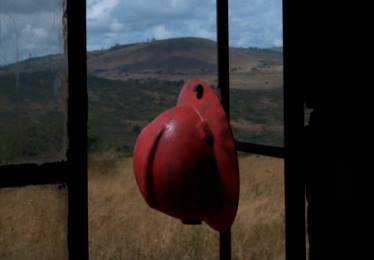
Source: They Go to Die

Over the past one year, I have completed a series of blog posts on this platform relating to tuberculosis – a (mostly) curable infectious disease that still claims approximately 1.8 million lives per annum.  The articles have focused on how ‘push’ and ‘pull’ incentives can accelerate research and development for new TB vaccines, TB drugs, TB diagnostics and improved TB care delivery methods to those living at the lowest rungs of the global economic ladder.  A conference was hosted to bring together strands of innovation, access and investment from across disciplines to overcome financial, political and systemic barriers of fighting tuberculosis effectively.

But there is one area where articles and conferences sometimes fail – at storytelling.  Researchers are often encouraged to share their findings through publications and data, but as good as aggregate data are at providing resounding proof, they also bury the underlying human stories and emotions that connect us all.  On September 14, 2011, in the midst of my TB innovation research at Cambridge University, I came across a twitter message that asked me to check out a trailer for a small documentary.  The trailer for the film, “They Go to Die” was hosted on Kickstarter – a crowdsourcing funding platform for creative projects.  I was intrigued.  For 4 minutes and 42 seconds, I sat transfixed to my computer screen; the trailer blew me away. Another TB researcher across the Atlantic at Yale University had taken a video camera and followed the lives of 4 miners affected with TB back home from the mines of South Africa.  The researcher needed $13,000 to finish his documentary.  I gladly contributed to my first crowd-source funding project that day.

Approximately 18 months later, on March 22, I sat in the auditorium of the London School of Hygiene and Tropical Medicine and watched along with 120 others, the London screening of They Go to Die.  The screening was hosted by RESULTS UK and Medsin UK and included an update by the filmmaker/epidemiologist behind the project, Jonathan Smith, on the events that have occurred since he first started the project.  Out of the four men featured in the documentary, only one, Mr. Mkoko remains alive today. Mr. and Mrs Mkoko addressed the International AIDS Conference last year on the power of the family unit in combating tuberculosis (Mr Mkoko’s children often gave him hourly reminders about his regimented pill-taking to fight HIV and MDR-TB co-infection).  Also last year, building on over a century’s worth of research into tuberculosis in the mining industry, a “Declaration on TB in the Mining Industry” was signed by 15 Heads of State from southern African countries.

What is research if research doesn’t help drive positive change? That’s the message that lingers with me from the documentary.  When we work in our worlds of drug discovery and development, we are very much upstream from the end patients we aim to help. A waterfall of decisions are made on clinical data points – some decisions affecting R&D programs, some affecting national policies and some in the way sectors operate. Perhaps sometimes we need creative mediums such as film to tell the stories of our data collected and to keep driving toward positive change for those that can be helped by our research, our actions and our united voices.

Julia Fan Li

New Drug for an Age-Old Disease

At the end of 2012, the US Food & Drug Administration approved Sirturo, also known as bedaquiline as a viable treatment option for patients with drug-resistant strains of tuberculosis.  This was an important announcement for the TB drugs community as the last drug with a new mechanism of action approved for TB was rifampicin in 1963. Innovation in tuberculosis drugs and antibiotics in general, since then, has languished.

Unlike other bacterial infections that can be cleared within a few days/weeks with a short course of antibiotics, tuberculosis requires a lengthy chemotherapy regimen of rifampicin and isoniazid, supplemented with pyrazinamide and ethambutol[1].

Strains of M.tuberculosis bacteria that are resistant to at least one or more of the standard first-line antibiotic treatments are defined as multi-drug resistant TB (MDR-TB). The standard treatment will not cure patients with MDR-TB.   Expensive second line drugs have to be used with lower levels of efficacy, more toxic side effects and a longer treatment regimen.  The MDR-TB treatment regimen extends to two years and on average costs $5000/patient[2].  Drug resistance severely threatens the millennium development goals and infectious disease control of TB as it may return the world to an era where drugs are no longer effective.

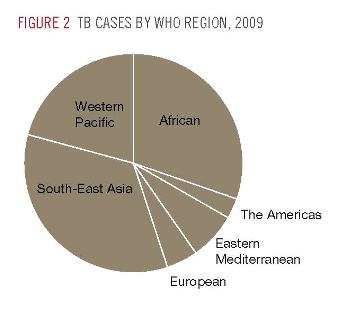
What surprised me on the press releases and news articles announcing the Sirturo approval was the clear admission by Johnson & Johnson that the Sirturo “commercial opportunity is very limited.” As the following diagram shows, TB is predominantly a disease that affects low and middle-income countries. However, there may be other value created for J&J that are not directly tied to top-line Sirturo sales.

{credit}Global Plan to Stop TB{/credit}

In the research & development process for Sirturo, management would have considered additional joint value propositions of a novel TB drug offering. For example, the successful commercialization of Sirturo for J&J can potentially win them a Priority Review Voucher (PRV) from the US Food & Drug Administration.  PRVs are administered by the US FDA and designed to encourage development of new therapeutics for prevention and treatment of tropical diseases including TB.  If a PRV is granted to J&J, it entitles the pharmaceutical firm to speed up the FDA regulatory process on another drug candidate from its portfolio. Economists estimate that the priority review can shorten the review process by 7-12 months.  With the faster time to market and increased sales under patent protection, the voucher can be worth between $50million-$500million USD to J&J.

Second, the downstream delivery and sales of Sirturo to emerging markets can open new distribution channels and relationships in developing countries.  This would potentially allow Janssen Pharmaceuticals, as a subsidiary of J&J to further open its entire product portfolio to new markets.

Sirturo offers hope to the approximately 450,000 MDR-TB patients each year with a new efficacious mechanism of action and shorter regimen.  It is difficult to model how much innovative pull incentives such as the FDA priority review voucher scheme or generation of goodwill impacted the development timeline for this Sirturo, but there is no question that it helps address a public health issue that has for too long only had limited options.


[1] Ma, Z., Lienhardt, C., Mcllleron, H., Nunn, A., & Wang, X. (2010). Global tuberculosis drug development pipeline: the need and the reality. The Lancet, 375(9731), 2100-2109.

[2] Harper, C. (2007). Tuberculosis, a neglected opportunity? Nature Medicine, 13(3), 309-312.


To be (briefly) on the front lines

For many of us working in the life sciences and passionate about the biotechnology sector, our motivation often stems from the power of medicine to help people.  Somewhere on the career path, one may have thought about the doctor route. For me personally, the potential there ended in high-school with an aversion to blood and sensitivity to bearing bad news to patients.

However, during the final year of my PhD this year on financing global health, I had the opportunity to attend Oncology Summer School at the University Medical Centre at the University of Gronigen, in the Netherlands. The course brought together 36 medical students from six continents to attend a course on clinical and experimental oncology. I was the only student without prior clinical training, but I had experience in drug development and financing. I was very excited about this opportunity – and the course did not disappoint.

Continue reading

Pulling Together Innovation, Access and Investment

On April 19-20, 2012 the first Global Health Commercialization & Funding Roundtable was held at the University of Cambridge, UK.  The Roundtable brought together global health entrepreneurs (from both developed and developing countries), investors/funders, civil society, member state representatives and academia to explore business models in discovery, development and delivery of global health innovations.  The idea for this Roundtable stemmed from the desire to match global health conversations in innovation and access with the resource providers (investors/funders) who invest in innovation development from R&D to delivery.

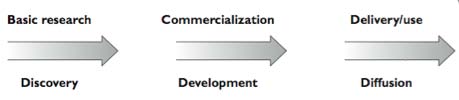
Figure 1: The innovation value chain applied to healthcare[1]

The roundtable examined current partnerships between resource providers and entrepreneurs and explored the dynamics of these relationships.  In the context of tuberculosis, a major global health issue, the roundtable shared best practices in business models and promising innovations relating to vaccines, pharmaceuticals and diagnostic technologies.  The keynote address, given by Dr. Ellen Strahlman, global head of neglected tropical diseases for GlaxoSmithKline, offered insights into investing in diseases of poverty, including tuberculosis, and benefiting the global community while pursuing excellence as a company. During the five conference panels, different funding models were explored and challenges for attracting funding and engagement on tuberculosis were identified.

Continue reading

The Power of Knowing

Infection by the TB infectious agent, Mycobacterium tuberculosis can exist within the human body as a contained latent infection, active disease, or be eradicated by the host immunological response.  TB diagnostics are required to categorize a patient into one of these categories.  However, case detection remains difficult today due to inaccurate diagnostic methods and confounding factors such as HIV infection, immunosuppressive therapies, anti-tuberculosis treatments, drug-resistant TB bacteria strains and poorly understood other factors[1].  Modern-day TB diagnostic tools in developed countries are neither appropriate nor affordable for resource-poor environments.  National TB programs in disease-endemic countries still rely on older and inaccurate methods for confirming TB in patients.  Without correct diagnosis of a patient’s condition, there is lower probability that appropriate medical treatment will be provided and effect a cure of the disease.

To reach the Stop TB Partnership Goal of TB no longer being a public disease burden by 2050, new and improved point-of-care diagnostics need to be developed.  Two entrepreneurial efforts, one from a high-income country (USA) and one from an emerging economy (India) are profiled here.

Continue reading