Raising Horizons: women in science reframed

Posted on behalf of Elizabeth Gibney
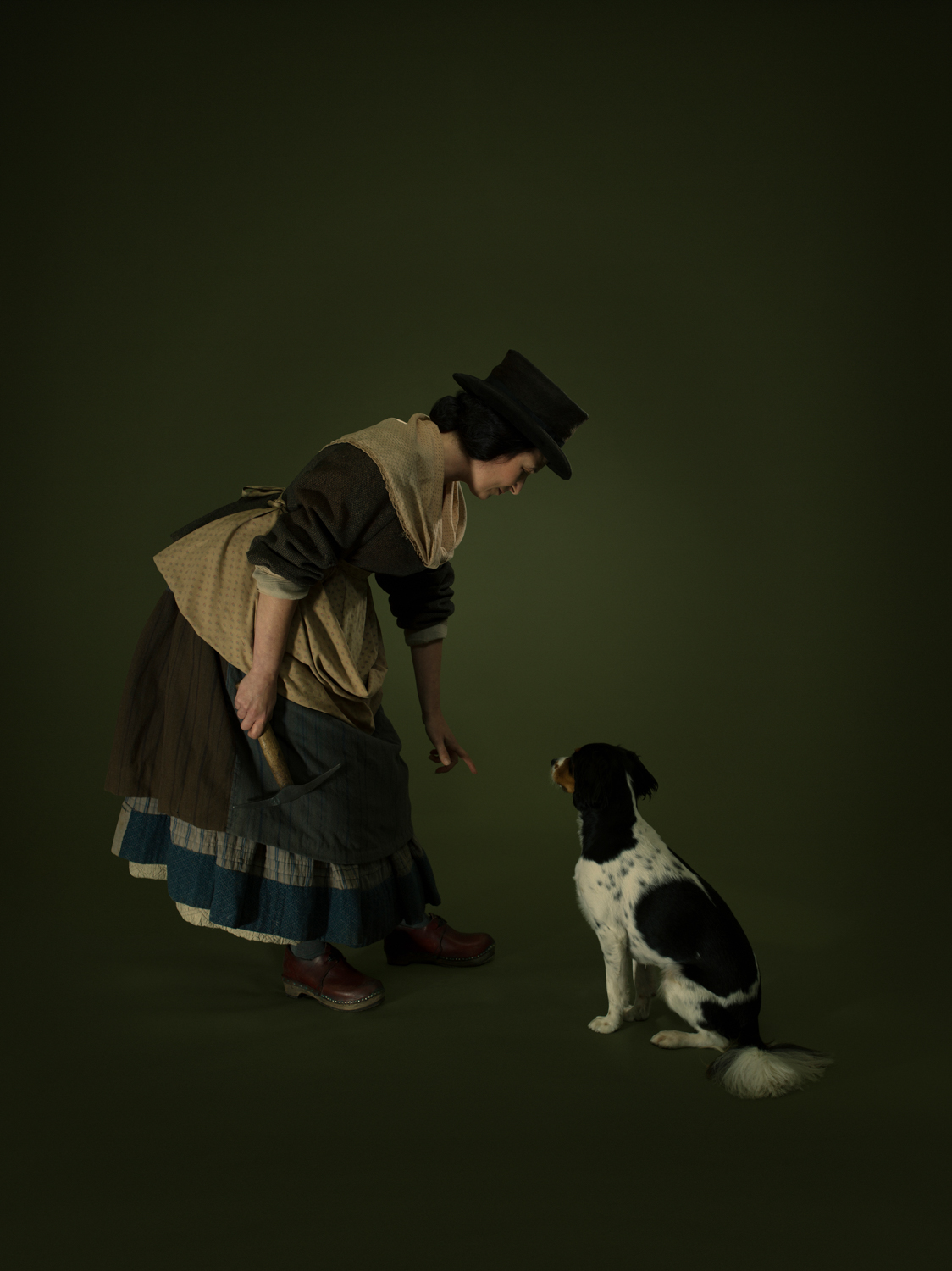
Mary Anning

Victorian fossil hunter Mary Anning, posed by earth sciences curator Lorna Steel.{credit}Leonora Saunders{/credit}

Women in geoscience today can be struck by the paucity of their predecessors in the scientific record. This month, an exhibition helps to redress the balance: portraits celebrating 200 years of pioneering work by women archaeologists, palaeontologists and geologists, on display at London’s Geological Society library.

Raising Horizons — created by photographer Leonora Saunders and science outreach group TrowelBlazers — celebrates 14 women scientists, from fossil-hunter Mary Anning (1799-1847) to underwater archaeologist Honor Frost (1917-2010). The twist is that the portraits are photographs in which present-day scientific counterparts enact these historical luminaries. Thus Lorna Steel, senior curator in earth sciences at London’s Natural History Museum, is dressed as Anning out collecting with her dog Tray, and maritime archaeologist Rachel Bynoe is shown as Frost emerging dripping after a ‘wreck dive’ in the Mediterranean.

Underwater archaeology pioneer Honor Frost, portrayed by scientific counterpart Rachel Bynoe.

Underwater archaeology pioneer Honor Frost, portrayed by scientific counterpart Rachel Bynoe.{credit}Leonora Saunders{/credit}

Saunders, known for her work on gender and equality, has shot these portrayals of glass-ceiling smashers and adventurous field scientists in rich hues and with deep-green backdrops. They evoke oil paintings — an honour accorded to few of these formidable professionals during their lifetimes.

Most are portrayed at work. Geologist Catherine Raisin (1855-1945), modelled by pioneering geoconservationist Cynthia Burek, scrutinises a geological map. Archaeologist Shahina Farid — who was field director at Turkey’s Neolithic site Çatalhöyük for 17 years — appears as renowned archaeologist of Neolithic culture Kathleen Kenyon (1906-1978), pausing for breath at the excavation of Great Zimbabwe in the 1930s.

Archaeologist Shahina Farid - former field director at Turkey's Çatalhöyük site - as Kathleen Kenyon, who helped to excavate Great Zimbabwe.

Archaeologist Shahina Farid – former field director at Turkey’s Çatalhöyük site – as Kathleen Kenyon, who helped to excavate Great Zimbabwe.{credit}Leonora Saunders {/credit}

With Saunders, the four TrowelBlazers scientists — archaeologists Suzanne Pilaar Birch and Rebecca Wragg Sykes, bioarchaeologist Brenna Hassett and palaeobiologist Victoria Herridge — dug into archives for each portrayal. Period artefacts, such as the 1930s field camera Farid is holding, were used in some of the photos. The period class system is also on show. Geologist Charlotte Murchison (1788-1869), portrayed by earth scientist Natasha Stephen, wears a glamorous evening gown; Murchison’s contemporary, the working-class Anning, a simple dress and clogs.

“There are so many other people I could have chosen,” says Wragg Sykes, who selected subjects from almost 150 biographies accumulated by Trowelblazers. Although many of the women featured in the press, their names rarely made it into scientific publications, says Amara Thornton, the social historian of archaeology who portrays Margaret Murray (1863-1963), Britain’s first female archaeology lecturer.

Mary Leakey, the archaeologist who found the famous “Zinjanthropus” fossil, portrayed by specialist in Neanderthals Ella Al-Shamahi.

Mary Leakey, the archaeologist who found the famous “Zinjanthropus” fossil, portrayed by specialist in Neanderthals Ella Al-Shamahi.{credit}Leonora Saunders{/credit}

A highlight is Dorothy Garrod (1892-1968), an archaeologist who led digs at the prehistoric Mount Carmel site in Palestine and discovered an important Neanderthal skull at Gibraltar in the 1920s. Archaeologist Nicky Milner captures Garrod in intense concentration, examining a stone tool.

The exhibition does a fine job of emphasising just how long women have made key advances in these arduous fields. Like the Bearded Lady Project — which also celebrates female earth scientists — Raising Horizons indicates that the Indiana Jones stereotype could be on the wane. And the success of the Academy Award-nominated film Hidden Figures – about African-American female mathematicians whose calculations were crucial to the space race – shows a public appetite for such stories.

Social historian of archaeology Amara Thornton as archaeologist Margaret Murray, shown in the process of unwrapping a mummy.

Social historian of archaeology Amara Thornton as archaeologist Margaret Murray, shown in the process of unwrapping a mummy.{credit}Leonora Saunders{/credit}

The lives of many of Raising Horizons’ subjects are intertwined, as the women taught, mentored or worked alongside each other. A large part of Trowelblazers is about encouraging such networks today, says Wragg Sykes. Judging from the lively launch event – which, refreshingly, buzzed with children and babies, as well as women and men – they seem to be succeeding.

The scientists in these portraits are a diverse group representing generally white, wealthy historical predecessors. In terms of inspiring a new generation of trowel-wielding women, diversity in role models is essential, says Wragg Sykes. As the Trowelblazers put it, “If you can’t see it, you can’t be it”.

Geologist Catherine Raisin scrutinising a geological map, posed by geoconservationist Cynthia Burek.

Geologist Catherine Raisin scrutinising a geological map, posed by geoconservationist Cynthia Burek.{credit}Leonora Saunders{/credit}

Saunders says the photos were designed with the learned society setting in mind. Mounted high around the rail of the library, the intent is literally to ‘raise horizons’, slipping these scientists’ legacies back into positions in history they should already hold. But these images are so absorbing that I’d also hope to see them in larger formats when the exhibition tours Britain, and at eye level. That way young women contemplating the life scientific can ‘meet’ these inspiring researchers face to face.

Elizabeth Gibney is a reporter on physics for Nature based in London. She tweets at @LizzieGibney. Raising Horizons will run at The Geological Society, London, until 28 February. It will then set off on a UK tour, to include the University Women’s Club, London, the Lyme Regis Fossil Festival and the Women of the World festival in Chester.


For Nature’s full coverage of science in culture, visit www.nature.com/news/booksandarts.

Sights and sounds of seabed cities

Posted on behalf of Kerri Smith

HERACG001_A3

Stele of Thonis-Heracleion found in Abu Qir Bay, Egypt.{credit}©Franck Goddio / Hilti Foundation. Photo: Christoph Gerigk {/credit}

In his tome Histories, written around 440 BC, the Greek chronicler Herodotus relates the juicy tale of Helen of Troy escaping with her lover Paris (also known as Alexandrus) to a city on the Egyptian coast.

“Now there was (and still is) on the coast a temple of Heracles…” Herodotus wrote of the spot. The city is referenced in a handful of subsequent texts as Heracleion, after the temple. But modern historians and archaeologists searched in vain for traces of Heracleion. It seemed to have vanished.

Enter French archaeologist Franck Goddio, who looked where others had not: under the sea. In the early 1990s he began an intricate survey of the seabed a few kilometres off the north coast of Egypt, in the bay of Abu Qir. In 2000, he and his team found the remains of a city, and reasoned it must be Heracleion. When they found a large inscribed stone referring to a town called Thonis, they realised this must be a city with both Egyptian and Greek names, and christened it Thonis-Heracleion. (Learn more in this Nature Podcast and video.)

Raising the stele of Thonis-Heracleion from the seabed.

Raising the stele of Thonis-Heracleion from the seabed.{credit}©Franck Goddio / Hilti Foundation. Photo: Christoph Gerigk{/credit}

A new exhibition at the British Museum, Sunken Cities, brings some of the most impressive artefacts from Thonis-Heracleion and nearby Canopus to London, de-salinated, de-barnacled and standing tall (see Andrew Robinson’s review here), revealing the cities as melting pots of Greek and Egyptian culture.

Kerri Smith is Nature’s podcast editor. She tweets at @minikerri. Hear from Goddio in this interview for the Nature Podcast, and see more in this video about Sunken Cities at the British Museum, Great Russell Street, London WC1B 3DG. The exhibition runs through 27 November.


For Nature’s full coverage of science in culture, visit www.nature.com/news/booksandarts.

Beyond the Antikythera mechanism

Posted on behalf of Jo Marchant

'The Wrestler', a marble sculpture from the Antikythera shipwreck showing wear on the side not buried in sand.

One of the first-century BC marble sculptures from the Antikythera shipwreck, showing wear on the side not buried in sand.{credit}Copyright: Jo Marchant{/credit}

The sea has great destructive power, but it can also preserve. A new exhibition of 2,000-year-old artefacts retrieved in 1900 from a shipwreck near the Greek island of Antikythera includes some breathtakingly pristine treasures — such as a bowl made of delicate coils of turquoise, yellow and purple glass, and a miniature golden figure of Eros hanging from an earring set with garnets, an emerald and 20 tiny pearls.

The ancient ship is famous for having contained a geared astronomical device from the first century BC, dubbed the Antikythera mechanism.  What’s less well known, however, is that the rest of its cargo is hugely important too: a dizzying collection of items from statues to ships’ nails that provide a unique insight into first-century-BC seafaring and trade.

The exhibition, called “The Sunken Treasure: The Antikythera Shipwreck”, includes hundreds of items on loan from Athens’ National Archaeological Museum – the first time they have been permitted to leave Greece – and runs at the Basel Museum of Ancient Art and Ludwig Collection in Switzerland until 27 March 2016.

The journey down

Curator Esaù Dozio and Paris-based exhibition designers Studio Adeline Rispal clearly want to take visitors on a journey. To enter the exhibition, we descend into a black-walled room with elegantly placed bronze and marble statues set against the ocean displayed on a 16-metre-wide screen. According to the notes, we’re in a Roman seaside villa. Around 70 BC, when the Antikythera ship sailed, wealthy Romans loved to decorate their homes with Greek artworks, and commissioned thousands of ships to deliver them from territories in the eastern Mediterranean.

The Exosuit

Photo of the Exosuit, a US$1-million wearable submarine used at Antikythera in 2014, with marble finds from the wreck.{credit}Copyright: Jo Marchant{/credit}

Then we take a voyage, filing past a model of a Roman cargo vessel, and ship components retrieved from the Antikythera wreck itself, including a bilge pipe, hull planking, bronze nails and rigging rings. Next come cooking pots and oil lamps used on board, and what may have been the belongings of an aristocratic passenger – gold jewellery, and silver coins from Pergamum and Ephesus on the Asia Minor coast. Found near female skeletal remains, these items have sparked stories of a royal bride travelling to Rome with her dowry.

We descend a ramp to the sound of whistling wind and emerge on the seabed, another black room with marble statues from the shipwreck artistically arranged on piles of white-painted pebbles. The effect is beautiful yet ghostly. The torso of a horse – one of four that may have formed a chariot group – lies stranded on the stones. Crouching nearby is a naked boy. His head and half of his body (presumably protected over the millennia by being buried in sand) are exquisitely preserved, while his other arm and leg are rough, pitted stumps eaten away by the sea.

These marbles date from the first century BC, made of stone from the Aegean island of Paros. Meanwhile bronze statues, held in glass cases against the walls, are thought to date from the second and third centuries BC, already antiques when loaded onto the ship. These are mostly in pieces, including the arm of a boxer with a bandage-wrapped hand, and a philosopher’s head with piercing glass eyes and tousled hair. The missing parts are presumably still buried below the seabed.

Mosaic bowl.

Patterned ‘mosaic’ bowl.{credit}Copyright: Jo Marchant{/credit}

Other items provide a snapshot of thriving Mediterranean trade: there’s glassware from Alexandria; fragments of a wood-and-bronze couch, probably from the island of Delos; and wine jars from Kos and Rhodes. A small room dedicated to the Antikythera mechanism doesn’t contain the surviving fragments (these are too fragile to leave Athens) but does feature several models – of the mechanism itself and other ancient geared devices, including the “sphere of Archimedes” described by the Roman writer Cicero.

Technological shifts

The exhibition also nods to the changing technology used to explore the wreck. On the “seabed”, we see a canvas diving suit like the one used by sponge divers to salvage the 55-metre-deep site in 1900; a model of the boat used by marine researcher Jacques Cousteau when he investigated the wreck in 1976; and a giant photograph of the Exosuit, a US$1-million wearable submarine deployed at Antikythera in 2014.

That latest project, directed by Brendan Foley of Woods Hole Oceanographic Institute in Massachusetts with archaeologists from the Greek Ephorate of Underwater Antiquities, aims to discover whether any of the ship’s cargo remains buried on the seabed. In September 2015, divers retrieved items including a blue game pawn, sections of a bone flute and pieces of mosaic glass. They hope future excavations might yield more statues, or even another mechanism, to add to the items on display.

But the Antikythera collection is opening up in another way too. As well as excavating the wreck site, Foley says he is determined to carry out as many scientific tests as possible, not just on new discoveries but on the existing artefacts. For example, lead isotope analysis on the ship’s hull sheeting should show where it was built, while DNA analysis on the contents of ceramic jugs and jars may reveal the contents of the foodstuffs, medicines and perfumes they held.

Bronze statuette discovered by researcher Jacques Cousteau in the 1970s. Its base may have rotated when a key was inserted.

Bronze statuette discovered by researcher Jacques Cousteau in the 1970s. Its base may have rotated when a key was inserted.{credit}Copyright: Jo Marchant{/credit}

Other possibilities include fracture analysis on the bronze statue pieces to investigate how and when they broke, and X-ray imaging. A prime candidate for X-ray analysis is a bronze statuette discovered by Cousteau’s team in 1976. It stands on a circular base with what looks like a broken-off key on the front. According to the exhibition notes, a mechanical device inside the base rotated the statue when this key was turned. Yet this idea has never been investigated or confirmed. The statue dates from the second century BC, so if X-ray imaging does reveal an internal mechanism, this statuette would trump the Antikythera mechanism as the world’s oldest known geared device.

The Basel exhibition is truly stunning, but for me, the most exciting thing about this collection is the paradigm shift now being driven by Foley and his team. Since 1900, these objects have been beautiful but static, seen merely as artworks to be admired and conserved. The introduction of a scientific approach promises to transform them into a dynamic, rich source of new information about this fascinating period of ancient history.

Jo Marchant is author of a book about the Antikythera mechanism called Decoding the Heavens: Solving the Mystery of the World’s Computer. Her next book, Cure: A Journey into the Science of Mind over Body, will be published by Canongate in February 2016.

For Nature Video’s film Building the Sphere of Archimedes, see here. For Nature’s full coverage of science in culture, visit www.nature.com/news/booksandarts.

Tracing the hum

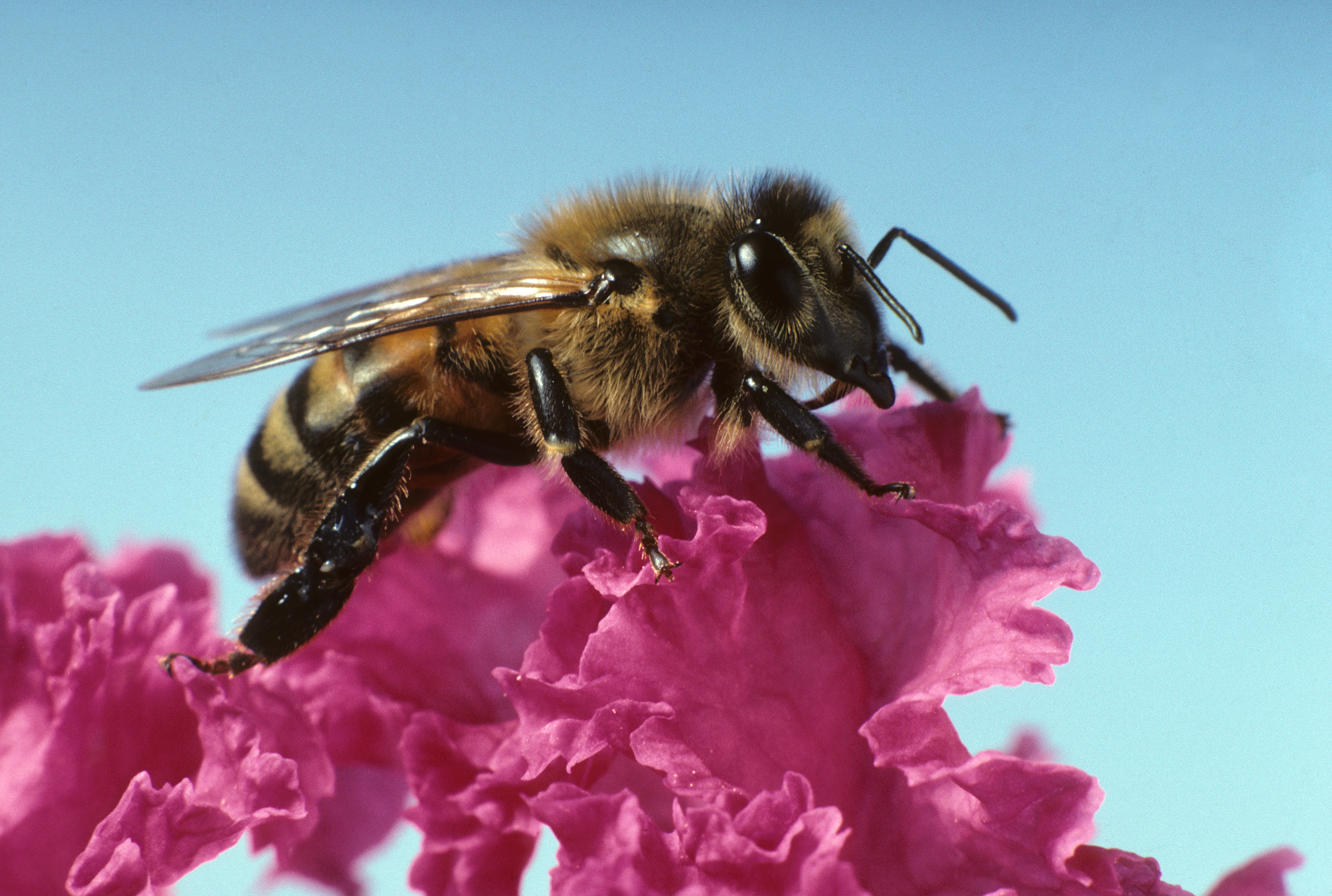
Rob Flynn USDA

{credit}Rob Flynn/USDA{/credit}

Consider the honeybee. Not as an automaton in a honey factory, but as a remarkable social insect and pollinator indissolubly tied to food security — and to the artistic imagination. So asks the poet John Burnside in his incisive essay on the bee in culture in this week’s Books and Arts.

Burnside points out how, as colony collapse disorder decimates hives worldwide, poets and artists are revealing anew the multifaceted relationship of the bee and us. The subtly beautiful limited-edition artbook Melissographia, a collaboration between Burnside and British multimedia artist Amy Shelton, for instance, interweaves poems, pollen maps, botanical samples and illustrations.

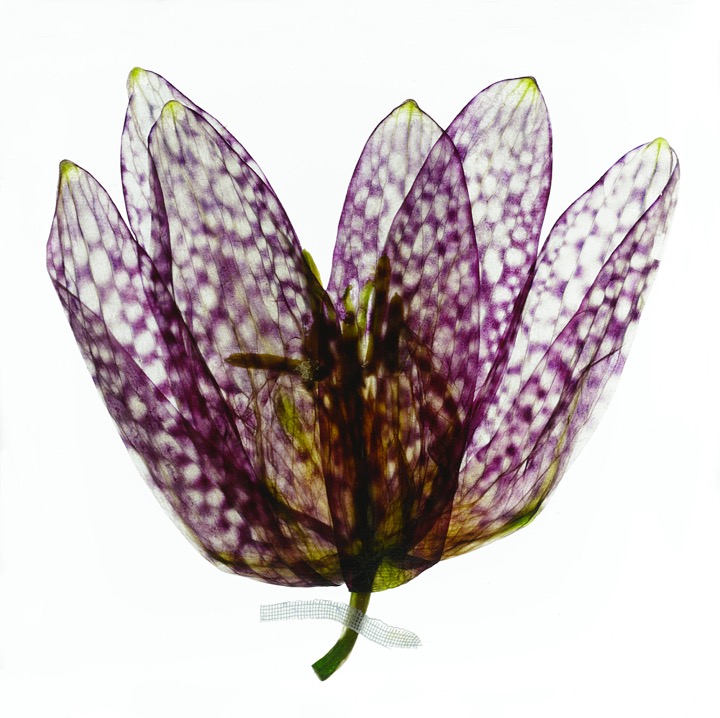
Detail of Amy Shelton’s Florilegium: Honey Flow. Spring, 2014.

Detail of Amy Shelton’s Florilegium: Honey Flow. Spring, 2014. {credit}John Melville{/credit}

Shelton notes on her website that she works in the “strong artistic tradition in England of ‘unseen landscapes’” by focusing on the beehive — “a locus of wildness fusing with human culture”. The lightbox installations of Shelton’s Florilegium: Honeyflow illuminate scores of nectar-rich wildflower specimens in the order they bloom through the bee season — in the process spotlighting the loss of 97% of Britain’s wildflower meadows in the past 75 years.

Shelton also runs Honeyscribe, an educational project offering children the chance to learn about our dependence on pollinators and the wonders of the hive. (One eight-year-old attendee, Shelton tells me, said of standing near the beehives that “it was like it was snowing bees. It was beautiful.”)

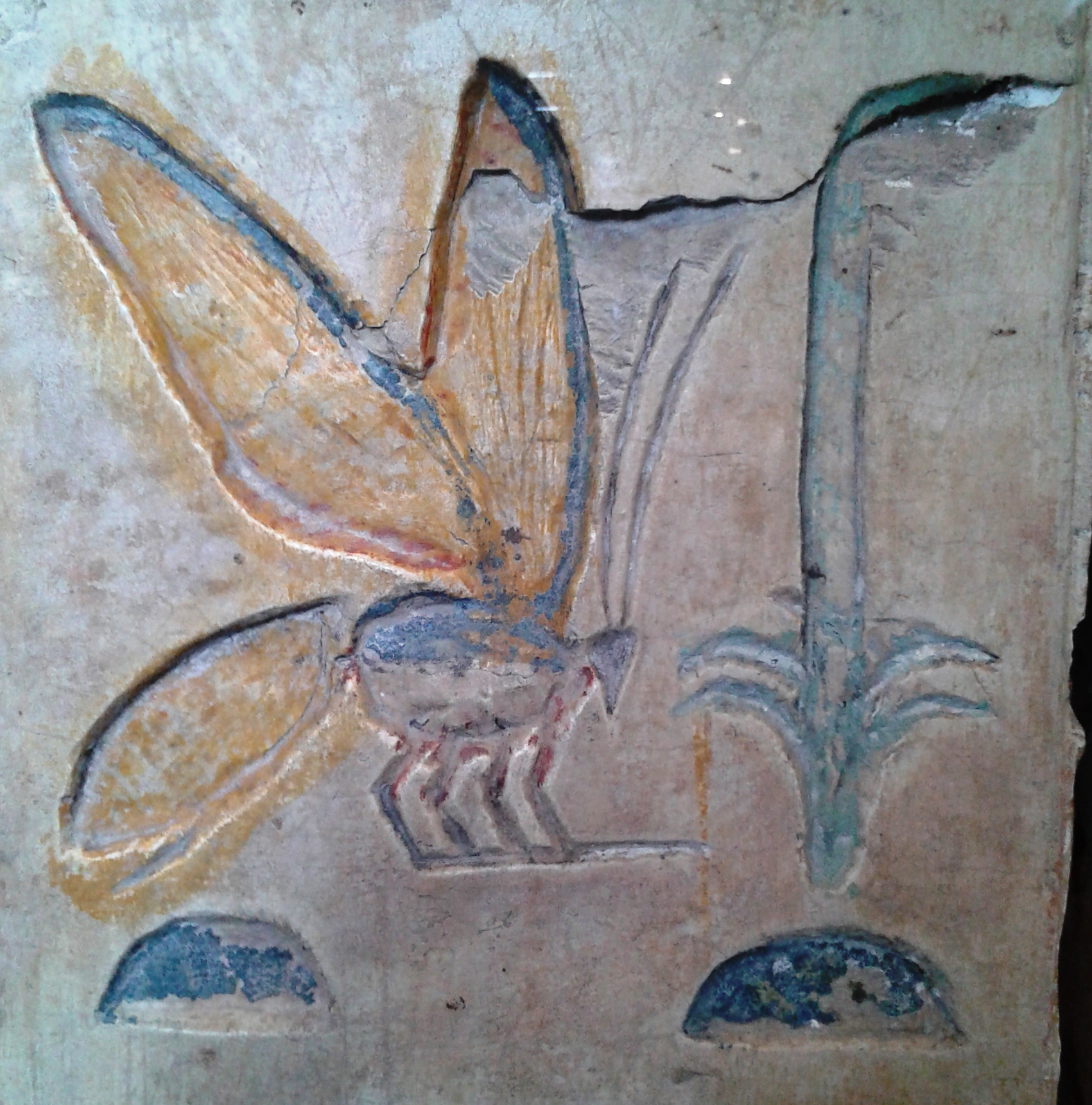
In ancient Egypt, honeyscribes monitored the harvests of the hives. But the bee, fierce as well as beneficent, was also symbolically tied to royalty. As the emblem of lower Egypt, the insect became part of the iconography of governance: that region’s crown, the deshret, sports a spring-like protuberance resembling a bee’s proboscis.

Epithet on limestone plaque from the temple of Ramesses II at Abydos, 13th century BC, in the British Museum, London. The bee symbolises lower Egypt.

Epithet on limestone plaque from the temple of Ramesses II at Abydos, 13th century BC (British Museum, London). The bee symbolises lower Egypt.{credit}Barbara Kiser{/credit}

The bee had meanwhile ascended to divine status in preclassical Aegean civilisations. Some islands seem to have buzzed with bee-goddess cults, as seventh-century BC finds from Crete and Rhodes hint.

Underneath these lofty goings-on, the honeybee remained knitted in to quotidian existence round the world, as Eva Crane (1912-2007) documented in classics such as the World History of Beekeeping and Honey Hunting (1999; reprinted 2011). (Crane, a quantum mathematician, directed the International Bee Research Association for 35 years and worked on apian science in more than 60 countries.)

Crane’s research points to the Aegean as a fountainhead of beekeeping. I recently had a visceral reminder of the region’s elemental and ongoing link to bees in Mani, one of the tattered ribbons of land that blow south from the Peloponnese. As I walked the flank of the rock-strewn Sangias range among wild orchids, scabious and euphorbia, the earth itself seemed to reverberate.  It was the hum of millions of honeybees at work round the wooden hives of village cooperatives. Apis mellifera, still only half-tamed, remains at home in this ferocious landscape.

Amy Shelton’s lightbox artworks, Florilegium: Honey Flow, can be seen at the Wellcome Kitchen, the Wellcome Collection’s new restaurant at 183 Euston Road, London NW1 2BE, UK.


For Nature’s full coverage of science in culture, visit www.nature.com/news/booksandarts.