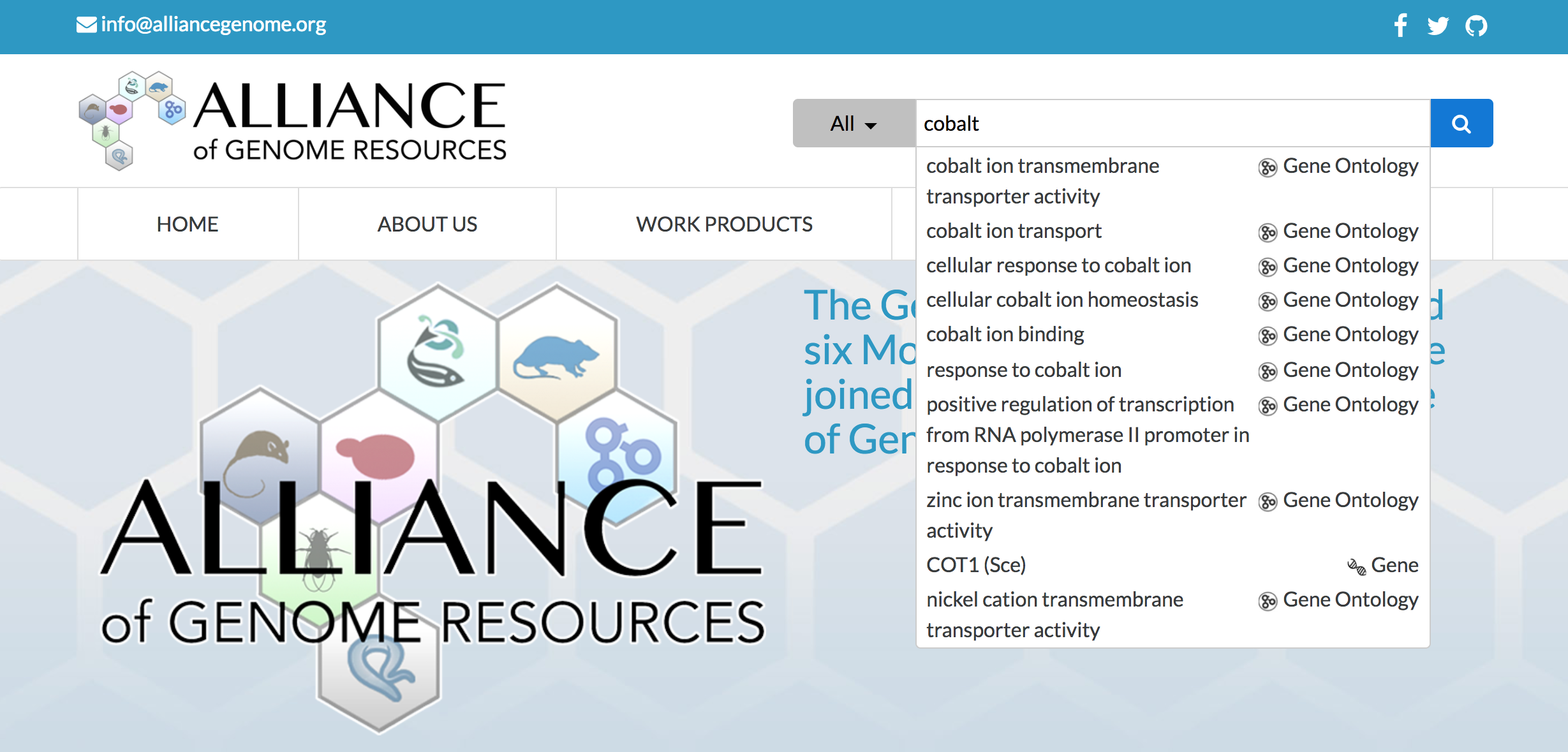
For decades, the research communities surrounding the major model organisms have each had an online place to call home. There’s the SGD, MGD, and RGD — the Saccharomyces, mouse, and rat genome databases, respectively; FlyBase and WormBase for Drosophila and C. elegans; and ZFIN, the Zebrafish Information Network.

Category Archives: Technology
TechBlog: Timothée Poisot: Data science for the rest of us
Timothée Poisot recently travelled to London for MozFest 2017, “The world’s leading festival for the open Internet movement.” There, the quantitative and computational ecologist at the University of Montréal in Canada ran a session entitled “Scientific computing for the terabyte-less.” Here, he tells Naturejobs why life science research needn’t necessarily follow the Big Data model.
TechBlog: Bioconda promises to ease bioinformatics software installation woes
Bioinformatics is notoriously complicated, what with its arcane command-line interface, complex workflows, and massive datasets. For the uninitiated, simply installing the software can present a problem.
A new paper on the bioRxiv preprint archive describes one possible solution, a bioinformatics-focused package collection called Bioconda.
How will open data advance scientific discovery?
SciData writing competition winner Sarah Lemprière explains how making the world’s deluge of data open will help science
As a global population we are generating more data than ever before. The International Data Corporation (IDC) estimates that by 2020 over 80 million gigabytes of data will be produced every minute. Each second, the world will generate enough data for a 50-year-long Netflix binge. Scientific investigation is a big part of that: every day huge amounts of data are generated on everything from the behaviour of supernovae to the 3D structure of proteins in the brain. When the world’s largest radio telescope comes online in 2020, it alone will produce 180,000 gigabytes of data a minute.
Previously, most of this scientific data would never be made public — the need to produce a compelling story for a journal article means that many datasets showing ‘negative’ results will never be published.

TechBlog: Interactive figures address data reproducibility
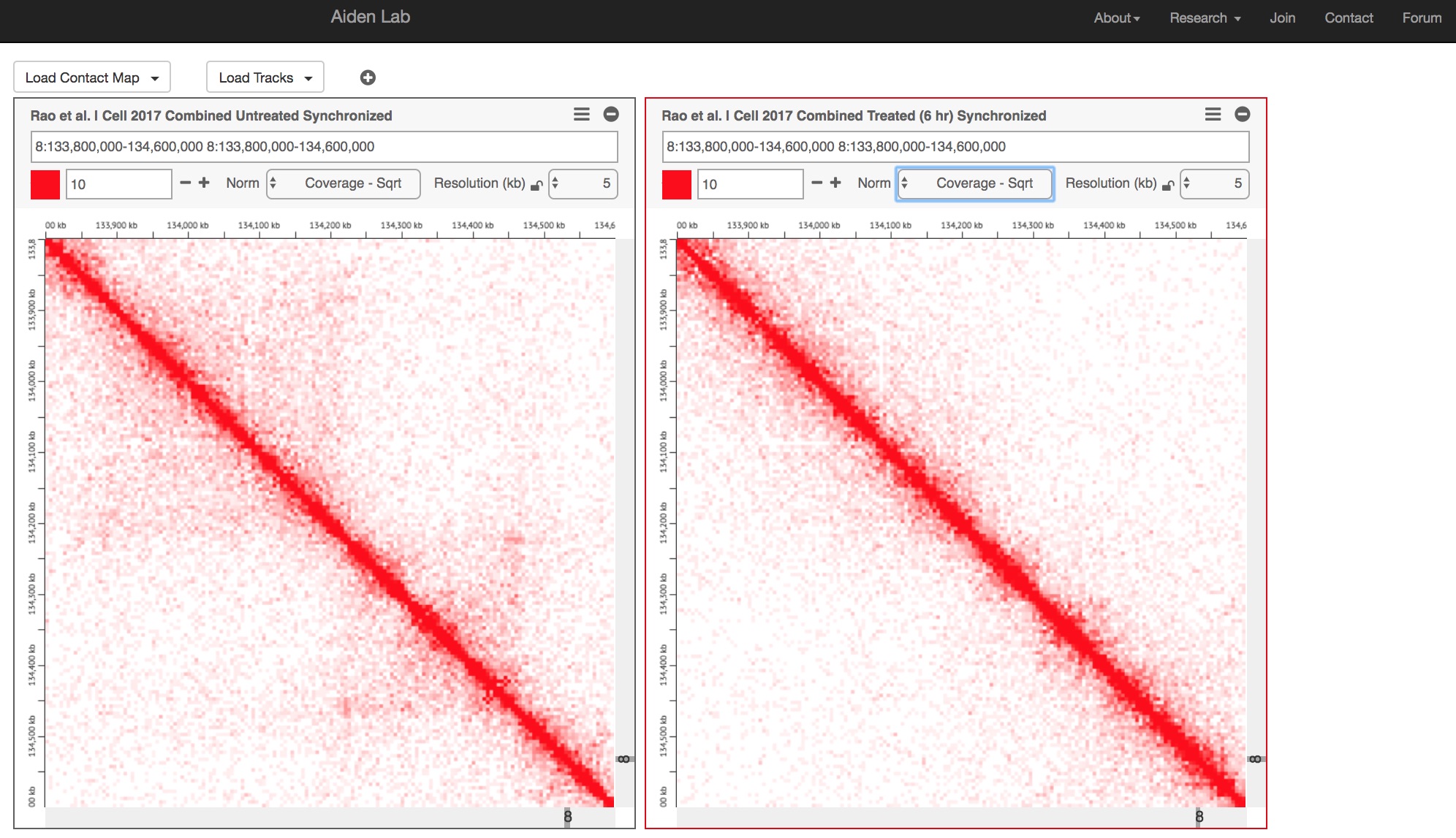
Data reproducibility and transparency mean different things to different people, but one aspect involves allowing scientists to view and manipulate the data or code underlying published figures, both to double-check others’ work and to repeat those analyses using custom data. Over the past year, for instance, the open-access journal F1000Research has implemented integrations with Code Ocean and Plotly for viewing and manipulating programming code and figures, respectively. Now, a new publication showcases interactive figures for 3D genome analysis, too.
Building skills through a gig
Some researchers are providing short-term services such as writing science news articles and consulting on industry products to bolster their skills outside the lab. These side gigs can be valuable for career development, says Josh Henkin. (See related story here.)
Remapping the scientific landscape: moving from a closed to open science world
Science is changing – and we will change with it, says Anastasia Greenberg
Better Science through Better Data writing competition winner Anastasia Greenberg

From Jisc: Many hands make light work
“Information is power. But like all power, there are those who want to keep it for themselves.” Those were the words of Aaron Swartz, a young programming prodigy and the creator of Reddit, in his Guerilla Open Access Manifesto. In 2011, Swartz wrote some code that systematically downloaded millions of academic papers from the JSTOR database onto his computer, which was hidden in a basement closet at the Massachusetts Institute of Technology (MIT). This act of hacktivism resulted in felony charges, with potential for decades of jail time. Swartz hanged himself in 2013.
To some, Swartz’s story embodies the open-science movement, but it is far from clear what his motives for downloading JSOR’s database were, and which, if any, segments of the open science movement Swartz identified with. Continue reading
TechBlog: The nanopore toolbox
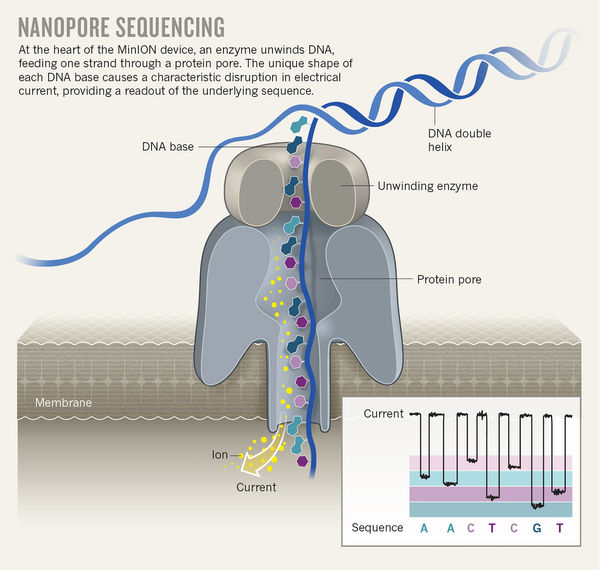
For this week’s Technology Feature, Michael Eisenstein wrote about the technology, applications, and challenges of nanopore DNA sequencing. In brief, the technology involves threading intact pieces of DNA through a tiny aperture in a membrane or other barrier, through which a current flows. As each base passes, it disrupts that current in a characteristic way, allowing specialized software to determine the sequence.
The technology has multiple benefits: it’s relatively inexpensive and compact, and produces exceptionally long reads. But the resulting error rate is also higher than some other technologies. What that means is, informatics tools designed to handle short-read data can often stumble when confronted with nanopore sequences. But a growing collection of dedicated long-read tools is rapidly filling in the gap. I asked a few nanopore veterans to help me compile a list.
Naturejobs podcast: Flexibility and forward planning
London Naturejobs Career Expo speakers, exhibitors and attendees share how flexibility in a scientific career is beneficial.
“Science is a multifaceted and large enterprise, and there are lots and lots of very interesting ways to contribute to science” said Venki Ramakrishnan, president of the Royal Society, lab leader at the MRC Laboratory of Molecular Biology and joint winner of the 2009 Chemistry Nobel, at the 11th annual Naturejobs London Career Expo on Oct 4th 2017.
Ramakrishnan encourages scientists to think about the wide variety of options available to them; that having a PhD in science doesn’t mean you need to follow the tenure track career path. Continue reading
TechBlog: Jupyter powers bioinformatics, again
Bioinformatics isn’t easy for newbies. It’s typically done on the Linux command line, where users direct the computer using text-based instructions rather than clicking a mouse.
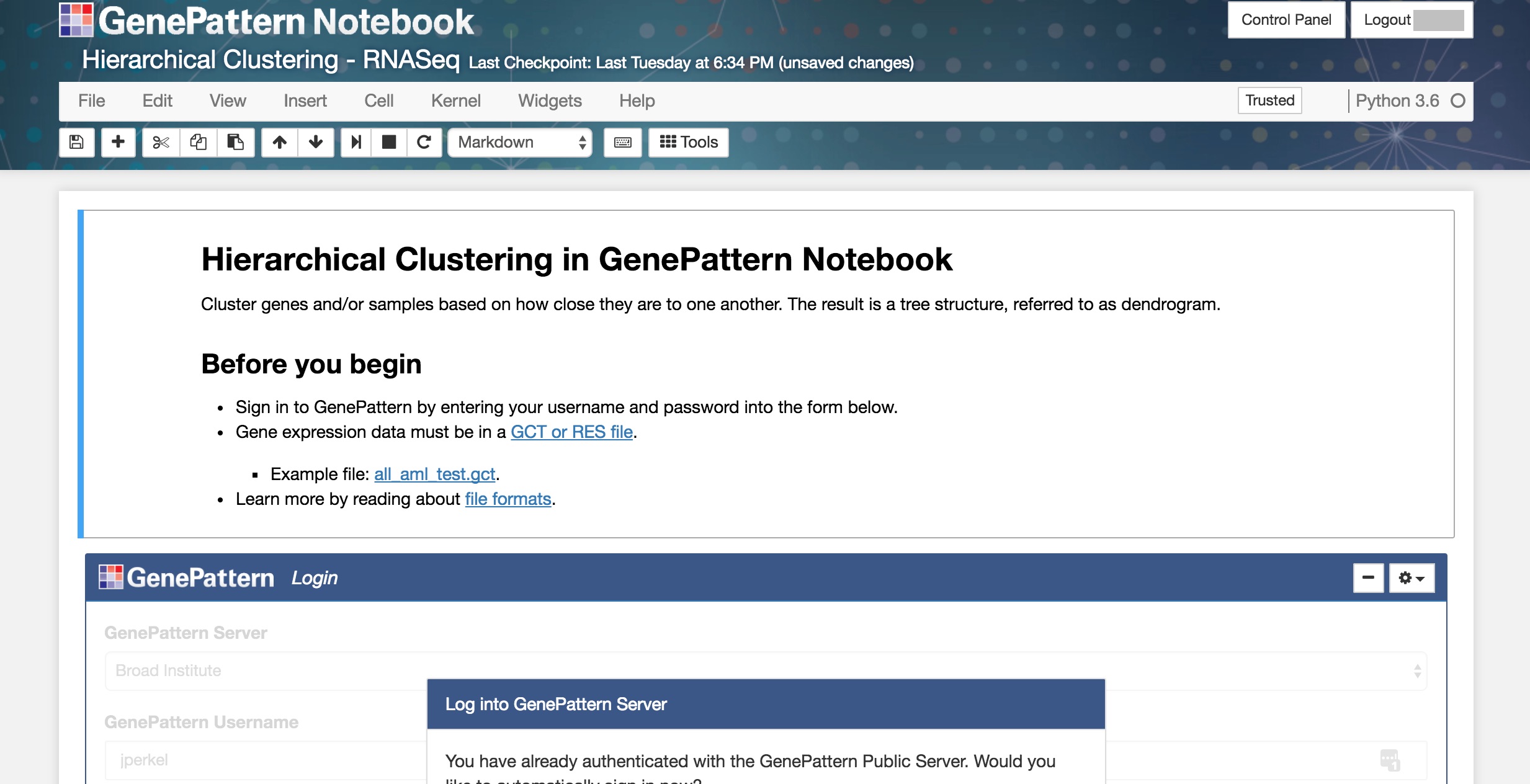
But there are alternatives. One popular choice is Galaxy; another is GenePattern. Both allow researchers to execute complex bioinformatics tools via open-source, point-and-click, web-based interfaces, freeing them from the burdens of the command line, programming, and software installation. As such, they make bioinformatics workflows relatively user-friendly. And that trend is continuing.