TechBlog: HiPiler simplifies chromatin structure analysis

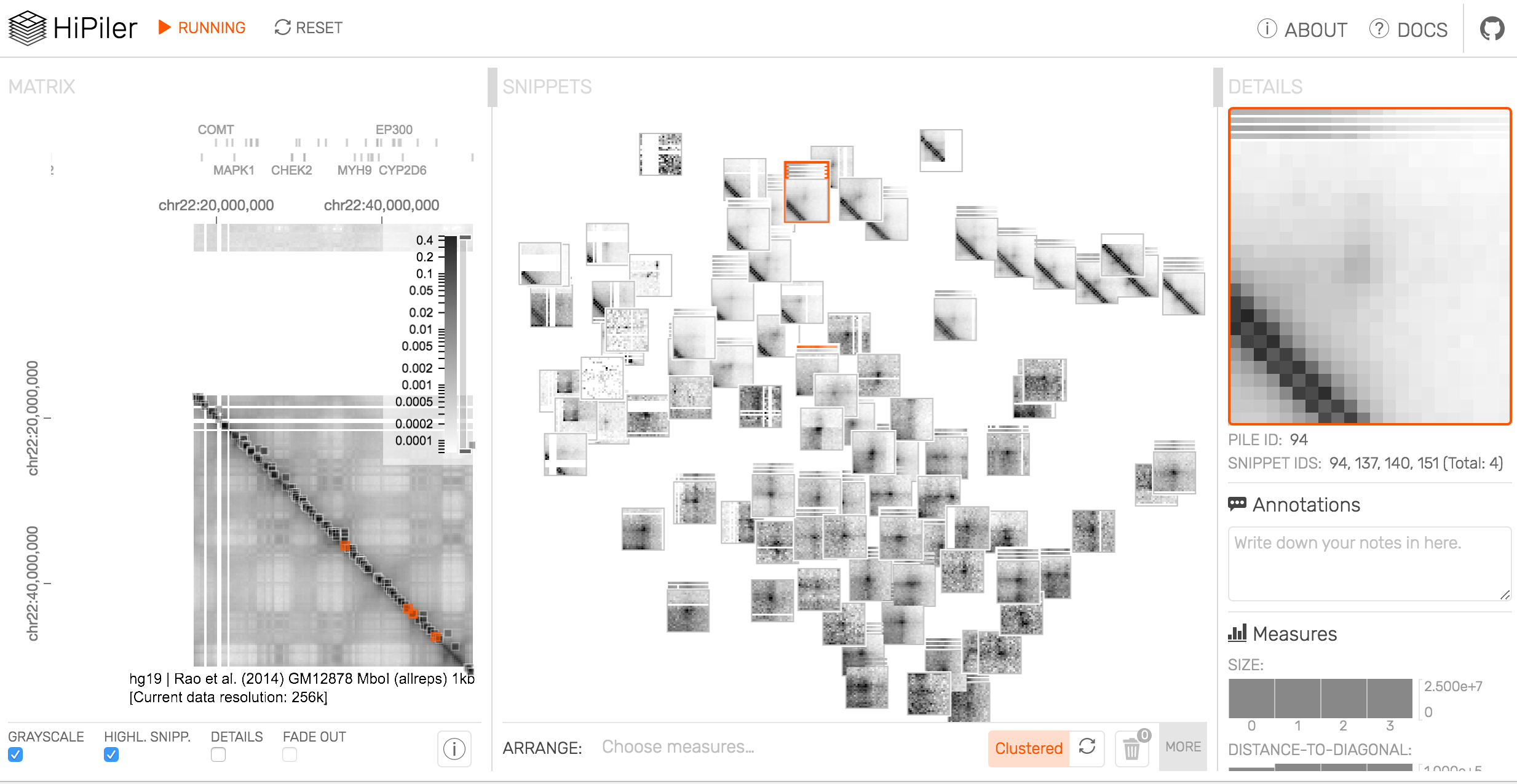
Screen Shot 2017-09-07 at 12.29.30 PM

For my recent Toolbox on 3D genome visualization tools, Nils Gehlenborg at Harvard Medical School clued me into two interesting pieces of software. One, HiGlass, was included in my article; a related tool, HiPiler, was not. But that doesn’t mean it’s not worth talking about.

Continue reading →

Sports science: An athlete-researcher’s experience

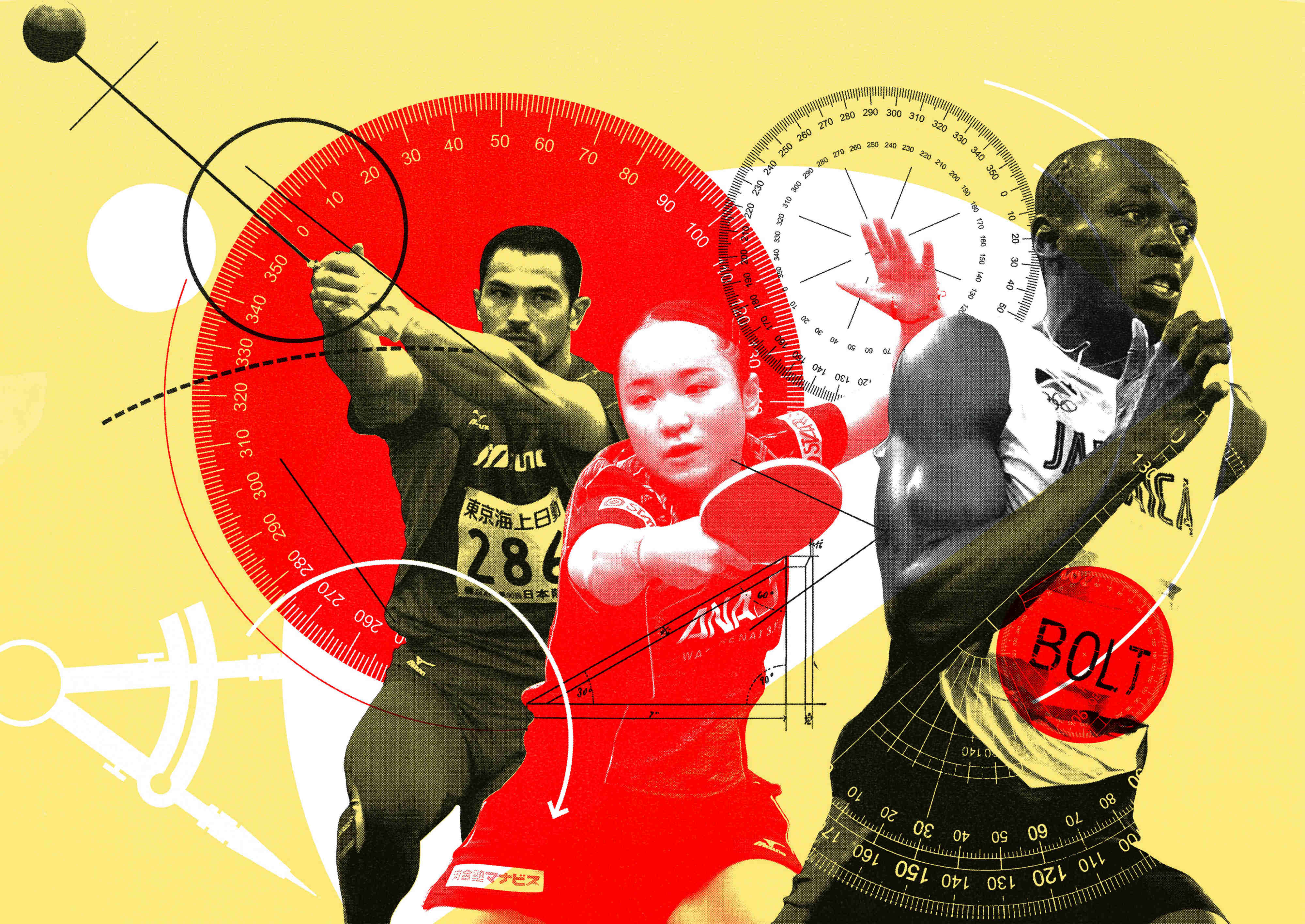
NATURE_SPORT_400-smaller

Koji Murofushi’s career has been a mix of tradition and innovation in sports science. He shares his thoughts on a new training approach.

By Tim Hornyak

Sports science is the study of the body as a performance machine. Its specialties span biomechanics and psychology, and demand for its experts is growing. Whether it’s helping everyday people with their physical wellbeing or training elite athletes to react faster endure longer or jump farther, sports scientists and performance consultants are playing an increasingly important role in exercise and competition.

Evidence of growing demand for sports science mavens can be seen everywhere from new university programmes such as the University of Michigan’s Exercise & Sport Science Initiative, launched in 2016, to mass media events. In one example of the latter, before Irish mixed martial artist Conor McGregor went up against boxing champion Floyd Mayweather in a much-hyped showdown in August, he trained at the UFC Performance Institute, a $12 million facility that opened earlier this year in Las Vegas. McGregor used altitude chambers to improve aerobic capacity and ran on an underwater treadmill to build endurance. That may have helped him go more than nine rounds with Mayweather, the overwhelming favorite and eventual winner of the bought. Continue reading →

TechBlog: Mike Goodstadt: A circuitous route to bioinformatics

Mike Goodstadt (2)

{credit}CNAG-CRG{/credit}

Most coders come to bioinformatics by one of two routes. They’re either biologists skilled in programming, or programmers with an interest in biology. Mike Goodstadt, the programmer behind the genome-visualization tool TADkit, took a different approach.

In the early-to-mid 1990s, Goodstadt was a student at the University of Bath in the UK. His course of study: Architecture. Continue reading →

Productivity for researchers: 9 brilliant tips

Are you great at procrastinating? Do you wish you could get more done in a week, or just do things ‘better?’ Here are some helpful hints and tips for your research workflow!

By Stacy Konkiel

At Altmetric, we provide actionable insights into the online engagement surrounding published research. In early 2017 we asked researchers to share their favorite productivity tips and tricks for tackling their to-do lists, in the hope picking up some ideas ourselves and sharing their wisdom with the wider community. Here are some of their top recommendations.

cube Continue reading →

Social media as a scientist: a very quick guide

By Beth Kenkel

This condensed social media guide for scientists provides key facts about how researchers report using social media and concrete examples of how you can use LinkedIn, Twitter and Facebook to network, exchange scientific ideas, or advance a career. This is an all ages guide designed for scientists at any career stage.


Illustrator Vector EPS file (any size), High Resolution JPEG preview (5417 x 5417 px) and Transparent PNG (5417 x 5417 px) included. Each element is named, grouped and layered separately. Very easy to edit. Continue reading →

TechBlog: Building synthetic circuits from RNA

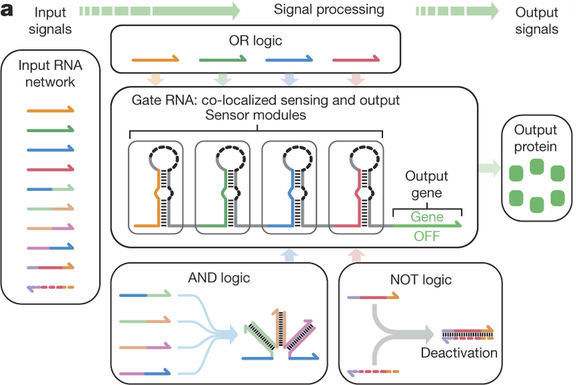
nature23271-f1

{credit}Nature 548, 117–121 (03 August 2017) {/credit}

As my recent Technology Feature made clear, the technology to synthesize large genomes is advancing at a remarkable pace. So too are technologies for wiring genetic circuits to endow those genomes with novel properties. In the 3 August issue of Nature, researchers at Arizona State University in Tempe describe a new technology to do just that.

Synthetic biologist Alexander Green of the Biodesign Institute at ASU, and colleagues, describe simple ‘ribocomputing devices‘ that can function as logical AND, OR, and NOT gates — circuit building blocks that control the translation of a reporter gene based on the presence one or more small input RNAs. As those inputs can reflect exposure to different environmental agents or stimuli, the system could serve as a kind of biological sensor.

Continue reading →

Computational biology: an informal career path

Geoffrey Siwo

Geoffrey Siwo{credit}Geoffrey Siwo{/credit}

Computational biology is one of the fastest growing areas in biomedical research but many biology students or researchers may not have time to study or access formal training. Geoffrey Siwo shares some tips on how to follow a less formal path.

When I started my undergraduate degree in biomedical science and technology 18 years ago, the idea of a student owning a personal computer would be the talk of campus, even if that student was studying computer science.

At the time internet access in many parts of Kenya, (and Africa at large), was still limited, with only about 200,000 of its 30m inhabitants online.

Here are some examples, based on my personal experience, on how a biologist can keep pace with computational biology. Continue reading →

TechBlog: Jupyter Joins the Galaxy

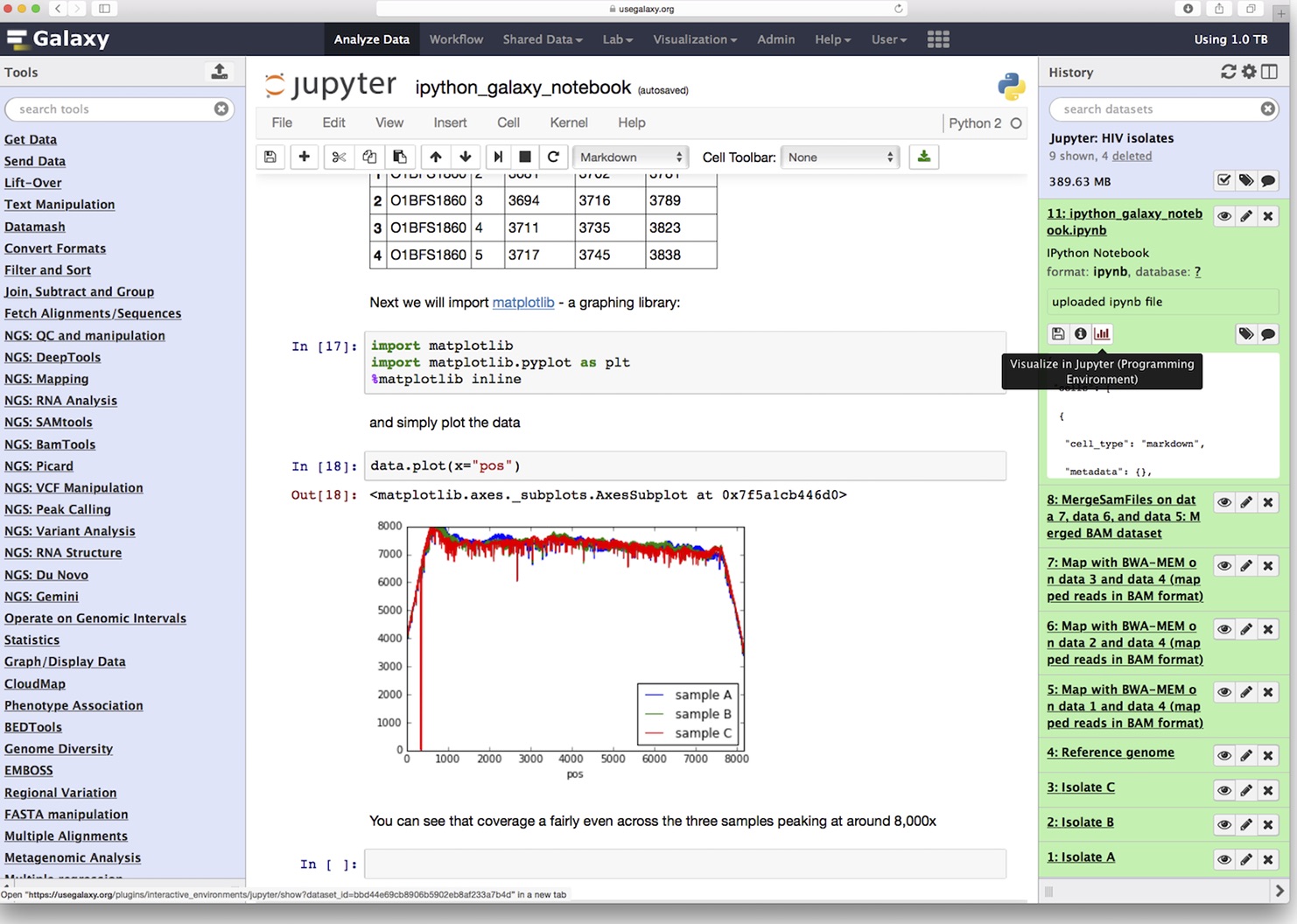
journal.pcbi.1005425.g001

{credit}PLoS Comput Biol 13(5):e1005425{/credit}

There’s a galaxy of tools in the Galaxy bioinformatics environment — 4,807 at last count. With them, researchers can do just about anything, computationally speaking. One thing they couldn’t do was work with their data programmatically. Now, thanks to a recent software update, that gap has been filled.

In a paper published on 25 May in PLoS Computational Biology, the Galaxy team describes a plug-in that provides access to both Jupyter (neé IPython notebook) and RStudio.

Continue reading →

TechBlog: How to build long DNA

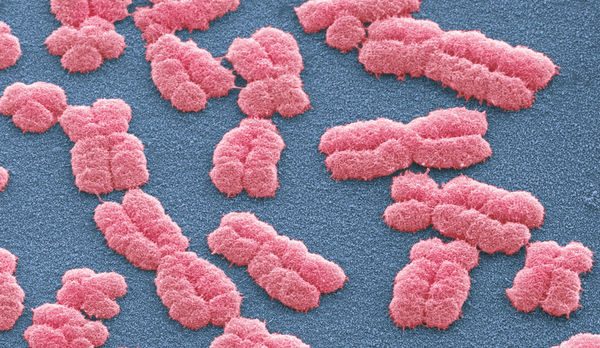
547477a-i1

My most recent Technology Feature, on the technology of genome synthesis, describes advances in the field of large-scale genome hacking. Researchers are rewriting the genomes of organisms from E. coli to yeast, with millions of bases written from scratch. Now, through projects like Genome Project-write, they are turning their attention to even more complex organisms, with concomitantly larger genomes.

How, though, does one actually write a genome? As I note in the article, researchers don’t do that in one step. The molecules are assembled hierarchically, from synthetic oligonucleotides to ever larger pieces, first in a test tube and ultimately in living cells.

That said, it is possible to purchase “gene-sized” pieces of synthetic DNA. But, since DNA today is synthesized mostly using the same error-prone phosphoramidite chemistry researchers have used for decades, the question is: how are those molecules made?

Continue reading →

From Doctorate to Data Science: A very short guide

Moving from a PhD into data science can be rewarding, but might be a bit of a culture shock

Are you one of the many PhDs considering a career in data science? I completed a PhD in neuroscience at Stanford three years ago; now I’m a data scientist at Uber. During my time in industry, I’ve found that the skills we develop in graduate school, such as analytical thinking, statistics, communication skills, and – oh yes – tenacity in the face of adversity, make us a great fit for the role.

smaller

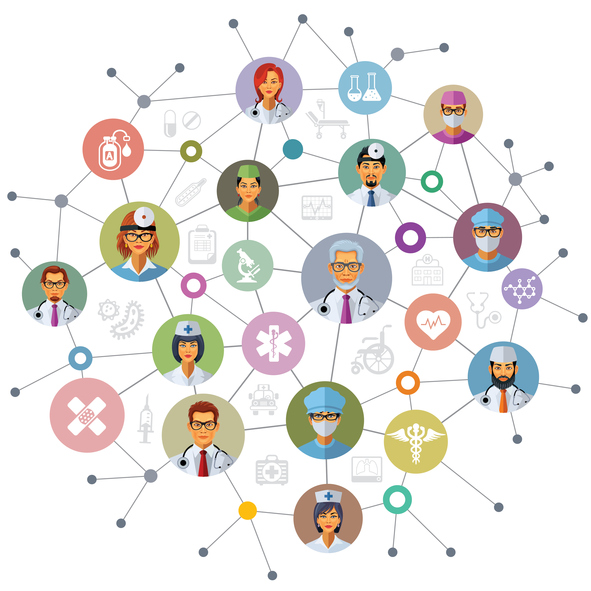
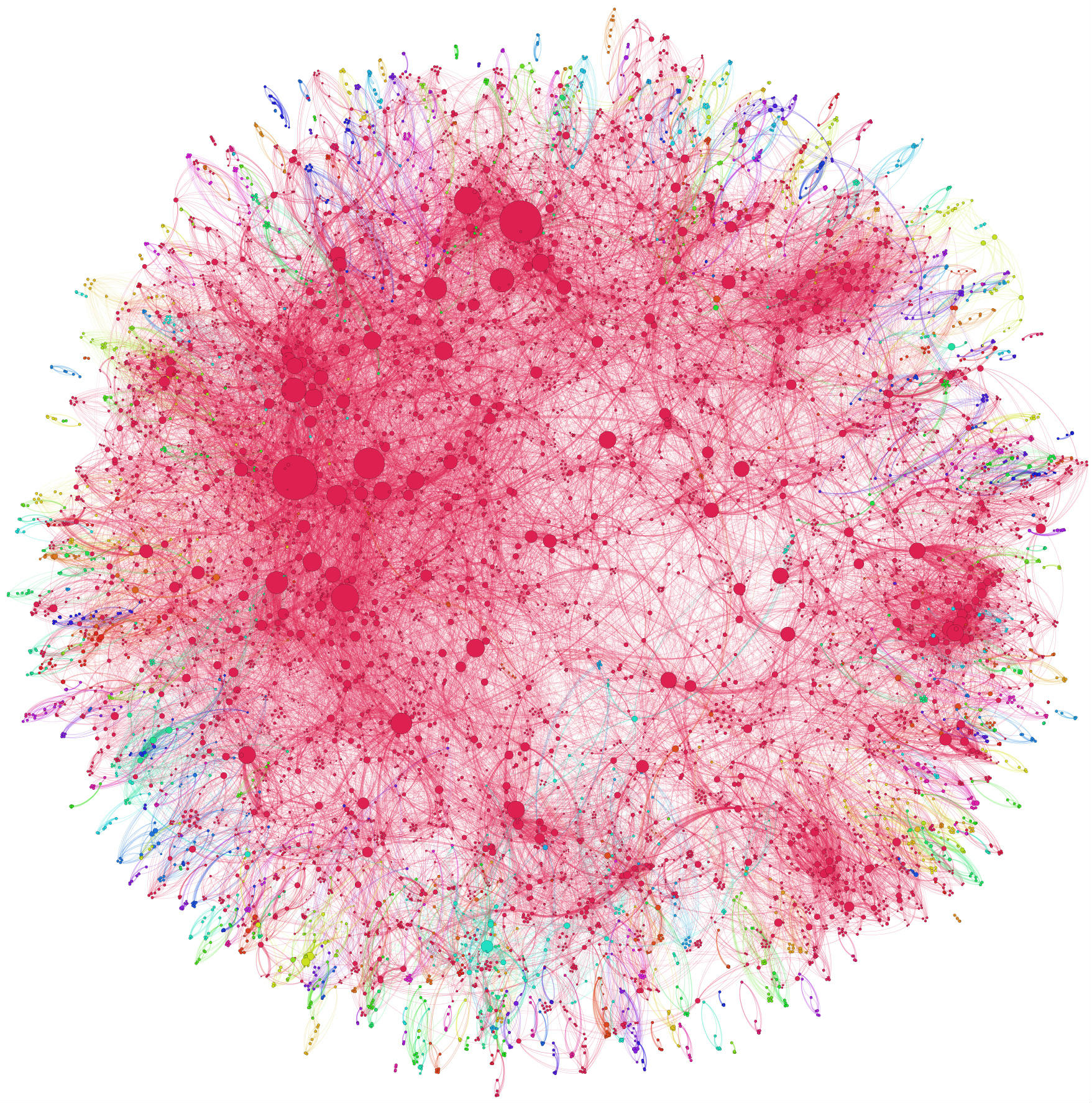
The co-authorship network of 8,500 doctors and scientists publishing on hepatitis C virus between 2008 and 2012. {credit}Andy Lamb/ Flickr{/credit}

Continue reading →