
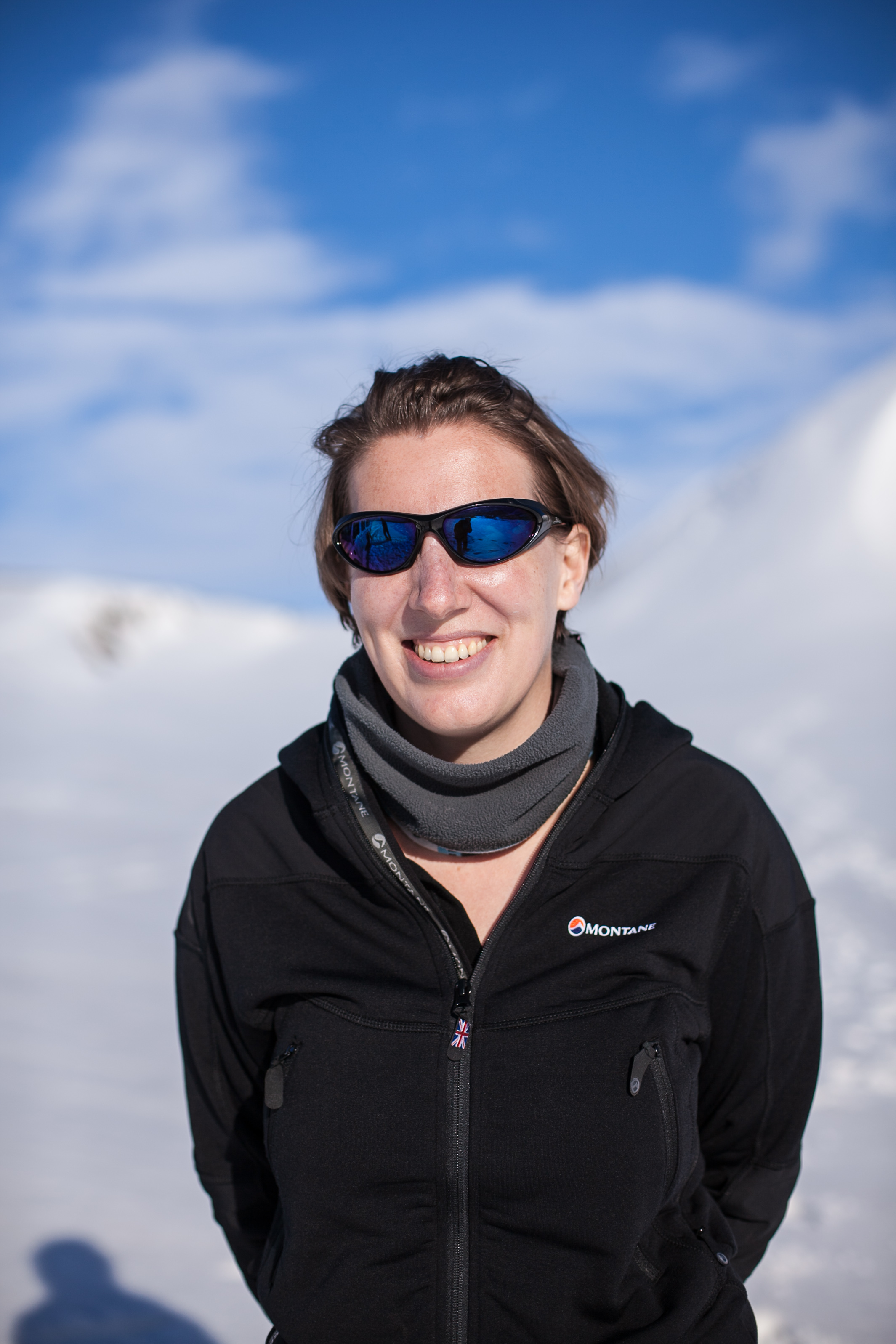
Felicity Aston is a British adventurer, climate scientist and STEM advocate, who in 2012 became the first woman to ski solo across Antarctica. At 23, Felicity left the UK to spend three years living and working in the Antarctic as a meteorologist with the British Antarctic Survey at Rothera Research Station. On her return, she was part of the first all-female team to complete the Polar challenge, a 360-mile endurance race across the Canadian Arctic. A year later, Felicity led the first British women’s crossing of the Greenland ice-sheet. Since then she has gone on to lead numerous expeditions including the Kaspersky Lab Commonwealth Antarctic Expedition, the largest and most international women’s expedition ever to ski to the South Pole.
“Our comfortable thought about Antarctica as a static cold monolithic environment is over as we’re now seeing it as a living being that’s dynamic and producing change. Change that is being broadcast to the rest of the world, possibly in response to what the world is broadcasting down to Antarctica,” a glaciologist aptly sums up his observations of the changing landscape in Werner Herzog’s documentary on Antarctica ‘Encounters At the End of the World’.
This resonates with the British climate scientist and adventurer, Felicity Aston, who is very familiar with the global environmental issues that she says threaten our planet. She is also an advocate for promoting awareness and understanding.
Having this year taken part in a photo shoot for the Guinness Book of Records after becoming the first woman to ski solo across Antarctica, Felicity is now well under-way with her next major challenge.
Following Winter
Travelling 30,000km across northern Europe and Siberia over three months, Felicity and her three person team will chase winter to the Pole of Cold, the coldest place in the world outside of Antarctica. Here they will explore the social, cultural and physical effects of living in the most extreme climates, engaging with local communities and researching how they have adapted to life in sub-zero temperatures.
“The team will track the extreme weather through scientific and creative means, documenting the physical, human and cultural geography as we go along,” says Felicity. “We’ll be looking at the day-to-day reality of life in the harshest of conditions and hope to bring alive the fascinating local stories. There are so many curiosities around how for example you use an iced-over lake to heat a house or whether it is possible for temperature to rise with altitude rather than drop?”