Science Mentoring: Journal of Emerging Investigators

The latest Soapbox Science mini-series focuses on the role of mentors in science. Tying in with this year’s Lindau Nobel Laureate meeting, where almost 600 young scientists have the opportunity to meet each other and 25 Nobel laureates, we’ll be looking at the importance of supportive relationships and role models. We’ll hear from a mix of mentors, mentees and projects set up to support scientists and we aim to explore not just the positive examples of good mentoring but what can happen when these key relationships are absent or break down. For more discussions around this year’s Lindau meeting, check out the Lindau Nobel Community site.

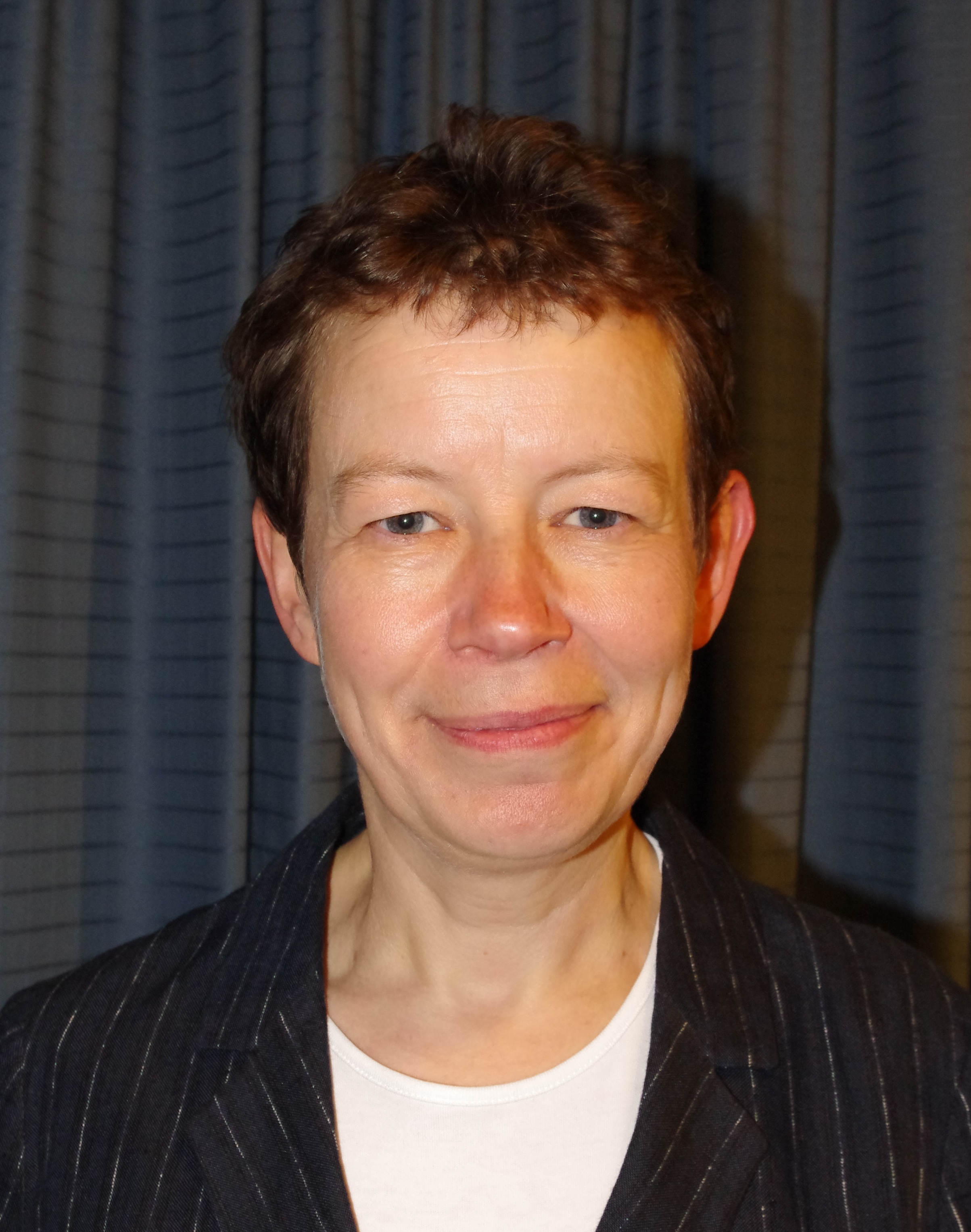
Sarah Fankhauser officially began her scientific career when she majored in biology at Georgia Tech.  While at Georgia Tech, she had the opportunity to work in a microbiology lab and completed her senior thesis on the chemotaxis system of the bacterium Bacillus subtilis.  After graduating with a BSc in 2007 she began her PhD.  work at Harvard Medical School studying the immune response to bacterial pathogens. While at Harvard, Sarah has taught a range of students, from graduate and medical students to middle and high school students, about a variety of scientific subjects.  In 2011 she founded the Journal of Emerging Investigators, a science journal dedicated to publishing the research performed by middle and high school students.  Sarah is passionate about science teaching and engaging more researchers in the classroom and she plans to teach at college or high school level.   Continue reading
Science Mentoring: The Science Club for Girls and the cycle of mentoring

The latest Soapbox Science mini-series focuses on the role of mentors in science. Tying in with this year’s Lindau Nobel Laureate meeting, where almost 600 young scientists have the opportunity to meet each other and 25 Nobel laureates, we’ll be looking at the importance of supportive relationships and role models. We’ll hear from a mix of mentors, mentees and projects set up to support scientists and we aim to explore not just the positive examples of good mentoring but what can happen when these key relationships are absent or break down. For more discussions around this year’s Lindau meeting, check out the Lindau Nobel Community site.

Meghna Marjadi

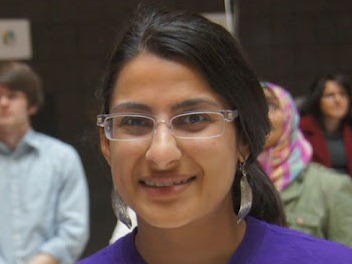
Meghna Marjadi is a Massachusetts Promise Fellow(Americorps) serving as the the High School Programs Coordinator for  Science Club for Girls. The Cambridge, Mass. – based group sends volunteer mentor-scientists from local universities, research labs, and companies to area schools. Group members also train teens to serve as “Junior Mentors” to younger girls so they can “ picture themselves in STEM careers. Meghna also runs the herring monitoring program with the Mystic River Watershed Association.
While women comprise nearly half the work force, they fill only 25 per cent of STEM jobs, according to a 2011 report by the US Department of Commerce. The  factors influencing underrepresentation of women in science include a dearth of role models,  STEM careers that offer little family time and  gender stereotyping. For example, earlier this year, the clothing store Forever 21 carried a t-shirt that read, “allergic to algebra.”

Continue reading

Science Mentoring: Is it different for girls?

The latest Soapbox Science mini-series focuses on the role of mentors in science. Tying in with this year’s Lindau Nobel Laureate meeting, where almost 600 young scientists have the opportunity to meet each other and 25 Nobel laureates, we’ll be looking at the importance of supportive relationships and role models. We’ll hear from a mix of mentors, mentees and projects set up to support scientists and we aim to explore not just the positive examples of good mentoring but what can happen when these key relationships are absent or break down. For more discussions around this year’s Lindau meeting, check out the Lindau Nobel Community site.

Helen Wollaston, newly appointed Director of UKRC-WISE, ponders whether the factors which motivate female scientists are different to those which draw men to the subject.  Helen brings a wealth of experience promoting opportunities for women and girls, as former Director of Campaigns at the Equal Opportunities Commission, through her own equality consultancy business and as Chair of Platform 51, a charity which supports women and girls to achieve their potential.  Continue reading

Science Mentoring: Mentoring Women in Science

The latest Soapbox Science mini-series focuses on the role of mentors in science. Tying in with this year’s Lindau Nobel Laureate meeting, where almost 600 young scientists have the opportunity to meet each other and 25 Nobel laureates, we’ll be looking at the importance of supportive relationships and role models. We’ll hear from a mix of mentors, mentees and projects set up to support scientists and we aim to explore not just the positive examples of good mentoring but what can happen when these key relationships are absent or break down. For more discussions around this year’s Lindau meeting, check out the Lindau Nobel Community site.

Dr. Meghan Groome is the Director of K12 Science Education and Science & the City at the New York Academy of Sciences. Dr. Groome joined the Academy in July of 2010 after spending three years as a special projects consultant to the American Museum of Natural History. Previous, Dr. Groome was a Senior Policy Analyst with the National Governors Association and co-authored Building a STEM Agenda, a framework for states and large organizations to improve their science education pipelines from birth through graduate school. Dr. Groome completed her PhD at Teachers College Columbia University in Science Education with a focus on urban science education. During graduate school, Dr. Groome co-founded uPublic, an education consulting company focused on local, national, and international education reforms. Dr. Groome graduated from The Colorado College in 2000 with a major in biology and theater and is a certified science teacher with experience teaching PreK through Graduate school. Continue reading