The “black box” effect in science communication

To counter sensationalist journalism and to bring the public closer to the realities of research, science communication must focus on the how and why of science, says Naturejobs journalism competition winner Lev Tankelevitch.

In July 2016 scientists found out how to map the brain into dozens of new areas using neuroimaging. We also discovered that thousands of such brain scanning studies may be flawed. To someone lacking insight into neuroscience, these two equally important studies can seem conflicting. Although “science communication” happens everywhere, science can still feel like a black box to the public, mysteriously churning out breakthroughs which are packaged and relayed by a barrage of tweets and headlines.
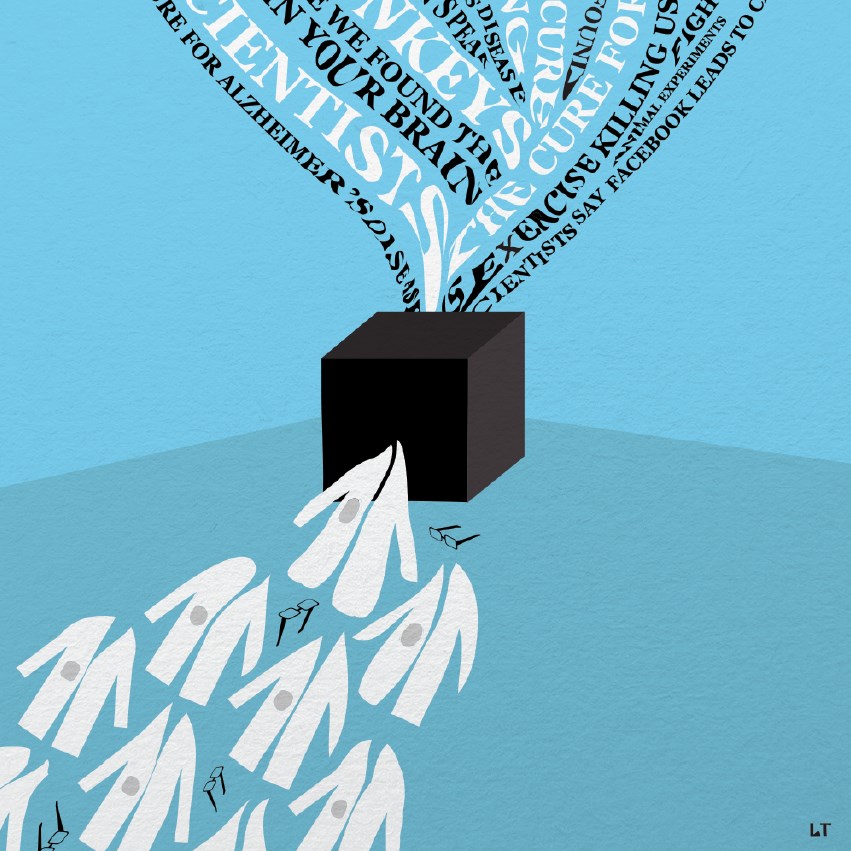
image Continue reading

Finding a place to hang my lab coat

Australia might be the land of surf, swim and sun, but something’s making all the scientists flee, says Naturejobs journalism competition winner Catherine Carnovale.

When now ex-Australian Prime Minister Tony Abbot abolished the role of science minister in September 2013, members of Australia’s scientific community fastened our seat belts. This telling sign signalled the first of many cuts to science and innovation before the new government delivered their knock-out punch to the industry in the form of the 2014-15 budget.

4925267732_492be0075f_o-smaller

{credit}Calsidyrose/Flikr{/credit}

Continue reading

Five ways science communication can help you

Naturejobs journalism competition winner Rachel Harris explains how engaging others in science has benefitted her in the lab

For the past four years I’ve been working in science communication (SciComm), and academia. I’m now mid-way through my PhD — I’m studying on Alzheimer’s disease and I know I would be finding research a lot tougher if I were not involved with science communication.

RH_BNF2016_original-smaller

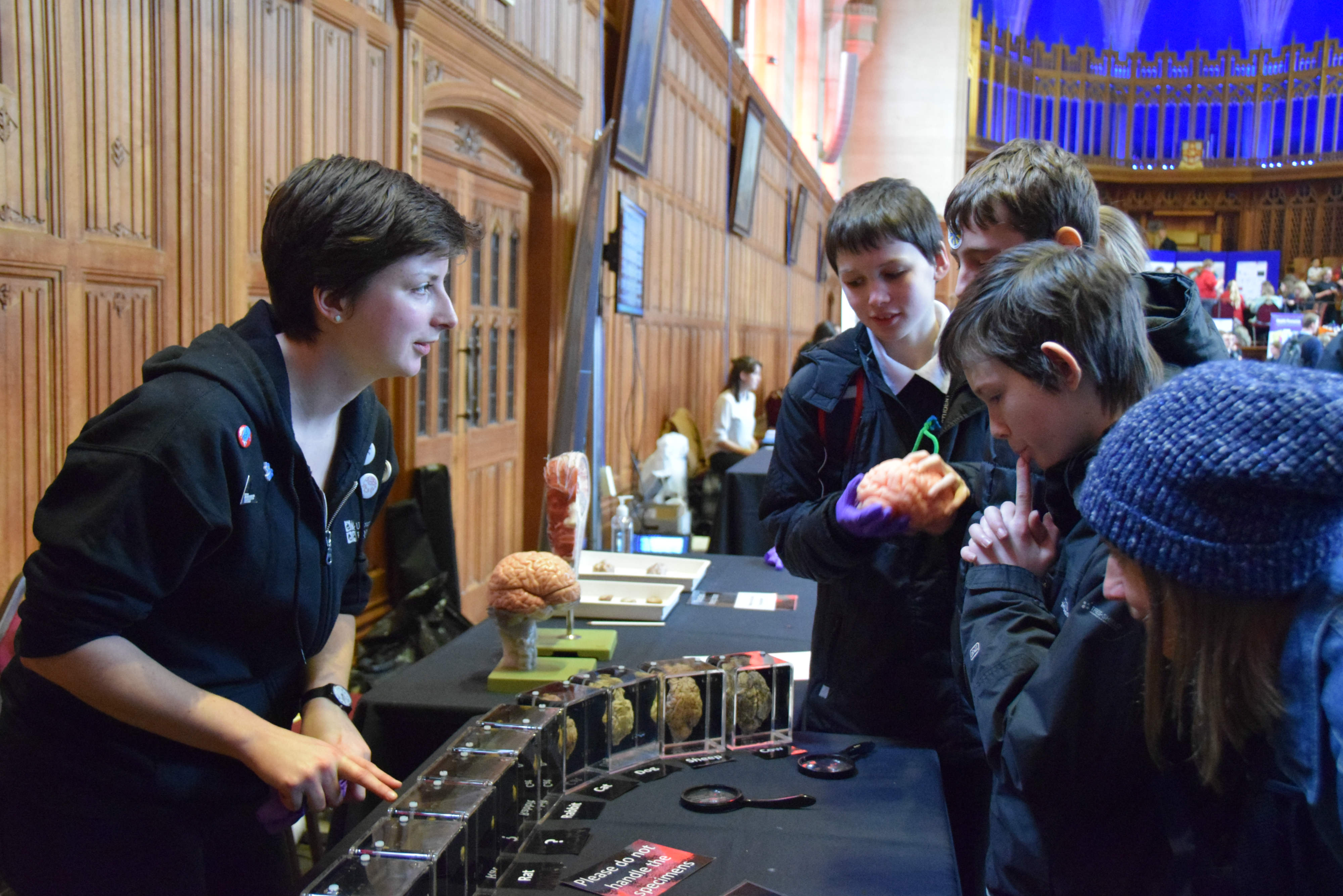
Rachel Harris doing some SciComm at Bristol Neuroscience Festival this year

Continue reading

The Naturejobs career expo journalism competition, London, 2016!

Enter for a chance to work as a Nature journalist for the day!


NJCE-2016-(London)


Here we go again!

Following the success of the Boston and San Francisco Naturejobs career expo journalism competitions this year, we’re launching the competition for our tenth career expo in London, to be held on September 16th.

The London Naturejobs career expo is our flagship event, so we are looking for five budding science writers to help us with our coverage of the conference sessions, workshops and general ambience of the event for those who cannot make it. The conference will explore career paths in industry, academia and science communication, finding funding, and much more.

The five winners will have the opportunity to attend the expo and write up at least two of the sessions or workshops for our readers, sharing the advice and expertise of the speakers with our worldwide audience. Winners will also have the opportunity to work closely with Nature editors, and their articles will be published on the Naturejobs blog. Continue reading

We look back at the Naturejobs career expo London, 2014

With Naturejobs career expos coming in hot, in San Francisco and Boston, we take a look back at the 2014 expo in London.

https://youtu.be/LRzT6Z5L3uE

You can check out our upcoming expos, in San Francisco, Boston, London and Düsseldorf, here.

Science communication: Do you struggle with staying impartial?

Catherine Ball, a policy analyst at the House of Lords Science and Technology Select committee, talks about impartiality procedure at the Naturejobs Career Expo London 2015.

You are currently viewing a placeholder content from YouTube. To access the actual content, click the button below. Please note that doing so will share data with third-party providers.

More Information

Watch more from the Naturejobs career expo here.

Science communication: Writing for scientific and policy audiences

Catherine Ball, a policy analyst at the House of Lords Science and Technology Select committee, explains the difference in styles between writing for a scientific audience and writing for a policy audience at the Naturejobs Career Expo London 2015.

You are currently viewing a placeholder content from YouTube. To access the actual content, click the button below. Please note that doing so will share data with third-party providers.

More Information

Watch more from the Naturejobs career expo here.

Science communication: What are the differences between working for parliament or a learned society?

Catherine Ball, a policy analyst at the House of Lords Science and Technology Select committee, explains the differences between working for parliament and working for a learned society at the Naturejobs Career Expo London 2015.

You are currently viewing a placeholder content from YouTube. To access the actual content, click the button below. Please note that doing so will share data with third-party providers.

More Information

Watch more from the Naturejobs career expo here.

Science communication: What’s more important to publishing?

Anke Sparmann, associate editor at Nature Structural & Molecular Biology, shares her experience on what to prioritise to get into the publishing business at the Naturejobs Career Expo London 2015.

You are currently viewing a placeholder content from YouTube. To access the actual content, click the button below. Please note that doing so will share data with third-party providers.

More Information

Watch more from the Naturejobs career expo here.