Speakers from industry speak about their motivations for moving outside of academia at the Naturejobs Career Expo, London, 2016.
https://www.youtube.com/watch?v=jeKRcy6FHZw

https://www.youtube.com/watch?v=jeKRcy6FHZw
https://www.youtube.com/watch?v=-wkdLfQ_M9U
Having been awarded a faculty position at the University of Colorado, newly minted assistant professor Kate Smith is preparing to move from to the US from the UK. Here, she describes her experience of tenure interviews, how to maintain a passion for research and, crucially, how to find the elusive off-switch from science.

Having done a PhD, I know the pressures of academic research and how crucial it is for early career researchers to gain advice and encouragement from the success stories of others, like Kate. I caught up with her to see what advice she would give to others curious about the tenure track.
The ‘Away from home‘ blogging series features Indian postdocs working in foreign labs recounting their experience of working there, the triumphs and challenges, the cultural differences and what they miss about India. They also offer useful tips for their Indian postdocs headed abroad. You can join in the online conversation using the #postdochat hashtag.
In our first entry from Italy, Arun Kumar, an alumnus of Bareilly College and a postdoc at Novartis Vaccines & Diagnostics, Siena tells us the good and bad of being a researcher in an industrial set-up. He also gives some very practical tips for researchers looking at postdoc positions in Italy.

Arun Kumar at the Novartis Vaccines & Diagnostics in Siena, Italy.
The ‘Away from home‘ blogging series features Indian postdocs working in foreign labs recounting their experience of working there, the triumphs and challenges, the cultural differences and what they miss about India. They also offer useful tips for their Indian postdocs headed abroad. You can join in the online conversation using the #postdochat hashtag.
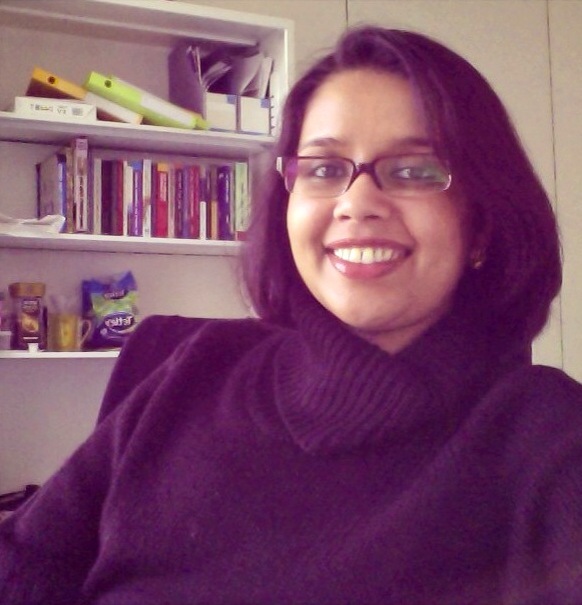
Koel Roychowdhury
This week we have a young scientist from the United Nations University (UNU) in Tokyo, Japan at the end of her postdoc tenure. Koel Roychowdhury, an alumnus of the University of Calcutta, uses remote sensing technology to look at environmental and agricultural sustainability. Koel says the fascinating opportunity of doing science for social good is what keeps her going. Continue reading
Naturejobs journalism competition winner Catherine Carnovale explores this distinction.
As more drugs come to market and pharma’s business model shifts from selling drugs directly to fostering earlier engagement, companies are looking for highly skilled scientifically- and clinically-trained candidates. Could this be an outlet for the overflowing pool of PhD (and MD) graduates produced every year?
An MSL is the scientific and clinical disease expert within a pharmaceutical or biotech company. They’re the go-to person for any complex questions about a specific drug. That could include questions about the science behind the drug, the mode of action, the competitors’ drugs, side effects, clinical trials, research opportunities, and disease-related questions.
MSLs work at the interface between internal stakeholders in the company and external stakeholders in the field – called Key Opinion Leaders (KOLs). MSLs help to bring innovative new drugs to the market and provide education about the proper use of drugs that are already on the market. KOLs – broadly defined as leaders in their field – can be heads of departments at teaching hospitals, heads of pharmacies, professors of medicine, the CEO of a patient organisation, physicians involved in pharmaceutical clinical trials and sometimes clinical scientists themselves. In short, MSLs work with the most influential stakeholders in a therapeutic area.

MSLs help to bring innovative new drugs to the market and provide education about the proper use of drugs that are already on the market.
https://www.youtube.com/watch?v=QGkZ-yt_Yi4
Steffen Schulz was completing his PhD in medical neuroscience when he realised he needed more job security than academia could offer. Now, he works as a drug safety manager in his native Berlin.
Originally I was interested in the origin and the development and evolution of life. Then I shifted to questions like ‘why do animals and humans behave the way they do?’
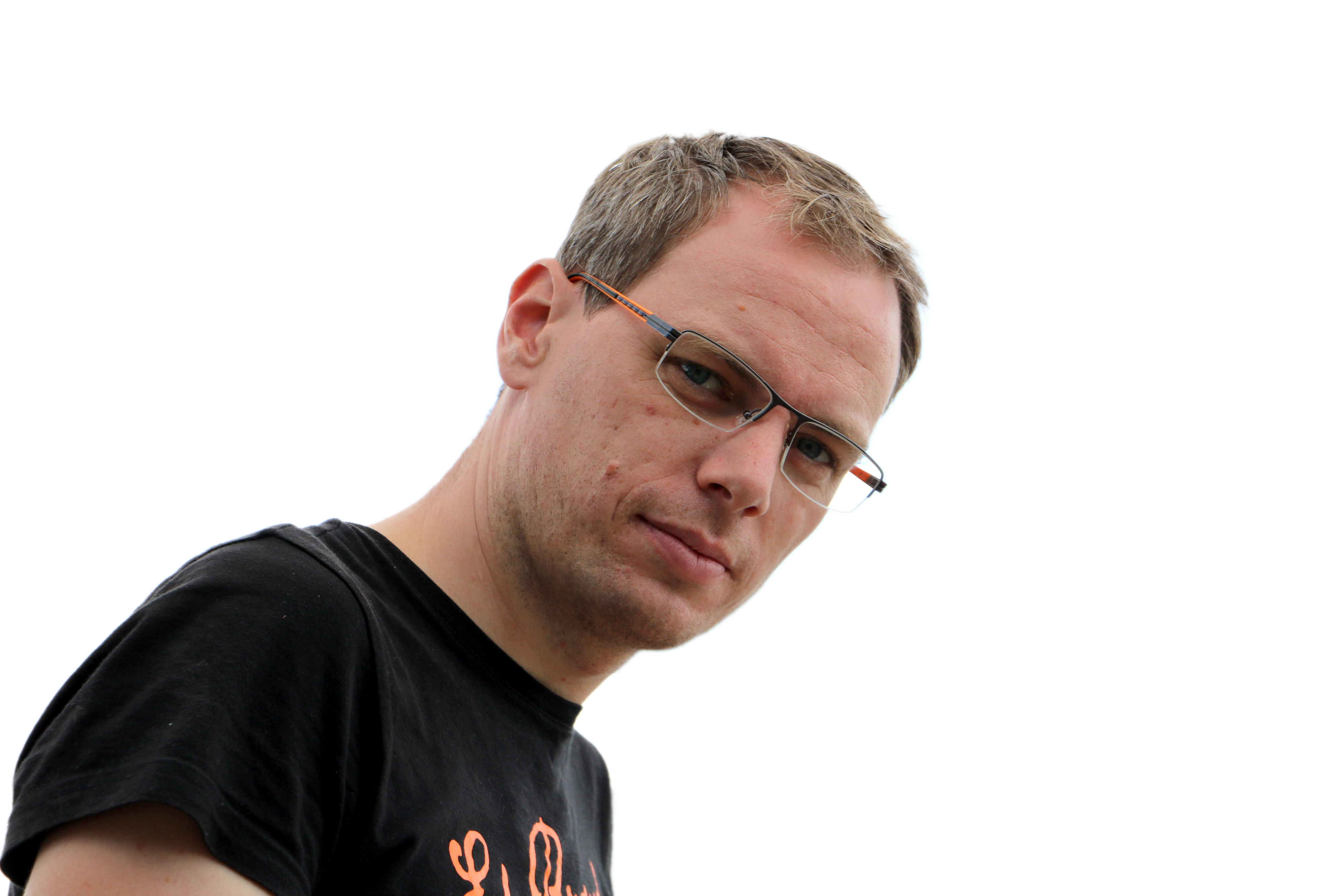
Steffen Schulz
https://www.youtube.com/watch?v=ivcHblYSd94