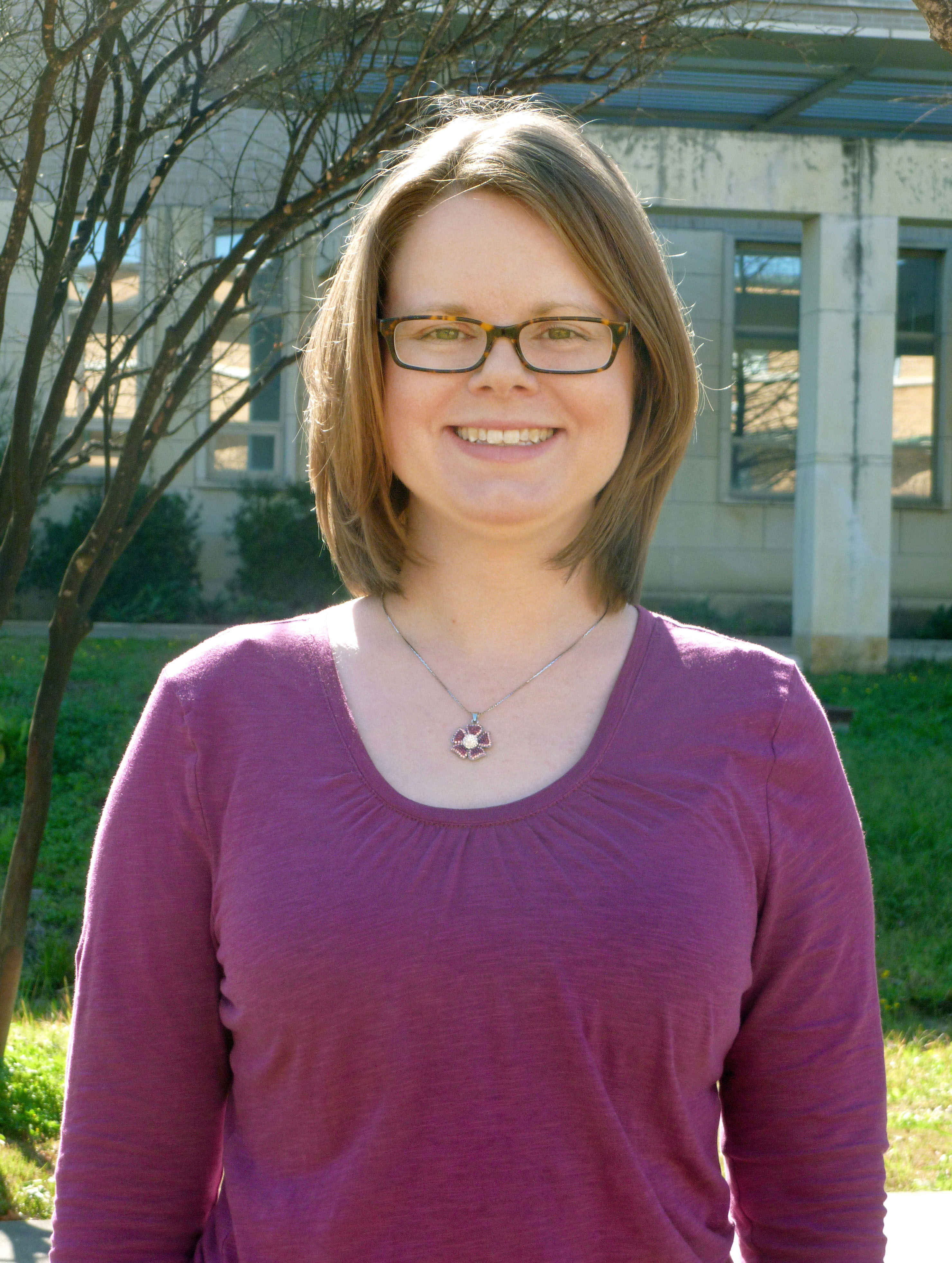
Women in physics: personal perspectives

Following the IOP’s “Taking Control of your Career as a Female Physicist” event, Dame Professor Athene Donald and Professor Val Gibson spoke with Helen Cammack about their careers within academia.

Guest contributor Helen Cammack

In my last blog post, I discussed career progression, publishing and gender equality with Professors Donald and Gibson. Here, we continue our conversation.

 

Did you relocate often as a postdoc?

AD: I moved around – I had a postdoc in the States, then returned to Cambridge. But at that stage I wasn’t really thinking about a career, so I wasn’t that bothered about what happened next. I didn’t intend to be an academic, so the pressure wasn’t on me. Nowadays everyone has to be calculating and publish in the right journals, and the pressure can detract from that freedom.

VG: When I was in my early career, I was just enjoying the moment, and I wasn’t thinking about my future career. The postdocs of today seem to more aware about career opportunities; they know that the majority of them won’t stay in academia; they’re looking around for what they would like to do and they’re picking up the skills they need for the future. It’s not just the academic side, it’s also the personal aspects – they’re concerned about getting on the housing ladder and potentially having families. At that stage those concerns never crossed my mind.

Continue reading →

Leaving the comfort zone

The novel and the unexpected comes with a dose of anxiety. This nervousness will only help you in your career.

Guest contributor Thaís Moraes

“Life begins at the end of your comfort zone” first reads like an outworn self-help cliché. But I tried it. And I have to tell you that this outworn self-help cliché worked for me. I’m a Brazilian researcher who came to Germany in April 2014 for a two-year postdoc, alone, without speaking a word of German, without knowing anyone, and without even knowing the city. What could have been a complete disaster turned out more than great. I’m very pleased I left my comfort zone.2014-06-29 15-smaller

Continue reading →

Women in physics: personal perspectives

Sarah-Jane Lonsdale speaks to two senior female scientists in industry about their career paths.

Guest contributor Sarah-Jane Lonsdale

The Institute of Physics ran an event in November 2015 targeted at PhD students and early career researchers on “Taking Control of your Career as a Female Physicist”. It was a rallying cry which attracted women in physics from all walks of life, working in both academia and industry.

As a first year PhD student, I attended the event hoping to explore possible career options in a supportive environment. My interest in engaging more women in science comes from several supportive female mentors that helped me through my formative years, both at school and as I honed my skills as an undergraduate. They facilitated my first steps into STEM and research, but not everyone has the same good fortune. I hoped to be able to share my experiences and support others, while hearing the inspirational stories of women who have “made it” in physics. After the event, I spoke with Dr Valerie Berryman-Bousquet, R&D manager at SHARP Laboratories, and Dr Jenny Wooldridge, associate programme manager at the National Physical Laboratory, about their career paths in industry.

Sarah-Jane Lonsdale

Sarah-Jane Lonsdale

Continue reading →

Finding job satisfaction in research development

After finishing a PhD and postdoc in cardiovascular biology, Christina Papke found job satisfaction as a research development officer.

Now, she works at Texas A&M University in College Station, where she helps professors put together grant applications, form collaborations, and identify funding opportunities.

Tell me about your job.

It’s hard to say what a typical day is like, which I kind of like. On any given day, I might consult with an investigator about a research grant or edit a proposal.

Our goal is also to help promote collaboration among faculty. For example, we help to facilitate the formation of research interest groups, on, say, imaging or healthy ageing. We might organize a meeting where faculty get two minutes to present an overview of what they are doing, and we make program books and plan meetings to help make ideas happen.Papke_2016-02_CM_sml-r Continue reading →

Women in physics: personal perspectives

Following the IOP’s “Taking Control of your Career as a Female Physicist” event, Dame Professor Athene Donald and Professor Val Gibson spoke with Helen Cammack about their careers within academia.

Guest contributor Helen Cammack

Since I entered the third year of my PhD, my future career has been increasingly on my mind. I’ve been to a few careers events with stands full of free USB pens and glossy brochures, but always came away disappointed, unable to see myself in the roles they had advertised. The IOP’s careers event was different; there, people shared my aspirations and were sympathetic to my concerns. The opening talk by Prof Athene Donald was inspirational, and there was a variety of guest speakers who had used their physics training to build successful careers. I came away from the day with a new buzz, excited about my career possibilities.

 DSCF8031-small Continue reading →

How to beat the hidden discrimination at the heart of the job hunt

Ronald McQuaid, University of Stirling


When you send off a CV to a prospective employer, you will hope to get a fair hearing. You will hope that your skills, experience and qualifications decide the response, rather than the school you went to, your post code, or even your name. Instinctively, though, we know that this isn’t always the case. Prime Minister David Cameron already has zeroed in on the issue of how applications from people with non-Anglo-Saxon or Celtic names are treated:

Do you know that in our country today: even if they have exactly the same qualifications, people with white-sounding names are nearly twice as likely to get call backs for jobs than people with ethnic-sounding names?

The UK civil service, and many major employers, have agreed to introduce application forms without the applicant’s name, in order to reduce the potential for discrimination. But how much does theory and evidence back this up? Continue reading →

7 posts to help you find the right work-life balance with children

We put together a few of our favourite posts on helping scientists manage their work life balance with their families.

{credit} Yaskii {/credit}

1. Work–life balance: Lab life with kids
Time management and organisation is essential to keep your lab life ticking over and your home life running smoothly. But it can be done. As Jens Schuster, a molecular biologist at Uppsala University, Sweden, says, “cells don’t care if you come in at midnight or noon to take care of them.”

Continue reading →

The emotional side of leaving academia

It took a lot for Virginia Schutte to set aside the feeling that she was wasting her PhD.

Guest contributor Virginia Schutte

I’m transitioning from a traditional academic career to one in science communication. There are many challenges that come with this shift, but I didn’t expect the process to be so emotionally difficult.

I left my academic career path in the best possible situation. I have a great relationship with my PhD advisor and everyone I talk to is encouraging when it comes to my new direction. But in my academic experience, changing position meant moving up, or at least adding something to my CV. Graduating and then immediately starting at the bottom of the ladder in a new career felt like I was moving backwards; I was convinced that I had disappointed the people who invested in me because I was “wasting” my PhD.DSC_0889-small


Continue reading →

Job interviews: Prepare for success from failure

You can learn as much from the bad interviews as you can from the good ones, says Simon Peyda.

Guest contributor Simon Peyda.

Science is all about trial-and-error, and job interviews were no different for me. My job hunt began in the spring of 2014. With graduation rapidly approaching, and without any curricular preparation, I had to learn along the way. I would inevitably make mistakes but, as it turns out, failure is a great teacher.


Continue reading →

6 networking questions to find the best employers

Meeting someone at a conference isn’t enough – you have to be prepared to ask the right questions to find the right people.

Networking as a jobhunter – in a conference, careers fair, or anywhere else – can be really challenging. You’re under pressure to be pleasant and interesting company, and to sell yourself without seeming like that’s your only motive to talk to someone. If you manage that, how do you even know if you’re talking to the right person?

Of course, asking the questions is only half of the job – you have to listen carefully to the answers, encourage a two-way conversation (you’re not interviewing anyone) and give your own perspective. But the questions are a good start. So, here’s 6 questions that will help you network as a jobhunter, without sacrificing a good conversation.


“What do you do?”
It’s timeless – a classic – the Citizen Kane of networking questions. This is fairly self-explanatory, but generally finding out what someone does, who they work for, and how that can apply to you will the basis of the rest of your conversation. You have to start somewhere, and this is your best bet.


Continue reading →