Leaving the comfort zone

The novel and the unexpected comes with a dose of anxiety. This nervousness will only help you in your career.

Guest contributor Thaís Moraes

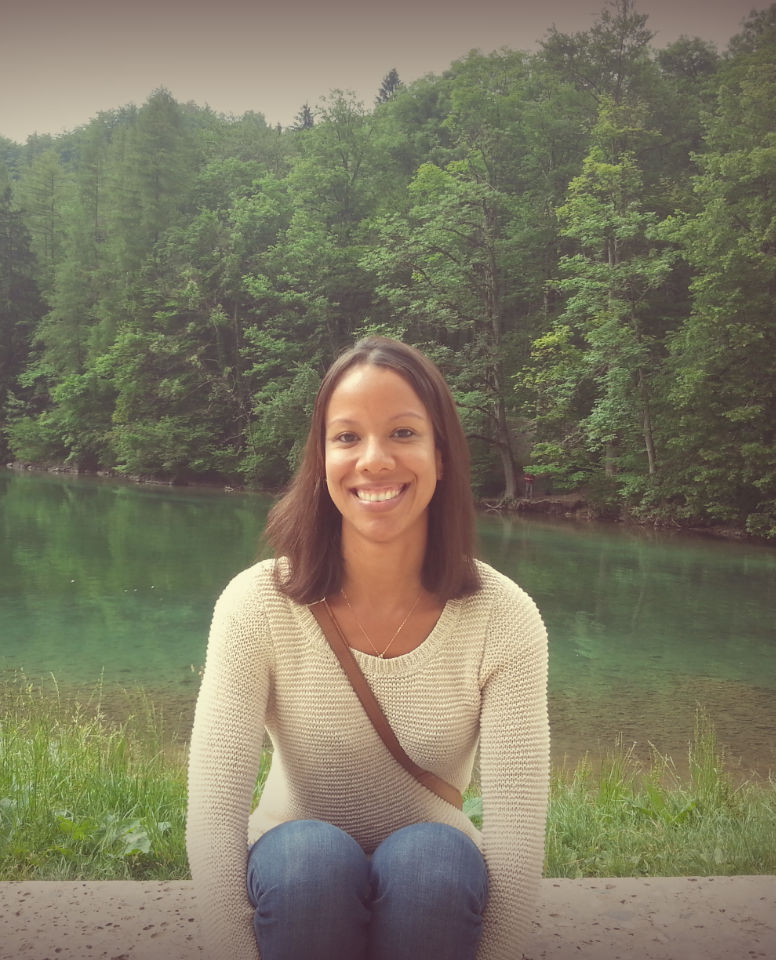
“Life begins at the end of your comfort zone” first reads like an outworn self-help cliché. But I tried it. And I have to tell you that this outworn self-help cliché worked for me. I’m a Brazilian researcher who came to Germany in April 2014 for a two-year postdoc, alone, without speaking a word of German, without knowing anyone, and without even knowing the city. What could have been a complete disaster turned out more than great. I’m very pleased I left my comfort zone.2014-06-29 15-smaller

Continue reading

Women in physics: personal perspectives

Sarah-Jane Lonsdale speaks to two senior female scientists in industry about their career paths.

Guest contributor Sarah-Jane Lonsdale

The Institute of Physics ran an event in November 2015 targeted at PhD students and early career researchers on “Taking Control of your Career as a Female Physicist”. It was a rallying cry which attracted women in physics from all walks of life, working in both academia and industry.

As a first year PhD student, I attended the event hoping to explore possible career options in a supportive environment. My interest in engaging more women in science comes from several supportive female mentors that helped me through my formative years, both at school and as I honed my skills as an undergraduate. They facilitated my first steps into STEM and research, but not everyone has the same good fortune. I hoped to be able to share my experiences and support others, while hearing the inspirational stories of women who have “made it” in physics. After the event, I spoke with Dr Valerie Berryman-Bousquet, R&D manager at SHARP Laboratories, and Dr Jenny Wooldridge, associate programme manager at the National Physical Laboratory, about their career paths in industry.

Sarah-Jane Lonsdale

Sarah-Jane Lonsdale

Continue reading

Women in physics: personal perspectives

Following the IOP’s “Taking Control of your Career as a Female Physicist” event, Dame Professor Athene Donald and Professor Val Gibson spoke with Helen Cammack about their careers within academia.

Guest contributor Helen Cammack

Since I entered the third year of my PhD, my future career has been increasingly on my mind. I’ve been to a few careers events with stands full of free USB pens and glossy brochures, but always came away disappointed, unable to see myself in the roles they had advertised. The IOP’s careers event was different; there, people shared my aspirations and were sympathetic to my concerns. The opening talk by Prof Athene Donald was inspirational, and there was a variety of guest speakers who had used their physics training to build successful careers. I came away from the day with a new buzz, excited about my career possibilities.

 DSCF8031-small Continue reading

How to beat the hidden discrimination at the heart of the job hunt

Ronald McQuaid, University of Stirling


When you send off a CV to a prospective employer, you will hope to get a fair hearing. You will hope that your skills, experience and qualifications decide the response, rather than the school you went to, your post code, or even your name. Instinctively, though, we know that this isn’t always the case. Prime Minister David Cameron already has zeroed in on the issue of how applications from people with non-Anglo-Saxon or Celtic names are treated:

Do you know that in our country today: even if they have exactly the same qualifications, people with white-sounding names are nearly twice as likely to get call backs for jobs than people with ethnic-sounding names?

The UK civil service, and many major employers, have agreed to introduce application forms without the applicant’s name, in order to reduce the potential for discrimination. But how much does theory and evidence back this up? Continue reading

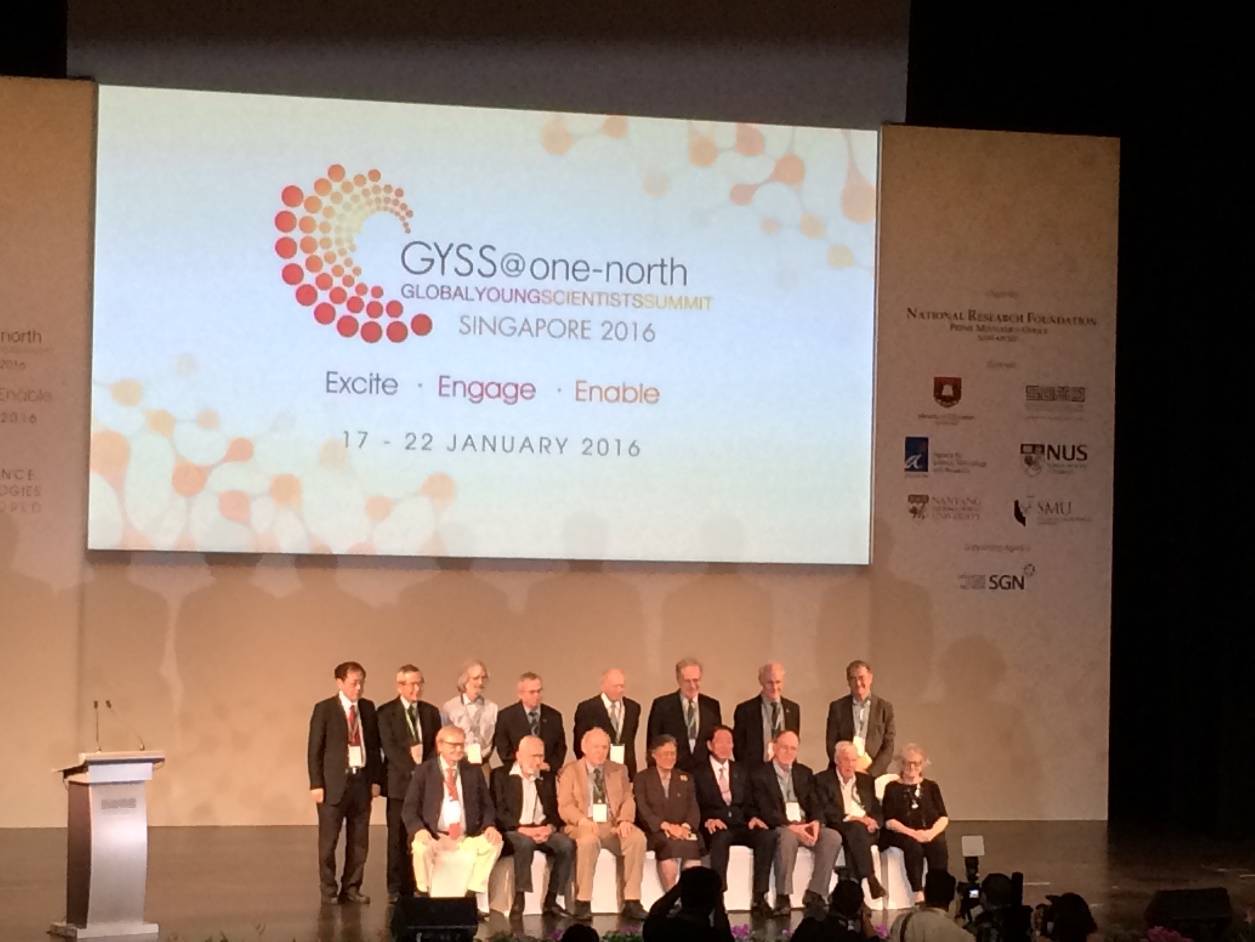
#GYSS: Engaging in PhD research you truly care about

Nobel laureates spoke at the Global Young Scientist Summit 2016. Andy Tay was there for Naturejobs.

Guest contributor Andy Tay

Congratulations! After investing so much effort to write your personal statement and research proposal, you’ve been accepted into a PhD programme. It’s now time to decide which lab to commit to.

Like most other PhD students, you may be eager to perform and steer your PhD in your direction. However, as your salary, tuition and research expenses are likely to come from the grants of your professor, this financial need might trap you in a research project that you’re not interested in. While PhD students in countries like Singapore and Australia are paid generous scholarships, their counterparts in the U.S. and European institutions typically rely on their professors for income. In all cases, PhD students still require their research expenditure to be covered by grants.Nobel laureates
 

Is there no way out?

After hearing – along with many other topics – about the role of micro-organisms in cancer, and the use of light for quantum computing, students present in the Global Young Scientist Summit 2016 voiced their concerns on PhD education during group sessions and panel discussions with 13 Nobel laureates.

A common worry was the lack of autonomy on research projects and the impact that has on scientific curiosity. The Nobel laureates, fortunately, had experienced advice to give. Continue reading

Selling yourself: 7 sales techniques to advance your career

In an increasingly competitive job market, knowing how to properly sell yourself as a candidate may give you the edge, says Kristopher James Kent.

In certain circles, ‘sales’ has become taboo; the word summons memories of double glazing, cleaning supplies, or accidents that weren’t your fault. Despite this, a great salesperson simply believes in their product, and knows how to portray its finer points in an effective way.

Similar knowledge could give you the edge in applying for your next job or promotion. Sure; having the requisite qualifications and soft skills (being personable, confident, organised) is essential, but understanding your own value, and knowing some of the finer skills that salespeople use in their pitch, may help you to better present yourself to an employer.

FullSizeRender-small

Continue reading

The emotional side of leaving academia

It took a lot for Virginia Schutte to set aside the feeling that she was wasting her PhD.

Guest contributor Virginia Schutte

I’m transitioning from a traditional academic career to one in science communication. There are many challenges that come with this shift, but I didn’t expect the process to be so emotionally difficult.

I left my academic career path in the best possible situation. I have a great relationship with my PhD advisor and everyone I talk to is encouraging when it comes to my new direction. But in my academic experience, changing position meant moving up, or at least adding something to my CV. Graduating and then immediately starting at the bottom of the ladder in a new career felt like I was moving backwards; I was convinced that I had disappointed the people who invested in me because I was “wasting” my PhD.DSC_0889-small


Continue reading

Job interviews: Prepare for success from failure

You can learn as much from the bad interviews as you can from the good ones, says Simon Peyda.

Guest contributor Simon Peyda.

Science is all about trial-and-error, and job interviews were no different for me. My job hunt began in the spring of 2014. With graduation rapidly approaching, and without any curricular preparation, I had to learn along the way. I would inevitably make mistakes but, as it turns out, failure is a great teacher.


Continue reading

A David Letterman-like countdown to the 10 biggest pitfalls in scientific presentations

Making a good scientific presentation takes time, but awareness of common mistakes is the first step to improving performance.

Guest contributor David Rubenson

The slide presentation has become the most ubiquitous form of scientific communication and it is causing havoc.  Scientists spend enormous amounts of time preparing presentations, travelling to conferences to deliver them, and listening to them almost every day.   But most scientists simply aren’t very good at them – we should change that.

image_0.img.full.high

David Rubenson

I previously argued that this problem underlies a significant communication crisis in research.  As I’ve learnt as a scientific presentation coach at Stanford, there’s a broad understanding of this problem, but insufficient incentive for the time-intensive training many scientists need.  Still, following simple lists of “dos” and “don’ts” is a great way to improve presentation skills.

In that spirit, and to supplement an earlier list of eight positive suggestions, here’s a David Letterman-like countdown of the 10 biggest pitfalls in creating and delivering a scientific presentation:


Continue reading

The faculty series: Conclusion

We wrap up the long-running faculty series in style.

Since our podcast introducing the faculty series in May, we’ve published 13 more pieces designed to help new and aspiring faculty members flourish in their positions. From applying to the job all the way to mentoring new members of staff, we’ve seen it all, and we hope you’ve enjoyed the ride. Here’s a brief summary of all of the posts we’ve published so far. Make sure to catch the ones you’ve missed, and let us know what you think! Continue reading