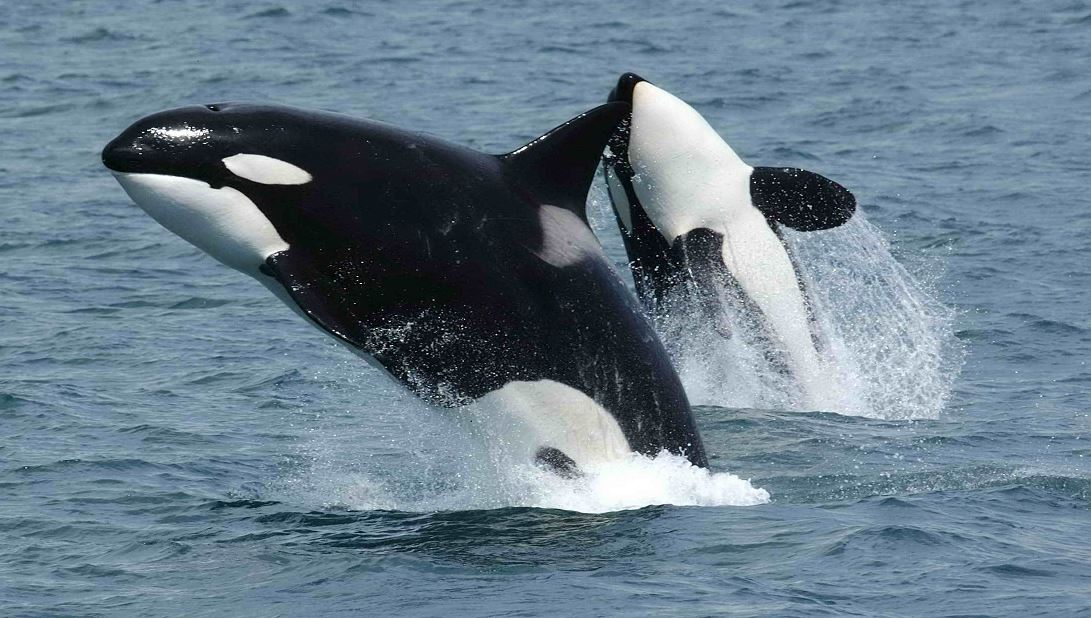
Looking back: Toxic PCB levels in European orcas and other dolphins

Guest blog by Paul Jepson, Institute of Zoology at the Zoological Society of London (ZSL), UK
Earlier in 2016 Scientific Reports celebrated its fifth anniversary. You can view our interactive infographic and blogs marking this occasion here.

As this fifth anniversary year draws to a close, we’ve got back in touch with authors from two popular papers from recent years.

Now that some time has passed, we wanted to know about their experience publishing with the journal, what impact they felt their research has had and if there’s been any surprises along the way.
Last week we posted an interview with Alex Greenwood, author of the study “Anti-NMDA Receptor Encephalitis in the Polar Bear (Ursus maritimus) Knut”.

In this blog, we’ve spoken another Scientific Reports author: Paul Jepson. In January 2016, Dr Jepson and his colleagues published the study “PCB pollution continues to impact populations of orcas and other dolphins in European waters” in Scientific Reports.

Here’s what he had to say about the research.
Could you give a brief overview of your study?

The few remaining killer whale populations in European waters have very low, or zero rates of reproduction, and are close to extinction in industrialised parts of Europe. Polychlorinated biphenyls (PCBs) are chemical pollutants which were banned in the EU in the mid-1980s, but after an initial drop in concentrations following the ban, they have now stabilized across Europe in humans, fish and wildlife.

The goal of the study was to assess the exposure to — and likely effects of — specific chemical pollutants including PCBs in European whales, dolphins and porpoises (cetaceans). We found that PCBs were at excessively high concentrations in the blubber of several marine apex predator species across Europe, including killer whales and bottlenose dolphins, and were associated with long-term and on-going population declines.

Our results suggest that much more work is needed to mitigate PCB contamination of the marine environment, and to comply with the Stockholm Convention that requires the reduction and eventual elimination of large sources of PCBs and other persistent organic pollutants.

What impact would you say your paper has had?

The paper was only recently published but it has been widely reported in newspapers and by other media, globally. The PCB issue — as based on our paper — also featured on the BBC current affairs programme Newsnight.

A public meeting about PCBs in killer whales and dolphins in Europe was held at the Zoological Society of London (ZSL) in March, where I spoke along with two other speakers. The meeting had the second largest audience for a ZSL public meeting ever and, after a lively Q&A session, Professor Ian Boyd, Chief Scientific Adviser at the Department of Environment, Food and Rural Affairs, closed the event.

This new cetacean PCB data has quickly fed into various international scientific and policy forums, including the Working Group for Marine Mammal Ecology (WGMME) of the International Council for the Exploration of the Seas (ICES). The recent ICES WGMME report (2016) concludes that PCBs pose the greatest threat to bottlenose dolphins and killer whales throughout the Northeast Atlantic region. The ICES also provide rigorous scientific advice to the Convention for the Protection of the Marine Environment of the North-East Atlantic (OSPAR) — including EU compliance with the Stockholm Convention.

Were any of your findings unexpected?

The main finding that very high PCB concentrations still persist in Europe — over three decades after the EU ban on PCB use / manufacture — has surprised a lot of people, including scientists who thought the ban would result in a gradual decline in PCBs in all biota. In fact, Europe has the highest PCB exposures in the marine environment globally. The very low reproductive rates in some of the highly PCB-contaminated resident/coastal bottlenose dolphins and killer whales are highly consistent with known PCB effects on reproduction. This is a very depressing finding, because if an apex predator population effectively stops reproducing, it will eventually disappear.

Another surprise was the very high PCB exposures in bottlenose dolphins and killer whales around the Iberian Peninsula. We have known that the Mediterranean Sea has been a pollution hotspot for many years, but the very high PCBs levels in bottlenose dolphins and killer whales on the Atlantic side of the peninsula also rather surprised us. Clearly action is urgently needed to dispose of large stocks of PCB-contaminated materials, especially in France and Spain.

Was there a particular reason you chose to publish in Scientific Reports?

The journal is highly respected and open access.  It also takes longer papers and so we were able to include more results and a longer discussion. After submission, the Scientific Reports review process was very rigorous but fair. The referee’s comments improved the final manuscript, including the statistical treatment of the data. Shortly before publication, the journal Press Office held an international telephone conference for science journalists to attend — this undoubtedly helped the paper to obtain the excellent and high-quality media coverage that followed publication.

Dr Paul Jepson is a Reader at the Institute of Zoology at the Zoological Society of London (ZSL) and is the main grant holder for the UK Cetacean Strandings Investigation Programme (CSIP) funded by the UK Government. He is a European Veterinary Specialist in Wildlife Population Health and has worked on pathological and other investigations into stranded marine mammals since 1993 and stranded marine turtles and basking sharks at ZSL since 2002.
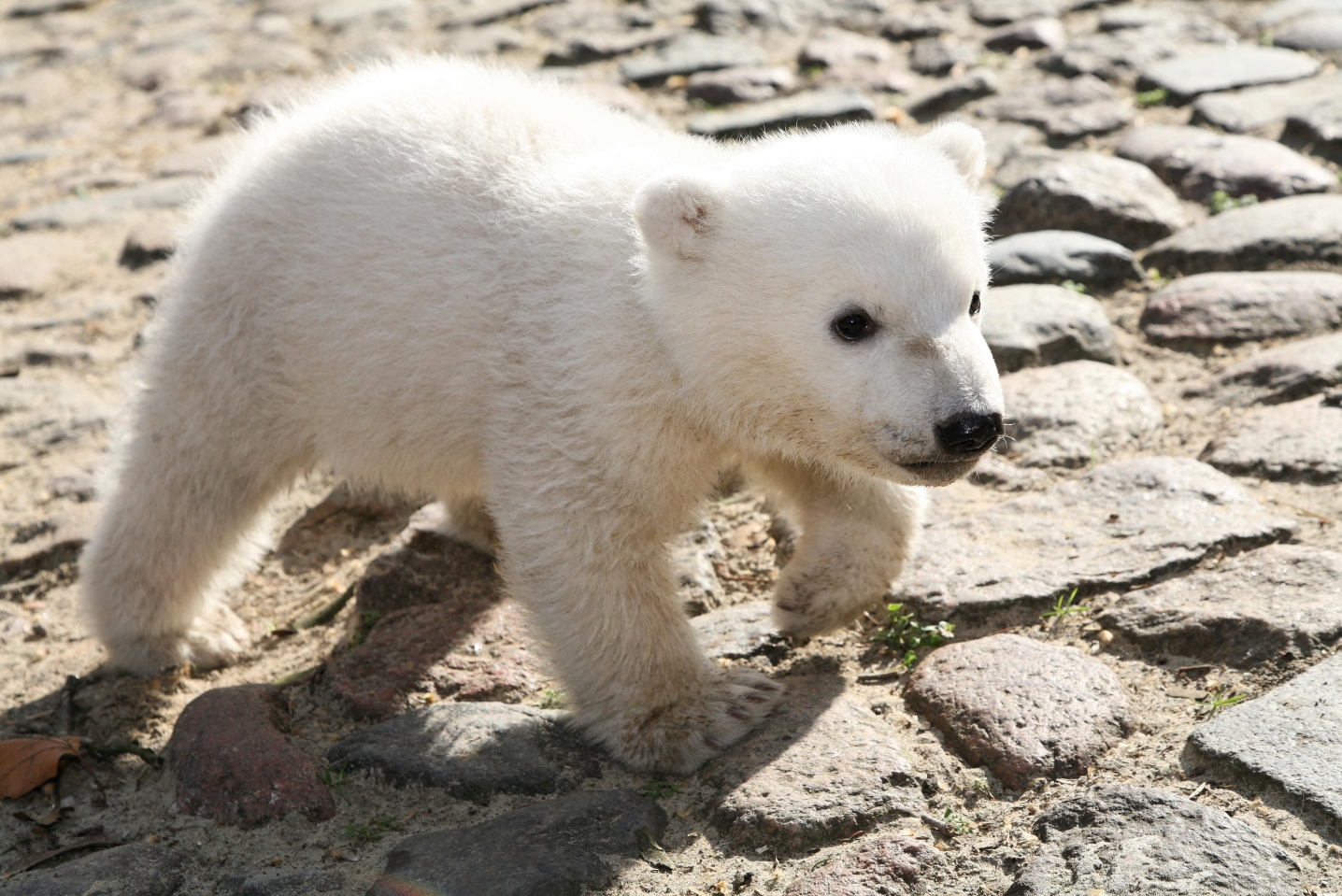
Looking back: The mystery of Knut, the famous polar bear

Guest blog by Alex Greenwood, Leibniz Institute for Zoo and Wildlife Research (IZW), Germany

Knut the polar bear

{credit}Berlin Zoological Garden{/credit}

Earlier in 2016 Scientific Reports celebrated its fifth anniversary. You can view our interactive infographic and blogs marking this occasion here.

As this fifth anniversary year draws to a close, we’ve got back in touch with authors from two popular papers from recent years.

Now that some time has passed, we wanted to know about their experience publishing with the journal, what impact they felt their research has had and what’s surprised them.

First up, here is an interview with Alex Greenwood, an author of the study in Scientific Reports that suggested Knut, the famous hand-reared polar bear from the Berlin Zoological Gardens, suffered from anti-NMDA receptor (NMDAR) encephalitis. The study “Anti-NMDA Receptor Encephalitis in the Polar Bear (Ursus maritimus) Knut” is available here.

We spoke to Professor Greenwood about the research.

Alex Greenwood

Could you give a brief overview of your paper in Scientific Reports?

Our study in Scientific Reports was the culmination of our efforts to determine what caused the death of Knut, the world famous polar bear. A necropsy performed at the Leibniz Institute for Zoo and Wildlife Research (IZW) determined that Knut had inflammation of the brain (encephalitis) and suggested the cause was an infectious agent. However, intensive, cutting-edge pathogen diagnostics immediately after necropsy did not identify any causal pathogen. The negative results required completely new thinking and approaches; among the candidates was an autoimmune disease.

Similar to Knut’s case, many human medical cases went undiagnosed for decades because a causative pathogen could not be linked to the symptoms of encephalitis. In 2007 it was revealed that many of these patients suffered from an autoimmune disease (where the patient’s antibodies attack their own brain as foreign material). The most common among these diseases is anti-NMDA disease — where the patient’s antibodies attack the N-methyl-D aspartate receptor in the brain, leading to severe inflammation. The team of Dr. Harald Prüß at Charité/German Center for Neurodegenerative Diseases (DZNE) Berlin, who are experts on these diseases, reasoned that this could potentially explain Knut’s case. After extensive testing, the teams at the IZW and Charité determined that this in fact is what explained Knut’s encephalitis.

What sort of impact have your findings had?

Anti-NMDA disease is now more broadly recognized among the public because of its association with Knut. This will hopefully lead to improvements in diagnosis of this and related diseases, particularly because in humans the presentation of the disease can be quite variable.  Zoo and wildlife veterinarians have realized that not all diseases, even those where a pathogen is suspected, will necessarily be the result of infectious diseases and that management practices may have to take this into consideration. For example, the counterintuitive management strategy in such an encephalitis case would be to suppress the immune system — not a therapeutic intervention one would necessarily consider in the case of a pathogen caused disease. At the very least, it is quite likely that new cases in more species will be identified, expanding this disease’s occurrence to mammals in general. Others have already seen rarer neuronal receptor diseases in domestic cats. These diseases are unlikely to be restricted to cats and polar bears.

Was there anything surprising about this research?

Upon taking on Knut’s case, the flood of expert opinions, all supporting an infectious pathogen as the cause of Knut’s symptoms, was deafening. It was interesting to see how this guided so many of the contributions from collaborators and spectators. In many ways this narrowed the number of avenues initially investigated. We tried to keep an open mind but some of the ideas we had — including an aberrant immune reaction — were beyond what we thought is amenable to study in wildlife diseases, given that so much less is known about wildlife biology than human or laboratory animal biology.  Many of the techniques we considered would have likely yielded data difficult to interpret, without the fundamental knowledge of, for example, which proteins are expressed where in a polar bear.

Their sharp eyes and the constructive collaboration with Dr. Harald Prüß and his team made it possible to consider the improbable — and demonstrate that the improbable was in fact the answer. The ability to transfer the techniques from human medicine to a polar bear case was both unusual and extremely fortunate.

Was there a particular reason you chose to publish in Scientific Reports?

The study performed, in essence, represents a case report. Scientific Reports recognized that the findings in this case go well beyond Knut as an individual and allowed it to be peer reviewed. The identification of this disorder, which before Knut was only recognized as a human disease, must now be considered a disease of mammals with consequences for diagnosis and management in veterinary medicine in particular. Because Scientific Reports is open access this means anyone who is confronted with a similar case and suspects an autoimmune disease can refer to our study and our methods with no barriers to access. This was an important element in our consideration of where to submit the manuscript.

Professor Alex D. Greenwood is the Head of the Department of Wildlife Diseases at the Leibniz Institute for Zoo and Wildlife Research (IZW) and Professor of Wildlife Diseases in the Department of Veterinary Medicine of the Freie Universität Berlin, both institutions in Berlin, Germany. His work has focused on evolutionary virology, primarily on retroviruses and more recently herpes viruses in wildlife. He integrates ancient DNA, evolutionary and ecological analyses in most of his work and also has an interest in high throughput diagnostic methods. His work with Knut the polar bear intersected with the latter interest.

On Friday (23 December) we will post a second guest blog from another Scientific Reports author. 

The astrophysicist on a mission to get more women into physics

Guest post by Alex Jackson

Professor Jo Dunkley

Professor Jo Dunkley{credit}Wadham College{/credit}

“Very often the famous names we know and read about in science are not those of women,” says Professor Jo Dunkley. “To get more young girls studying the subject, we must change cultural perceptions and have more visible female role models.”

As we sit discussing the women who have inspired Dunkley, a professor of physics and astrophysical sciences at Princeton University, to study the universe, the mood is rather sombre. On a morning when the first female frontrunner for US presidency has missed out at the final hurdle, and the impacts of that decision on science, are yet unknown, there is a strong sense of disbelief.

“I was really hoping to see the first female president and that in itself is a disappointment,” she says. “I don’t see it as a positive turn of events in terms of funding for science, although I hope there’ll be enough influence to keep ongoing projects running.”

Dunkley admits to being shocked at the result. Having moved from the UK, just shortly after Brexit, she was already starting to see the effects of political uncertainty on European grants. “Uncertainty is not we need right now in science,” she says.

However, the astrophysicist has plenty occupying her mind other than politics. This week, she will receive the Royal Society’s Rosalind Franklin Award and present a public lecture in London. Named after the great English chemist and crystallographer, the award recognises both her research in the cosmic microwave background, and her work encouraging more young women to study physics.

“I see a really important part of my work is not just doing the research I love, but also encouraging others to pursue a career in science,” she says. Dunkley became aware of Franklin’s story when she was an undergraduate at Cambridge University. Sadly, Franklin died at just 37 years old, the age Dunkley has recently turned. “She’s such a wonderful role model, who achieved so much in a very short life.”

Our window on the universe

Dunkley’s own research has gained her much attention. As a research fellow at Princeton, she worked on NASA’s WMAP satellite, before analysing data on the European Space Agency’s Planck satellite. Interrogating rich and complex data, her research group made large strides in furthering our understanding of the universe’s origins.

Studying the evolution of the universe is, however, becoming easier as technology rapidly develops. “Our telescopes have become so sophisticated in recent decades, we are now able to see out into the far reaches of the universe,” Dunkley says. “We’ve been able to put together a fairly successful cosmological model that explains how we got here over the 14 billion year history of the universe.”

A large focus of Dunkley’s work involves turning recorded maps of the most distant light we can see—an image of the universe when it was born—into properties such as age, weight, and the rate of expansion.

“We measure the faint light by capturing a little snapshot of what the universe looked like when it was only 400,000 years old,” she explains. Her team then compare the experimental data to millions of theoretical universes, until they find one which matches. “We can now see the very beginnings of tiny cosmic structures that over billions of years develop to become the first stars and galaxies. It’s then our job to find out what these structures look like, and how they evolved,” she says.

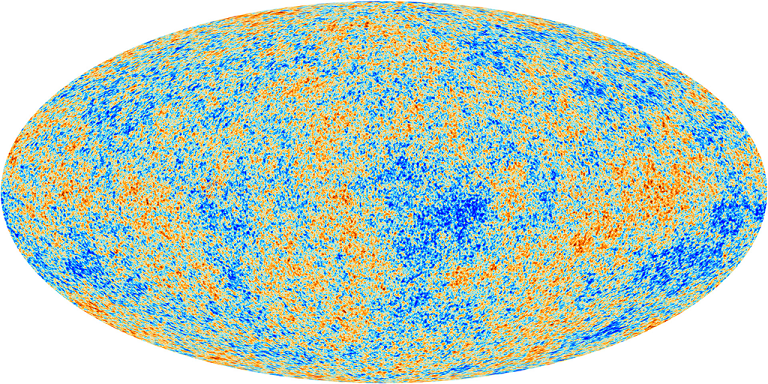
After analysing more than 15 months’ data from Planck, Dunkley and her colleagues created the most detailed map ever made of the oldest light to shine through the universe. The results confirmed many of the theories cosmologists draw on to explain the evolution of the universe. “We think during the first trillionth of a second of the Big Bang, the universe expanded extremely fast, laying down the seeds for the cosmic structure we see today,” she says.

A view of the cosmic microwave background collected by the European Space Agency’s Planck satellite.

A view of the cosmic microwave background collected by the European Space Agency’s Planck satellite.{credit}European Space Agency, Planck Institute{/credit}

By Dunkley’s own admission, there are still many unanswered questions. Her current research at the Atacama Cosmology Telescope in Chile, and a new five-year project at the same site in the Atacama Desert called the Simons Observatory, hope to make the next big steps forward in measuring cosmic microwave background.

“We keep looking for new physics, complexities and extra particles that could have existed when the universe was very young,” notes Dunkley. “Yet, the more data we collect, the simpler the universe’s behaviour looks, which is exciting, but we still have all these unanswered questions.”

After the breakthrough LIGO discovery earlier this year, which detected gravitational waves, Dunkley believes there’s much optimism in now finding a signal from the big bang. She also hopes through another development, gravitational lensing, scientists will soon be able to understand and map out where all the dark matter is in our universe.

Role models

Her optimism and love for physics is affable and evident in her responses. Yet, there is one area she believes cultural changes are needed: role models. This is a theme she will address in her lecture and one that will feature in her first popular science book out late next year, Our Universe: An Astronomer’s Guide.

“There really aren’t enough women role models in physics, and many of the great female astronomers are not often that well known, or talked about in education,” says Dunkley. “I think it is so important. The ability to see someone you can imagine being, is everything, and gives you the confidence to try things out and aim for something. And often that will mean having someone, as a woman, showing a woman can do it.”

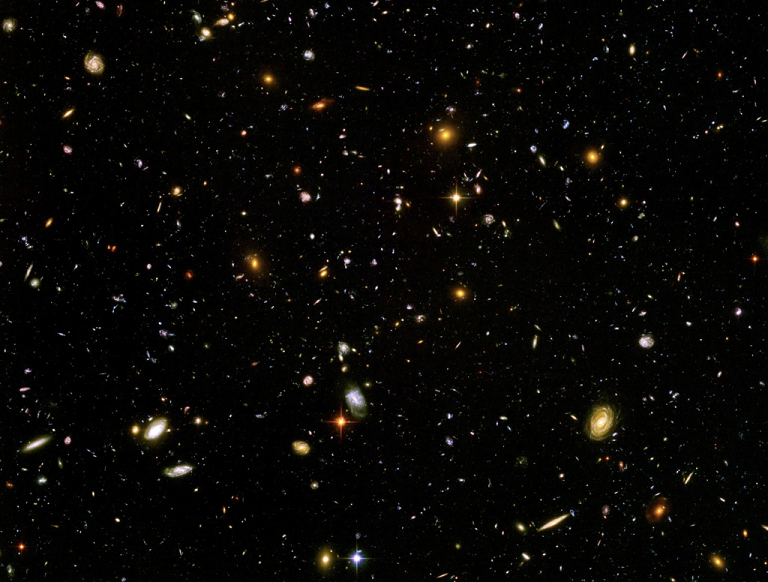
Galaxies in our universe

Galaxies in our universe{credit}NASA, Hubble{/credit}

As she enthuses through the great achievements of Henrietta Swan Leavitt, “an incredible woman” who made it possible for Edward Hubble to determine that the universe is expanding; Cecilia Payne-Gaposchkin who figured out how stars were formed; and Vera Rubin whose work led to the theory of dark matter, it’s easy to forget Dunkley has become a star in her own right.

Dunkley may feature on shows such as BBC’s Science Club and Stargazing Live, yet she believes the industry must do better. “The media must do more to get visible female role models on television to change perceptions,” she says. “I’d love to get to the stage where young people knew it was normal to be a female scientist, and expect to be able to have a family too, whether it be in physics or engineering.”

Time for change

On academia, Dunkley is keen to express some sanguinity. “We’re definitely seeing more women now at senior level, which makes a huge difference, and has a direct influence on female students,” she says.

At Princeton, she notes there are growing numbers in female students pursuing astrophysics. It was a similar trend at Oxford University, where until this summer, Dunkley taught for more than eight years.  However, it is the drop-out rate at colleges that worries her.

“In the UK, for example, only 20 percent of physics students aged 16-18 are girls, and this figure continues through to degree, PhD, and researcher level,” she explains. It is a target she’d like to see change. “Consciously or unconsciously, there is often still a common assumption that science, particularly physics, is more for boys than girls. To effect change, we need to influence both teachers and parents.”

Through her book release, she is a planning a series of workshops, talks and videos for students, as well as a public lecture tour of the UK. She hopes to raise awareness of women’s contribution to astronomy, as well as break down the idea that the universe is too difficult to understand.

“I want to promote the many remarkable women who have been central to our biggest discoveries in space,” she says. “We have an incredible group of women currently working in the field, but to answer our world’s most pressing questions and challenges, we need more.”

Professor Jo Dunkley’s Rosalind Franklin award lecture will be streamed live on Thursday, 6.30pm GMT / 1.30pm EST.

Genetic variants in ‘red hair gene’ associated with increased number of skin cancer mutations

Carla Daniela Robles Espinoza, author on the Nature Communications paper

Carla Daniela Robles Espinoza {credit}Mamun Rashid{/credit}

Melanoma patients with genetic variants in the ‘red hair gene’, MC1R, have more mutations in their cancers compared to patients without such variants, found a study published in Nature Communications last week. Carla Daniela Robles Espinoza, one of the authors on the paper, takes us through the findings.

What were your main findings?

In this study, we wanted to investigate whether having common genetic variants in the red hair gene (called MC1R) can influence the number of mutations found in melanoma tumours. It has long been known that redheads are more prone to developing melanoma.

A woman with red hair using a camera, taking a photograph, adjusting the lens.

Melanoma patients with genetic variants in the ‘red hair gene’, MC1R, have more mutations in their cancers. {credit}Getty Images{/credit}

This is thought to be because they burn more easily in the sun, as exposure to UV light is one of the main risk factors for developing this cancer. However, there seems to be more to the story of how MC1R genetic variants increase the risk of developing melanoma. For example, previous studies have shown that, in mice, there is a sunlight-independent contribution to melanoma risk via the synthesis pathway of the red pigment1, and that there is an association between MC1R and melanoma risk which occurs independently of sun exposure in humans2.

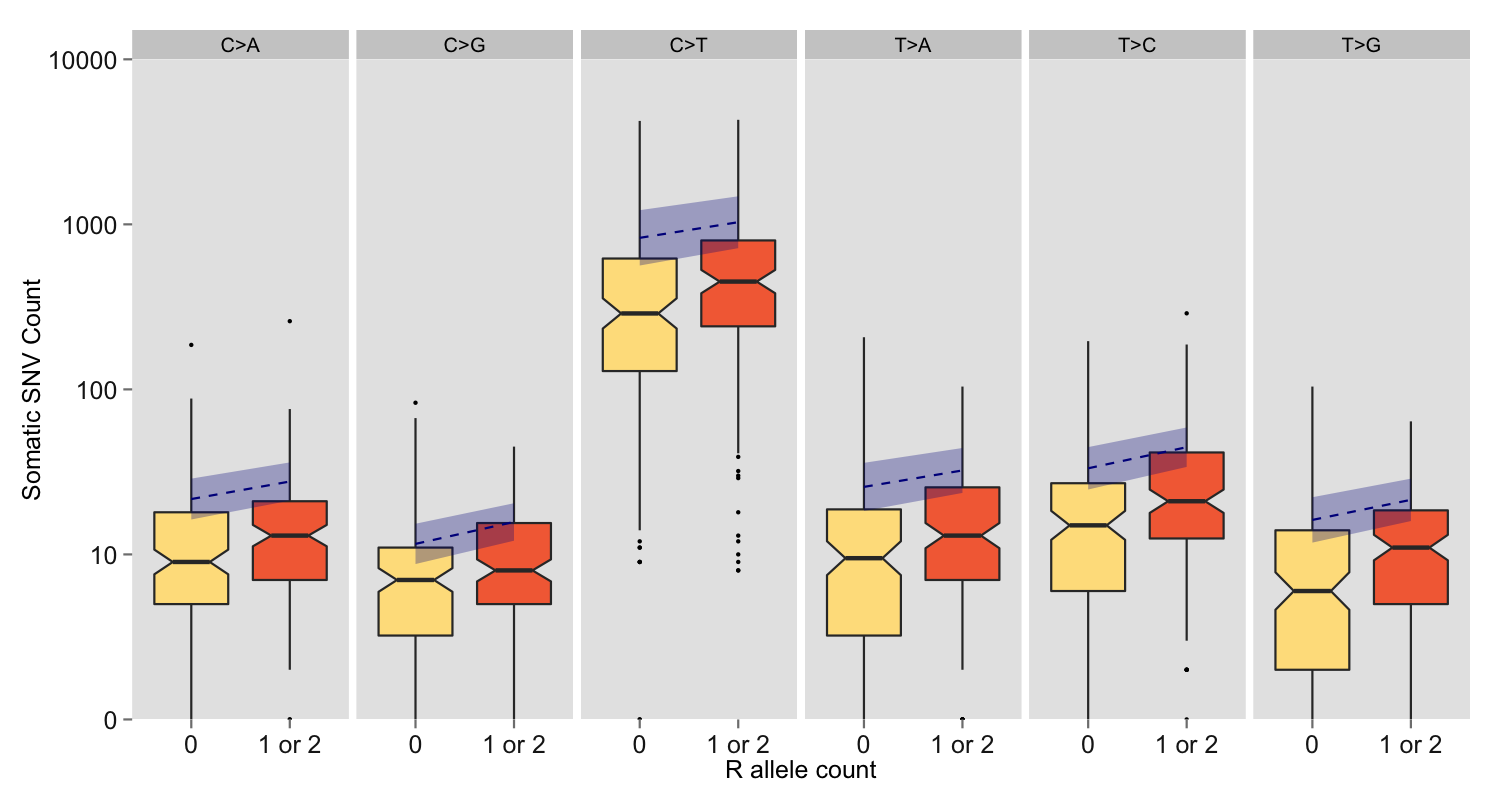
Here, we analysed the melanoma tumours from more than 400 patients and observed an increase in the number of mutations in patients carrying variants in MC1R. This effect was observed also in individuals that are not necessarily red-headed (those with only one variant copy of the MC1R gene as opposed to two), which means that these people might also be highly susceptible to the mutagenic effects of UV light. However, we observed this increase in all types of tumour mutations, not only the ones associated to UV damage.

We could also quantify this contribution, noting that the expected number of sun-related mutations associated with an MC1R variant is comparable to the number gained in about 21 additional years of age. Therefore, our study provides evidence of the existence of additional mutagenic processes in melanoma patients with MC1R variants, which make up about 26-40% of the patient population3.

How does this work link melanoma and the gene MC1R?

Many studies had noted that people carrying MC1R variants are more susceptible to developing melanoma, but only recently we have started to fully understand the reasons. We provide evidence that there may be additional mechanisms, beyond the effects of UV alone, that contribute to elevating the risk of melanoma in patients with MC1R genetic variants. MC1R has important roles in DNA repair and cell survival; thus, processes that increase the risks of developing cancer might include the generation of DNA-damaging stress when making up the red pigment or a decreased ability to repair DNA in carriers of MC1R variants.

In this study we also report that primary melanocytes (the cells where melanoma originates) with incomplete MC1R function show defects in survival and DNA repair, suggesting this might be one of the mechanisms through which MC1R function impacts melanoma risk.

The distribution of mutation counts in melanoma tumours grouped by the presence of MC1R variants.

The distribution of mutation counts in melanoma tumours grouped by the presence of MC1R variants.{credit}Carla Daniela Robles Espinoza et al., Nature Communications{/credit}

What is the significance of this research for melanoma patients and for the general population?

The conclusion of our study is important because it has relevance for people who are MC1R carriers (for example, about 21% of the British and Irish population, 10% of the French population and 16% of the population in the United States4). This means that the majority of these people, who will not have red hair, are still more susceptible to the effects of melanoma mutagens than people with no MC1R variants, with UV light the most established environmental risk factor.

The results suggest that MC1R carriers should take care in the sun following established guidelines (for example: https://www.cancerresearchuk.org/about-cancer/causes-of-cancer/sun-uv-and-cancer/ways-to-enjoy-the-sun-safely).

Can you outline any future research steps?

Future research will aim to understand the different processes through which MC1R can increase the risk of developing melanoma, and also to look for other genetic contributors to skin cancer predisposition. This will hopefully help us to identify the people who are at increased melanoma risk and allow us to better inform patient management and public health campaigns.

References:

1. Mitra D et al. An ultraviolet-radiation-independent pathway to melanoma carcinogenesis in the red hair/fair skin background. Nature. 2012 Nov 15;491(7424):449-53. doi: 10.1038/nature11624. Epub 2012 Oct 31.
2. Wendt J et al. Human Determinants and the Role of Melanocortin-1 Receptor Variants in Melanoma Risk Independent of UV Radiation Exposure. JAMA Dermatol. 2016 Apr 6. doi: 10.1001/jamadermatol.2016.0050. [Epub ahead of print]
3. Williams, P. F., Olsen, C. M., Hayward, N. K. & Whiteman, D. C. Melanocortin 1 receptor and risk of cutaneous melanoma: a meta-analysis and estimates of population burden. Int. J. Cancer 129, 1730–1740 (2011).
4. Gerstenblith MR et al. Comprehensive evaluation of allele frequency differences of MC1R variants across populations. Hum Mutat 2007 May;28(5):495-505. doi:10.1002/humu.20476

Celebrating impact: How multidisciplinary One Health research produced results for real change in the real world

475_Naomi_10

Guest post by Naomi Marks, project communications manager at the Institute of Development Studies. She managed the communications for the Dynamic Drivers of Disease in Africa Consortium and now works with two other multidisciplinary zoonoses-related projects, the Myanmar Pig Partnership, and Livestock, Livelihoods and Health.

With the end of a large research project, there can be a certain sense of bathos. All that ambition at the beginning culminating in … what? Published papers in scientific journals, conference presentations on Slideshare, a website that you hope will continue to be updated and, well, the move on to the next project.

None of this is to put down traditional academic outputs, only to acknowledge the desire of most scientists to see science really make its mark.

This is particularly true when it comes to research in developing countries where there is not just a real pressure from the funders, but also a strong desire from the researchers to contribute to real change in the world—or “impact“, as we all now know it.

And so it is with real pleasure that at the end of the large research project that I’ve been working with that I can report that we seem to have avoided that plummeting feeling.

Dynamic Drivers of Disease

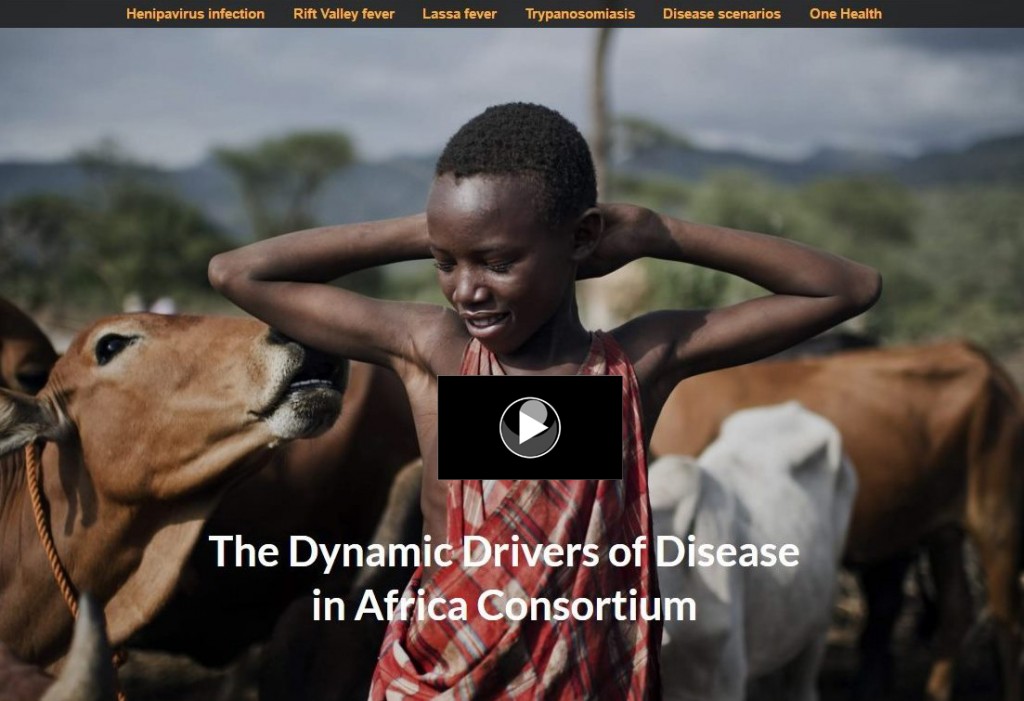
The Dynamic Drivers of Disease in Africa Consortium focused on diseases that pass from animals to people—those such as Ebola, Zika and avian flu that have led to so many headlines in recent years. It sought to explore the links between these diseases (known as zoonoses), ecosystems and poverty, and, in particular, how wider global patterns such as climate and land-use change affect how diseases emerge and spread.

A multidisciplinary undertaking, the project included environmental, biological, mathematical, social, political, and animal and human health researchers from 21 partners across three continents and eight countries—working not just alongside each other but also integrating their findings in new and exciting ways.

As if this wasn’t enough of an endeavour in its own right, other challenges came up over the four years of the project—some welcome (our lead researcher became Director of the Institute of Development Studies, adding to her workload considerably); some expected—or at least expectant (our pivotal research manager went on maternity leave); and one truly unexpected and ghastly: our Sierra Leone team, researching Lassa fever, had to stop work when the Ebola epidemic of 2014/15 resulted in movement restrictions in that country, and laboratory and clinical facilities were turned over to crisis Ebola work.

Despite all this, the project can claim to have contributed to real notches on the impact post.

Particularly notable is the creation of new, detailed risk maps for Rift Valley fever (RVF). These have already been put to use, forming an essential element of the Kenyan government disease monitoring and containment strategy when an epidemic threatened late last year. In the past, RVF epidemics have led to the deaths of millions of animals and hundreds of people with huge poverty impacts for pastoralists.

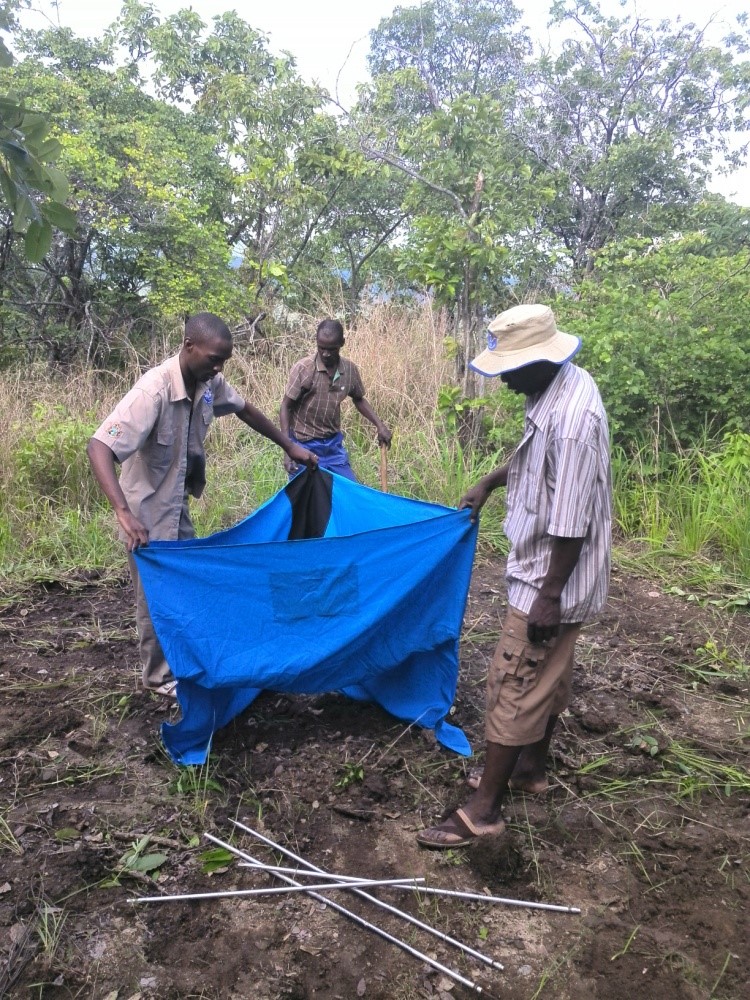
Also of note has been the identification of the patches of land to which tsetse flies are increasingly being confined in the Zambezi Valley in Zimbabwe. Tsetse are the insect vector of the trypanosomiasis parasite which causes disease in animals (with major knock-on effects on the farmers who are financially dependent on their livestock), and sleeping sickness in people (fatal when not properly treated). This has major implications for Zimbabwe’s tsetse control measures which have, in the past, targeted huge swathes of landscape. The research shows more targeted efforts will not only be more effective but also cheaper—and these findings are now being fed into the policy process.

Tseste sampling in Zimbabwe

Tseste sampling in Zimbabwe (credit: Prof. Vupenyu Dzingirai)

Even in Sierra Leone where much of our work was necessarily curtailed, the anthropological research carried out pre-Ebola epidemic into the socio-cultural beliefs and practices surrounding infectious diseases found unexpected application during the epidemic. Much of it fed into an online platform delivering real-time evidence-based advice to organisations such as the World Health Organization, Department for International Development (DFID) and the UN Mission for Ebola Emergency Response (UNMEER).

To note all this is wonderful—and please do look at our other success stories—but some provisos are important. Impact is non-linear, takes time and can be hard to measure; some of our most compelling impacts (including those above) weren’t necessarily those we anticipated, while others—such as our original hope to facilitate more joined-up “One Health” interventions—require ongoing stakeholder engagement that will inevitably take time to filter through.

Also—and importantly—impact doesn’t happen on its own. The Dynamic Drivers of Disease in Africa Consortium, which was supported by the Ecosystem Services for Poverty Alleviation programme, had impact at its heart. It was stressed throughout the research process from conception workshop to final symposium.

So much science, both of the natural and social variety, is intrinsically fascinating. To make it worth celebrating too is a wonderful thing.

The impact stories from the Dynamic Drivers of Disease in Africa Consortium can be viewed at: bit.ly/One_Health_stories

Portrait of a Chemist: From a wartime fascination with chemistry to advising inner-city groups

Peter Gallant found his love for chemistry as a schoolboy during the war while recovering from polio. After 30 years of working with rockets and nuclear power, he went on to apply his chemical experience in the voluntary sector advising inner-city groups.

He speaks to Alex Jackson about his lifelong passion for science.

“I read chemistry books like other people read detective stories,” says affable, wide-eyed 86-year-old Peter Gallant. Gallant’s story is one of remarkable fortitude that in recent years has seen him awarded an MBE.

985_001

“I read chemistry books like other people read detective stories,” says Peter Gallant.
Photograph: Stephen Lake/Royal Society of Chemistry)

Early life

Growing up in the early 1930s in Edgware, London, Gallant’s early childhood was much like many of his schoolmates. Both his parents worked in the admiralty, his dad supplying crews for ships, and his mum, a secretary. An only child, he recalls how after class he would devour books, play with train sets, and listen avidly to his parents’ records. Yet one day at the age of nine, his life would dramatically change. Taken ill in the summer of 1938, Gallant was diagnosed with osteomyelitis, a nasty bone disease which infects and inflames the bone or bone marrow.

“It was a killer. Back then, the death rate was about 50%. There were no antibiotics; the only treatment was major orthopaedic surgery,” says Gallant, describing how the infection spread rapidly through his body. He had operations on the femur and tibia of his right leg, his pelvis and arms, leaving his right hip at about 30 degrees and right leg 6cm shorter than his left. “I went into hospital in June 1938 and didn’t come out until September 1942 — more than four years later. At the start I was so ill, there was no question of any education.”

“I went into hospital in June 1938 and didn’t come out until September 1942 — more than four years later. At the start I was so ill, there was no question of any education.”

Evacuated from Guy’s Hospital during the Munich crisis for fears of German air raids, he was taken to Treloar, a children’s hospital in Alton, Hampshire. He vividly recalls the five hospital ward blocks, each arranged in an arc on a hillside, facing the train tracks. His few hospital perks included watching the trains – a “huge hobby” – a daily half pint of stout “to build me up”, and being wheeled out onto the balcony in the summer of 1941 to see an eclipse.

“For four years I was strapped to two pieces of wood which went from my armpits to my feet and was fixed to the bottom of the bed,” recalls Gallant. “We would overhear dogfights on the street and see the flames rise on the southern horizon when Southampton and Portsmouth were being blitzed.”

Encouraged by his mother to read the daily News Chronicle paper while confined to his bed, Gallant would keep his mind active reading about the war and international affairs. A school teacher would also visit twice a day for an hour and “stop us forgetting what we already knew.”

Continue reading

Connecting patients and clinicians: Why patient perspectives matter in research

Vanessa-Smith-headshot

Vanessa Smith is a patient activist working to raise awareness of chronic obstructive pulmonary disease (COPD) and the importance of the patient voice within the medical and research community. Vanessa has severe COPD and recently wrote a patient perspective which was published in npj Primary Care Respiratory Medicine, an online-only, open access journal devoted to the management of respiratory diseases in primary care. She writes about living with COPD on her blog, COPD in Focus, and can be found on Twitter @vancopd.

Tell us about your experience with chronic obstructive pulmonary disease (COPD).

I was diagnosed with severe COPD during the winter of 2008/2009. Although I’d had chest infections over the last ten years, I’d never heard of COPD, so the diagnosis came as a real shock: “It’s caused by your smoking. There’s no cure and you’ll get worse. You may have only another two years.”

It was a bleak time. I was 53, recently widowed, and had a 13-year-old daughter who was still in school. I had no idea what the future would hold and was terrified of leaving her an orphan. The burning thought in my head was that whatever happens, I have to stay around long enough to see my daughter reach adulthood and finish university with a good starting point in life.

That was what really drove me online to find out anything and everything I could about COPD. The NICE guidelines were a starting point in telling me what I needed—the flu jab, pneumonia jab and pulmonary rehabilitation to learn how to breathe with my condition—but there wasn’t much else. I used to stay up until four in the morning, looking for scientific research that could offer me clues on how to cope with the disease. I read everything I could get my hands on and made a point of putting into practice what I found—if I read about the most effective exercises to prevent muscle wasting, I started doing those every day.

“I used to stay up until four in the morning, looking for scientific research that could offer me clues on how to cope with the disease.”

This was seven or eight years ago when research was far less open access than it is now. Sometimes I found older papers to download, but the most up-to-date research was always behind a paywall. It wasn’t just the cost of paying for articles that was the trouble—many journals required subscription, which I’d do, but some would ask which hospital I worked for and I wouldn’t be able to access those papers as a result.

Having access to the most up-to-date scientific research is very important to me, because it was through reading the latest research that I discovered my prognosis—two to five years’ life expectancy—was based on old information. By taking measures such as the flu shot and exercising regularly, people are living 10, 20, even 30 years these days. The science showed me ways to cope with my disease that I didn’t otherwise know about.

npjPCRM_banner_1000px

You recently wrote a patient perspective in npj Primary Care Respiratory Medicine on the practicalities of living with oxygen as a COPD patient. What prompted you to write this?

I completed the European Lung Foundation’s European Patient Ambassador Programme, which taught me how to represent people living with my condition when interacting with healthcare professionals, policymakers, researchers and journalists. The ELF passed on a request from one of the editors who was looking for someone willing to write on what it’s actually like to live with oxygen. Writing the patient perspective wasn’t any harder than other things I’ve done, like an event summary or a blog post—the hardest part was really keeping it so simple and short!

Why do you think the patient perspective is important?

The patient perspective is an opportunity for healthcare professionals to get feedback on things they don’t always hear. A GP could prescribe the best inhaler for you, but not know how you live with it and if you’re complying with it. If you’re not complying with it, is it because you have a swallowing or breathing issue? Do you have trouble handling the inhaler because you have rheumatoid arthritis in your hands, but don’t like to say?

By prioritising patients in research, doctors will know better what matters most to the people they are treating. In the arena of lung cancer, breast cancer and heart disease, there are some fantastic patient organisations which give voice on behalf of their patients, but for disorders like COPD which don’t have a specific organisation in the UK, patient perspectives offer a space for us to speak up.

What do you want COPD researchers to keep in mind when researching and publishing?

Be as generous and as open as possible with your work—the more you share information with your peers, patients and fellow healthcare professionals, the sooner we’ll be able to move forward in treating and curing COPD, which is the most underfunded disorder based on disease burden.

Clinical trials need to better reflect the real COPD population. Too often, trials focus on men with moderate COPD and no comorbidities. Very few patients are as lucky as I am and have only COPD—many will also have heart disease, diabetes, or lung cancer. We need more representative patient populations in the research: male and female, those with severe COPD or not, and a range of comorbidities.

What can publishers do to support and engage patients?

Make more research open access so that more people can benefit from the findings, from individual patients like me, to patient organisations that don’t have a budget for journals subscription. Developing countries like India have high levels of COPD so open access also helps doctors and patient organisations working there who otherwise wouldn’t be able to read the research.

Publishers should raise awareness of patient perspectives; most patients probably don’t know these even exist. It would also be good to have more diversity of voices. The patient perspectives I’ve seen in science journals are often written by well-educated, working professionals, but patients often get diseases like COPD in later life when they’re no longer working. They may not have advanced degrees, but they do have real knowledge about living with their disease. We need to see patient perspectives as opportunities for both patients and researchers to learn from each other.

Do you have any tips for other patients on writing patient perspectives?

  1. Only write about what you know about.
  2. If you have a brief, stick to it. It will keep you focused and make the article so much easier to write.
  3. Don’t go over the suggested word count.
  4. Be confident in your ability. Remember you’re writing as a patient from the patient perspective. This gives valuable insight to academics and researchers and healthcare professionals. They’re not expecting you to write an academic article.
  5. Remember it’s OK to ask for help. While you know your illness, no one expects you to know about the publishing process.

What’s next for you?

The European Lung Foundation is starting a new module on patient involvement in research within the next month. I’m looking forward to taking that and finding out how patients can be more involved with research—it’s something I’d like to do more of.

Vanessa-greatnorthrun

Completing the Great North Run half marathon for COPD