Women in science face considerable barriers to success. Why?
 Female scientists are often more productive than their male colleagues but much less likely to be recognised for their work.
 Female scientists are often more productive than their male colleagues but much less likely to be recognised for their work.
The problems with traditional PhD programs are well-documented: money is tight, funding is limited, academics often aren’t able to train for positions outside of academia, and the path up to tenured faculty positions just keeps getting narrower.
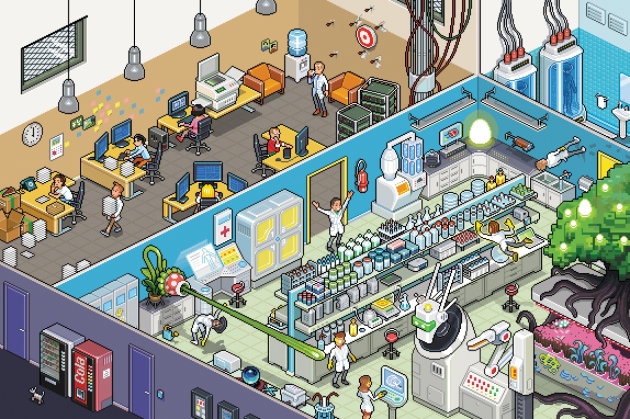
Illustration by Megapont/Folio Art
https://www.youtube.com/watch?v=h029rW3QczI
The meandering path to a career in science offers challenges that can be difficult to confront alone. Finding an effective mentor who offers advice and inspiration can help you navigate the maze successfully, say Andrew Gaudet and Laura Fonken.
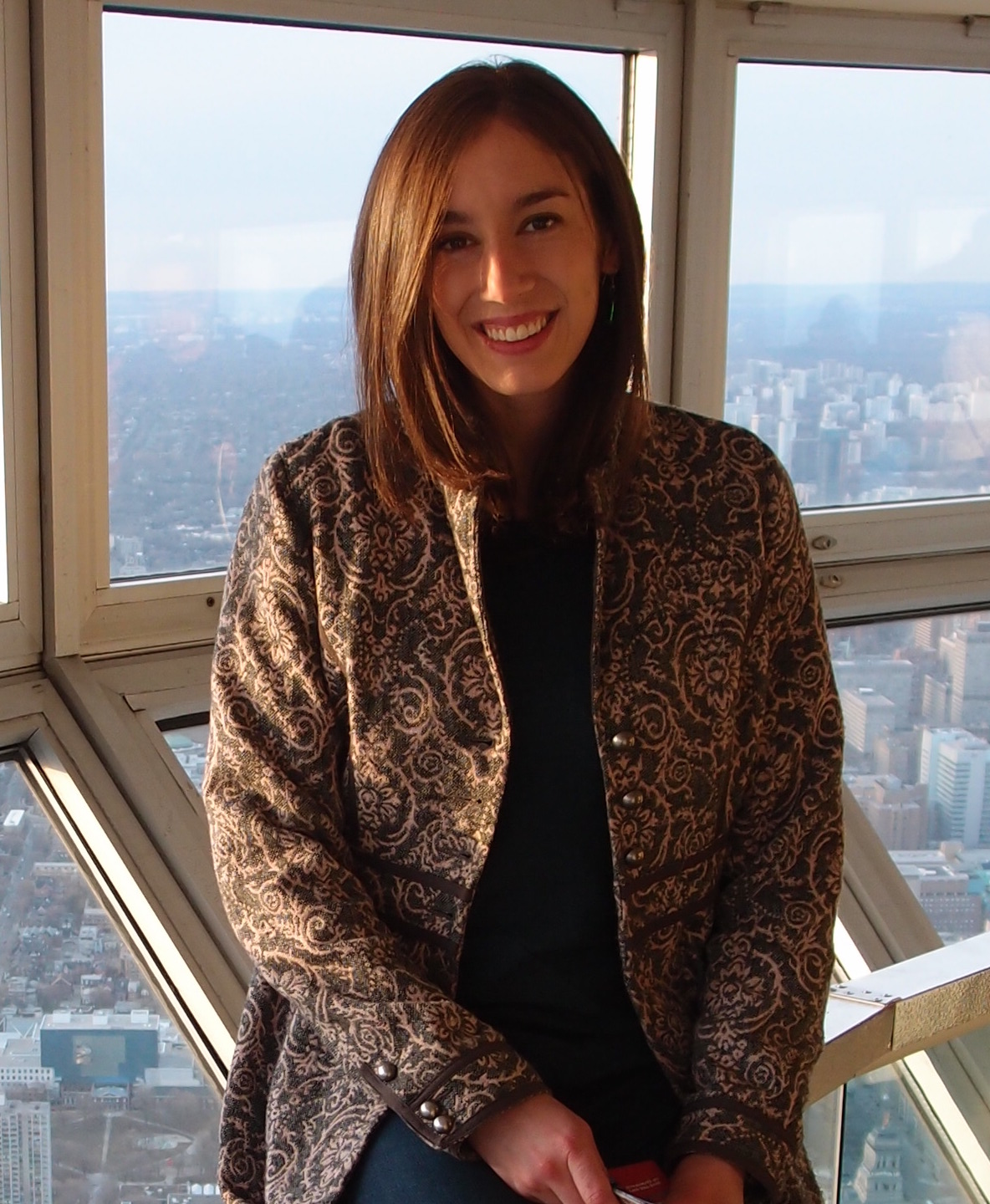
Laura Fonken
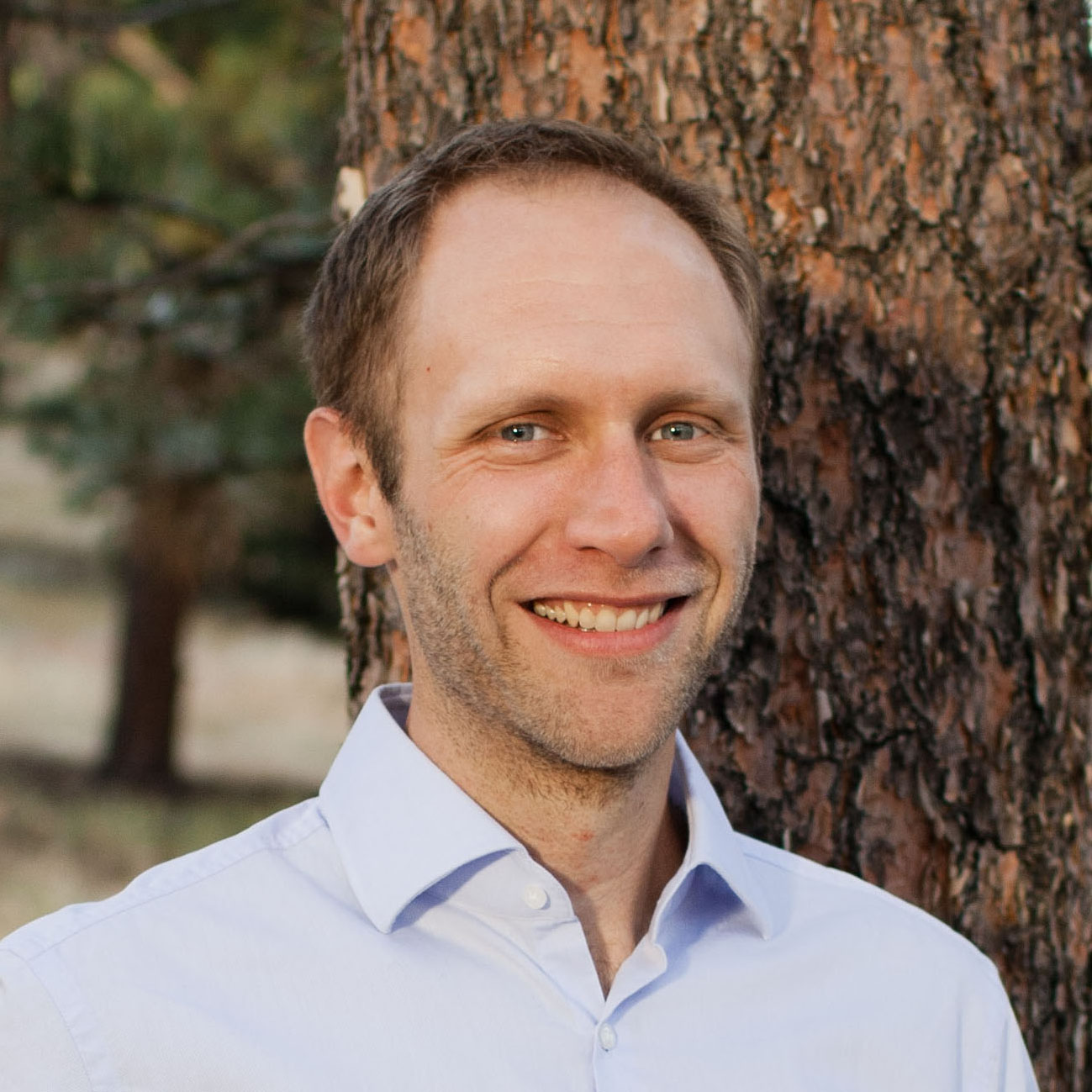
Andrew Gaudet
Naturejobs journalism competition winner Rachel Harris reports.
It can become easy to believe that skills developed during a PhD are suited only to academia, so it’s always refreshing to learn about the value of doctoral training in other settings. I went to the Naturejobs Career Expo London 2016 to see what else I could use my skills for.
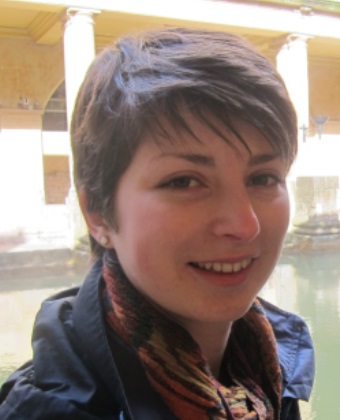
Rachel Harris
https://www.youtube.com/watch?v=aqvEyCreVQA
https://www.youtube.com/watch?v=rFxUWK9LTOk
The ‘Away from home‘ blogging series features Indian postdocs working in foreign labs recounting their experience of working there, the triumphs and challenges, the cultural differences and what they miss about India. They also offer useful tips for their Indian postdocs headed abroad. You can join in the online conversation using the #postdochat hashtag.
Today, we have environment scientist Ram Avtar, an alumnus of Jawaharlal Nehru University (JNU), New Delhi and a postdoc from the Japan Agency for Marine-Earth Science and Technology (JAMSTEC). He tells us about his transition from a postdoc to a research associate with the United Nations University in Tokyo, an organisation with a global outlook and ample scope to forge meaningful collaborations — not just in one’s professional life but also in the personal life.
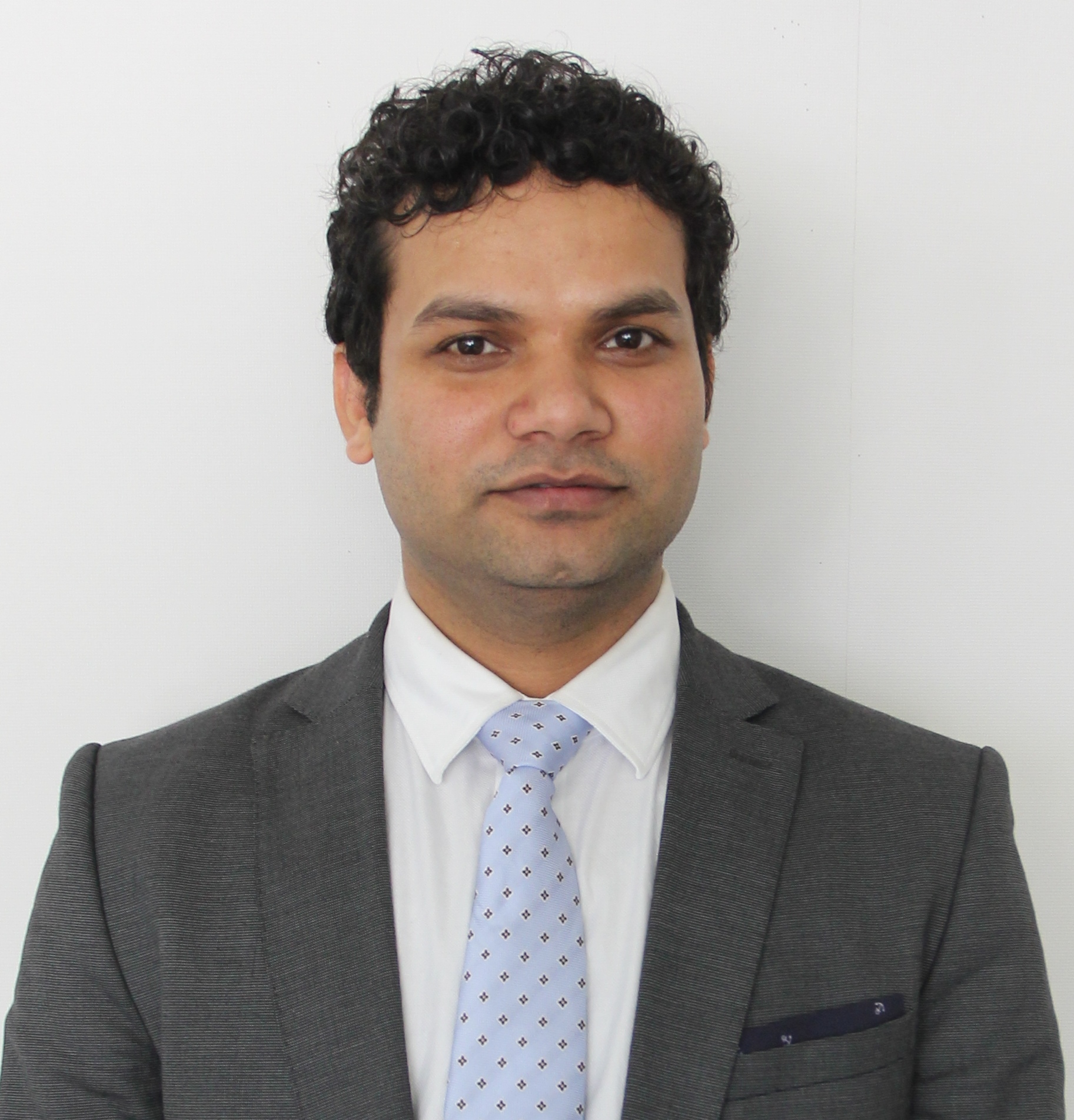
Ram Avtar
The ‘Away from home‘ blogging series features Indian postdocs working in foreign labs recounting their experience of working there, the triumphs and challenges, the cultural differences and what they miss about India. They also offer useful tips for their Indian postdocs headed abroad. You can join in the online conversation using the #postdochat hashtag.
In our first entry from Italy, Arun Kumar, an alumnus of Bareilly College and a postdoc at Novartis Vaccines & Diagnostics, Siena tells us the good and bad of being a researcher in an industrial set-up. He also gives some very practical tips for researchers looking at postdoc positions in Italy.

Arun Kumar at the Novartis Vaccines & Diagnostics in Siena, Italy.
