Buzz Aldrin is a retired US Air Force pilot, a former American astronaut and the second person to walk on the Moon, on July 21, 1969. He was the lunar module pilot on Apollo 11, the first manned lunar landing in history.
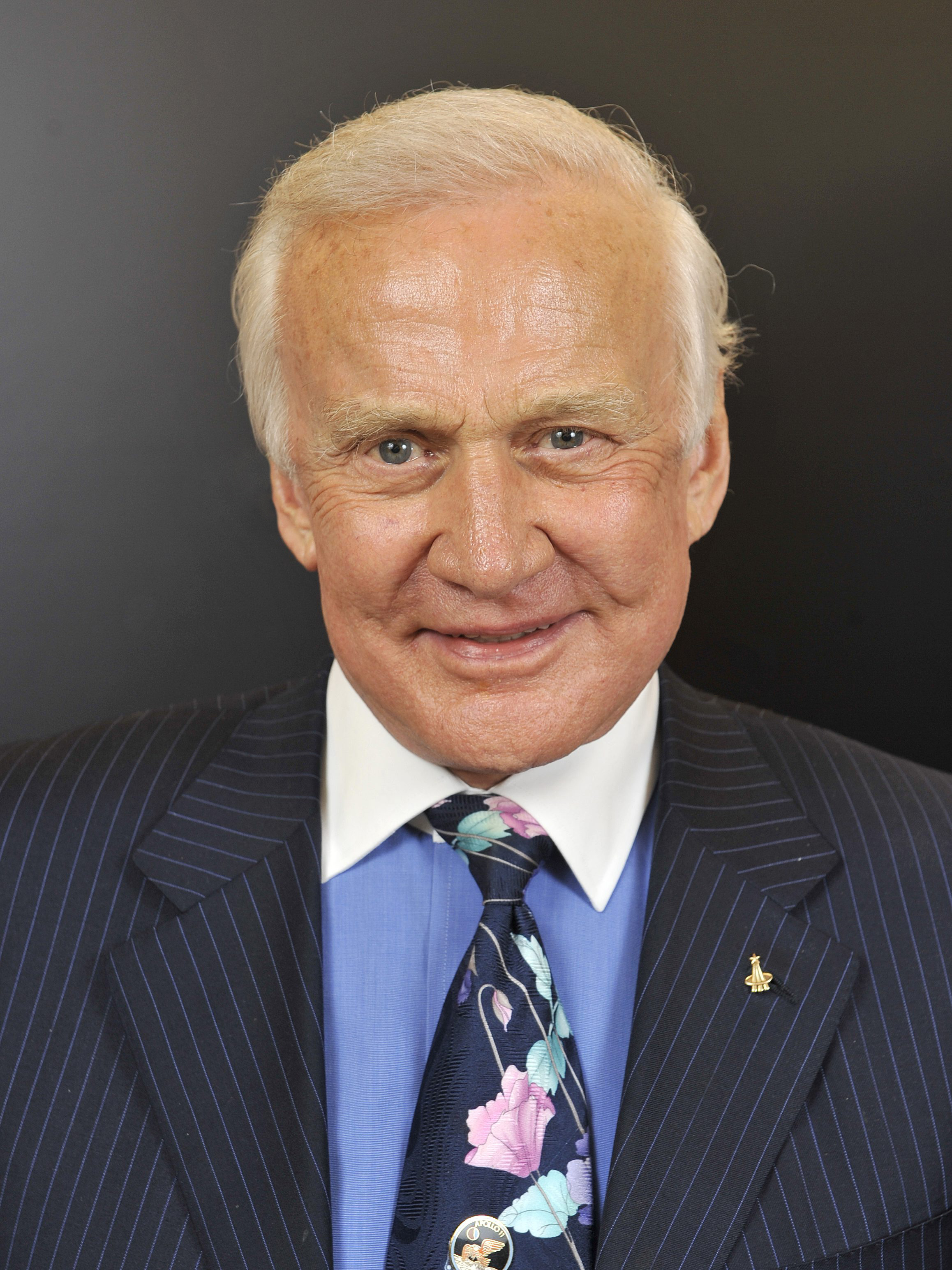
A global space ambassador.
Courtesy of the Buzz Aldrin Archive
Upon returning from the moon, Dr Aldrin was decorated with the Presidential Medal of Freedom, the highest American peacetime award.
Since retiring from NASA and the Air Force, Col Aldrin has remained at the forefront of efforts to progress human space exploration. On November 16, 2011, Dr Aldrin was awarded the Congressional Gold Medal, the nation’s highest civilian honour, along with the other Apollo 11 crew members, Neil Armstrong and Michael Collins, and Mercury Seven astronaut, John Glenn, for their significant contribution to society and exploration.
Dr Aldrin has also written eight books including the New York Times best-selling autobiography, Magnificent Desolation, released in 2009 before the 40th Anniversary of the Apollo 11 moon landing. He has released best-selling illustrated children’s books, two space science-fiction novels and his most recent book Mission to Mars: My Vision for Space Exploration was published by the National Geographic Society in 2013.
“To realize the dream of humans on Mars we need a unified vision. We need to focus on a pathway to the prize.” These were the strident historic words articulated by Buzz Aldrin in July 2009 at the Smithsonian Air and Space Museum’s John Glenn Lecture Series for NASA’s 40th anniversary of the Apollo 11 Moon landing. Five years on, and having very recently celebrated his 84th birthday, Dr Aldrin’s enthusiasm, ambassadorial work, resolute attitude and ideals are no less subdued.
Exciting developments in space science are coming thick and fast and showing notable progress. It is however, US President Barack Obama’s objective of a manned mission to Mars in his lifetime, preceded by a robotic landing on a real orbiting asteroid, that remains a most ambitious follow on to lunar robotic surface control by the US and the occupation of a jointly designed International Lunar Base.