Genetic variants in ‘red hair gene’ associated with increased number of skin cancer mutations

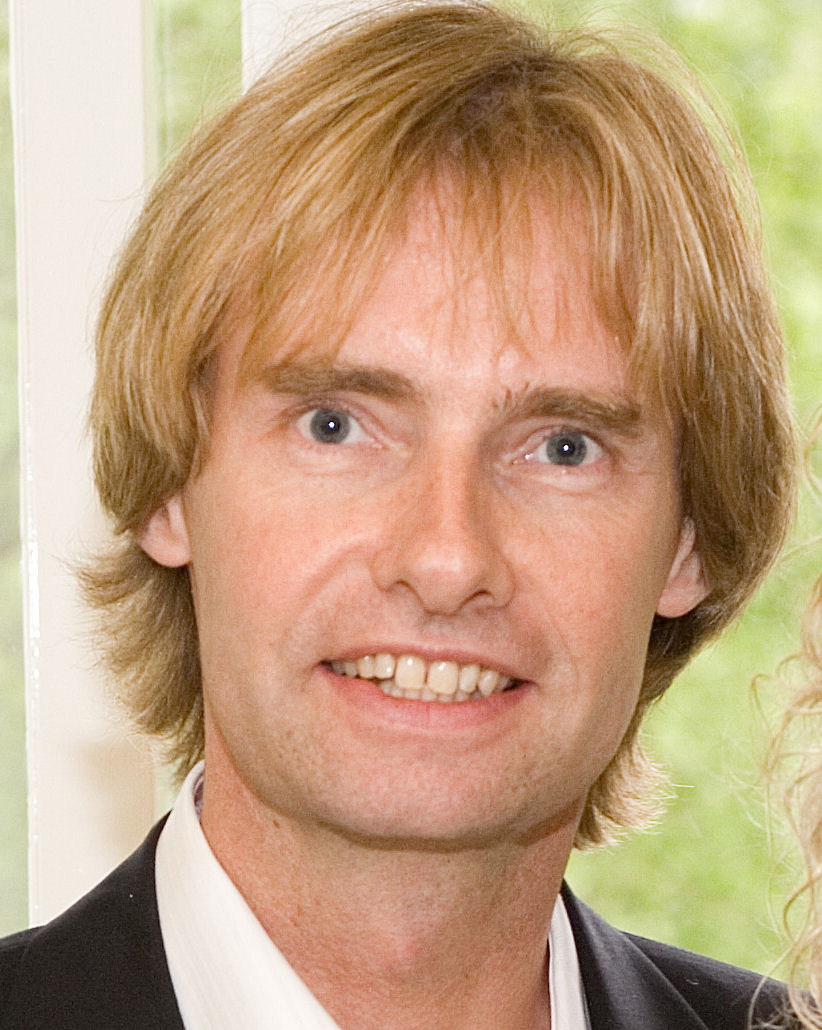
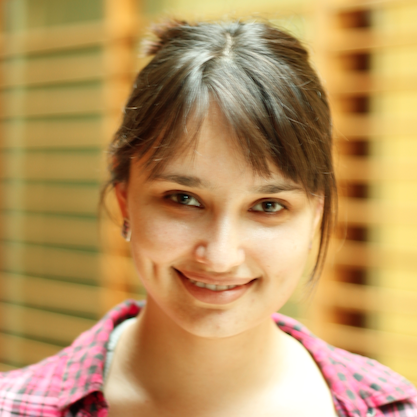
Carla Daniela Robles Espinoza, author on the Nature Communications paper

Carla Daniela Robles Espinoza

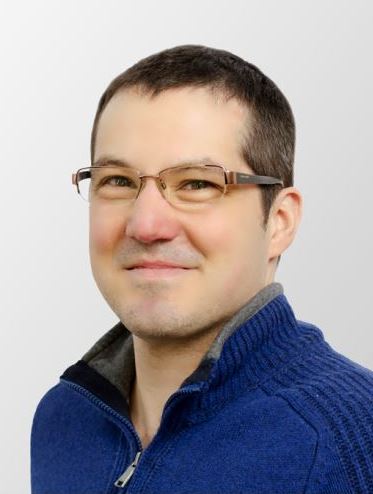
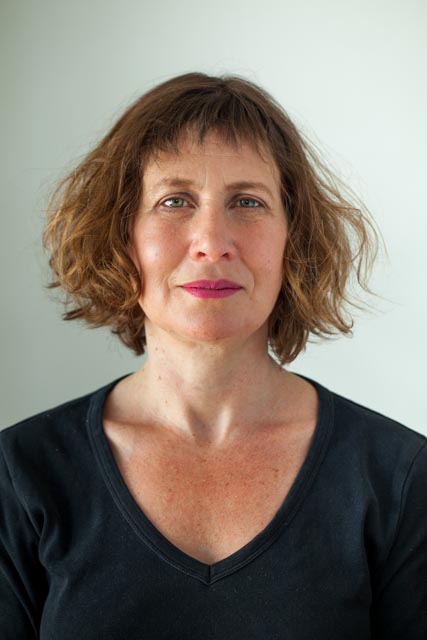
Mamun Rashid

Melanoma patients with genetic variants in the ‘red hair gene’, MC1R, have more mutations in their cancers compared to patients without such variants, found a study published in Nature Communications last week. Carla Daniela Robles Espinoza, one of the authors on the paper, takes us through the findings.

What were your main findings?

In this study, we wanted to investigate whether having common genetic variants in the red hair gene (called MC1R) can influence the number of mutations found in melanoma tumours. It has long been known that redheads are more prone to developing melanoma.

A woman with red hair using a camera, taking a photograph, adjusting the lens.

Melanoma patients with genetic variants in the ‘red hair gene’, MC1R, have more mutations in their cancers.

Getty Images

This is thought to be because they burn more easily in the sun, as exposure to UV light is one of the main risk factors for developing this cancer. However, there seems to be more to the story of how MC1R genetic variants increase the risk of developing melanoma. For example, previous studies have shown that, in mice, there is a sunlight-independent contribution to melanoma risk via the synthesis pathway of the red pigment1, and that there is an association between MC1R and melanoma risk which occurs independently of sun exposure in humans2.

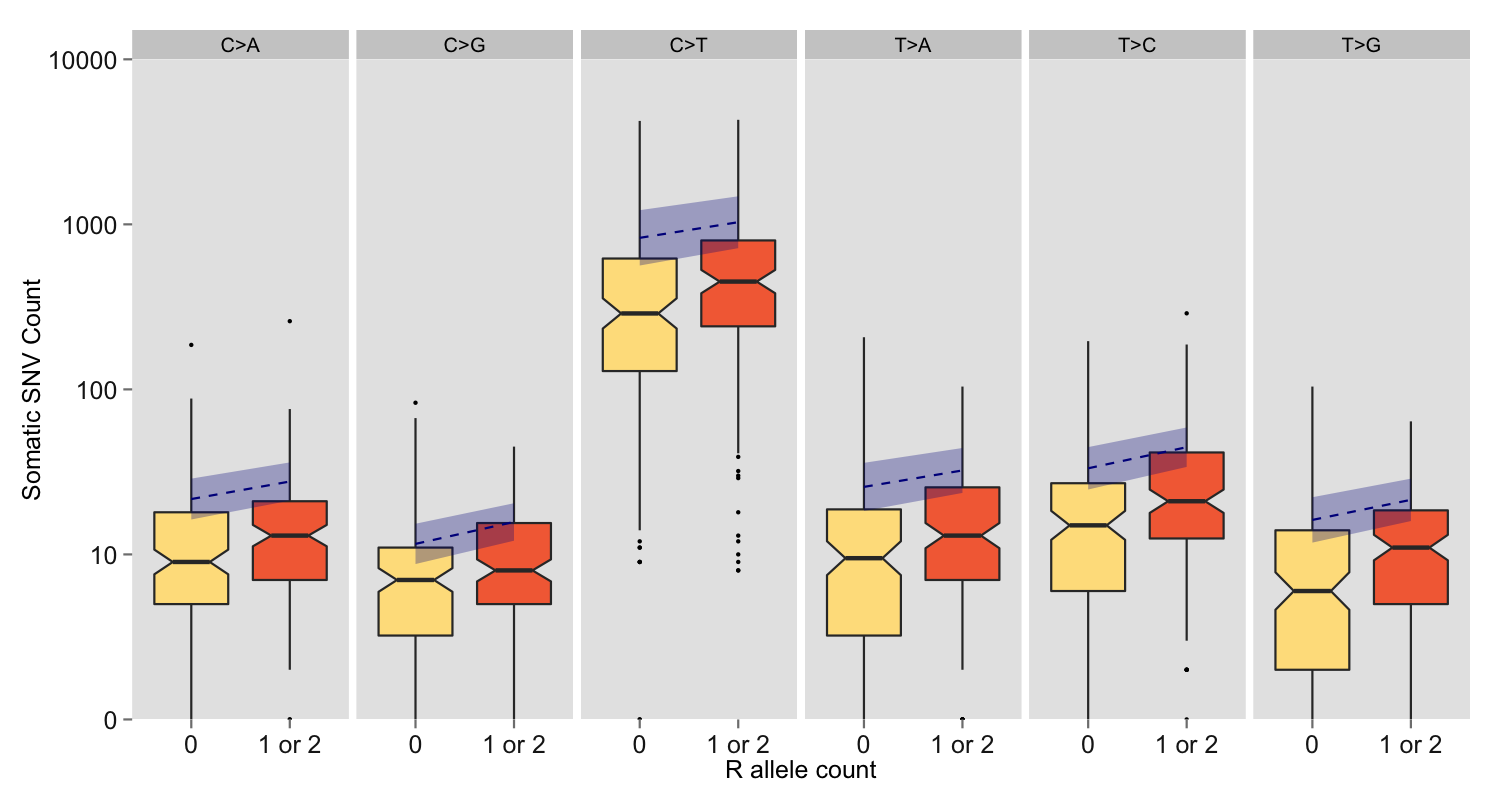
Here, we analysed the melanoma tumours from more than 400 patients and observed an increase in the number of mutations in patients carrying variants in MC1R. This effect was observed also in individuals that are not necessarily red-headed (those with only one variant copy of the MC1R gene as opposed to two), which means that these people might also be highly susceptible to the mutagenic effects of UV light. However, we observed this increase in all types of tumour mutations, not only the ones associated to UV damage.

We could also quantify this contribution, noting that the expected number of sun-related mutations associated with an MC1R variant is comparable to the number gained in about 21 additional years of age. Therefore, our study provides evidence of the existence of additional mutagenic processes in melanoma patients with MC1R variants, which make up about 26-40% of the patient population3.

How does this work link melanoma and the gene MC1R?

Many studies had noted that people carrying MC1R variants are more susceptible to developing melanoma, but only recently we have started to fully understand the reasons. We provide evidence that there may be additional mechanisms, beyond the effects of UV alone, that contribute to elevating the risk of melanoma in patients with MC1R genetic variants. MC1R has important roles in DNA repair and cell survival; thus, processes that increase the risks of developing cancer might include the generation of DNA-damaging stress when making up the red pigment or a decreased ability to repair DNA in carriers of MC1R variants.

In this study we also report that primary melanocytes (the cells where melanoma originates) with incomplete MC1R function show defects in survival and DNA repair, suggesting this might be one of the mechanisms through which MC1R function impacts melanoma risk.

The distribution of mutation counts in melanoma tumours grouped by the presence of MC1R variants.

The distribution of mutation counts in melanoma tumours grouped by the presence of MC1R variants.

Carla Daniela Robles Espinoza et al., Nature Communications

What is the significance of this research for melanoma patients and for the general population?

The conclusion of our study is important because it has relevance for people who are MC1R carriers (for example, about 21% of the British and Irish population, 10% of the French population and 16% of the population in the United States4). This means that the majority of these people, who will not have red hair, are still more susceptible to the effects of melanoma mutagens than people with no MC1R variants, with UV light the most established environmental risk factor.

The results suggest that MC1R carriers should take care in the sun following established guidelines (for example: http://www.cancerresearchuk.org/about-cancer/causes-of-cancer/sun-uv-and-cancer/ways-to-enjoy-the-sun-safely).

Can you outline any future research steps?

Future research will aim to understand the different processes through which MC1R can increase the risk of developing melanoma, and also to look for other genetic contributors to skin cancer predisposition. This will hopefully help us to identify the people who are at increased melanoma risk and allow us to better inform patient management and public health campaigns.

References:

1. Mitra D et al. An ultraviolet-radiation-independent pathway to melanoma carcinogenesis in the red hair/fair skin background. Nature. 2012 Nov 15;491(7424):449-53. doi: 10.1038/nature11624. Epub 2012 Oct 31.
2. Wendt J et al. Human Determinants and the Role of Melanocortin-1 Receptor Variants in Melanoma Risk Independent of UV Radiation Exposure. JAMA Dermatol. 2016 Apr 6. doi: 10.1001/jamadermatol.2016.0050. [Epub ahead of print]
3. Williams, P. F., Olsen, C. M., Hayward, N. K. & Whiteman, D. C. Melanocortin 1 receptor and risk of cutaneous melanoma: a meta-analysis and estimates of population burden. Int. J. Cancer 129, 1730–1740 (2011).
4. Gerstenblith MR et al. Comprehensive evaluation of allele frequency differences of MC1R variants across populations. Hum Mutat 2007 May;28(5):495-505. doi:10.1002/humu.20476

Celebrating impact: How multidisciplinary One Health research produced results for real change in the real world

475_Naomi_10

Guest post by Naomi Marks, project communications manager at the Institute of Development Studies. She managed the communications for the Dynamic Drivers of Disease in Africa Consortium and now works with two other multidisciplinary zoonoses-related projects, the Myanmar Pig Partnership, and Livestock, Livelihoods and Health.

With the end of a large research project, there can be a certain sense of bathos. All that ambition at the beginning culminating in … what? Published papers in scientific journals, conference presentations on Slideshare, a website that you hope will continue to be updated and, well, the move on to the next project.

None of this is to put down traditional academic outputs, only to acknowledge the desire of most scientists to see science really make its mark.

This is particularly true when it comes to research in developing countries where there is not just a real pressure from the funders, but also a strong desire from the researchers to contribute to real change in the world—or “impact“, as we all now know it.

And so it is with real pleasure that at the end of the large research project that I’ve been working with that I can report that we seem to have avoided that plummeting feeling.

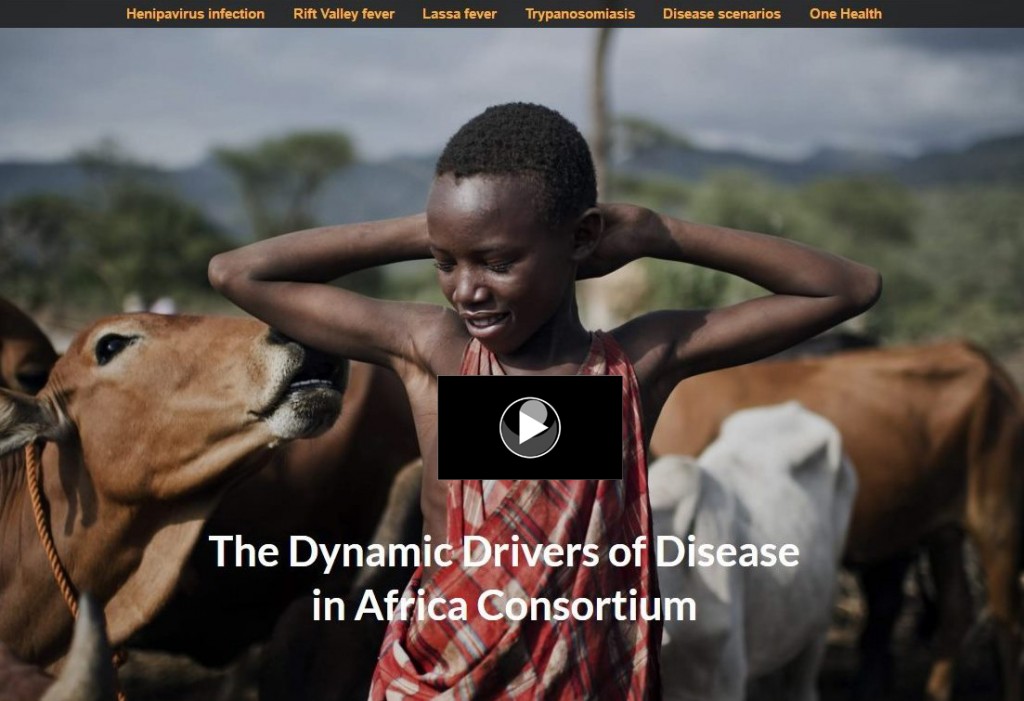
Dynamic Drivers of Disease

The Dynamic Drivers of Disease in Africa Consortium focused on diseases that pass from animals to people—those such as Ebola, Zika and avian flu that have led to so many headlines in recent years. It sought to explore the links between these diseases (known as zoonoses), ecosystems and poverty, and, in particular, how wider global patterns such as climate and land-use change affect how diseases emerge and spread.

A multidisciplinary undertaking, the project included environmental, biological, mathematical, social, political, and animal and human health researchers from 21 partners across three continents and eight countries—working not just alongside each other but also integrating their findings in new and exciting ways.

As if this wasn’t enough of an endeavour in its own right, other challenges came up over the four years of the project—some welcome (our lead researcher became Director of the Institute of Development Studies, adding to her workload considerably); some expected—or at least expectant (our pivotal research manager went on maternity leave); and one truly unexpected and ghastly: our Sierra Leone team, researching Lassa fever, had to stop work when the Ebola epidemic of 2014/15 resulted in movement restrictions in that country, and laboratory and clinical facilities were turned over to crisis Ebola work.

Despite all this, the project can claim to have contributed to real notches on the impact post.

Particularly notable is the creation of new, detailed risk maps for Rift Valley fever (RVF). These have already been put to use, forming an essential element of the Kenyan government disease monitoring and containment strategy when an epidemic threatened late last year. In the past, RVF epidemics have led to the deaths of millions of animals and hundreds of people with huge poverty impacts for pastoralists.

Also of note has been the identification of the patches of land to which tsetse flies are increasingly being confined in the Zambezi Valley in Zimbabwe. Tsetse are the insect vector of the trypanosomiasis parasite which causes disease in animals (with major knock-on effects on the farmers who are financially dependent on their livestock), and sleeping sickness in people (fatal when not properly treated). This has major implications for Zimbabwe’s tsetse control measures which have, in the past, targeted huge swathes of landscape. The research shows more targeted efforts will not only be more effective but also cheaper—and these findings are now being fed into the policy process.

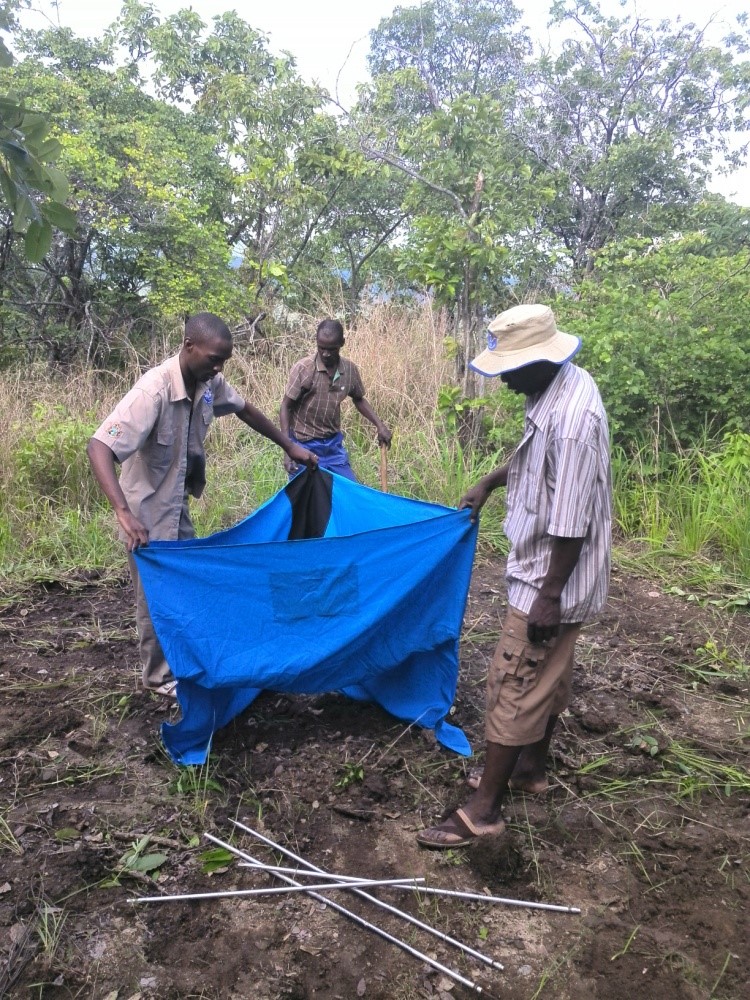
Tseste sampling in Zimbabwe

Tseste sampling in Zimbabwe (credit: Prof. Vupenyu Dzingirai)

Even in Sierra Leone where much of our work was necessarily curtailed, the anthropological research carried out pre-Ebola epidemic into the socio-cultural beliefs and practices surrounding infectious diseases found unexpected application during the epidemic. Much of it fed into an online platform delivering real-time evidence-based advice to organisations such as the World Health Organization, Department for International Development (DFID) and the UN Mission for Ebola Emergency Response (UNMEER).

To note all this is wonderful—and please do look at our other success stories—but some provisos are important. Impact is non-linear, takes time and can be hard to measure; some of our most compelling impacts (including those above) weren’t necessarily those we anticipated, while others—such as our original hope to facilitate more joined-up “One Health” interventions—require ongoing stakeholder engagement that will inevitably take time to filter through.

Also—and importantly—impact doesn’t happen on its own. The Dynamic Drivers of Disease in Africa Consortium, which was supported by the Ecosystem Services for Poverty Alleviation programme, had impact at its heart. It was stressed throughout the research process from conception workshop to final symposium.

So much science, both of the natural and social variety, is intrinsically fascinating. To make it worth celebrating too is a wonderful thing.

The impact stories from the Dynamic Drivers of Disease in Africa Consortium can be viewed at: bit.ly/One_Health_stories

Connecting patients and clinicians: Why patient perspectives matter in research

Vanessa-Smith-headshot

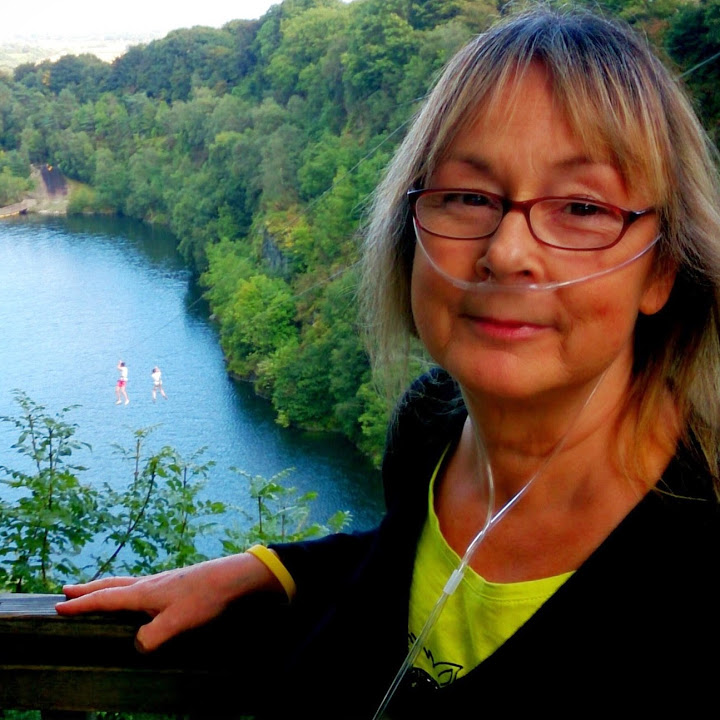
Vanessa Smith is a patient activist working to raise awareness of chronic obstructive pulmonary disease (COPD) and the importance of the patient voice within the medical and research community. Vanessa has severe COPD and recently wrote a patient perspective which was published in npj Primary Care Respiratory Medicine, an online-only, open access journal devoted to the management of respiratory diseases in primary care. She writes about living with COPD on her blog, COPD in Focus, and can be found on Twitter @vancopd.

Tell us about your experience with chronic obstructive pulmonary disease (COPD).

I was diagnosed with severe COPD during the winter of 2008/2009. Although I’d had chest infections over the last ten years, I’d never heard of COPD, so the diagnosis came as a real shock: “It’s caused by your smoking. There’s no cure and you’ll get worse. You may have only another two years.”

It was a bleak time. I was 53, recently widowed, and had a 13-year-old daughter who was still in school. I had no idea what the future would hold and was terrified of leaving her an orphan. The burning thought in my head was that whatever happens, I have to stay around long enough to see my daughter reach adulthood and finish university with a good starting point in life.

That was what really drove me online to find out anything and everything I could about COPD. The NICE guidelines were a starting point in telling me what I needed—the flu jab, pneumonia jab and pulmonary rehabilitation to learn how to breathe with my condition—but there wasn’t much else. I used to stay up until four in the morning, looking for scientific research that could offer me clues on how to cope with the disease. I read everything I could get my hands on and made a point of putting into practice what I found—if I read about the most effective exercises to prevent muscle wasting, I started doing those every day.

“I used to stay up until four in the morning, looking for scientific research that could offer me clues on how to cope with the disease.”

This was seven or eight years ago when research was far less open access than it is now. Sometimes I found older papers to download, but the most up-to-date research was always behind a paywall. It wasn’t just the cost of paying for articles that was the trouble—many journals required subscription, which I’d do, but some would ask which hospital I worked for and I wouldn’t be able to access those papers as a result.

Having access to the most up-to-date scientific research is very important to me, because it was through reading the latest research that I discovered my prognosis—two to five years’ life expectancy—was based on old information. By taking measures such as the flu shot and exercising regularly, people are living 10, 20, even 30 years these days. The science showed me ways to cope with my disease that I didn’t otherwise know about.

npjPCRM_banner_1000px

You recently wrote a patient perspective in npj Primary Care Respiratory Medicine on the practicalities of living with oxygen as a COPD patient. What prompted you to write this?

I completed the European Lung Foundation’s European Patient Ambassador Programme, which taught me how to represent people living with my condition when interacting with healthcare professionals, policymakers, researchers and journalists. The ELF passed on a request from one of the editors who was looking for someone willing to write on what it’s actually like to live with oxygen. Writing the patient perspective wasn’t any harder than other things I’ve done, like an event summary or a blog post—the hardest part was really keeping it so simple and short!

Why do you think the patient perspective is important?

The patient perspective is an opportunity for healthcare professionals to get feedback on things they don’t always hear. A GP could prescribe the best inhaler for you, but not know how you live with it and if you’re complying with it. If you’re not complying with it, is it because you have a swallowing or breathing issue? Do you have trouble handling the inhaler because you have rheumatoid arthritis in your hands, but don’t like to say?

By prioritising patients in research, doctors will know better what matters most to the people they are treating. In the arena of lung cancer, breast cancer and heart disease, there are some fantastic patient organisations which give voice on behalf of their patients, but for disorders like COPD which don’t have a specific organisation in the UK, patient perspectives offer a space for us to speak up.

What do you want COPD researchers to keep in mind when researching and publishing?

Be as generous and as open as possible with your work—the more you share information with your peers, patients and fellow healthcare professionals, the sooner we’ll be able to move forward in treating and curing COPD, which is the most underfunded disorder based on disease burden.

Clinical trials need to better reflect the real COPD population. Too often, trials focus on men with moderate COPD and no comorbidities. Very few patients are as lucky as I am and have only COPD—many will also have heart disease, diabetes, or lung cancer. We need more representative patient populations in the research: male and female, those with severe COPD or not, and a range of comorbidities.

What can publishers do to support and engage patients?

Make more research open access so that more people can benefit from the findings, from individual patients like me, to patient organisations that don’t have a budget for journals subscription. Developing countries like India have high levels of COPD so open access also helps doctors and patient organisations working there who otherwise wouldn’t be able to read the research.

Publishers should raise awareness of patient perspectives; most patients probably don’t know these even exist. It would also be good to have more diversity of voices. The patient perspectives I’ve seen in science journals are often written by well-educated, working professionals, but patients often get diseases like COPD in later life when they’re no longer working. They may not have advanced degrees, but they do have real knowledge about living with their disease. We need to see patient perspectives as opportunities for both patients and researchers to learn from each other.

Do you have any tips for other patients on writing patient perspectives?

  1. Only write about what you know about.
  2. If you have a brief, stick to it. It will keep you focused and make the article so much easier to write.
  3. Don’t go over the suggested word count.
  4. Be confident in your ability. Remember you’re writing as a patient from the patient perspective. This gives valuable insight to academics and researchers and healthcare professionals. They’re not expecting you to write an academic article.
  5. Remember it’s OK to ask for help. While you know your illness, no one expects you to know about the publishing process.

What’s next for you?

The European Lung Foundation is starting a new module on patient involvement in research within the next month. I’m looking forward to taking that and finding out how patients can be more involved with research—it’s something I’d like to do more of.

Vanessa-greatnorthrun

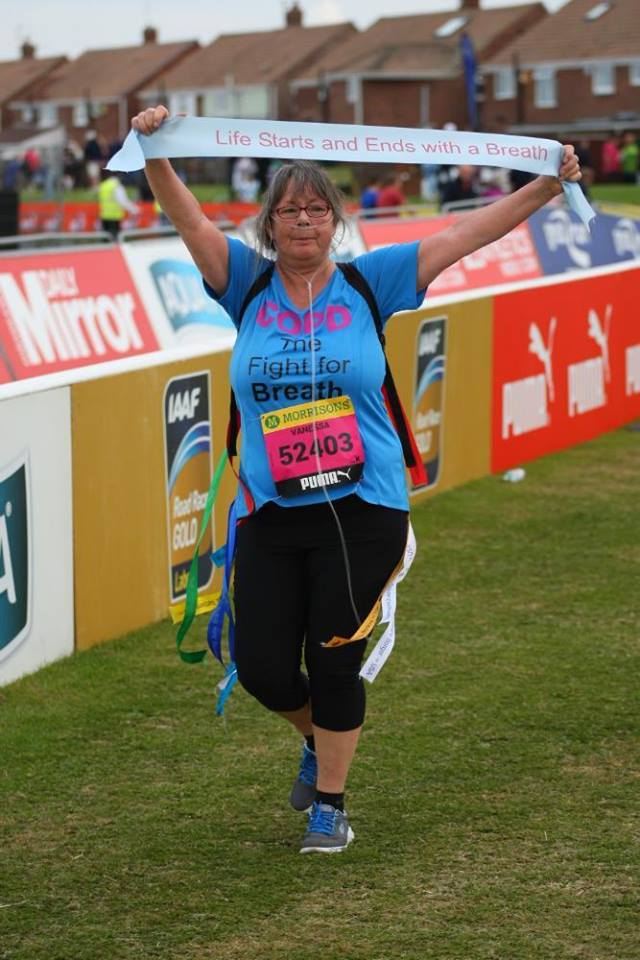
Completing the Great North Run half marathon for COPD