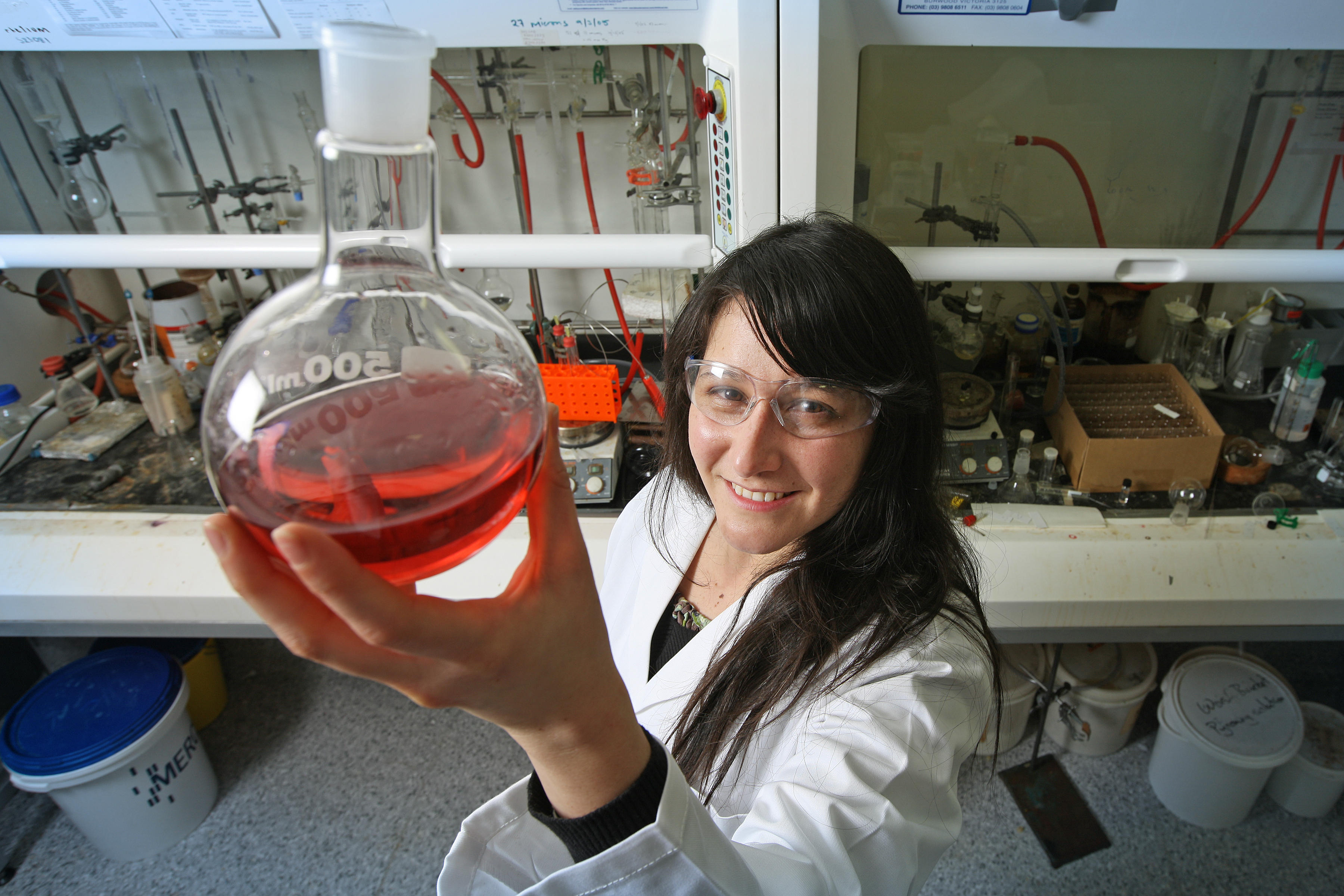
Counting all the ways connections matter

New research shows that the size of a faculty member’s network predicts productivity, promotion, and probability of winning an NIH R01 grant.

Guest contributor Viviane Callier

Connections matter – in terms of productivity, in terms of obtaining grants, in terms of promotion and advancement, and in terms of retention in academic positions, a new Harvard-based study shows. Women and underrepresented minorities (URMs) have a smaller “reach” – a measure of second-order connections – and the discrepancy between the reach of women & URMs and that of white men is greatest at the junior faculty level. This discrepancy may account for differences in productivity, promotion, and retention of women and URMs in academia.

7822101134_6cbcbb435b_o

CREDIT: CC-BY-SA Atos/Flickr

Continue reading

The art of negotiating a better salary

Andy Tay picked up some tips on negotiation at the Naturejobs Career Expo, San Francisco. Here they are.

Naturejobs career expo journalism competition winner Andy Tay

Negotiation is a powerful skill. And, whilst graduate education arms you with technical credentials for a career, it often misses out training for soft skills like negotiation. An ability to negotiate effectively can convince your counterparts to care for your interests, allowing you to maximise personal gains such as pay or career development.

{credit}iStockphoto/Thinkstock{/credit}

At the recent Naturejobs Career Expo, San Francisco, Doug Kalish shared some pieces of advice with the participants on the art of negotiating for one’s interests. Here’s some of his tips on negotiating job offers and salary. Continue reading

A week in the life of a tenured professor

A Chinese scientist considers the new responsibilities that come with his role

This piece was cross posted with Nature Asia. You can read the Chinese version here.

Guest contributor Chenggang Yan

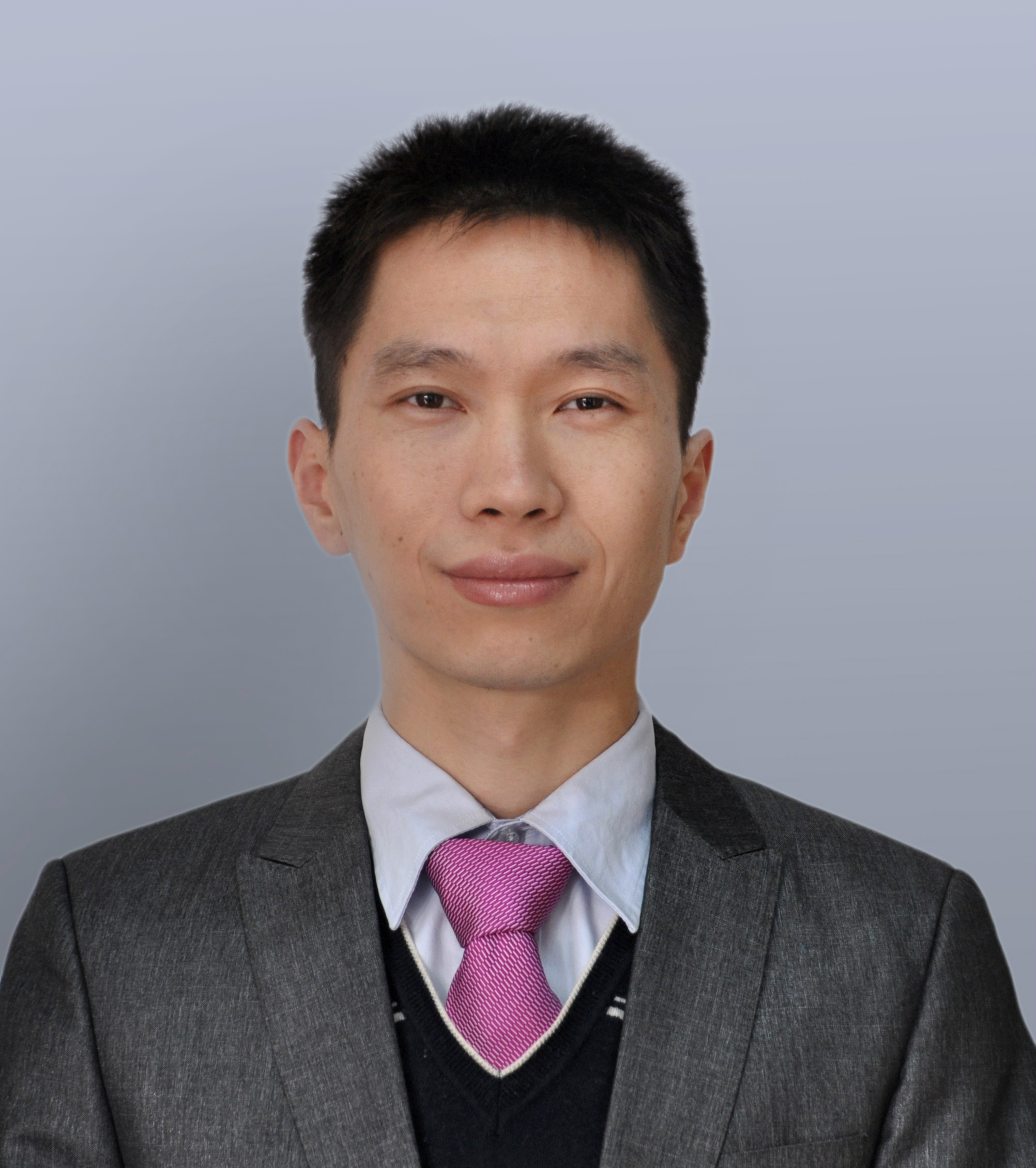
I’ve spent ten years of my life in research. In those ten years, I’ve never been completely overwhelmed until I accepted a professorship at Hangzhou Dianzi University. Just like many other young scholars, I’m working hard to win a good reputation with my research. I went into science because – like many others – I wanted to do meaningful work, lead a new era, and benefit humanity in some way. But recently I’m finding that’s just not what I spend my time doing.

DSC_0001 op1-smaller

{credit}Chenggang Yan{/credit}

Continue reading

Failing to fail gracefully

Failure is hard, but keep trying, says John Tregoning (who should follow his own advice occasionally).

Guest contributor John Tregoning

Advice: easier to give than to follow

This time last year, I wrote ten strategies to improve mental health in academic life. I think they’re worth reading, if you haven’t already. You’d think that having given all this advice, I would have followed it, and maintained a Zen-like calm. Not so.

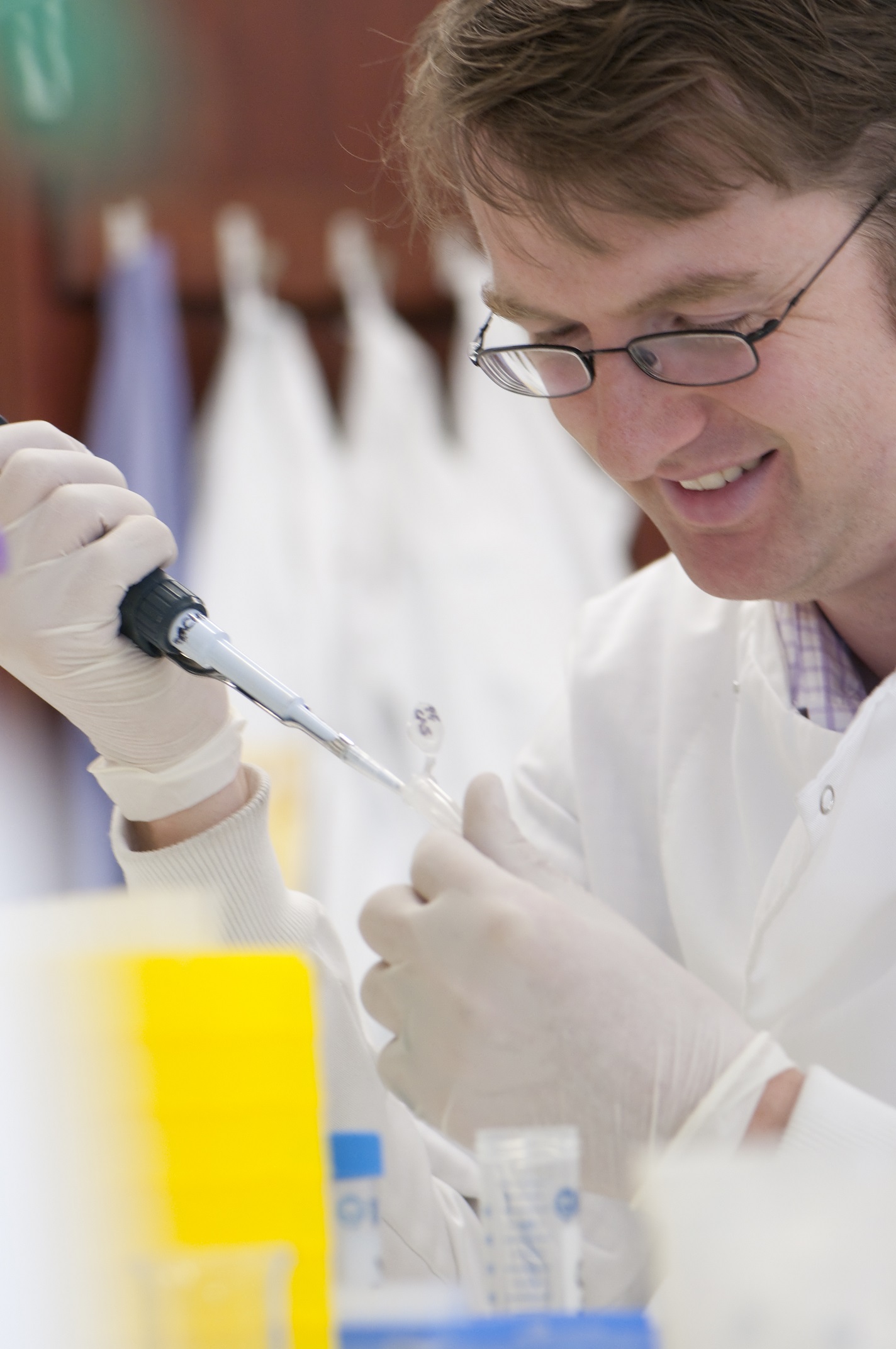
John Tregoning

John Tregoning

In the last year I have allowed failure (and the prospect of failure) to define my mood, compared my progress with researchers several leagues above me and found myself wanting, got too obsessed with work to appreciate anything else, taken on more than I can manage, unsuccessfully disguised my jealousy about colleagues’ success, taken criticism as a personal attack, and not spoken to anyone about what was going on in my head.

Whilst reflecting on my inability to follow my own advice, this year I wanted to come up with something that I could follow to improve my own mental health. Then I had (another) grant bounce and realised that, for me, the major contributor to mental health issues in academia is failure. Yes, failure is relative and, yes, there are clearly bigger problems in the world. But in that bitter moment of rejection it’s hard to step back and see that. Continue reading

Juggling science and motherhood

Balancing life inside and outside the lab is not always easy, but it’s possible to be a parent, a carer, #AndAScientist, says Seralynne Vann.

Guest contributor Seralynne Vann.


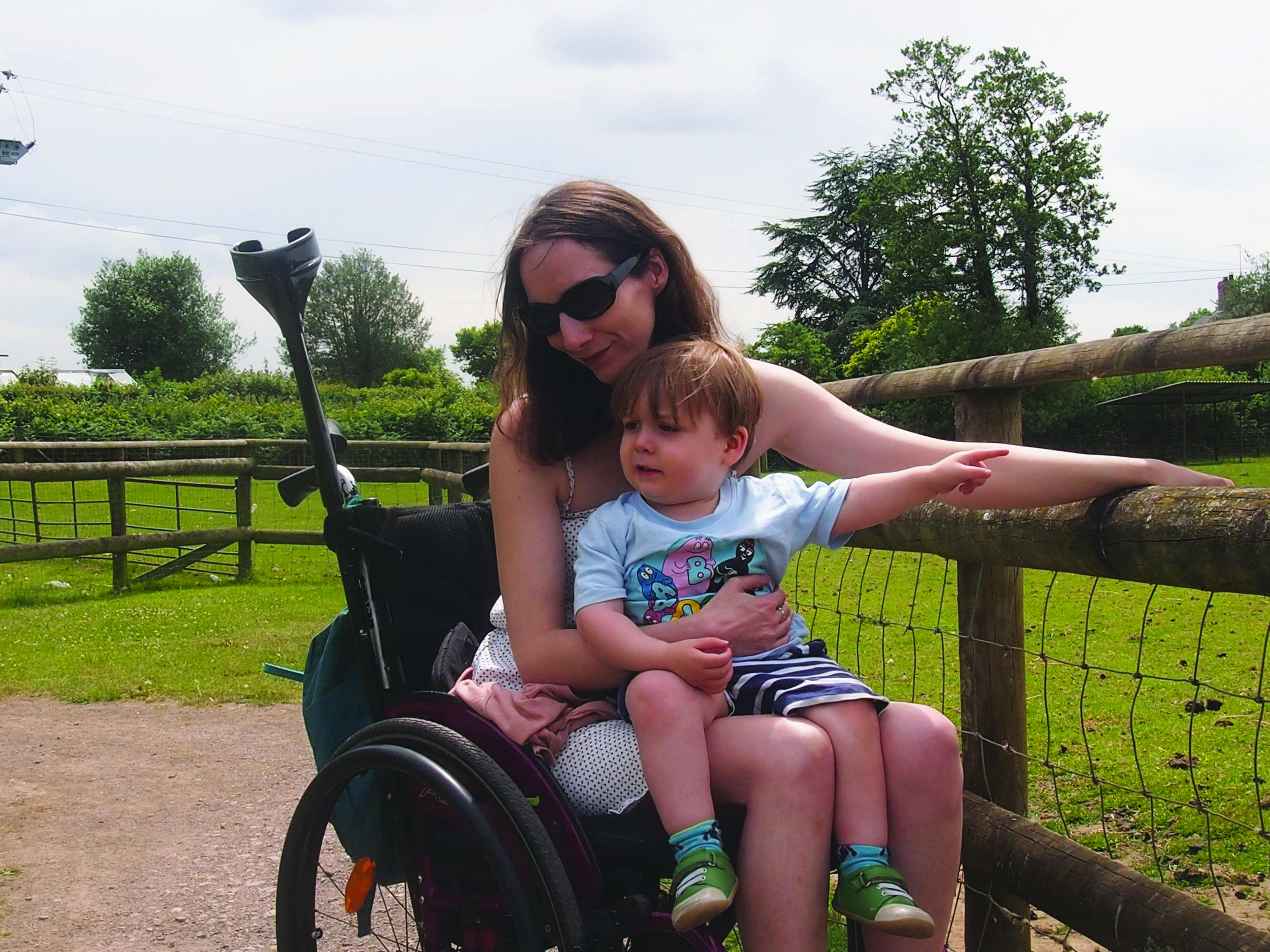
I have always had a love of science and always knew I wanted to be a mother. I’ve managed to combine a career in neuroscience with motherhood although at a numerous points over the years I questioned whether I would be able to have either, let alone both.

{credit}Seralynne Vann{/credit}


Continue reading

The faculty series: Top 10 tips on managing your time as a PI

Good lab organisation is the best way to keep your research output up, and your stress levels down.

Becoming a new faculty member is, as we’ve discussed in this series, hard. You have to demonstrate a cornucopia of scientific, interpersonal, organisational and management skills, and plan out high-level research regularly. Good science is the ultimate goal of this, and for your lab to produce good science, you have to make sure that all of the cogs in your research machine are turning smoothly.

With that in mind, here are ten tips that will help your lab stay organised, so you can focus on the research. That’s why you’re in academia, after all.

1. Keep a detailed calendar and stick to it
A good calendar will be the single most important thing to you when it comes to time management – keep it updated regularly, and share it with your colleagues so they know your availability. If you want some time for ‘open’ work – reading or writing or data analysis – make sure to schedule this on your calendar as well.

2. Standardise every group member’s output
Make templates for documents like progress or experiment reports, and encourage the entire lab to use them. It may take you a while initially, but it will save everyone in your lab a lot of time once they’re all working off of the same documents.

Close-up of a calendar. Organiser. Scheduling. Wall planner. Days of the month. Year planner. Grid. Squares. Calendar. Timetabling.

3. Use a shared, organised filing system
Instead of everyone shooting emails back and forth asking for this or that piece of information, encourage your lab to use a shared filing system that everyone knows how to use. Keeping it organised is just as important as actually having the system in place, so spend some time working out the best way to structure everything with your lab members. Continue reading

The faculty series: A case study

Be pro-active and prepare for long shifts if you want to land a lectureship. That’s how Samantha Terry did it.

Guest contributor Samantha Terry

I have been a scientific researcher for the past 10 years and started as a lecturer at King’s College London in September 2015. Friends said I did well to land my dream job at 30 at a great university. They’re right; but it wasn’t an easy road to get to where I am today.

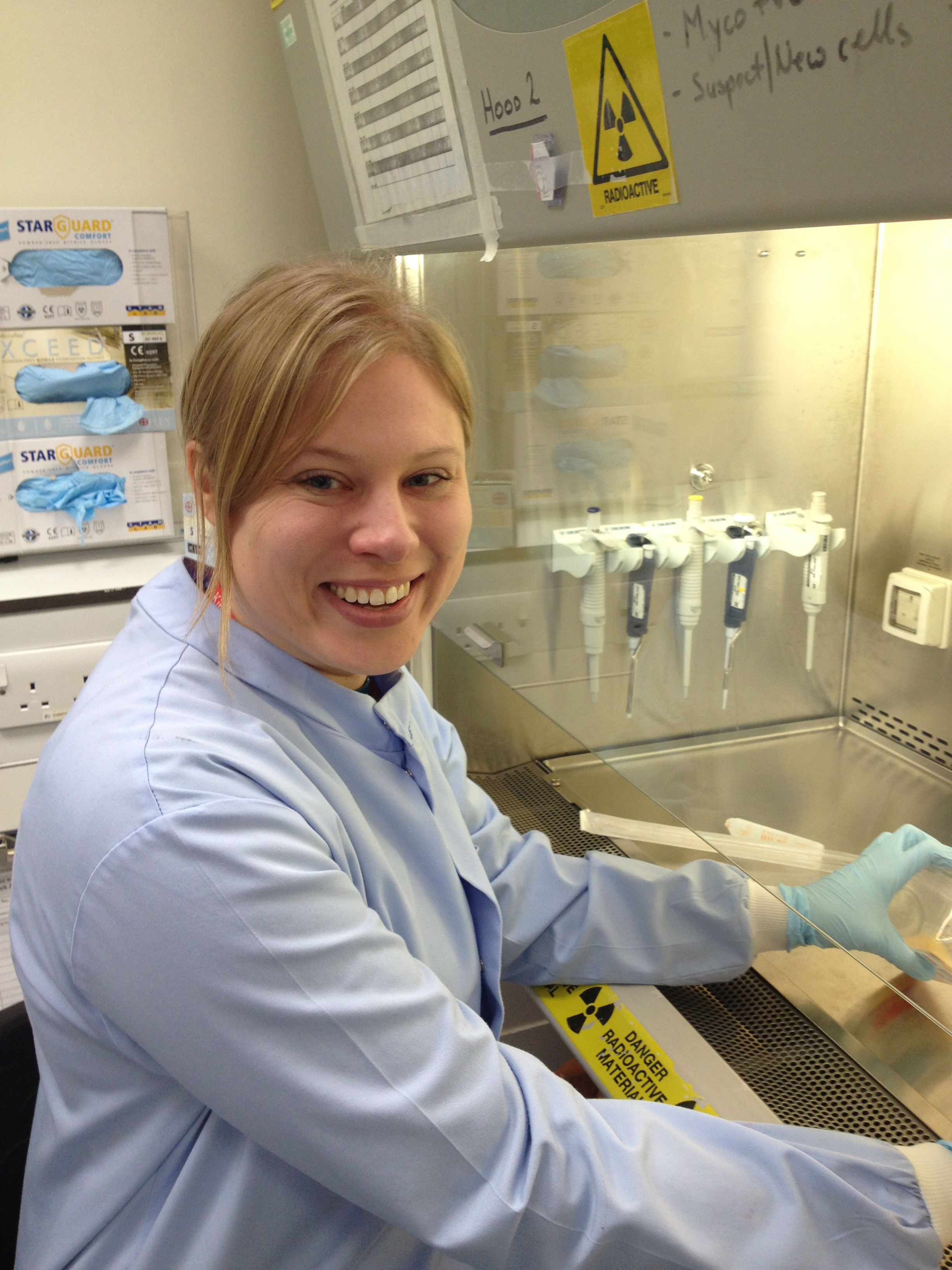
photo me in lab-2

Samantha in her lab

I completed my undergrad in cell biology in 2006, went straight into a 3-year PhD in radiobiology, and then completed three short postdocs at the University of Oxford, at the Radboud University Medical Centre in the Netherlands and finally at King’s College London.

As with any job, during my postdoc I was surrounded by friends and colleagues who, like me, all wanted to move up and land that most sacred of jobs: a permanent research position in academia. We often discussed what employers were asking during interviews for lectureships and how we could maximise our chances of becoming a lecturer. Here’s what I’ve learned so far.


Continue reading

The faculty series: Learning to collaborate

Collaborations are the key to success in modern scientific research, says Michelle Ma.

Guest contributor Michelle Ma

In contemporary science, collaborative research is the norm. The majority of my work as a PhD student, a postdoc and most recently as a research fellow has involved collaboration with physicists, engineers, pharmacists, biologists and clinicians, from the fields of cancer diagnosis to dye-sensitised solar cells. Whilst I occasionally endure nostalgia on a bygone era where a single scientist or a solitary duo authored papers, today research happens in teams. This is perhaps a result of the current climate: innovative science that will provide public benefit needs a range of different skills.

Michelle Ma-medium

Michelle in her lab

I’m a research chemist and aim to develop new pharmaceuticals for diagnostic imaging. To show that these chemicals work, I need to undertake preclinical studies. And the best way to accomplish this is to collaborate. I synthesise new molecules, and then work with others to test them. If they have clinical utility, I need commercial collaborators to develop them so they meet pharmaceutical requirements, and I need clinical collaborators to take the compounds all the way into a clinic where they can help people. In short, if I want to make a difference, I can’t be a one-man-band. Continue reading

The faculty series: Applying for a job

Postdocs take the plunge into faculty positions and share their experiences with Naturejobs.

Applying for any job can be a daunting and exhausting task, but it’s especially tough for postdocs looking to begin the step up into a tenure-track position. What really stuck Brain Kelch, an assistant professor of biology and molecular pharmacology at the University of Massachusetts (UMass), was how emotional the process was for him. “It was very confusing,” he says. “There’s this rollercoaster, with meteoric highs and crushing lows. I’ve never experienced anything like that.”

running a Growth

{credit}Thinkstock{/credit}

Whilst it’s tough, prospective candidates can do a lot to improve their chances when applying for positions. This could include demonstrating ability and willingness to contribute to the field and the department; publishing results and attracting financial support.

For Samantha Terry, who became a lecturer in radiation biology in September this year at the Centre for Doctoral Training (CDT) in medical imaging at King’s College London (KCL), landing a faculty position is all about being pro-active. “You need to show you can already do the job, before you get the job,” she says. For Terry, this meant doing as much teaching as she could in her postdoc positions, as well as setting up a committee of fellow postdocs to meet and provide support and assistance to each other, and to organize training and networking events. It also meant applying for travel and research grants, and filling her CV with as many accolades and details as she could. “It’s all about getting those boxes ticked,” she adds. Continue reading