Abandon ship, or learn to swim: the gamble young scientists must make

For scientists, there’s nothing more frightening than a major grant rejection. With the scarcity of funding at the forefront of everyone’s thoughts, it’s time to talk about options, says Atma Ivancevic.

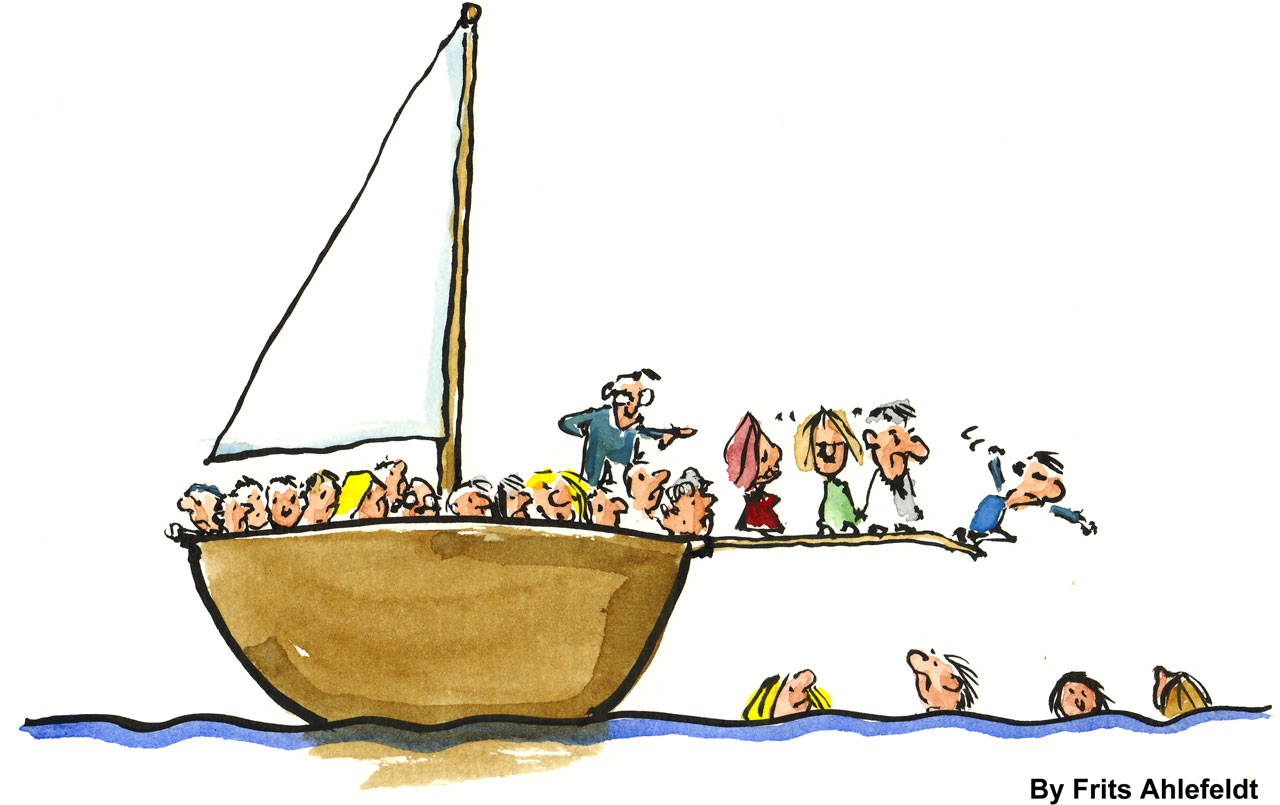
Job stability and a career in research are rarely put together. Science is a windy, grueling, uphill climb that might end abruptly at the edge of a cliff. Halloween is a particularly scary time for Australian scientists, as it signals the release of #NHMRC project grant results. Right now, many laboratories are facing difficult decisions due to rejected funding for next year. It’s not a surprise — we see it everywhere — yet it’s a shock that affects the entire scientific community. For early career researchers across the globe, it’s a timely reminder to carefully consider and plan for the future.

So, what are your options?
 

fritsahlefeldt

Continue reading

Turning scientific scrutiny on science itself

A proactive approach could help researchers contribute to solving many of the problems they encounter in academia

Naturejobs journalism competition winner Jiska van der Reest

microscope-385364_1920

Continue reading

Adios to academia

By Virginia Gewin

US science and engineering PhD students are losing interest in academic careers because their career preferences change throughout their training, finds a study – not because of limited faculty-job availability.

Lab-naturejobs-blog

{credit} Getty Images Ryan Mcvay{/credit}

Continue reading

Broken dreams

By Paul Smaglik

US postdocs are less satisfied with their lives than are the general public and people in some developing countries, according to a recent survey. Of the survey’s 190 participants, 30% said that they would not recommend postdoctoral training for their peers, and 20% said that they changed their career goals during their postdoc.

glasses-1611121_1920

{credit}Keron Greene{/credit}

The survey, published this month in F1000Research, an open-publishing platform, reflects a deep disenchantment with the US postdoctoral programme, perhaps because so many postdocs initially hope that their training will result in tenure-track positions that don’t materialise. While the number of postdoc positions has tripled since 1979, the number of available tenure-track positions has not increased to accommodate them. In the United States, 65% of all PhD holders pursue postdocs, but only 15-20% of those attain a tenure-track position (Nature, 2015; 528 (7580): 22–25). Continue reading

Career success: Reframe your thinking

Junior researchers must abandon the notion that an academic science career is the only one that counts, says Sharon Milgram, director of the Office of Intramural Training and Education at the US National Institutes of Health (NIH) in Bethesda, Maryland. At the same time, she says, it is also crucial to know how to reach out to others and how to talk with them one-on-one, and how to develop and maintain resilience.

Knowledge-sharing

{credit}Asonlobo/Wikipedia; CC-BY-SA-4.0{/credit}

Continue reading

Should you join a start-up company after academia?

A career in a start-up company is more than just risk, discovers Idil Cazimoglu.

This piece was one of two winners of the Science Innovation Union writing competition, Oxford.

“Risky.”

My housemate, now in the final year of his PhD, had a one-word answer to my question “Would you consider working in a start-up company after you graduate?”

Intrigued, I posed this question to fellow PhD students in various disciplines over the following weeks, and received similar answers including “I don’t want to live in uncertainty,” “No job security,” “Academia is more stable,” and, memorably, “I’d rather go bungee jumping.”

rocket-1122402_1920

Not everything launches so smoothly

Continue reading

Gender gap in US science PhD degrees persists

It’s no surprise that the number of PhD degrees in scientific and related disciplines conferred upon US students has leapt by half in the past decade — from about 18,000 in 2006 to more than 27,000 in 2016 — according to a recent report. But “Snapshot Report – Science and Engineering Degree Completion by Gender,” released last month by the National Student Clearinghouse Research Center in Herndon, Virginia, shows that the proportion of women who earn those degrees has stayed stagnant — at a dismal 39%.


microscope

Credit: CORBIS

Continue reading

Academic housekeeping: Women’s work?

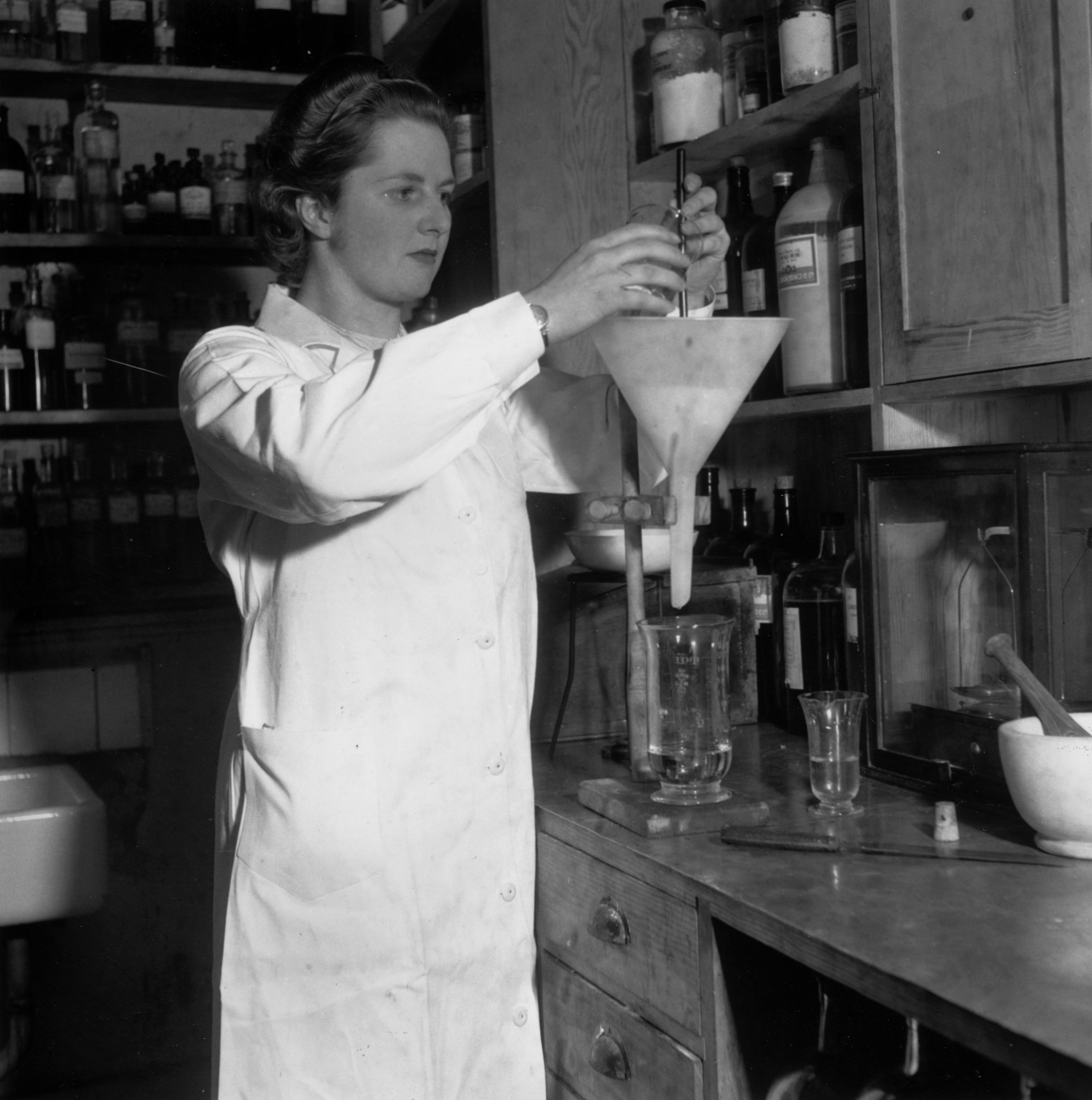
Margaret Thatcher

Margeret Thatcher at work as a research chemist in 1950.{credit}Christ Water/Getty{/credit}

Despite recent strides toward gender equity in academia, US female faculty members continue to perform more uncompensated service than do male faculty members, according to a new study in the journal Research in Higher Education.

Continue reading

The next generation of science outreach

Increased communication and outreach efforts require changes in the structure and culture of academic science, says Nicole Forrester.

In the wake of the US presidential election in November 2017, the scientific community has recognized that it has fallen short in communicating the value of science and research. As a result, scientists are now calling for increased public outreach and communication efforts. While this awareness is important, the path forward is not entirely clear.

pexels-photo-77984-smaller Continue reading

What I learnt from researching in Germany

Mit Bhavsar shares his thoughts on working in the German scientific environment

I’ve always been fascinated with medical research, which brought me from Ahmedabad, India, to Frankfurt (via Aachen, Düsseldorf and Göttingen) to pursue a Masters and a PhD in neuroscience. Germany boasts an excellent research ecosystem across the private and public sectors, with strong collaboration between each. Consequently, there are attractive career opportunities for local and international researchers, especially in a world where two of the west’s other major research hubs – the UK and the US – appear to be trending against science, evidence, and intellectualism. Having spent seven years here, this is what you need to know about research in Germany.

biomedical research-smaller

Credit: Getty/Andrew Brookes

Continue reading