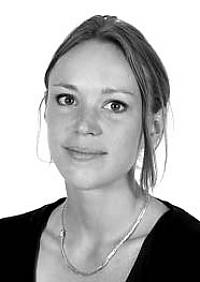
Roma Agrawal on bridging the diversity gap in engineering and inspiring a future generation

Roma Agrawal: "We have to make sure stereotypes don’t get in the way of future choices.”

Roma Agrawal: “We have to make sure stereotypes don’t get in the way of future choices.” (Image courtesy of Nicola Evans, WSP)

Roma is an Associate Structural Engineer at WSP where she spent six years working on The Shard. Roma has a BA in Physics from the University of Oxford and an MSc in Structural Engineering from Imperial College.

She was awarded the ‘Diamond Award for Engineering Excellence’ and is an M&S Leading Lady. Roma was the only woman featured on Channel 4’s documentary, ‘The Tallest Tower’. 

Outside work, she promotes engineering careers to young people. She is a founding member of the Your Life campaign and has spoken to more than 3000 people at over 50 organisations in the last three years. She enjoys Indian classical, ballroom and Latin dancing, yoga, reading and baking. You can follow her on twitter @RomaTheEngineer and find out more at www.RomaTheEngineer.com.

When a young Roma Agrawal moved from her hometown of Mumbai in India to London, she could never have imagined that years later her ideas would be helping shape the future skyline of the capital. A maths and science whizz at school, with a childhood passion for design, technology and all things LEGO, she was encouraged by her teachers to go on to study physics at the University of Oxford.

At Oxford, Agrawal found her interests for design and science were a perfect fit to pursue a career in structural engineering. “I had no idea what I wanted to do when I grew up. I was fortunate that the teachers at my school were very encouraging of girls wanting to go on to study maths and science,” says Agrawal.

It was this encouragement throughout her education that sticks with her today and remains a source of inspiration for many of her projects. As one of a small team of structural engineers at WSP, who worked on the city’s most iconic building, The Shard, Agrawal’s profile quickly rocketed into the media spotlight. Yet it was with this attention that opportunity rose. Promoting engineering, scientific and technical careers to young people and under-represented groups, particularly women, became a priority and Agrawal was the perfect role model to do this.

Continue reading

Nature vs Nurture: Girls and STEM

This article was written by Zuleyka Zevallos, Buddhini Samarasinghe and Rajini Rao.

Dr. Zuleyka Zevallos is a research and social media consultant with a PhD in Sociology. Dr. Buddhini Samarasinghe is a molecular biologist specialising in cancer research. Professor Rajini Rao is a research scientist and graduate program director at Johns Hopkins University. Together they manage STEM Women, a website dedicated to highlighting the issues facing women in STEM. Follow them on Twitter and Google+

In a New England pub after a conference, our male academic colleagues shrug their collective shoulders at the gender imbalance; in their opinion, women drop out of science because their hormones make them “different”. As women in science know all too well, similar examples of bias abound in academia. We read with familiar dismay, therefore, the arguments that girls find science “boring,” that attempts to bridge the gender divide “deny human biology and nature,” and that efforts to achieve gender equality in the Science, Technology, Engineering and Mathematics (STEM) fields are doomed. Attributing the gender gap to biology misses the obvious contribution of societal and institutional biases.

The “girls are not interested in STEM” mantra is itself an example. Knowledge of a prejudicial stereotype can lead to enough anxiety that it becomes a self-fulfilling prophecy. Although initially applied to racial bias in IQ tests, ‘stereotype threat’ can be extended to gender as well. Negative stereotypes are transmitted from parents and teachers to girls. Reminding girls that they are girls just before a math test can impede their performance. This effect can be seen in children as young as age five. The key point is that as adults, we are able to view stereotypes as generalisations about a group. Unfortunately, young children are more accepting of stereotypes, and may implicitly believe that girls are indeed poor at STEM subjects. As girls grow up, these stereotypes affect their identities as STEM professionals. So how do these stereotypes take shape?

The Draw a Scientist Test (DAST) shows that science stereotypes are socialised from an early age. The test has its origins in a pilot study from 1957, in which high school students were asked to describe their image of a scientist. Subsequent research from the 1960s onwards has examined a timeline of when this image is cemented. This research finds that children in kindergarten and the first grade are less likely to draw a stereotypical scientist; that is, a White man with facial hair, who wears a lab coat and glasses, and who is surrounded by lab equipment, formulae and books, making a “Eureka!” style exclamation. By the second grade, however, “the stereotype has began to take root,” due to a combination of how science is taught at school as well as through media images and social ideas and expectations that children pick up from parents, teachers and other influences. By the fifth grade, the stereotype is overwhelmingly fixed. A review study of 50 years worth of international research on the DAST demonstrates that, across cultures, “the stereotype of scientists being male has largely endured since 1957.” More specifically, the research shows that in Western cultures, this image is of a White male, even amongst minority students. However, children exposed to female scientists, via a combination of visits by women scientists in the classroom and by talks and readings about women’s contribution to science and their careers, are more likely to draw both women and men as scientists. Studies demonstrate that teachers themselves can contribute to these stereotypes, by giving boys more attention in class, and by rating their abilities higher than girls, even when girls get the same test scores as boys. Conversely, “intervention programs” for teachers, including career information and weekly visits by women researchers to the classroom, as well as short courses with follow-up visits, are subsequently less likely to result in stereotypical DAST results amongst students. This is because the teacher’s bias has been actively addressed, leading to the reinforcement of diversity in their teaching.

Despite the fact that people are socialised into believing that girls can’t do science, popular culture blames the individual; young girls are often chastised Don’t get your dress dirty, or Be careful, why don’t you hand that to your brother, as a recent viral video reminded us. If only girls were more confident. If only girls spoke up and asked more questions in class. If only they actively looked for mentors. Then they could easily overcome this stereotype threat and perform just as well as boys in STEM subjects. Unfortunately this “leaning in” viewpoint is naive because it ignores the institutional disadvantages contributing to the academic exclusion of women and minorities.

Sexual harassment is widespread in academic fieldwork. Women trainees are the primary targets with the perpetrators being predominantly senior professional males. Female undergraduates in male dominated fields report higher levels of sex discrimination, and are more likely to consider changing majors. Another study showed that high-achieving male biologists train fewer women than men in their laboratories, and that these men predominantly fill Assistant Professor slots in academia. In the same study, biomedical science male postdocs are 90% more likely than women to have an adviser who is a Nobel laureate. Not only is there a ‘leaky pipeline’ problem, the plumbing itself is broken.
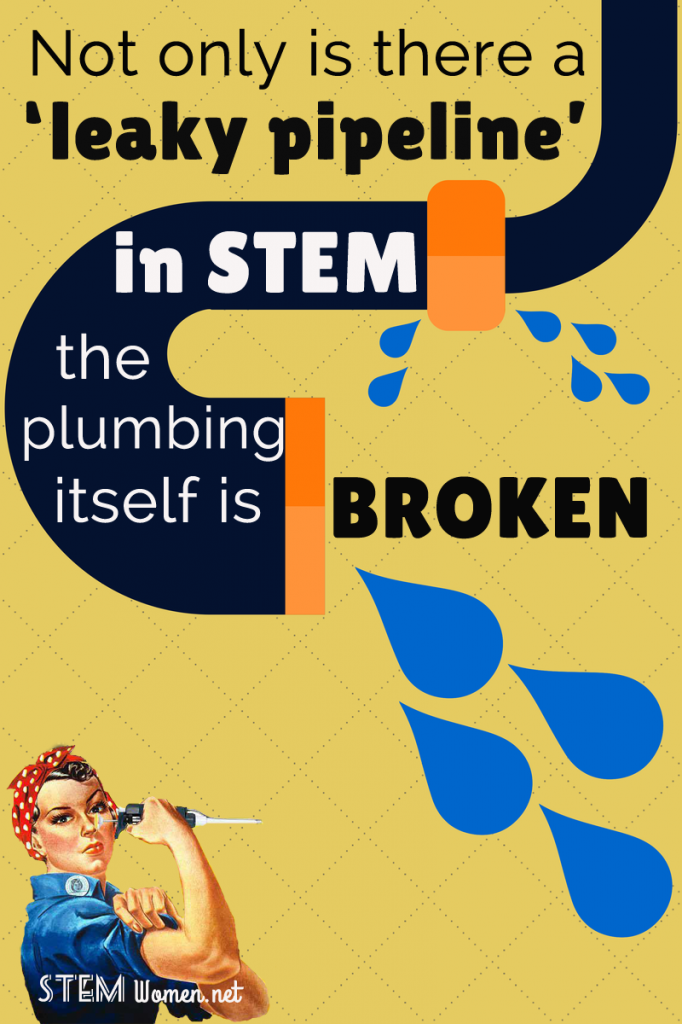
Image Courtesy of www.stemwomen.net

Image Courtesy of www.stemwomen.net

Continue reading

Jon Spaihts: Hollywood’s go-to science fiction screenwriter on the importance of science in filmmaking

Jon Spaihts

Hollywood’s go-to science fiction writer.

Jon Spaihts is the screenwriter of The Darkest Hour, Ridley Scott’s Prometheus and the upcoming Passengers and The Mummy. The one-time physics student and science writer has become one of the go-to writers for hard science fiction and space epics in Hollywood. He is currently working on a remake of Disney’s classic, The Black Hole and is writing Marvel’s forthcoming movie Doctor Strange.

Jon also features in today’s OSAM blog: Behind the Science of Hollywood

Here Jon speaks to Alex Jackson on collaborative work with scientists on film, the importance of science in filmmaking and finding the right balance between scientific practice, current knowledge and future developments with the demands of fine storytelling.

What experiences of working with scientists in the screenwriting process, do you have?

Much of the collaboration I’ve done with scientists is related to projects still in development – so there’s only so much I’m allowed to talk about them.

For example, I’m currently working on a remake of Disney’s classic, The Black Hole. It raises critical questions about robotics, artificial intelligence, interstellar travel, singularities, quantum mechanics, and string theory. Quite a to-do list! We’ve convened a panel of remarkable scientists to help us think through the scientific issues.

Continue reading

Bill Bryson: A champion of science and science communication

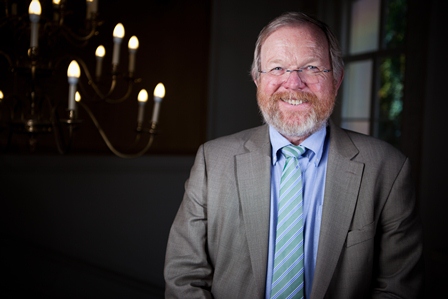
A passionate science advocate: best-selling US author Bill Bryson. Image courtesy of the Royal Society

A passionate science advocate: best-selling US author Bill Bryson. Image courtesy of the Royal Society.

Bill Bryson’s bestselling travel books include The Lost Continent, A Walk in the Woods and Notes from a Small Island, which in a national poll was voted the book that best represents Britain.

His acclaimed book on the history of science, A Short History of Nearly Everything, won the Royal Society’s Aventis Prize as well as the Descartes Prize, the European Union’s highest literary award.

He has written books on language, on Shakespeare, and on his own childhood in the memoir The Life and Times of the Thunderbolt Kid.

His last critically lauded bestseller was At Home: a Short History of Private Life and his most recent book, One Summer: America 1927 chronicles a forgotten summer when America came of age and changed the world for ever.

He was born in the American Midwest, and lives in the UK.

It is over a decade since popular US author Bill Bryson embarked on his eye-opening journey of research for the acclaimed science book ‘A Short History of Nearly Everything’. At that time, he could never have envisaged the popularity and esteem his book would be held in today.

With Bryson’s impeccable wit, charm and honesty, he managed to open up a world of science that was accessible and revealing in equal measure. And yet, in writing the book, Bryson was faced with narrative adjustments and the trepidation of not knowing many of the fields he intended to cover.

Continue reading

MakerBot CEO Bre Pettis on 3D Printing and the DIY Spirit

"3D Printing is a tinkerer's dream and it’s the DIY Holy Grail to make something that creates things."

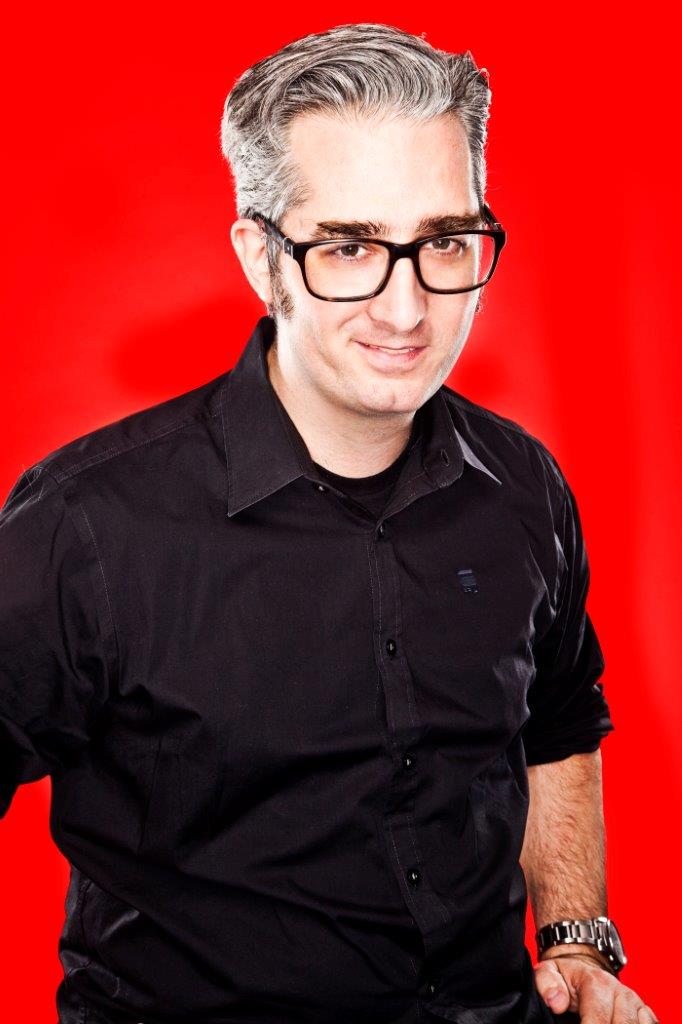
“3D Printing is a tinkerer’s dream and it’s the DIY Holy Grail to make something that creates things.” Image courtesy of MakerBot.

Bre Pettis is the CEO of MakerBot, a company that produces 3D printers, which he co-founded in 2009. Pettis also co-founded the Brooklyn hacker collective NYC Resistor, where MakerBot technology was first created, tested, and proven.

In 2006, Bre started the popular “Weekend Projects” video podcast for Make: Magazine, where he taught millions of viewers to make things from pinhole cameras to bicycles to hovercrafts. He also introduced the blog at the popular online handcrafts marketplace, Etsy. Prior to both endeavors, Bre was an art teacher in the Seattle Public Schools system.

In 2012, Bre was honored with the Disruptive Innovation Award from the Tribeca Film Festival, for “creating an entire ecosystem for desktop 3D printing.”

Since its launch in 2009, MakerBot has positioned itself in the 3D printing community as a leader in DIY production. Co-founded by former public school art teacher Bre Pettis, MakerBot facilitates the dreams of tinkerers and the curious minded with nothing more than corn-based plastic and an idea.

Continue reading

World Wildlife Fund’s Dr Brendan Fisher on improving fish diversity and conservation agriculture in Mozambique

Dr. Brendan Fisher is a research scientist at the World Wildlife Fund. His research and fieldwork lie at the nexus of conservation, development, and natural resource economics. Brendan is the author of over 50 peer-reviewed articles on topics such as poverty, human welfare, ecosystem services and biological conservation, and the co-author of two books, Valuing Ecosystem Services (Earthscan, London, 2008) and A Field Guide to Economics for Conservationists (Forthcoming, Roberts and Company). 

He is a Fellow of the Gund Institute at the University of Vermont and a Fellow at the Centre for Social and Economic Research on the Global Environment (CSERGE) at the University of East Anglia.  He was recently a Rockefeller Bellagio Fellow working on relationships between the ecological conditions of coastal regions, gender inequality and childhood health.  When he’s not working he spends most of his time hiking, skiing, and enjoying the Vermont outdoors with his wife and three children.

Continue reading

Emily Anthes discusses how biotechnology is shaping the future of our furry and feathered friends

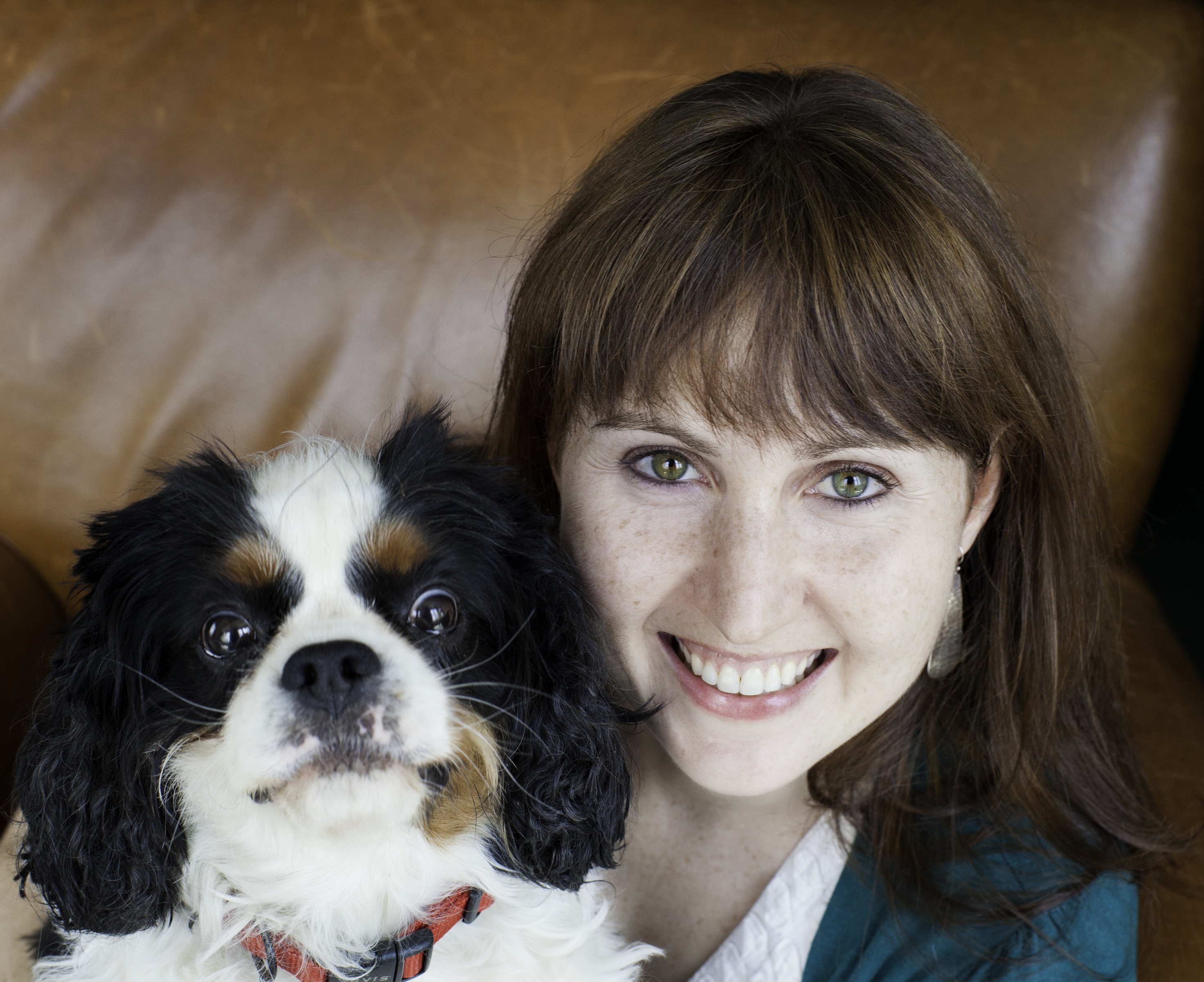
American science journalist and author Emily Anthes with her dog, Milo. Image Courtesy of Nina Subin.

American science journalist and author Emily Anthes with her dog, Milo.
Image Courtesy of Nina Subin.

Emily Anthes is a science journalist and author. Her work has appeared in The New York Times, Wired, Scientific American, Psychology Today, BBC Future, SEED, Discover, Popular Science, Slate, The Boston Globe, and elsewhere.

Her book, Frankenstein’s Cat: Cuddling Up to Biotech’s Brave New Beasts, is out in paperback today published by Scientific American/Farrar, Straus and Giroux. It received the 2014 AAAS/Subaru SB&F Prize for Excellence in Science Books. 

Emily is also the author of the Instant Egghead Guide: The Mind (St. Martin’s Press, 2009).

Her blog post, “When a deaf man has Tourette’s,” was selected for inclusion in The Open Laboratory 2010: The Best of Science Writing on the Web.  

Emily has a master’s degree in science writing from MIT and a bachelor’s degree in the history of science and medicine from Yale, where she also studied creative writing. She lives in Brooklyn, New York with her dog, Milo.

Continue reading

Chief Scientific Adviser to the European Commission discusses evidence-based policy and nurturing and supporting a European scientific culture

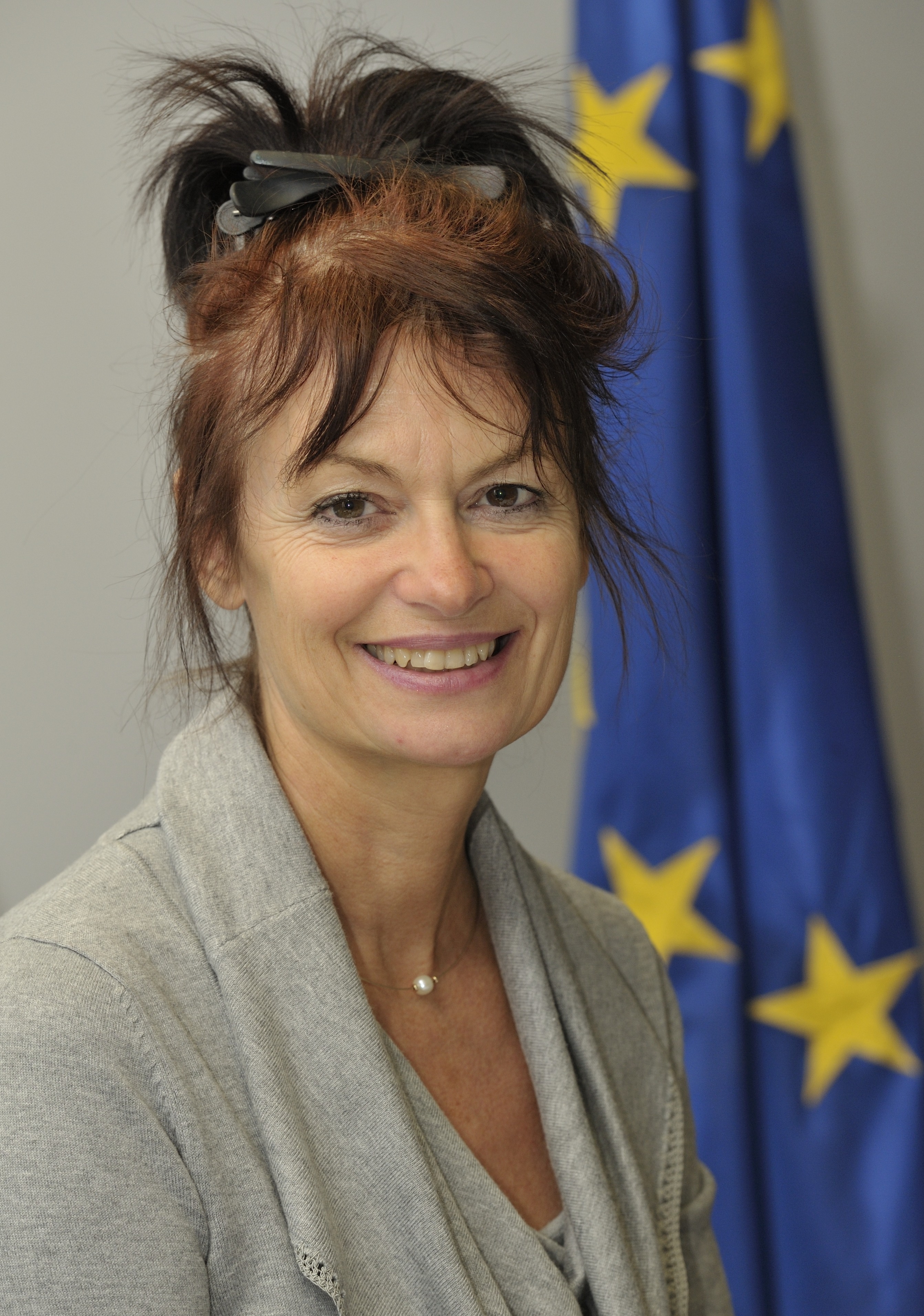
"The policy world very much mirrors what we do in science today."  Image: (c) European Union

“The policy world very much mirrors what we do in science today.” Image: (c) European Union

Professor Anne Glover joined the European Commission as Chief Scientific Adviser to the President in January 2012, and is the first person to hold this position.

In this role she advises the President on any aspect of science and technology, liaises with other science advisory bodies of the Commission, the Member States and beyond, coordinates science and technology foresight, and promotes the European culture of science to a wide audience, conveying the excitement and relevance of science to non-scientists. She also chairs the recently established Science & Technology Advisory Council of the President.

Prior to her current appointment she was Chief Scientific Adviser for Scotland from 2006-2011. Professor Glover currently holds a Personal Chair of Molecular and Cell Biology at the University of Aberdeen. Most of her academic career has been spent at the University of Aberdeen where she has a research group pursuing a variety of areas from microbial diversity to the development and application of whole cell biosensors (biological sensors) for environmental monitoring and investigating how organisms respond to stress at a cellular level.

Professor Glover holds several honorary doctoral degrees and is an elected Fellow of the Royal Society of Edinburgh, the Society of Biology, the Royal Society of Arts and the American Academy of Microbiology. Professor Glover was recognised in March 2008 as a Woman of Outstanding Achievement in the UK and was awarded a CBE for services to Environmental Science in the Queen’s New Years Honours list 2009.

When Professor Anne Glover finished her five-year term as Chief Scientific Adviser for Scotland, the biologist was lauded for not only raising the visibility of science in Scotland and the UK, but for further increasing the role of scientific evidence in the policy-making process.

These fruitful five years led her to the challenging and geographically diverse role of Chief Scientific Adviser to the European Commission (EC), which she leaves after three years in the position, at the end of 2014. As the first ever scientist to be tasked with the responsibility of independently advising politicians and policy-makers governing more than 500m people across 28 member states, this was no easy assignment.

Continue reading

Naked Neuroscience: Dr Hannah Critchlow reflects on educating the public about Neuroscience

Hannah Critchlow: Educating people across the globe on the values of neuroscience.

Hannah Critchlow: Educating people across the globe on the values of neuroscience.

Dr Hannah Critchlow is a neuroscientist with a background in neuropsychiatry. She currently strips down the brain with the BBC broadcast Naked Scientists. Using radio, on-line channels and live events she designs, produces and presents a neuroscience-focused, interactive multimedia experience for the public.

In 2014 Hannah was named as a ‘Top 100 UK scientist’ by the Science Council for her work in science communication. In 2013 she was named as one of Cambridge University’s most ‘inspirational and successful women in science’. During her PhD she was awarded a Magdalene College, Cambridge University Fellowship, and as an undergraduate received three University prizes as Best Biologist. She previously worked as Strategic Manager for Cambridge Neuroscience and on secondment with the British Neuroscience Association.

Hannah’s choice of career stemmed from working as a nursing assistant at St Andrews Psychiatric Hospital. When not being enthused by all things brainy, Hannah spends her time splashing about by the river and living the houseboat dream.

For neuroscientist Dr Hannah Critchlow, the last 12 months have been pretty special. If being named one of Cambridge University’s most ‘inspirational and successful women in science’ late in 2013 wasn’t surprise enough, what was to follow was in her words, even more “gobsmacking.” Just days later, while in New Zealand for Christmas, Dr Critchlow was recognised by the Science Council as one of the top 100 UK scientists for her work in science communication.

Continue reading

Neil deGrasse Tyson on Cosmos and integrating science in popular culture

"science matters in our lives for us to be better shepherds of not only our civilization, but the world." Image courtesy of Patrick Eccelsine/FOX.

“Science matters in our lives for us to be better shepherds of not only our civilization, but the world.”
Image courtesy of Patrick Eccelsine/FOX.

Neil deGrasse Tyson is the Frederick P. Rose Director of the Hayden Planetarium at the Rose Center for Earth and Space and a research associate in the department of astrophysics at the American Museum of Natural History.

A popular American astrophysicist, author, science communicator and educator, Tyson hosted the science educational show NOVA ScienceNow on PBS for five years. He received a bachelor’s degree in Physics from Harvard University and a doctorate in Astrophysics from Columbia University in 1991. After spending a number of years doing post-doctorate work at Princeton University, Tyson landed a role at the Hayden Planetarium.

He is the author of several best-selling books, including Space Chronicles: Facing the Ultimate Frontier, Death By Black Hole and Other Cosmic Quandaries and the Pluto Files: The Rise and Fall of America’s Favorite Planet. In 2001, US President George W Bush appointed Tyson to the Commission on the Future of the United States Aerospace Industry. He also served another commission three years later to examine US policy on space exploration. In 2004, Tyson was awarded the NASA Distinguished Public Service Medal, the highest civilian honour bestowed by NASA. He also hosts his own podcast and radio show StarTalk.

Cosmos is truly intended for anyone with a beating heart. I haven’t checked recently whether zombies have beating hearts, but if they do – I’ll take them too,” barks Astrophysicist Neil deGrasse Tyson, with exalted hilarity.

Continue reading