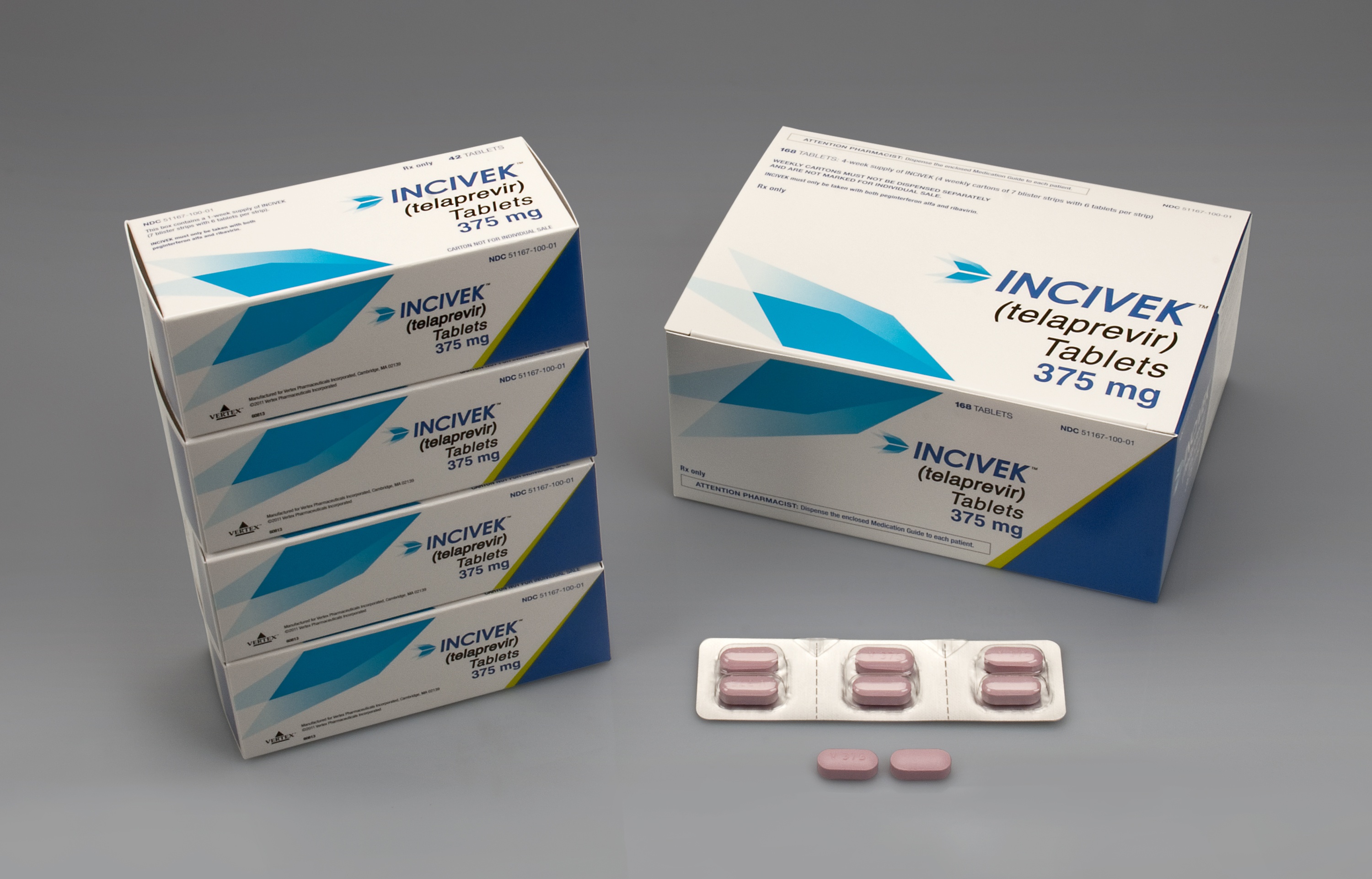
 David Proulx was diagnosed with hepatitis C in 2003, but he suspects he contracted the virus decades earlier. He injected drugs in the 1970s and picked up several tattoos when he was first incarcerated in the early 1980s. Over the years, the infection wreaked havoc on his liver. Within a year of diagnosis, he received antiviral drugs to treat the disease, but the medicine failed to eliminate the virus. Proulx had run out of options. In 2011, however, the US Food and Drug Administration approved two new medications to treat hepatitis C. Clinical trials indicated that these drugs could help individuals like Proulx who had previously failed other therapies. But Proulx can’t access them. He’s incarcerated at the Massachusetts Treatment Center within the correctional complex in Bridgewater, and the state has not yet begun administering the new medications to inmates, according to Joel Thompson, a lawyer and prisoner advocate based in Boston.
The hepatitis C virus is the leading cause of liver cancer and the most common blood-borne infection in the US, affecting approximately 3.2 million people. Among prisoners, the infection is rampant. Between 12% and 30% of the roughly 1.6 million people living in state or federal prisons in the US are infected with the virus, as a result of exposures such as injection drug use and unsafe tattooing.
Fortunately, the infection can be cured. Antivirals can eliminate the infection in about half of all cases. Adding to the case to treat incarcerated individuals, a paper published this month by researchers at the University of Wisconsin–Madison concluded that inmates receiving traditional hepatitis C therapy fare just as well as individuals being treated in the community (Hepatology 56, 1252–1260, 2012). However, the newest, most effective medicines cost tens of thousands of dollars. Today, prison officials are facing tough choices about which inmates to treat and which medicines to administer.
“Prisoners are guaranteed access to community-standard health care,” says Josiah Rich, an infectious disease expert at Brown University’s Alpert Medical School in Providence, Rhode Island, and director of the university’s Center for Prisoner Health and Human Rights. But “this community-standard treatment is now, all of a sudden, god-awful expensive.”
Budget buster
The American Association for the Study of Liver Diseases, a Virginia-based professional society for hepatologists, now recommends that people infected with the most common strain of hepatitis C receive the traditional combination of two antiviral medications, pegylated interferon and ribavirin, as well as one of two new protease inhibitors approved in 2011, Victrelis (boceprevir) from New Jersey’s Merck or Incivek (telaprevir) from Massachusetts-based Vertex Pharmaceuticals. The traditional combination therapy already costs between $15,000 and $30,000 per patient, depending on the length of treatment. The new protease inhibitors will add at least $26,000 and as much as $50,000 to the cost. “It could potentially be a budget buster,” says Robert Trestman, executive director of Correctional Managed Health Care at the University of Connecticut Health Center in Farmington, which cares for inmates in the state’s penitentiaries.
Patient selection and drug adherence are additional challenges. Not every individual who is infected with hepatitis C is eligible for treatment. “They need to meet certain criteria,” says Trestman. For example, because the medications have serious side effects, individuals must have signs of liver damage to receive them. That may happen years after the initial infection. Prison officials also want to be sure that inmates can complete their treatment, which typically lasts a year, before they’re released. That’s because inmates often have trouble accessing the drugs and sticking with the complicated dosing regimen once they’re back in the community, and missing just two or three doses of the new protease inhibitors can “eliminate the significant portion of the benefits,” according to Owen Murray, vice president of offender health services at the University of Texas Medical Branch (UTMB), which provides care for most of the state’s inmates.
Continue reading →

 Before there was Twitter, there was Facebook, and before that, Friendster. And who can forget MySpace? There’s a similar trend of successive usurping technologies in the fast-moving quest to develop therapeutics capable of modifying the genome. Since the late nineties, we’ve witnessed the rise of several gene-silencing approaches, from “antisense” oligonucleotides and RNA interference (RNAi) to the latest targeted genome-editing techniques, such as those based on zinc finger nucleases or CRISPR (Clustered Regularly Interspaced Short Palindromic Repeats) technology. These rapid developments raise the stakes for companies that have wagered on a particular gene-silencing approach.