Ebola outbreak in West Africa lends urgency to recently-funded research

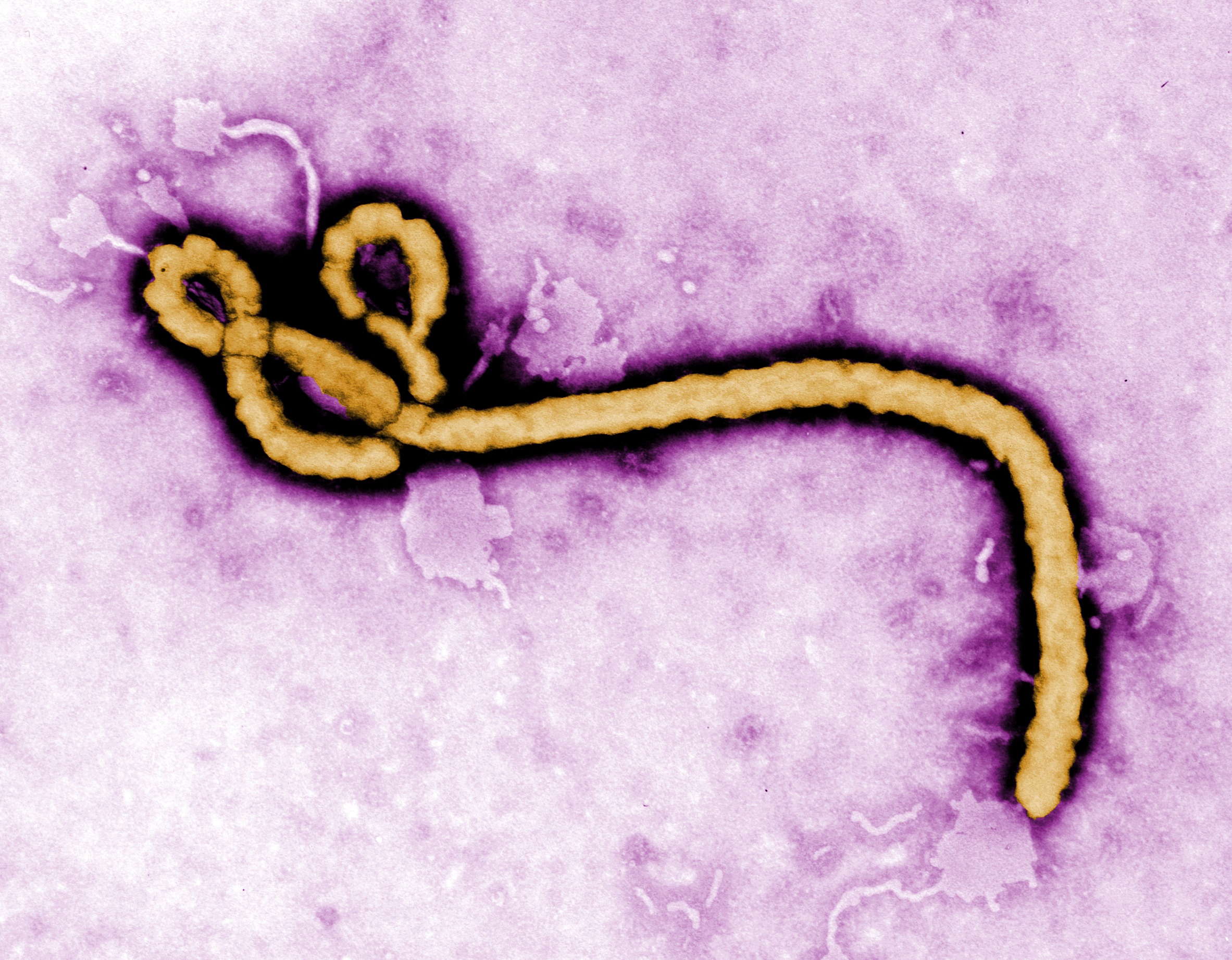
Electron micrograph of Ebola virus

Electron micrograph of Ebola virus{credit}CDC/ Frederick Murphy{/credit}

Earlier this year, the Ebola virus popped up for the first time ever in West Africa. How it got there, some 2,000 miles from previous Ebola hotspots in remote parts of Central Africa, remains a mystery. Experts are particularly concerned about the current outbreak, which has sickened more than 250 and killed at least 140, because the pathogen has made its way into Conakry, the densely populated capital city of Guinea.

Unfortunately, there are no vaccines or treatments approved to work specifically against the virus, which first emerged in the forests of Zaire (now the Democratic Republic of Congo) in 1976. The virus’s high virulence and lethality make it challenging to study, and its rarity means that any effective therapeutics that are developed will likely have limited commercial potential, leaving pharmaceutical companies little financial incentive to develop treatments against the pathogen.

Very few candidate therapeutics against Ebola have proven effective in non-human primates, the gold-standard animal model for research against such viruses. But there is, amidst the ongoing outbreak, mobilization of funding toward anti-Ebola agents that have proven their mettle in such models: last month the US National Institutes of Health announced that it was putting a combined total of more than $50 million towards a handful of the most promising approaches.

Continue reading

The WHO and humanitarian crises: an interview with Michel Yao

WHO_CAR_15MAR2014_591

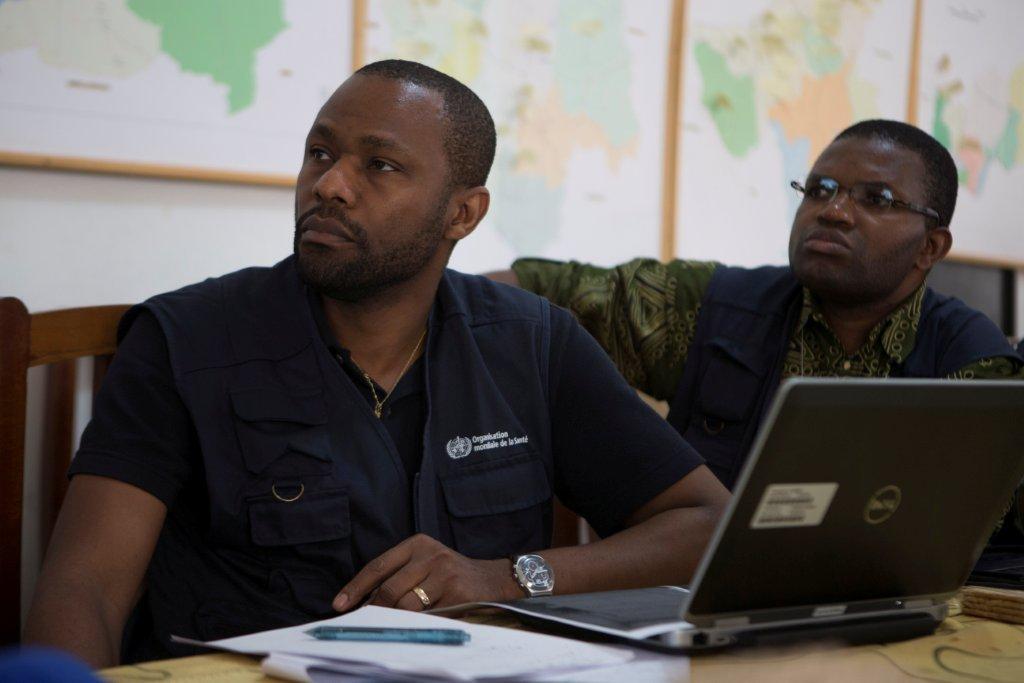
Michel Yao (left) and Etienne Minkoulou (right) at the WHO office in Bangui, Central African Republic in March 2014.
{credit}WHO/Christopher Black{/credit}

Armed conflicts and other humanitarian crises are notorious for claiming lives. But any disaster scenario can quickly go from bad to worse when health facilities are abandoned or ransacked. That’s precisely the situation brewing in the Central African Republic, where ongoing political fighting that erupted late in 2012 and intensified last December has plunged the country into chaos and devastated the health system. Many health workers have fled for safety, and looting has damaged health facilities and led to shortages of medicines and other essential supplies.

On 10 April, the United Nations Security Council voted to send peacekeeping forces to the Central African Republic. Meanwhile, the World Health Organization has been collaborating with the country’s Ministry of Health and non-governmental organizations (NGOs) to provide much-needed basic health services in the region. Michel Yao, a physician by training and the senior health security adviser for humanitarian crises at the WHO in Geneva, Switzerland, recently returned from a two-month trip to the Central African Republic. Yao spoke with Nature Medicine about the ongoing medical relief efforts in the beleaguered country.

Can you describe the current situation in the Central African Republic?

There are a huge number of people that are dying—we don’t have an exact number but we’re talking over a thousand people that have lost their lives and several thousand that have been wounded since December. Most of the health facilities have been looted, and health workers also left the health facilities, fleeing to save their own lives. So in this case, the system that is supposed to provide health services to people that are in need cannot work. As an alternative, health care is provided by the humanitarian health workers, but there are few public servants who can still work. The health facilities for the people in the capital city Bangui are more or less covered, but the main challenge remains outside of Bangui. Continue reading

As gene therapy technologies blossom, ddRNAi tries to take root

shutterstock_133184528Before there was Twitter, there was Facebook, and before that, Friendster. And who can forget MySpace? There’s a similar trend of successive usurping technologies in the fast-moving quest to develop therapeutics capable of modifying the genome. Since the late nineties, we’ve witnessed the rise of several gene-silencing approaches, from “antisense” oligonucleotides and RNA interference (RNAi) to the latest targeted genome-editing techniques, such as those based on zinc finger nucleases or CRISPR (Clustered Regularly Interspaced Short Palindromic Repeats) technology. These rapid developments raise the stakes for companies that have wagered on a particular gene-silencing approach.

Take the case of an approach known as DNA-directed RNAi (ddRNAi). In January, Australia-based Benitec Biopharma received a green light from the US Food and Drug Administration to begin the first human trial of an intravenous viral gene therapy based on ddRNAi. The therapy, dubbed TT-034, is essentially a modified form of adeno-associated virus 8, which naturally infects people but is not pathogenic. In TT-034, the viral DNA has been engineered to encode short hairpin RNAs (shRNAs) that silence three different components of the hepatitis C virus (HCV). The approach is referred to ddRNAi because the shRNA that carries out the gene silencing is continually produced by the cell from a DNA vector. Continue reading