The WHO and humanitarian crises: an interview with Michel Yao

WHO_CAR_15MAR2014_591

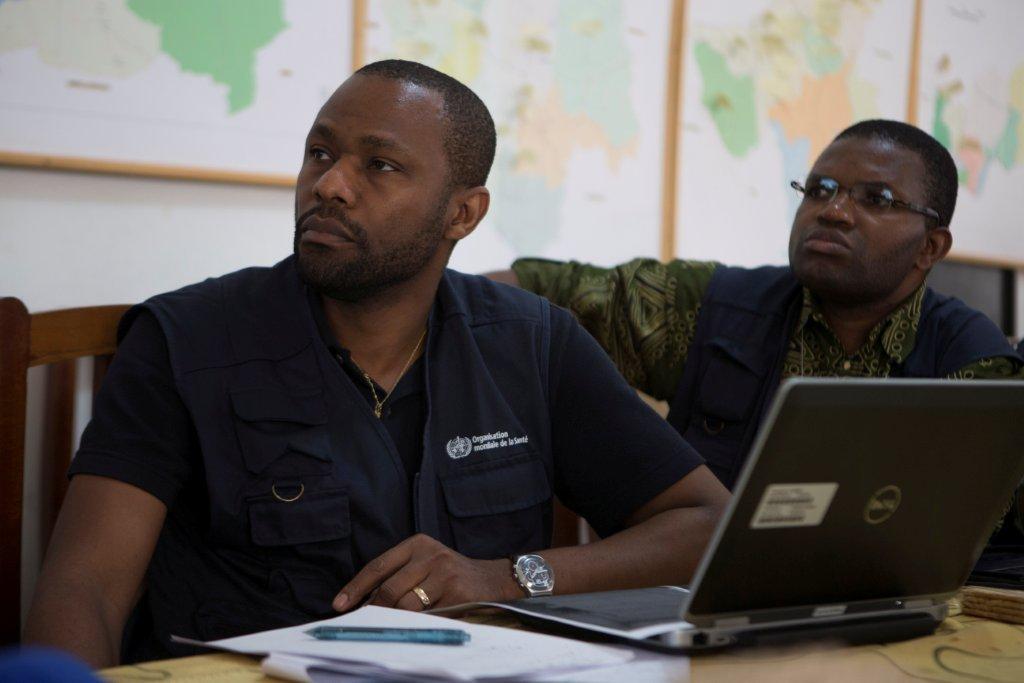
Michel Yao (left) and Etienne Minkoulou (right) at the WHO office in Bangui, Central African Republic in March 2014.
{credit}WHO/Christopher Black{/credit}

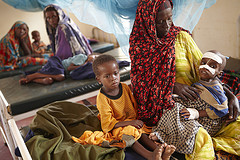
Armed conflicts and other humanitarian crises are notorious for claiming lives. But any disaster scenario can quickly go from bad to worse when health facilities are abandoned or ransacked. That’s precisely the situation brewing in the Central African Republic, where ongoing political fighting that erupted late in 2012 and intensified last December has plunged the country into chaos and devastated the health system. Many health workers have fled for safety, and looting has damaged health facilities and led to shortages of medicines and other essential supplies.

On 10 April, the United Nations Security Council voted to send peacekeeping forces to the Central African Republic. Meanwhile, the World Health Organization has been collaborating with the country’s Ministry of Health and non-governmental organizations (NGOs) to provide much-needed basic health services in the region. Michel Yao, a physician by training and the senior health security adviser for humanitarian crises at the WHO in Geneva, Switzerland, recently returned from a two-month trip to the Central African Republic. Yao spoke with Nature Medicine about the ongoing medical relief efforts in the beleaguered country.

Can you describe the current situation in the Central African Republic?

There are a huge number of people that are dying—we don’t have an exact number but we’re talking over a thousand people that have lost their lives and several thousand that have been wounded since December. Most of the health facilities have been looted, and health workers also left the health facilities, fleeing to save their own lives. So in this case, the system that is supposed to provide health services to people that are in need cannot work. As an alternative, health care is provided by the humanitarian health workers, but there are few public servants who can still work. The health facilities for the people in the capital city Bangui are more or less covered, but the main challenge remains outside of Bangui. Continue reading
Timeline of events: A brief history of what made news this year

This year has proven to be a veritable cliff-hanger for the world of biomedicine. At the same time that the US government stands poised on the brink of the so-called ‘fiscal cliff’, pharmaceutical companies are stumbling with the industry’s ‘patent cliff’ and academic researchers face the looming ‘funding cliff’. But not everything in 2012 was so dire, with dozens of new drugs to hit worldwide markets and countless discoveries made to enable the next generation of medicines. What follows are a set of ‘Cliff’s notes’ to the year that was for the field.

Brain gain: The US Department of Health and Human Services published a draft framework on 9 January laying out a national plan for fighting Alzheimer’s disease. The document, which was finalized in May 2012, calls for effectively preventing and treating the disorder by 2025. A month later, the EU’s Joint Programme in Neurodegenerative Disease Research launched a strategy to improve coordination between research and funding efforts on such diseases.

Continue reading

Antibodies found in Peruvians suggest natural resistance to rabies in local vampire bats

While attempting to better understand the exposure of rural Latin American communities to diseases harbored by bats, epidemiologists at the US Centers for Disease Control and Prevention (CDC) have stumbled upon an intriguing finding: eight people living in two tiny Peruvian villages appear to have developed antibodies against the rabies virus found in local vampire bats without any prior vaccination or treatment for the infection. This population study, the first of its kind, may provide clues to better understand how incremental exposure to rabies could lead to better vaccines or monoclonal antibody drugs.

“We think that these people were lightly bitten during the night, but were not exposed to enough of the virus to develop a full infection,” explains co-author Sergio Recuenoco, an epidemiologist at the CDC in Atlanta who published the findings today in the American Journal of Tropical Medicine and Hygiene.

The study suggests that humans are exposed to and develop antibodies against the virus without developing disease. Whether this reflects inadequate exposure or successful immune clearance of virus remains unclear, explains Ashley Banyard, a virologist at the UK Animal Health and Veterinary Laboratories Agency in Surrey, England, adding, “Personally, I believe this paper to be of great significance to the scientific community.”

The CDC initiated its survey on human exposure to bats only four years ago, prompted by new evidence at the time that these flying mammals are reservoirs of serious pathogens such as the Ebola, Nipah and Corona viruses. But unlike those viruses, virtually every known rabies infection in humans—except for a rare handful of isolated cases—has led to death. The disease causes brain inflammation, leading to a horrible end characterized by hallucinations and convulsions. Right now the only option for people infected with rabies is an expensive and painful course of therapy that can cost up to $1,000 and require five vaccine injections and an additional shot of antibodies against the virus. The World Health Organization estimates that around 55,000 people die each year from rabies, and some evidence suggests that number may climb.

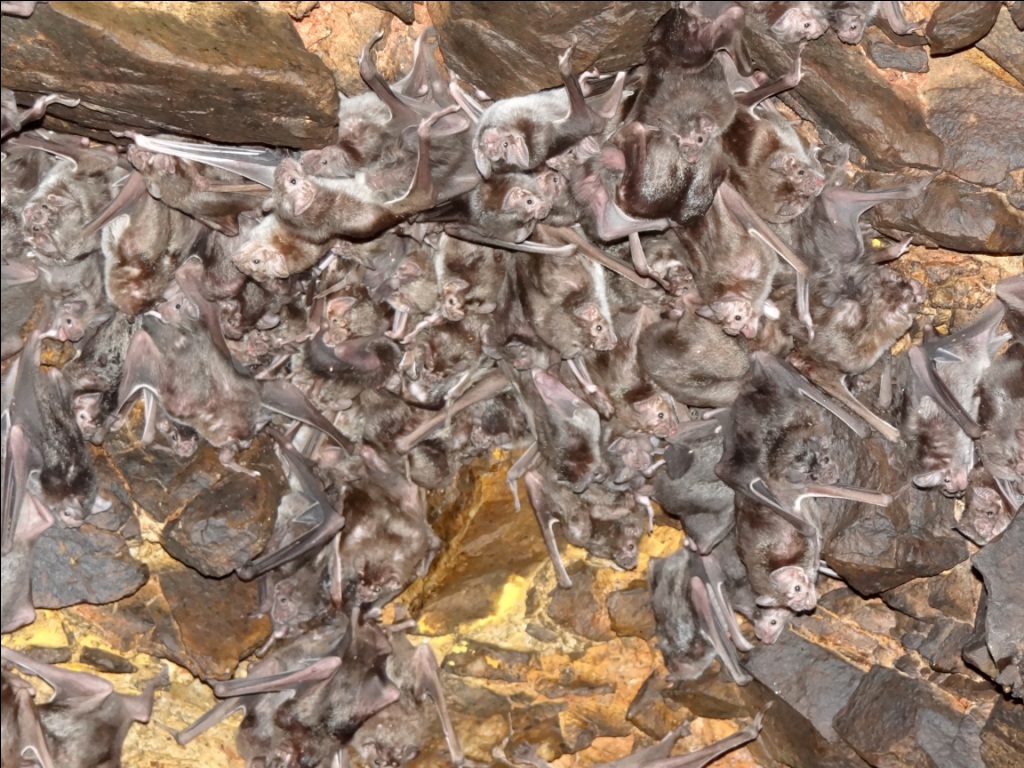
Vampire bats, which can harbor rabies, generally dine on the blood of cows and pigs. But the nocturnal creatures will bite humans if their primary food sources are unavailable. And in communities like Truenococha and Santa Marta, the two Peruvian villages in the CDC study, humans are a tasty alternative during periods when farmers have sold off their livestock.

Knowing that the Peruvians had contact with local vampire bats, CDC scientists closely examined the blood samples of the eight residents. They found a mixture of neutralizing and non-binding antibodies against rabies, leading them to deduce that the individuals had overcome exposure to the virus. As Brett Petersen, another author on the study and fellow a CDC epidemiologist, notes, better understanding these people’s immune responses could ultimately help scientists in overcoming rabies.

“A greater understanding of the process by which the people developed antibodies in this setting may help inform improved vaccine development or identify new targets for treatment,” he says.

Image courtesy of Daniel Streicker

Let the (medical) games begin: A Q&A with Olympics health director Brian McCloskey

With just three weeks to go before the Olympic flame is officially lit in London, the UK’s Health Protection Agency (HPA) announced this week that it is “Games ready”, with a rapid-response system in place to keep spectators and athletes healthy. Over the course of the 16-day event, the public health body will pinpoint and respond to any emerging health hazards or infectious disease outbreaks that may occur among the 11 million ticketholders and 15,000 athletes expected to descend upon the British capital.

Leading the effort will be the Olympics lead health director Brian McCloskey, who is also the HPA’s regional director for London. A family doctor by training, McCloskey played a major role in the agency’s emergency response to the London tube bombings in 2005 and helped craft the public health preparedness guidelines for the 2004 Olympics in Athens. Ahead of this year’s Summer Games, McCloskey spoke with Nature Medicine about the HPA’s key preparations and overarching public health challenges for the 30th Olympiad.

Which infectious diseases will you be tracking during the Games?

We will monitor all infectious diseases, but the main ones that will likely be an issue for us will be gastrointestinal diseases such as food poisoning and infectious diseases such as measles. There have been measles outbreaks in Europe and in UK in the past couple of years and those haven’t gone away.

Continue reading

Pharma backs latest attempt at a global health R&D treaty

The World Health Organization (WHO) kicks off its annual meeting in Geneva next Monday, and one of the most contentious issues on the agenda will undoubtedly be a proposed agreement to fund the development of drugs for diseases that overwhelmingly afflict the world’s poor. The proposal, outlined today in PLoS Medicine, would require the WHO’s 193 member states to commit to increase government funding for global health initiatives from the $3 billion or so spent worldwide today to more than $6 billion annually in the near-future.

To raise that money, the authors of the report, which include global health economists, industry executives and patent experts from the WHO’s Consultative Expert Working Group on Research and Development (CEWG), call for every member nation to contribute at least 0.01% of its gross domestic product (GDP) for research and development (R&D) into neglected diseases—a percentage currently paid by only one country: the US.

“Money is the new focus of this debate,” says James Love, an advocate for affordable medicines and director of Knowledge Ecology International, a social justice nonprofit based in Washington, DC. “Now that it’s about funding, governments have to start talking to each other.”

Importantly, big pharma appears to be on-board—which may pave the way for successful passage of the treaty at next week’s World Health Assembly. “We’re hearing from industry a need to reform the current system,” says CEWG chair John-Arne Røttingen, a health economist at the University of Oslo’s Institute for Health and Society who coauthored the report. Similar proposals were put forward by coalitions of member states and non-governmental organizations in 2005 and 2009, but both efforts failed to even make it to a vote after drug companies lobbied hard against proposed patent reforms that would have opened the door to more generics for a wide variety of medicines. In contrast, the current draft treaty only calls for less patent protection of treatments for diseases commonly found in the developing world, such as malaria, Chagas disease and dengue fever.

Paul Herrling, head of corporate research at Basel-based Novartis and a member of the CEWG, also notes that the proposed convention includes some incentives for the pharmaceutical industry. For example, it aims to arrange sustainable financing for companies to further develop early-stage products for neglected and tropical diseases that the firms already have in their pipelines. “Industry is willing to contribute resources to early stage R&D,” Herrling says. “But to bring those products all the way to the market, they need more than private donors can give.”

Continue reading

With even Europe falling behind, can WHO meet new goals for measles?

Perhaps it takes falling behind to know that you have to get ahead: shortly after The Lancet released a report today saying the World Health Organization had failed to meet its 2010 goal for global measles reduction, the WHO announced that it has a new, more ambitious target of eliminating measles and rubella—also known as German measles—in at least five of six global regions by 2020. The expanded goals come as Europe, despite its historically strong public health systems, is struggling to recover from more than 26,000 measles cases in 2011, a number on-par with developing countries such as Nigeria and Somalia.

As Europe redoubles its own immunization efforts at home, the WHO now must vaccinate an estimated 19 million children in India and sub-Saharan Africa if it hopes to meet the new 2020 target. “We have already seen India scaling up its efforts,” Jean-Marie Okwo-Bele, director of immunization at the WHO in Geneva, said at a teleconference this morning announcing the new goal. “The new [WHO] plan provides a good roadmap to eliminate measles by 2020.”

Measles is a highly contagious virus that can become airborne, making it crucial that virtually everyone in a region undergo vaccination if the disease is to be eliminated. It can spread rapidly to anyone who is not immune, often leading to death in children under five. The first vaccine against measles came in 1971, and it now costs as little as two cents per dose in developing countries. But as the European outbreak highlights, vaccine cost and availability are not the only barriers to getting people immunized. “Cultural and religious beliefs play a huge role in whether children receive the vaccine, both in Europe and elsewhere,” says Rebecca Martin, director of the global immunization division at the US Centers for Disease Control and Prevention (CDC) in Atlanta. She says one reason so many young Europeans are now susceptible to measles was false perception over the past fifteen years that the vaccine raised the risk of autism.

Continue reading

MRSA’s killing potential explained, providing a new drug target to halt the superbug

Since it first arose more than 50 years ago, the methicillin-resistant staph infection known as MRSA has ravaged hospital wards around the globe, causing untreatable, often lethal, infections in people already weakened by disease. As with most cases of antibiotic resistance, the rise of the first MRSA bacteria was the fault of humans. The Staphylococcus aureus bacterium, which causes everything from respiratory infections to meningitis, mutated to become resistant to all the first-line drugs used to treat it—first penicillin, and later methicillin and other drugs known as beta-lactams.

But the story doesn’t end there. Since 1959, the drug-resistant superbugs have taken on many guises, evolving into five major lineages worldwide, each with slightly different genes that make the pathogens particularly deadly. Yet, how each strain’s killing power arose largely remains a mystery. Now, a paper published today in Nature Medicine takes a step toward explaining the killing mechanism of one particular strain from China. By sorting through a decade’s worth of superbugs isolated from Chinese hospitals, the authors have identified a resistance gene encoded by a mobile genetic element that helps S. aureus multiply in the noses, throats and lungs of susceptible patients.

“This is very exciting,” says study author Michael Otto, chief of the Pathogen Molecular Genetics Section at the US National Institute of Allergy and Infectious Diseases in Bethesda, Maryland. “This gene is a critical determinant how dangerous MRSA is to patients.”

Continue reading

Even if Somalia’s turmoil subsides, famine might increase long-term disease risk for survivors

somalia-july11.jpgDrought and war have come together in Somalia, culminating in the worst famine to hit the region in decades. An estimated 800,000 children in the Horn of Africa are acutely malnourished, and over 80% of them are cut off from relief by warlords in the area. Today the UN World Food Programme intended to drop food supplies to the Somali capital to feed the 40,000 refugees gathered there, the first airlift in the two weeks since the UN declared the crisis an official famine.
Aid workers are rightfully focused on the immediate needs of the starving Somalis. But their plight may not be over once the famine ends, whenever that may be. Studies of past famines hint that children who endure severe malnutrition at a young age or while in the womb might be at a higher risk for certain diseases.

Scientists from the Chinese Center for Disease Control and Prevention in Beijing have used data from their country’s National Health and Nutrition Survey, taken by the government every ten years, to follow up on those citizens affected by the Great Chinese Famine that lasted from 1958 to 1961. The widespread famine officially resulted in 15 million deaths, but scholars estimate that the actual number is closer to 40 million.

One paper published last month from the Chinese analysis found that those born during the famine were more likely to suffer from high systolic blood pressure — a risk factor for cardiovascular disease. Additionally, those under the most severe famine conditions were more susceptible to hypertension later on. Famine survivors who ate a western diet high in fat, refined carbohydrates, and low in fruits in vegetables later in life had a more pronounced risk of blood pressure woes than their counterparts who ate the same foods but had never been exposed to famine. A study from the same group published in February came to similar conclusions regarding famine and metabolic syndrome.

Continue reading

Winning hearts and minds to beat polio

Poliodrops.jpgToday, in the historic New York City residence of former US president and polio survivor Franklin Delano Roosevelt, Bill Gates took to the podium. As he spoke before a group of journalists, the Microsoft founder detailed the goal of the Bill & Melinda Gates Foundation to help stamp out polio. His words come on the heels of an announcement last Thursday when Gates, together with the Crown Prince of Abu-Dabhi of the United Arab Emirates, pledged to donate a total of $100 million toward many vaccines, including that against polio.
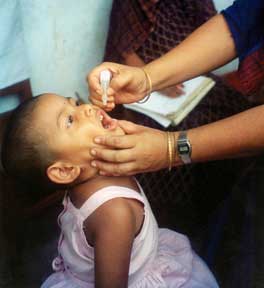
But it’s clear that money alone won’t solve the polio problem. In the subsequent roundtable discussion, Governer Owais Ahmad Ghani of the Khyber Pakhtunkwa province and neighboring tribal areas described his own nation’s struggles to eradicate the disease. While vaccination efforts reduced polio cases in Pakistan from 1,155 cases in 1997 to a mere 28 in 2005, a recent resurgence — reaching 118 cases in 2008 — has alarmed officials.

According to Ghani, establishing vaccination programs in the remote tribal areas of Pakistan presents a tricky challenge. One possible approach he suggested for war-torn regions was enlisting the army in vaccination campaigns. And he hopes that the financial support of the Gates Foundation will help create permanent community centers in these regions in which workers are held accountable for new cases.

Continue reading

To combat Haitian cholera epidemic, researchers look to vaccines and early detection techniques

v_cholerae.jpgMore than a year after a catastrophic earthquake struck Port-au-Prince and killed an estimated 230,000 Haitians, public health officials are still grappling with the fallout from a cholera outbreak that has so far killed more than 3,000 people and infected nearly 150,000 others. To strengthen the response on the ground, the World Bank yesterday awarded $15 million to aid efforts in identifying and responding to future cases of the disease.

But global efforts are not stopping there. To prevent future cholera outbreaks, the World Health Organization is gearing up to implement a pilot cholera vaccination program to prevent the bacterial infection before it happens. However, as Nature reports, the effort is being hampered by vaccine supplies that are limited and that have never before been tested in disease outbreaks as large as the current epidemic.

With cases of cholera continuing to rise, methods are urgently needed to quickly identify contaminated water sources to prevent the spread of the disease. Reporting yesterday in the journal Bioconjugate Chemistry, a team from the University of Central Florida developed a method that could potentially do just that. The method, which uses the sugar dextran to detect the cholera toxin, the substance responsible for the disease, is comparable in sensitivity to existing methods but is much less expensive. What’s more, the authors report, the test could easily be adapted under field conditions such as those found in Haiti.

Death rates of cholera victims continue to drop to less than 1% in Port-au-Prince. But a news story out today from Nature cautions that many more people continue to be afflicted in rural areas of the country. Meanwhile, a team of scientists from the United Nations continues to search for the source of the cholera outbreak, Reuters reports.

Image of Vibrio cholerae from CDC