Course correction

The following editorial appears in the November issue of Nature Medicine.

The international response to the ongoing Ebola epidemic has in many respects been more reactive than proactive. But there are changes that, if made, may shift the balance toward future readiness. 

The projections are appalling. At the time of this writing, the World Health Organization (WHO) stated that the number of new Ebola virus disease cases could reach 10,000 per week before the end of the year. The three most heavily afflicted nations—Guinea, Liberia and Sierra Leone—remain woefully underequipped to stem the tide of infection. Severe shortages in medical personnel, protective gear, treatment beds and burial teams hinder almost every aspect of the effort. Cases of transmission were also reported in the US and Spain.

One thing is clear: the international community was not prepared to respond to this outbreak. Less clear is how, with limited resources, to stop the current epidemic. But several broad areas stand out as particularly important for efforts to stem Ebola’s spread and improve preparedness for future outbreaks. Continue reading

Ebola: a call to action

The following editorial appears in the September issue of Nature Medicine.

The size, speed and potential reach of the 2014 Ebola virus outbreak in West Africa presents a wake-up call to the research and pharmaceutical communities—and to federal governments—of the continuing need to invest resources in the study and cure of emerging infectious diseases.

At the time of this writing, more than 2,200 people are estimated to have been infected by a new strain of Zaire ebolavirus in four West African nations, and more than 1,200 have died. Infection can cause fever, vomiting, diarrhea and internal and external hemorrhaging that can lead to death. Neighboring as well as non-neighboring countries are at risk because of porous borders and air travel of presymptomatic infected individuals, the latter having resulted in the spread of infection to Nigeria. And while the death rate—estimated at 55%—is lower than that of many previous Ebola outbreaks, the total number of cases exceeds all ebolavirus infections since 1976. We don’t know when the outbreak will end, or how far it will spread, but its control is expected to take months and may involve extraordinary measures.

Ebola virus first emerged in the Democratic Republic of the Congo (DRC) and in South Sudan in 1976 and reappeared in South Sudan in 1979, but it caused no further outbreaks until 1994. Since then, there have been several outbreaks in Africa, but none approached the magnitude of the current outbreak. The natural reservoir of the virus remains unclear, but it is suspected to be the fruit bat. However, Ebola virus also infects nonhuman primates, a species of antelope and porcupines, all of which could be sources of human transmission.

The unusually rapid and far-reaching spread of the virus during the current outbreak has been facilitated by insufficient treatment and containment facilities in West African nations that had no prior experience with Ebola; a distrust of Western medical practices; the stigma associated with infection, causing failure to seek early treatment; as well as the long asymptomatic incubation period of the virus (up to 21 days), which enables dissemination through travel.

Continue reading

Drug target suggested for MERS as case count rises

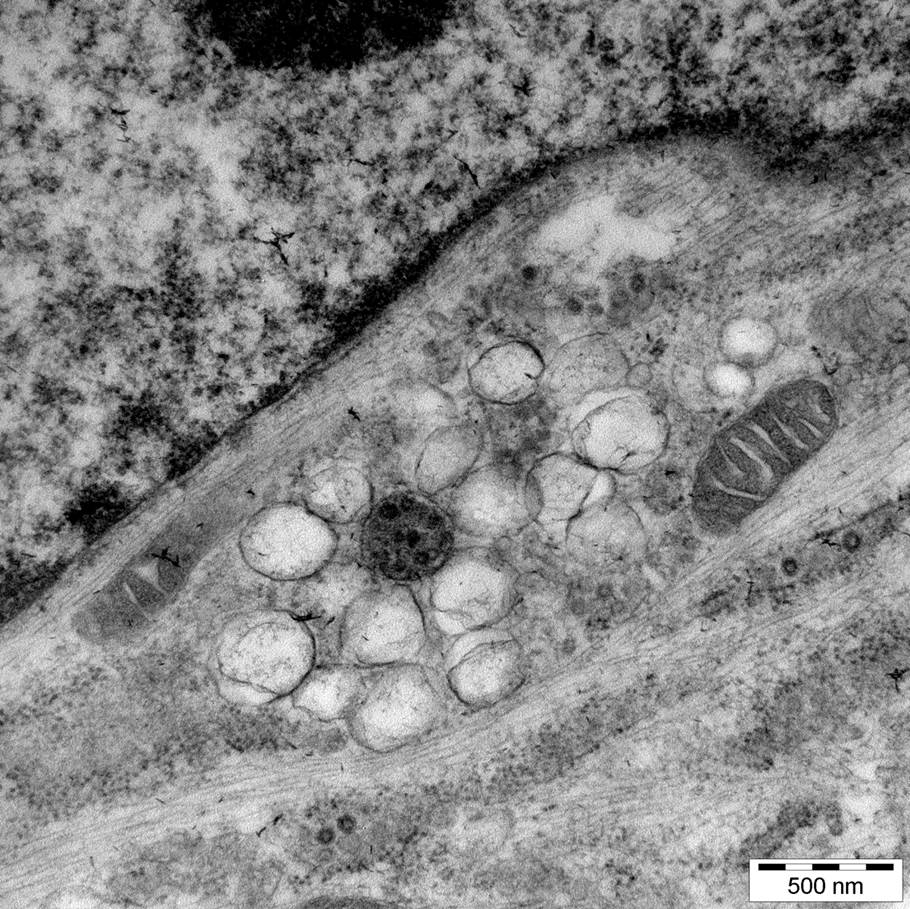
Cluster of vesicles made by virus from usurped and reshaped membranes.

Cluster of vesicles made by virus from usurped and reshaped membranes.{credit}Volker Thiel, Edward Trybala and colleagues{/credit}

Since its appearance in Saudi Arabia in 2012, Middle Eastern Respiratory Syndrome (MERS) has spread to fifteen countries, including the US, where two cases were confirmed in the past month. Worryingly, about 30% of confirmed cases have been fatal, and the lack of specific antiviral drugs for the MERS-coronavirus (MERS-CoV), which causes the illness, poses a threat to public health.

A new insight could help pave the way to treatments in the future for this type of virus. In a paper published today in Plos Pathogens, clinical virologist Edward Trybala and his colleagues at the University of Gothenburg in Sweden describe a compound called K22 that inhibits coronavirus growth in human cells.

Continue reading

Ebola outbreak in West Africa lends urgency to recently-funded research

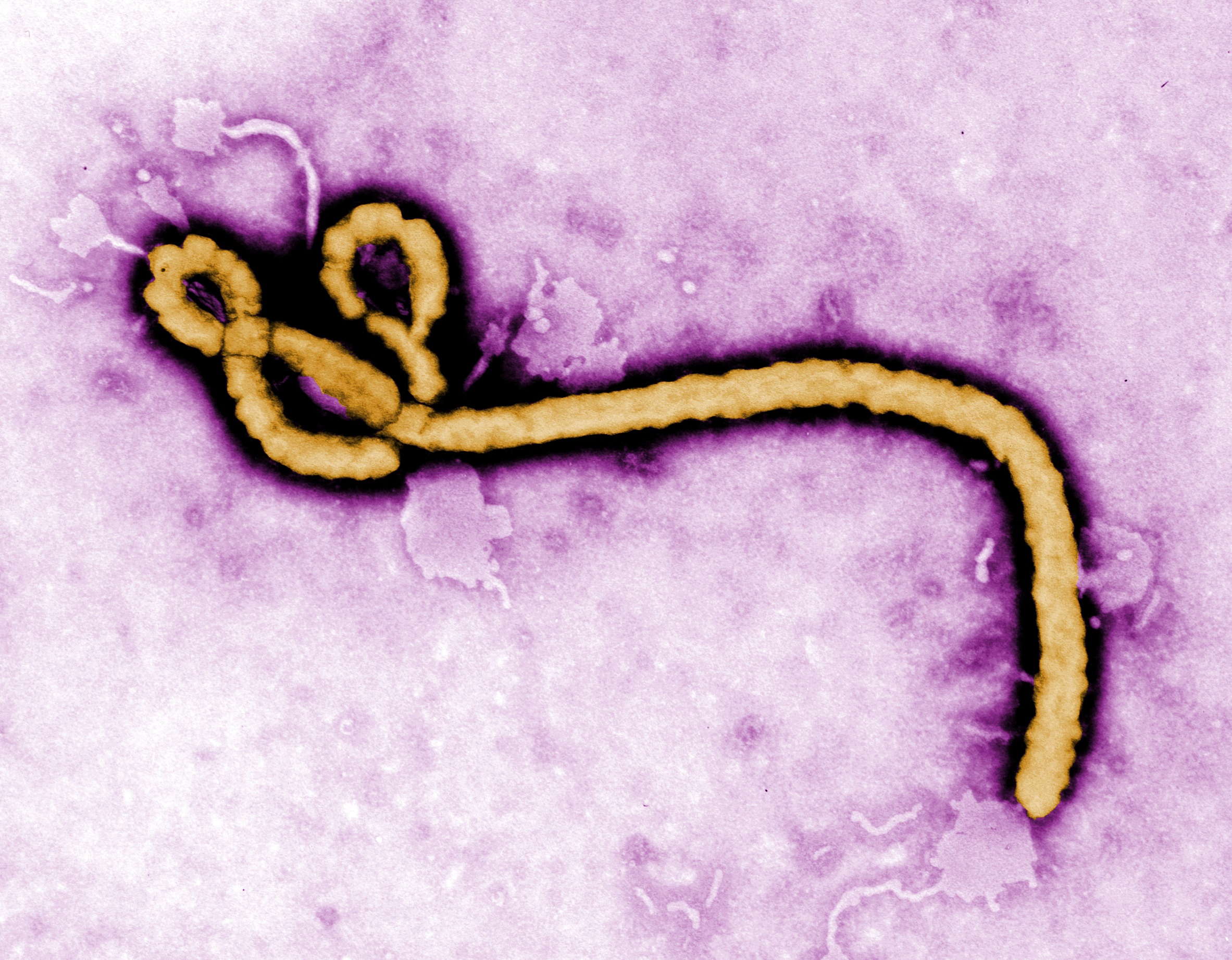
Electron micrograph of Ebola virus

Electron micrograph of Ebola virus{credit}CDC/ Frederick Murphy{/credit}

Earlier this year, the Ebola virus popped up for the first time ever in West Africa. How it got there, some 2,000 miles from previous Ebola hotspots in remote parts of Central Africa, remains a mystery. Experts are particularly concerned about the current outbreak, which has sickened more than 250 and killed at least 140, because the pathogen has made its way into Conakry, the densely populated capital city of Guinea.

Unfortunately, there are no vaccines or treatments approved to work specifically against the virus, which first emerged in the forests of Zaire (now the Democratic Republic of Congo) in 1976. The virus’s high virulence and lethality make it challenging to study, and its rarity means that any effective therapeutics that are developed will likely have limited commercial potential, leaving pharmaceutical companies little financial incentive to develop treatments against the pathogen.

Very few candidate therapeutics against Ebola have proven effective in non-human primates, the gold-standard animal model for research against such viruses. But there is, amidst the ongoing outbreak, mobilization of funding toward anti-Ebola agents that have proven their mettle in such models: last month the US National Institutes of Health announced that it was putting a combined total of more than $50 million towards a handful of the most promising approaches.

Continue reading

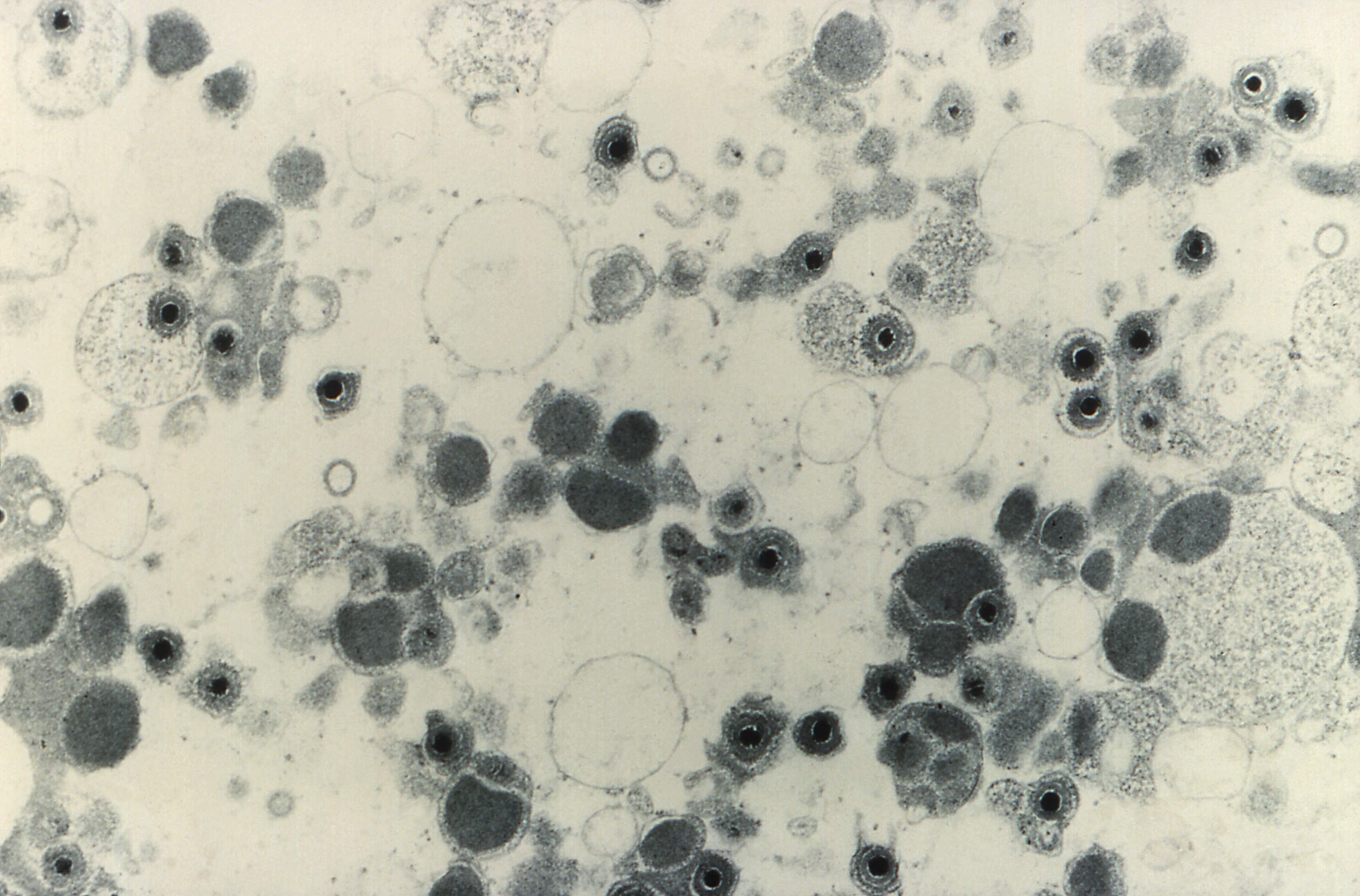
Cytomegalovirus—a ‘stealth’ pathogen—gains attention in the drug development realm

OCytomegalovirus is sometimes called ‘the stealth virus’ because many people, including more than 50% of adults in the US, harbor the infection. But few individuals ever feel the effects of CMV unless something else squelches their immune system first—such as the immunosuppressing drugs given before a bone marrow transplant. Wherever the virus gains a foothold, it can create serious problems such as pneumonia, unrelenting diarrhea or inflammation in the eye. It’s also the most common viral infection in newborns and 1 out of every 750 infants born with CMV in the US will suffer permanent harm—hearing loss, brain damage, or even death—from this virus.

At present, more than three-quarters of people being treated for CMV infection who receive the antiviral drugs ganciclovir or valganciclovir respond to therapy. Both medications stop the virus from replicating, but they only work as long as the treatment is given. So the virus can make a comeback later on. Also, these drugs lower white blood cell counts, making it harder for the immune system to fight CMV on its own. If the virus develops resistance to these first-line drugs, then there are effective back-up treatments with foscarnet and cidofovir, but these compounds can cause kidney damage.

One new option, described in a paper published today in the New England Journal of Medicine, is an investigational drug called CMX001 that shows about the same efficacy as the current drugs. CMX001, also called brincidofovir, is a less-toxic, lipid-coated version of the current second-line drug, cidofovir. But this drug escapes the toxic kidney problems seen with cidofovir and doesn’t cause a drop in white blood cell counts. Additionally, CMX001 can be given in a pill form, an advantage over some of the other drugs used against CMV that must be injected intravenously.

“There’s a perception in the scientific community that we need to do better in our treatments for cytomegalovirus. This drug is better than what we’ve had,” says first author on the paper Francisco Marty, an oncologist at the Dana-Farber Cancer Institute in Boston.

Continue reading

Experimental leishmaniasis vaccine could overcome challenge of multiple species

L. DonovaniMost of the 12 million people currently infected with leishmaniasis worldwide are also afflicted with poverty. The ‘black fever’ is caused by a single-cell parasite that gets passed from one person to another by the bite of a tiny sand fly and produces disfiguring skin lesions, severe mouth and throat ulcers, or swollen internal organs. In 2005, the ministers of India, Bangladesh, and Nepal committed to a ten-year plan to eliminate infections of Leishmania in their region. Two years later, the World Health Organization (WHO) adopted a resolution to take control of the disease.

The problem of defeating the pathogen is complicated, though, in part because there are more than 20 species of Leishmania, linked to three distinct clinical manifestations of the disease. In visceral leishmaniasis, the most fatal form, species such as Leishmania donovani infiltrate the liver, spleen, and bone marrow, crowding the host’s cells and overwhelming the immune system. A new study published today in Science Translational Medicine offers hope: immunologist Amitabha Mukhopadhyay of the India National Institute of Immunology in New Delhi and his colleagues describe a new vaccine that completely blocks the parasite from causing visceral leishmaniasis in mice and hamsters by targeting a receptor that they say is common to many forms of the parasite.

Progress in preventing visceral leishmaniasis would be welcome. Even though the disease can often be cured with antibiotics such as amphotericin B, or paromomycin, which is given with the anti-cancer drug miltefosine, these treatments can have severe side effects. Miltefosine has been linked with higher incidences of resistant forms of the disease. Also, for reasons the researchers don’t yet understand, drugs that work well against Leishmania infections in India are only about 80% effective against the same parasites in other regions, such as East Africa. “Visceral leishmaniasis has a pattern of causing outbreaks every eight to twelve years,” says Jorge Alvar, head of the leishmaniasis clinical program at the Drugs for Neglected Diseases initiative (DNDi), headquartered in Geneva. “So even if we had a good treatment, an effective vaccine would make a lot more sense.”

Continue reading

A comprehensive virus survey now could save billions in avoided health care costs later, experts say

smallbat

Imagine if pandemics could be forecast by infectious disease scientists the way that bad weather can be tracked by meteorologists. New viruses would still infect people, but the cost of monitoring the emergence of those novel pathogens would be far less than the expense of dealing with a worldwide outbreak. At least that’s the reasoning behind a new study, published today in mBio, in which researchers propose launching a billion-dollar-plus global surveillance plan to find all the viruses lurking in mammalian wildlife before those same viruses find us.

A consortium of scientists, funded by the US Agency for International Development (USAID), headquartered in Washington, DC, estimated that at least 320,000 viruses remain unidentified in the world’s 5,500 mammals. They argue that the cost of systematically searching for those new viruses would pale in comparison to the estimated $16 billion another epidemic such as SARS could cost.

That epidemic, which started in China in 2003 after a coronavirus carried by bats and palm civets started infecting humans, eventually killed more than 700 people and spread to 37 countries worldwide. The ongoing outbreak of Middle East respiratory syndrome (MERS) hasn’t yet reached such pandemic levels. But with 108 laboratory-confirmed cases of infection in nine countries, including 50 deaths, public health officials remain on high alert.

Eric Delwart, a virologist at the Blood Systems Research Institute in San Francisco who was not involved in the study, describes the virus-hunting proposal as “a feasible approach” to looking for zoonotic diseases that animals could transmit to humans. “This study provides one of the first data-based estimates of the scope of the viro-diversity which humans and their livestock have to face and from which the next viral epidemic will emerge,” he says. “Although other people have looked at pathogen levels before and estimated that there are two new human viruses coming each year, we don’t know where they’re coming from.”

Continue reading

Mouse study illustrates how foreign herpes DNA triggers immune response

Herpes_vironFor the immune system to do its job in fighting off disease, it first has to be able to detect foreign intruders. Scientists have known for some time that when bacteria, viruses and other pathogens set off alarms in the immune system, this leads to the production of molecules such as interferon that rev up the body’s defenses. But until now, researchers lacked evidence from animal experiments to back up the theory of how the DNA from these pathogens first triggers this immune-activating cascade in the immediate, ‘innate’ immune response.

Previously, immunologist Zhijian “James” Chen, of the University of Texas Southwestern Medical Center in Dallas, and his colleagues showed that when bacteria or viruses wile their way into host cells—either by tricking cell receptors to allow entry or getting engulfed by the cell membrane—their foreign DNA activates an enzyme called cyclicguanosine monophosphate–adenosine monophosphate synthase (cGAS). This enzyme then binds to the intruder’s DNA and triggers the next step in the cascade of immune events: the production of a second messenger, a small molecule called cyclicguanosine monophosphate–adenosine monophosphate (cGAMP).

In a mouse study published online today, Chen’s team demonstrates evidence of cGAS activity, in vivo, against infectious agents such as herpes virus, which uses DNA as its genetic material (unlike influenza or rotaviruses, which are examples of RNA-based pathogens).

The researchers exposed five mice that they had genetically engineered to lack cGAS to herpes simplex virus 1 (HSV1). All of those mice died from viral encephalitis, as did five control mice that also were exposed to the virus. Crucially, though, several of the mice engineered to lack cGAS died three days after exposure and had high titers of HSV1 in their brain tissue, whereas their control counterparts died beginning on the sixth day and had no detectable HSV1 in the brain. The cGAS-deficient rodents also had markedly lower levels of interferon—a key signaling molecule in of the immune system—indicating that mice without cGAS couldn’t mobilize an effective immune defense.

The role of cGAS show in the earlier in vitro study and this new rodent experiment has impressed other scientists. “This is a brand new antiviral mechanism that we didn’t know before,” says Luke O’Neill, a biochemist at Trinity College in Dublin, Ireland. “This research has really galvanized the field.”

Continue reading

Intravenous vaccine for malaria offers robust protection in small clinical trial

mosquito

Almost half the world’s population lives in areas where malaria infection is a risk, yet no licensed vaccines exist to prevent this red blood cell parasite from causing almost half a million deaths each year. However, in a study published online today in Science, researchers report on a new vaccine that provided remarkable protection against Plasmodium falciparum, considered the deadliest of the four malaria strains.

“With this intravenous vaccine, we are striving to reach the World Health Organization goal of a [malaria] vaccine with 80 percent efficacy by 2025,” Anthony Fauci, director of the US National Institute of Allergy and Infectious Diseases (NIAID), in Bethesda, Maryland, told Nature Medicine. The clinical study was led by Robert Seder, an immunologist at the NIAID Vaccine Research Center, and involved a vaccine developed by Stephen Hoffman and his colleagues at Sanaria, a biotechnology company based in Rockville, Maryland.

Scientists have spent decades trying to block Plasmodium infections at different stages of the parasite’s life cycle—from the sporozoite that migrates out of the mosquito salivary gland and into host liver cells, to the merozoites that invade red blood cells before further developing into reproducing gametocytes.

To date, only one experimental vaccine, called RTS,S or Mosquirix, developed by GlaxoSmithKline Biologicals and the PATH Malaria Vaccine Initiative, with funding from the Bill & Melinda Gates Foundation, has demonstrated a consistent protective effect. It is made with a combination of antigens from part of a sporozoite and a hepatitis B virus surface receptor. Early results suggested that three doses of the vaccine could cut the risk of infection among children aged 5 months to 17 months by half. But last year the results of a phase 3 clinical trial indicated that it offered only about 30–35% protection when given to infants between 6 weeks and 12 weeks of age.

Seder and his colleagues set their sights on developing a vaccine with at least 80% efficacy and also decided to focus on stopping malarial infections at the sporozoite stage—before the parasite ever gets into the red blood cells. The phase 1 clinical trial reported today included a total of 34 adults completing a series of intravenous vaccines at varying doses, with the most promising results at the highest dose levels. Six adults who received five vaccine injections at the highest dose all showed complete protection after they were subsequently infected deliberately with P. falciparum, while six of nine adults who received a series of four of the high-dose vaccines experienced similar protection following the immunization schedule.

Continue reading

Compound kills drug-resistant tuberculosis through novel mechanism

Tuberculosis is an old disease that demands new drugs. More than one million people die each year from Mycobacterium tuberculosis infections and a growing percentage of new infections—at least 9%—are caused by strains of the bacterium that can’t be killed with many of the drugs now available.
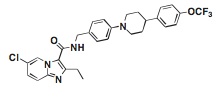
Q203

Q203

A new experimental compound could help. In a paper published online today in Nature Medicine, researchers describe a small molecule called Q203 that thwarts drug resistant tuberculosis infections in mice by targeting the mycobacterial cytochrome bc1 complex—a mechanism distinct from that of existing agents.

“Q203 works in ways [other] drugs do not,” says Kevin Pethe, project head of the antitubercular program at the Institute Pasteur Korea in Gyeonggi-do, who led the study, “and it can work against the resistant bacteria.”

To find the new drug, Pethe and his colleagues screened more than 100,000 different chemical compounds for their ability to inhibit tuberculosis growth in mouse macrophages. They identified 106 molecules that killed the infectious agent without harming the cells. One compound—a kind of imidazopyridine amide (IPA)—stood out for its ability to wipe out drug-resistant strains of tuberculosis isolated from human clinical specimens. The researchers made small changes in the chemical structure of this molecule to derive Q203. They then tested the compound in mice infected with tuberculosis, and observed that animals given Q203 showed fewer lung lesions than those treated with isoniazid, a commonly used first-line anti-tuberculosis agent. Plus, the mice tolerated high doses of Q203 without any noticeable side effects.

To understand how Q203 stopped the bacteria from replicating, Pethe’s team studied six tuberculosis strains that were resistant to the killing power of Q203. By sequencing the genome of these strains, the researchers pinpointed a common mutation affecting the cytochrome bc1 complex, which is involved in energy metabolism. They then measured ATP levels in Q203-sensitive cells and showed that ATP production dropped significantly after treatment with the experimental agent.

The finding that the cytochrome bc1 complex is the primary target of Q203 is consistent with the results of two recent reports showing that IPAs can broadly inhibit energy transduction systems in the tuberculosis pathogen. In one study, a British team from the University of Birmingham and the pharma giant GlaxoSmithKline discovered a series of molecules in this same chemical class directed at the same target, although these compounds were less effective at inhibiting tuberculosis growth as Q203. In the other report, Pethe and his former colleagues at the Novartis Institute for Tropical Diseases in Singapore showed that a panel of 13 different IPA compounds could kill tuberculosis by depleting ATP.

“The IPAs are getting a lot of attention because they are really inexpensive to make, seem to be safe, and work against drug-resistant tuberculosis,” says Marvin Miller, an organic chemist at the University of Notre Dame in South Bend, Indiana, who, together with colleagues at Indiana’s Eli Lilly, reported earlier this year on yet another set of IPAs with promising anti-tuberculosis and pharmacokinetic properties. “They could be very practical.”