Is Chuck Schumer going to blunt US cannabinoid research?

The press conference last Friday held by two New York state assemblymen was no doubt timed to coincide with observance of the 4/20 celebratory day in cannabis counterculture: On 20 April the duo announced a bill that would make New York the 41st state to deem possession or sale of the active ingredients in so-called ‘synthetic marijuana’ drugs a crime punishable by jail time. The drugs in question—known to the mostly teenagers who like to smoke them as K2, Spice, Killer Buzzz, Blaze and Mr. Nice Guy—are mixtures of herbs such as oregano laced with laboratory-produced cannabinoids, a class of chemicals that also includes marijuana’s psychoactive component, tetrahydrocannabinol (THC).

The dangers of synthetic cannabinoids are clear. A study published this month in Pediatrics documented more than 4,000 US hospital cases in which teens who used K2 and other drugs required emergency intervention for symptoms such as a dangerously rapid heart rate. But medical researchers warn that the march toward nationwide criminalization that started with a 2010 Kansas law banning three synthetic cannabinoids has already begun to stifle research on the chemicals, which are known to stimulate appetite and ameliorate nausea and pain. “It would be a disaster if they criminalized all synthetic cannabinoids,” says pharmacologist Nathan Lents at the City University of New York. “We already have to jump through hoops to do our research. These substances clearly have untapped potential as therapies.”

Therapeutic benefits aside, momentum is growing for broad criminalization not only among states but at the federal level. A US Senate bill introduced last March by Charles Schumer, a Democrat from New York, would criminalize all synthetic cannabinoids nationwide. “That would be so traumatic,” explains Lents, “because that law classifies all cannabinoids as schedule 1 drugs.” A ‘schedule 1’ drug has no known medical use, and so is very tightly controlled by the federal government. A researcher conducting experiments with any schedule 1 substance must submit protocols signed by the president of his university to the US Drug Enforcement Agency in order to obtain small amounts of the chemical, which then must be kept locked in a safe when not in use, and must fill out mountains of paperwork accounting for the chemical’s use in experiments. Lents says requiring researchers to jump through such hoops chokes research and draws already spare funding away from cannabinoid labs. “There’s already not a lot of political will because these substances are seen as somehow morally reprehensible. A schedule 1 designation would make it even harder to study them.”

Continue reading

With even Europe falling behind, can WHO meet new goals for measles?

Perhaps it takes falling behind to know that you have to get ahead: shortly after The Lancet released a report today saying the World Health Organization had failed to meet its 2010 goal for global measles reduction, the WHO announced that it has a new, more ambitious target of eliminating measles and rubella—also known as German measles—in at least five of six global regions by 2020. The expanded goals come as Europe, despite its historically strong public health systems, is struggling to recover from more than 26,000 measles cases in 2011, a number on-par with developing countries such as Nigeria and Somalia.

As Europe redoubles its own immunization efforts at home, the WHO now must vaccinate an estimated 19 million children in India and sub-Saharan Africa if it hopes to meet the new 2020 target. “We have already seen India scaling up its efforts,” Jean-Marie Okwo-Bele, director of immunization at the WHO in Geneva, said at a teleconference this morning announcing the new goal. “The new [WHO] plan provides a good roadmap to eliminate measles by 2020.”

Measles is a highly contagious virus that can become airborne, making it crucial that virtually everyone in a region undergo vaccination if the disease is to be eliminated. It can spread rapidly to anyone who is not immune, often leading to death in children under five. The first vaccine against measles came in 1971, and it now costs as little as two cents per dose in developing countries. But as the European outbreak highlights, vaccine cost and availability are not the only barriers to getting people immunized. “Cultural and religious beliefs play a huge role in whether children receive the vaccine, both in Europe and elsewhere,” says Rebecca Martin, director of the global immunization division at the US Centers for Disease Control and Prevention (CDC) in Atlanta. She says one reason so many young Europeans are now susceptible to measles was false perception over the past fifteen years that the vaccine raised the risk of autism.

Continue reading

MRSA’s killing potential explained, providing a new drug target to halt the superbug

Since it first arose more than 50 years ago, the methicillin-resistant staph infection known as MRSA has ravaged hospital wards around the globe, causing untreatable, often lethal, infections in people already weakened by disease. As with most cases of antibiotic resistance, the rise of the first MRSA bacteria was the fault of humans. The Staphylococcus aureus bacterium, which causes everything from respiratory infections to meningitis, mutated to become resistant to all the first-line drugs used to treat it—first penicillin, and later methicillin and other drugs known as beta-lactams.

But the story doesn’t end there. Since 1959, the drug-resistant superbugs have taken on many guises, evolving into five major lineages worldwide, each with slightly different genes that make the pathogens particularly deadly. Yet, how each strain’s killing power arose largely remains a mystery. Now, a paper published today in Nature Medicine takes a step toward explaining the killing mechanism of one particular strain from China. By sorting through a decade’s worth of superbugs isolated from Chinese hospitals, the authors have identified a resistance gene encoded by a mobile genetic element that helps S. aureus multiply in the noses, throats and lungs of susceptible patients.

“This is very exciting,” says study author Michael Otto, chief of the Pathogen Molecular Genetics Section at the US National Institute of Allergy and Infectious Diseases in Bethesda, Maryland. “This gene is a critical determinant how dangerous MRSA is to patients.”

Continue reading

Database to help doctors grasp disease risk of duplications the genome

Copy number variations, in which a section of DNA is duplicated or deleted, have been a boon for geneticists hoping to explain the chromosomal causes of everything from autism to schizophrenia to colon cancer. CNVs that are deletions can be helpful in diagnosing a handful of developmental disorders and birth defects such as DiGeorge syndrome, an illness affecting skull formation in which a portion of chromosome 22 is missing. But when doctors find a CNV that is a duplication, they have difficulty knowing exactly which disorder their patient might have as a single duplicated region can cover multiple genes. For example, the clinical significance of rare duplication CNVs of the region including the gene DCLK2, which has been implicated in attention deficit hyperactivity disorder (ADHD), are often missed by lab technicians and physicians.

A new database has begun to change that, allowing doctors to input and access all of the tested mutations within a CNV. The free International Standards for Cytogenomic Arrays (ISCA) database, which currently includes the results of 30,000 CNV tests and is housed at the US National Center for Biotechnology Information in Bethesda, is described in the May issue of Clinical Genetics, and has already drawn more than 800 users. Using the database, “a doctor or lab technician can see all the genes in a CNV,” says geneticist and senior author Christa Martin of Emory University in Atlanta.

What’s more, the database includes a rating system to help physicians estimate how likely genes within an observed CNV are to cause disease. Each CNV is ranked by expert groups on the basis of seven criteria, including the number of mutations reported in people with the CNV, mutational mechanisms and patterns of inheritance. The ratings for CNVs go from 0 (no evidence it causes disease) to 3 (sufficient evidence to predict disease). Surprisingly, “before now, there was not a formal process to rate CNV pathogenicity,” says Martin. “It made analyzing [CNV microarray] data very confusing for doctors. This database begins to fix that problem.”

The ISCA database may become even more important in the future. Preliminary data from a multicenter study presented in February at the Society for Maternal-Fetal Medicine meeting in Dallas indicated that microarray testing detects fetal abnormalities than the current standard karyotype test misses. Helping parents make decisions based on prenatal CNV testing will require the use of a database. “It’s no longer an option for doctors to just avoid CNVs because they’re too complicated to analyze,” says Martin. “Physicians will have to start using the new database tools available to them.”

Photo courtesy of Shutterstock

We’re looking for a locum manuscript editor

Nature Medicine (https://www.nature.com/nm) seeks a Locum Assistant Editor to join its editorial team for a six-month period.

This exciting position, based in Nature Publishing Group’s New York office, involves working closely with the Chief Editor and other members of the journal team on all aspects of the editorial process, including manuscript evaluation, organizing peer-review, writing for the journal, and developing the content of the title, both in print and online.

The full details can be found here.

It’s a great way to explore the possibility of a career in scientific publishing. And if this is not the right opportunity for you, feel free to share it with a friend.

FoldIt game’s next play: crowdsourcing better drug design

Two years ago, FoldIt made headlines, lots of them, when players of the online protein-folding video game took three weeks to solve the three dimensional structure of a simian retroviral protein that is used in animal models of HIV, but whose structure had eluded biochemists for more than a decade. Seth Cooper, the game’s co-creator, captured the attention of the crowd at the TEDMED medical technology conference in Washington, DC by recounting how thousands of players competed in that FoldIt challenge despite the lack of prize money or prestige. He even brought on-stage the winner, a beaming British lab technician named Mimi Minet whose identity had not been previously disclosed to the public.

But the hidden news, the ‘Easter egg’, so to speak, was that Cooper and his collaborators are updating FoldIt to leverage the power of online gaming to create new proteins—enzymes that could form the basis of novel drugs or improve how they are manufactured. This freshly expanded enzyme design platform for FoldIt saw initial success in January, when gamers using an early version created a blueprint for an enzyme that lab tests indicate speeds up a type of biosynthetic reaction used in the production of a variety of drugs—including the cholesterol medication lovastatin—by almost 2,000%.

“We’ve moved beyond just determining structures in nature,” Cooper, who is based at the University of Washington’s Center for Game Science in Seattle, told Nature Medicine. “We’re able to use the game to design brand new therapeutic enzymes.” He says players are now working on the ground-up design of a protein that would act as an inhibitor of the influenza A virus, and he expects to expand the drug development uses of the game to small molecule design within the next year.

Designing small molecules, which are not composed amino acid chains as proteins are, but still function according to their 3D folded shape, requires that Cooper and his team in Seattle add to the chemical building blocks available to FoldIt players. “To build proteins, players can swap out amino acids in a protein,” he explains, “and there are only 26 amino acids, so compiling the building blocks players will need is easy.”

For example, players can swap a tryptophan for a cysteine in the active site of a potential flu inhibitor and see how it changes the protein’s stability and its interaction with target proteins on the surface of the flu virus. But in order to design small molecules, FoldIt will need a new toolbox of organic subcomponents such as rings and chains of carbon that players can then piece together into larger molecules, adding functional groups like alcohols or sulfurs to create novel small molecule chemicals. Since there the number of organic subcomponents is virtually infinite, creating such a library is daunting, but “we’re hopeful that we’ll have a small molecule in the next year,” says Cooper.

Global health advocates eye Ryan budget plan with concern

At a panel discussion on Monday organized by the national research advocacy group Research!America and hosted at the New York Academy of Sciences, speakers aired their concerns about the proposed 2013 US federal budget, which they say threatens to cut both grants for primary research and spending on foreign aid.

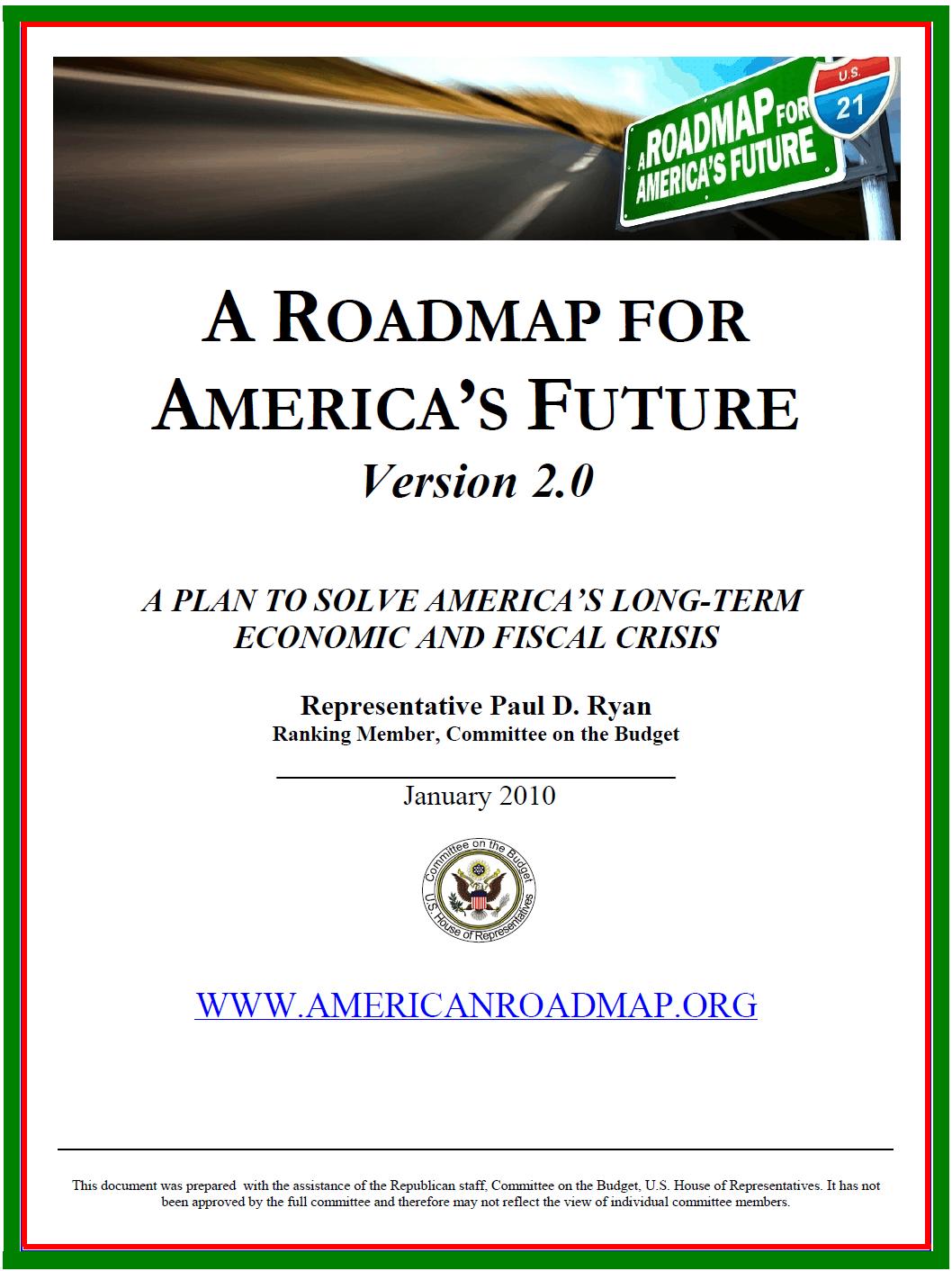
“Under Paul Ryan’s plan, the number of grants available for global health research would be reduced dramatically over the next decade,” Nita Lowey, a Democratic congresswoman representing the suburbs of New York City, said at the conference. The plan of Wisconsin Republican Paul Ryan would keep the 2013 budget for the US National Institutes of Health (NIH) flat, and could decrease funding for basic research grants and for foreign aid between 2014 and 2024 by an unknown amount determined by a “review of the long-term budget outlook every 5 years”, as part of a larger goal to reduce federal spending by $261 billion.

Representatives from New York’s Global Alliance for TB Drug Development and the International AIDS Vaccine Initiative and Geneva-based Drugs for Neglected Diseases Initiative, agreed that the success of their initiatives relies on the US Congress passing greater federal funding for global health. “Without federal funding we’d have a lot less of the basic knowledge of disease mechanisms, which we in the pharmaceutical industry apply to develop drugs,” explained Pol Vandenbroucke, vice president of development for emerging markets at New York’s Pfizer, who said even private players in the global health community rely on government spending.

Continue reading

Fledgling Pakistani group looks to train medical students in research

A recent Nature Medicine opinion article that called on the UK to fund more research opportunities for medical students resonated thousands of miles away. Pakistani medical students are now also asking their government to put more money toward educating young physician-researchers.

The need for funding support is, in part, a by product of substantial interest in such training. Since its founding in January 2011, the Pakistan Medical Students’ Research Society (PMSRS) has quickly swelled to more than 500 members. “Two years ago there was very little guidance for students, and opportunities for students to actually conduct research were basically nonexistent,” says Akhtar Amin, president of PMSRS and a third year medical student at Dow University of Health Sciences in Karachi. “Our organization is helping to change this, but we need the financial support of our government.”

In the past two years PMSRS has focused primarily on organizing free symposia on topics related to research careers, such as manuscript writing, presenting scientific data, experimental design and bioinformatics. They say the 17 symposia given so far have attracted more than 800 students, some of whom are located remotely and watch the presentations as internet broadcasts.

Those medical students based in Karachi are also paired by the organization with research mentors. “Funding would allow us to expand the mentor program,” says PMSRS adviser and research mentor Asif Qureshi, a physician and research associate at Dow University of Health Sciences. Qureshi notes that only 80 students have been paired with research mentors, in part because lack of resources makes it difficult to get the word out.

The organization’s primary domestic target for future funding is the Pakistan Medical Research Council, which is the country’s equivalent to the US National Institutes of Health. But the PMSRS also hopes to look outside its borders to make international resources available to Pakistani medical students. “We recently organized an online course collaborating with Indian medical students,” says Qureshi, who says such partnerships with countries where biomedical research is highly funded will be fruitful for students in his homeland.

To that end, he hopes that in the future PMSRS will be able to provide travel grants for Pakistani students doing research fellowships in the US and elsewhere. “Studying research abroad gives a big boost to students,” says Amin, who says he has been accepted to a summer research program at Johns Hopkins in Baltimore this summer. “We need more money to help make those connections.”

Analysts weigh in on speculation of further slimming by Pfizer

As economists puzzle over the future direction of global markets, there is a growing consensus among pharmaceutical industry analysts that slimming down will reap profits for Pfizer. Last week the company saw its stock price increase after an analyst at Goldman Sachs wrote that Pfizer’s chief executive, Ian Read, had signaled in a meeting she attended that he may go beyond the divestitures the company has already announced. Pfizer is already in the midst of spinning off its nutritional and animal health businesses, and last week’s news raised speculations from analysts that other divisions may also be destined for the chopping block in the near future.

The time scale for further spin-offs by Pfizer is probably two to five years, says Damien Conover, an analyst at Morningstar in Chicago. “This is a good strategy to unlock value within the company,” he says, adding that “the most likely next step would be to get rid of the over-the-counter business.” It wouldn’t be the first pharma giant to do so: New York-based Bristol-Myers Squibb sold its own over-the-counter division in 2009.

Although there have also been rumblings that the Pfizer might also consider spinning off its generics business, he and others say such a move would be both unprecedented and ill-advised because of the synergy between generic and new drug research and development at the company. “Investors have signaled they welcome streamlining, but [selling] generics is not on the table,” says Jamie Davies, head of pharmaceuticals and healthcare analysis at Business Monitor International in London.

Pfizer is not the only company in the process of scaling back. Illinois’s Abbott Laboratories last week unveiled the name of its new non-pharmaceutical sister company, AbbVie. The trend is a predictable reaction to the merger-mania of the last three years, says Lindsay Meyers, an analyst at Canaan Partners in Menlo Park, California. “It takes a lot of clean-up when you’ve been through a merger or acquisition,” she says.

Meyers expects more companies both in the US and in Europe to begin consolidating and selling off inefficient businesses in the coming years. “Pfizer is not the only company that made a big purchase in the last few years,” she says. But others think the trend will remain a US phenomenon. “European companies have to look more broadly because the markets in their domestic region are contracting,” explains Davies, who says shrinking profits at home are an incentive for European companies to stay big and diverse in order to tap into new markets.

European companies such as British GlaxoSmithKline, French Sanofi and Swiss Novartis have all grown in recent years. “This trend speaks to more European exposure to emerging markets,” says Conover, “and emerging markets are good for diverse product lines.”

Photo courtesy of Pfizer

FDA needs to export know-how to import safer drugs, reports says

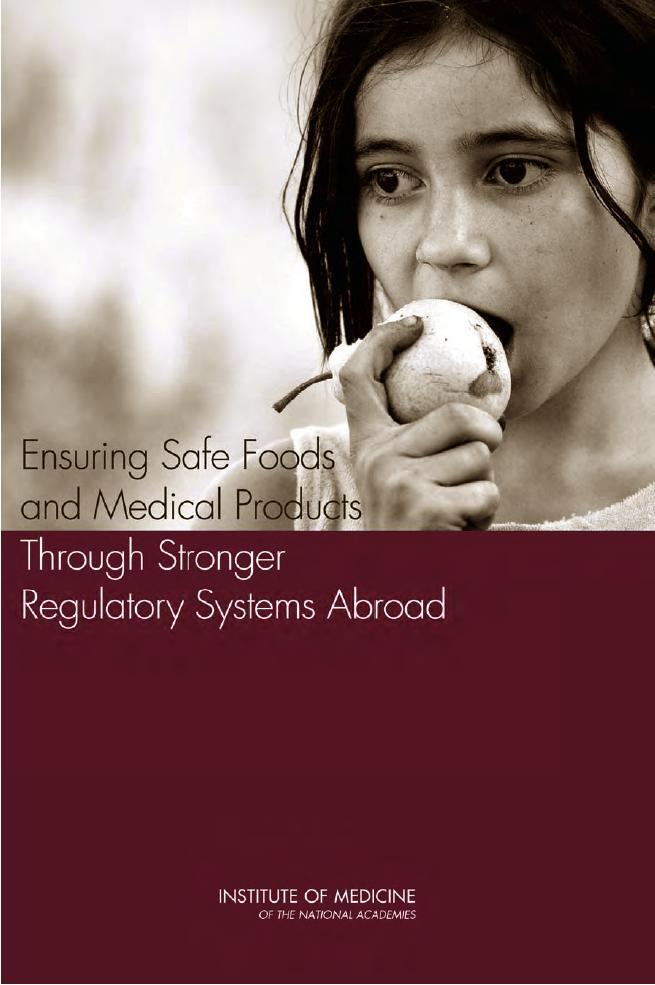
The US Food and Drug Administration must share more safety inspection and training responsibilities with regulators in other developed countries, says a new report published today by the independent, non-governmental US Institute of Medicine (IOM) in Washington, DC. The report calls on the FDA, for example, to collaborate with its European counterparts on the gathering of inspection information related to manufacturing facilities overseas. Among the other 13 recommendations in the report, it also advises that the FDA partner with agencies abroad to help train regulators in nations such as India and China, where drugs are increasingly manufactured for the international market.

“If you look at the magnitude of drugs, the number of manufacturers and the complexity of the supply chains, there’s just no way one agency can do it alone,” says Jim Riviere, a pharmacologist at North Carolina State University in Raleigh and the report’s lead author. “This requires a broad, international collaboration. It’s impossible to inspect our way out of this alone or at the border.”

Recent cases of drug contamination, spoilage and counterfeiting highlight the need for such reforms. In 2007 and 2008 more than 80 people died in the US after being given contaminated doses of the blood thinner heparin, the active ingredient of which had been manufactured in China. And just this week, the FDA said that counterfeit versions of the cancer drug Avastin that originated in countries including Turkey and Egypt continue to be illegally marketed to US consumers.

To prevent such lapses in the future, according to the report, the FDA will need to collaborate with regulatory bodies in Europe and other developed countries to create a standardized and widely available international curriculum. “There’s not an enormous tradition of regulators cooperating together,” says committee member Thomas Bollyky, a senior fellow at the Council on Foreign Relations in Washington, DC. “But to get the kind of action you need, you need all those participants involved. It’s really in everyone’s best interest.”

Beyond urging global outreach by the FDA, the report emphasizes that responsibility for ensuring drug safety also falls on importers in US.  “It’s important to hold companies liable for what happens in the supply chain,” says Bollyky, who says the FDA should pursue both litigation and incentives for companies to monitor their own pipelines more carefully.

The report, which was commissioned by the FDA, will also inform the spending decisions of the agency’s new deputy commissioner for global regulatory operations and policy, a position created in July 2011 to oversee the global food and drug markets. One of the first actions by the deputy’s office has been to champion a law expected to pass this summer that will raise approximately $300 million per year from generic drug makers for surveillance of overseas drug manufacturing plants. The recommendations in today’s IOM report will be the foremost tool in determining exactly how that money is spent. “This is not a simple issue of putting more [FDA] boots on the ground in one or two countries,” says Riviere. “They have to use both carrot and stick policies.”

Photo courtesy of the Institute of Medicine