Cristina Lo Celso: Career-changing encounters

cristinaCristina Lo Celso is the first woman to receive the UK Academy of Medical Sciences Foulkes Foundation Medal since the award was launched in 2007.  While a postdoc at Harvard University Lo Celso developed microscopy techniques that allowed blood stem cells to be viewed inside their natural environment for the first time. She describes her career to date, how she chose science over medicine, and her mentors.
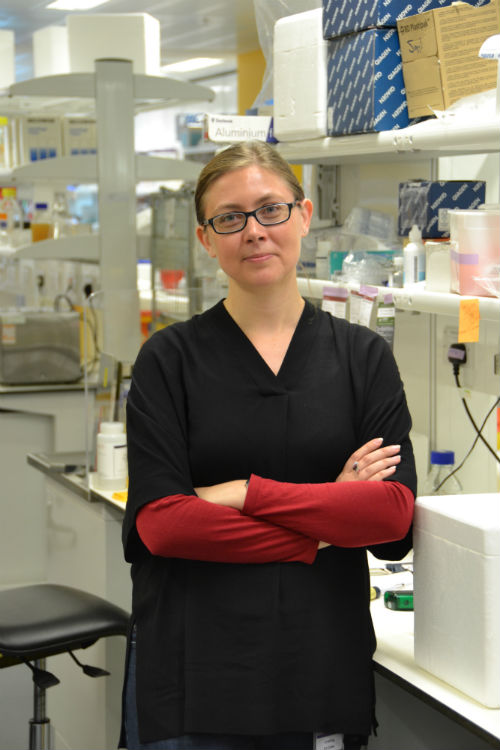
Why did you choose a career in academic research rather than medicine? 

I did consider medicine.  Antonio Lo Celso, my paternal grandfather, was a surgeon in Sicily before retiring to Turin, where I grew up. He got me interested in human health and how the body works. But when I was about 15 I read Dominique Lapierre’s 1991 book Beyond LoveIt’s about clinicians and scientists and patients during the early stages of the HIV epidemic and it made me realise that research can make a massive difference. Continue reading

Know the odds

The odds of landing a tenure-track position in the life sciences are low while the chances of being stuck in multiple postdocs are high. So the leaders of nine top US universities and one research institution this month announced a plan to communicate those probabilities in an effort to grapple with a clogged biomedical research pipeline.

d41586-017-07836-y_15264448

Continue reading

The struggles of female and underrepresented scientists

Initiatives to increase diversity among faculty members—particularly in science, technology, engineering and maths (STEM)—have prompted efforts to track university recruitment and retention of women and underrepresented minorities (URM). Three new US studies shed light on the issues, including salary and publication rates.

nj7668-489a-i1

Continue reading

Boyfriends and husbands may put female researchers at a hiring disadvantage

Married and partnered female researchers may be less likely than their male counterparts to land a junior-faculty position at US universities, finds a study.

Divorce wedding cake

By Paul Smaglik

Female candidates’ – but not male candidates’ — relationship status was a primary consideration in hiring committees’ discussions and decisions, according to study co-author Lauren Rivera, an associate professor at the Kellogg School of Management at Northwestern University in Evanston, Illinois. She found that committee members assumed that heterosexual female candidates whose partners or husbands held academic or high-status jobs could not relocate for the job, and excluded them from offers when the committee had viable male or unpartnered female options. Yet, she says, committees — whose members included women — rarely discussed male applicants’ relationship status and assumed that those candidates’ partners or wives would be able to move for the position if an offer were made.

Continue reading

Surviving academia as an early career researcher: an unreliable guide

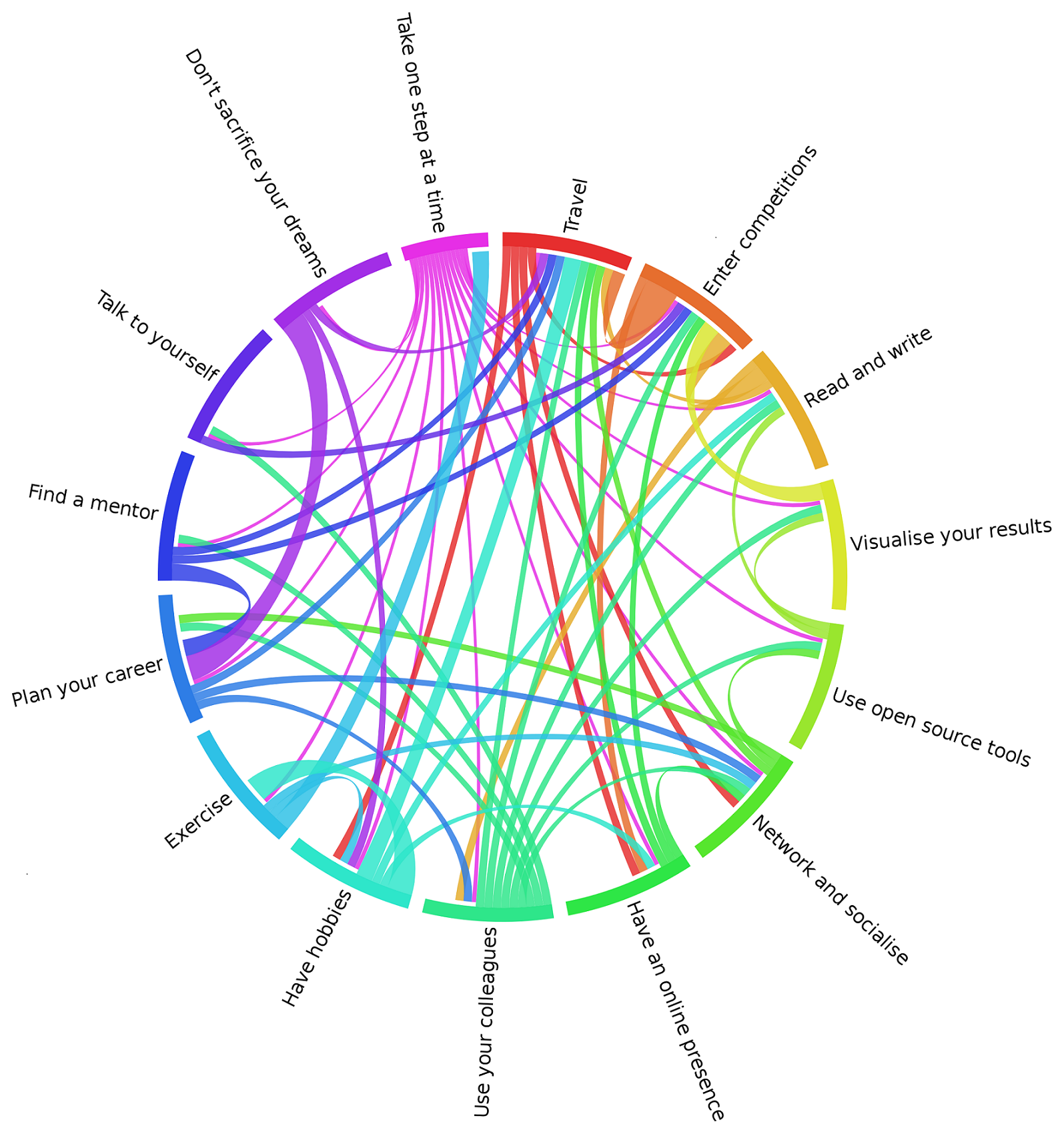
Being an early career researcher is exciting but terrifying. Use this guide to make the most of your PhD or postdoc experience, says Atma Ivancevic.

In today’s cut-throat world of grants and publications, being an early career researcher (ECR) can feel more than a little daunting. As an ECR myself, I can’t guarantee that this will help you make it to the other side unscathed. But I’m still here, and if you’re reading this, you probably are too. Outlined below are the things I’ve learnt during the ups and downs of post-PhD life.


circos-table-myxvjxw-smaller

Continue reading

Building skills through a gig

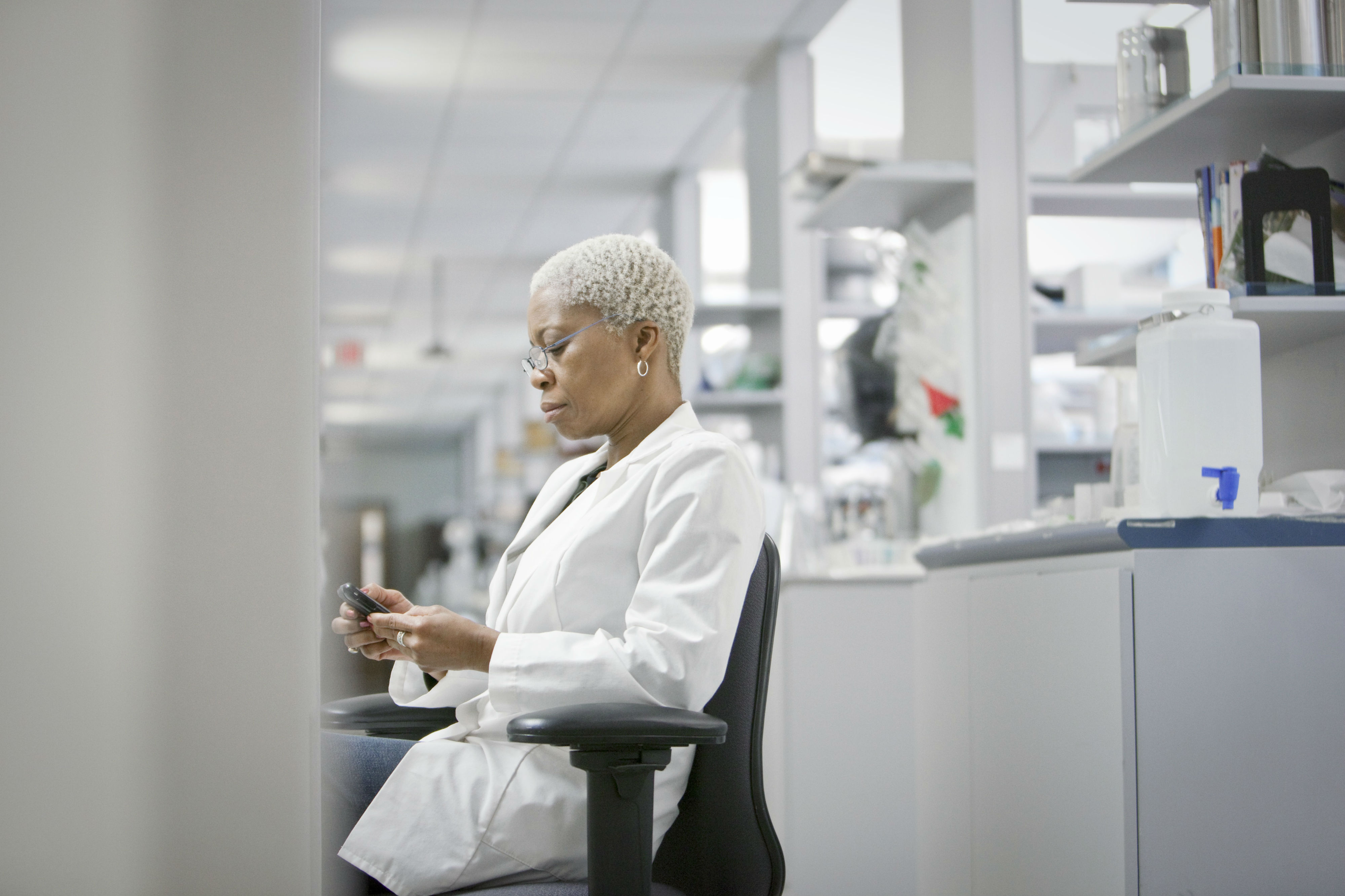
Some researchers are providing short-term services such as writing science news articles and consulting on industry products to bolster their skills outside the lab. These side gigs can be valuable for career development, says Josh Henkin. (See related story here.)

GettyImages-95692019-smaller

{credit}Noel Hendrickson/Getty{/credit}

Continue reading

The power of data shared

In a world of interdisciplinary research, we need to make data freely available, says Katie Ember

Better Science through Better Data writing competition winner Katie Ember

Every Monday in the University of Edinburgh’s School of Chemistry, the Campbell group gather in Room 233 for a lab meeting. If you’re hosting the meeting, you bring cake. Or you forget and everyone pretends they’re not feeling a bit hungry and disappointed. Then, two scientists in the group present that month’s work.

Every Friday in the Centre for Regenerative Medicine, a fifteen minute cycle from the School of Chemistry, the Forbes group file into the first floor meeting room. After battling with the “motion-activated” lights, we all talk through what we’ve achieved that week.

Teamwork

The reason I go to two lab meetings in one week is because I’m attempting to detect liver damage using laser light. It’s multidisciplinary and it’s hard: requiring input from biologists, physicists and transplant surgeons from different institutes. The end result is that I spend about four hours each week not doing science but discussing it. Whilst this may seem like a strange way to do research, I cannot overstate how important it is. Continue reading

Dealing with dyslexia: Let’s redefine the term “smart”

Collin Diedrich

Collin Diedrich

Despite having a PhD in molecular virology and microbiology, Collin Diedrich’s dyslexia caused him to doubt his intelligence in a world where “smartness” is revered.  But having this learning disability has helped him to think critically and made him more driven in his career. His advice to students with dyslexia? Get the support you need. There’s plenty out there.

Continue reading

Adios to academia

By Virginia Gewin

US science and engineering PhD students are losing interest in academic careers because their career preferences change throughout their training, finds a study – not because of limited faculty-job availability.

Lab-naturejobs-blog

{credit} Getty Images Ryan Mcvay{/credit}

Continue reading

Multidisciplinary research: pros and cons

By bringing together experts from different disciplines we can find the solutions for today’s global challenges. Having spent a year in a multidisciplinary research group, Mit Bhavsar shares his thoughts on the advantages and disadvantages of multidisciplinary research in science.

3844579694

The increasing popularity of mixed scientific disciplines like mechatronics, bioinformatics, biomedical engineering and biophysical chemistry is evidence of the importance of multidisciplinary. And, based on the number of multidisciplinary conferences taking place around the world, it seems that many policymakers agree that bringing scientists from a variety of different backgrounds together is a crucial part of fixing the world’s problems. Continue reading