Human Pipettes: Scientific training and education in biomedical research

David Rubenson and Paul Salvaterra share their thoughts on a damaged and damaging research system

A recent cancer research symposium displayed a familiar asymmetry. 90% of the attendees were PhD students or postdocs sitting obsequiously in the rear and asking 10% of the questions. 10% of the attendees were front-sitting faculty providing 90% of the inquiries.

A simple case of youthful hesitancy and opaque presentations requiring years of experience to comprehend? But did individual Principal Investigators (PIs) meet with conference planners before advising their students to attend? Did conference planners consider the likely audience and ask speakers to modify their talks? And did faculty members attend the related trainee poster session?
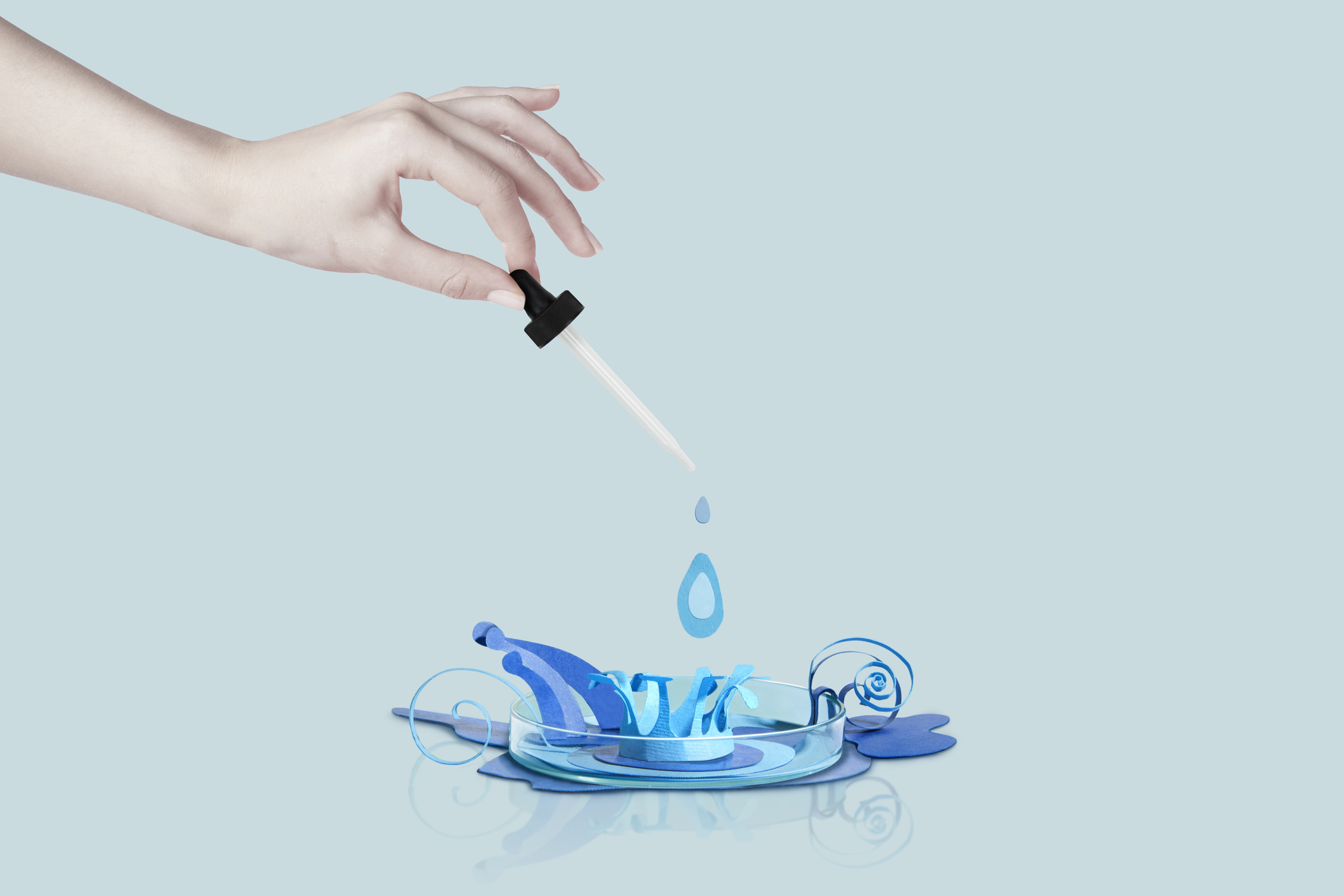
 

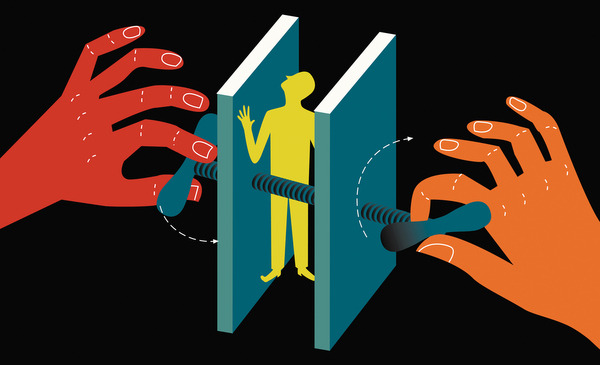
Are junior scientists little more than human pipettes?

Are junior scientists little more than human pipettes?{credit}Paper Boat Creative/Getty{/credit}
Continue reading

From Doctorate to Data Science: A very short guide

Moving from a PhD into data science can be rewarding, but might be a bit of a culture shock

Are you one of the many PhDs considering a career in data science? I completed a PhD in neuroscience at Stanford three years ago; now I’m a data scientist at Uber. During my time in industry, I’ve found that the skills we develop in graduate school, such as analytical thinking, statistics, communication skills, and – oh yes – tenacity in the face of adversity, make us a great fit for the role.

smaller

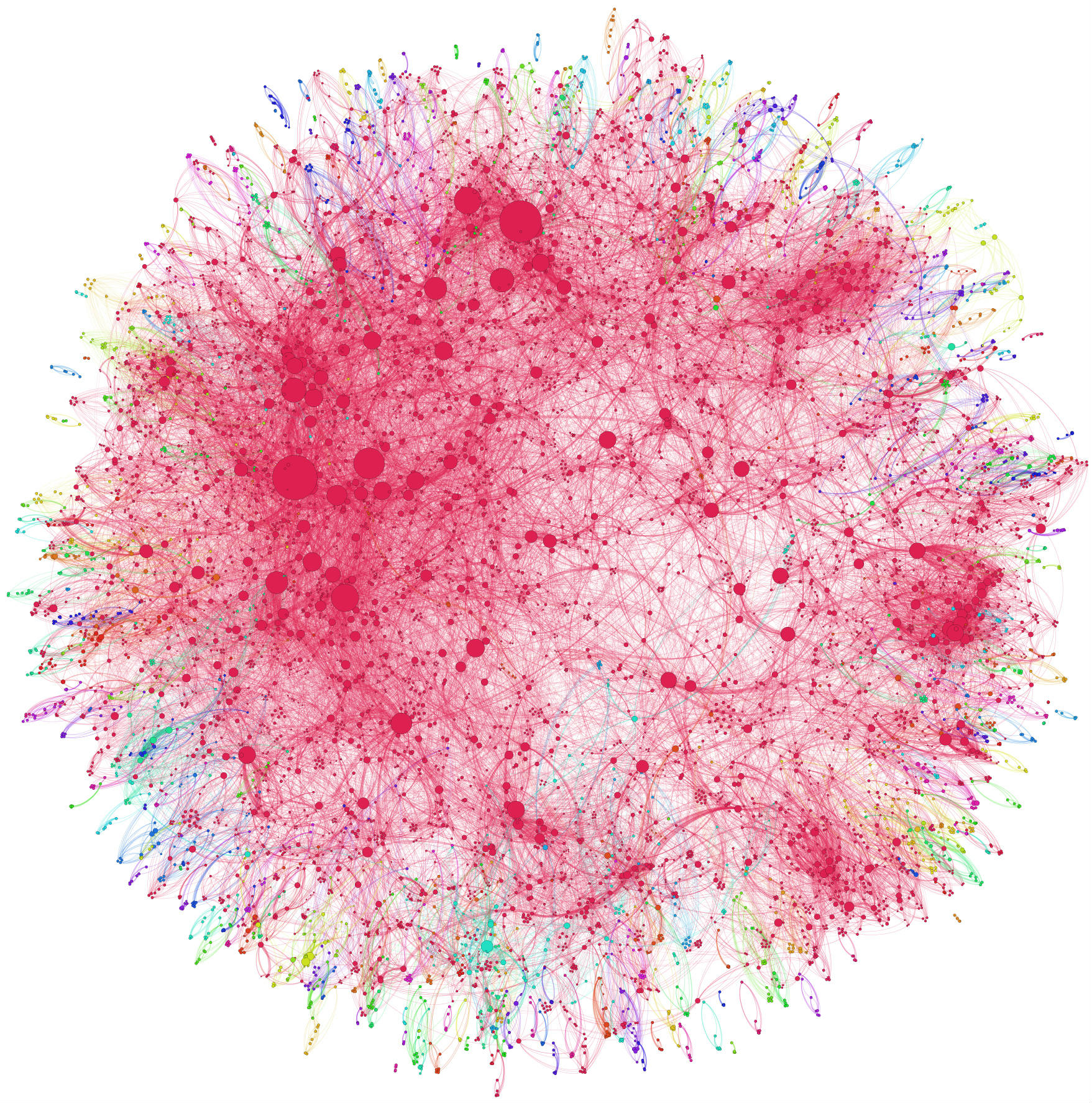
The co-authorship network of 8,500 doctors and scientists publishing on hepatitis C virus between 2008 and 2012. {credit}Andy Lamb/ Flickr{/credit}

Continue reading

Lost in translation

You may not be an English native speaker, but that shouldn’t be an obstacle in science, says Elena Blanco-Suárez.

GettyImages-550382899-smaller


Continue reading

Stepping up for hope

What did the March for Science do?

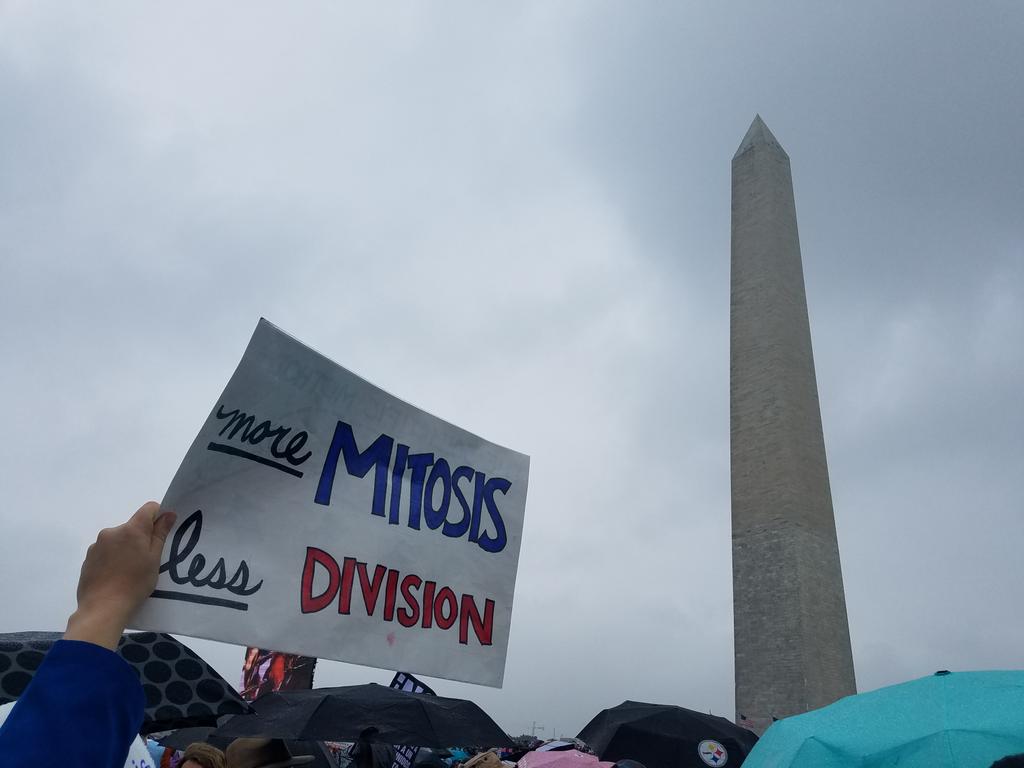
Scientists across the United States are just now returning to their labs after a weekend of marching, waving signs and, in many cases, wringing out rain-soaked lab coats. The steady rain that fell Saturday, 22 April, on the March for Science in Washington DC didn’t dampen participants’ enthusiasm for standing up for “science that upholds the common good and for political leaders and policy makers to enact evidence-based policies in the public interest,” to quote the March for Science website’s mission statement.

march

{credit}Kate Carbone{/credit}


But now that the march is over, scientists have to face some important questions: What message did they deliver, what comes next and what does it all mean for their careers? Continue reading

Sexual harassment: A continuing struggle

The US scientific community is still searching for a solution to the toxic issue of sexual harassment.

The US National Academies of Sciences, Engineering, and Medicine (NASEM) in Washington DC are conducting a study on how sexual harassment in academia influences the career advancement of women in the scientific, technical and medical workforce.

if-i-complain-will-it-make-my-life-better-or-worse

Continue reading

Degree and depression

Freelance writer Chris Woolston explains how a new study of PhD students in Belgium has underscored a harsh reality: Pursuing a PhD can be hazardous to mental health.

nj7628-319a-i1

The study, published online in March in Research Policy, found high levels of mental distress among students. More than half of respondents reported at least two mental-health symptoms in recent weeks, and 32% reported four or more symptoms. Common complaints included feelings of constant strain, unhappiness, worry-induced sleep problems, and an inability to enjoy everyday activities. Continue reading

What I learnt from researching in Germany

Mit Bhavsar shares his thoughts on working in the German scientific environment

I’ve always been fascinated with medical research, which brought me from Ahmedabad, India, to Frankfurt (via Aachen, Düsseldorf and Göttingen) to pursue a Masters and a PhD in neuroscience. Germany boasts an excellent research ecosystem across the private and public sectors, with strong collaboration between each. Consequently, there are attractive career opportunities for local and international researchers, especially in a world where two of the west’s other major research hubs – the UK and the US – appear to be trending against science, evidence, and intellectualism. Having spent seven years here, this is what you need to know about research in Germany.

biomedical research-smaller

Credit: Getty/Andrew Brookes

Continue reading

Ten tips for finding an effective mentor

The meandering path to a career in science offers challenges that can be difficult to confront alone. Finding an effective mentor who offers advice and inspiration can help you navigate the maze successfully, say Andrew Gaudet and Laura Fonken.

Laura Fonken

Laura Fonken

Gaudet image

Andrew Gaudet


Continue reading

New to graduate school? Pay attention to those core courses

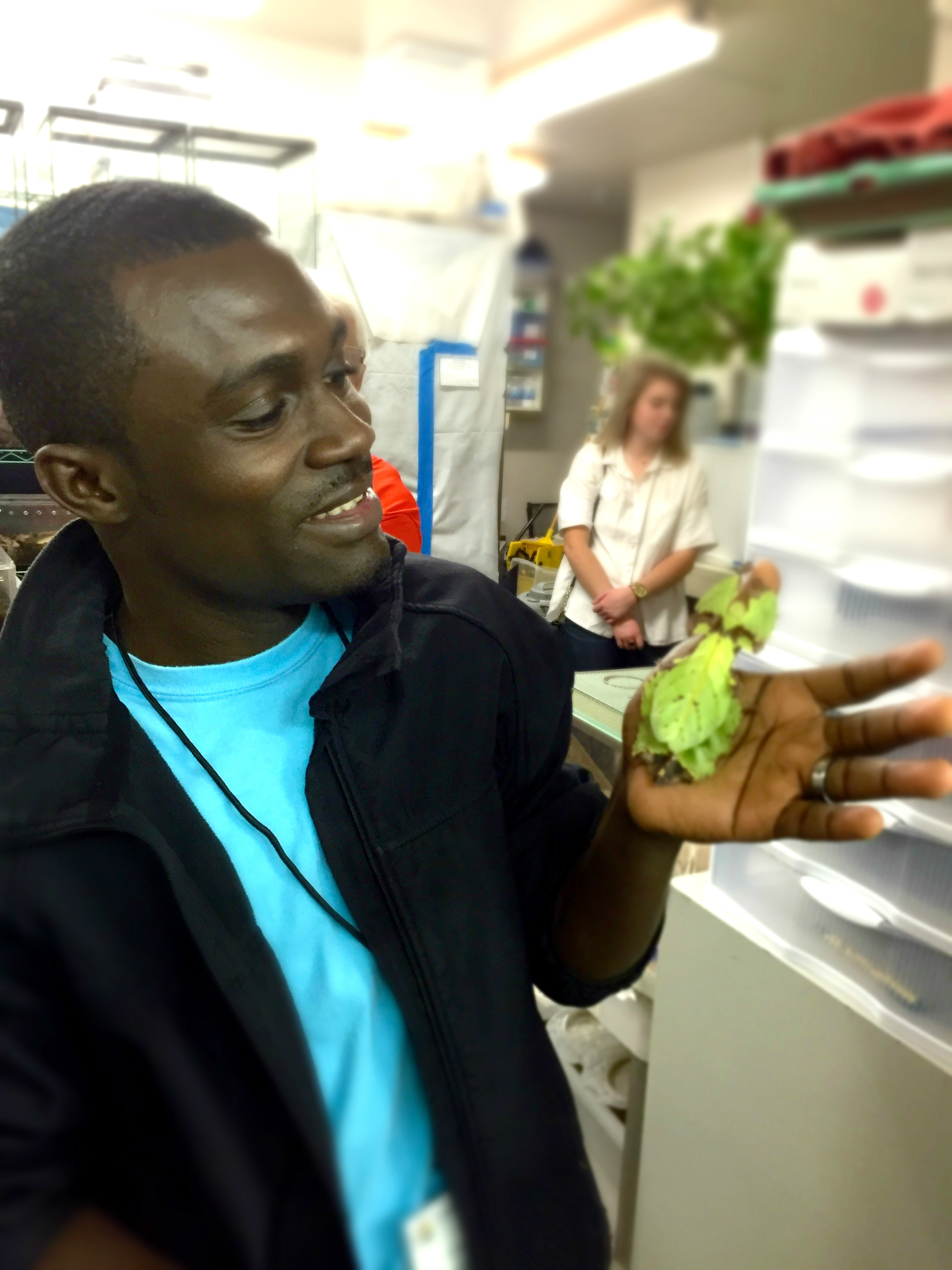
Finding the right balance between coursework and research is critical to success in graduate studies, says Tolulope Morawo.

By the end of your first semester in graduate school, you may find yourself drowning in all sorts of emotional episodes if care is not taken. Often, the excitement and challenges that come with conducting research can be overwhelming. If you’re fortunate enough to have been offered a graduate research assistantship, the dual responsibilities of being a student and researcher can be tricky at first. It is imperative that new students balance that fine line until they become established.

My picture- Morawo-smaller

Tolulope Morawo

Continue reading