The talent prize that flies the Spanish flag for organometallic chemistry

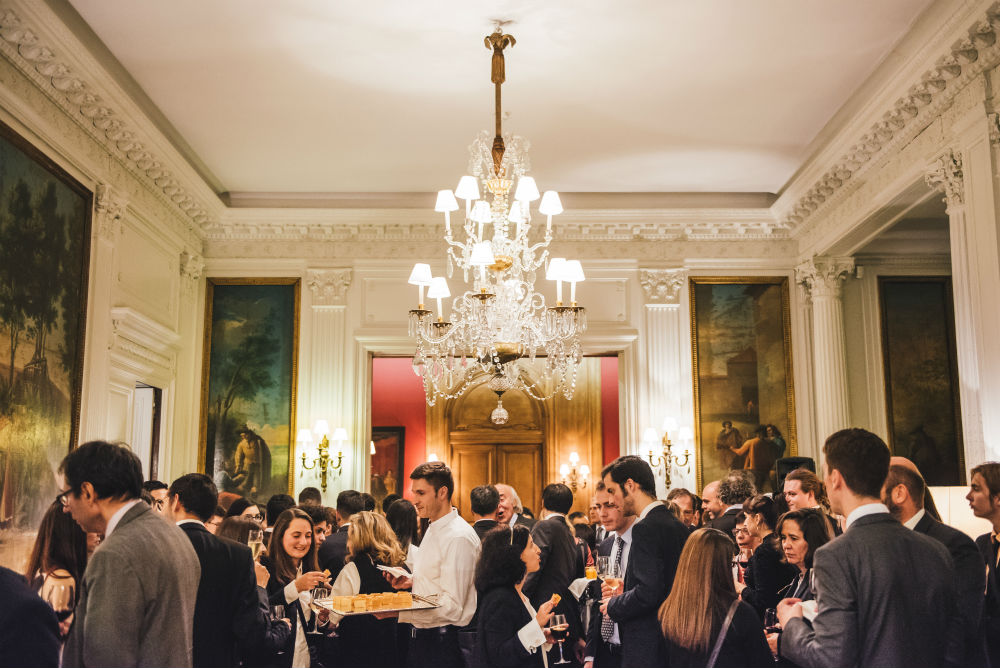
In 2016 Eva Hevia published her 100th paper, had her second child, celebrated her 40th birthday, and won a £14k prize which she will use to strengthen links between scientists in the UK and her native Spain. David Payne attended the prizegiving.

Hevia, professor of inorganic chemisty at the University of Strathclyde, Glasgow, described herself as a “molecular architect” after receiving the Society of Spanish Researchers in the UK’s inaugural Emerging Talent Award at the Spanish Embassy in London this week.

embassy

Continue reading

The changing landscape of pharma: a new route for PhDs?

The pharmaceutical industry is changing – challenging for some, but an open road to opportunity for others. And the latest opportunity in the world of pharma comes from a rapidly growing demand for Medical Science Liaisons (MSLs), says Dr. Martijn Bijker.

As more drugs come to market and pharma’s business model shifts from selling drugs directly to fostering earlier engagement, companies are looking for highly skilled scientifically- and clinically-trained candidates. Could this be an outlet for the overflowing pool of PhD (and MD) graduates produced every year?

So what is an MSL?

An MSL is the scientific and clinical disease expert within a pharmaceutical or biotech company. They’re the go-to person for any complex questions about a specific drug. That could include questions about the science behind the drug, the mode of action, the competitors’ drugs, side effects, clinical trials, research opportunities, and disease-related questions.

MSLs work at the interface between internal stakeholders in the company and external stakeholders in the field – called Key Opinion Leaders (KOLs). MSLs help to bring innovative new drugs to the market and provide education about the proper use of drugs that are already on the market. KOLs – broadly defined as leaders in their field – can be heads of departments at teaching hospitals, heads of pharmacies, professors of medicine, the CEO of a patient organisation, physicians involved in pharmaceutical clinical trials and sometimes clinical scientists themselves. In short, MSLs work with the most influential stakeholders in a therapeutic area.

scientist-762627_1920

MSLs help to bring innovative new drugs to the market and provide education about the proper use of drugs that are already on the market.

Continue reading

Why don’t scientists always share their data?

Reproducibility is the cornerstone of science, and it can be compromised by insufficient data in peer-reviewed publications. Should scientists reveal everything?

Publishing Better Science through Better Data writing competition winner Emma Vander Ende.

One of the foundations of science is its reproducibility. Without it, results are not verifiable and are therefore not believable. But even if a published result is true, there is a chance it might not be reproducible, which introduces a plethora of problems for science.

Irreproducible experiments severely limit the ability of the scientific community to build on results and advance the field. This can happen when scientists don’t share enough data, or details of their experiments in papers, and it happens quite frequently.

So why might a scientist not share their data?

drugs

{credit}Comstock/Thinkstock{/credit}

Continue reading

Back to basics: Cracking an academic interview

Mit Bhavsar runs through some simple tips he learnt in his quest for an academic position.

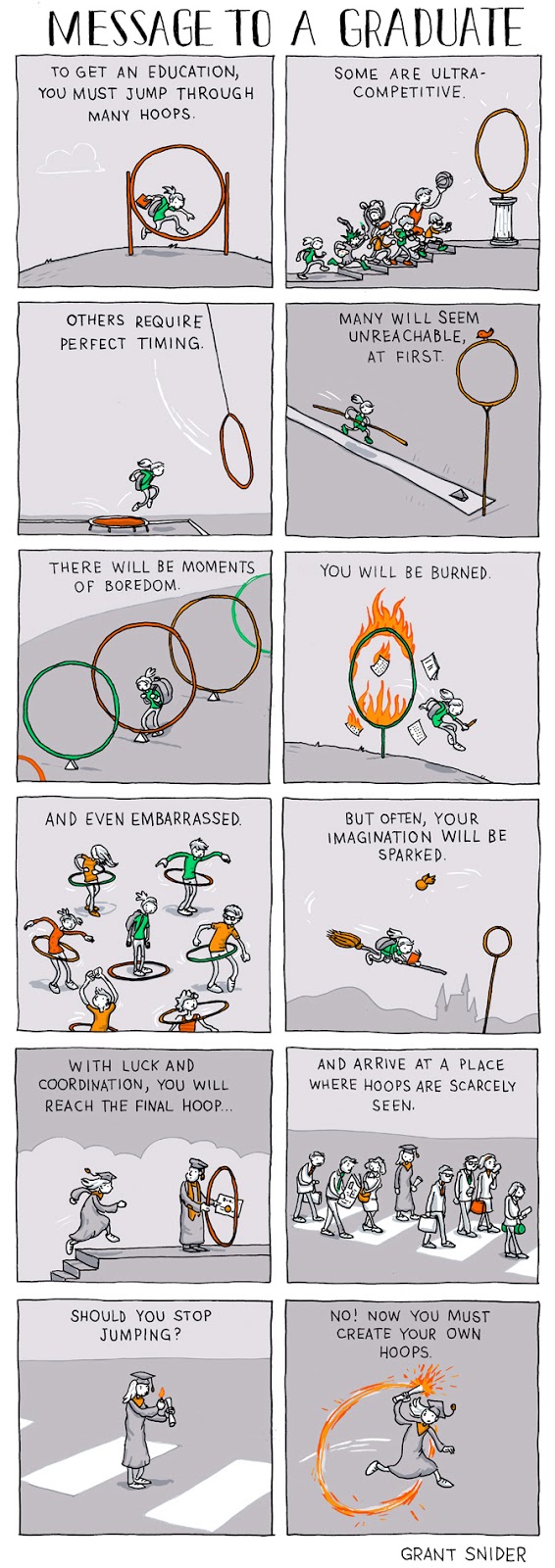
Staying and working in academia is a good career choice but finding the right position in academia is still a tricky thing. Blanket-applying to as many positions as you can find and crossing your fingers isn’t going to cut it. Recently, I managed to crack some of my own postdoc interviews. Here’s what I learnt.

grant snider comuic

Image source: Grant Snider https://www.incidentalcomics.com/2013/05/message-to-graduate.html

Continue reading

US research centres create opportunities

Training and mentoring opportunities for junior researchers in particle physics, cell biology, mechanobiology and materials science will be created in connection with four partnerships that are funded by the US National Science Foundation (NSF) in Arlington, Virginia.

New Image

NSF on 26 September announced US$94 million to support four new Science and Technology Centers (STCs). Each awardee will receive up to $24 million over a 5-year period, with the possibility of a continuation for 5 more years. In addition to these latest awards, NSF supports eight active STCs across the United States. Each STC involves partnerships across universities, federal labs, industry and other organizations.

Continue reading

Preparing researchers to manage traumatic research

Studying traumatic events comes with its own risks – the scientific establishment needs to be doing more to protect researchers, says Dale Dominey-Howes and Danielle Drozdzewski.

tsunami1-smaller

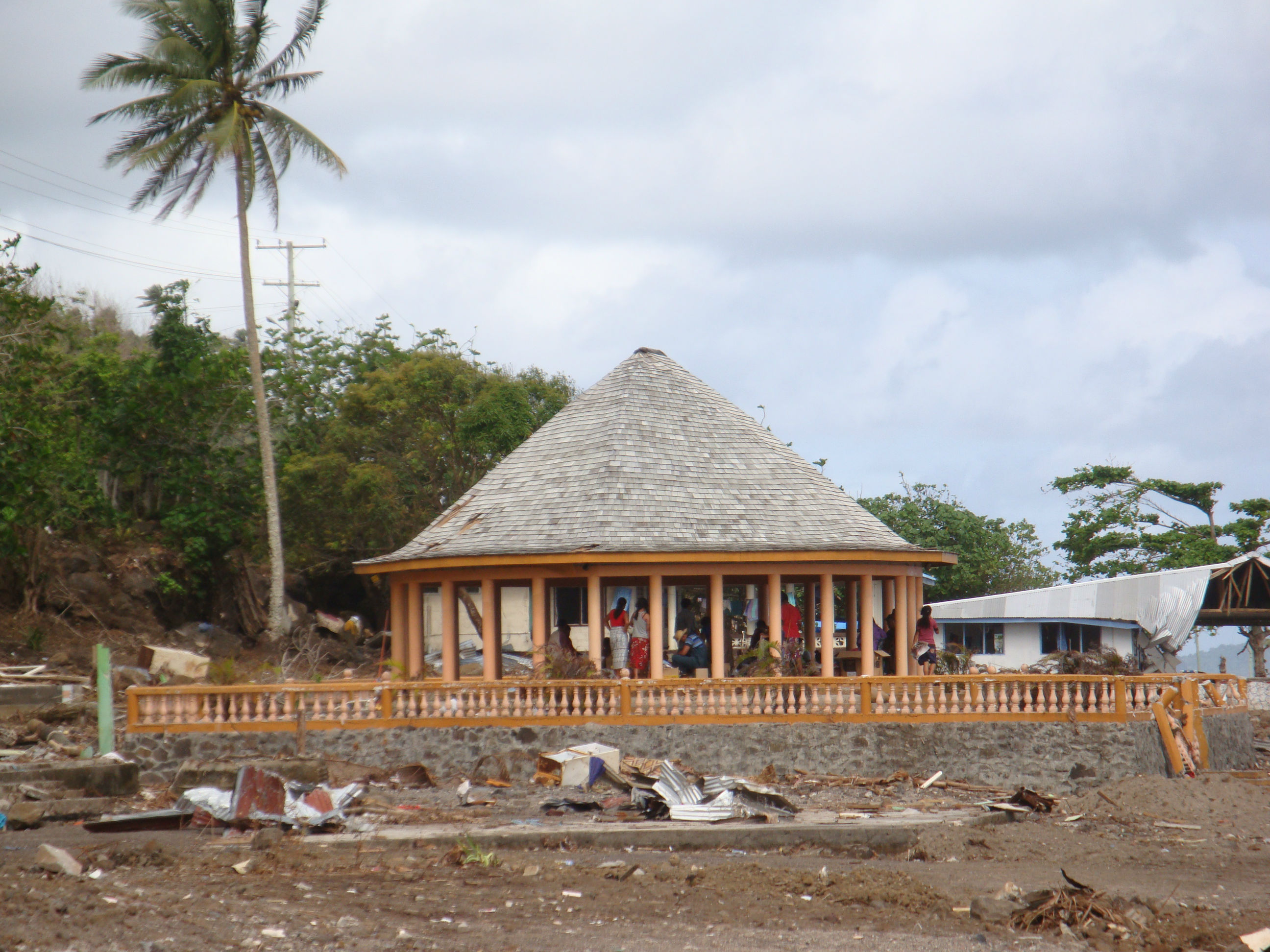
One of the authors interviews survivors a few days after the September 2009 South Pacific tsunami in the rubble of their communities in Samoa, as part of the UNESCO post-tsunami survey team reporting into the Prime Minister and King of Samoa. “It was a hard day for all of us,” says Dale Dominey-Howes.

What’s the issue and why is it important?

Earth is destabilizing rapidly. Terrorism, conflict, genocide, human displacement, socio-economic disruption, rapid global environmental change, slow emergencies and natural disasters are more common than at any point in history. Consequently, opportunities exist for researchers to investigate the causes, consequences and potential management solutions arising from this instability. For this to happen, we need a well-trained workforce equipped with the skills and capabilities to work with ‘traumatic’ research content, people and places. Continue reading

On the move

Moving lab is a challenge. Moving country is an undertaking of vast proportions that often requires months of logistical planning for everything from finagling visas and finalizing funding to transporting delicate cultures and mastering a new language.20151126_132257-edit

Continue reading

Children’s hour

As a scientist, you’re juggling so much already.childcare

You’re managing your research programme, trying to publish, writing grants, and, depending on your career stage, looking for a postdoc or permanent position or supervising and mentoring junior lab members. Plus you likely have teaching obligations, are serving on a committee or three and have to give a big talk soon.

How do you cope with all of that when you have a family? You can’t just put baby in the corner as you race off to the lab in the morning, or rely on the babysitter every single night for three weeks straight because of that thing that keeps happening with your cell culture.

It isn’t easy. But we’ve rounded up a few ideas for you from other parent-researchers that might help smooth your way. One possibility, if you’re about to do a postdoc or are doing one, is to ask your principal investigator (PI) about shared postdocs. While this idea hasn’t taken off (yet) like wildfire, it’s worth bringing to the table, especially if your PI knows that you have young children at home or are planning for one. The risk is minimal, and you might be pleasantly surprised. Remember: no ask, no get. Continue reading

The beginner’s guide to the LinkedIn network

Exploring career paths sometimes feels like coming out of a cocoon – who knows what’s out there?

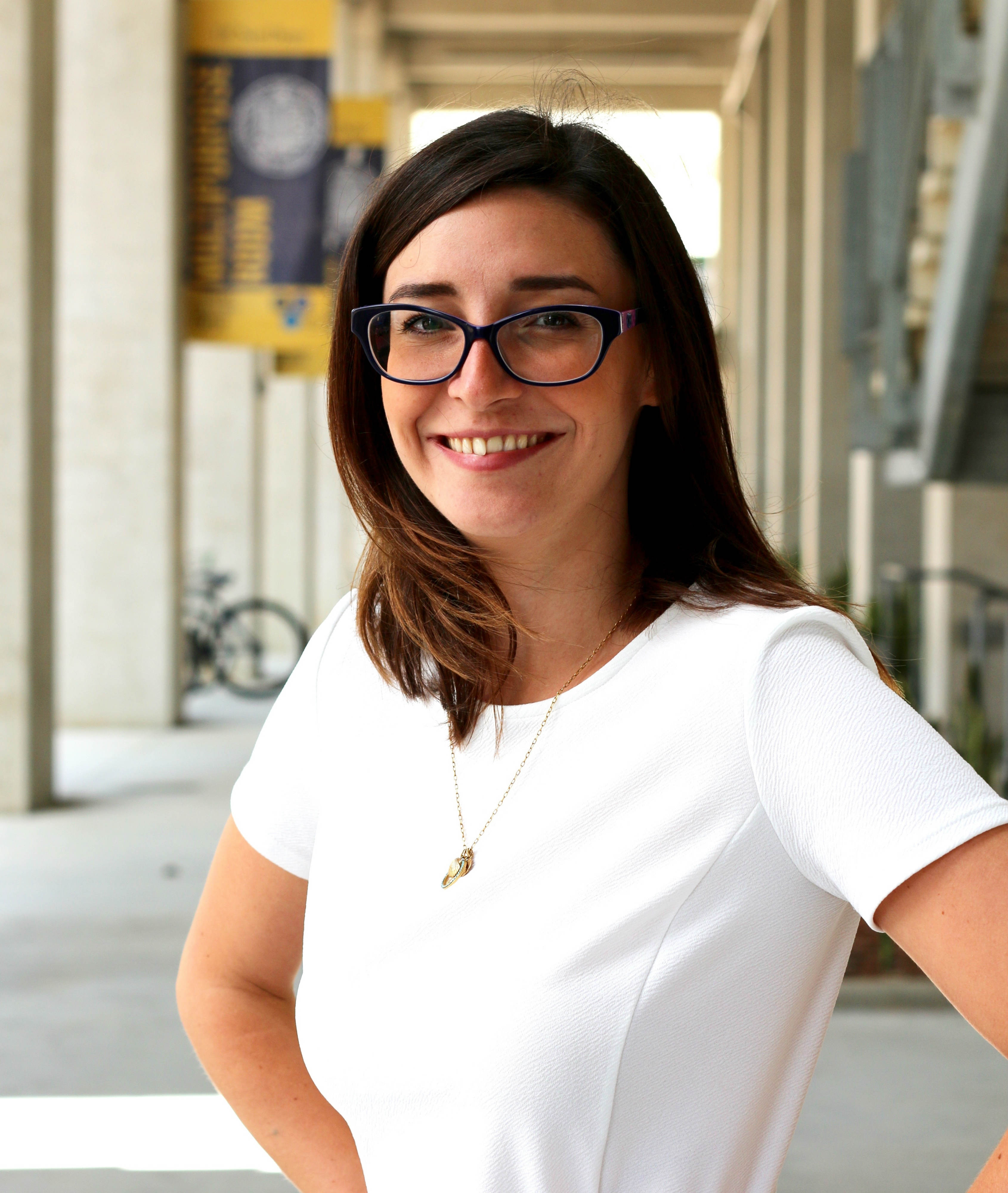
Naturejobs journalism competition winner Elisa Lazzari

ElisaLazzari-smaller

{credit}Jean Branan{/credit}

Continue reading

New hope for EU researchers?

Pursuing a research career is tough in any nation, maybe especially so for junior scientists who are facing a difficult path and have far fewer traditional metrics to ease their way: grants and funding, publications, collaborations.

bratislava-1324684_1920

Bratislava Castle, Slovakia

Continue reading