Sports science: An athlete-researcher’s experience

NATURE_SPORT_400-smaller

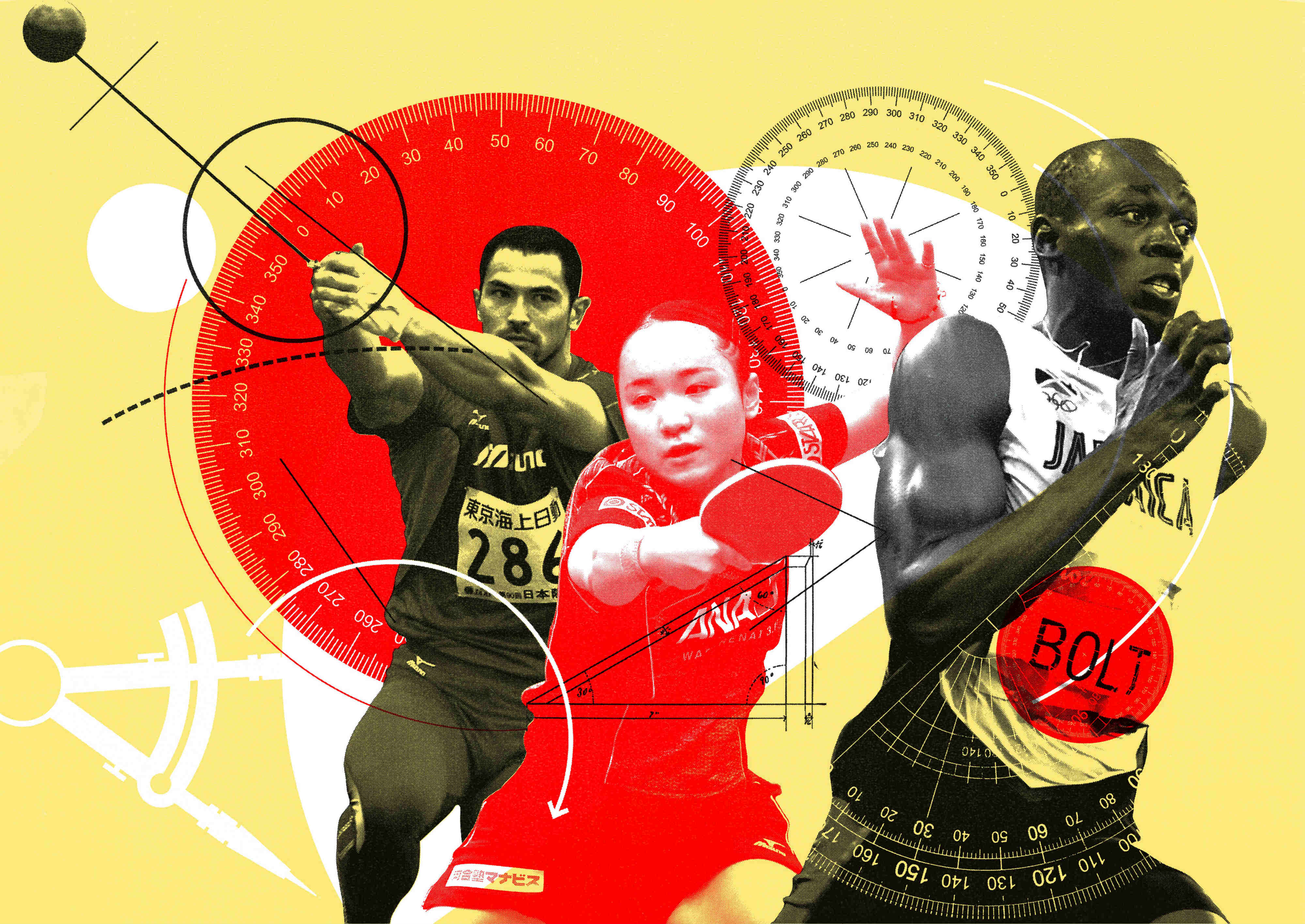
Koji Murofushi’s career has been a mix of tradition and innovation in sports science. He shares his thoughts on a new training approach.

By Tim Hornyak

Sports science is the study of the body as a performance machine. Its specialties span biomechanics and psychology, and demand for its experts is growing. Whether it’s helping everyday people with their physical wellbeing or training elite athletes to react faster endure longer or jump farther, sports scientists and performance consultants are playing an increasingly important role in exercise and competition.

Evidence of growing demand for sports science mavens can be seen everywhere from new university programmes such as the University of Michigan’s Exercise & Sport Science Initiative, launched in 2016, to mass media events. In one example of the latter, before Irish mixed martial artist Conor McGregor went up against boxing champion Floyd Mayweather in a much-hyped showdown in August, he trained at the UFC Performance Institute, a $12 million facility that opened earlier this year in Las Vegas. McGregor used altitude chambers to improve aerobic capacity and ran on an underwater treadmill to build endurance. That may have helped him go more than nine rounds with Mayweather, the overwhelming favorite and eventual winner of the bought. Continue reading
Productivity for researchers: 9 brilliant tips

Are you great at procrastinating? Do you wish you could get more done in a week, or just do things ‘better?’ Here are some helpful hints and tips for your research workflow!

By Stacy Konkiel

At Altmetric, we provide actionable insights into the online engagement surrounding published research. In early 2017 we asked researchers to share their favorite productivity tips and tricks for tackling their to-do lists, in the hope picking up some ideas ourselves and sharing their wisdom with the wider community. Here are some of their top recommendations.

cube Continue reading

The Naturejobs journalism competition, London, 2017

Enter for a chance to work as a Nature journalist for the day!

NJCE (London) NoDate

We’re launching our annual journalism competition, to cover our flagship career fair in London on October 4th, 2017. Continue reading

Management 101 for scientists – three rules for managing a successful team

Joanne Kamens, Addgene’s executive director, shares her top tips for effective scientific management

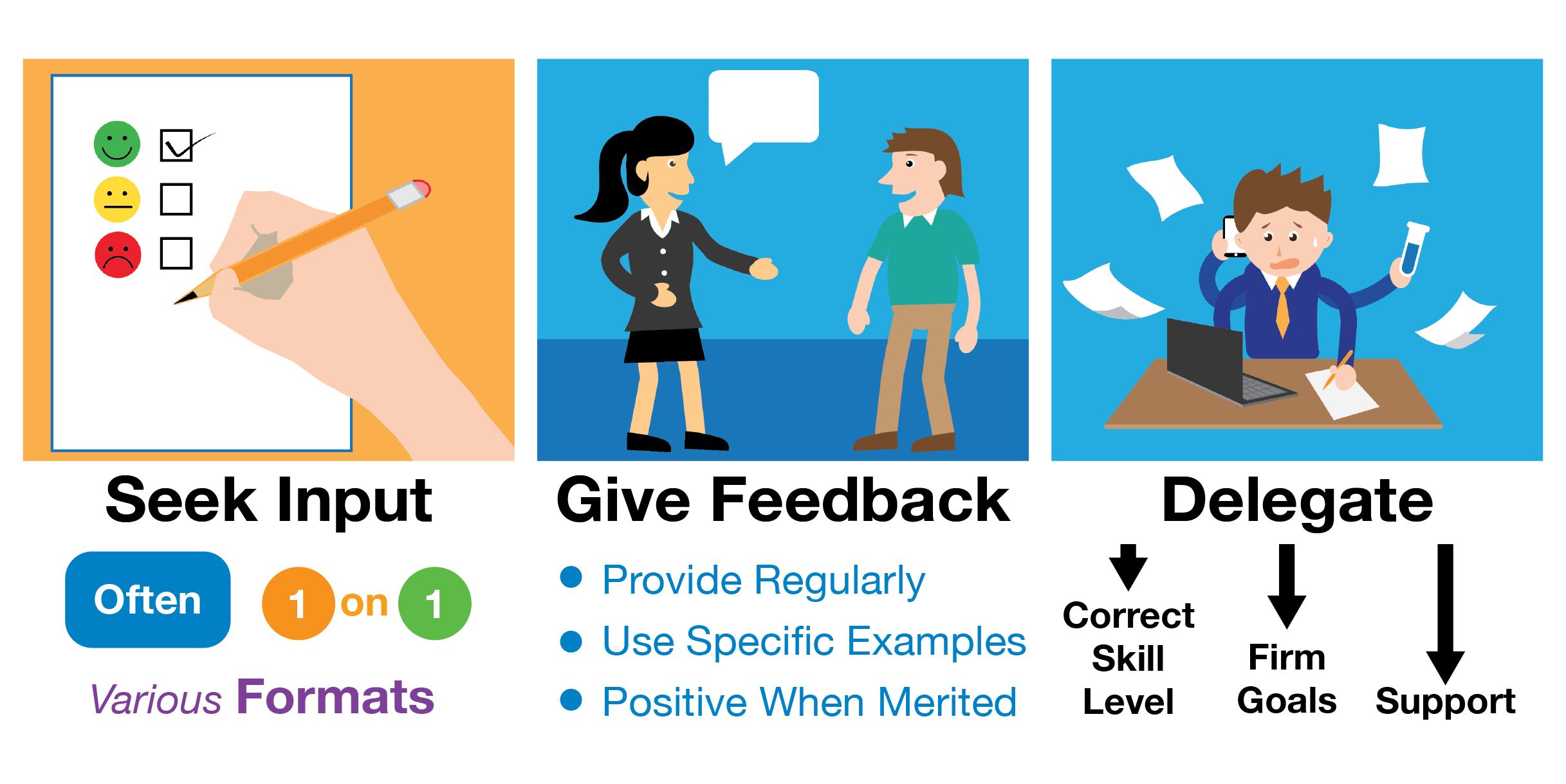
Good management can make an enormous difference in the success and productivity of any team. Unfortunately, new managers are rarely chosen because they have demonstrated skill at managing people. After 10-15 years of training, many scientists will be expected to run an academic lab or manage a team outside of academia with little experience and almost certainly no formal training. The kind of smarts and the types of skills that it takes to be a good scientist are not the same ones it takes to be a competent manager (much less a really good one). While getting your PhD or doing a postdoc, few science trainees have opportunities to work on their emotional intelligence or to hone their delegation skills.

So what makes a good manager? First, it takes an open mind willing to learn and develop skills. Managing a team is hard and scientists should reject the myth that “it comes naturally” to some.  Most good managers have worked hard to learn principles of good management and they continually build their skill set with experience and trying new tactics. Second, being a good manager requires a focus on the goals.  I believe the most important goals are to get a lot of stuff done, to produce excellent quality work and to create a team culture that provides a happy work environment. The first two goals may be obvious, but why the third?  Happy people get more done and do better work and a positive culture attracts good people.

Here are three areas to work on.

Management Infographic

{credit}Wu Li; addgene{/credit}

Continue reading

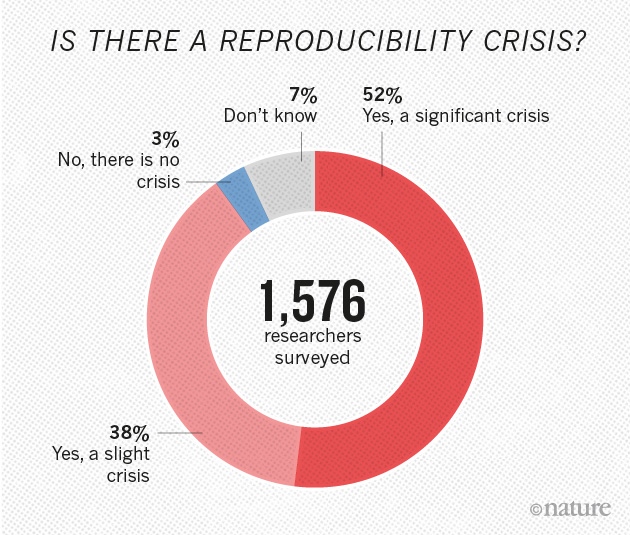
To improve reproducibility, listen to graduate students and postdocs

The National Institutes of Health (NIH) should implement a national exit interview portal to collect feedback from mentees on their experiences.

Funding agencies should not penalize poor performers; instead they should reward good mentorship, says Ahmed Alkhateeb

Continue reading

Dear Dr. Elena: How outreach kills the science stereotype

Science includes a vast range of people. So why do we still have one stereotype?

professor-1696568_1280

What does a scientist look like?

You don’t look like a scientist.

Have you ever been told this? I get it quite often. Sometimes from children, but also from adults. Occasionally, if I feel like turning that comment into a discussion, I ask:

How so?

They would hesitate, tilt their head, and make a careful comment about my outfit or my hair.

And you are a girl. Continue reading

Five rules for starting up in synthetic biology

Building a synthetic biology startup is tough – but stay the course and it’ll be the most rewarding struggle of your life, says James Field.

Since the advent of life 3.6 billion years ago, the survival of all species has depended on rapid innovation at the genetic level. As a consequence, our planet has grown rich with evolved technologies.

Traditionally, the dream of harnessing these evolved technologies has been confined to thought experiments and science fiction. Now, the emerging field of synthetic biology is giving engineers the tools required to tap into evolution’s code-base.

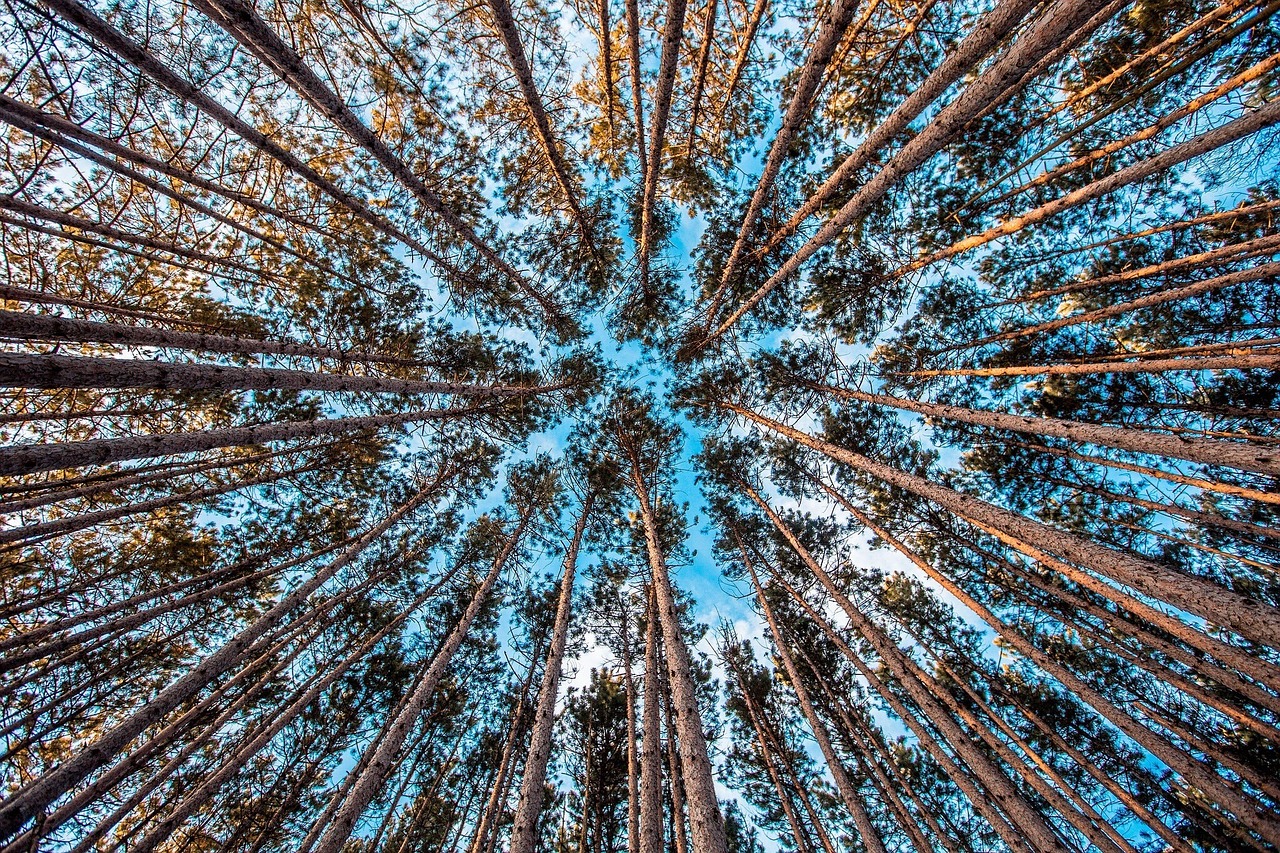
forest-1245951_1280 Continue reading

Mental health problems: Should you tell your boss?

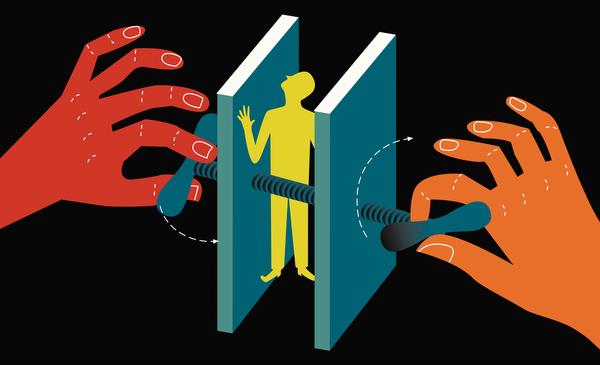
A survey of more than 1000 UK adults to mark Mental Health Awareness Week found that almost half are unlikely to tell their boss about problems such as anxiety, depression or bipolar disorder.

Sue Baker, head of the charity Time to Change, says telling your boss about a psychiatric illness is not always advised, particularly if an employer is not openly supportive of mental health problems in the workplace.

nj7628-319a-i1

{credit}Getth{/credit}

Continue reading

Being a foreign scientist in Trump’s America

How is the Trump administration affecting foreign scientists working in the US?

A Spanish bioscience postdoc on a non-immigrant J1 visa, based in California, who wishes to remain anonymous, shares her perspective as a foreigner in the US in the current political climate with science writer Louisa Cockbill.

We’re now three months into Trump’s presidency.  What effect has it had on you?

On election night I was very disappointed and upset. It was frustrating not to have the right to vote as the political decisions made in this country affect my life. The uncertainty of what happens now is kind of scary. In general I still feel welcomed and still love living here. However, as an immigrant, a woman and a scientist it’s not surprising that I’m a little worried – these aren’t positions that seem to be supported by the administration. I check nearly every day to see if they have decided to change something with my visa or green card applications that may affect me personally.

The inauguration of President Trump

Continue reading

The next generation of science outreach

Increased communication and outreach efforts require changes in the structure and culture of academic science, says Nicole Forrester.

In the wake of the US presidential election in November 2017, the scientific community has recognized that it has fallen short in communicating the value of science and research. As a result, scientists are now calling for increased public outreach and communication efforts. While this awareness is important, the path forward is not entirely clear.

pexels-photo-77984-smaller Continue reading