
Category Archives: Research
The leaky pipeline: Thank putdowns, slights
Searches for the reasons behind the ‘leaky pipeline’—the structural failures, such as equal representation, that drive women out of science, technology, engineering and maths (STEM)—often focus on large-scale problems such as work-family or work-life balance. But insidious psychological strikes also contribute to the outflow.
A study involving interviews and online posts of 28 women in the later stages of PhD studies in engineering and physical sciences in the United States, published 31 January in the journal Social Sciences, revealed many day-to-day slights that left them feeling alienated and undervalued. Some said they were contemplating leaving research as a result. “There’s a culture in male-dominated environments,” says Bianca Bernstein, a co-author of the study and a psychologist at Arizona State University in Tempe. “Some women feel it’s not for them.”
Even though they were already deep into their PhD studies, 12 of the 28 women indicated that they didn’t want to pursue research careers. Five cited personal or work-life balance reasons, but six chalked up their decision to change course to the workplace environment and culture, including two who specifically expressed a desire to escape a male-dominated field. Hypothetically, Bernstein says, more women would finish graduate school and remain in research careers if the gender balance wasn’t already so skewed, but noted that any such scenario is difficult to test.
The interviews and posts, which took place over seven months, highlighted many of the positive aspects of the scientific life, including feelings of accomplishment and mastery. But the women in the study also reported “frequent” instances of feeling ignored, dismissed or excluded. One woman reported that a male colleague reacted rudely when she won a scholarship. “He blamed it on the fact that I was a woman and that they probably gave me a scholarship to fulfill a quota,” she said in an interview as part of the study.
The women reported that they were disproportionately asked to perform “women’s work” such as cleaning up the lab or performing clerical duties. “We’ve been hearing that complaint for decades now,” says Bernstein, who is also a principal investigator with the US National Science Foundation’s CareerWISE programme, a coaching initiative for graduate-level women in science and engineering. “It’s surprising that it hasn’t changed.”
A few women reported unwanted sexual advances in the workplace. Bernstein notes that the interviews and posts tracked only study subjects’ recent experiences, not everything that had ever happened with them during their graduate programme. Also, the interviews and posts took place before the rise of the #metoo movement, so women may have been more reluctant to report such events than they would be today.
Kevin Miller, a researcher with the American Association of University Women based in Washington DC, says that even seemingly minor grievances can add up. “Women in STEM have to fight an uphill battle that starts when they are girls and their interest in the sciences may be discouraged or ignored,” he says. “The experiences described in this study show that women face bias both subtle and overt as well as systemic factors that make them more likely to exit STEM fields.”
Chris Woolston is a freelance writer in Billings, Montana.
Suggested reading:
Technology: Women are alienated
African astronomy and how one student broke into the field
Africa is investing in a future of astronomy research, but students need access to inspirational lecturers, says Gina Maffey.
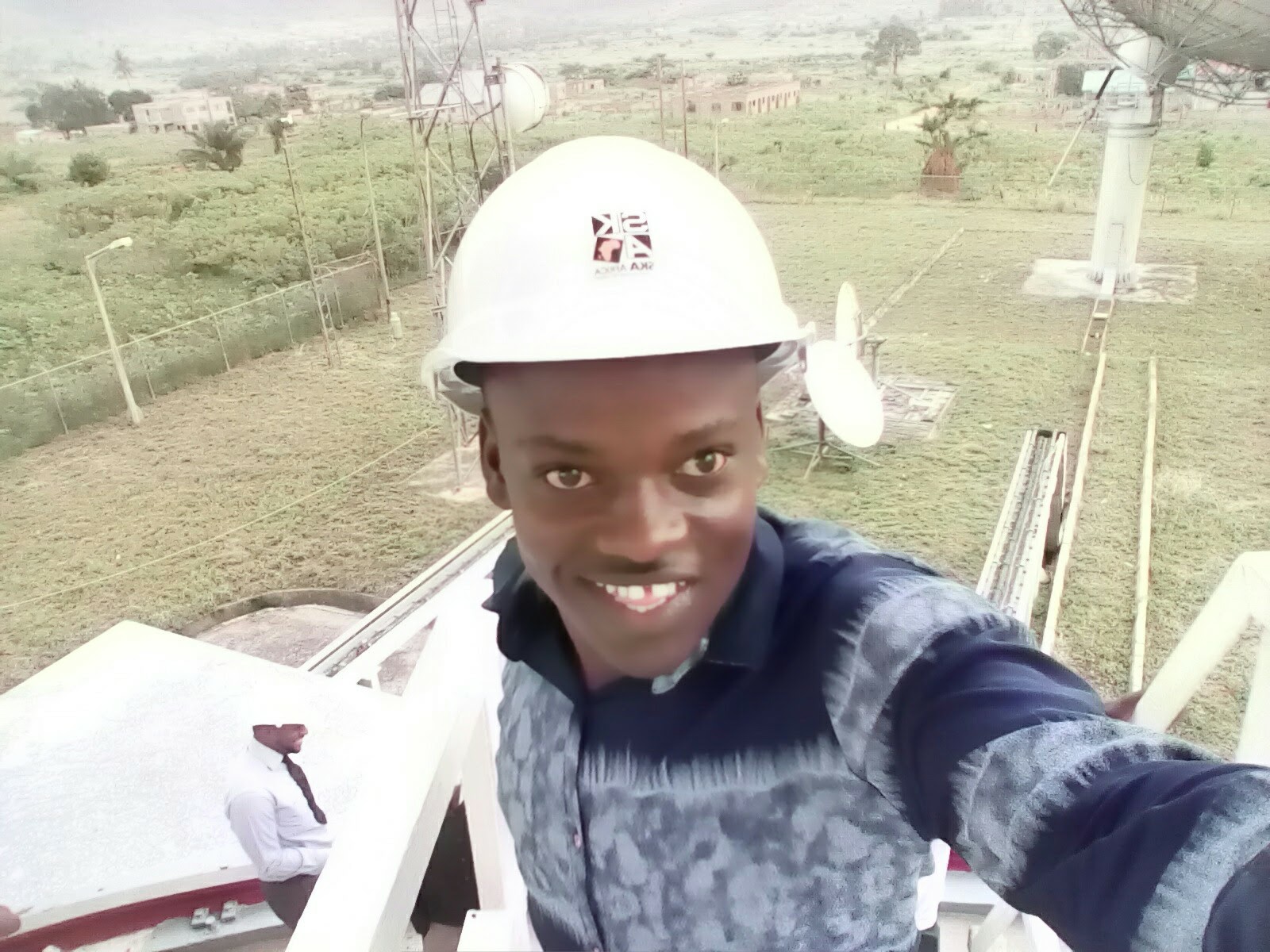
Isaac Mumo Mutie
What do you do when the degree you want to study is not offered by your university?
You study it anyway.
“I did a lot of personal research online, looking for answers” says Isaac Mumo Mutie, an astronomy student who studied at the Technical University of Kenya. While studying for a Bachelor of Technology in Technical and Applied Physics, Professor Paul Baki introduced Mutie to astronomy, and Mutie would consult with him in his spare time.
“He would ask me ‘why are you interested? This is not part of the curriculum.’ But I insisted.” Continue reading
A student shaping the future of African astronomy
Africa is investing in a future for astronomy research, but it requires a fresh cohort of enthusiastic people to make it happen. Gina Maffey talks to one dedicated scientist.
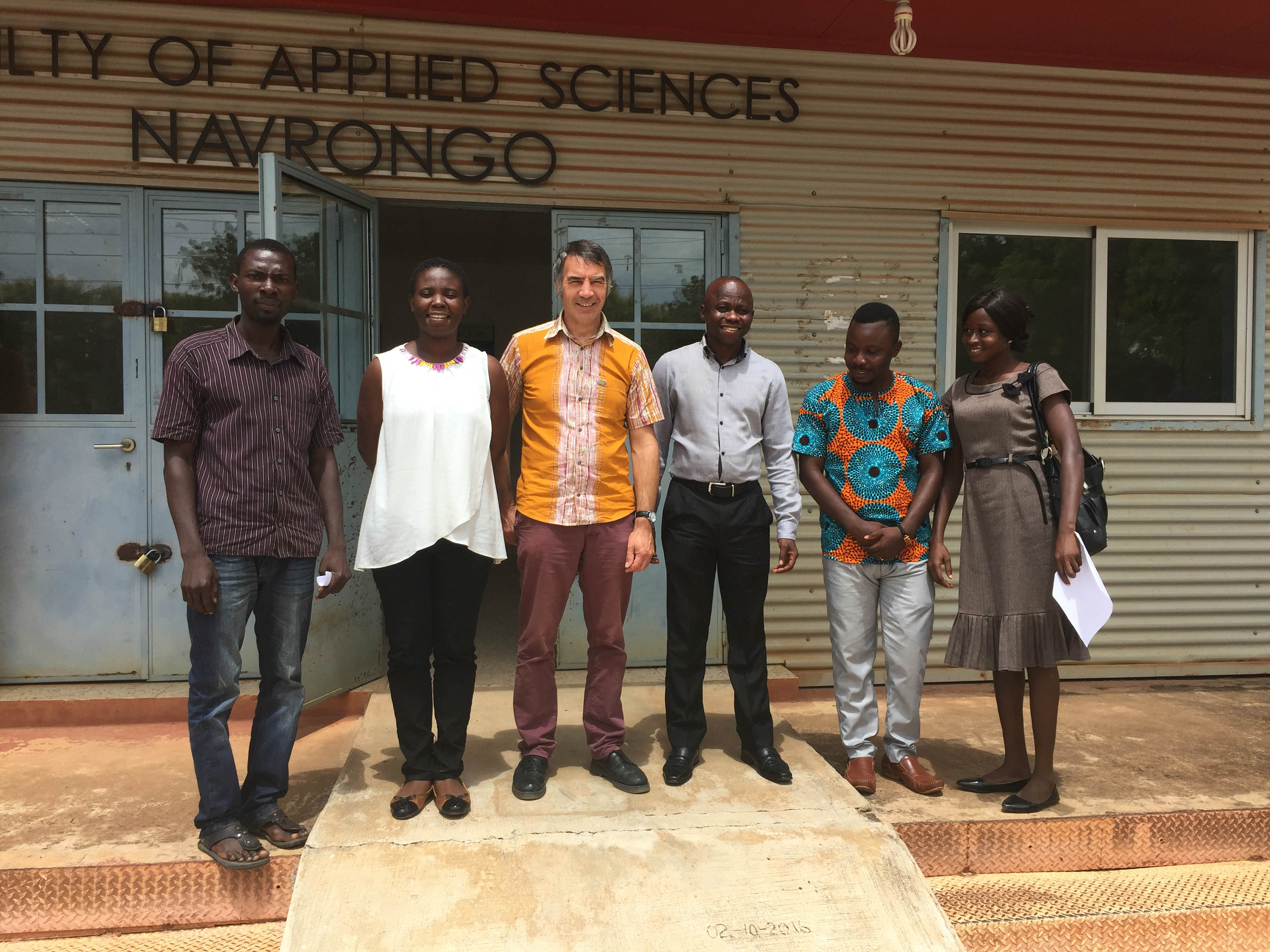
“I want to see Africa lit up.” Naomi Asabre Frimpong says with a laugh, “I want to show how Africa can be forward thinking. I want to make sure that we are not left behind.”
Asabre Frimpong is a 2nd year PhD student at the University of Manchester, in the UK, and her enthusiasm — for both astronomy and science in general — is infectious.
She says she was attracted to science through chemistry, and studied for a BSc and MPhil in Ghana. A post at the Ghana Space Science and Technology Centre introduced her to astronomy and shortly afterwards, on an astronomy and astrophysics training scheme in India, her worlds collided as she discovered astro-chemistry – the study of chemical reactions in space Continue reading
March for Science 2018 gears up
Organisers of the second annual March for Science , scheduled for 14 April in Washington DC, are hoping to recapture the energy and enthusiasm that prompted more than 1 million researchers and others to march together last year across 600 cities around the world in support of evidence-based policy and upholding science for the greater good.
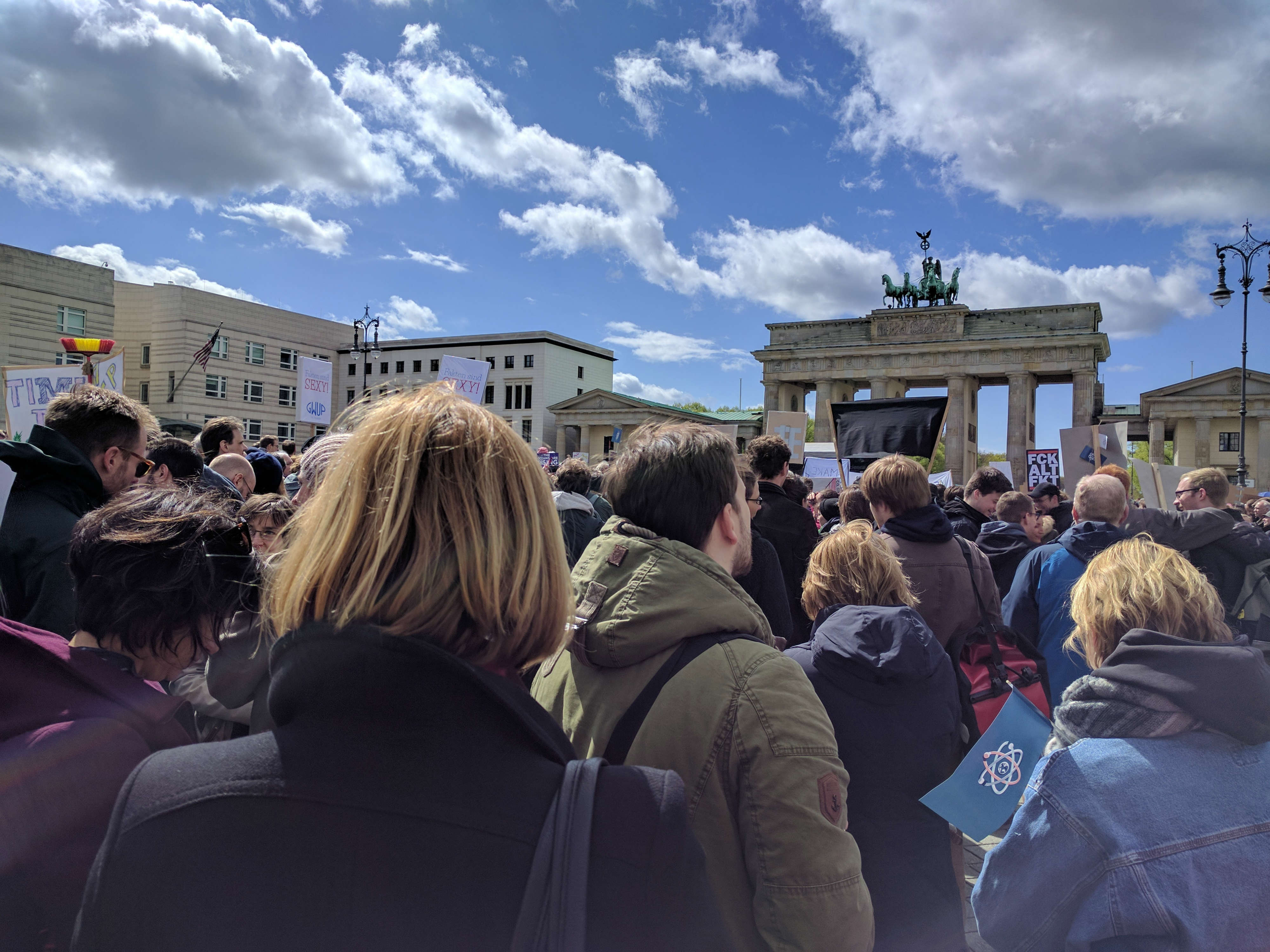
Caroline Weinberg, an organizer for the upcoming march in Washington DC, expects smaller crowds than last year, although she admits her prediction may again be off the mark. “Last we expected 40,000 people, and we got around 100,000,” she says. She adds that most of the marchers in the nation’s capital city were concerned citizens, not practicing researchers.
In Washington DC and elsewhere, organisers envision events with fewer marchers, placards and chants but more advocacy-related activities. Weinberg and others aim to offer hands-on projects for those taking to the streets in Washington DC. In Berlin, Germany, organisers are planning a “local hero” programme where scientists will give public talks at bars, cafes and other venues. March-related activities in Portland, Oregon, will include speeches by local politicians and a science expo with at least 30 presenters, including a juggler who demonstrates the principles of physics.
The election and inauguration of Donald Trump for US president helped to spur marchers last year, and Weinberg says that she suspects that some scientists this year may be motivated to speak out against Trump’s recent budget proposal, which called for drastic cuts to the US Centers for Disease Control and Prevention spending plan . But she adds that the march and other forms of science activism shouldn’t depend on crises to draw interest and participation. “Our challenge is to build up a huge crowd and send a message that galvanizes everyone but to also make it sustainable,” she says. “We can’t allow our advocacy to be tethered to those moments.”
Roughly 15,000 people attended last year’s march in Portland, but that kind of enthusiasm will be hard to replicate, says Denesa Oberbeck, a behavioral neuroscientist at the Oregon Health & Science University in Portland and a member of the steering committee for this year’s march. “There’s some fatigue and some burnout, but we need to keep fighting,” she says. “We have to maintain an activist stance.”
Kristine Wadosky, a cancer researcher at Roswell Park Cancer Institute in Buffalo, New York, marched in Washington DC last year carrying a sign that read “Curing cancer is non-partisan.” This year, she plans to join the march in Chicago, Illinois, where she will give a talk on advanced prostate cancer for the annual meeting of the American Association for Cancer Research. She says that she’s just as energized about science advocacy as ever before, and she thinks that many other young scientists feel the same way.
This time, Wadosky says, she won’t need a sign to send her message, which isn’t especially complicated. “I just want to go to show that I’m a scientists, and I exist,” she says.
Chris Woolston is a freelance writer in Billings, Montana.
Suggested reading:
Growing pains
In support of the March
Reflections on a movement
The extra bits of a grant application: a cheat sheet

Como Se Dice “DNA”?
Good science communication is a key force in driving change, but finding common ground can be a challenge – especially across linguistic barriers, says Jacqueline Gamboa.

The long and winding road for training scientists to engage the general public
Efforts to encourage better public outreach are admirable, but better communication between scientists must come first, says David Rubenson.

{credit}iStockphoto/Thinkstock{/credit}
How to get the best out of a conference: five tips

Dummy no more: When to accept you’re no longer a beginner
You won’t always be a student, trainee, or beginner. Expertise comes from knowing your skills and constantly trying to improve, says Atma Ivancevic.