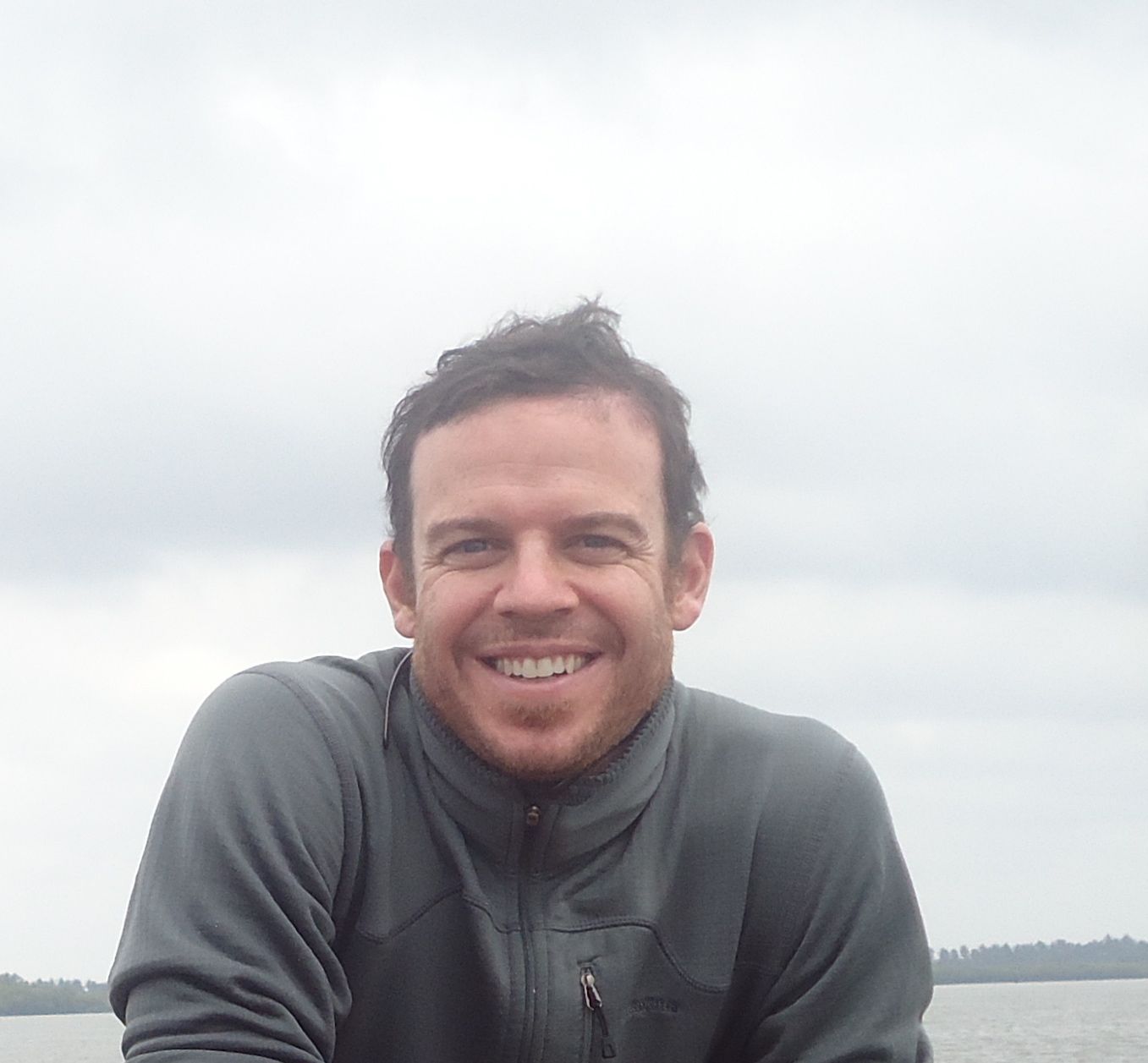
World Wildlife Fund’s Dr Brendan Fisher on improving fish diversity and conservation agriculture in Mozambique

Dr. Brendan Fisher is a research scientist at the World Wildlife Fund. His research and fieldwork lie at the nexus of conservation, development, and natural resource economics. Brendan is the author of over 50 peer-reviewed articles on topics such as poverty, human welfare, ecosystem services and biological conservation, and the co-author of two books, Valuing Ecosystem Services (Earthscan, London, 2008) and A Field Guide to Economics for Conservationists (Forthcoming, Roberts and Company). 

He is a Fellow of the Gund Institute at the University of Vermont and a Fellow at the Centre for Social and Economic Research on the Global Environment (CSERGE) at the University of East Anglia.  He was recently a Rockefeller Bellagio Fellow working on relationships between the ecological conditions of coastal regions, gender inequality and childhood health.  When he’s not working he spends most of his time hiking, skiing, and enjoying the Vermont outdoors with his wife and three children.

Continue reading →

Emily Anthes discusses how biotechnology is shaping the future of our furry and feathered friends

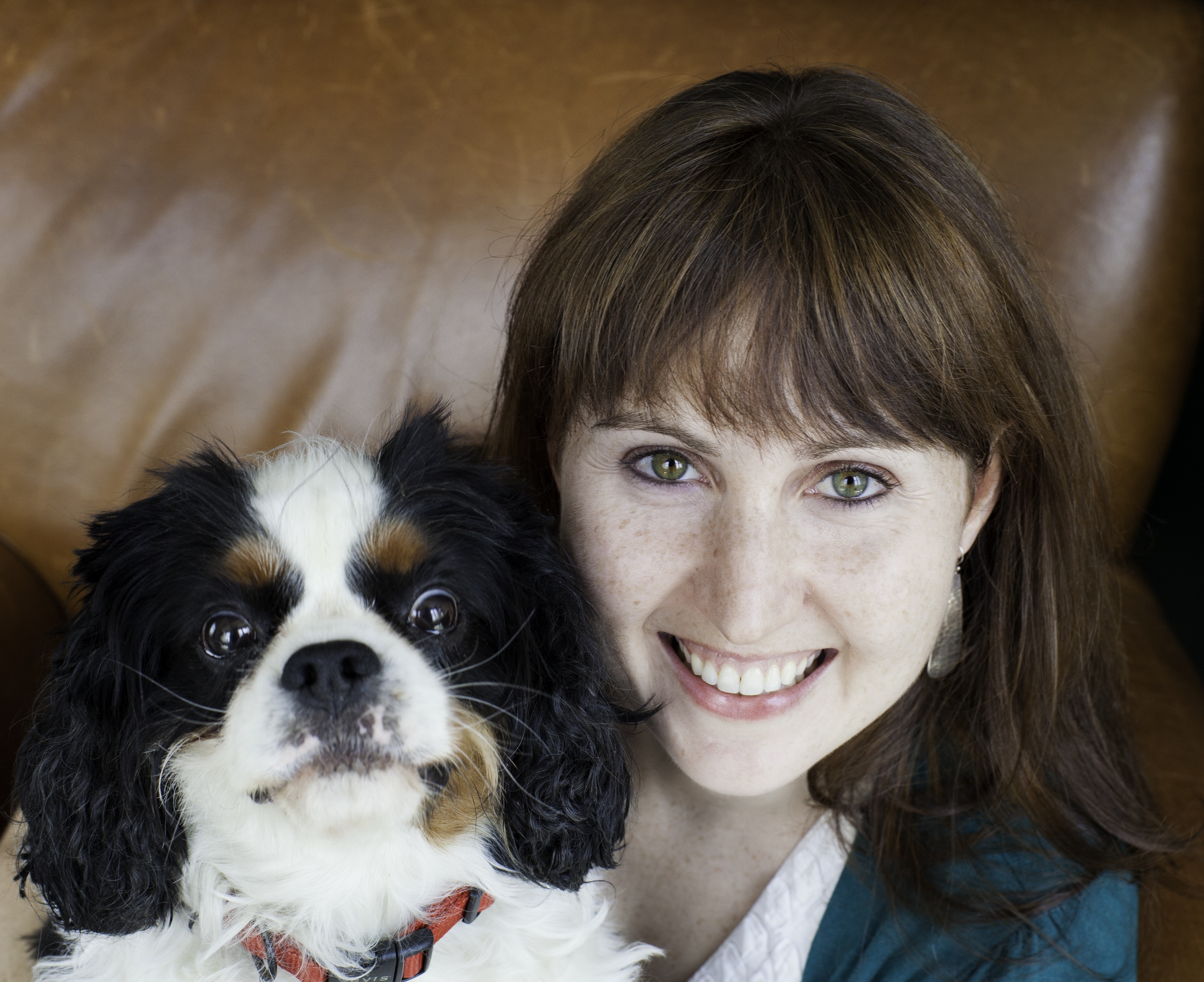
American science journalist and author Emily Anthes with her dog, Milo. Image Courtesy of Nina Subin.

American science journalist and author Emily Anthes with her dog, Milo.
Image Courtesy of Nina Subin.

Emily Anthes is a science journalist and author. Her work has appeared in The New York Times, Wired, Scientific American, Psychology Today, BBC Future, SEED, Discover, Popular Science, Slate, The Boston Globe, and elsewhere.

Her book, Frankenstein’s Cat: Cuddling Up to Biotech’s Brave New Beasts, is out in paperback today published by Scientific American/Farrar, Straus and Giroux. It received the 2014 AAAS/Subaru SB&F Prize for Excellence in Science Books. 

Emily is also the author of the Instant Egghead Guide: The Mind (St. Martin’s Press, 2009).

Her blog post, “When a deaf man has Tourette’s,” was selected for inclusion in The Open Laboratory 2010: The Best of Science Writing on the Web.  

Emily has a master’s degree in science writing from MIT and a bachelor’s degree in the history of science and medicine from Yale, where she also studied creative writing. She lives in Brooklyn, New York with her dog, Milo.

Continue reading →

Chief Scientific Adviser to the European Commission discusses evidence-based policy and nurturing and supporting a European scientific culture

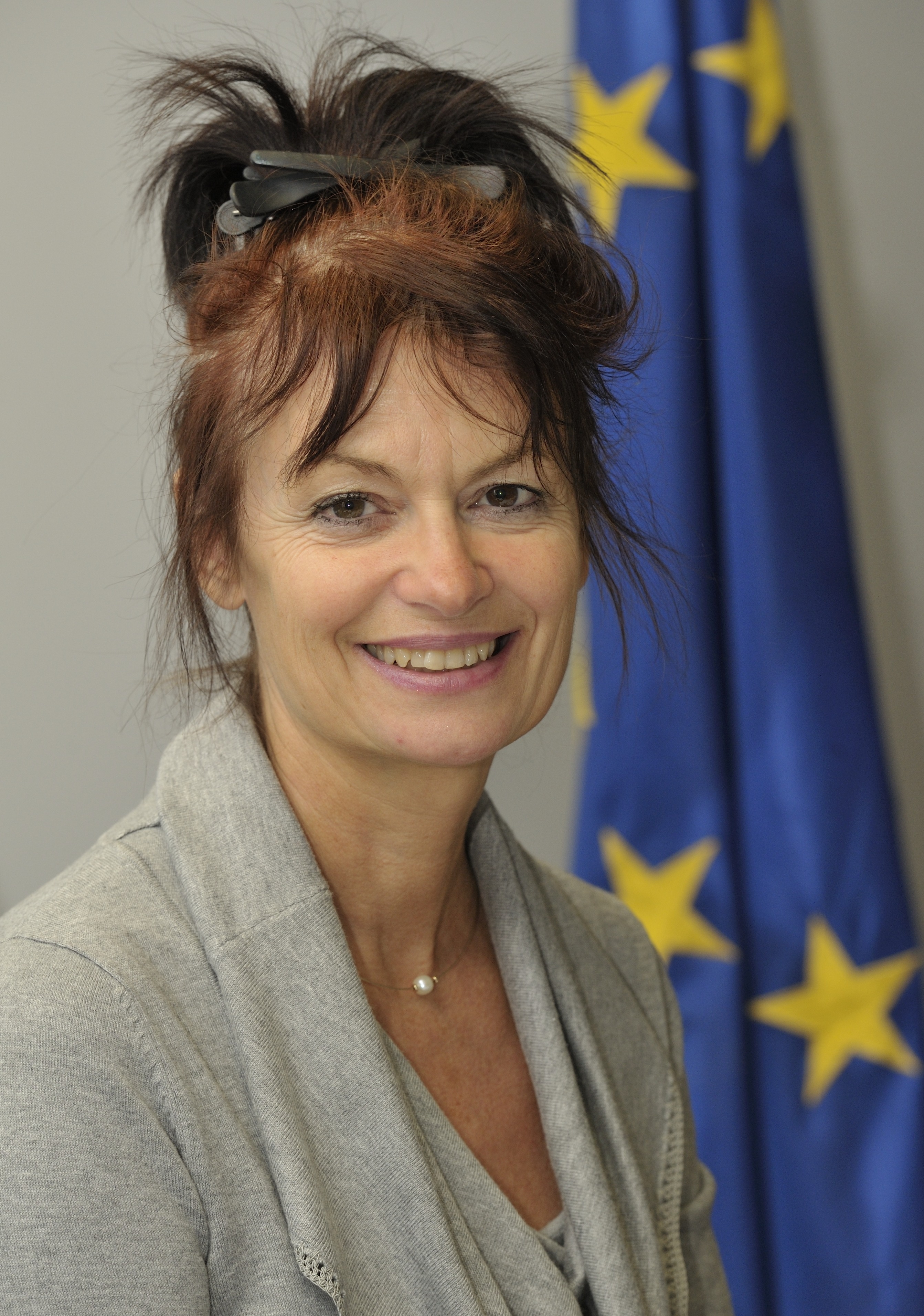
"The policy world very much mirrors what we do in science today."  Image: (c) European Union

“The policy world very much mirrors what we do in science today.” Image: (c) European Union

Professor Anne Glover joined the European Commission as Chief Scientific Adviser to the President in January 2012, and is the first person to hold this position.

In this role she advises the President on any aspect of science and technology, liaises with other science advisory bodies of the Commission, the Member States and beyond, coordinates science and technology foresight, and promotes the European culture of science to a wide audience, conveying the excitement and relevance of science to non-scientists. She also chairs the recently established Science & Technology Advisory Council of the President.

Prior to her current appointment she was Chief Scientific Adviser for Scotland from 2006-2011. Professor Glover currently holds a Personal Chair of Molecular and Cell Biology at the University of Aberdeen. Most of her academic career has been spent at the University of Aberdeen where she has a research group pursuing a variety of areas from microbial diversity to the development and application of whole cell biosensors (biological sensors) for environmental monitoring and investigating how organisms respond to stress at a cellular level.

Professor Glover holds several honorary doctoral degrees and is an elected Fellow of the Royal Society of Edinburgh, the Society of Biology, the Royal Society of Arts and the American Academy of Microbiology. Professor Glover was recognised in March 2008 as a Woman of Outstanding Achievement in the UK and was awarded a CBE for services to Environmental Science in the Queen’s New Years Honours list 2009.

When Professor Anne Glover finished her five-year term as Chief Scientific Adviser for Scotland, the biologist was lauded for not only raising the visibility of science in Scotland and the UK, but for further increasing the role of scientific evidence in the policy-making process.

These fruitful five years led her to the challenging and geographically diverse role of Chief Scientific Adviser to the European Commission (EC), which she leaves after three years in the position, at the end of 2014. As the first ever scientist to be tasked with the responsibility of independently advising politicians and policy-makers governing more than 500m people across 28 member states, this was no easy assignment.

Continue reading →

Naked Neuroscience: Dr Hannah Critchlow reflects on educating the public about Neuroscience

Hannah Critchlow: Educating people across the globe on the values of neuroscience.

Hannah Critchlow: Educating people across the globe on the values of neuroscience.

Dr Hannah Critchlow is a neuroscientist with a background in neuropsychiatry. She currently strips down the brain with the BBC broadcast Naked Scientists. Using radio, on-line channels and live events she designs, produces and presents a neuroscience-focused, interactive multimedia experience for the public.

In 2014 Hannah was named as a ‘Top 100 UK scientist’ by the Science Council for her work in science communication. In 2013 she was named as one of Cambridge University’s most ‘inspirational and successful women in science’. During her PhD she was awarded a Magdalene College, Cambridge University Fellowship, and as an undergraduate received three University prizes as Best Biologist. She previously worked as Strategic Manager for Cambridge Neuroscience and on secondment with the British Neuroscience Association.

Hannah’s choice of career stemmed from working as a nursing assistant at St Andrews Psychiatric Hospital. When not being enthused by all things brainy, Hannah spends her time splashing about by the river and living the houseboat dream.

For neuroscientist Dr Hannah Critchlow, the last 12 months have been pretty special. If being named one of Cambridge University’s most ‘inspirational and successful women in science’ late in 2013 wasn’t surprise enough, what was to follow was in her words, even more “gobsmacking.” Just days later, while in New Zealand for Christmas, Dr Critchlow was recognised by the Science Council as one of the top 100 UK scientists for her work in science communication.

Continue reading →

Neil deGrasse Tyson on Cosmos and integrating science in popular culture

"science matters in our lives for us to be better shepherds of not only our civilization, but the world." Image courtesy of Patrick Eccelsine/FOX.

“Science matters in our lives for us to be better shepherds of not only our civilization, but the world.”
Image courtesy of Patrick Eccelsine/FOX.

Neil deGrasse Tyson is the Frederick P. Rose Director of the Hayden Planetarium at the Rose Center for Earth and Space and a research associate in the department of astrophysics at the American Museum of Natural History.

A popular American astrophysicist, author, science communicator and educator, Tyson hosted the science educational show NOVA ScienceNow on PBS for five years. He received a bachelor’s degree in Physics from Harvard University and a doctorate in Astrophysics from Columbia University in 1991. After spending a number of years doing post-doctorate work at Princeton University, Tyson landed a role at the Hayden Planetarium.

He is the author of several best-selling books, including Space Chronicles: Facing the Ultimate Frontier, Death By Black Hole and Other Cosmic Quandaries and the Pluto Files: The Rise and Fall of America’s Favorite Planet. In 2001, US President George W Bush appointed Tyson to the Commission on the Future of the United States Aerospace Industry. He also served another commission three years later to examine US policy on space exploration. In 2004, Tyson was awarded the NASA Distinguished Public Service Medal, the highest civilian honour bestowed by NASA. He also hosts his own podcast and radio show StarTalk.

“Cosmos is truly intended for anyone with a beating heart. I haven’t checked recently whether zombies have beating hearts, but if they do – I’ll take them too,” barks Astrophysicist Neil deGrasse Tyson, with exalted hilarity.

Continue reading →

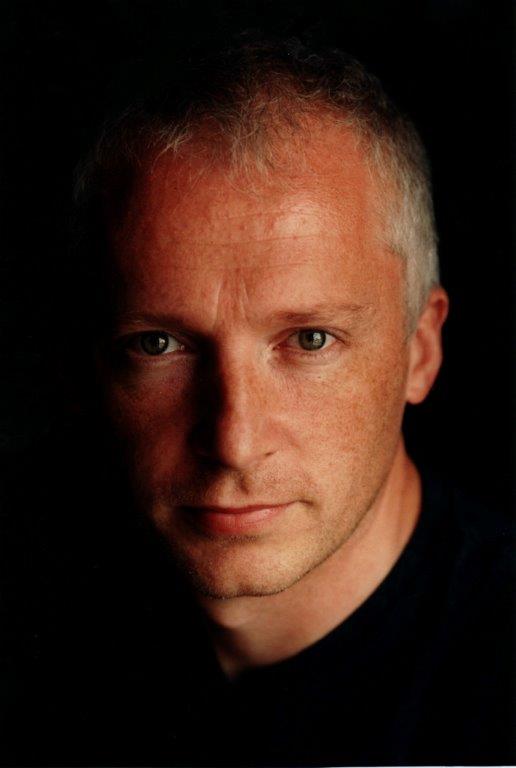
Oscar-winning visual effects mastermind behind Gravity, talks Physics lessons, NASA imagery and defining the art of CG ‘weightlessness’ in space.

Tim Webber

“It could have fallen flat as a fairly unusual film, largely focused on one person in space. We thought it may be a tough film to sell to the public”.
Image Courtesy of Framestore.

Tim Webber is a visual effects supervisor  who has worked on an array of critically acclaimed blockbusters. He joined British visual effects company Framestore in 1988 and has been the driving force behind the company’s push into digital film and television, developing Framestore’s virtual camera and motion rig systems. He has worked on The Dark Knight, James Cameron’s Avatar and was second unit director on the Hallmark production of Merlin. He has most recently taken charge as Warner Brother’s VFX supervisor on Alfonso Cuarón’s space epic, Gravity. He won the Bafta Award for Best Special Effects and the Oscar for Best Achievement in Visual Effects.

Tim Webber has become one of the most talked about people in film in recent months. In the past, he has been an ‘unsung hero’ of visual effects, who has wielded his magic on many memorable cinematic scenes. From his previous Oscar nod on Christopher Nolan’s The Dark Knight in 2008, to creating the CG baby in Children of Men with Gravity’s director Alfonso Cuarón ; Webber has been a visionary, who until recently, has shied away from the spotlight.

Thrust deservedly into the limelight with last night’s Oscar win (Best Achievement in Visual Effects) and the previous month’s Bafta success for space epic, Gravity, Webber and the influential team of visual effects artists from Framestore have taken filmmaking to a whole new level. Yet Webber, who had a passion for Maths and Physics at school, before completing a degree in Physics at Oxford, still finds the attention and acclaim surprising.

Continue reading →

Google Chrome’s security lead on STEM, women in technology and fighting cyber crime

An ambassador for women in technology and STEM education.

An ambassador for women in technology and STEM education. Image courtesy of Brandon Downey.

Parisa Tabriz is Google Chrome’s security lead. She has worked on information security at Google for more than 6 years, starting as a “hired hacker” software engineer for Google’s security team. As an engineer, she found and closed security holes in Google’s web applications, and taught other engineers how to do the same.

Today, Parisa manages Google’s Chrome security engineering team, whose goal is to make Chrome the most secure browser and keep users safe as they surf the web. In late 2012, she was selected by Forbes as one of the 30 under 30 pioneers in technology. When she’s not hacking, she likes to make things (art, food, miscellaneous DIY projects) or escape Silicon Valley to go hiking and rock climbing in the mountains.

“Good code is marked by qualities that go beyond the purely practical; like equations in physics or mathematics, code can aspire to elegance,” author Vikram Chandra recently exclaimed in an article in the Financial Times.  In an environment where statistics in US education make for grim reading in the numbers of young people, especially women, that are going into programming and computer science, this “beautiful art form” needs to be embraced – and fast.

Column inches have been filled with critics condemning the state of technology education in the US and all the while increasingly more jobs are now reliant on computer and coding across all sectors. A 2010 report from both the Association for Computing Machinery and the Computer Science Teachers Association found that more than two-thirds of US states had little or no literacy in computer science at secondary school level. It is a problem, which the report suggests, has left the US “woefully behind in preparing students with the fundamental computer science knowledge and skills they need for the future.”

Continue reading →

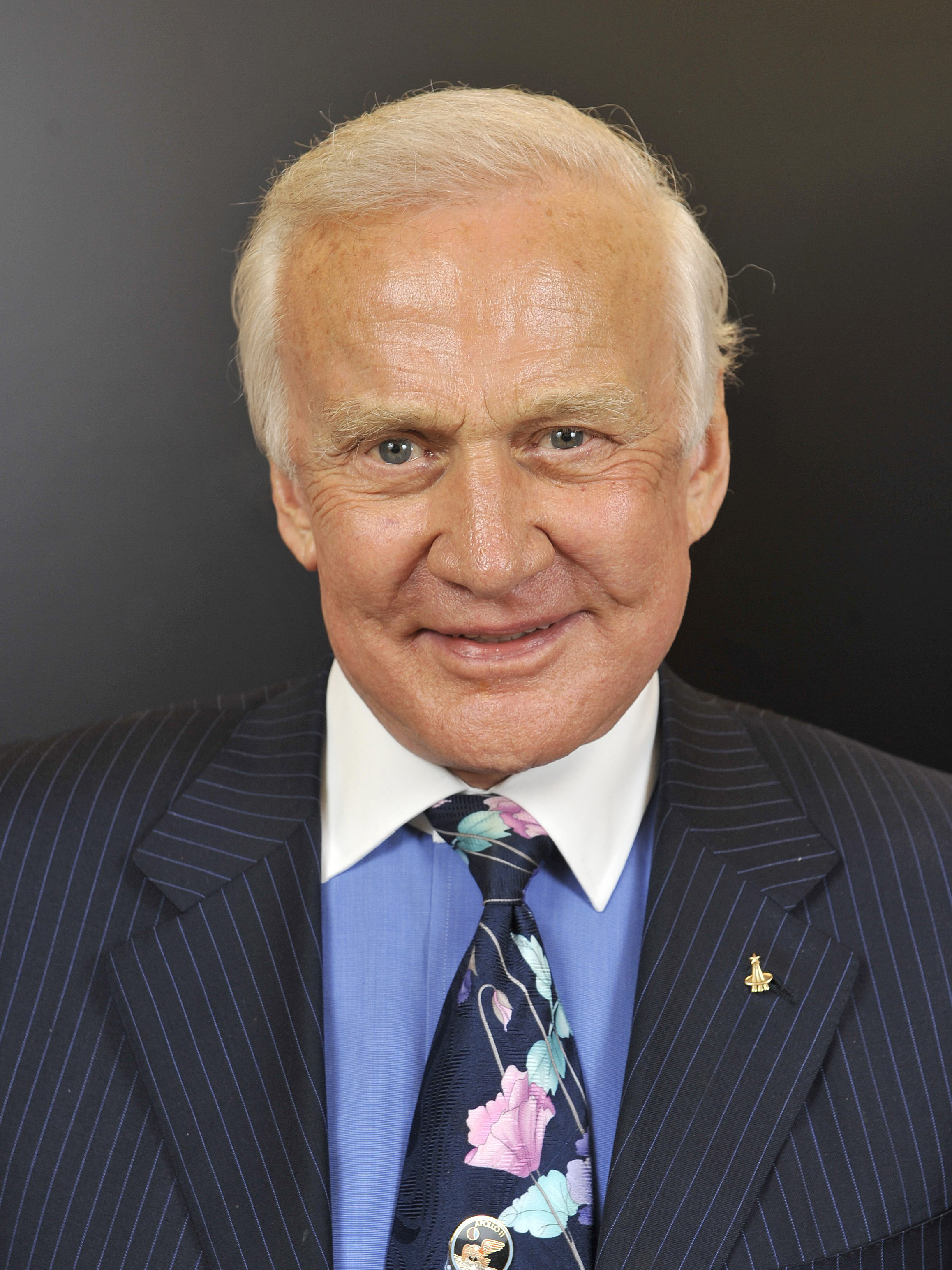
Buzz Aldrin: Space policy, cooperative efforts to Mars and the need to inspire future generations

Buzz Aldrin is a retired US Air Force pilot, a former American astronaut and the second person to walk on the Moon, on July 21, 1969. He was the lunar module pilot on Apollo 11, the first manned lunar landing in history.

A global space ambassador. Courtesy of the Buzz Aldrin Archive

A global space ambassador.
Courtesy of the Buzz Aldrin Archive

Upon returning from the moon, Dr Aldrin was decorated with the Presidential Medal of Freedom, the highest American peacetime award.

Since retiring from NASA and the Air Force, Col Aldrin has remained at the forefront of efforts to progress human space exploration. On November 16, 2011, Dr Aldrin was awarded the Congressional Gold Medal, the nation’s highest civilian honour, along with the other Apollo 11 crew members, Neil Armstrong and Michael Collins, and Mercury Seven astronaut, John Glenn, for their significant contribution to society and exploration.

Dr Aldrin has also written eight books including the New York Times best-selling autobiography, Magnificent Desolation, released in 2009 before the 40th Anniversary of the Apollo 11 moon landing. He has released best-selling illustrated children’s books, two space science-fiction novels and his most recent book Mission to Mars: My Vision for Space Exploration was published by the National Geographic Society in 2013.

“To realize the dream of humans on Mars we need a unified vision. We need to focus on a pathway to the prize.” These were the strident historic words articulated by Buzz Aldrin in July 2009 at the Smithsonian Air and Space Museum’s John Glenn Lecture Series for NASA’s 40th anniversary of the Apollo 11 Moon landing.  Five years on, and having very recently celebrated his 84th birthday, Dr Aldrin’s enthusiasm, ambassadorial work, resolute attitude and ideals are no less subdued.

Exciting developments in space science are coming thick and fast and showing notable progress. It is however, US President Barack Obama’s objective of a manned mission to Mars in his lifetime, preceded by a robotic landing on a real orbiting asteroid, that remains a most ambitious follow on to lunar robotic surface control by the US and the occupation of a jointly designed International Lunar Base.

Continue reading →

Marcus du Sautoy: Communicating Science within the Sciences and to the Public

Marcus du Sautoy. A passionate advocate for the "wonders of science".

Marcus du Sautoy. A passionate advocate for the “wonders of science”.

Marcus du Sautoy, OBE, is the Simonyi Professor for Public Understanding of Science and a Professor of Mathematics at the University of Oxford. He is known for his efforts in popularizing mathematics and has been named by The Independent on Sunday as one of the UK’s leading scientists. He was a recipient of the London Mathematical Society’s prestigious Berwick Prize in 2001, which is awarded every two years to reward the best mathematical research by a mathematician under forty.

Du Sautoy writes for the Times and the Guardian and has presented numerous television and radio programmes, including The Story of Maths, School of Hard Sums and The Code. He is also the author of many academic articles and books including the best-selling The Music of the Primes and The Num8er My5teries: A Mathematical Odyssey Through Everyday Life.

When mathematician Marcus du Sautoy was appointed the prestigious role of the Simonyi Professor for the Public Understanding of Science at the University of Oxford back in October 2008, he had two distinct priorities looming prominently in his mind.

The job brief was clear in its motives at the time and reflected on the one-hand high-level science, and on the other, the ability to communicate this scientific research widely to a public audience. The latter was the first priority. Stepping into fill the boots of the inaugural holder Richard Dawkins, was by no means an easy feat, but du Sautoy also a Professor of Mathematics at the University of Oxford, took to the role naturally.

“When I took over from Richard, my immediate thoughts were on clearly communicating to the public what was happening in science,” says du Sautoy. “Science has such a big impact on humanity. In order for people to feel empowered and for them to be able to make decisions on where they want science to go and the long lasting effects it has on society, they must first fully understand the surrounding issues.”

The second role of his job, encouraging the communication of science between disciplines within the sciences, is perhaps the most intriguing, in terms of developments. The biggest challenges, du Sautoy says, are the “inbuilt education system” and the “linguistic barriers” across the sciences. “This is a fascinating area where across academia we’re looking to break down the silo mentality which I believe has been prevalent in most universities across the world”, asserts du Sautoy. “This is partly due to the time and hard work we put into our own specialist subject meaning there often isn’t time to see what’s happening in other areas.”

Continue reading →

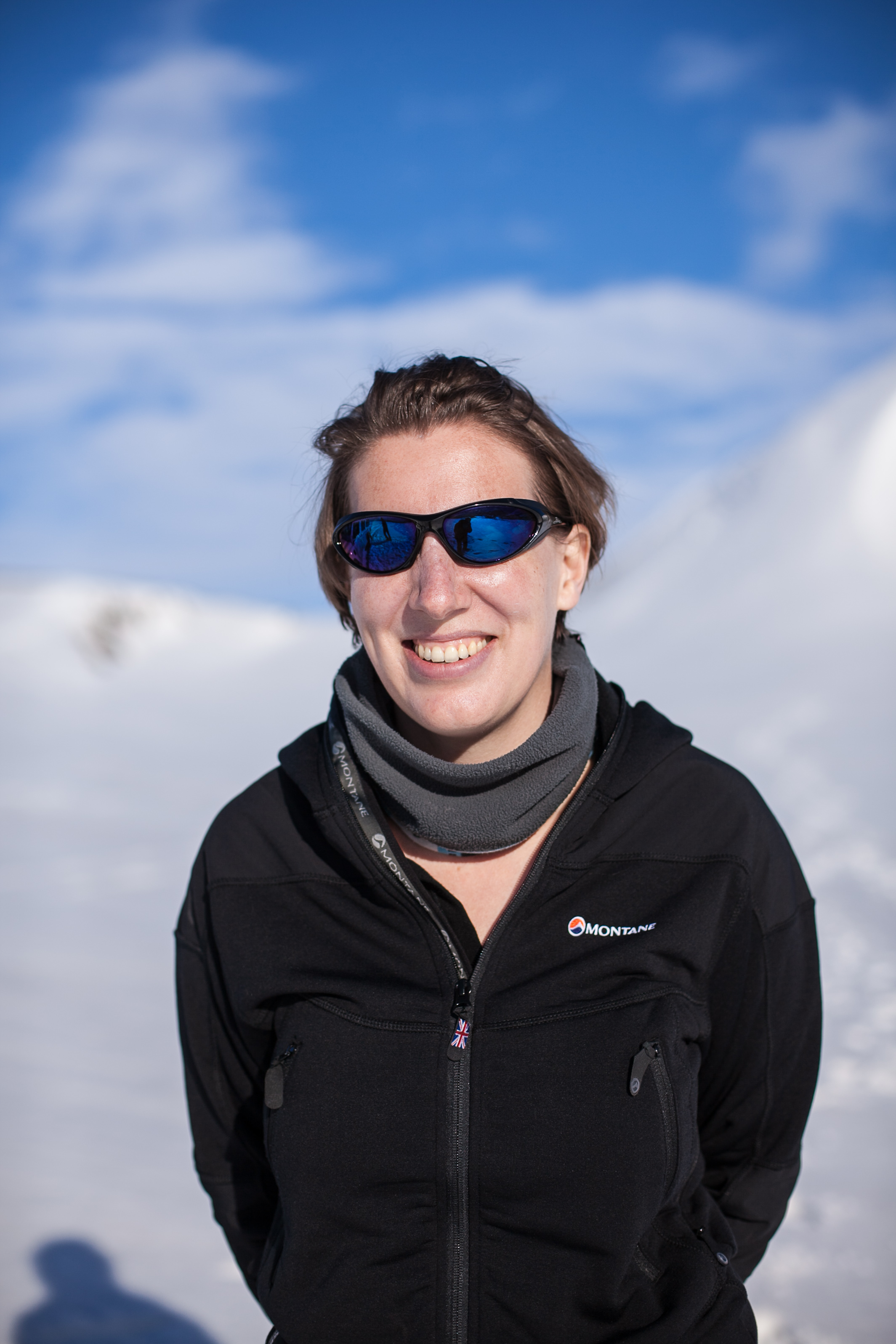
Pole of Cold: An intrepid look at winter with climate scientist and adventurer Felicity Aston

Felicity Aston is a British adventurer, climate scientist and STEM advocate, who in 2012 became the  first woman to ski solo across Antarctica.  At 23, Felicity left the UK to spend three years living and working in the Antarctic as a meteorologist with the British Antarctic Survey at Rothera Research Station. On her return, she was part of the first all-female team to complete the Polar challenge, a 360-mile endurance race across the Canadian Arctic. A year later, Felicity led the first British women’s crossing of the Greenland ice-sheet. Since then she has gone on to lead numerous expeditions including the Kaspersky Lab Commonwealth Antarctic Expedition, the largest and most international women’s expedition ever to ski to the South Pole.

Felicity Aston

“Our comfortable thought about Antarctica as a static cold monolithic environment is over as we’re now seeing it as a living being that’s dynamic and producing change. Change that is being broadcast to the rest of the world, possibly in response to what the world is broadcasting down to Antarctica,” a glaciologist aptly sums up his observations of the changing landscape in Werner Herzog’s documentary on Antarctica ‘Encounters At the End of the World’.

This resonates with the British climate scientist and adventurer, Felicity Aston, who is very familiar with the global environmental issues that she says threaten our planet. She is also an advocate for promoting awareness and understanding.

Having this year taken part in a photo shoot for the Guinness Book of Records after becoming the first woman to ski solo across Antarctica, Felicity is now well under-way with her next major challenge.

Following Winter

Travelling 30,000km across northern Europe and Siberia over three months, Felicity and her three person team will chase winter to the Pole of Cold, the coldest place in the world outside of Antarctica. Here they will explore the social, cultural and physical effects of living in the most extreme climates, engaging with local communities and researching how they have adapted to life in sub-zero temperatures.

“The team will track the extreme weather through scientific and creative means, documenting the physical, human and cultural geography as we go along,” says Felicity. “We’ll be looking at the day-to-day reality of life in the harshest of conditions and hope to bring alive the fascinating local stories. There are so many curiosities around how for example you use an iced-over lake to heat a house or whether it is possible for temperature to rise with altitude rather than drop?”

Continue reading →