The worldwide web of science

International networking should be a priority for young scientists, says Aliyah Weinstein.

Early career scientists are often told that networking is important for future career prospects and mobility. Often, this comes in the form of a nudge to attend university seminars, events for local scientific professionals or national conferences. These are typically great for meeting scientists working in your city or country – but developing an international network can often be much more difficult. First, scientists are most often around others working at their university or research centre, making this their primary network. Second, travel to attend international conferences may be cost-prohibitive, especially for early career scientists. Finally, connecting with colleagues outside of the country may not be on the radar of students and postdocs, or may seem overwhelming at that stage of a scientific career.
network-1911678_1920 Continue reading →

Women in science: Fight the brain drain

“The world needs science. Science needs women,” reads the L’Oreal-UNESCO women in science strapline. We agree.

Last week, Julia Etulain was sitting in a lobby of a hotel in Paris, far from her hometown of Buenos Aires, Argentina. She explained her research energetically, occasionally apologising for near-perfect, short-sentence, staccato English.

Julia Etulain {credit}Photo via ParaBuenosAires/thebubble{/credit}

Continue reading →

On academic job insecurity and the ultimate tenure

Thoughts from Contract No. 17.

By Mila Petrova.

My latest mini-meltdown came after eight years in research employment, at the beginning of Contract No. 17. It came late. I’d lost a couple of thousand GBP from moving out hastily, lived for two months with my mum, moved far from the city of my university to use the affordable seaside lets in winter, and was about to live out of a suitcase in a youth hostel while my “permanent” accommodation became free. Three masters, PhD, top UK University and all. Most read paper of the month and a “will be delighted to hear about your ongoing work” letter from a senior parliamentary official in my inbox.

A coffee cup falling from chalkboard with formula of speed.

Continue reading →

Women aren’t failing at science — science is failing women

Women in science face considerable barriers to success. Why?

Image 20170215 27406 yhpp79Female scientists are often more productive than their male colleagues but much less likely to be recognised for their work.
Argonne National Laboratory/Wikimedia, CC BY-SA

Continue reading →

What I learnt from researching in Germany

Mit Bhavsar shares his thoughts on working in the German scientific environment

I’ve always been fascinated with medical research, which brought me from Ahmedabad, India, to Frankfurt (via Aachen, Düsseldorf and Göttingen) to pursue a Masters and a PhD in neuroscience. Germany boasts an excellent research ecosystem across the private and public sectors, with strong collaboration between each. Consequently, there are attractive career opportunities for local and international researchers, especially in a world where two of the west’s other major research hubs – the UK and the US – appear to be trending against science, evidence, and intellectualism. Having spent seven years here, this is what you need to know about research in Germany.

biomedical research-smaller

Credit: Getty/Andrew Brookes

Continue reading →

Industry partnership programs: A new type of PhD?

External involvement in PhD programmes might help to fix academia’s big problem

The problems with traditional PhD programs are well-documented: money is tight, funding is limited, academics often aren’t able to train for positions outside of academia, and the path up to tenured faculty positions just keeps getting narrower.

Illustration by Megapont/Folio Art

Continue reading →

The start and the middle: beginning your PhD

The initial stages of a PhD can be daunting. Fortunately, there are a few ways you can make the transition into productive doctoral study as smooth as possible.

Whether you’re starting a PhD fresh out of undergrad or after many years of employment, the decision to begin a doctorate is a significant career move. When I started, 18 months ago, I figured I had a pretty good idea of what I was getting into: I’d previously worked in industry, completed a Master’s degree, and worked as a research assistant in another lab.

But I soon realized that my PhD was different — in a number of ways — from what I’d done before. Here are some things I’ve learnt so far, and some ways I‘ve made efficient use of my brief time as a PhD student.

scientist-762627_1920
Continue reading →

Development and debate about the March for Science

The March for Science’s date has been set for April 22nd. Nicole Forrester speaks to scientists planning to take part.

It’s fair to say the scientific community is spending a lot of time talking about the March for Science, due to take place on April 22, 2017. While organizers are preparing for events in Washington, D.C. and satellite locations around the world, scientists are evaluating their roles in politics and public outreach. I reached out to scientists and science supporters to discuss the march and the impact of recent political decisions on science, scientific policy, and our careers as scientists.

According to their website, the March for Science was founded as “a celebration of our passion for science and a call to support and safeguard the scientific community.” For many scientists, though, it’s about supporting the scientific process itself and advocating for its importance. Joel Sachs, an Associate Professor of Biology at the University of California, Riverside, says, “Science is just a way of learning about the world and is incredibly important to make predictions about what’s going to happen in the future — in terms of our climate, disease, and how to manage crops and livestock.

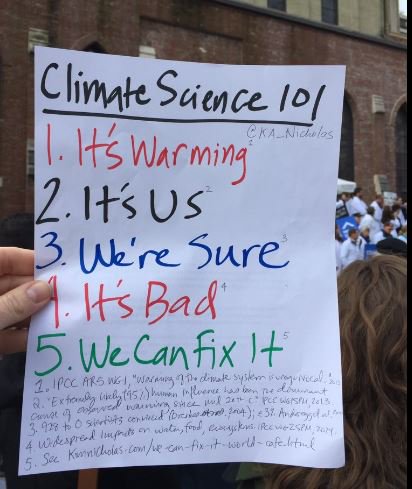
{credit} Bill McKibben/ Twitter: https://twitter.com/billmckibben/status/808791393569243140?lang=en{/credit}

Continue reading →

Finding job satisfaction as a humanitarian researcher

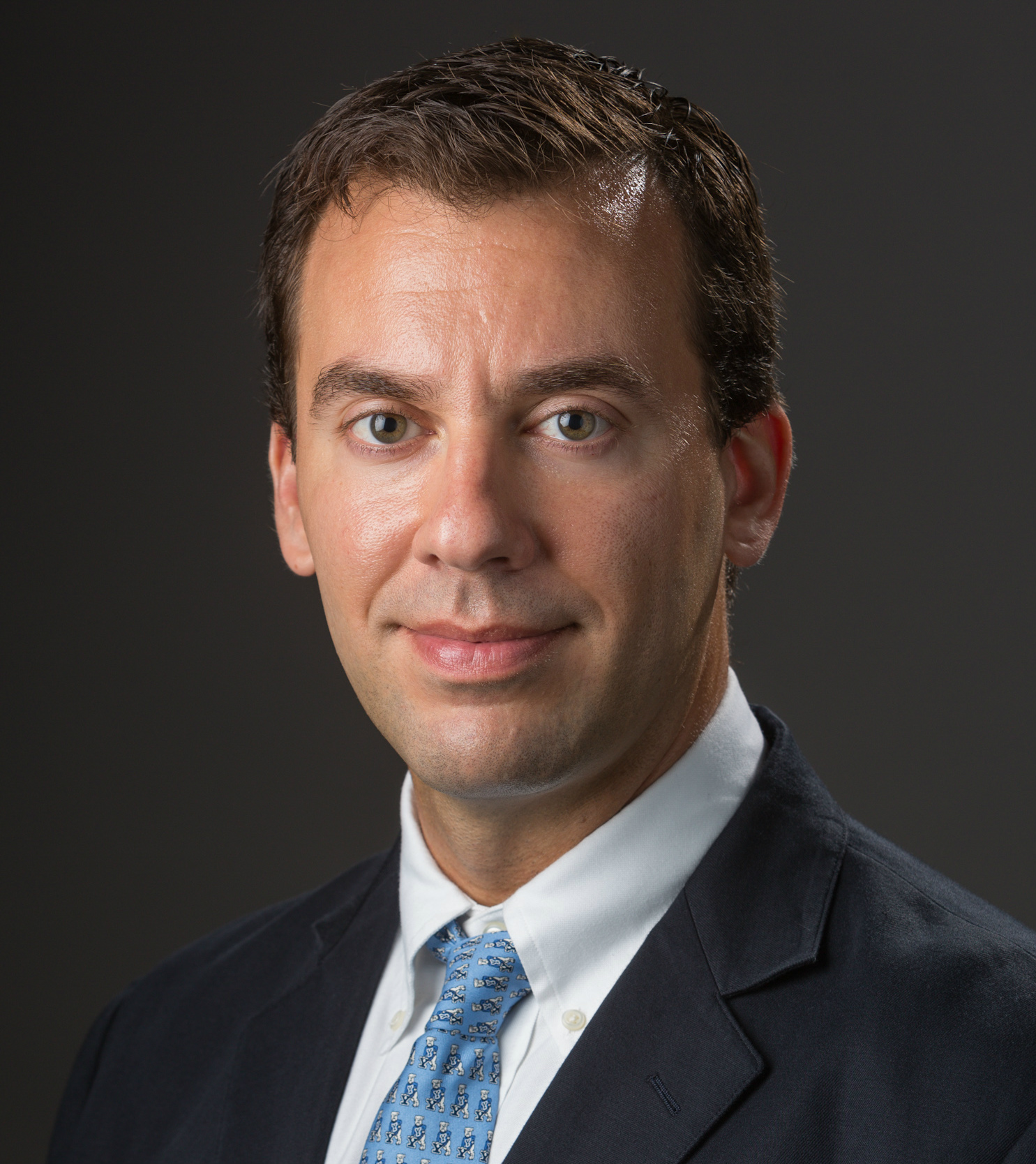
Panagiotis Vagenas left Yale University to advise a non-profit on research design and quality.

What did you do before Yale?

I’m from Greece originally. In 1996 — when I was 17 — I moved to London, UK. I studied biochemistry for my degree and did a PhD in immunology. When I graduated I moved to the Population Council labs at the Rockefeller University in New York to start my postdoc.

pic-smaller-cropped

Panagiotis Vagenas

What did you study?

I worked on basic research in HIV. What’s always motivated me is trying to help people — to have a meaningful career in that sense. So in summer 2010 I moved to Yale School of Public Health and did a master’s in public health (MPH), and went on to join the faculty at the Yale School of Medicine in 2013. Continue reading →

Science communication: What it takes

Science achieves little if it stays in the lab. Here’s what you need to get it out to the world, says Jessica Eise

Communicating about science is a noble profession, and one that’s becoming increasingly and ever more popular. Yet it isn’t the right fit for everyone. I got started in this field about five years ago, and was surprised by many of the things I needed that no one had ever mentioned. Here’s what no one ever tells you you’ll need.

analytics-282739_1280

Passion for science

If you don’t care about science, you’re going to burn out fast. Science is hard, so science communication is hard, too. You’re going to have to delve into complicated issues quickly. I’ve worked on projects ranging from solar panel taxes to integrated imaging, from public perceptions of pork to international trade databases. You really have to care about good science communication to get a message across. The only thing worse than no science communicator is a science communicator who hates their job.

I didn’t have an immediate interest in food and agricultural topics when I started my job. But I audited a course on food security, read tons on the subject and sat down with my colleagues to figure out why these topics are so critically important. It made all the difference. Continue reading →