Date syrup inhibits bacterial growth

New research shows that date syrup – a delicacy popular in the Middle East and a culinary essential in countries like Iraq – can inhibit the growth of bacteria faster than manuka honey.

The syrup has antibacterial activity against a number of disease-causing bacteria, says the research presented yesterday at the Society for General Microbiology’s Annual Conference in Birmingham, and undertaken by Hajer Taleb, a research student from Cardiff Metropolitan University.

Talib studied date syrup produced traditionally in Basra, Southern Iraq, and her in vitro results reveal that the date syrup is as effective as manuka honey, in similar amounts, but works more quickly, inhibiting bacterial growth after only six hours of treatment.

The antibacterial properties – that work against a host of diseases including Staphylococcus aureus, Escherichia coli, Enterococcus spp. and Pseudomonas aeruginosa – are present thanks to phenolic compounds that form naturally in dates as they mature.

Date syrup has already been consumed for its health benefits in the region, however, Talib wanted to test the perception and consecutively pinpoint, perhaps for the first time, the mechanisms underlying said health benefits.

While the research is still in the laboratory stage, the researchers believe that the syrup could have a clinical value as a topical antibacterial treatment for wound infection, but Ara Kanekanian of Cardiff Metropolitan University, who leads this research, cautions against using the syrup to treat wounds, pending further research.

Ancient parasites hitched rides to the region using European travelers

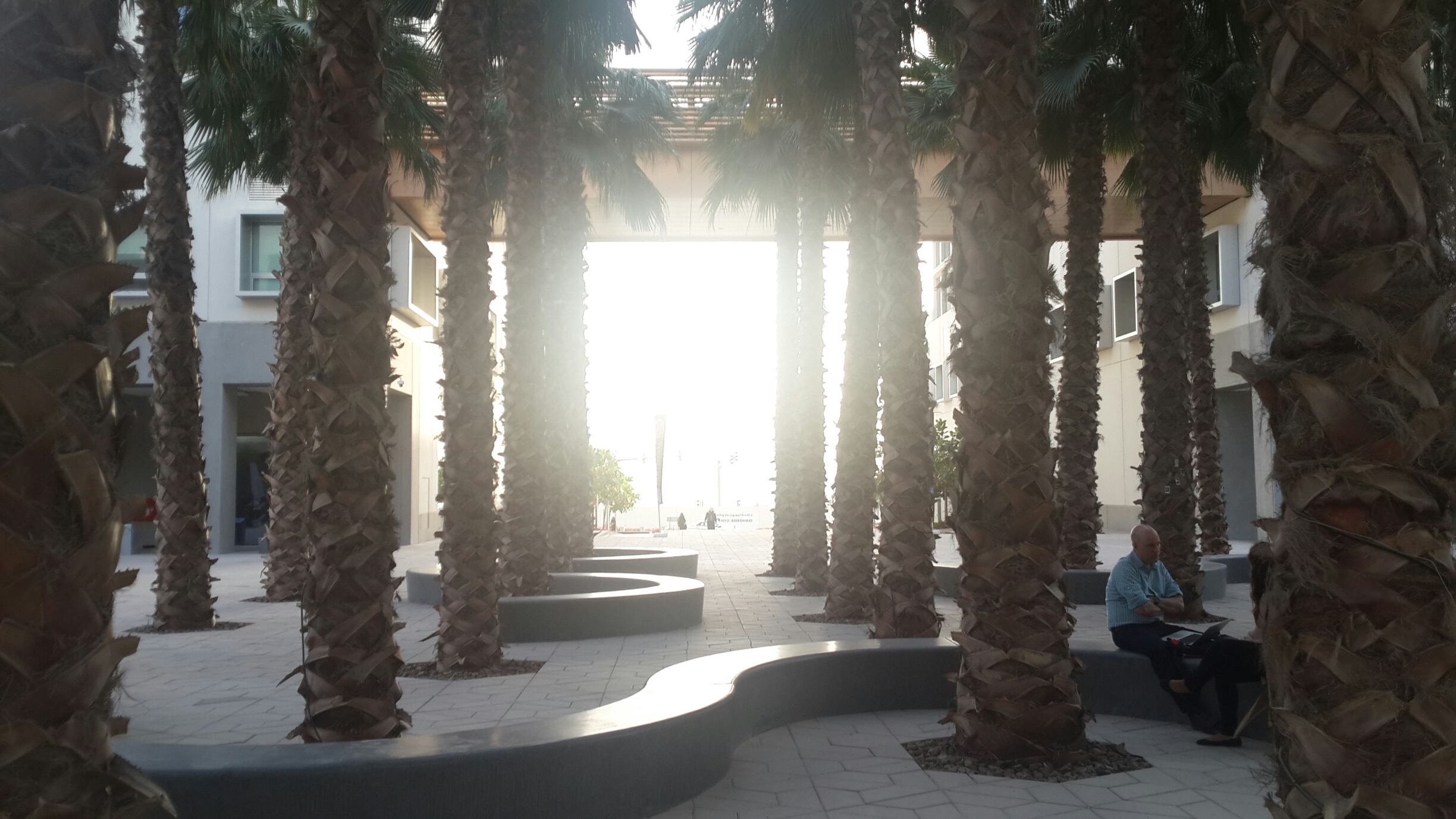
The fossilized faeces were riddled with both roundworm and whipworm

The fossilized faeces in the ancient cesspool were riddled with both roundworm and whipworm{credit}Hui-Yuan Yeh{/credit}

Analyzing a 500-year-old latrine in the Christian quarter of the old city of Jerusalem, researchers found evidence of some species of intestinal parasites that seem to have been “imported” from medieval Europe.

Of the six species of parasitic eggs detected – including large quantities of roundworm and whipworm, both spread by faecal contamination of food and thought to be endemic to the region at the time – two had been normally very common in northern Europe, but almost absent in the Middle East.

“The analysis of this fifteenth century latrine in Jerusalem provides a vivid glimpse of the infectious diseases suffered by the people who used it,” reads the study.

The parasites in question are Entamoeba histolytica and fish tapeworm, explains the research published in the International Journal of Paleopathology. The researchers believe long distance travelers had taken these parasites with them as they journeyed to Jerusalem.

The fish tapeworm was prevalent in Europe and often eaten raw, smoked or pickled – which doesn’t kill the parasite. But, as per Arabic texts of the time, in inland cities such as Jerusalem, fish was either not commonly eaten, or was thoroughly cooked before being consumed. The cooking kills the parasite and prevents its spread.

The researchers found pieces of Italian pottery in the same cesspool, which – they believe – point to strong trading or religious links between Europe and Jerusalem during the late 1400s, according to the official press release with details of the study. Based on that, the researchers hypothesise that the latrine was either a town house owned by local merchants who traveled to Europe, contacting the parasite while there, or a hostel where European merchants or pilgrims stayed.

“While we can only suggest reasons as to why people made these journeys between northern Europe and Jerusalem’s Christian quarter, it does seem they brought with them unsuspecting hitchhikers in their intestines,” Piers Mitchell, biological anthropologist and author of the study, says.

The researchers also found quantities of Taenia parasite eggs, indicating pork or beef tapeworm. The Mamluk Period (1250-1516 AD) was Islamic but pigs would have still been consumed in the Christian quarter.

Though its effects varied, “a heavy load of these parasites in children, however, can lead to malnutrition, reduced intelligence and stunted growth. Dysentery may cause diarrhea and abdominal cramps for a week or two and then settle, or it may cause death from dehydration and septicaemia,” says Mitchell.

“This research highlights how we can use preserved parasite eggs in ancient toilets to spot past migrations and the spread of ancient diseases. Jerusalem’s importance to Christians in medieval Europe made it a key destination for both pilgrimage and trade. We can see these travellers took unexpected guests along with them.”

ICARDA saves gene bank

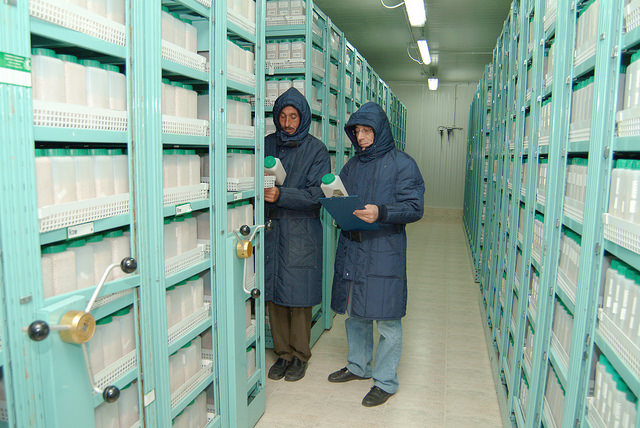
The gene bank in Tel Hadya, Syria

The gene bank in Tel Hadya, Syria{credit}ICARDA{/credit}

Shortly after the uprising in Syria deteriorated into civil war, the International Center for Agricultural Research in the Dry Areas (ICARDA) started facing major problems that threatened the survival of the research centre. Looters repeatedly attacked the main facility in Aleppo and stole computers and equipment before staff had to be evacuated to other ICARDA facilities in neighbouring countries.

Last week, ICARDA received the Gregor Mendel Innovation Prize for managing to save all the samples that were stored in its gene bank, one of the most important agricultural gene banks in the world.

““Over the years, ICARDA had managed to safety-duplicate most of its gene bank collections outside Syria. When the conflict there escalated, we sped up the duplication and now have secured 100% of the germplasm collection outside Syria,” said Mahmoud Solh, the director of ICARDA, in a statement released.

The gene bank at ICARDA’s Syrian research centre were particularly important because they carried samples of wild relatives of many of the crops that are widely cultivated today, such as bread wheat, barley, lentil and faba beans. These wild crops carry important genes that have allowed them to adapt to different habitats and challenges, such as droughts, pests and diseases. Domesticated plants may have lost these genes throughout the years, so the gene banks acts as reservoirs that breeders can use to breed new strains to combat new challenges as they arise.

The Fertile Crescent, where agriculture is thought to have originated, is rich with these unique wild crops. Scientists are worried these may be lost in the conflicts across the region. ICARDA had previously rescued and safety-duplicated germplasm collections from Afghanistan and Iraq when the wars there erupted. Now, along with the samples collected in Syria, these are being duplicated elsewhere, with 80% of ICARDA’s collection already duplicated in Svalbard Seed Vault in Norway.

“The efforts of Mahmoud Solh and his teams are valuable not only for plant breeders who are highly dependent on diversity to improve agricultural varieties but also for following generations who benefit from drought tolerant and disease and pest resistant crops” justifies Peter Harry Carstensen, president of the Gregor Mendel Foundation.

Libya’s fossil discovery illuminates an interval of evolutionary history

A team of scientists, led by Christopher Beard, professor of Ecology and Evolutionary Biology at the University of Kansas, shed light on an otherwise poorly documented interval of evolutionary history through fossils discovered in the Libyan desert.

Beard’s work focuses on the origin and evolution of primates and anthropoids — the precursors to humans. His paper unveils a discovery of mammal fossils uncovered in the Zallah Oasis in the Sirt Basin of central Libya. The fossils date back to between 30 and 31 million years ago.

The paper is available online but has yet to be published in the April edition of the Journal of African Earth Sciences, and documents the findings of a 2013 expedition.

According to the University of Kansas’ official press release of said research, the study demonstrates how climate and environmental change can alter a local ecosystem.

The team’s worked in a rock unit called the Zallah Oasis in Libya’s Sirt Basin — an area that has “sporadically” produced fossil vertebrates since the 1960s. According to the paper, the team discovered a highly diverse and unique group of fossil mammals dating to the Oligocene, a time marked by a broad diversity of animals and development of species critical to human evolution.

Beard has also discovered several new species of fauna, including a new species of the primate Apidium, which the team considers to be the most exciting of the fossils uncovered so far.

Additionally, Beard says that the fossil species his team discovered in Libya were surprisingly different from previous fossils tied to the same geologic epoch discovered in Egypt.

“The fact that we are finding different species in Libya suggests that ancient environments in northern Africa were becoming very patchy at this time, probably because of global cooling and drying which began a short time earlier,” he’s quoted in the university’s press release as saying. “That environmental patchiness seems to have promoted what we call ‘allopatric speciation.’ That is, when populations of the same species become isolated because of habitat fragmentation or some other barrier to free gene flow, given enough time, different species will emerge. We are still exploring how this new evolutionary dynamic may have impacted the evolution of primates and other mammals in Africa at this time.”

The Zallah Incision local fauna from Libya appears to be close in age to Fayum quarries in the Jebel Qatrani Formation of Egypt and the Taqah locality in the Ashawq Formation of Oman.

“These are the first anthropoid primate fossils known from the Oligocene of Libya and the only anthropoid fossils of this age known from Africa outside of Egypt,” says the researcher. “Earlier hypotheses suggested that anthropoids as a group may have evolved in response to the global cooling and drying that occurred at the Eocene-Oligocene boundary. Our new research indicates this was certainly not the case, because anthropoids had already been around for several million years in Africa prior to that boundary.

“But the climate change still had a deep impact on anthropoid evolution, because habitat fragmentation and an increased level of allopatric speciation took place as a result. Anthropoids, being forest dwellers, would have been particularly impacted by forest fragmentation during the Oligocene,” he adds.

On Beard’s research team is Libyan professor Mustafa J. Salem, of the Geology department at Tripoli University – an expert on the Sahara Desert, and the one who gave Beard et al the greenlight to return to the country in 2013 “despite State Department warnings against travel to Libya,” says Beard.

The lead author of the research, however, says that another return to the field in Libya to continue the work is practically problematic, and currently impossible until the country is stable and the security of researchers can be assured.

UAE bars outspoken NYU professor

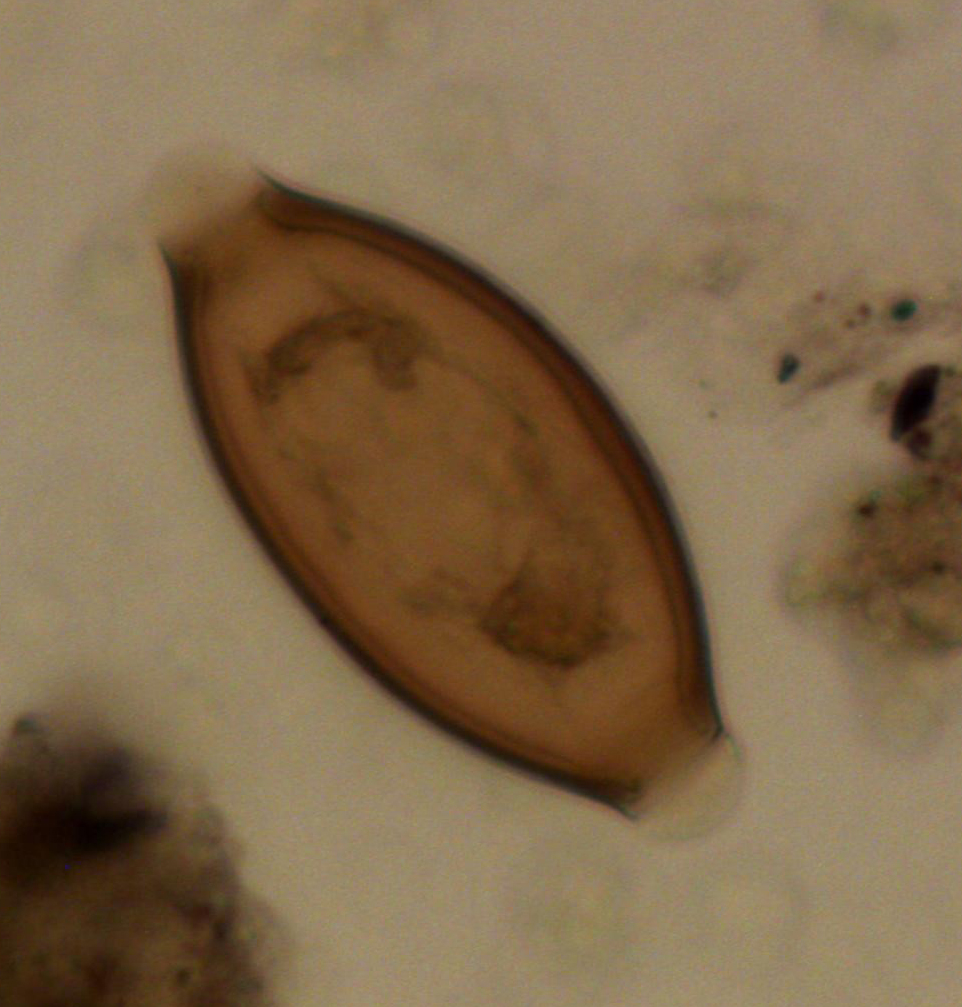
Students and faculty moved into the new permanent campus on Saadiyat island in 2014

Students and faculty moved into the new permanent campus on Saadiyat Island in 2014

A professor from New York University has been barred from travelling to the United Arab Emirates for his outspoken remarks against the country’s labour laws for migrant workers.

According to The New York Times, Andrew Ross, a professor at New York University specialised in teaching about labour issues, was in the airport on his way to spend his spring break at New York University Abu Dhabi conducting research into labour issues of migrant workers. He was stopped there and informed he is not allowed into the Gulf state.

New York University Abu Dhabi (NYUAD) is a satellite campus of the university in New York, which also has another similar campus in Shanghai, China. NYUAD has just recently moved into its new campus on Saadiyat Island in Abu Dhabi, a luxurious project that will also house offshoot branches of the Louvre and Guggenheim museums.

Ross has in the past been openly critical of the Emirates’ treatment of migrant workers, including those that worked on building New York University Abu Dhabi’s sprawling new campus in one of the most expensive areas of the emirate.

The UAE authorities have said Ross was not allowed to enter the country for security reasons. However, he suspects it is because of the stance he has taken against the country’s labour laws – sparking debates on academic freedom in offshore campuses of Western universities.

In an email sent to The Times, NYU spokesman John Beckman said that NYU faculty and students have had “zero infringements” on academic freedom and were allowed to travel freely between the campuses. But, he adds that “regardless of where NYU or any other university operates, it is the government that controls visa and immigration policy, and not the university.”