Boyfriends and husbands may put female researchers at a hiring disadvantage

Married and partnered female researchers may be less likely than their male counterparts to land a junior-faculty position at US universities, finds a study.

Divorce wedding cake

By Paul Smaglik

Female candidates’ – but not male candidates’ — relationship status was a primary consideration in hiring committees’ discussions and decisions, according to study co-author Lauren Rivera, an associate professor at the Kellogg School of Management at Northwestern University in Evanston, Illinois. She found that committee members assumed that heterosexual female candidates whose partners or husbands held academic or high-status jobs could not relocate for the job, and excluded them from offers when the committee had viable male or unpartnered female options. Yet, she says, committees — whose members included women — rarely discussed male applicants’ relationship status and assumed that those candidates’ partners or wives would be able to move for the position if an offer were made.

Continue reading →

Surviving academia as an early career researcher: an unreliable guide

Being an early career researcher is exciting but terrifying. Use this guide to make the most of your PhD or postdoc experience, says Atma Ivancevic.

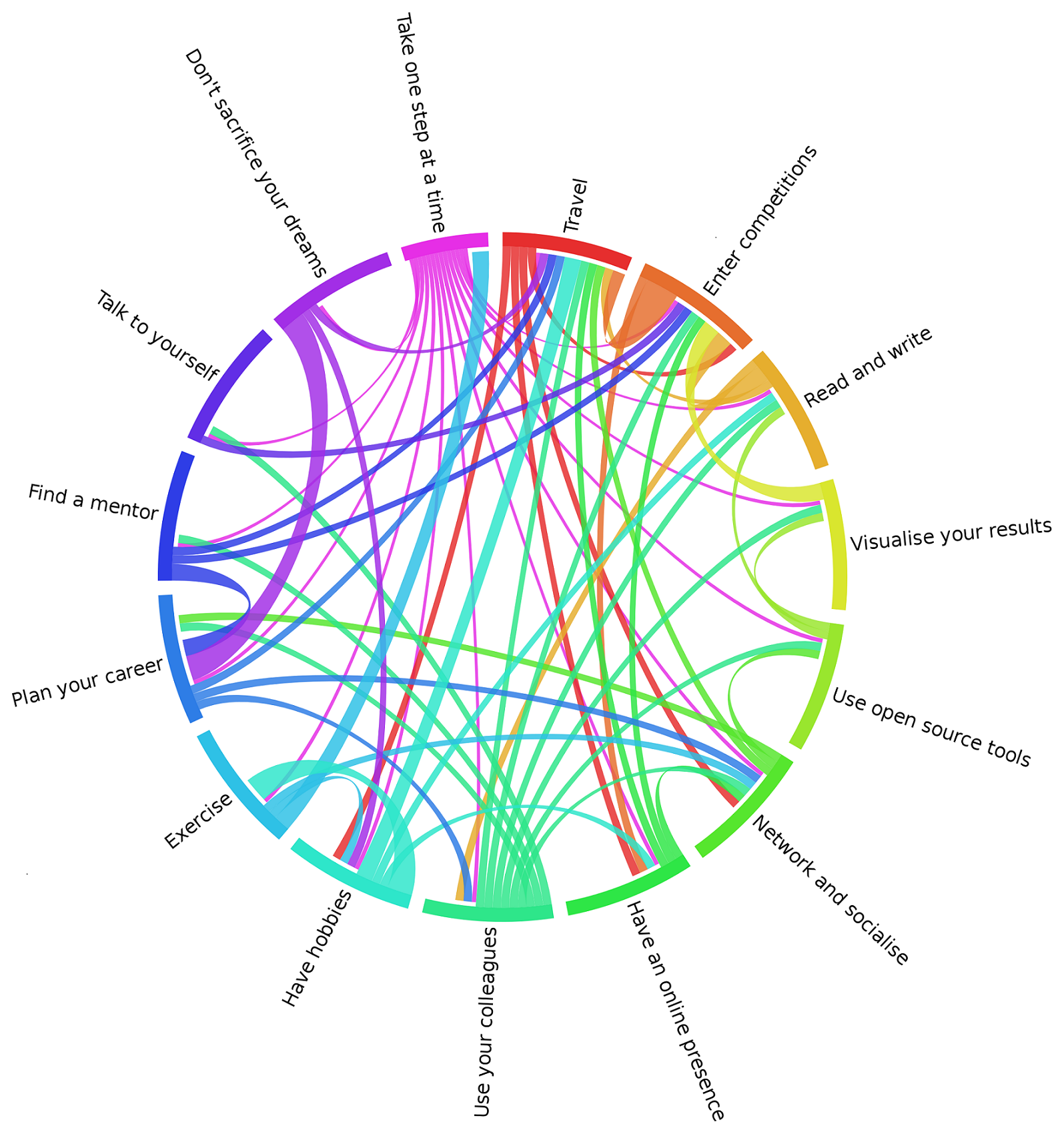
In today’s cut-throat world of grants and publications, being an early career researcher (ECR) can feel more than a little daunting. As an ECR myself, I can’t guarantee that this will help you make it to the other side unscathed. But I’m still here, and if you’re reading this, you probably are too. Outlined below are the things I’ve learnt during the ups and downs of post-PhD life.


circos-table-myxvjxw-smaller

Continue reading →

Building skills through a gig

Some researchers are providing short-term services such as writing science news articles and consulting on industry products to bolster their skills outside the lab. These side gigs can be valuable for career development, says Josh Henkin. (See related story here.)

GettyImages-95692019-smaller

{credit}Noel Hendrickson/Getty{/credit}

Continue reading →

Broken dreams

By Paul Smaglik

US postdocs are less satisfied with their lives than are the general public and people in some developing countries, according to a recent survey. Of the survey’s 190 participants, 30% said that they would not recommend postdoctoral training for their peers, and 20% said that they changed their career goals during their postdoc.

glasses-1611121_1920

{credit}Keron Greene{/credit}

The survey, published this month in F1000Research, an open-publishing platform, reflects a deep disenchantment with the US postdoctoral programme, perhaps because so many postdocs initially hope that their training will result in tenure-track positions that don’t materialise. While the number of postdoc positions has tripled since 1979, the number of available tenure-track positions has not increased to accommodate them. In the United States, 65% of all PhD holders pursue postdocs, but only 15-20% of those attain a tenure-track position (Nature, 2015; 528 (7580): 22–25). Continue reading →

In sickness and in health: the importance of taking regular breaks

Time away from work is crucial for daily productivity and personal development, says Atma Ivancevic.

A few weeks ago, I took my first sick day for the year. I was mentally and physically exhausted: disheartened by delays and failures in the laboratory, and constantly bad-tempered from headaches and stress. I started staying up late. I stopped exercising and gave up my hobbies. I ignored my friends, partner and family, irritated by the distractions they presented. I prioritized work to the extent that I became miserable and unproductive, existing on bad coffee and fast food.

pic

I was not alone. Continue reading →

Human Pipettes: Scientific training and education in biomedical research

David Rubenson and Paul Salvaterra share their thoughts on a damaged and damaging research system

A recent cancer research symposium displayed a familiar asymmetry. 90% of the attendees were PhD students or postdocs sitting obsequiously in the rear and asking 10% of the questions. 10% of the attendees were front-sitting faculty providing 90% of the inquiries.

A simple case of youthful hesitancy and opaque presentations requiring years of experience to comprehend? But did individual Principal Investigators (PIs) meet with conference planners before advising their students to attend? Did conference planners consider the likely audience and ask speakers to modify their talks? And did faculty members attend the related trainee poster session?


Are junior scientists little more than human pipettes?

Are junior scientists little more than human pipettes?{credit}Paper Boat Creative/Getty{/credit}

Continue reading →

An overseas research intern’s journey in Japan

My overseas internship experience significantly increased my knowledge of research culture and lifestyles in foreign countries.

Guest contributor Andy Tay

Previously, I shared my thoughts on the usefulness of an overseas working experience to establish networks with international experts, and to develop cultural awareness — both of critical importance in a researcher’s career. This year, I decided to head to Japan, Tokyo to work on stem cells as a summer intern at the RIKEN Brain Science Institute (BSI).

If you’re thinking of an overseas internship, especially in Japan, my hope is that this will be of help to you.

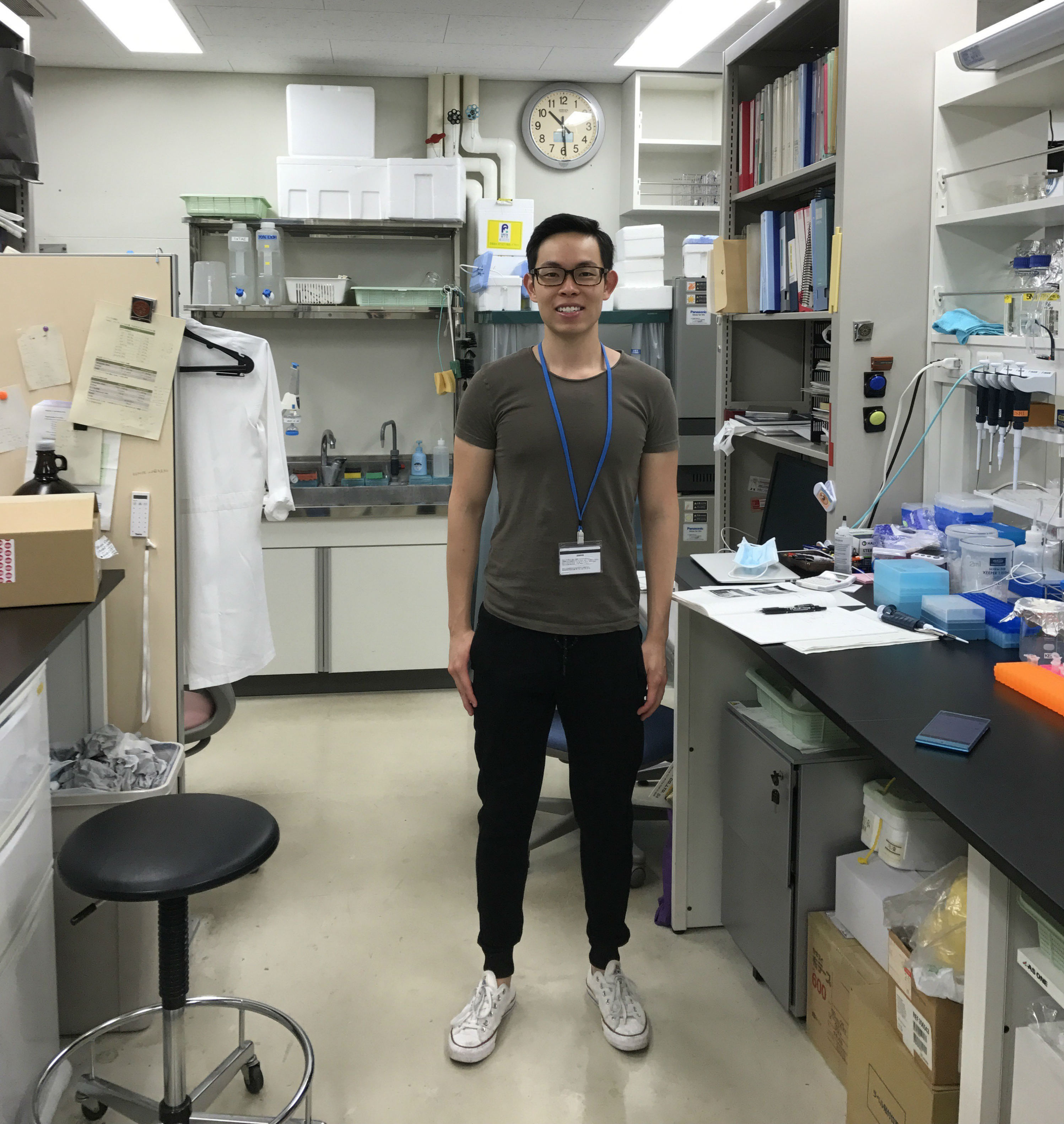
andy in japan-smaller

Andy in his new lab

Continue reading →

Career success: Reframe your thinking

Junior researchers must abandon the notion that an academic science career is the only one that counts, says Sharon Milgram, director of the Office of Intramural Training and Education at the US National Institutes of Health (NIH) in Bethesda, Maryland. At the same time, she says, it is also crucial to know how to reach out to others and how to talk with them one-on-one, and how to develop and maintain resilience.

Knowledge-sharing

{credit}Asonlobo/Wikipedia; CC-BY-SA-4.0{/credit}

Continue reading →

Postdocs and parenting: A tough combination

Parenthood is always demanding. But having a baby during a stint as a postdoctoral researcher? That’s a special kind of challenge—a challenge that requires much support from institutions, co-workers and mentors. Unfortunately, that support can be sporadic and unpredictable, if it can be detected at all, reports Chris Woolston.

childcare

Continue reading →