The birthplace of free radicals

Editor’s note: this is a guest blog post from Thomas Tidwell, who penned the Thesis article ($) that appears in the August 2013 issue of Nature Chemistry.

– – – – – – – – – – – – –

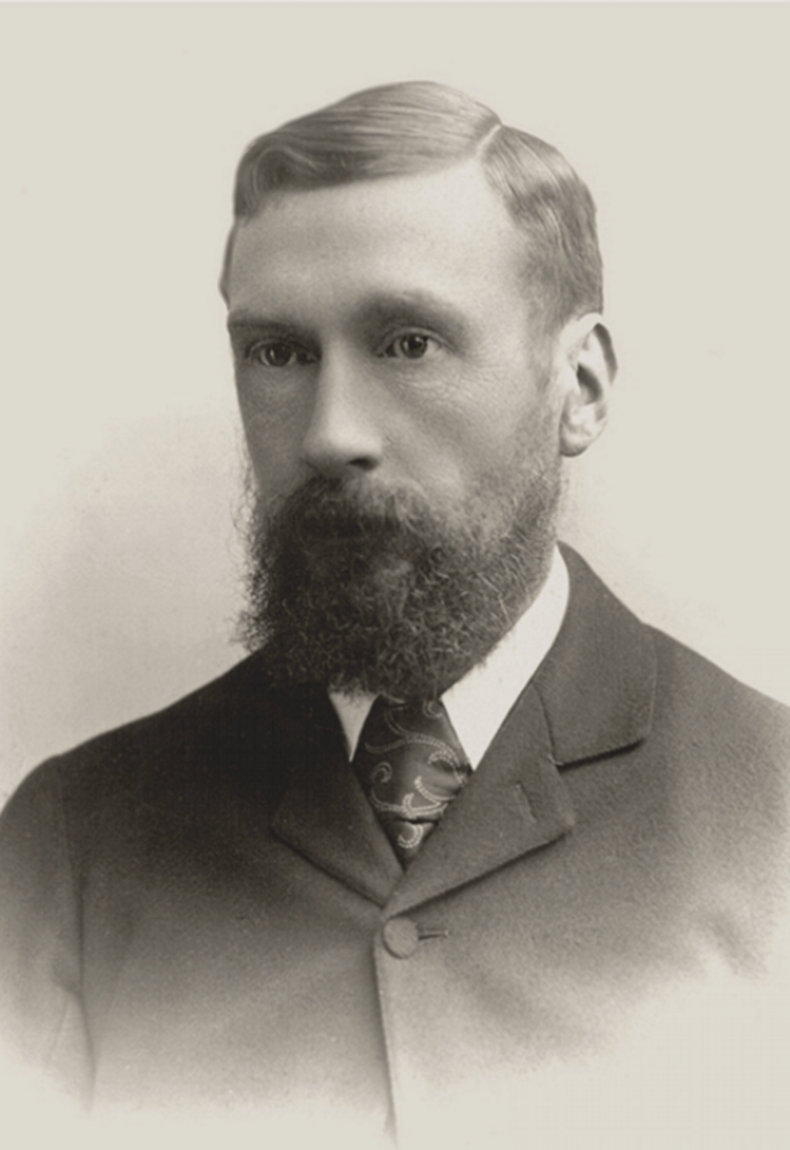
Thomas P. Blunt. Photo courtesy of Jeanette Jerome, the great granddaughter of Thomas P. Blunt

Thomas P. Blunt. Photo courtesy of Jeanette Jerome, the great granddaughter of Thomas P. Blunt

The town of Shrewsbury in Shopshire, England, has a rich scientific history. It was the birthplace of Charles Darwin (1809-1882), who was the son of the medical doctor Robert Darwin (1766-1848). A contemporary of the elder Darwin in Shrewsbury was the pharmacist Thomas Blunt, who corresponded with the Darwins, and assisted Robert in his work by supplying him with distilled water. Letters can be found online in the Darwin Correspondence Project (direct correspondence can be found here and here; other Darwin letters mentioning Blunt can be found here, here and here).

Blunt’s son, Thomas Porter Blunt, pursued a career in public health, and in the 1870s began a collaboration with another Shrewsbury resident, Arthur Downes, on the effects of sunlight on chemical substances, including chlorine and hydrogen peroxide. As recounted in the Nature Chemistry article, this led to a prescient proposal in 1879 that the absorption of light cleaved these molecules into pairs of radicals — an astonishing discovery that accurately anticipates the current understanding of these reactions. The significance of this discovery eluded contemporaries of Downes and Blunt, and did not elicit comment from leading scientists even though it was published in a leading journal. Jamieson in Australia did criticize some of the work on technical grounds, provoking a strong rebuttal from Downes and Blunt, but this did not prompt any further interest.

In 1903, the Nobel Prize in Physiology or Medicine was awarded to the Dane Niels Finsen for the study of the medical benefits of light, and Downes and Blunt were cited in the Nobel address. Downes was later knighted and both he and Blunt had distinguished careers in public health, but their proposal for the formation of free radicals was almost completely forgotten.

One of the best-remembered discoveries in the history of organic chemistry is the preparation in 1900 by Moses Gomberg of the triphenylmethyl radical — and its reversible dimerization — which was widely commemorated on its centennial in 2000. Interestingly, an incorrect symmetrical structure became accepted for the dimer, and was only corrected many years later: H. Lankamp, W. Th. Nauta, C. MacLean Tetrahedron Lett. 9, 249–254 (1968) and J. M. McBride Tetrahedron 30, 2009–2022 (1974).

Photo courtesy of the Master and Fellows of St John's College

Photo courtesy of the Master and Fellows of St John’s College, Cambridge

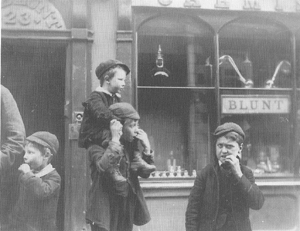
The discovery made by Downes and Blunt preceded Gomberg’s work by two decades and the building which housed the Blunt pharmacy where some of the work was conducted still stands in Shrewsbury — as such, it should be recognized as the birthplace of the free radical chemistry. An 1889 photograph of the pharmacy (shown left), with the Blunt name displayed in the window, can be found here (scroll down) and today it is a listed building. The importance of free radical chemistry in human health is being increasingly recognized, and it is fitting that free radicals were first identified by public health workers.

Note: much more information about Thomas P. Blunt and his family can be found on this website.

Post updated on July 25th to include an additional photo; post updated August 5th to amend the caption to the photo of the Blunt pharmacy.

Blogroll: Fraud and favourites

Editor’s note: As we continue to invite bloggers out there in the wild to compose our monthly Blogroll column, Vinylogous penned the August 2013 column.

———-

Chemists fight fabrication, compare favourites and give advice.

Thinking of faking your spectra? Think again — or at least consider carefully where you plan to send your malfeasant manuscript. Organic Letters editor Amos Smith recently penned an editorial highlighting the seriousness of data fraud: the journal has hired an analyst to inspect submissions. Perhaps unsurprisingly, Org. Lett. has found spectra that were touched up to remove evidence of impurities, and Smith has declared that corresponding authors must bear ultimate responsibility. Paul Bracher at ChemBark gives his take on Smith’s editorial, noting the factors that lead to data manipulation. On the prevalence of inflated yields, Bracher notes that “part of the reason it happens is because some PIs reward it.” He then contrasts the editorial with Columbia University’s handling of the infamous Sezen/Sames investigation.

On a lighter note, the world of chemistry blogs has been abuzz with ‘bests’. A post at ChemBark considers the world’s most influential (living) chemists. Bracher suggests Roald Hoffmann as a top choice, but notes that when it comes to engaging the public, chemists have a long way to go. Over at the Chemjobber blog there is a discussion on the best advice for summer lab students/interns, in which thoughtful introspection is recommended. One commenter pointedly suggests, however, that prospective scientists “go to medical school” instead.

Finally, at Just Like Cooking, See Arr Oh provides an analysis of what chemists say are the most important aspects of a good workplace. What things rank the highest? Meaning, fulfilment, location and great co-workers, apparently. Salary and stability are seen as less important, which is either surprising or realistic depending on one’s assessment of the current chemical job landscape.

Written by Vinylogous, who blogs at https://notthelab.blogspot.com

———-

[As mentioned in this post, we’re posting the monthly blogroll column here on the Sceptical Chymist. This is the August 2013 article]

One flerovium atom at a time

This month, our tour of the elements takes us to a corner of the periodic table that has only been explored recently, and from which only a handful of atoms have been observed. In the case of flerovium, literally one atom at a time. The superheavy element 114 has such a high nuclear charge that several months of nuclear fusion (in which calcium-48 ion beams are directed into targets of plutonium or curium isotopes) are required to produce just one atom — which then decays within seconds.

nchem.1688-i1

Georgii Nikolajevich Flerov
© RIA NOVOSTI / ALAMY

The discovery of element 114 is credited to a collaboration between the Flerov Laboratory of Nuclear Reactions in Dubna, Russia and the Lawrence Livermore National Laboratory in Livermore, California. In fact, things turned out pretty well for the two labs with two elements named at the same time: element 114, flerovium, and element 116, livermorium.

I’ll let you read Peter Schwerdtfeger’s account on what properties we might expect from flerovium, based on its structure, but also taking into account relativistic effects. Could those effects endow element 114 with an electronically closed-shell configuration, as suggested decades ago by Kenneth Pitzer? Is flerovium a gas at room temperature, or is it a metallic liquid? The properties and reactivity of flerovium are investigated both through calculations and experiments. For now, Peter Schwerdtfeger’s conclusion is that we should “expect the unexpected”.

Letters from Lindau: Day 6, the finale!

Editor’s note: Anthea Blackburn is a graduate student based in the US who is attending the 63rd Lindau Meeting of Nobel Laureates (this year dedicated to chemistry) in Germany. Anthea is writing daily blog posts from the meeting for the Sceptical Chymist. Posts from days 5 and 6 are being posted a little late, sorry for the delay.

– – – – – – – – – – – – – – – – –

Well, the 63rd Lindau Meeting is officially over. And what a final day it was.

Photo courtesy of Anthea Blackburn

Photo courtesy of Anthea Blackburn

We spent the day on Mainau, an island owned by the Bernadotte Family (descendants of former princes of Sweden), who are also the instigators and organisers of the Lindau Meetings. It was fitting that we spent time on the island, considering the discussions on sustainable chemistry that we have had during the week, as it is maintained as a garden island and a model of excellent environmental practices.

We began the day (again, very early) on boat — dedicated to Countess Bernadotte — travelling from Lindau to Mainau Island. This ride gave us more chances to speak to the Laureates. One of the speakers earlier in the week likened the Laureates to dark matter in that you can’t actually see the Laureates themselves, just a halo of students around them, queuing for autographs and photos. As an observer from a higher deck of the boat, I can conclude that this analogy is definitely true!

We started off our final day of sessions with a panel discussion with José Ramos-Horta, Nobel Peace Prize in 1996 for his work to find a peaceful solution to the conflict in East Timor, and Gunnar Stålsett, Member of the Nobel Peace Prize Committee and Bishop Emeritus of Oslo. This was a particularly impassioned discussion on the challenges to peace and justice in the 21st century, with some emphasis on the role of science in these challenges, both in positive and negative ways. It is the responsibility of scientists to help bring society closer to peace and justice when it comes to the environment and health issues, but in order to do this, we need to speak the same language — across educational, social and generational divides. Ramos-Horta commented that many of the issues the world is facing today stem from science. Without the discovery and development of weapons and equipment of torture, many of the wars, past and present, would not have reached the level that they have.

This was a particularly sobering thought that, somewhat embarrassingly, had never before crossed my mind, but one that we as scientists need to be mindful of. Of course, the large majority of the research that we embark on does not stem from a desire to introduce more evil into the world, and we should continue to carry out research amorally and not hinder progress, but when considering the applications of our work, we should most definitely begin to reflect on the moral implications of our successes. This discussion was much different to those of the rest of the week, but I, personally, believe that it may have been one of the most humbling. We heard from two societal figures that have seen firsthand the issues of our time, not only about how we as a society can help to fight for equality, but how scientists can begin to play a role in this endeavour.

The final session of the meeting was a second panel discussion on green chemistry, between Steven Chu, Mario Molina, and Michael Braungart, Founder of the Environmental Protection Encouragement Agency, EPEA. This quickly became a somewhat heated debate, with much (I’m slightly ashamed to say, enjoyable) back and forth between the two Laureates and Braungart. Many good points were made between both sides of the discussion, albeit some a little strange — ‘effectiveness, instead of efficiency’? I’m not sure we should choose between the two, or if there is a difference. Regardless the overall theme was that there have often been unintended consequences from chemical advancements, which we need to look back at to see what went wrong and how we can fix them. Furthermore, there are a number of issues in the world that need to be addressed, and as time is of the essence, we need to address them simultaneously.

The meeting was concluded at the Mainau Palace, the place where the concept of the Lindau Meetings was turned into a reality. It was a somewhat somber ending to the occasion, but this is somewhat to be expected as the imminent end of such an incredible event came and went. Of course the extreme heat may have also had something to do with it…

So, the 63rd Lindau Nobel Laureates Meeting has unfortunately come to an end. I think that this may have been, hands down, one of the most educational, incredible, exciting, fulfilling, inspiring, words-can-barely-describe, insert-adjective-here, weeks of my life thus far. Not only was I able to learn about Nobel Prize-worthy research and how it came about, I was able to hear it from the people who carried out the research. I was able to meet new people and friends who share the same enthusiasm for science as myself, and who have the same interests in spreading this enthusiasm with those around us. I was able to take part in intelligent discussions regarding the issues of our generation of young scientists, and how we can go about resolving them for not only ourselves, but for future generations. And I was able to see the Nobel Laureates as real people, and not only the superstars they are — they fall asleep in lectures too and even play on their phones occasionally, they are 100 % in support of each other’s successes, they dislike having their photos taken as much as anyone else, they get nervous when presenting on stage and they’re more than happy to joke about it.

I gained a lot of advice from those who have made science their livelihoods, which I have mentioned throughout my musings over the past week, but I summarise them for you here:

– Never leave bench work to ensure your research remains exciting and fun;
– Take every opportunity to share your research, both with those in science and those who are not;
– Stand by the PIs in group photos. That way if the work wins a Nobel Prize you will remain in the award photo shown in Stockholm;
– Make sure the fonts on your presentation slides are big enough. But not too big;
– Steal the techniques of presenters you like;
– Sometimes, rather big things in chemistry begin in small corners;
– If you know the results of your research are important, but others disagree, don’t give up. If it’s as important as you believe, everyone else will begin to agree;
– Don’t telegraph that you’re going to tell a joke in a presentation, humour is tricky;
– Have interests outside the lab. They will help you to not only expand your horizons, but will engage other parts of your brain often not accessed in the lab; and
– A Nobel Prize should not be a life goal, but an unexpected surprise.

And my advice for you all? If you are given the opportunity to attend the Lindau Meetings, seize it and do all you can to get there, it will be one of the most inspiring, fulfilling and fun weeks you will have the honour of being a part of!

Letters from Lindau: Day 5

Editor’s note: Anthea Blackburn is a graduate student based in the US who is attending the 63rd Lindau Meeting of Nobel Laureates (this year dedicated to chemistry) in Germany. Anthea is writing daily blog posts from the meeting for the Sceptical Chymist. Posts from days 5 and 6 are being posted a little late, sorry for the delay.

– – – – – – – – – – – – – – – – –

Five days down, only one to go. It’s hard to believe that the 63rd Lindau Meeting is almost over.

Photo courtesy of Anthea Blackburn

Photo courtesy of Anthea Blackburn

My day began (very early) with a science breakfast hosted by BASF and attended by a number of the BASF staff, as well as Laureates Mario Molina and Richard Schrock. This breakfast was designed to create dialogue between the students and those who are more advanced in the field. The session used a world café style to answer the question “What do we need to do to improve the state of the world for our grandchildren?” A number of topics were raised throughout the morning, ranging from various scientific approaches with which we can achieve this aim (most stemming from the use of the sun), to how and who we need to educate to begin to help the general public realize the problems we have ahead of us as a society. The thing I found most surprising, however, was that when speaking with a senior member of BASF, he was completely blown away when we suggested the concept of education. Hopefully this isn’t something all chemical industries are unaware of…

The formal talks began with Werner Arber, Nobel Prize in Physiology or Medicine in 1978, the ‘oldest’ of the Nobel Prizes present at Lindau this week. Arber took us through a history of development (using his original slides!) in the study of genetic information, and the impact of these scientific advancements on civilization, particularly genetic engineering. This process of inserting or removing parts of a genome from a cell has the potential to create a species that could be beneficial to humankind but, in the short term, we obviously need to consider the pathogenicity and toxicity of the new species that we are creating, both to humans and to the environment. In the long-term, the influence of these species on bio-evolution becomes important, specifically the process of natural selection, which can be affected by the introduction of non-natural species. We, as scientists, need to ensure that when helping to improve civilization, we aren’t forcing evolution too far against the grain of Darwin’s theory.

We continued on a similar theme of conserving the environment with Mario Molina, Nobel Prize in Chemistry in 1995, this time in terms of climate change. Molina built on what was presented in the last few days to further support the fact that society is changing the climate, and talked about the effects that this change is having on the world around us. He stressed that we need to find a way to convince the public that science is a series of observations and facts, not a belief system, and (more importantly) we need to convince politicians to make policies that may help us begin to reverse or halt our relentless damaging of the environment. To make a start on this convincing, we need to ask the right questions — instead of asking whether an environmental event is caused by climate change, we should ask whether the quantity of environmental events have increased with climate change. Furthermore we need to ensure that we, as scientists, as well as those making decisions, look at all the data, and not just that which supports the conclusion we want to present. Science doesn’t tell us what to do, it tells us the facts. We need to rely on our ethical values to help us in deciding what needs to be done. And we can be certain that something needs to be done.

This impassioned presentation was followed by one packed with advice, this time on our future careers in science, from Avram Hershko, Nobel Prize in Chemistry in 2004. Hershko likened his work on the study of protein degradation to that of pulling apart a watch — if you can pull a watch apart, study its components and put it back together such that it works in exactly the same way, you truly understand its function. In this way, it is now known that it is the process of covalent ligation of ubiquitin to proteins that tags the molecule for degradation by enzymes. And the advice provided? Readers take note: have good mentors in important subjects that are not yet interesting to others, otherwise the big guys will beat you to it. Use whatever scientific approaches are required for your objective, regardless of whether they are state-of-the-art. Science should be a curiosity-driven adventure, so never leave benchwork and you will continue to experience fun and adventure. Finally, accidental observations may be the most important ones, so don’t ignore anomalies in your results.

Theodor Hänsch, Nobel Prize in Physics in 2005, spoke of lasers next. I have never been too excited about physics; I appreciate its importance in all aspects of my life, but that was about it. Until now. Hänsch showed us the power of animations and a well-thought-out presentation to inspire interest in an audience in a topic that I had never even encountered until now — laser frequency combs. In a nutshell, these are laser setups that combine a set number of laser pulses at specific (and different) frequencies that resonate between two mirrors. As you can imagine, interference occurs, with the resultant wave of light being one with a very controlled periodic wave, which can be used for extremely precise measurements. This sensitive technique has the potential to generate and improve a number of techniques, some of which are even chemistry-related, such as Fourier transform spectroscopy, and may also help us to figure out whether fundamental constants are actually constant. And how did I become so interested in this phenomenon? The animations! There is no better way to understand a new concept than through watching a pretty movie on the screen. Hopefully that doesn’t make me sound too shallow!

The next talk was from Alex Müller, Nobel Prize in Physics in 1987, for the discovery of superconductivity in ceramic materials; research that is now carried out by a large number of groups around the world. We were fortunate enough to be presented with unpublished research on a new technique to synthesize these ceramic materials in which samples are irradiated with halogen light (which heats the sample very quickly) for a very short period of time. Furthermore, if a combination of halogen and UV light is used, the level of superconductivity can be maximized. This photo-stimulated solid-state reaction offers a much simpler method of synthesizing these interesting materials than traditional furnace-based approaches, and they have potential uses in magnets, solid-state fuel cells, solar cells and catalysts.

Next up was Robert Huber, Nobel Prize in Chemistry in 1988, for obtaining the solid-state structure of the reaction center of Photosystem II, a crystal structure that I have shown in a number of research presentations. The advent of biological crystallography, and the advances in technology since have garnered a large number of Nobel Prizes over the past few decades, which for some traditional chemists has been a bit of a sore point. So why is this research so important? The key is the future research that might be possible in medicine and biotechnology when we understand what occurs in cells at the molecular level. The proteasomes that Huber discussed are no exception. If we can begin to mimic the structure and function of these molecular machines, either synthetically or through modification of natural systems, then advances in medicine await.

The last talk of the day from Harry Kroto, Nobel Prize in Chemistry in 1996, finished the presentations from the Laureates on a high. Many of you will have seen or heard of Kroto’s presentations, and this one didn’t disappoint. The enthusiasm with which he presents is contagious and thought-provoking, and inspired conversations well into the afternoon. Science is evolving, as are the contributions of chemistry to society and it is this that we need to remind others about — without science there would not be anaesthesia, penicillin or DNA fingerprinting. Without science and chemistry we will not be able to solve the problems facing the world today. In order to achieve this, we need to begin to differentiate between common sense (what we know to be true), uncommon sense (what we have accepted without evidence), and nonsense. For example, we have all known since childhood that the earth orbits the sun and spins on its axis, but what evidence are we taught that we know that this is true? In order to use science as a tool in convincing the general public that science will help, we need to present them with the facts and data, ask questions, and allow them to draw their own conclusions. Our survival is a ‘Global Citizenship Project’ and only in including the general public will we be able to survive. Of course, a Kroto talk would not be complete without a number of jokes, and this presentation was no exception. We were also treated to something I imagine doesn’t happen quite so often — a (very PG-13) strip show, in which shirts were removed and we were shown the t-shirt Kroto has designed and marketed with an image depicting Darwin’s theory of evolution. What a way to finish!

We were again able to learn from Kroto, as well as from Brian Kolbilka, and Ada Yonath, along with Beatrice Lugger (Deputy Science Director, National Institute for Science Communication) and Simon Engelke (Maastricht University), in a panel discussion entitled “Why Communicate?” This discussion covered the whats, whys and hows of communication in both bidirectional (scientist to scientist) and unidirectional (scientist to non-scientist) manners, especially in the very technological world in which we now live. The take-home message from the session was that we must develop a voice in online media to start a dialogue with people of all backgrounds, scientific or otherwise. In this way we can share our passion, and perhaps gain new, beneficial knowledge from other scientists, as well as inspire interest in what we are doing with the general public. The majority of scientific research is indirectly funded by the general public, so we have an obligation to them to not only carry out research that can help them, but also to share with them the importance of what we are doing.

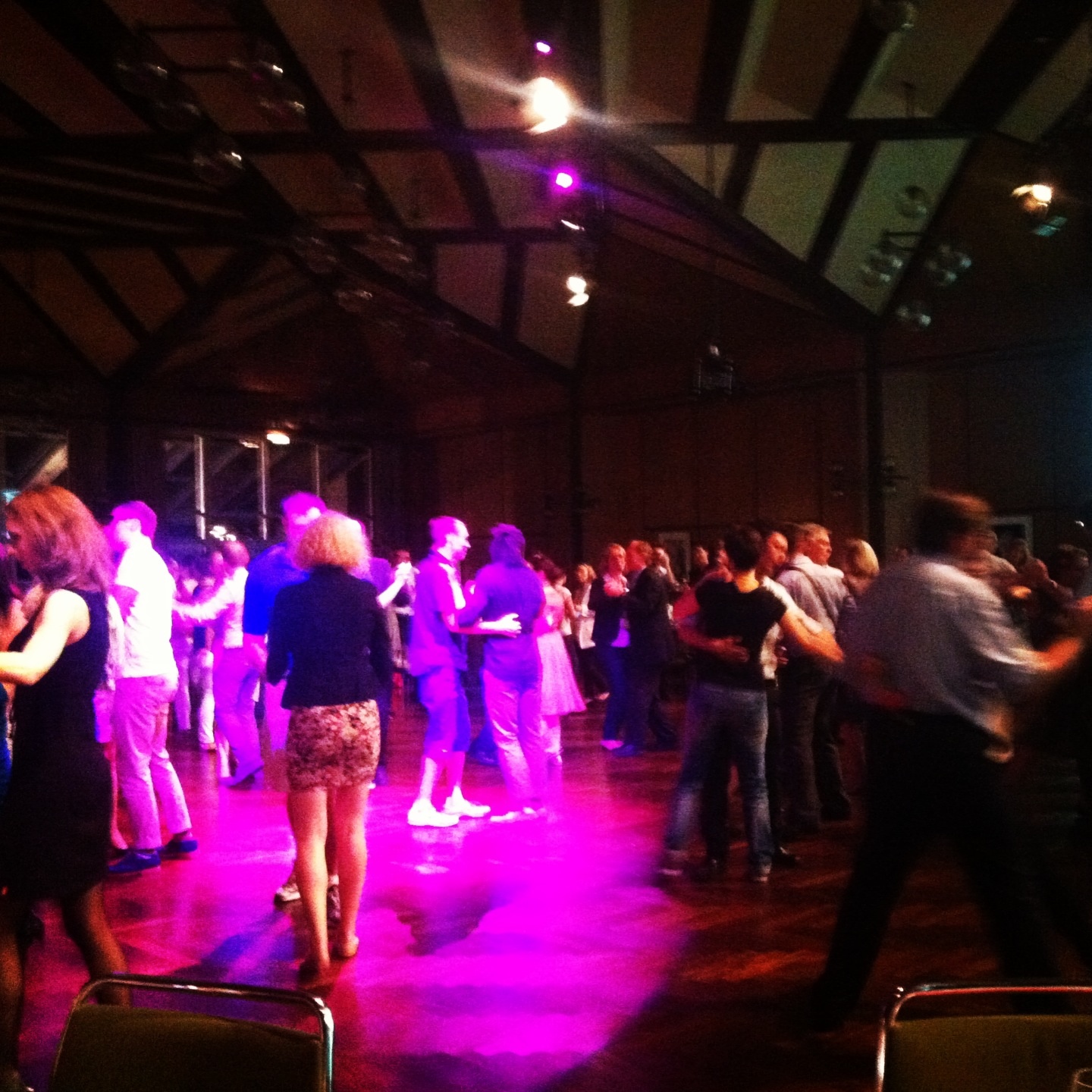
The evening finished as the week started, with a party (of course!), this time dedicated to the Bavarian culture (Lindau is situated in the state of Bavaria). We heard from various Bavarian politicians, as well as a presentation from a local Bavarian music ensemble and dance group, who showed us some of their cultural dances. This was followed by Bavarian food and beer, which was from Weihenstephan Brewery, one of the oldest breweries in the world! A nice… and historical way to end the Lindau portion of our week!

Letters from Lindau: Day 4

Editor’s note: Anthea Blackburn is a graduate student based in the US who is attending the 63rd Lindau Meeting of Nobel Laureates (this year dedicated to chemistry) in Germany. Anthea is writing daily blog posts from the meeting for the Sceptical Chymist.

– – – – – – – – – – – – – – – – –

Well readers, we are officially halfway through the Lindau Meeting, and time has flown!

Today began with worms, C elegans to be precise, and the work of Martin Chalfie, 2008 Nobel Prize in Chemistry, of green fluorescent protein (GFP) fame. Of course the story of GFP and worms are unrelated, but this story began over 30 years ago with an interest in senses, specifically touch. As I’m sure you can appreciate, senses, even in worms, are very complicated, so the multiple processes involved in modulating touch sensitivity did not begin to form a clear picture for the research team until well into the study. It has become evident over the past few days that, in biological studies, the completion of a story and the confirmation of a hypothesis are often dependent on the development of the appropriate technology — something I, as a synthetic chemist, have never really stopped to consider, and which I often take for granted!

The next talk by Steven Chu, 1997 Nobel Prize in Physics (for using laser light to cool and trap atoms), and coincidentally the most recent Secretary of Energy in the US government was one that got most people talking long into the lunch break — the challenges resulting from climate change. As we are all aware, the levels of atmospheric CO2 have increased exponentially since the beginning the Industrial Revolution to a level significantly higher than that ever recorded in the last 600,000 years, which has since resulted in a multitude of other environmental effects: climate change, a recent abundance of natural disasters, global warming, and increasing sea levels, to name but a few. Recent scientific and technological advances (more efficient fridges, electric cars, and so on) have evolved to decrease the effects of energy consumption on the environment, but we are only touching the surface of what needs to be done.

Unfortunately, many of the technologies and renewable energy sources currently available cannot be widely utilised, because of their high costs; costs that are often dictated by bureaucracy. In order to make the technological advances required, fundamental energy research needs to continue, in conjunction with mission-directed research, for which a number of funding agencies dedicated to this approach now exist. I was also able to attend a discussion with Chu, in which the point was also raised that in addition to the research being carried out, it is also important the general public are educated in both the research that is going on to help in their future, but also, and perhaps more importantly, they need to begin to appreciate that their actions today will have a serious effect on their future — a facet of science communication I am very interested in. Perhaps I should look into a career in politics?

We transitioned from this passionate talk to one on an equally important topic — aquaporin (AQP) H2O channels — by Peter Agre, 2003 Nobel Prize in Chemistry. These channels facilitate transmembrane water permeability, and direct the flow of H2O into a number of types of cells in a very controlled fashion. There are hundreds of different AQP that have been discovered, 13 of which are present in humans. Defects in the function of these systems can then have a profound physiological effect on parts of the body, including kidneys, lungs, eyes, and the blood-brain barrier, to name but a few. Perhaps the most significant effect occurs with aquaglyceroporin (a form of AQP) in the presence of malaria, in which the system increases the virulence of the disease. Unfortunately, malaria is now becoming drug-resistant, so if a system can be developed in which the AQP is knocked out, we stand a chance of beating malaria and the detrimental outcomes it has on those affected.

As an avid crystallographer, I have been excited to hear from Dan Shechtman, 2011 Nobel Prize in Chemistry, and the development of five-fold symmetric, aperiodic crystals for some time now. This work proved to be a paradigm shift in the field of crystallography, which until recently was considered a ‘mature’ science, and even facilitated a radical change in the International Union of Crystallography (IUCr) definition of what a crystal is, to now allow it to exclude periodicity from its three-dimensional lattice. Shechtman stressed the importance of keeping a detailed lab notebook, so that in the case you need to discuss your research disbelief to future audiences, you have some visible proof. Of course, the diffraction patterns (the most beautiful I have ever seen!) with obvious five-fold symmetry were sufficient! The time it took for this work to be accepted by the scientific community (two years until the first publication was accepted), show the impact new results can have on scientific fields assumed to be fully characterized. In fact, it was only upon the death of Linus Pauling in 1994 that the scientific community truly began to accept the discovery of quasi-crystals and his ‘papers stopped being rejected!’

The advent of multi-dimensional NMR spectroscopy is also an area of research near and dear to my heart, that is, the work carried out by Richard Ernst, 1991 Nobel Prize in Chemistry. Ernst skimmed quickly over his work on NMR spectroscopy however, using it instead as a stepping-stone into sharing with us his other passion — Tibetan art. Of course, this interest in art is not entirely unscientific, with the household garage housing a Raman spectrometer, so that the molecular pigments can be analysed and the history and origin on the hundreds of paintings he owns learned. The point of this segue from traditional science, while obviously something that is a strong passion of Ernst, was intended more to show us that scientists need interests and passions outside of chemistry (although obviously not too far outside of chemistry!) We need to expand our interests to engage the parts of out brain other than the frontal lobe, and in this way we can discover ‘the multiple fascinations of reality’. This approach has obviously worked for other highly successful scientists — Einstein, Feynman, Hoffmann, da Vinci, but perhaps I will have to wait until after grad school to redevelop my interests outside of the lab. Does sleep count as an interest?

As I mentioned yesterday, much of the work being discussed has only been possible as a result of the work presented by other Laureates at the Meeting. The work on the solution-state studies of proteins using NMR spectroscopy by Kurt Wüthrich, 2002 Nobel Prize in Chemistry, was no exception. Previously, information on the structures of proteins was only possible using X-ray crystallography, which while very useful, only offers information on the protein conformation at very low temperatures, which freezes out the dynamic properties of the system. Luckily, the advent of protein NMR spectroscopy using various correlation spectroscopies offered such a method of studying the switching between the active and inactive states of proteins. Furthermore, 19F NMR spectroscopy was useful, as biological systems do not contain F atoms, so selective labeling of sections of the protein offered a means of introducing probes to the system that could be studied. While this work was specific to biological systems, it is also relevant to small-molecule chemistry, as it is often easy to get carried away with how nice a solid-state structure looks, but that this may or may not be the structure that occurs in solution.

We finished the day with a panel discussion from Gerhard Ertl, Bob Grubbs, Hartmut Michel and Richard Schrock on chemical energy conversion and storage. The four Laureates answered a large number of questions, but the main idea that arose was that we don’t necessarily have a lack of available energy, we just need to know how to harness it and store it in a useable form. The key to realizing these challenges will be interdisciplinary and we should focus on using multiple energy sources (solar, wind, hydro, thermal), rather than limiting ourselves to only one. Although, as Schrock mentioned, if we are correct in assuming we are moving into a new ice age, perhaps we don’t need to worry about the energy crisis… Don’t mull on that thought for too long, readers!

Letters from Lindau: Day 3

Editor’s note: Anthea Blackburn is a graduate student based in the US who is attending the 63rd Lindau Meeting of Nobel Laureates (this year dedicated to chemistry) in Germany. Anthea is writing daily blog posts from the meeting for the Sceptical Chymist.

– – – – – – – – – – – – – – – – –

What a day readers, what a day! I mentioned yesterday that I was particularly excited about the talks planned for today, and they certainly did not disappoint.

We started the morning off with the very animated Aaron Ciechanover, 2004 Nobel Prize in Chemistry, who while known for his work on ubiquitin-mediated protein degradation, spoke on the direction we, as young scientists, need to take in the development of new disease therapies. Drug discovery using high-throughput screening, while somewhat successful, is both cost- and time-intensive and Ciechanover said that we should instead focus on the ‘four Ps’ — participation (more knowledgeable patients), prediction (through the relative ease of mapping one’s genome), prevention (more and more often disease and drug side effects can be predicted) and personalization (disease and the related drugs are not one-size-fits-all). Of course, this approach is broader than simple target identification and validation — bioethics must be considered; that is, if we are able to predict the diseases we, and our children, could develop, should we take preventative action (and if so when)? As well as enabling new scientific methods and information, we also need to be aware of the sensitivity that the ability to obtain this data brings about.

Next up was Erwin Neher, 1991 Nobel Laureate in Physiology or Medicine, who was trained in physics, but spoke to us about chemistry(!) Specifically, he discussed the use of fluorescent labels in cells to measure the changes in the concentration of intracellular Ca2+ that cause the release of neurotransmitters in the presynaptic nerves of the brain. Furthermore, the specific amount of Ca2+ released in specific positions at each stage of neurotransmitter release can be studied using cage compounds containing a known amount of Ca2+ introduced uniformly into the cell. Upon photolysis of the cage, Ca2+ is introduced in a controlled fashion into the cell to invoke the transmitter release, and the effects studied through fluorescence. Chemistry can do everything!

Jean-Marie Lehn, 1987 Nobel Prize in Chemistry, further confirmed this belief about how awesome chemistry is, when he aptly stated that it is chemistry that allows matter to become complex by acting as a bridge between physics, the basic laws of the universe, and biology, the rules of life. More specifically, this bridge is self-organisation, for which Lehn is well-known. Self-organisation, that is, supramolecular chemistry, takes chemistry beyond the molecule and pre-organisation, and into the non-covalent world. This self-assembly can be taken a step further through the introduction of reversible bonds to give constitutional dynamic chemistry, which adds a further element of possible adaptation to the system, specifically the ability of the system to respond to changes in its environment through redistribution of its components. The work that he presented, and that which I have been following in the literature for some time now, never ceases to amaze this diehard supramolecular chemist. I was also fortunate enough to attend a discussion session later in the day with Lehn, where students were given the opportunity to ask questions about his talk and make the most of his vast experience in academia. Of course it was interesting to have the chance to ask him the questions that come to mind when reading about his research, and listen to his thoughts and philosophy on science as a whole, but perhaps it was even more entertaining to hear his answers to the questions others asked of him, by those chemists (supramolecular and otherwise) who were having problems in their research and thought he could help.

Perhaps one of the most engaging talks of the morning was that of Ada Yonath, 2009 Nobel Prize in Chemistry for the discovery of the structure of ribosomes. Coincidentally, she is the only female Laureate at the conference. Yonath’s slides contained virtually no information, but there was no need to look at the screen, because it was impossible to not watch her — except for when watching the amazing videos she presented showing the motion of DNA translation in the ribosome, and how its activity can be prevented in various ways using antibiotics. She also presented an interesting approach for preventing the emergence of drug-resistant bacteria through the development of antibiotics that target more than one of the functions of the ribosome, i.e., a synergetic approach. Yonath further won over the females present in the audience by showing that women can be successful in science, as she has convincingly proven.

The next talk by Rudolph Marcus, 1992 Nobel Laureate in Chemistry, is another Laureate who’s work I am familiar with based on the electron-transfer processes my own research aims to incorporate. This talk was perhaps one of the most personally useful so far, in terms of helping me to straighten out a concept in my own mind. As I am sure you are all aware, some of the literature discussing theory can be very…dense. I am in no way mathematically-minded, so to have the concepts spelled out with as few equations as possible was definitely beneficial, and it is nice to now properly understand electron transfer in molecular systems!

Photo courtesy of Anthea Blackburn

Photo courtesy of Anthea Blackburn

The talks were concluded by Richard Schrock and Bob Grubbs, 2005 Nobel Laureates in Chemistry for the development of catalysts for olefin metathesis. Schrock began the discussion with a background on the development of his molybdenum and tungsten catalysts, and the thought processes behind the development of each catalyst and their applications. Grubbs then continued with the use of his ruthenium-based catalysts in applications specifically related to green chemistry. These olefin metathesis processes have proved useful in green chemistry because the starting materials are often relatively simple and renewable (seed oils), the catalysts enable atom economy, decreased volumes of solvents and have high turnover numbers, and the products can be used to replace pollutants (new pheromone-based ‘pesticides’) or used in energy applications (living polymerization to make polymer photonic crystals). This was a particularly good duo of speakers, in that we were able to hear both the history of the work for which the Nobel Prize was awarded, as well as the applications it is now being used for, without all of the information being condensed into one presentation.

The day concluded with the annual ‘Grill and Chill’, where the meeting participants and the members of the Lindau community socialize over dinner, and provides us an opportunity to thank them for letting us invade their town for an entire week! The evening started off very pleasantly with warm weather, delicious German food and drinks and music, however as soon as the Lindau Mayor had welcomed us all and doomed the evening’s good weather, a storm arrived. I gained a lot of respect for those who had yet to eat, however, as they continued to line up outside for food, which was getting damper by the second — that’s dedication. Or the effects of hunger!

Letters from Lindau: Day 2

Editor’s note: Anthea Blackburn is a graduate student based in the US who is attending the 63rd Lindau Meeting of Nobel Laureates (this year dedicated to chemistry) in Germany. Anthea is writing daily blog posts from the meeting for the Sceptical Chymist.

– – – – – – – – – – – – – – – – –

Well readers, talk about starting things off with a bang!

Photo courtesy of Anthea Blackburn

Photo courtesy of Anthea Blackburn

The talks began with Brian Kolbilka, 2012 Nobel Laureate in Chemistry, who began by telling us how nervous he was being the ‘new kid on the block’ (it’s reassuring to know that we aren’t the only ones who get stage nerves!). Kolbilka shared with us his research on G-protein-coupled receptors, and the structural insights he was able to gain into the binding events and activation of this membrane protein using a variety of structural and photophysical analyses. In particular he highlighted that it is not the binding pocket that is important in differentiating the action of this protein from others, but rather its surface and the allosteric pocket that is present — something we need to focus on when developing new pharmaceuticals.

Next up was Gerhard Ertl, 2007 Nobel Laureate in Chemistry, who discussed his work on heterogeneous, solid-surface catalysis. He focused specifically on CO oxidation using Pt surfaces, followed by Ru surfaces, or as they discovered, the RuO2 surfaces that were necessary for reactions to occur. I particularly admired Ertl for acknowledging the work of other Laureates present at the meeting whose work had enabled his own successes, which is not something I hear a lot in research presentations. Heterogeneous catalysis was followed by some homogeneous catalysis, specifically the work of Akira Suzuki, 2010 Nobel Laureate in Chemistry, and the development of carbon–carbon coupling reactions. As most synthetic chemists will know, these remarkable reactions form (most often) unsymmetric C–C bonds in the presence of an organoboron molecule, an organohalide, a Pd catalyst and base in, more often than not, high yields. These are reactions I carry out on a daily basis, so it was interesting to hear about the detailed reasons why this specific reaction works. Suzuki also appealed to the audience that he “would be very happy if we used this approach in the synthesis of our target molecules” — mission accomplished!

The second half of our morning session began with two talks from David Wineland and Serge Haroche, 2012 Nobel Laureates in Physics. While the work on quantum mechanics that they talked about was a little outside my realm of knowledge, I was able to follow most of what they discussed relating to Schrodinger’s famous thought experiment about (a potentially rather unfortunate cat). They both focused on the work they had individually contributed to the development of atomic clocks, and the use these systems may have in quantum computers. A point both scientists made, which as a synthetic chemist I will never understand, is how much “lasers have invaded our researchers’ everyday lives” — perhaps the same way I feel about NMR spectrometers?

These talks were followed by John Walker, 1997 Nobel Laureate in Chemistry, who focused on his studies and elucidation of the mechanism of ATP synthase. This is something I am familiar with from my undergraduate studies, and it was interesting to hear just how much work was involved in resolving the action and solid-state structure of this protein, which you can’t quite comprehend from textbooks. I was particularly surprised to hear that the work they have been doing lately shows that many multicellular organisms, whether mammalian, crustaceous or otherwise, all seem to have the same ratio of 2.7 protons required by the cell to generate one ATP molecule. Furthermore, the average human will generate 60 kg of ATP per day! This work was followed by that of Harmut Michel, 1988 Nobel Laureate in Chemistry, who not only characterized the membrane protein cytochrome c, but also pioneered the process of protein crystallization. The methods he described and the time and effort required to crystallise a protein, made me feel a little guilty for sometimes complaining how ‘hard’ small molecule crystallography is! Using this technique however, they were able to elucidate the electron transfer processes that originate from cytochrome c to enable the formation of H2O in cells.

The last research talk of the day was by Robert Curl, Jr., 1996 Nobel Laureate in Chemistry. Fullerenes are something I am reasonably familiar with from the work carried out in my research group, and it was amazing to hear first-hand how the discovery of this new carbon allotrope came about, how collaboration and hard work really can pay off, and ultimately how serendipitous chemistry can be. The advice we, as an audience of young researchers, probably found most useful however, was that when a photo is taken of a team of researchers at the end of a successful research project, make sure you stand in the middle of the group, so that when the Nobel Prize is awarded you don’t get cut out of the picture shown at the ceremony! This advice was followed by some from another of the fullerene team, Harry Kroto, who held a workshop on presentation skills. Many of you will have seen various talks by this dynamite presenter, and it was interesting to hear about both the thoughts that go through his mind when preparing a presentation, but also how various students around the world have used and benefited from this advice as a result of the Global Educational Outreach for Science, Engineering and Technology (GEOSET) program he is deeply involved in. Most importantly though, for those who would like to learn from the master — “make friends with the audience, especially those with rotten tomatoes.”

The day was concluded with an International Get-Together, hosted by the Republic of Korea. We were advised by government officials and academics about the need our world has for green chemistry, were entertained with some Korean songs, and dined on Korean-style food. The evening concluded with a Bavarian tradition, involving the presentation of flowers from the men at the meeting to the women, followed by dancing (at which some were MUCH better than others!). I also mentioned yesterday that the researchers present seemed to be scared of the Laureates. Overnight this fear seems to have disappeared. I watched Laureate after Laureate approached by students asking for photos and autographs — they truly are celebrities, and to their credit, they took it all in their stride.

Till tomorrow readers, a day of talks on synthetic chemistry (much more related to my current research) awaits.

Letters from Lindau: Day 1

Editor’s note: Anthea Blackburn is a graduate student based in the US who is attending the 63rd Lindau Meeting of Nobel Laureates (this year dedicated to chemistry) in Germany. Anthea is writing daily blog posts from the meeting for the Sceptical Chymist.

– – – – – – – – – – – – – – – – –

Hello readers, or should I say guten tag!

Photo courtesy of Anthea Blackburn

Photo courtesy of Anthea Blackburn

Well, I have arrived in Lindau, after what seemed like endless travelling. After 24 hours here I am still in awe of how beautiful this small island town is. From the old-style buildings, the cobbled streets (which coincidentally are completely miserable to drag a suitcase down), to the views of Lake Constance, it feels like you are walking through a postcard. For such a tiny area of land (0.68 square km), there is an awful lot to experience.

We were only required to register this morning, and obtain our distinctive red satchels complete with programmes and name badges, so the morning was spent exploring the island, meeting new friends, spending time at the lake and, in my case, accidentally swimming (way to make a first impression!) Thankfully the weather is supposed to be beautiful all week, so there will be more opportunities to experience more of the friendly Bavarian culture, and see more of Lindau’s history.

The meeting kicked off in the afternoon with opening talks from a range of the people who were involved in the planning of the Lindau Meetings, as well as politicians involved in German education and research. As I mentioned in my first post, the main theme of the Lindau Meetings is ‘Educate. Inspire. Connect.’ and this was a theme in each of the speakers’ addresses. They stressed that as young scientists, we need to build bridges between Laureates, students, countries and disciplines – the only way that we can achieve this is through dialogue and exchange, leading to mutual understanding on a personal level. I am beginning to see how exceptional an experience the meeting will be already – I have spoken with other young researchers from all corners of the world, all of whom have different backgrounds in science and different life stories. The Lindau Meetings truly do provide a global forum to educate, inspire and connect.

Photo courtesy of Anthea Blackburn

Photo courtesy of Anthea Blackburn

The evening finished with a performance from an ensemble of the Vienna Philharmonic Orchestra, followed by dinner and conversation. The one thing that stuck out from these dinner conversations is just how like celebrities these Nobel Laureates really are. I overheard, and even took part in, more than a few conversations about Laureates a person had spotted that afternoon, and whether or not they should have approached (I heard of no one that had, for the record). I imagine that as the week progresses, and as we listen to the Laureates speak, they will become much less names written down on pieces of papers and spoken in awe at dinner tables, and more ‘real’ people, so hopefully there will be much less of the should I/shouldn’t I conversations, and many more of the “this is what they said” conversations. We are here to interact with these rock stars on a personal level after all!

Stay tuned readers, talks from the Laureates start tomorrow. The theme of this year’s meeting is sustainable chemistry, and how we can develop new methods for chemical energy conversion and storage. I’m excited to hear about the Laureate’s research (which may or may not be related to this topic), as well as take part in discussions about how we, as the future generation of scientists, can help to address the energy issues we are currently facing.