Finding job satisfaction as a humanitarian researcher

Panagiotis Vagenas left Yale University to advise a non-profit on research design and quality.

What did you do before Yale?

I’m from Greece originally. In 1996 — when I was 17 — I moved to London, UK. I studied biochemistry for my degree and did a PhD in immunology. When I graduated I moved to the Population Council labs at the Rockefeller University in New York to start my postdoc.
pic-smaller-cropped

Panagiotis Vagenas

What did you study?

I worked on basic research in HIV. What’s always motivated me is trying to help people — to have a meaningful career in that sense. So in summer 2010 I moved to Yale School of Public Health and did a master’s in public health (MPH), and went on to join the faculty at the Yale School of Medicine in 2013. Continue reading →
Ghost research: taking stock of work that disappears

Why every researcher should keep an old bulletin board.

Guest contributor Eli Lazarus

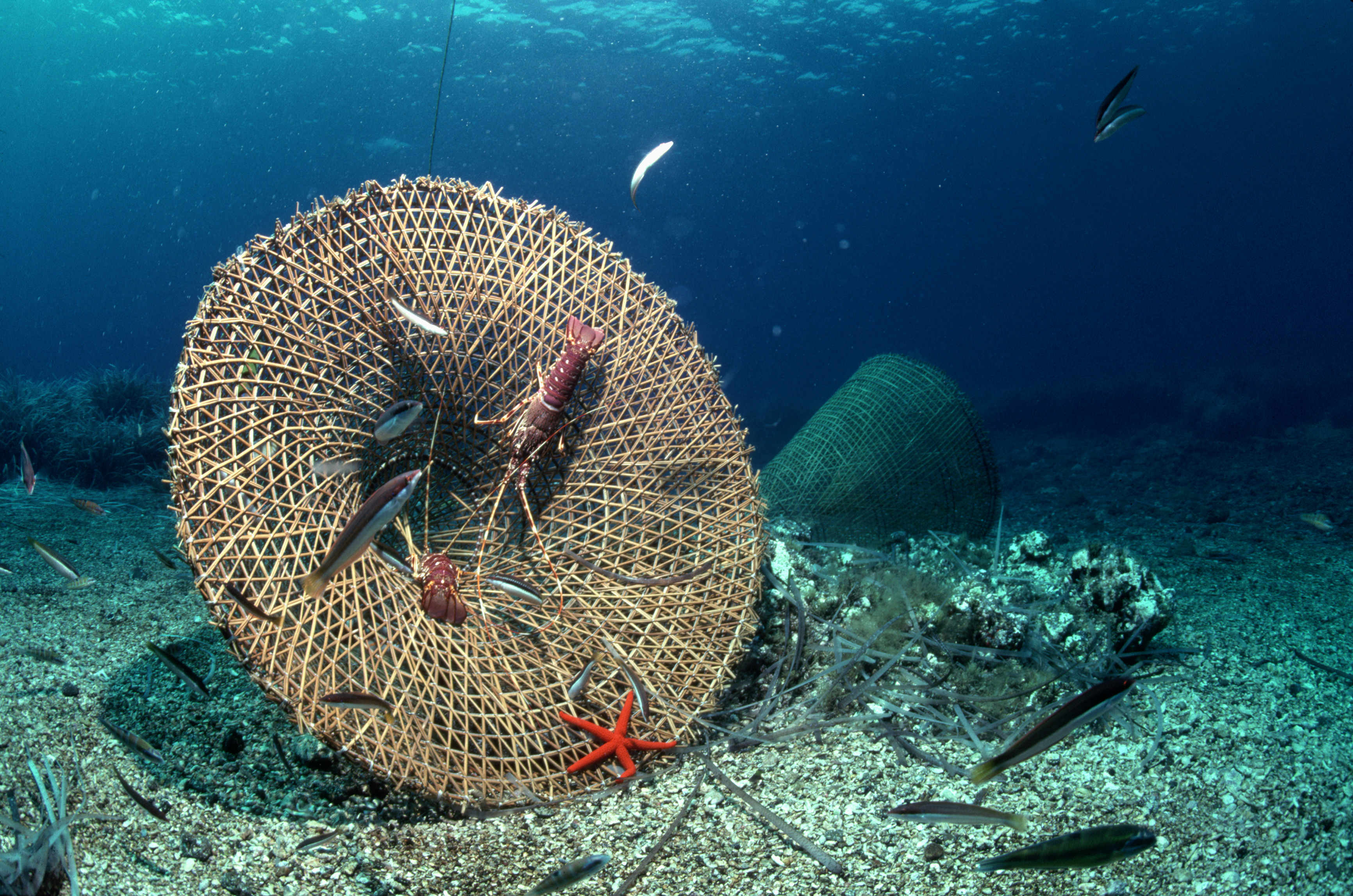
I recently found a short article my father wrote for National Fisherman, in 1988, which reported on a new kind of lobster trap with a “catch escape panel” aimed at reducing bycatch. My dad had a steady freelance gig at the time with National Fisherman, and the article was one of several he wrote while researching “ghost traps” – lobster traps, specifically, but really any lost fishing gear (nets, lines) that disappears underwater for reasons random, accidental, or deliberate.

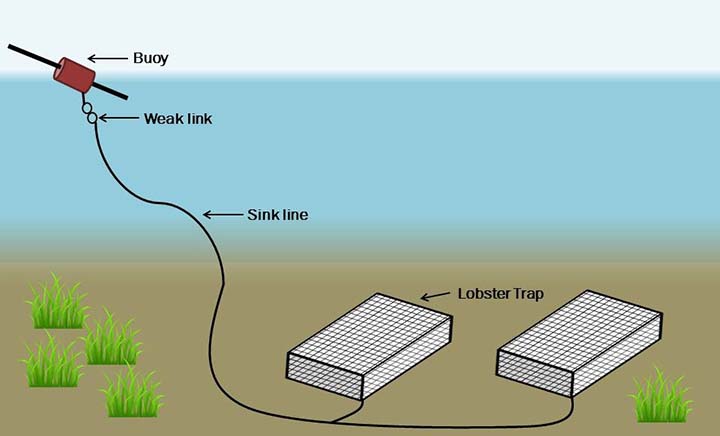
With lobster traps, it’s easy to imagine what happens. To retrieve traps and the lobsters in them, a fisher works her way along from floating buoy to buoy. Each is connected to a heavy “sink line” that is in turn fixed to a trap, which sits on the seabed, catching lobsters. If something – a propeller from a passing boat, for example – parts the sink line, then the buoy drifts off with the current and the trap is lost.

GettyImages-519978966-smaller

{credit}Getty images/Jeff Rotman Photography{/credit}

Continue reading →

I need space to breathe, to create

Creativity – probably the best PI skill in the world, says John Tregoning

What is the most important skill to become a PI? An eye for numbers, an ability to perform repetitive tasks accurately, optimism in the face of relentless failure, the ability to play nicely with others, sheer bloody mindedness, self-belief? All of these skills will strap you into the driving seat but once there, you’ll need to press the pedals yourselves. The most vital skill is creativity; the ability to see new connections — linking old data in new ways and using what we do know to interpret what we don’t.

Continue reading →

Do you think your career was harder as a woman in science?

Academic speakers at the Naturejobs Career Expo, London, 2016, discuss sexism in academia.

https://www.youtube.com/watch?v=rdfqXdibc0k

Continue reading →

The hidden costs of a career in scientific research

Does a career in science select against those unable to afford frequent relocation, unpaid work and short-term contracts?

Nick Riddiford

That a career in science is demanding is unsurprising. But alongside long hours spent in the lab grappling with abstract concepts, the number of years of education it takes to enter the professional ranks and the increasingly unstable nature of such employment, exists a further demand: money. It’s no secret that science costs money — building the Large Hadron Collider (LHC) and sequencing the human genome cost around €3 billion each — but what is less obvious is that entry to a career in science often requires considerable personal financial sacrifice.

save-money-1362382_1920 Continue reading →

The importance of broadening science communication

Though well-equipped with scientific training and expertise, scientists need to be aware of the resources available to help them share their work with a public audience, learns Aliyah Weinstein.

Recently, more and more emphasis has been put on scientists to communicate their research to public audiences. National scientific organizations such as the American Society for Biochemistry and Molecular Biology and the American Society for Cell Biology encourage their members to reach beyond the bench, and many blogs help scientists describe their research to wider audiences. At the University of Pittsburgh, where I’m working on my PhD, graduate student and postdoc organizations on campus share their excitement about science with the public through partnerships with local museums and school districts.

books

{credit}PhotoDisc/Getty Images{/credit}

Continue reading →

Back to basics: Cracking an academic interview

Mit Bhavsar runs through some simple tips he learnt in his quest for an academic position.

Staying and working in academia is a good career choice but finding the right position in academia is still a tricky thing. Blanket-applying to as many positions as you can find and crossing your fingers isn’t going to cut it. Recently, I managed to crack some of my own postdoc interviews. Here’s what I learnt.

grant snider comuic

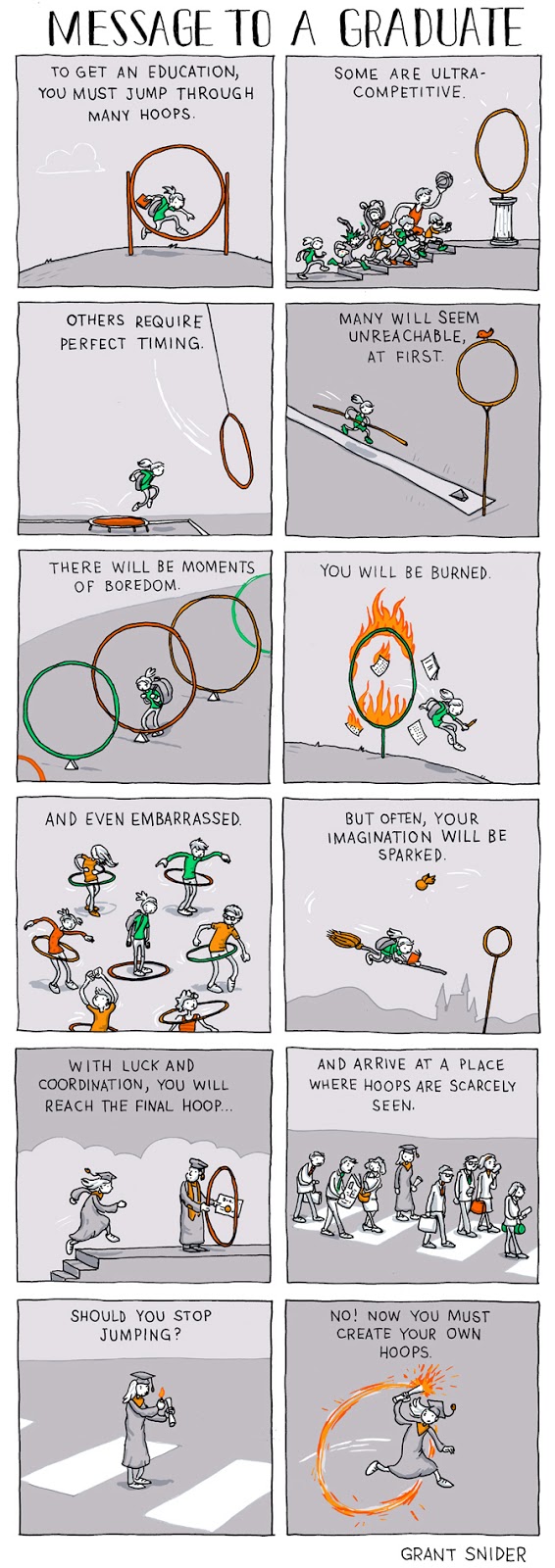
Image source: Grant Snider https://www.incidentalcomics.com/2013/05/message-to-graduate.html

Continue reading →

US research centres create opportunities

Training and mentoring opportunities for junior researchers in particle physics, cell biology, mechanobiology and materials science will be created in connection with four partnerships that are funded by the US National Science Foundation (NSF) in Arlington, Virginia.

New Image

NSF on 26 September announced US$94 million to support four new Science and Technology Centers (STCs). Each awardee will receive up to $24 million over a 5-year period, with the possibility of a continuation for 5 more years. In addition to these latest awards, NSF supports eight active STCs across the United States. Each STC involves partnerships across universities, federal labs, industry and other organizations.

Continue reading →

On the move

Moving lab is a challenge. Moving country is an undertaking of vast proportions that often requires months of logistical planning for everything from finagling visas and finalizing funding to transporting delicate cultures and mastering a new language.20151126_132257-edit

Continue reading →

What’s different in your day to day (from graduate school)?

We ask academics at the Naturejobs career expo, San Francisco, what’s changed.

https://youtu.be/rKE2n_tobmk