Green antibody mimics

This is a guest blogpost by Youssef Mansour.

Scientists have devised a new method to create biocompatible, artificial molecular recognition systems with potential use in drug delivery, sensing and bioseparation –– they say it’s the “greenest” strategy described to date.

Over billions of years, biological systems have developed sophisticated strategies governing how a molecule recognizes another to elicit a target function, such as the recognition of an antigen by an antibody to deliver an immune response. Synthetic chemists, however, are faced with the challenge of designing similar systems in the span of a career. But the perk? These mimics, if achieved, can provide a cheap alternative for industrial and biomedical applications.

But building an analogue system that is compatible for use in a living system and sustainably produced proved tougher than previously thought.

That is until a team led by Karsten Haupt of Compiègne University of Technology and colleagues from the Lebanese University came up with a new strategy to synthesize artificial macromolecular polymers in a biocompatible and sustainable manner. Macromolecules are very large molecules, such as protein or lipids, and are typically constructed using smaller units.

The team used a generic approach of producing polymeric analogues called molecularly imprinted polymers (MIP) – bringing artificial molecular recognition systems a step closer to finding practical use in biomedical applications.

Helping women in research navigate career challenges

Ismahane Elouafi of ICBA

Ismahane Elouafi of ICBA{credit}ICBA{/credit}

This is a guest blogpost by Noha Atef.

Women scientists from nine different countries in the Arab world have gathered in the UAE to spotlight the major challenges and hurdles that they usually face working in different research fields. The gathering, which also included pointers on leadership, building and managing teams, self-confidence and communication workshops, and role playing sessions, was hosted by the Dubai-based agricultural research centre known as ICBA, Bill & Melinda Gates Foundation and the Islamic Development Bank.

The meeting marked Tamkeen’s first ever event – a women scientists’ empowerment programme masterminded by Ismahane Elouafi, director general of ICBA and, as per CEO-Middle East magazine, one of the Arab world’s 100 Most Powerful Women in science. Nature Middle East spoke to Elouafi about the landmark event.

NME: Tell us your impressions of Tamkeen’s first event? Was it up to your expectations?

Ismahane Elouafi: We were lucky to have women joining us from Morocco, Algeria, Tunisia, Egypt, Jordon, Lebanon, Oman, UAE and Kuwait. The young women’s enthusiasm was just impressive. Their feedback was overwhelmingly positive.

We are not starting from scratch, we are building on somebody else’s experience and that’s the AWARD program started by Bill and Melinda Gates Foundation. They helped us a lot despite the differences between the Arab world and African region.

NME: What was the common barrier that women scientists said they faced launching their careers?

IE: The cultural and biological pressure. As women, we have a biological clock. We have to get married, have children, take care of our family and make them a priority, which is normal. That’s what’s expected from our culture. Although that’s something [that is present in] other parts of the world, for Arabs it’s more intense.

NME: Would you care to give us glimpses into some of the participants’ discussions?

IE: One of the ladies said that she will start applying what she has learned first on her family. In her mind, the soft skills [that she learned at Tamkeen’s workshop] are tools that should be used every day and in every place, not just work. And that’s what we are truly looking for; give [these women scientists] the confidence to develop themselves in both the professional and personal [arenas]. … Our aim is to reach 20 to 30 women [per year] and see the impact on their families, communities and countries.

NME: How do you think those potential researchers will use the knowledge you’re providing to nourish their careers?

IE: If the course was successful, it [should] help each one of them to progress in her field. This can be measured through the number of publications they produce and through participation in conferences. It will also reflect on the way they present and communicate their work.

NME: How does this program affect you personally?

IE: Oh, I love young people. I always see myself in them. … I enjoy seeing ambitious women with so much potential. They are just looking for one single opportunity to fly. Helping them in the smallest way is a very big achievement and it’s a joy that I can’t even describe.


The last dinosaur on Earth?

This is a guest blogpost by Aya Nader.

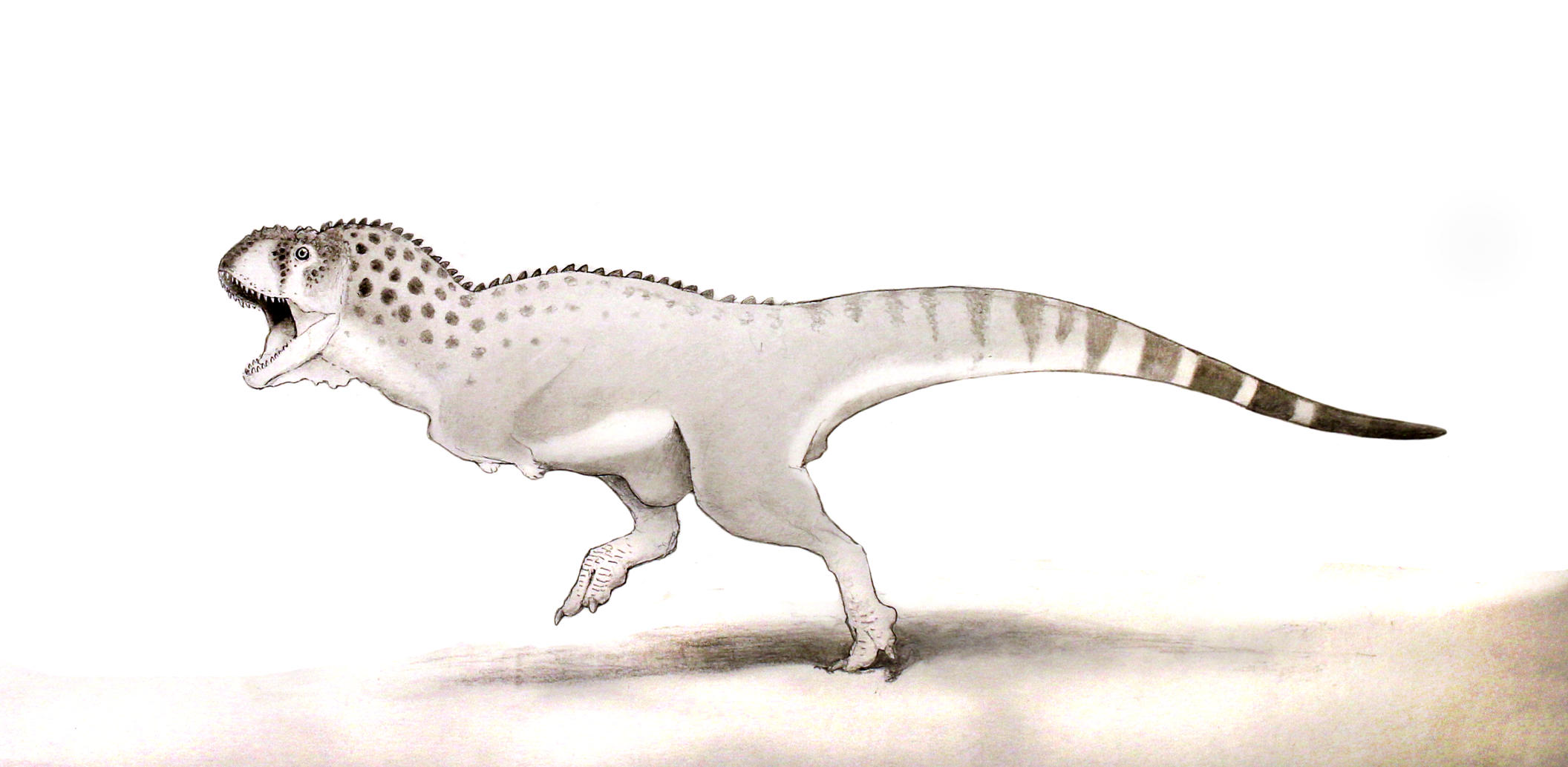
Chenanisaurus barbaricus comes from the end of the dinosaurs' reign.

Chenanisaurus barbaricus comes from the end of the dinosaurs’ reign.{credit}N.R. Longrich{/credit}

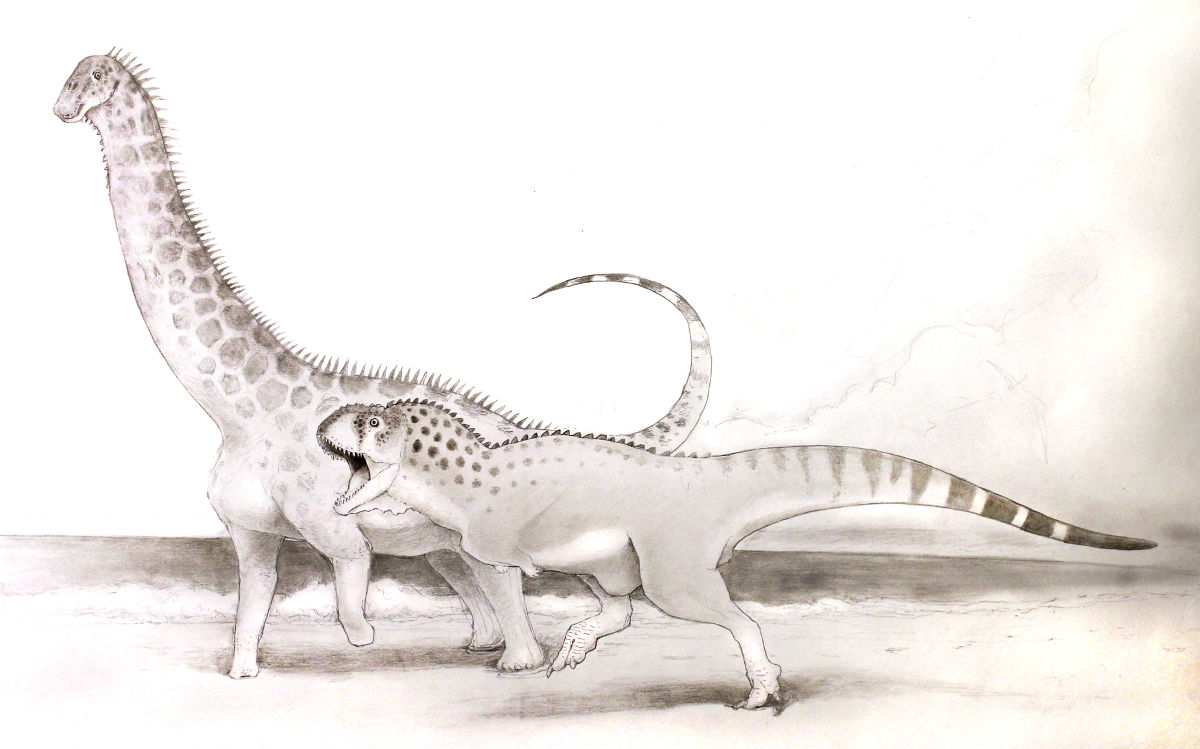
Scientists have discovered remains of one of the last dinosaurs on Earth, in Morocco. About 66 or 67 million years old, Chenanisaurus barbaricus comes from the very end of the prehistoric animals’ reign.

Along with species like Tyrannosaurus rex and Triceratops, it would have been there to watch the asteroid impact that wiped out the dinosaurs.

Previously, the scientists have found only a few teeth, but now they have fossils that comprise part of the dinosaur’s jaw, which is unusually deep, suggesting a powerful bite, and a large body.

The remains were found in Ouled Abdoun, a phosphate sedimentary basin in Morocco.

Chenanisaurus is one of the only dinosaurs to have been found from this time period in Africa, and one of the youngest known members of the group, says corresponding author of the study Nicholas R. Longrich. “We have a pretty good picture of latest Cretaceous dinosaurs from North America and Asia, but very little from Africa, so it helps fill in our picture of what the fauna looked like at this time.”

There aren’t many terrestrial rocks from the latest Cretaceous that are exposed in Africa, he elaborates.

“What we do have is mostly marine rocks in Morocco and Angola, for example. That may be related to the fact that the sea levels were high at the end of the Cretaceous, so much of Morocco is underwater.”

There are a fair number of terrestrial fossils from this time period in Madagascar, he adds, but Madagascar isn’t really part of Africa. It broke off of India, Australia, and Antarctica in the middle of the Cretaceous.

Yet, the Moroccan phosphates are among some of the richest fossil beds in the entire world, according to Longrich. “So the upshot is that if you want to find a dinosaur from this time in Africa, the best place to look is in the marine rocks.”

Chenanisaurus is one of the youngest known members of its group.

Chenanisaurus is one of the youngest known members of its group.{credit}N.R. Longrich{/credit}

Visual experiments straddling art and science

Filmmaker Markos Kay.

Filmmaker Markos Kay.{credit}courtesy of Eliza McNitt{/credit}

Digital artist and director Markos Kay pioneers at visualising the unvisualisable.

“Art and science are drivers of cultures,” says Kay, who visited the Middle East for the first time last month to exhibit a new film called ‘Quantum Fluctuations: Experiments in Flux’ at the Imagine Science Film Festival in Abu Dhabi. “I want to challenge our ideas of how our knowledge of reality is formed.”

He is perhaps best known for a generative short called The Flow (2011), which was featured in an episode of the TV hit series Breaking Bad.

The Flow takes its audience inside a proton, with the aid of simulation software and algorithms, to see a dramatically-visualised interplay of quarks and electrons, resulting in nuclei and atoms. “I was really frustrated that nobody is trying to visualise all this in a more accurate way, so I tried to make my own film. I wanted to show people how complex this stuff is,” he says.

Kay’s work explores and abstracts the complex worlds of molecular biology and particle physics, be it through presenting a different way of observing cells or using the visual language of a microscope to give life to an organic process. “The desire of an artist to find ways to interpret and observe the world is similar to a scientist’s,” he says of his own experiments.

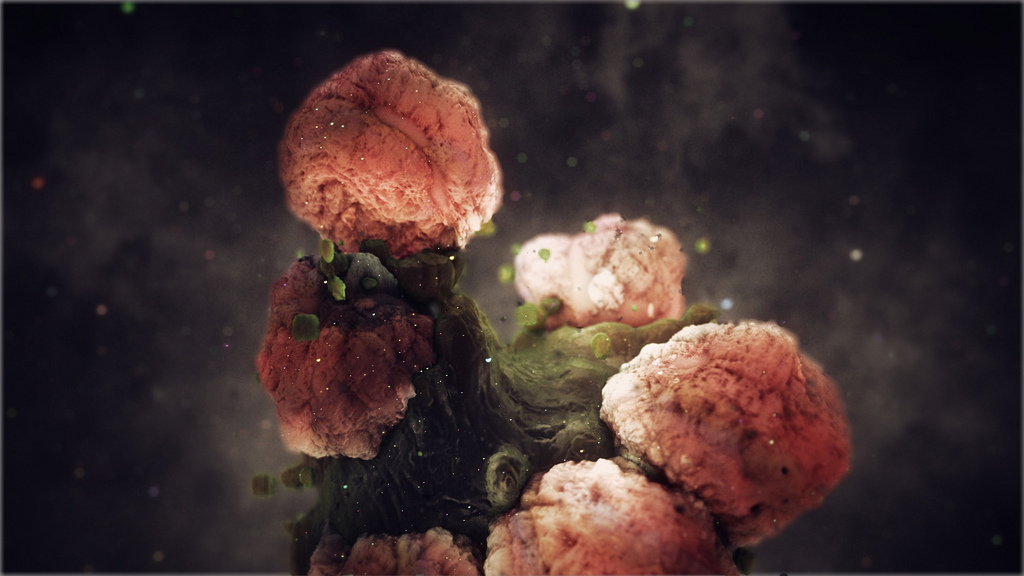
A still from Quantum Fluctuations.

A still from Quantum Fluctuations.{credit}Markos Kay{/credit}

His films are usually filled with detail and movement, and often feature scores of orchestral sounds or a generative, organic soundscape created by algorithm-based software.

His new film, ‘Quantum Fluctuations’, for instance, meditates on the transient nature of the quantum world which, he says, is impossible to observe directly. The film re-imagines the complex interactions of elementary particles as they collide inside the Large Hadron Collider at CERN –– and it’s all presented against a musical backdrop that is designed by Kay himself. Through striking computer-generated imagery, we can see interactions that occur in the background of a collision; for example, particle showers that erupt from proton beams colliding, giving birth to composite particles that eventually decay.

“Since the time of Heisenberg, it’s been almost impossible to visualise these events and simulations. It felt like a challenge,” Kay says. The film was produced by experimental design studio Epoche.io and will be part of an art and science documentary called “Sense of beauty” that focuses on CERN’s particle physics and that will be released later this year.

His latest project Humans After all, in collaboration with photographer Jan Kriwol depicts people in the context of everyday life through their circulatory systems. The project that showcases its subjects – humans stripped down to blood vessels and neural circuits – in an urban setting is meant to highlight the fragility and vitality of the human body.

“Through my work, I try to create immersive environments so that people can feel they’re entering a distant world.”

Humans Afterall.

Humans Afterall.{credit}Markos Kay / Jan Kriwol{/credit}

Does language limit scientific expression?

Scientific papers

{credit}Fancy/Punchstock/Getty Images{/credit}

This is a guest blogpost by Aya Nader.

More evidence is confirming that the choice of language used in scientific literature can influence access to it, and how visible its authors are – including in the Arab world.

Language can limit the transfer of knowledge for one, concludes a study that looked into the prevalence of scientific literature written in local languages. The study, published in PLOS Biology, confirmed some sentiments that many researchers across the Arab world already have.

Over one third of conservation-related scientific documents are written in non-English languages, and a large proportion of local researchers interviewed in the study identified languages as a barrier to accessing knowledge. “I was expecting to see these results, as that was the primary motivation to conduct this work,” says Tatsuya Amano, corresponding author.

Amano says that gaps in information are formed when local scientists either do not get exposed or turn away from publishing in their original language. What surprised the researcher was that over one third of non-English literature reviewed in the study provided neither the title nor the abstract in English, so it’s essentially “invisible to international communities”.

The study might explain why Arab scientists are not as visible, in terms of science research, to international peers, he opines.

“Perhaps only 25% of the global population has some understanding of English and we cannot limit science to just a fraction of the world,” says Steve Griffiths, vice president for research at Masdar Institute of Science and Technology. According to him, having scientific knowledge being somewhat confined to the English language can present a problem when collecting scientific data or disseminating information.

“While language is probably not the driving force behind the lag in scientific visibility of Arab scientists, it certainly can hinder progress,” Griffiths says. Different factors could be causing the lag, he says, which include that the region has only been recently making strides in establishing top-tier research universities and institutes. As well, regional equivalents of supportive bodies like the US National Science Foundation or the US National Institutes of Health are absent.

One of the barriers could be the language itself. A few argue that Arabic, because of the way it’s structured, cannot be adopted as a language of science. “I personally am fluent in English and have studied Arabic for some time and clearly see the translation challenges for technical information,” says Griffiths.

On one hand, English is the universal language of science. On the other, having science available in the local language can enlighten field practitioners and local policy makers.

“The availability of scientific information in relevant non-English languages is a key to the use of science in policy making in countries where English is not widely spoken,” comments Amano. It’s one factor contributing to the divide between science and public policy. “I imagine that extremely busy policy makers would prefer just using easily-accessible information in their own languages, instead of trying to understand English-written papers.”

Poor English skills are observed in many MENA countries and particularly within the government sectors, which limits the uptake of scientific information, Griffiths highlights.

In order to compile non-English scientific knowledge effectively and enhance publishing of new and existing knowledge that is otherwise available only in English, Griffiths suggests launching regional initiatives modeled after the MIT Global System for Sustainable Development. The networking hub, specialized in sustainable development, was created to give researchers that speak English, Arabic, Chinese and Spanish seamless access to its science content.

Another approach is to encourage individual researchers to translate their work, or provide lay summaries of their work in different languages.

There’s also hope in artificial intelligence (AI) for natural language processing (NLP). “Major industry players like Google, Microsoft, Amazon and IBM are deeply engaged in AI NLP for commercial reasons, and over time the outcomes will benefit the scientific community,” Griffiths suggests.

The Finnish trio navigating the natural world through 3D art

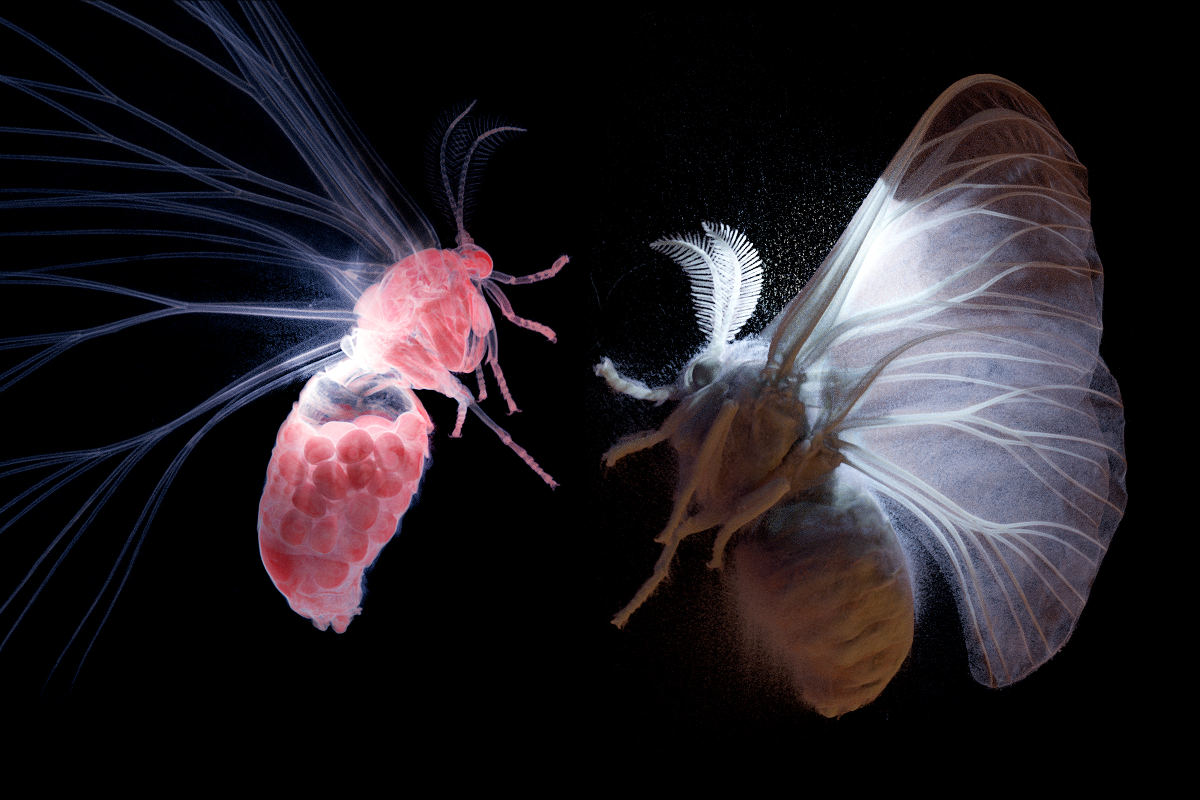
A still from the Secret World of Moths.

A still from the Secret World of Moths.{credit}POHJANKONNA OY{/credit}

In one film, “The Death of an Insect”, three animators, filmmakers, and game creators turned science communicators have given a group of dead insects one last dance.

Against a backdrop of stunning imagery – some monochrome or solidly black or white – the insects hovered, floated, and swam though air as if held by invisible strings in a stunning feat of 3D modeling and stop motion photography that is as equally meditative as it is poetic – and perhaps only slightly macabre. The insects that waltzed and flew through urban landscapes – dead but not lifeless – were collected from attics and sheds, and their choreography delicately animated in the studios of Pohjankonna Oy, the production company behind this experimental picture.

In their other film “The Secret World of Moths” showing at the 3rd edition of Imagine Science Film Festival in Abu Dhabi this weekend, the collaborative crew of three, Hannes Vartiainen, Pekka Veikkolainen and Janne Pulkkinen, who are also lifelong friends, provides a glimpse into nature’s macroscopic expanses through moths.

The dreamy images of vibrantly coloured, almost translucent and luminous insects were constructed using 3D X-ray tomography. This brainchild of Pohjankonna Oy was done in collaboration with the Finnish science centre Heureka. Dozens of insect scans provided by the University of Helsinki, Finland, helped make the film’s animated sequences possible.
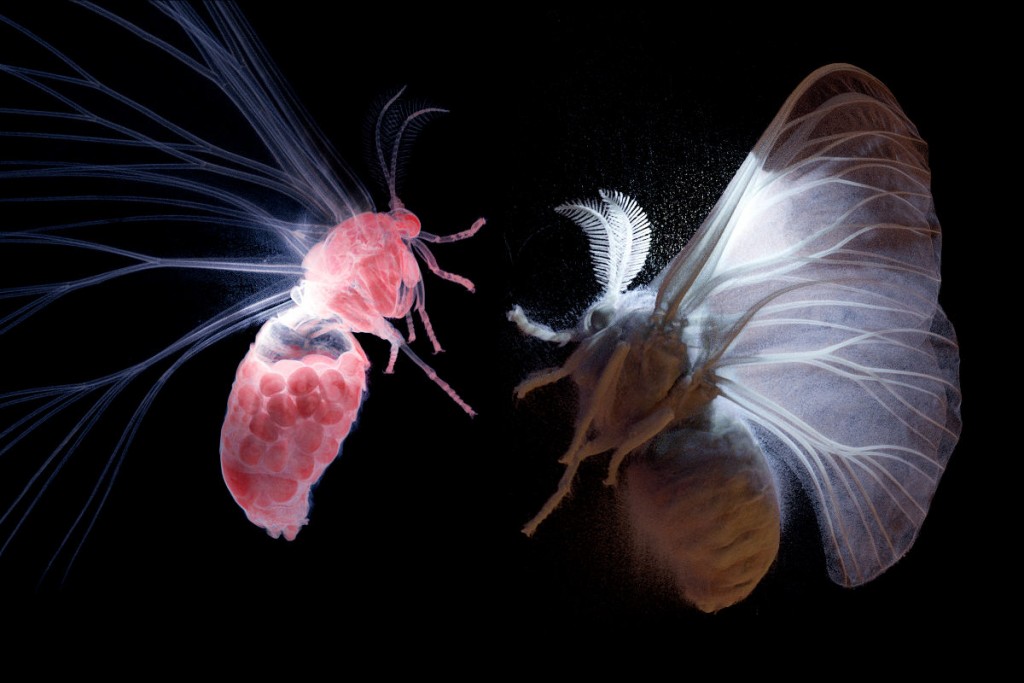
A light technology crossover.

A light technology crossover.

In other projects, in collaboration with researchers from various institutions, such as Ghent University, they used computer generated imagery from numerous scans to create samples that they can virtually ‘move’ inside. The Centre for X-ray Tomography in Ghent has opened up some data archives for Vartiainen, Veikkolainen and Pulkkinen to explore, experiment with and develop their tools.

The final product is always a paragon of film-making excellence at the intersection of science, animation and art. But none of it is interpretative.

“We take something from the real world and try to visualise it as accurately as possible,” says Veikkolainen. His colleague Vartiainen adds, “It’s never 3D models that are based on the interpretation of the data, but always the real data.”

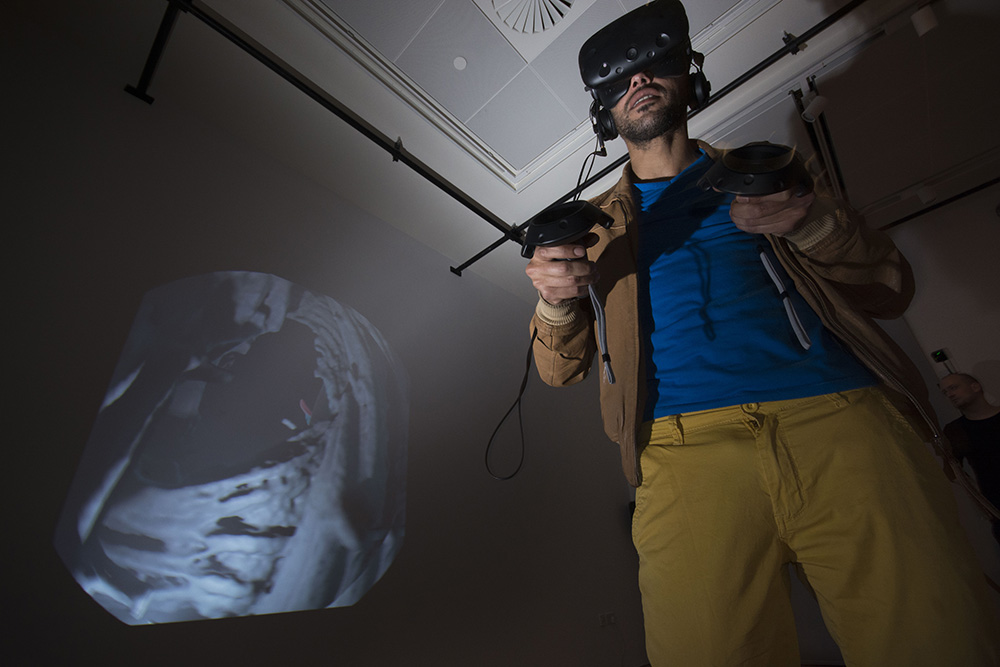
It’s their third Imagine Science Film experience – previously their work won the 7th Imagine Science Film Festival Visual Science Award in the festival’s New York edition and the Scientific Merit Award in Abu Dhabi back in 2015. Their accolade this year, however, was the reactions of awe and wonder that their virtual reality (VR) engine – part of an installation at the festival’s Spectrum art showcase – has garnered from the audience.

This Nature Middle East editor couldn’t resist a dive (or two) into the immersive virtual world that Vartiainen, Veikkolainen and Pulkkinen have created: a journey into the gut of a 2mm fish, scaled up and visualised with impeccable detail. You can shine a light into this virtual model, carve out or slice through it, swap scales with the hit of a button to be able to move around it and observe it from the outside or walk through it on the inside, as you would in a dimly lit cave.

Since the model is based on real-world data, even the smallest details are true to form; there are no imaginatively constructed visuals.
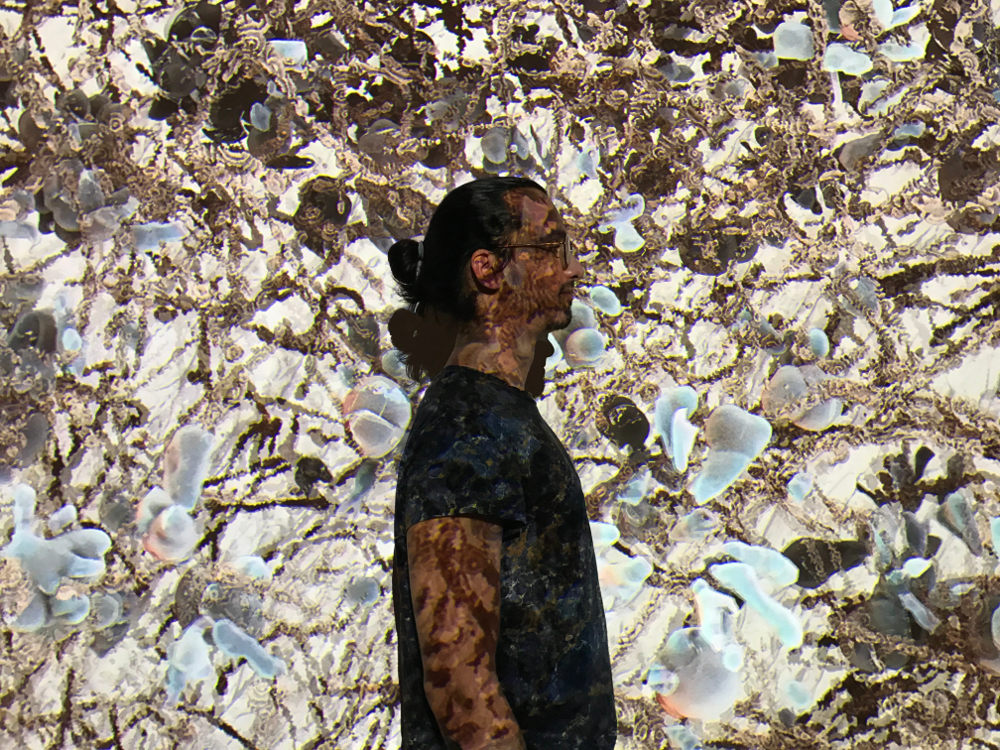
The VR installation drew a large audience at Imagine Science festival, Abu Dhabi,

The VR installation drew a large audience at Imagine Science festival, Abu Dhabi.{credit}Nate Dorr / Imagine Science{/credit}

The synergy between art and technology in this VR prototype is seamless; giving life to an organic sample that both scientists and the public can go deeper into, while keeping it real.

Their method of visual construction is inspired, in part, by diagnostic tools already in use in the medical industry, but that lack the technology to control and manipulate the data, or make it come to life. “Medical visualization tools typically lack the sophisticated lighting and camera controls necessary for cinematic work,” explains Pulkkinen.

But the trio’s unique tools give them precise studio-like control over lighting tomography data – the render engine makes use of video footage to cast ‘animated light’, for instance, adding layers of natural light, such as a timelapse of a moonlit night, to an otherwise static creature.

The light helps bring out the shape of said creatures and samples, giving an extra layer of reality to these digital visualisations – so in the end, nothing is oversimplified.


Longer lasting batteries

This is a guest blogpost by Aya Nader.

Using two dimensional oxide anodes with a controlled number of atomic layers is an effective way to prolong the cycle life of Na (sodium) ion batteries, scientists from Saudi Arabia have revealed in a new research. The advancement carries great potential for grid storage.

Batteries normally have two electrodes: anode and cathode. Anodes can be manufactured from different materials, including oxides, sulfides, and phosphides. Usually, oxide anodes such as tin monoxide (SnO) go through massive volume change and degrade significantly after use, seriously shortening the life cycle of a sodium ion battery. Typically, researchers mixed the oxide anodes with carbon-based materials such as graphene to mitigate this large volume change.

“However, the new approach stacks few atomic layers of two dimensional SnO anodes to suppress this volume change, making batteries that last more than 1000 cycles,” explains Husam N. Alshareef, principal investigator of the study and professor of functional nanomaterials and devices at King Abdullah University of Science and Technology (KAUST), Saudi Arabia.

They used two dimensional materials made up of sheets of atoms, or atomic layers, stacked on top of each other. The thinnest SnO nanosheet anodes (two to six SnO monolayers) exhibited the best performance according to their study, published in the journal Nano Letters. As the average number of atomic layers in the anode sheets increased (beyond 10), the battery performance degraded proportionally and remarkably, the study found.

Now, the researchers are trying to combine the SnO anodes with suitable cathode materials to create full cell sodium ion batteries. The idea is to use these batteries to power small devices, such as phones and other electronic devices, and test their cycling performance in more realistic conditions.

In addition, the scientists plan to try charging up the batteries using solar power. Practically, sodium ion batteries are candidates to replace lithium ion batteries, especially in stationary storage applications, as sodium is cheaper and more available than lithium.

“Our progress using SnO anodes has resulted in stable sodium ion batteries that offer competitive capacity for grid scale applications,” says Fan Zhang, PhD researcher and lead author of the study. “This is exciting because it means a more effective storage solution has been identified for grid storage applications.”

UAE’s first nanosatellite launched

Nayif-1 before it was shipped out of the UAE for the launch.

Nayif-1 before it was shipped out of the UAE for the launch.{credit}@Nayifone on Twitter{/credit}

The United Arab Emirates first ever nanosatellite, Nayif-1, was launched a few hours earlier – it was among 104 satellites propelled into outer space on board the PSLV-C37 rocket from Satish Dhawan Space Centre in India.

It’s the Gulf country’s first CubeSat mission led by seven Emirati engineering students from the American University of Sharjah, in collaboration with the Mohammad bin Rashid Space Centre. The first signal was heard in North America during the night hours (local time), roughly 18 minutes into the launch.

The AUS team will monitor the satellite’s direction and control until it’s switched to autonomous mode.

An educational CubeSat project, Nayif-1 will send and receive messages that will be picked up by amateur radio frequencies; it’s programmed to transfer messages in Arabic, also a first.

A CubeSat is a type of miniaturized satellite for space research that is made up of small cubic units, with a mass that typically doesn’t exceed 1.33 kilograms per unit. They often use commercial off-the-shelf components for their electronics and structure.

According to its makers, the Emirati CubeSat also holds an active control system board that is being launched in space for the first time.

Nanotechnology-armed green tea can battle cancer

The green tea compounds are encapsulated in nanoparticles.

The green tea compounds are encapsulated in nanoparticles.{credit}Getty Images/TongRo Image Stock RF/Thinkstock Images{/credit}

This is a guest blogpost by Aya Nader

Researchers discovered that they can inhibit the growth of prostate cancer cells using nanotechnology to properly deliver a green-tea-based polyphenol.

To improve the outcome of compounds used to inhibit, delay, or reverse carcinogenesis, an international research team shows that adding nanotech materials to a drug delivery system can aid both prevention and therapy of prostate cancer.

“We formed a basis for the use of nanoparticle-mediated delivery to enhance bioavailability (absorbtion) and limit any unwanted toxicity of chemopreventive agents,” explains Imtiaz Siddiqui, lead researcher of the study, published last week in Scientific Reports.

The green tea polyphenols are encapsulated in nanoparticles. The polyphenol used here is epigallocathechin-3-gallate, better known as EGCG; it’s the most active green tea polyphenol component, according to the research team.

Through stopping the formation of blood vessels which nourish cancer cells, the nanoparticles-coated tea polyphenol starves the ‘bad’ cells to death.

The new study is an extention of a 2009 one where the same research team, including an Egyptian researcher from Al-Azhar University, introduced the concept of utilizing nanotechnology for enhancing the effects of chemoprevention by encapsulating bioactive agents – compounds (green tea polyphenol in this case) that have an effect on living organisms.

The 2009 study “was the first one on the subject and since then the concept has been used worldwide by different researchers and is currently a developing field in cancer management,” says Siddiqui.

The nanoformulation containing EGCG also inhibits the growth of new blood vessels, through which tumors get more blood supply to grow and develop; ultimately allowing the cancer cells to move to other parts of the body.

“There will be no side effects with stopping the formation of blood vessels,” says Siddiqui, adding that the effects will be tumor-specific and in turn will not affect the normal growth and formation of the blood vessels.

While there are some other publications which have suggested a similar mechanism, the data in the new study suggests that nanoparticles raised inhibition of cancer cell growth from 10% with 20 µM EGCG, to up to 50% at the same dose when delivering EGCG by nanoparticles.

In response to a question about dosage, Siddiqui says “It was earlier thought that 12 cups of green tea a day will be good however with our approach I am assuming that one or two capsules a day will suffice”. Siddiqui is referring to his encapsulated green tea formula, not regular green tea pills.

Most of the natural agents have shown “wonderful results” in cell culture and animal model testing, but these effects have yet to be translated to clinical studies because previously, the delivery system was still a work-in-progress and absorption of the drug was relatively low, according to the study, something that Siddiqui and his colleagues say they ‘fixed’ in their new study.

“Our study has paved a way for a different outlook to enhance the effects and will possibly lead to a better outcome clinically. It is difficult to mention how long it will take before initiating a clinical trial but it appears that we are on the right path,” he concludes.

From counting to caring

Sympathy with mass human crises may capture attention but do not always translate into action – and even in cases where it does, the action is more often than not transient, at least according to a new research studying the ebb and flow of empathetic response to humanitarian disasters.

Researchers from the US, Canada and Sweden probed the spike of donations for Syrian refugees and related internet searches after a photograph of a dead Syrian child washed up on a beach in Turkey emerged and went viral. It garnered views by 20 million people on social media alone on September 2, 2015, the day it was published for the first time.

The iconic photo of the lifeless body of three-year-old Aylan Kurdi lying face-down at an empty shoreline highlighted the plight of Syrian refugees and the many dangers they face fleeing war. And the research shows that the photo did quickly draw people’s attention to a much greater extent than hundreds of thousands of deaths, judging by previous statistical reports. “New behavioral data from information searches and donations demonstrates that, in this case, an iconic photo of a single child was worth more than hundreds of thousands of statistical lives,” says the research published in the Proceedings of the National Academy of Sciences of the United States of America.

But people’s empathy also waned quickly. “This empathetic response was short-lived,” reads the research, which noted that donations subsided significantly even as the Syrian crisis endured.

“These data illustrate the iconic victim effect …. Does the iconic victim response diminish rapidly as the image fades from memory and the media lose interest? Judging from the foregoing data, this appears to be the case.”

You can read the full research here.