It seems so many of you are uploading CVs to our searchable CV bank, you’ve overwhelmed the system. So if you’re having trouble uploading your CV at the moment, don’t worry – our team are working on the problem and it should all be sorted as soon as possible. We’re sorry about the inconvenience, but in the meantime, why not check out the latest jobs listings, check out what’s new on the blog…or put your feet up (it’s nearly the weekend, after all).
Monthly Archives: June 2013
Science blogging: expert tips
A panel of expert science bloggers share their tips and expertise at the World Conference of Science Journalists.
Cross-posted from House of Wisdom, a blog from Nature Middle East

Are you interested in becoming a science blogger? A panel of top bloggers at the World Conference of Science Journalists (WCSJ) 2013 shared their expertise with delegates – with tips and insights that would be a great starting point for anyone looking to start a science blog.
For Ed Yong, a blogger with National Geographic who writes the wonderful Not Exactly Rocket Science blog, science blogging was his way to get into science writing back in 2006.
“Blogging offers you such freedom with your stories. You don’t have to do any pitching, you can just write about what you want,” says Yong. “The blog is a playground and a laboratory for writing. It allows you to practice everyday without the need for commissioning or anything.”
He also uses the blog to try out different formats and styles of writing without the normal editorial process.
Bora Zivkovic, who is the blogs editor at Scientific American and writes A Blog Around The Clock, likes how people can do things differently with blogs. Several bloggers have shifted from news writing to try to spice things up, such as mixing science with history or philosophy. Others are going visual, using cartoons for example to communicate science or producing simple videos like Minute Physics.
It is also a good tool to build up your network of contacts which is essential for a science journalist. It has become more than just a way to enter into science journalism, adds Zivkovic. Blogs are now also the place where great science writing is happening. It is a way to bring science to a broader audience that may not necessarily be reading science magazines.
There is, however, a flip side to the editorial freedom science bloggers get. Quoting Spider-Man, Yong stresses that “with great power comes great responsibility.” the fact that the work of bloggers is mostly not edited means they are responsible for their own credibility.
“My process for writing a blog post or writing for a paper somewhere have become completely indistinguishable. I do interviews and quotes and everything for both,” says Yong.
The other issues is that, as Betsy Mason, who is the science editor at Wired, puts it, very few people can make a living – or any significant money – out of science blogging. This may be a downer to many people who are thinking about launching their blogs, but Yong points out that bloggers need to broaden their views about the payback from their blogs.
“Looking at the cheque you get for blogging as the only reward is a very short-sighted way to see things. I would not be doing any of the things I’m doing now if I didn’t start that blog in 2006,” he says.
For Zivkovic (who is better known for his Twitter handle @BoraZ) science blogging was a gateway for science journalism. Bloggers on the Scientific American blogging platform now have three book deals, prizes and even a movie appearance!
Finally, the issue which discourages the bulk of bloggers after a few months of writing is the small audiences. When asked how to generate more traffic, all the panelists stressed that the best way is…Continue reading the original post.
Windback Wednesdays round-up: Guide to networking
In the latest in our series of Windback Wednesdays posts – in which we share careers content from the Naturejobs archive that you may have missed the first time around – we’ve been taking a look at top tips to take the hard work out of networking.
In the first week we kicked off the series with a backgrounder on how researchers network. Next up was a feature on the importance of informal networks for furthering your science career, followed by top tips to make the most of connections on LinkedIn, and finally a podcast on how to make networking simple.
Click through the links below to access all the posts.
Do share your own networking tips with us in the comments section below, or on social media. You can find us in the following places:
Stay tuned for our next Windback Wednesdays series on how to get your research published.
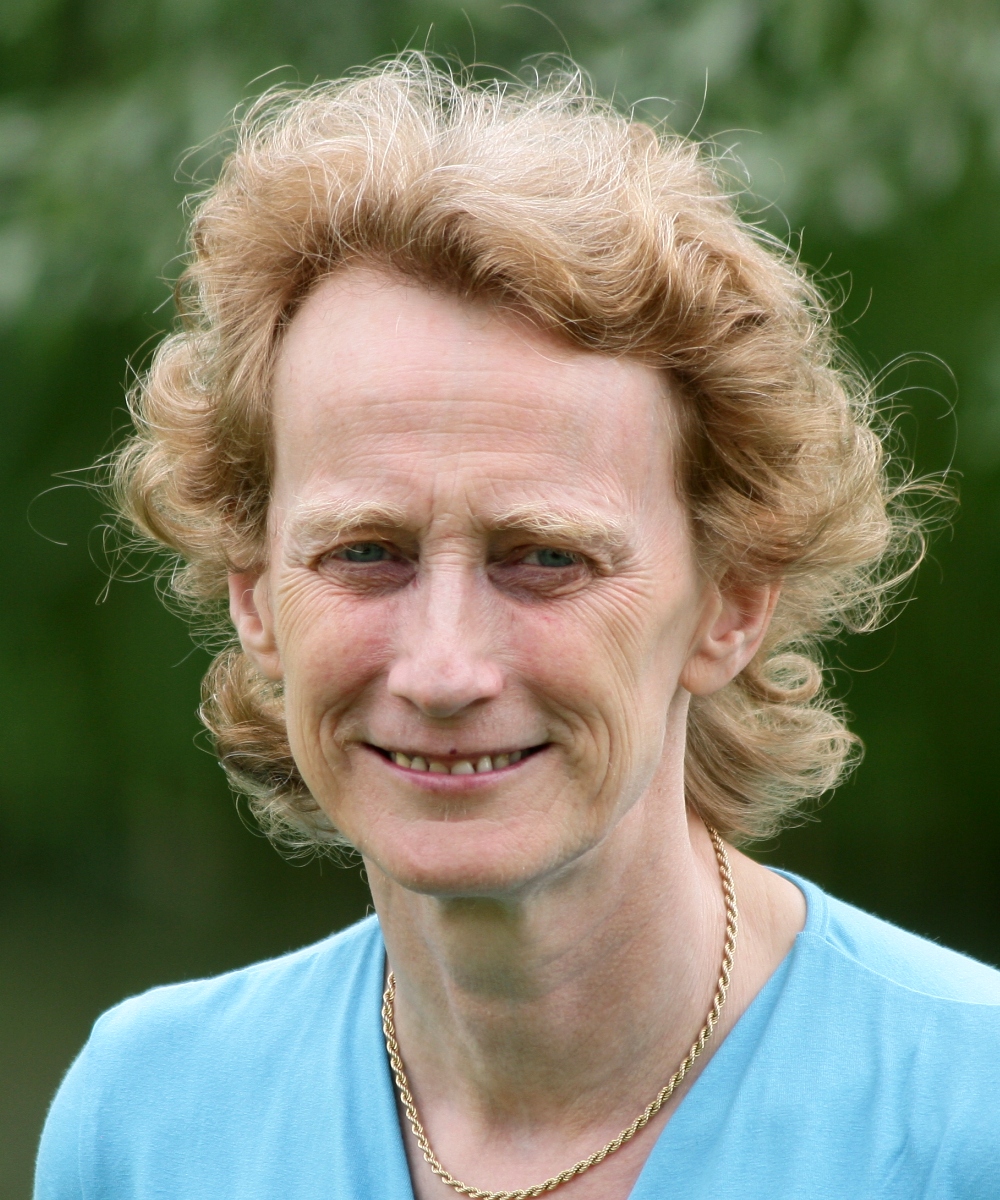
Athene Donald: I still suffer from ‘Imposter Syndrome’
Even scientists at the top of their game can suffer self-doubt, says renowned Physicist Athene Donald.
Indrayani Ghangrekar, contributor
Imperial College has held an annual Athena lecture since 2001 to celebrate the achievements of women in STEMM (science, technology, engineering, maths, or medicine). Last week, Athene Donald, professor of experimental physics at the University of Cambridge and champion of women in science, took to the podium to discuss her career and in particular her experiences a woman in a male-dominated field. Donald drew in the audience with her engaging style, also evident on her blog, and, despite her impressive and highly illustrious career, always shows modesty regarding her achievements.
Her fascinating scientific journey aside, the issues Donald discussed on the night provided insight and advice for scientists regardless of gender or age. As a scientist in the throes of changing career paths right now, I, for one, took heart in her words- not least the thought that not having a clear career plan right now is not the end of the world.
Donald also admitted to the occasional bout of Imposter Syndrome – the feeling of certainty that your current position is a result of a clerical error rather than your ability to do the work. An error that will be discovered any day at which point you’ll swiftly be ejected from your university, job, etc. This is certainly something I suffer from too, for example whilst I write this very article. If, like me, you find yourself wavering in your career convictions, take comfort in these snippets of advice Donald shared:
- Don’t worry if you don’t have a plan – Donald herself, and many senior academics she knows, did not have a plan, indeed had no idea what to do. Having a plan is not essential for career success (although it can help, of course). Rather, the key is to seize opportunities and make them work for you.
- Sometimes critical decisions are made without realising the positive long term impact they will have on you. Be open to taking on challenges rather than seeing them as obstacles.
- Remember that the difficulty for women may not be due to overt discrimination, but unconscious bias from other women as well as men, says Donald, as found in this study.
- Sometimes, tough choices or compromises need to be made. Donald did not travel more than five nights a year when her children were young. This meant that she was not as well known in the US at the time, but she was able to spend more time with her research group, which meant that the team was productive and worked well together.
- Work-life balance should not be seen as a luxury, as Donald said: “One cannot escape one’s personal responsibilities and I think it is very important that universities recognise that people, not just women, but men too, are entitled to have a personal life and make it possible for that to happen.”
- Donald says she suffers from Imposter Syndrome despite a list of achievements as long as hers (she has written about it before here). Men and women suffer from it and it can be cathartic to discuss it but it shouldn’t be the barrier to you achieving your goals.
Athene Donald’s talk was a stark reminder that personal feelings of inadequacy do not equate with the image we can project to others. Not having a plan is not a barrier to success but by making the most of opportunities or challenges that may present themselves, an accomplished career can be realised. However, no matter how well you do, there is a chance you may never shake doubts about whether you deserve to be where you are.
Judging from the deafening applause, I was not the only one who found that Donald’s words struck a chord. Hearing her speak was heartening and inspiring, and it is empowering to see those that inspire us not as superheroes, but as fellow people that have also have pressures and strains to cope with.
Indrayani Ghangrekar has a PhD in neuroscience and developmental biology. With a keen interest in making science more accessible to the public, she is currently pursuing an internship at the charity Sense About Science.
Networking tips for graduate students
Top tips to help you break in on the conversations at academic conferences.
Carolyn Beans, contributor
At my first academic conference I didn’t introduce myself to anyone. As a first year graduate student I directed every bit of bravery toward my talk, which left nothing extra for approaching the scientists I admired.
At the next conference I fully intended to introduce myself to every evolutionary biologist in sight. But at every coffee break and social mixer most professors were locked in conversation with each other. To talk with these scientists, I needed to break in on the conversation—a seemingly impossible task.
I found, however, that with a few tricks and a lot of preparation, introductions at conferences become much less intimidating. Here are some lessons I’ve learned over the years, which I wish someone had told me before I headed out to my first big meetings. Continue reading
Meet our new careers columnists
After being inundated with brilliant entries, we have finally managed to whittle down our list of winners. They reference Beyonce, are frank about their personal experiences, and are sure to make you laugh as well as think in new ways about working in science.
We received hundreds of entries for our careers columnist contest this year. Applicants from all over the world sent us their personal take on the highs and lows of a career in science. Whilst they all focussed on the issues facing young career scientists today, topics ranged from sexism in science to media representation of scientific issues, a great many focused on relationships and tough decisions, others on breakthrough moments of elation, or disappointment and dejection. Choosing the winners was incredibly tough, and this is reflected in the fact that the judging panel decided to select eight finalists in total.
The winners will be writing and blogging in the careers section of Nature and on the Naturejobs blog in the coming months. The topics they cover are varied, but their passion for communicating their work and experiences of their science careers to date are universal. In the meantime, here’s a quick introduction to our winners, and make sure to follow us on Facebook, Twitter, LinkedIn and Google+ for all the updates.
Susie Crowe is a Canadian PhD student at Carleton University, whose engaging account of the difficult decisions that often come with a career in science saw her through to the finalists. Continue reading