How is the rise of data-intensive research changing what it means to be a scientist?

Data-intensive research requires a new breed of scientist: interdisciplinary analysts who enjoy swimming in data, says Atma Ivancevic.

There has always been an emphasis on the generation of novel data in science. Being a scientist involves progressing from observation to hypothesis to experiment to output. In the past, a combination of scarce data to look at and low throughput machinery to make more has led to limited experimental outcomes.

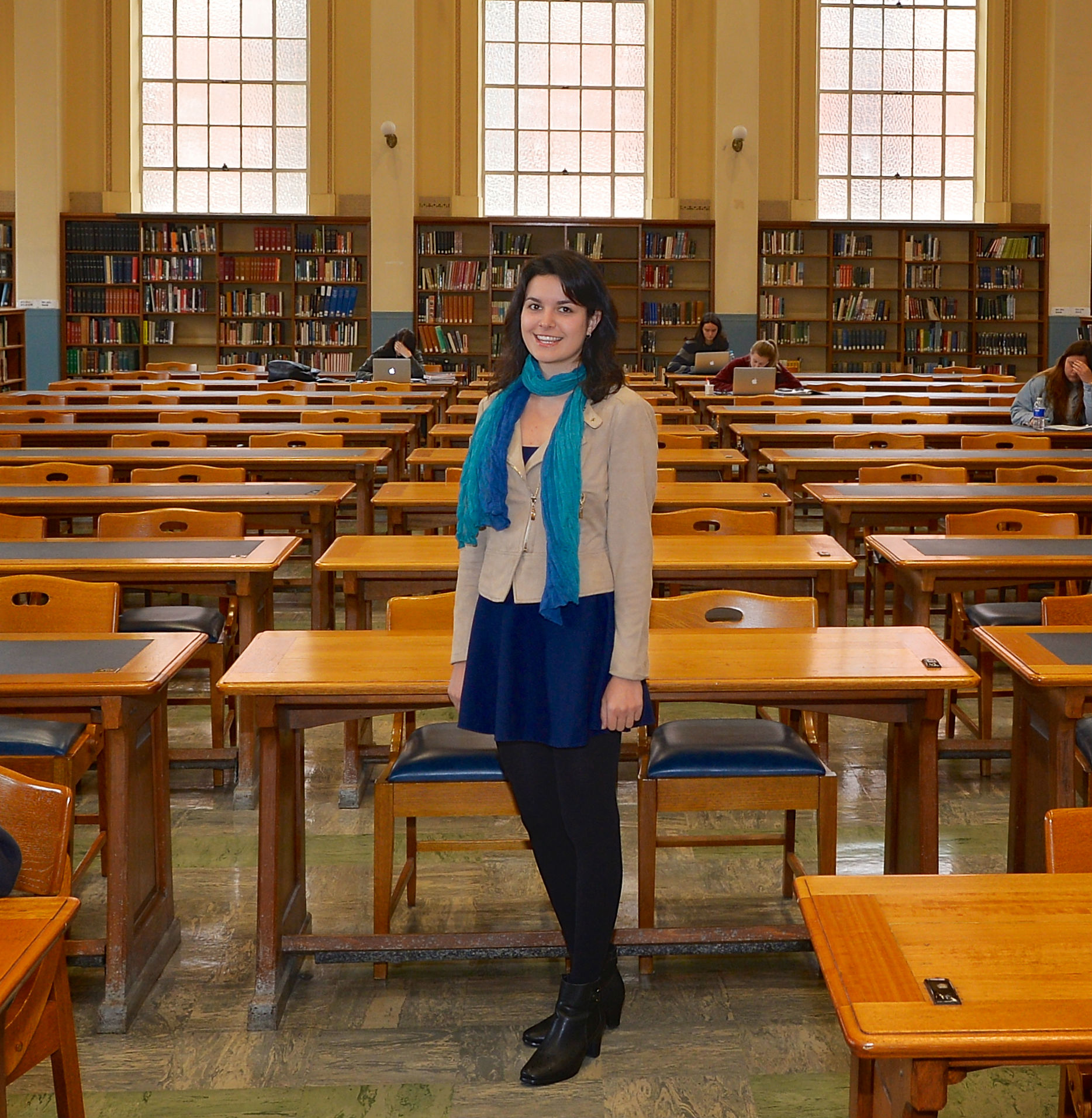
2016-09-12-Atma Ivancevic 04-smaller-cropped

Atma Ivancevic

Continue reading

Why you need to collaborate

Collaborating, formally or otherwise, is a huge component of your future (and current) success – even if you’re in the early stages of your career as a graduate student or postdoc.

7822101134_6cbcbb435b_o

{credit}CC-BY-SA Atos/Flickr{/credit}

Why? It’s how science works today – even in academia. You can’t do it all on your own — you need to work with others who have expertise in different areas to identify the right research questions, to ensure that your experiments answer the questions properly and that your data are robust, to fully interpret results and understand their broader implications and ramifications (as well as potential commercial application in some cases).

Continue reading

No such animal

Nobel Laureate Dan Shechtman describes the structure of quasi-crystals, the discovery of which won him the scorn of colleagues in the 1980’s and then the Nobel Prize in chemistry in 2011.


Suggested posts

Tick tock cold cold clock

Big box small box light-filled box

Aint no stopping them now

Seeking out stronger science: An incomplete, non-systematic list of resources

Our reporter Monya Baker runs through some of the statistical tools she found when writing her latest story.

As I reported in a Nature feature published this week, I found more online courses that were being developed than were actually in place. Resources to help scientists do more robust research are set to expand quickly. For example, the National Institute of General Medical Sciences has a competitive program that awards funds to institutions to enhance graduate student training; of 15 such supplements awarded in 2015, a dozen involved data analysis, statistics, or experimental rigor. You can find more here, and that is only a fraction of what is available. Some courses are still being developed and piloted to select students; others are being offered only to those in a particular department or training grant. If you find one that interests you, it can’t hurt to ask.

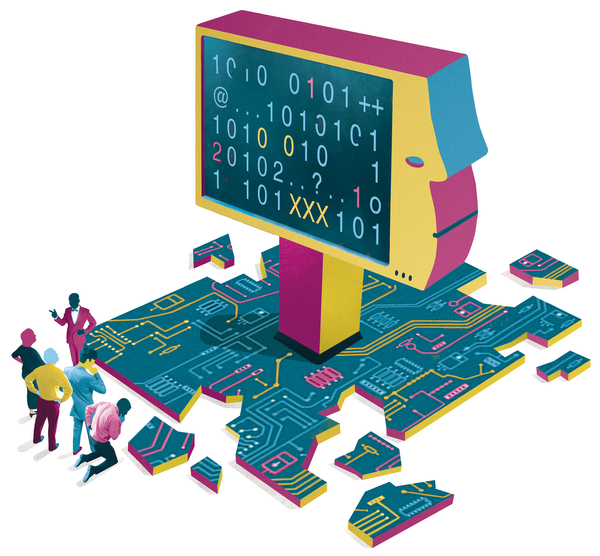
data-science-industry

{credit}PW Illustration/Getty{/credit}

Continue reading

Ain’t no stopping them now

Unstoppable by lead, undetectable above ground, undividable by modern physics; neutrinos are messengers from the very centre of the sun. Art McDonald, co-recipient of the 2015 Nobel Prize in physics, describes the puzzle of detecting neutrinos and the discovery that they change flavour on their journey to earth.


Suggested posts

Tick tock cold cold clock

No such animal

Big box small box light-filled box

US research centres create opportunities

Training and mentoring opportunities for junior researchers in particle physics, cell biology, mechanobiology and materials science will be created in connection with four partnerships that are funded by the US National Science Foundation (NSF) in Arlington, Virginia.

New Image

NSF on 26 September announced US$94 million to support four new Science and Technology Centers (STCs). Each awardee will receive up to $24 million over a 5-year period, with the possibility of a continuation for 5 more years. In addition to these latest awards, NSF supports eight active STCs across the United States. Each STC involves partnerships across universities, federal labs, industry and other organizations.

Continue reading

Tick-tock cold cold clock

Lasers, atomic clocks, and the coolest stuff in the universe. Bill Phillips explains how laser cooling, for which he shared the 1997 Nobel Prize in physics, led to a revolution in time-keeping.


Suggested posts

Aint no stopping them now

No such animal

Big box small box light-filled box

The era of big data is coming: Scientists need to step out of their comfort zone

As every area of research becomes data-intensive, emphasis is shifting from data generation to data analysis, bringing new challenges to researchers, says Réka Nagy.

On my first day as a new PhD student, freshly awarded molecular genetics degree in hand, I was sat down at a laptop with an unfamiliar operating system and was encouraged to explore some data using arr. What sounded like pirate speak turned out to be R, a statistical programming language. Yep – for my PhD I swapped pipettes for programming, dilutions for data and spectrophotometers for statistics. Others experienced the opposite, entering the world of biology from a computer science background.

Réka Nagy

Réka Nagy

Continue reading

Preparing researchers to manage traumatic research

Studying traumatic events comes with its own risks – the scientific establishment needs to be doing more to protect researchers, says Dale Dominey-Howes and Danielle Drozdzewski.
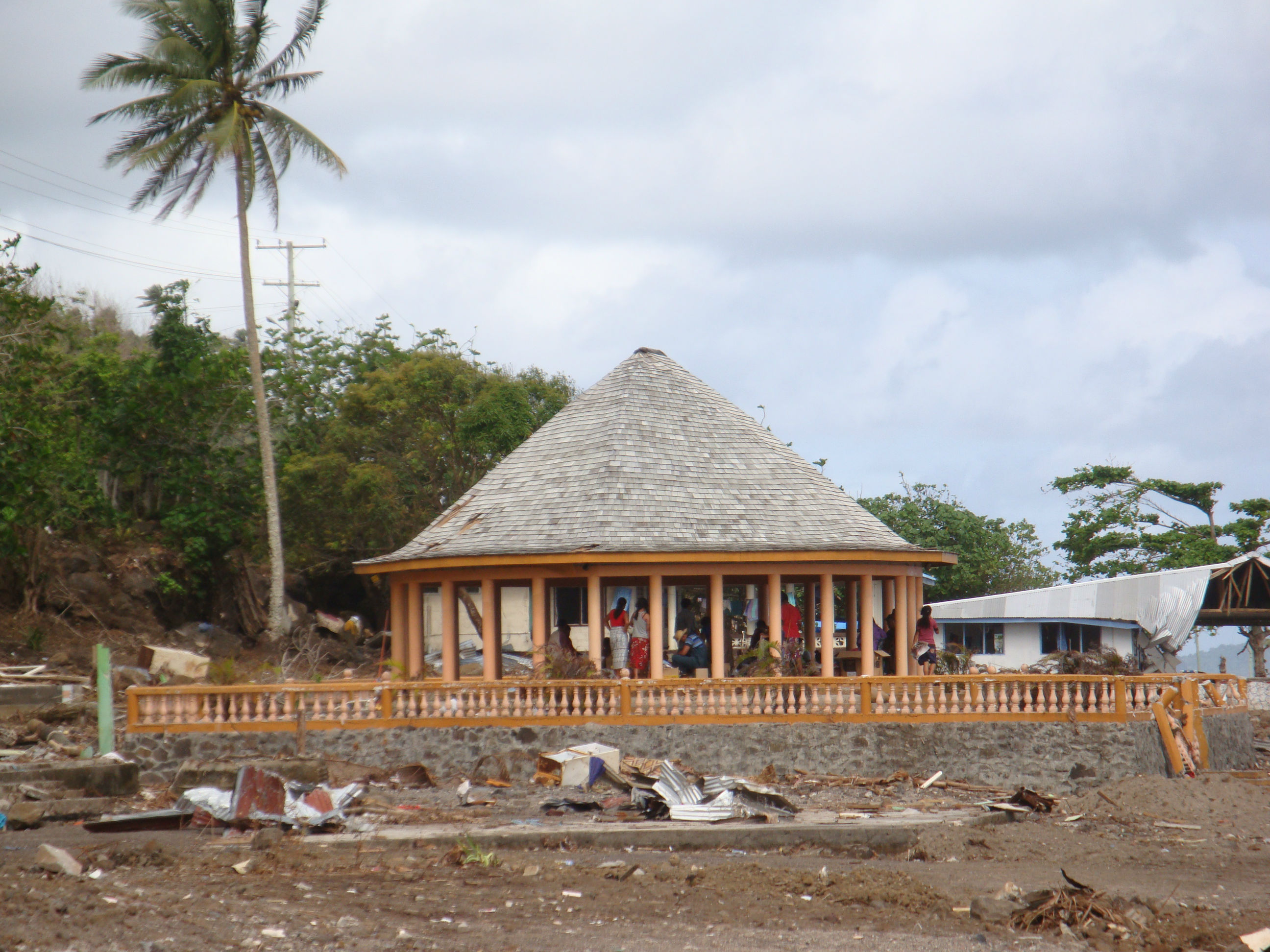
tsunami1-smaller

One of the authors interviews survivors a few days after the September 2009 South Pacific tsunami in the rubble of their communities in Samoa, as part of the UNESCO post-tsunami survey team reporting into the Prime Minister and King of Samoa. “It was a hard day for all of us,” says Dale Dominey-Howes.

What’s the issue and why is it important?

Earth is destabilizing rapidly. Terrorism, conflict, genocide, human displacement, socio-economic disruption, rapid global environmental change, slow emergencies and natural disasters are more common than at any point in history. Consequently, opportunities exist for researchers to investigate the causes, consequences and potential management solutions arising from this instability. For this to happen, we need a well-trained workforce equipped with the skills and capabilities to work with ‘traumatic’ research content, people and places. Continue reading