Communicating your research: get it right, do it often. It really matters.

Good communication is what makes the world go around, and it is neglected in scientific research, says Kate Christian.

The typical scientist, and particularly the typical early-career scientist, is so busy focusing on their research and their outputs (and grant applications and publishing and more grant applications and more publishing) that they don’t give priority to communicating their research, or even their successes, outside of that framework.

GettyImages-200525300-001-smaller2 Continue reading

New uses for everyday items: #ReviewForScience lab lessons from MacGyver

2018-03-27 12_26_23-#reviewforscience hashtag on TwitterThe hashtag #ReviewForScience has revealed surprising new uses for everyday objects in the lab. Alane Lim highlights her favourites.

In an episode of the original series of MacGyver, starring Richard Dean Anderson as the secret-agent-cum-improviser who “busts bad guys and solves problems,” Anderson’s character builds an airplane out of bamboo and trash bags to make a getaway.

That particular contraption might not be entirely plausible, but the thought is there. You can find surprising uses for things originally intended for different purposes (making toy trucks our of shoe boxes and bottle caps, for example) .

Continue reading

Taking the stage: #ScientistAtWork photo competition 2018

Garry Cooper

This picture of Garry Cooper was taken at as he spoke to a crowd of almost 60,000 scientists and supporters, during the March for Science on April 22 2017. It was submitted to Naturejobs as part of the #ScientistAtWork 2018 photo competition. Cooper tells Rebecca Wild about the story behind the picture.

Entries to the #ScientistAtWork competition close on 31 March. You can find out more at this link.

Continue reading

Women in science: Building (and drawing) the right role models

bysunnyscott

bysunnyscott

Scientists must recognise progress in the advancement of equality, but there is more to be done, Jack Leeming discovers at the 2018 L’Oréal-UNESCO For Women in Science Awards.

Amy Austin has spent her life in the sun. She grew up in Florida, studied for her PhD in Hawaii, and did work in California before moving to Argentina to continue her research. Using the sun, she’s revolutionised our understanding of the world’s carbon cycle.

Before her seminal paper, published in Nature in 2006, scientists thought that when a leaf falls to join the ground below, it is bacteria and insects that take the leaf apart. She demonstrated that the sun does most of the hard work. Zoom out to the trillion leaves that fall every autumn, and that insight becomes crucial to understanding how CO2 enters our atmosphere. Continue reading

Fewer women lead top universities

Female leadership at the world’s top 200 universities in an international ranking fell this year to 17%, according to a report – a reminder that gender equity in science remains a distant goal.

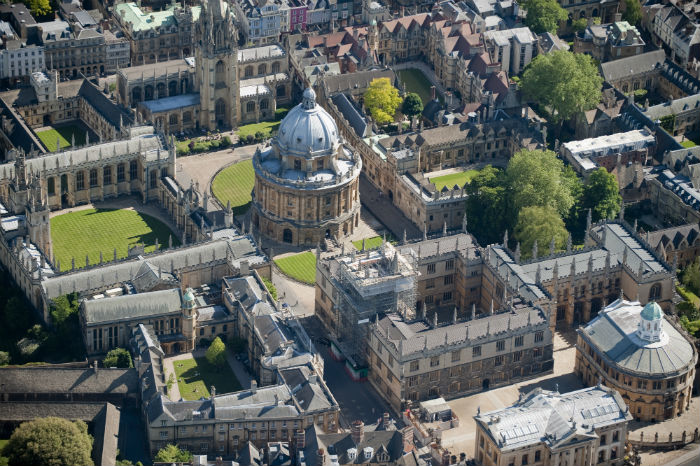
The University of Oxford has had a female vice chancellor, Louise Richardson, who took up the post in January 2016.

The University of Oxford has a female vice chancellor, Louise Richardson, who took up the post in January 2016. {credit}Getty{/credit}

Just 34 of leading universities named in this year’s annual Times Higher Education (THE) World University Rankings have female presidents, down 1% from the 36 that were led by women in 2017. Continue reading

Entering the Ebola red zone: #ScientistAtWork photo competition 2018

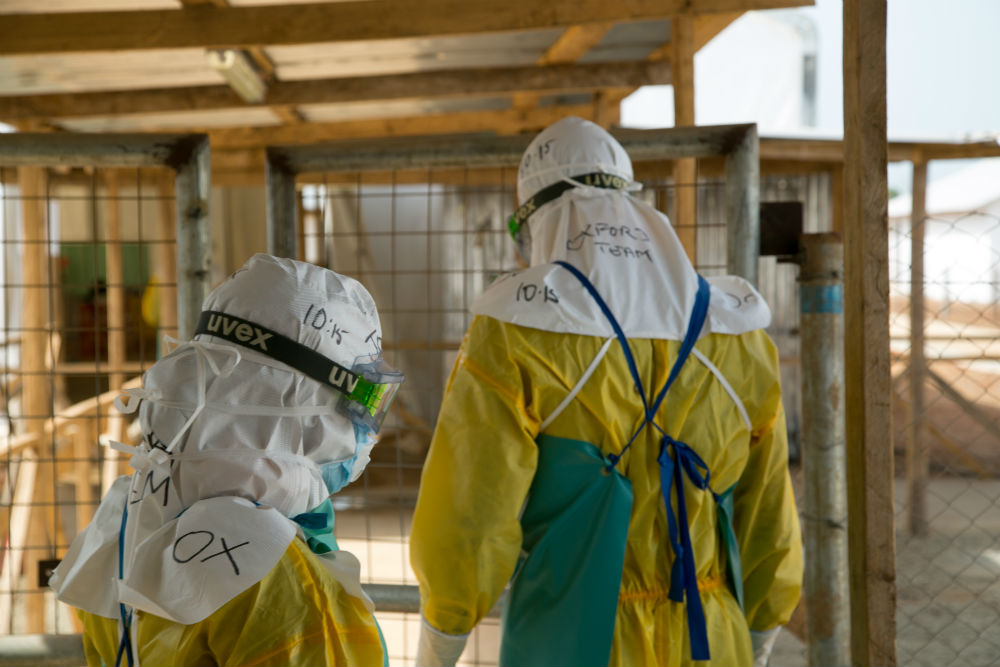
Entering the Ebola red zone

Entering the Ebola red zone{credit}Peter Horby & Rebecca Inglis{/credit}

This picture of Tom Rawlinson and Josephine Borbor, researchers in Peter Horby’s infection diseases research group at the University of Oxford, UK, was taken in Sierra Leona at the height of the West Africa Ebola outbreak. Taken by Rebecca Inglis (a member of Horby’s group at the time), it was submitted to Naturejobs as part of the 2018 #ScientistAtWork photo competition, which runs until 31 March.

Read more about the competition here.

Continue reading