A week in the life of a tenured professor

A Chinese scientist considers the new responsibilities that come with his role

This piece was cross posted with Nature Asia. You can read the Chinese version here.

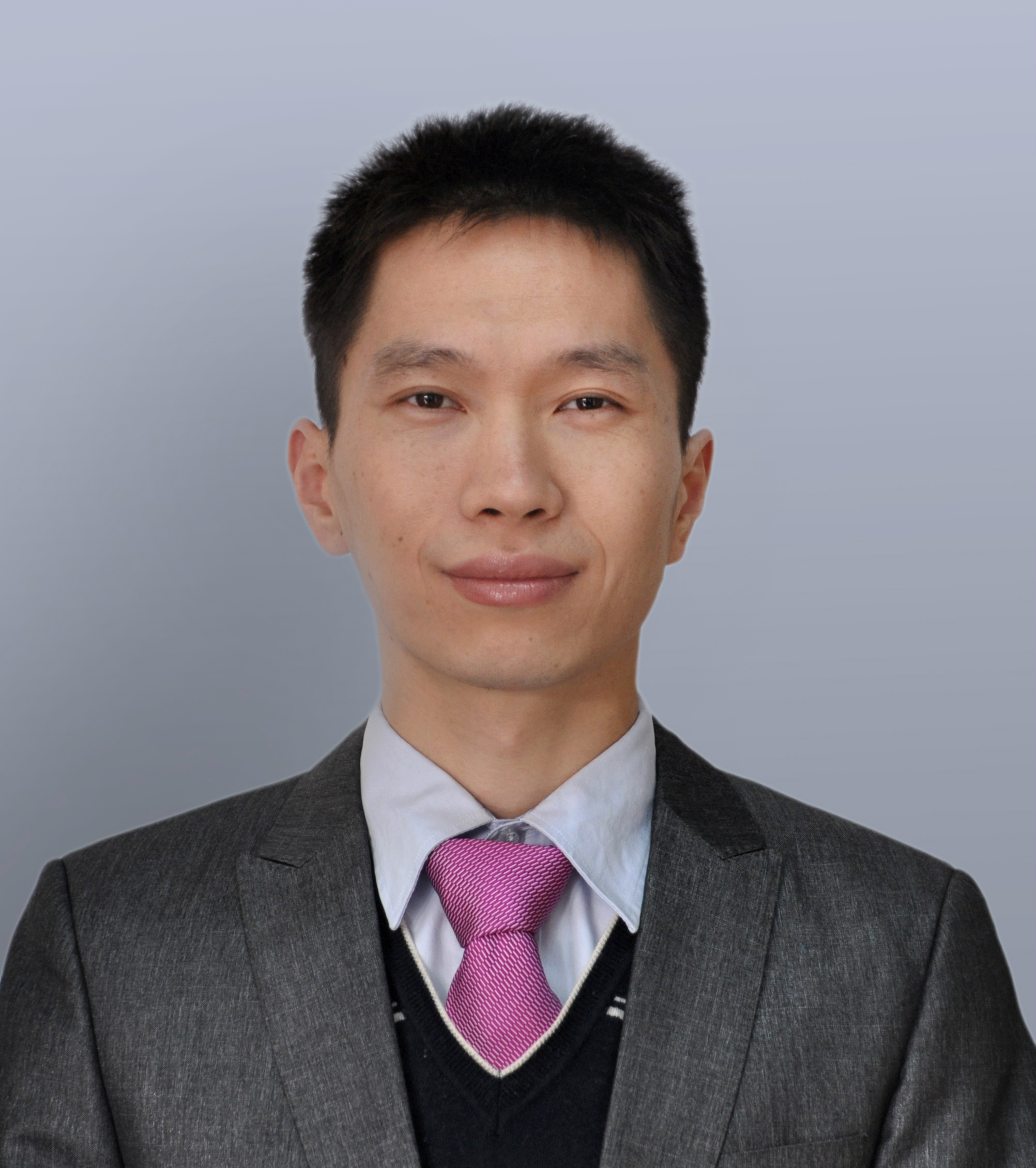
Guest contributor Chenggang Yan

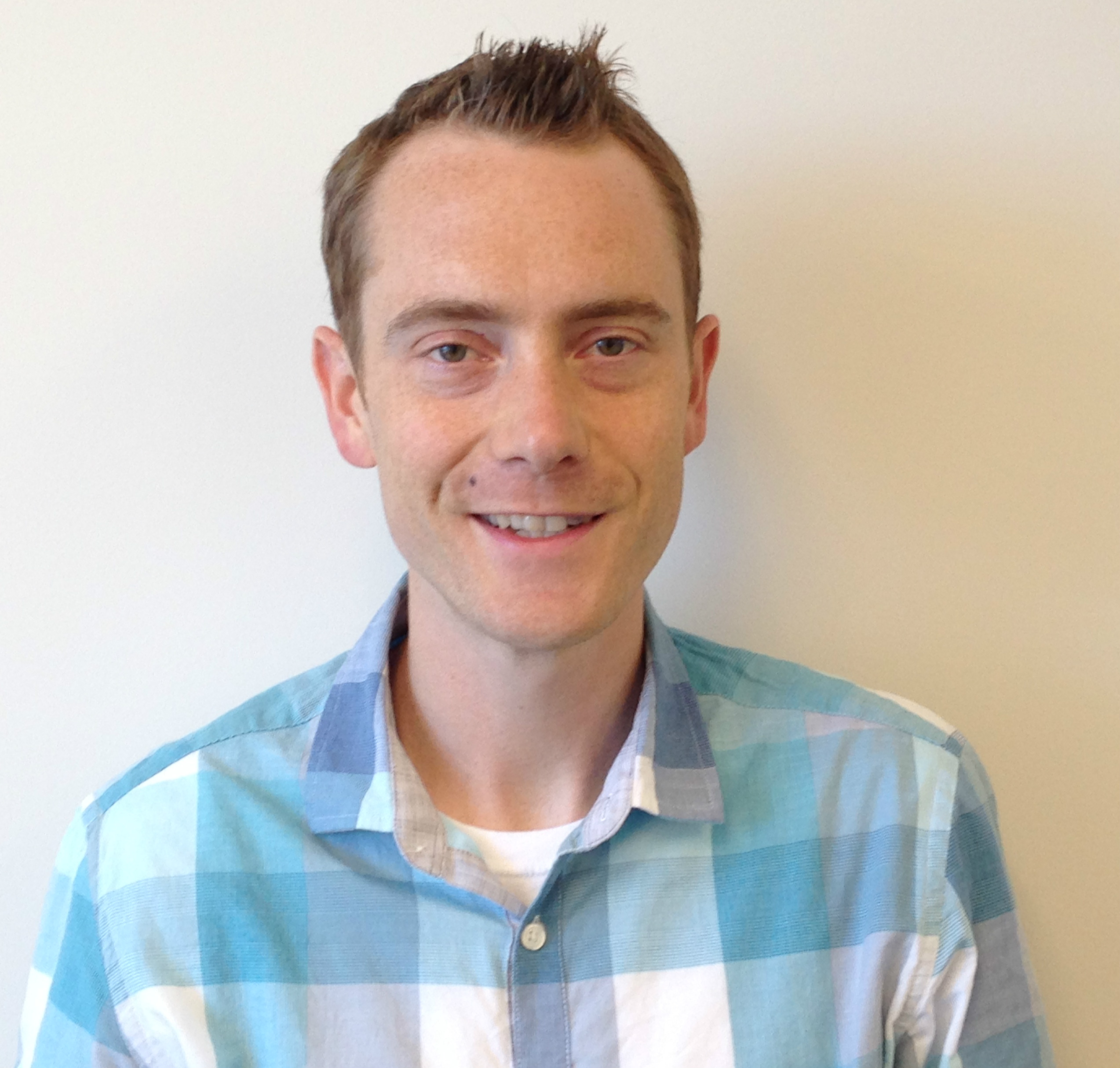
I’ve spent ten years of my life in research. In those ten years, I’ve never been completely overwhelmed until I accepted a professorship at Hangzhou Dianzi University. Just like many other young scholars, I’m working hard to win a good reputation with my research. I went into science because – like many others – I wanted to do meaningful work, lead a new era, and benefit humanity in some way. But recently I’m finding that’s just not what I spend my time doing.
DSC_0001 op1-smaller

{credit}Chenggang Yan{/credit}
Continue reading

A positive step for postdocs?

It’s been a long time coming, but US postdocs had reason to celebrate last week: an 18 May ruling from the US Department of Labor renders postdocs eligible for overtime pay.

The potential downside? It could mean fewer postdoc positions – but even that may be a positive. The academic pipeline worldwide, especially in the biomedical sciences, has a postdoc glut.

istockphoto/Thinkstock

{credit}istockphoto/Thinkstock{/credit}

Continue reading

What did your job search teach you?

Don’t feel frustrated. You have many fabulous career options.

Most PhD students and postdocs working today will not go on to head their own labs. With little infrastructure to guide them to the next stage, young scientists are inventing it themselves.

A year ago, we launched an interview series that looks at how PhDs and postdocs found ways out of the lab and into satisfying careers. We’ve spoken to people who work in regulatory affairs, technology transfer, business development, management consulting, science outreach and philanthropy, just to name a few. And we are eager for more stories to share. See below if you’d like to volunteer.

{credit}Image credit: Venimo{/credit}

Continue reading

Five career tips from Ripley Ballou

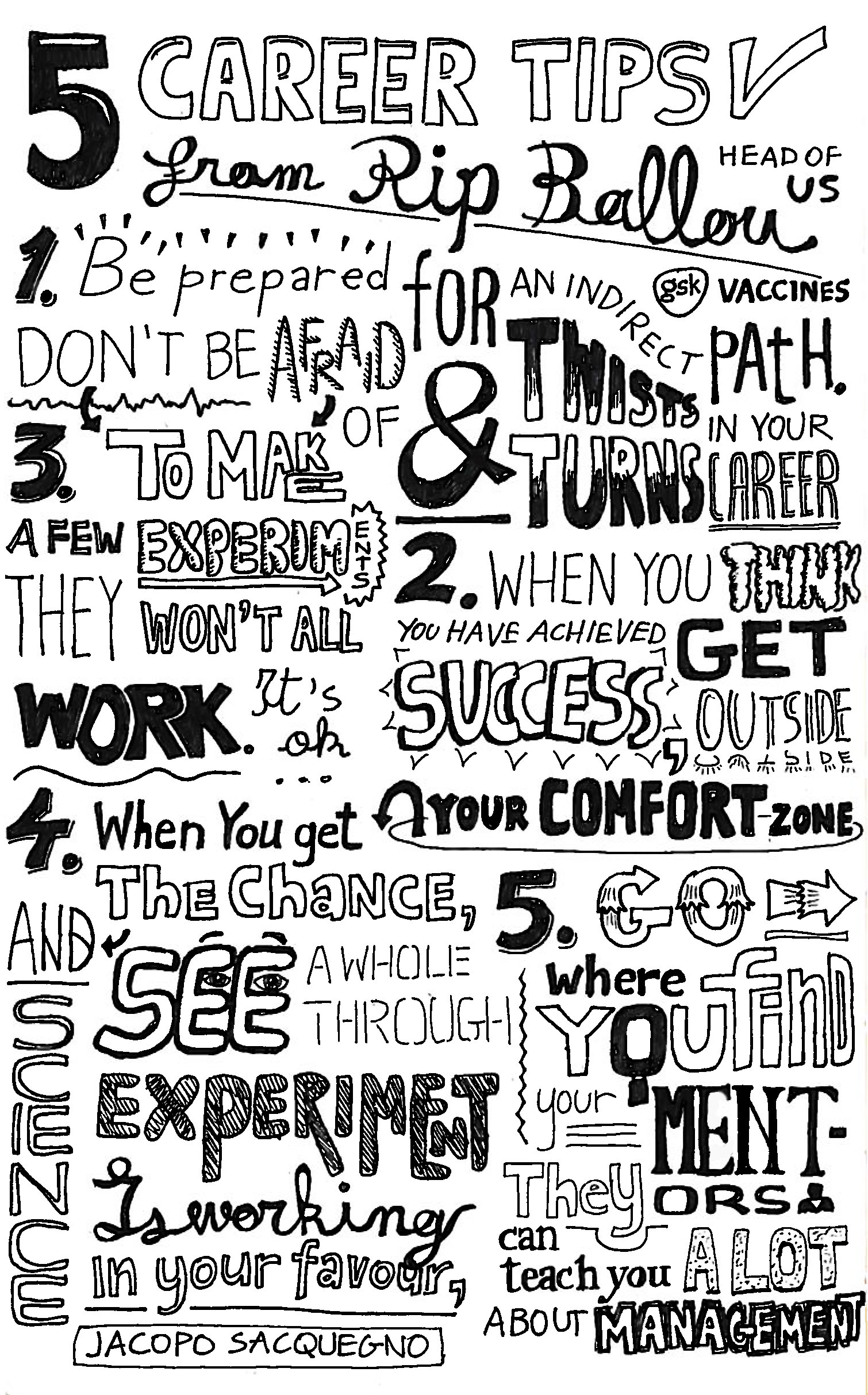
We sat down with Rip at the Naturejobs career expo, Boston, to talk about his career and the advice he would give to other scientists starting theirs.

Rip’s had an interesting life; he started his career as a researcher at the US army’s Walter Reed Institute of Research, where he once exposed himself to malarial mosquitoes in a bid to see if his malarial vaccine worked. It didn’t, and that experience has motivated him in his career ever since. He’s now the head of US vaccines at GSK.

Here’s a word art graphic of five points from Rip’s talk, by Jacopo Sacquegno.

Sketch_5Tips_tweet_NJCE-smaller

{credit}jacopo sacquegno{/credit}

Continue reading

So you want to be a data scientist (again)?

Put your natural science skills to work in a data science career

Guest contributor Daniel Harris of SoftwareAdvice.com

The explosive economic impact of big data has blurred the line between the business world and the scientific world like never before. A new type of business leader, the data scientist, has evolved as an amphibian, capable of thriving in both worlds, swimming in data lakes to bring useful insights back to the solid ground of business concerns.

Of course, companies have been using business intelligence (BI) tools to analyse their operational and financial performance metrics for decades.

But datasets generated by the web are so large that they must be stored on clusters of servers with thousands of nodes. Traditional methods for analysing these datasets have faltered, necessitating a more scientific approach.

Continue reading

Failing to fail gracefully

Failure is hard, but keep trying, says John Tregoning (who should follow his own advice occasionally).

Guest contributor John Tregoning

Advice: easier to give than to follow

This time last year, I wrote ten strategies to improve mental health in academic life. I think they’re worth reading, if you haven’t already. You’d think that having given all this advice, I would have followed it, and maintained a Zen-like calm. Not so.

John Tregoning

John Tregoning

In the last year I have allowed failure (and the prospect of failure) to define my mood, compared my progress with researchers several leagues above me and found myself wanting, got too obsessed with work to appreciate anything else, taken on more than I can manage, unsuccessfully disguised my jealousy about colleagues’ success, taken criticism as a personal attack, and not spoken to anyone about what was going on in my head.

Whilst reflecting on my inability to follow my own advice, this year I wanted to come up with something that I could follow to improve my own mental health. Then I had (another) grant bounce and realised that, for me, the major contributor to mental health issues in academia is failure. Yes, failure is relative and, yes, there are clearly bigger problems in the world. But in that bitter moment of rejection it’s hard to step back and see that. Continue reading

Highlights from the Naturejobs Career Expo

We run a quick summary of yesterday’s #NJCE16

What are the best ways to make yourself into the most appealing job candidate? How do you perfect your CV – or resume? And what should you do before, during and after a job interview?

These questions and many more were answered Wednesday at our Naturejobs Career Expo in Boston, Massachusetts. We had speakers from academia, industry, government and non-profits, who presented crucial information on navigating your career during a day of conference sessions and workshops. We’ll post lots more about these secrets in days and weeks to come, but here’s a sneak preview.

Continue reading

Getting the message out

How do you engage people with your science?

So you’re all over Twitter and Facebook and you even have a blog. Good on you – you’re your own public-relations and outreach specialist, getting the word out about your science. But what about the other kind of outreach – what’s still called science communication? Can you talk with a member of the press for an interview, or deliver your message to key thought leaders – such as government officials who decide on funding agencies’ annual budgets? Is it just a bit scarier than tweeting?

Continue reading

Finding job satisfaction in technology transfer

As a business development officer at STEMCELL Technologies in Vancouver, Canada, Ben Thiede evaluates new technologies and negotiates deals that bring scientific advances to market. He describes his move from graduate studies toward law and into his current position.

What do you do?

It’s a very diverse role; I’m writing and drafting a lot of agreements – like license agreements and supply agreements.  I’m helping the company evaluate the patents we have; I’m evaluating technologies that other companies are bringing to us. I’m always scouring publications; I have Google Alerts set for certain types of technologies. I feel that I am reading more scientific journals than when I was in grad school. Continue reading

Six posts to help with mental health

We run through some of our favourites for Mental Health Awareness Week

{credit}iStock/Thinkstock{/credit}

Continue reading