Ageism in academic jobs in India

Farah Ishtiaq shares her experience on how age and success are linked in acquiring faculty positions in India

India has recently been portrayed as a land of abundant opportunity in academia, investing seriously in research and development to attract skilled scientists. The government has introduced several attractive funding opportunities, with the aim of bringing back scientists working abroad to establish a long-term career here, and improving the overall research infrastructure. Wellcome Trust/DBT India Alliance (WT/DBT) fellowships, for example, have no age or nationality restrictions, relying on qualifications, research experience, career trajectory and the candidate’s determination to establish their own independent research.
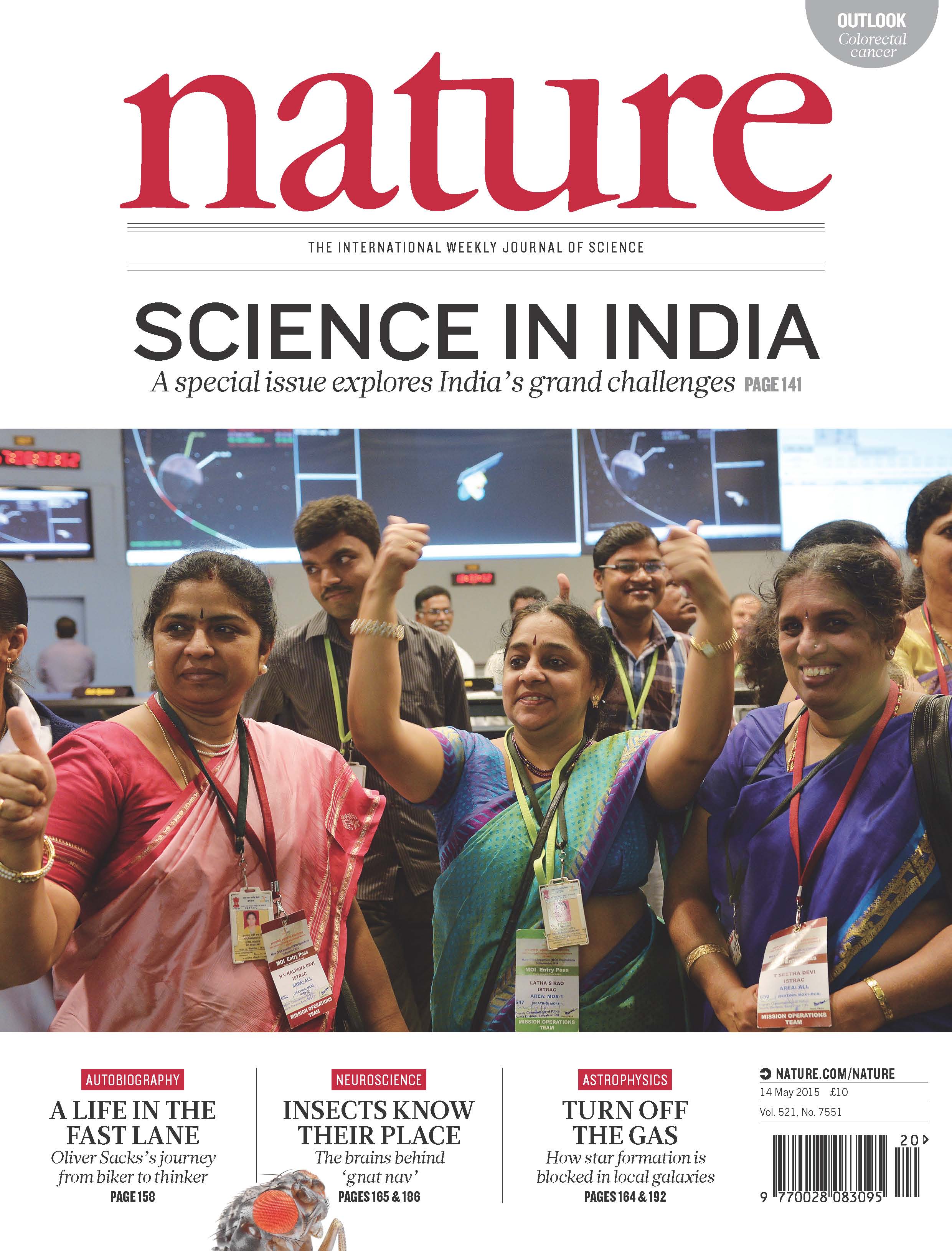
A Nature special issue in 2015 explored some of the unique opportunities - and the unique problems - of working as a scientist in India

A Nature special issue in 2015 explored some of the unique opportunities – and the unique problems – of working as a scientist in India
Continue reading

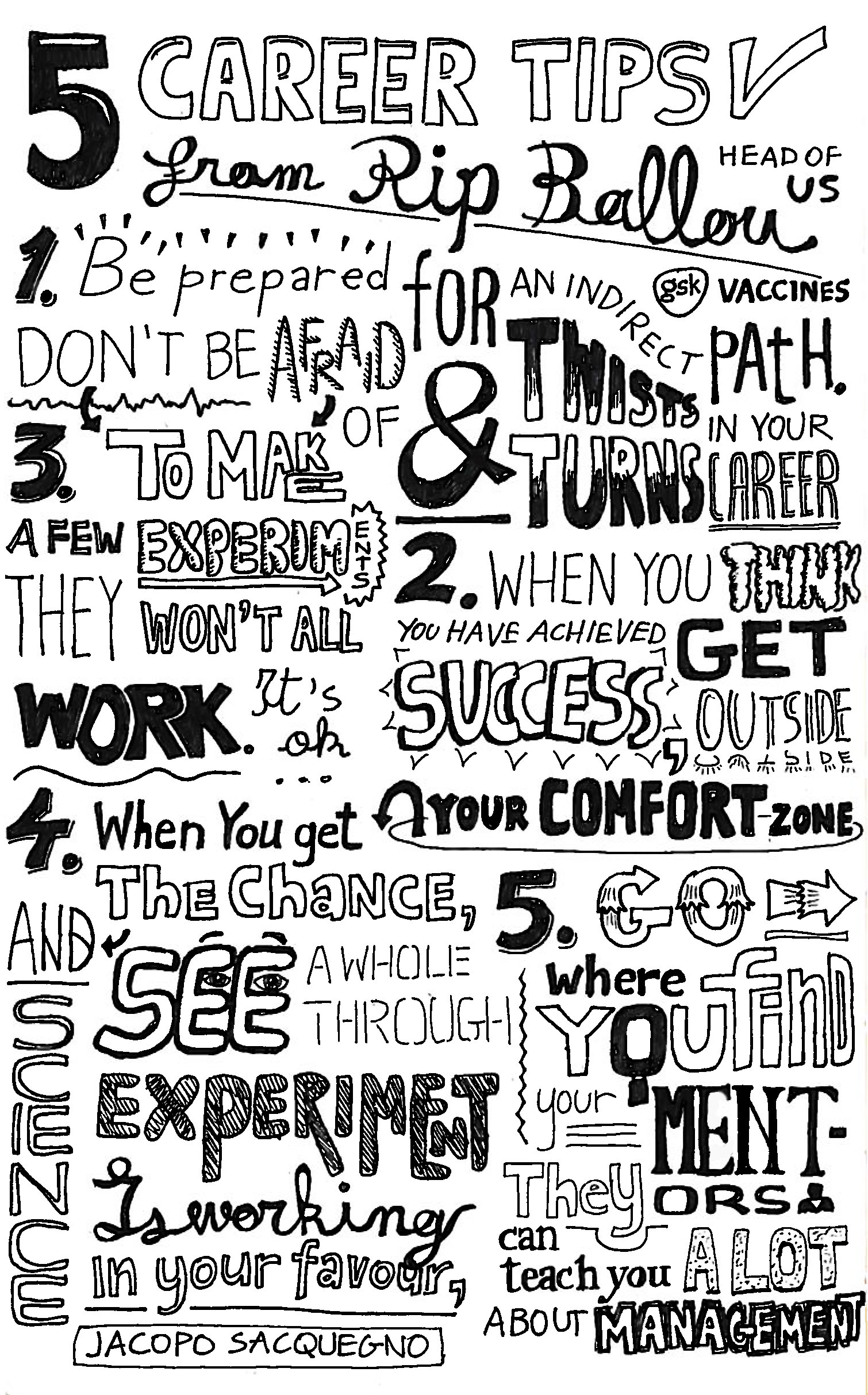
Five career tips from Ripley Ballou

We sat down with Rip at the Naturejobs career expo, Boston, to talk about his career and the advice he would give to other scientists starting theirs.

Rip’s had an interesting life; he started his career as a researcher at the US army’s Walter Reed Institute of Research, where he once exposed himself to malarial mosquitoes in a bid to see if his malarial vaccine worked. It didn’t, and that experience has motivated him in his career ever since. He’s now the head of US vaccines at GSK.

Here’s a word art graphic of five points from Rip’s talk, by Jacopo Sacquegno.

Sketch_5Tips_tweet_NJCE-smaller

{credit}jacopo sacquegno{/credit}

Continue reading

So close, yet so far

An infection biologist gets a home-grown reminder of the importance of her research.

Guest contributor Maiara Severo

About nine months ago, I got a text message. It was my sister, asking me if I knew anything about a disease called Zika. It made sense — I have a PhD in medical entomology. As we texted, my sister seemed alarmed. There were a few rumors that Zika was spreading into the north east of Brazil – where she and I are from and where she is still based – but no one really knew what to think or do about it. She asked me if she needed to take precautions of any kind. I told her not to worry too much, just avoid being out around dawn time, and to wear long pants, socks and perhaps a cardigan whenever possible. I couldn’t tell her to simply use repellents. She was trying to get pregnant. Continue reading