Away from home: Lovelock during postdoc

We’re bringing you the best stories in lab mobility from Nature India

The ‘Away from home‘ blogging series features Indian scientists working in foreign labs recounting their experience of working there, the triumphs and challenges, the cultural differences and what they miss about India. They also offer useful tips for other scientists headed abroad. You can join in the online conversation using the #postdochat hashtag.

We promised than when we hear something exciting or interesting from an Indian postdoc abroad, we will bring it to you. So here’s the first ‘sporadic’ entry coming from Anupam Jhingran, a postdoc fellow at the Memorial Sloan-Kettering Cancer Center (MSK), New York. Anupam tells us about an extremely important facet of the Indian postdoc’s life abroad — finding the right match to marry! Anupam has been successful in getting a bride for himself but recounts for fellow mates what it has been like go through the process. He gives us a blow by blow account of what all an Indian postdoc might encounter before he strikes gold! Read on and leave your comments — have you had a similar experience, do you know someone who has or are your bracing up for this now?

[At MSK, Anupam studies host response to Aspergillus fumigatus (Af) infection. His lab got relocated from the Fred Hutchinson Cancer Research Center (FHCRC), Seattle where he was originally recruited. “Moving from a relatively laid-back (but equally productive) West coast culture of Seattle to a lot busy and fast East coast culture is an experience in itself and I am currently adapting myself to this new environment, ” he says.]
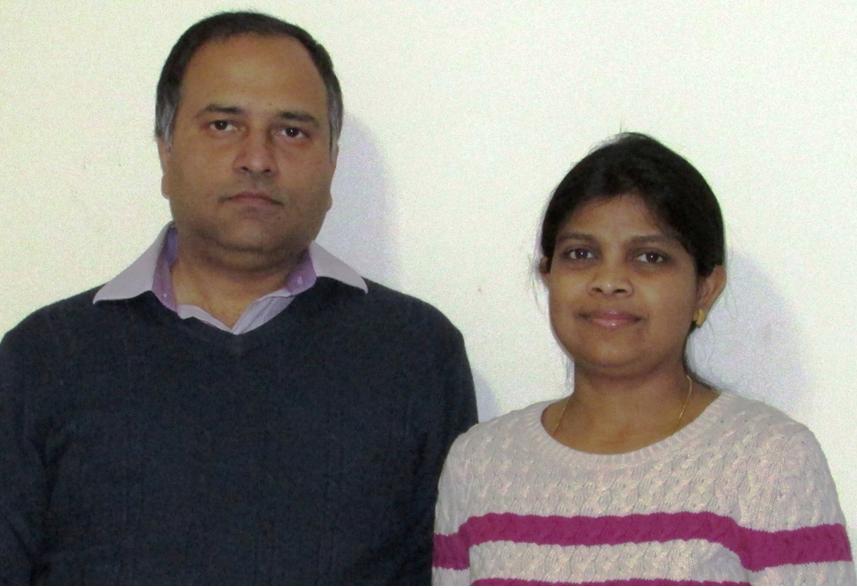
Anupam Jhingran

Anupam Jhingran and his wife

Continue reading

Margaret Thatcher, post-truth, and other “political scientists”

How does science influence politics?

A review of David Cannadine’s biography of Margaret Thatcher, the UK’s first woman prime minister, describes how her background in science, as well as her gender, set her apart. “No skimming of great books from the canon in PPE for her: chemistry was a proper subject, evidence based,” writes William Waldegrave in his review for The Daily TelegraphWaldergrave served a junior minister in Thatcher’s government before she resigned in 1990.

Margaret Thatcher

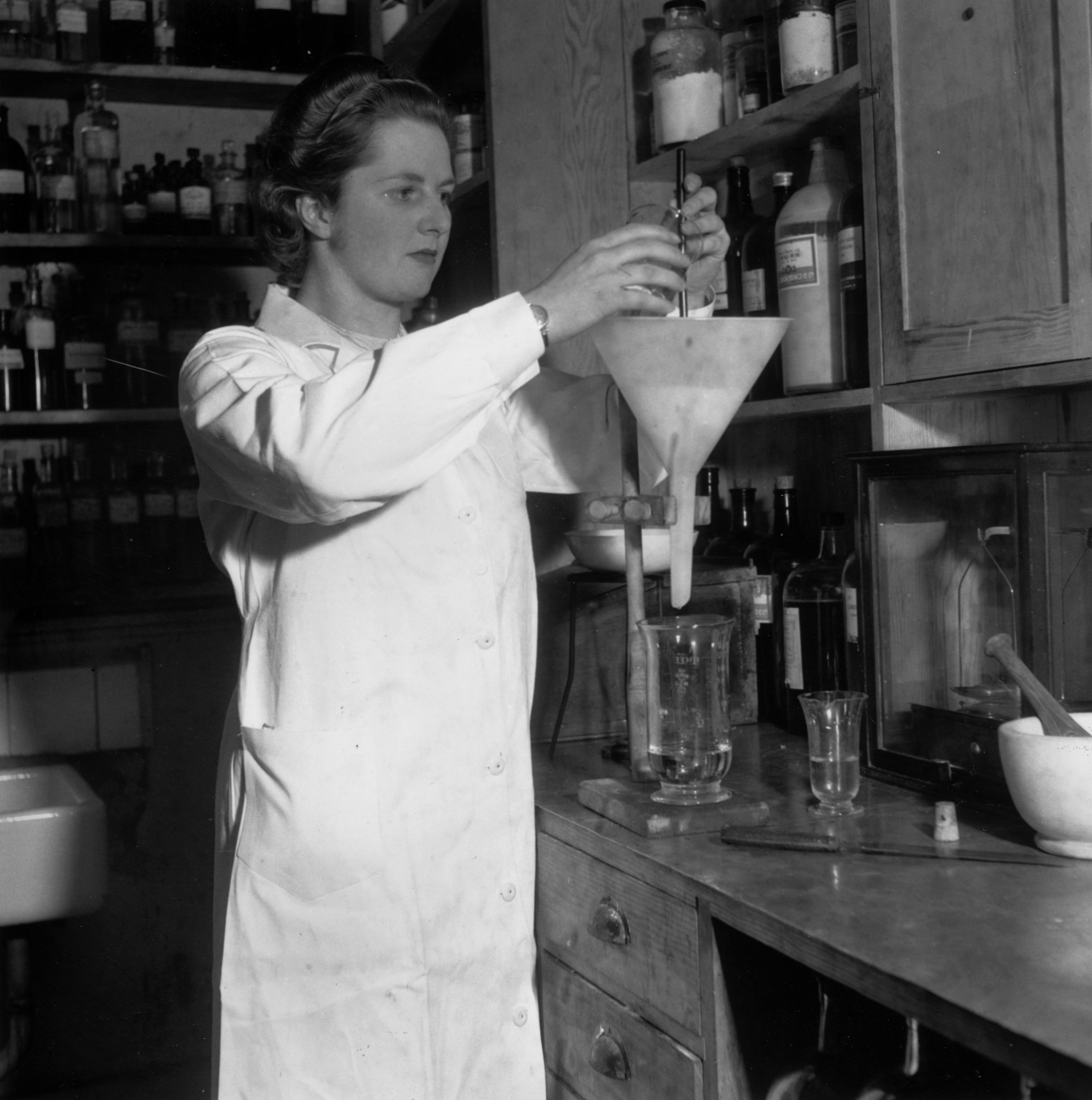
Thatcher at work as a research chemist in 1950.{credit}Christ Water/Getty{/credit}

Thatcher, who worked industry as a research chemist after graduating, was reportedly more proud of being the first UK prime minister with a science degree than she was of being the first female to enter Downing Street. David Payne examines how science influenced Thatcher’s politics, and looks at the interface between science and politics and its coverage in Nature’s careers section. Continue reading

Postdocs and early-career researchers: be more than a name on a website

After a few months working as an associate editor at Nature Photonics, chief editor Oliver Graydon asked Gaia Donati if the role was what she had imagined it to be. She answered that in most aspects it had, with one significant exception: she hadn’t realised that finding referees to assess submitted manuscripts would be such a daunting task. Here, Gaia urges peer reviewers to make things easier by setting up a personal web page outlining their research experience and interests.

ConcealedEntranceGD

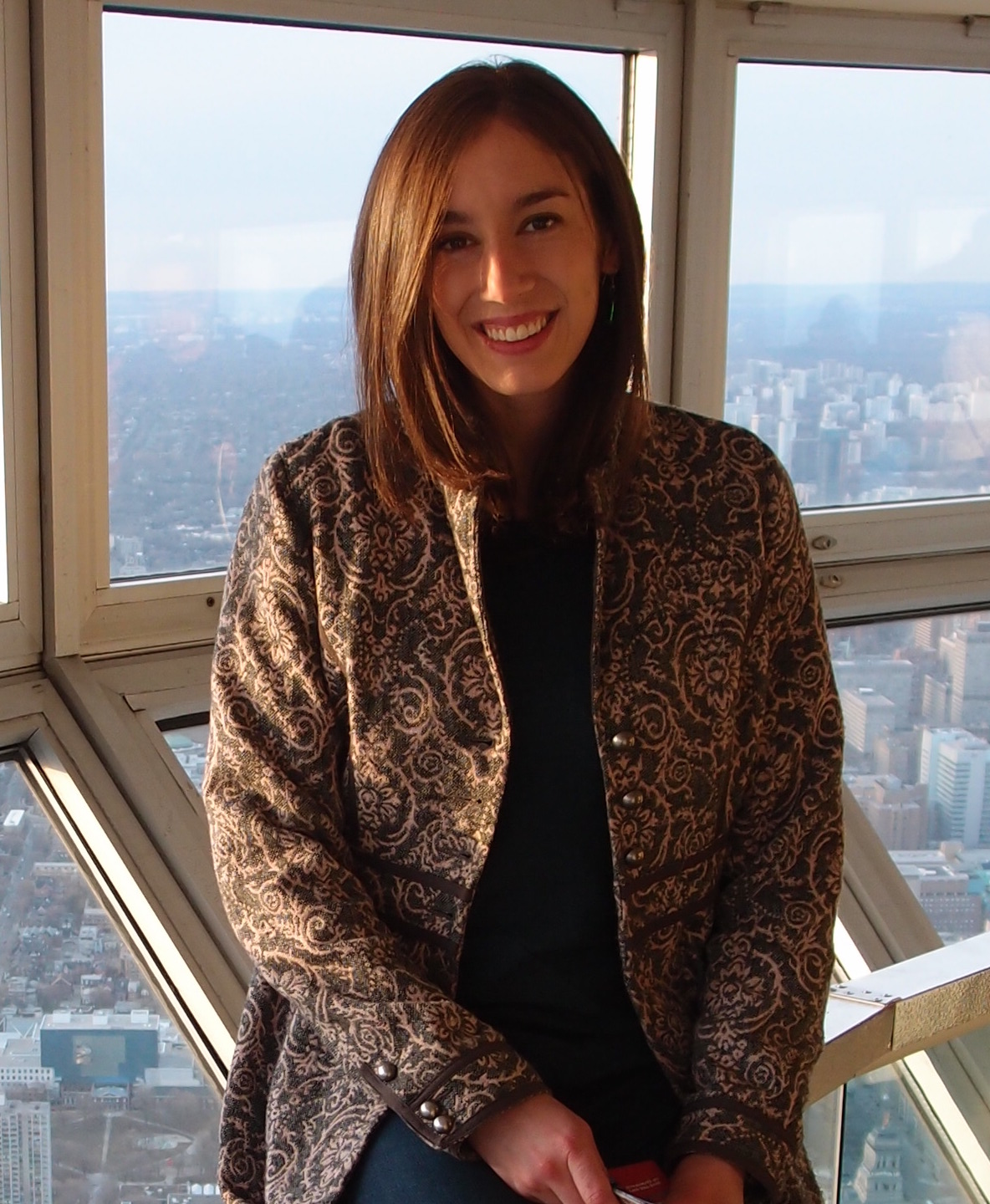
Don’t stay in the shade, says Gaia Donati {credit}Patrick Michelberger {/credit}

Continue reading

New neuroscience tools for team science in ‘big data’ era

By Esther Landhuis

Wandering the convention center among 30,000-plus researchers, students and vendors at the Society for Neuroscience annual meeting in San Diego last November, I struggled to wrap my head around a feature I was writing for this week’s Nature, on managing big brain data. Mice, molecular biology and cell sorting reigned supreme in my former life as a bench scientist. Neurons, brain imaging, terabytes — not so much. So when it came time to find an entry into the vast universe of the brain, I latched onto something that seemed small and manageable: the fruit fly.

Ann-Shyn Chiang of National Tsing Hua University, Taiwan, told the SFN crowd his team has spent a decade imaging 60,000 neurons in the Drosophila brain. The pictures produced 3D maps detailed enough to show which neurons control precise behaviors, such as shaking the head side to side (see video). But here’s the part that blew my mind: They aren’t even halfway done (flies have 135,000 brain neurons), and mapping the human brain with similar methods would take 17 million years!

Head shake behavior elicited by a 593.5-nm laser. Credit Po-Yen Hsiao and Ann-Shyn Chiang.

Continue reading

Ten tips for finding an effective mentor

The meandering path to a career in science offers challenges that can be difficult to confront alone. Finding an effective mentor who offers advice and inspiration can help you navigate the maze successfully, say Andrew Gaudet and Laura Fonken.

Laura Fonken

Laura Fonken

Gaudet image

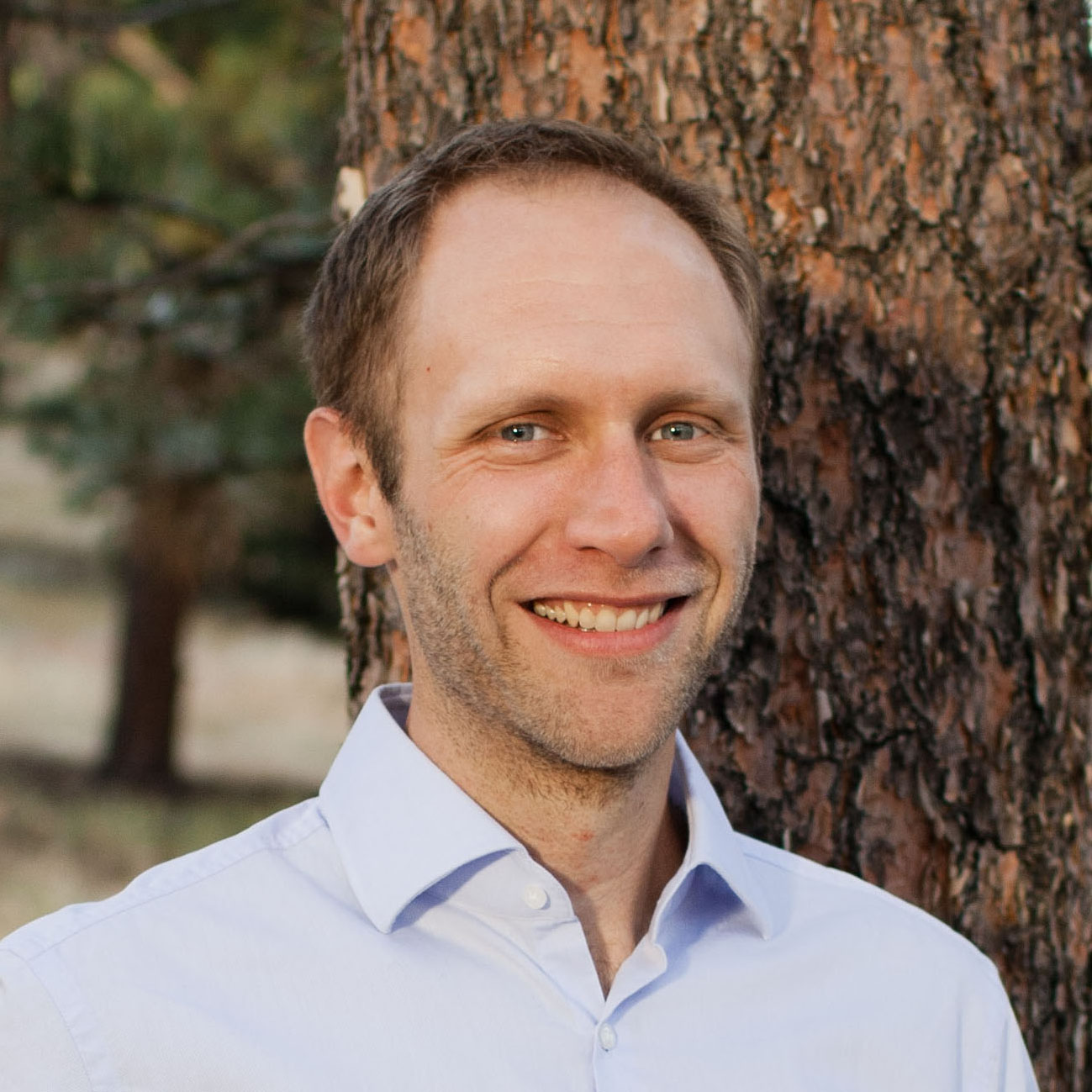
Andrew Gaudet


Continue reading

Away from home: The two-body problem

We’re bringing you the best stories in lab mobility from Nature India

The ‘Away from home‘ blogging series features Indian scientists working in foreign labs recounting their experience of working there, the triumphs and challenges, the cultural differences and what they miss about India. They also offer useful tips for other scientists headed abroad. You can join in the online conversation using the #postdochat hashtag.

Here’s the account of a scientist couple, looking at opportunities to come back to India. Naresh Bal, a PhD from Jawarharlal Nehru University, New Delhi and a postdoc from the Ohio State University, USA is currently wanting to start an independent research group of his own. He is busy writing grants overtime given the “current grant situation in the USA”. Naresh urges the Indian government and institutions to think of schemes to recruit scientist-couples to work as a team. Read on and leave your comments — have you had a similar experience, do you know someone who has or are your bracing up for this now?

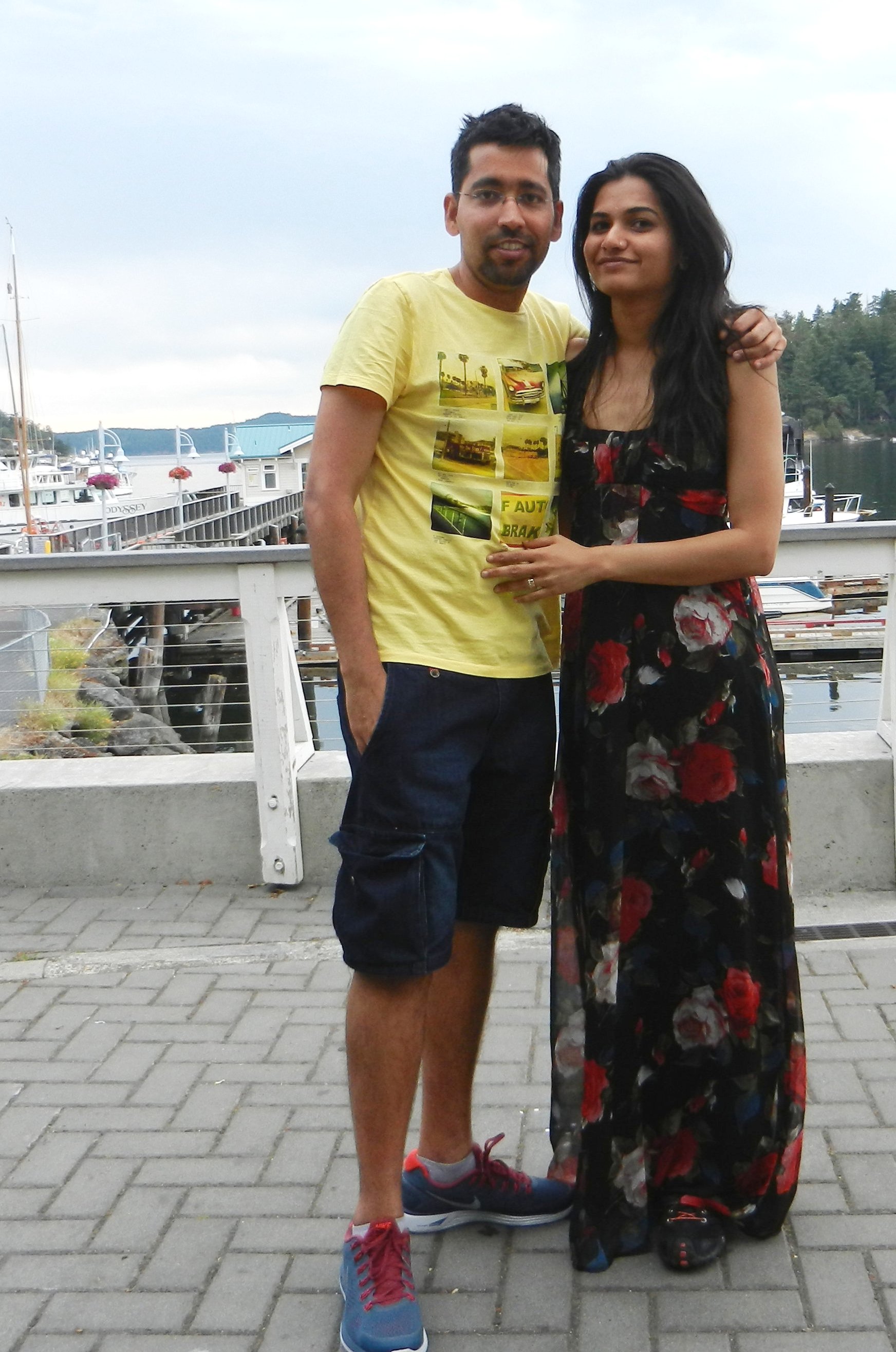
The scientist couple: Naresh Bal and Nivedita Jena

The scientist couple: Naresh Bal and Nivedita Jena

Continue reading

How travelling can help prepare you for a successful research career

Travelling has enhanced my scientific networks and social awareness, and prepared me to work in an international setting.

Guest contributor Andy Tay

As science becomes more inter-disciplinary, scientists increasingly need to travel to promote their work and build collaborations. Whilst it’s common for professors to travel frequently, graduate students or post-docs may not be aware of the importance of travelling in building a career. Here’s how travelling has helped me — and how it might help you.

11237194915_b26ca4ae4d_o

{credit}Flickr/British Library{/credit}

Continue reading

How useful is an MBA?

Speakers from industry at the Naturejobs Career Expo, London, 2016, discuss the advantages an MBA and other qualifications bring to your career.

https://www.youtube.com/watch?v=cKOadartwHs

Continue reading