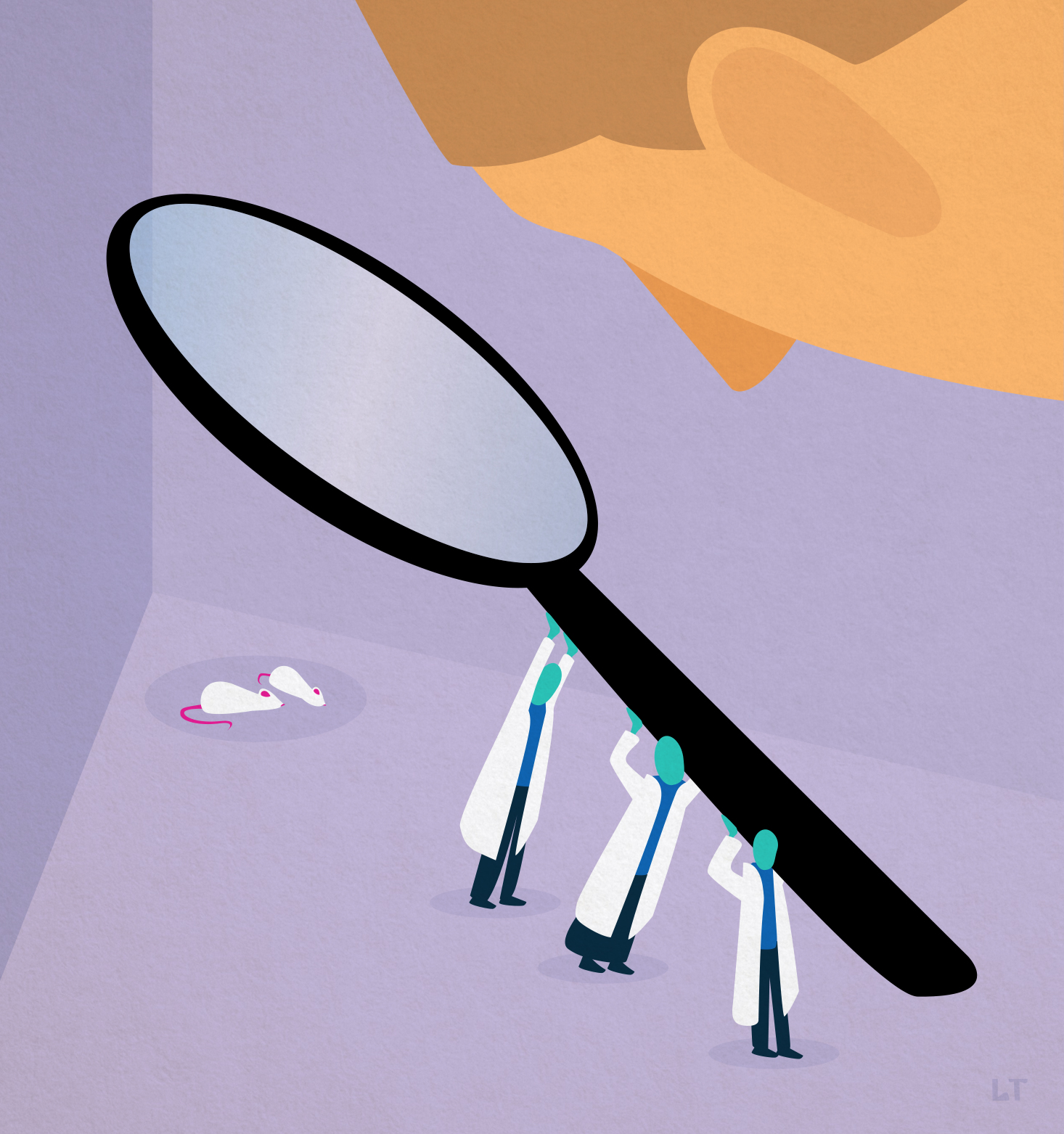
Part one of a series of posts on science communication and public engagement from a beginner in the field.
Contributor Emily Porter

Emily Porter
When I first told my non-academic acquaintances that I was doing a PhD, I got a few puzzled looks. They were even more mystified when I went on to explain what my project was. I had assumed they would be interested but they tuned out only a short way into my introduction (I was working on a cat virus).
This got me thinking, why is it generally considered acceptable to discuss popular culture, art or history at a dinner party, but not science or mathematics? Perhaps because everyone is comfortable with having an opinion on these subjects, there is no right or wrong answer, whilst it is more daunting to go out on a limb and argue about a scientific theory.
As scientists, we have a duty to inform and enthuse people about what we do and who knows, we might even receive new perspectives or ideas from them in return. Many of us are funded by government schemes or charitable trusts and in return for their support, it is only fair that we give something back in return. We also owe it to our profession. After all, where will the next generation of researchers come from if we don’t show people how fascinating and rewarding science can be?
However, how much do people really know about what a scientist does in the lab on a day to day basis? A recent Ipsos MORI poll reports that whilst most people claim they are aware of what scientists do, 20% still say they’re not really sure. Slightly worryingly, 35% of people think that ‘scientists adjust their findings to get the answers they want’, with honesty being the most desirable trait in a scientist and only 52% of people think that what they hear about science is generally true. Although thankfully 81% of people think that on the whole, science will make our lives easier. Continue reading →