Most read on the Naturejobs blog: August 2014

August has been a busy month for the Naturejobs team, especially as the Naturejobs Career Expo is coming up on September 19th in London (we hope to see many of you there). But we’ve still had plenty of time to bring you some great posts on the Naturejobs blog, and we wanted to share your 10 favourite posts from August.
PhD and coffee

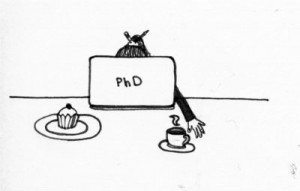
Thesis writing tip for the I-left-it-to-the-last-minute PhD student {credit}Image credit: Daisy Hessenberger{/credit}

1. Thesis writing tip for the I-left-it-to-the-last-minute PhD student.You’ve read all the other writing tips and they all say the same thing: start earlier! Unfortunately, that’s no help to you. So here are some top tips for those who have left it a little later than planned. Good luck! 

2. I am a scientist because… shows just how diverse scientists are. Theconversation continues on Twitter with the #IAmAScientistBecause hashtag. 

3. A PhD is more than just research trainingAre there too many PhDs? Only if you consider a one-track career path in academia. But this post shows that academia and a PhD can provide you with a vast set of skills that set you on the right footing for many different career paths. Continue reading
Becoming a mentor

Dominika Bijos

{credit}image coutsery of Dorota Bijos and Babett Steglich{/credit}

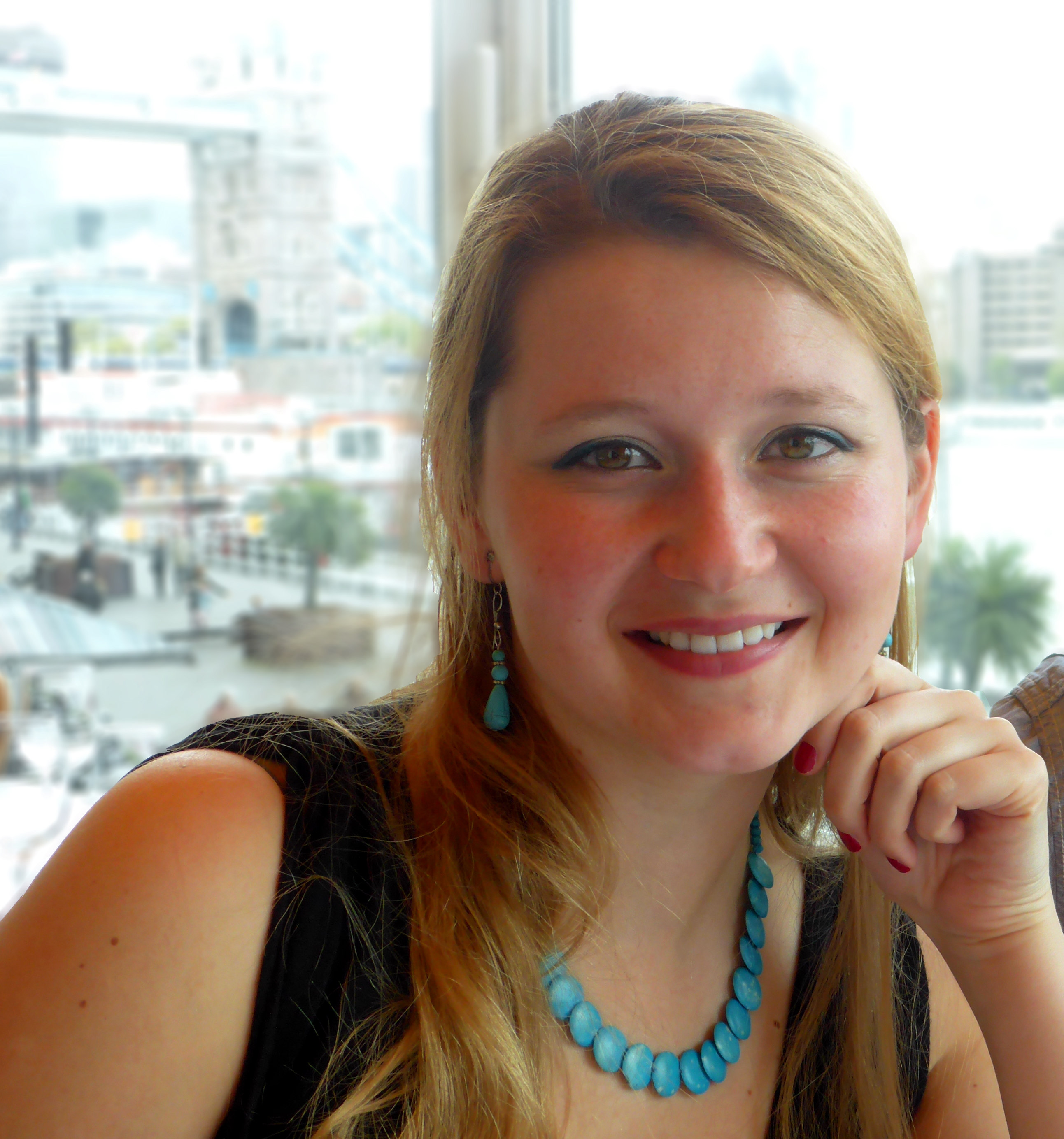
Introducing Dominika Bijos, one of the London Naturejobs Career Expo journalism competition runners-up.

Dominika Bijos loves communicating biomedical research. After earning her BSc in Italy and MSc in the UK, she worked in research labs across Europe. From DNA in the cell nucleus she moved her research interests to the smooth muscle in the bladder. She is now writing up her PhD thesis at the University of Bristol, UK,  maintaining an international and interdisciplinary peer mentoring network and enjoys presenting research in comics and short presentations. She organizes a yearly meeting for early career researchers in urology, where she promotes interactions, networking and mentoring. @DBijos

—-x—-

In May my colleague Stefan thanked me when he received a fellowship from the prestigious European Molecular Biology Organization. At the time, I didn’t understand why – he did all the hard work. When I asked him, he told me that I had been his informal peer mentor: I pointed him towards the opportunity, helped him through the application process and provided feedback. And of course, I was there to cheer him up and keep his mind on other things during the long wait. At no point did I even consider I was being a mentor.

It made me think about what it means to be a mentor and how you become one. The core idea behind mentoring is to provide help and advice to those who need it on how to reach long-term career goals successfully. Continue reading

Are you talking to me?

Melissa JonesIntroducing Melissa Jones, one of the London Naturejobs Career Expo journalism competition runners-up.

I am an alumna of California State University Long Beach and a PhD candidate in Biomedical Sciences and Translational Medicine at Cedars-Sinai Medical Center in Los Angeles, California. My scientific interests include molecular mechanisms of human diseases, stem cell biology, and vision research. As a Southern California native, I enjoy going to the beach, running, and reading. My favourite book is Jurassic Park by Michael Crichton, because I like the moral that scientists should think about the consequences of their research in addition to the technicality of the experiments.

—-x—-

I am the only person in my family not pursuing a career in business. While they discuss market strategies, I am busy trying to figure out why I’ve been stuck on this antibody that hasn’t worked for the last four years (A little help, Santa Cruz Biotech?).

But my family and I aren’t worlds apart in the way we think, it’s just the jargon that we use. Science can be considered as a business, whether a biotech company or in academia. Scientists try to sell their ideas to grant review committees, a class of undergraduate students or to a group of donors. An important aspect of it is how well you are able to pitch your idea in a clear and productive manner, a task that many people often forget and a trait that is hard to teach. Continue reading

Online education: Credit and cost are critical

piggy bank

{credit}ImageSource{/credit}

Contributor Charles Choi

As well as the convenience of an online course, key to a course’s viability is whether the institution offering it is accredited. “I have students email me from all over who, for whatever reason, can’t take biochemistry at their own institution and are looking for alternatives. Because the University of Buffalo is an accredited institution, other institutions are willing to accept students taking our courses,” says Lara Hutson, a research assistant professor at the University of Buffalo.

The issue of accreditation is a significant consideration when it comes to Massive Open Online Courses (MOOCs) offered by companies such as Coursera. MOOCs are typically free, offering a whole curriculum of written material and online videos. However, they usually do not offer credit.

“MOOCs are a huge growth area across the world, but it remains to be seen how much of that experiment is going to work out,” says Chris Taylor, engagement manager at the Quality Assurance Agency for Higher Education in the United Kingdom. “A key issue when it comes to MOOCs is how assessment of students will work and the accreditation given to them. They don’t give rise to any recognized higher-education qualification.”

If someone does want to learn only through MOOCs, they should consider whether they want academic credit for professional development, Taylor explained. “No-one wants students to spend time on something that doesn’t get them wherever they want to go.” Continue reading

I am a scientist because …

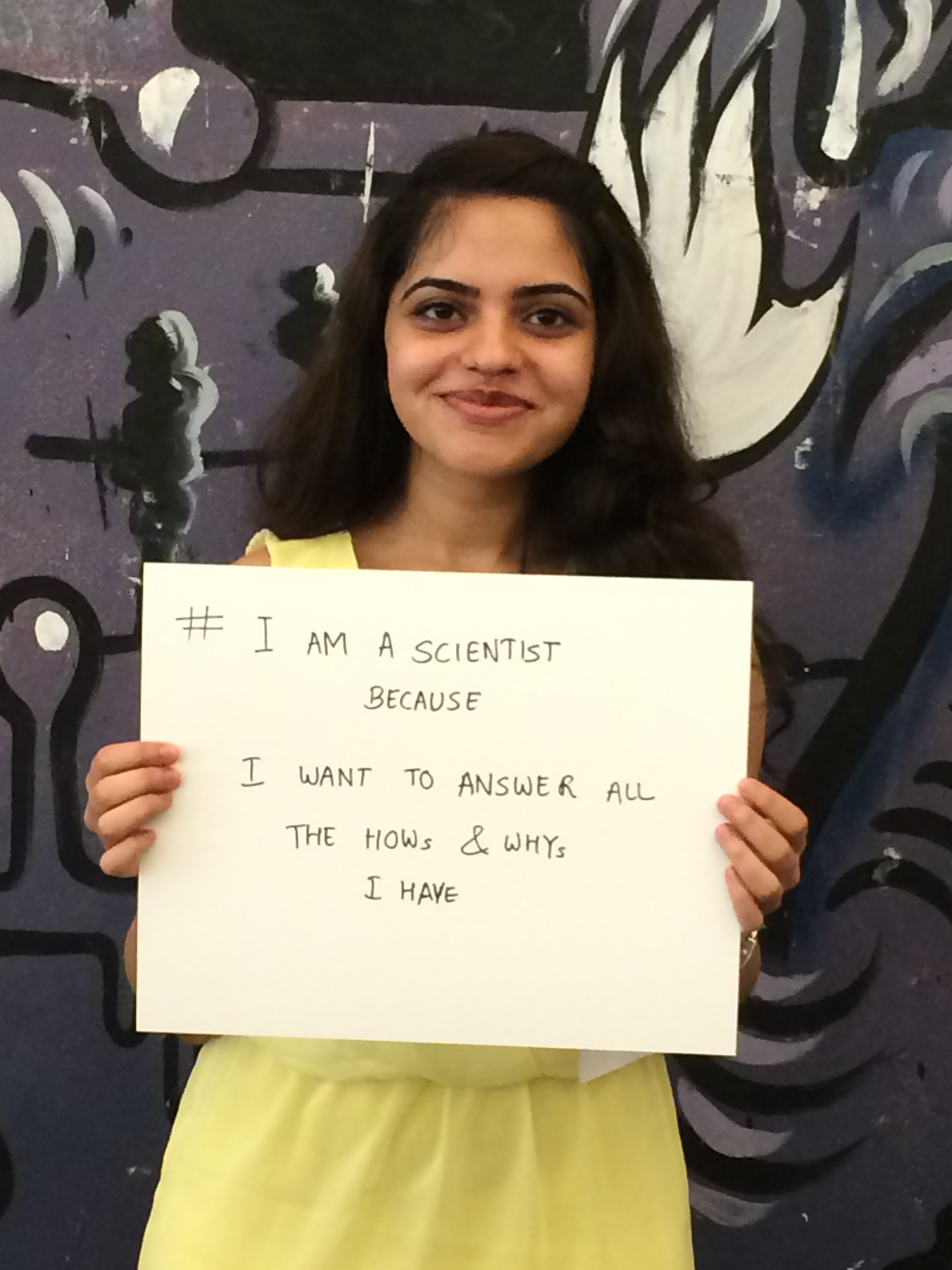
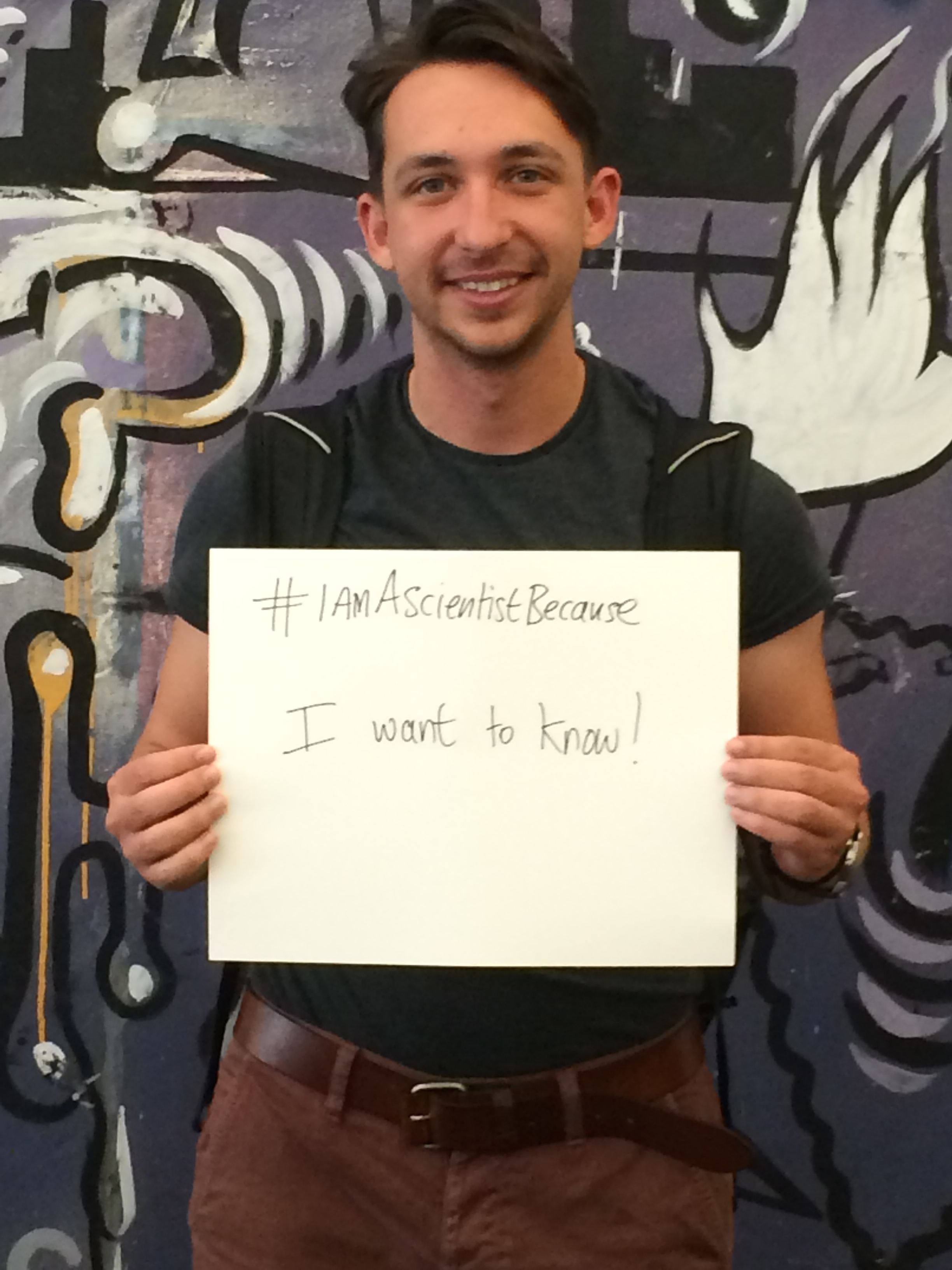
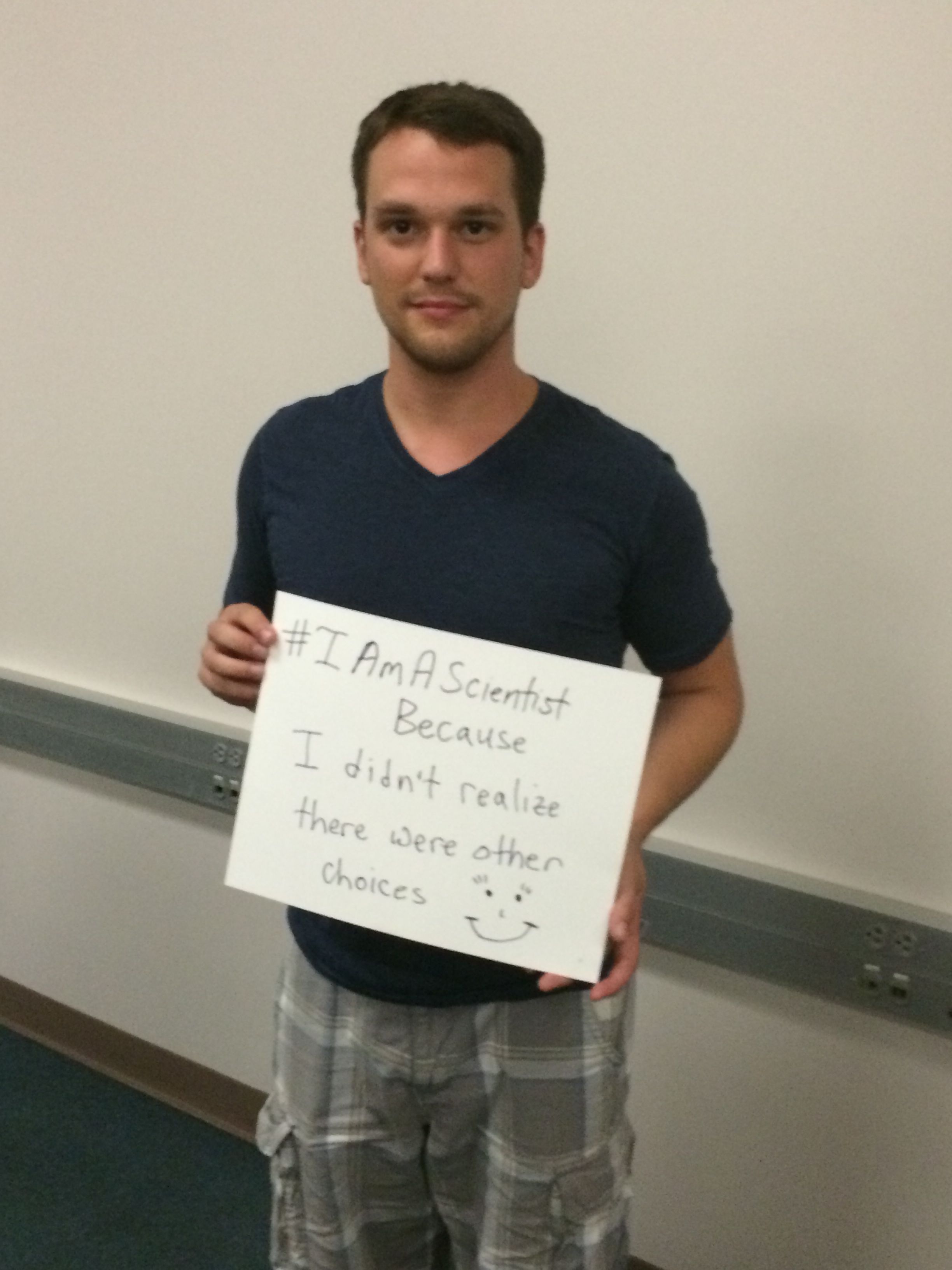
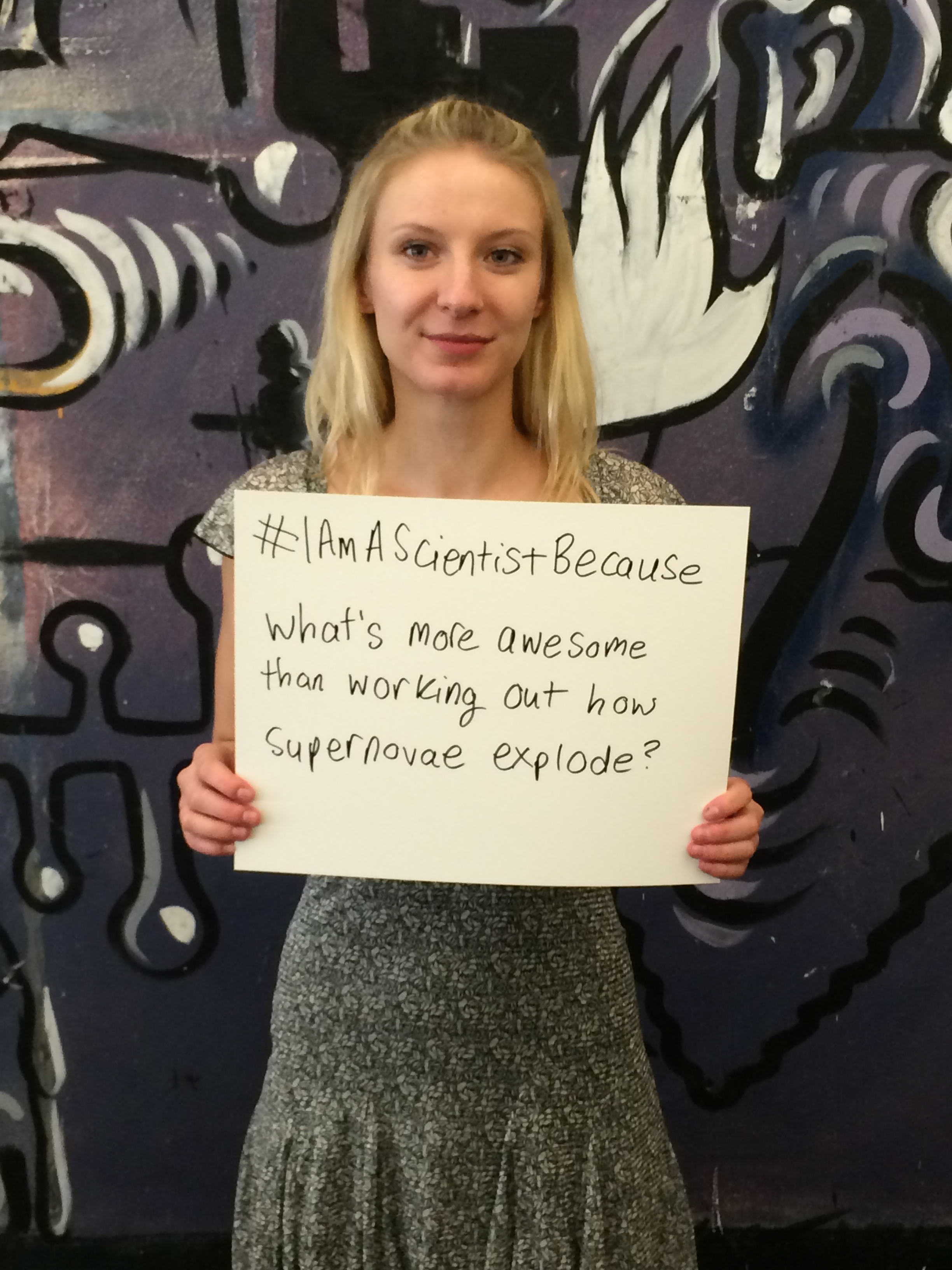
I asked Sarah Gossan (@PrincessSuperno), a friend of mine from my undergraduate degree, to ask her colleagues and peers at NARDA 2014: Why are you a scientist? Here are some of their responses.

Surabhi Sachdev

“I want to answer all the Hows and Whys I have.” Surabhi Sachdev{credit}Image courtesy of Sarah Gossan{/credit}


Sebastian Khan

“I want to know!” Sebastian Khan{credit}Image courtesy of Sarah Gossan{/credit}

Stephen Privitera

“I didn’t realize there were other choices.” Stephen Privitera{credit}Image courtesy of Sarah Gossan{/credit}

Sarah Gossan

“What’s more awesome than working out how supernovae explode?” Sarah Gossan{credit}Image courtesy of Sarah Gossan{/credit}

Why are you a scientist?

Share your photos with @naturejobs on Twitter using the hashtag #IAmAScientistBecause

The ideal environment for a scientist to work in

Menorca Chaturvedi

{credit}Image courtesy of Menorca Chaturvedi {/credit}

Introducing Menorca Chaturvedione of the London Naturejobs Career Expo journalism competition runners-up.

Menorca grew up in Calcutta, India, also known as the ‘City of Joy’. She is completing her masters degree in life science informatics at University of Bonn, Germany, and is also involved in EEG data analysis at University Hospital Basel. She loves to read, travel and blog, and has been involved in writing for different newsletters and blogs over the past few years. She also hopes to become a better photographer and tries her hand at editing pictures occasionally. You can follow her on Twitter at @MenorcaC

—-x—-

Oliver Smithies was proud of the osmometer he built in 1951 whilst studying for his PhD at Oxford University, UK. His ideas and efforts had given way to great results and the subsequent research paper was published in Biochemical Journal in 1953. But aside from the publication, there were no other signs of success. His research was never quoted, nor was his method ever used by anyone else. “So I ask the question: what was the point of it?” Smithies, who became a Nobel laureate Physiology or Medicine in 2007, put this to an audience of young researchers at the Lindau Nobel Laureates Meeting, 2014. “The answer is that I enjoyed doing it, and I learnt to do good science.” Continue reading

Thesis writing tips for the I-left-it-to-the-last-minute PhD student

PhD and coffee

{credit}Image credit: Daisy Hessenberger{/credit}

Contributor Daisy Hessenberger

Four months ago I, the trepid explorer, started on the last great adventure of my PhD – writing the thesis. I immediately faced the well-known challenges associated with this journey: too much procrastination and too little motivation. Sometimes I found it impossible to start writing and when I did, it was hard to maintain the momentum. And although I enjoy writing, I was starting to hate my thesis.

Looking at thesis writing tips only made me feel worse. The number one tip? Start writing earlier in your PhD. It was a bit late for that now. What I needed were thesis-writing tips for the left-it-to-the-last-three-months thesis writer.

Salvation came in the form of a friend. A fellow PhDer asked me whether I would like to start a writing group. In its very basic form a writing group is when PhD students at a similar stage of writing up (and thus sharing similar stress levels) agree to meet up and write together. Continue reading

A PhD is more than just research training

Kate johnson

{credit}Image courtesy of Kate Johnson{/credit}

Introducing Kate Johnson, one of the London Naturejobs Career Expo journalism competition runners-up.

Kate Johnson recently submitted her PhD at Queen’s University, Belfast, investigating vegetation change in southern South America. She stumbled into environmental change research through a love of month-long field seasons camping in front of glaciers, which led to an MSc thesis in the Canadian Coastal Mountains.

—-x—-

Just last month, I was faced with that terrifying prospect of “what’s next?” as I handed in my PhD thesis and await the dreaded viva date. It’s a fear of the unknown, one that I felt at the end of my undergraduate course and my after my masters too. When I completed each of those, I had a passion for my research topic and I knew instinctively what the next step was. Now at the end of my PhD, although I love what I did, I have to consider whether my future lies within academic research and teaching or applying skills outside academia.

The stats always tell us about employment rates within academia, and at the moment, they’re not looking good. Throughout my time as a PhD student, I’ve only seen three of my PhD colleagues carry on in academia (this is from a group of around 20 graduates). Many of us are seeking employment in the civil service or private sector, and right now, I’m one of them. But does that mean that I think there are too many PhDs, or is it still a valuable qualification to have? Continue reading

Online education: Convenience is key

molecule

{credit}CORBIS{/credit}

Contributor Charles Choi

Last week we introduced this series on online education, highlighting the benefits that it can have for established professors and current students. The latter are the biggest clientele of online science courses at the University of Buffalo in New York, especially the students enrolled at the university itself, says Lara Hutson, a research assistant professor at the University of Buffalo. “They may need the biochemistry course to satisfy a prerequisite for their major.” Hutson teaches an online biochemistry course during the summer as well as a number of traditional courses.

The biggest attraction, Hutson says, is the convenience. An online course may be the only one they can fit into their schedule. “They can go home to wherever they live and take it – for example, if they have a job there,” Hutson says. “Our students are mostly from other parts of New York, but I’ve had one student take it from Brazil.”

The convenience of online courses was certainly Monica Mogilewsky’s motivation. “I was working at the Myakka City Lemur Reserve and I lived onsite. I worked on-call 24-7, managing a colony of lemurs, so commuting to a campus was not an option,” she says. “The flexibility that online learning offered made it possible for me to get my degree.” Continue reading

Careers in Nature – 15 August 2014

NatureEvery fortnight we’ll be collating all the careers related content across Nature, just in time for some weekend reading.

Nature Biotechnology has published a data table that ranks researchers based on paper output in Science-Business exchange (SciBX) in 2013 and patent output at their  current institution. The article also shows where the patenting and paper energies are directed. almost 30% of the papers submitted to SciBX were related to cancer, closely followed by research tools.

Striving for openness in academia is a good thing – sharing work with peers to help with research can only be beneficial. But, for one student, this has backfired. In 2011, Diego Gómez Hoyos posted a 2006 thesis about amphibian taxonomy on the social network Scribd. In 2013, he was informed that the author of the paper was suing him for violating copyright laws, and Gómez may end up in jail for 4-8 years as a result even though he removed the thesis as soon as he was informed, reports Michelle Catanzaro on the Nature News blog. The reason this is possible is because the copyright laws in Colombia were reformed in 2006, making Gómez’s act a criminal offence.

The use of social media amongst scientists has increased dramatically over the last few years, specifically with the rise of academic-only networks like ResearchGate and Academia.edu. In the article, Richard Van Noorden explores what the relationships are between scientists, social media and the way that it is changing collaboration. The article also shows results from the Nature survey : that Twitter is mainly used for following discussions; Facebook isn’t used much professionally; LinkedIn is only used in case people wish to contact you; the same goes for ResearchGate, although more people use it for discovering peers too; same for Academia.edu; and Mendeley is mostly for discovering recommended papers. There is a great interactive infographic that delves into the details a little more.

Materials Girl blogs regularly on The Sceptical Chemist, and in her latest blog post she highlights some of the things she has learned during her time as a teaching assistant, or TA.