Podcast: Science, sickness and dyslexia

Collin Diedrich

Collin Diedrich

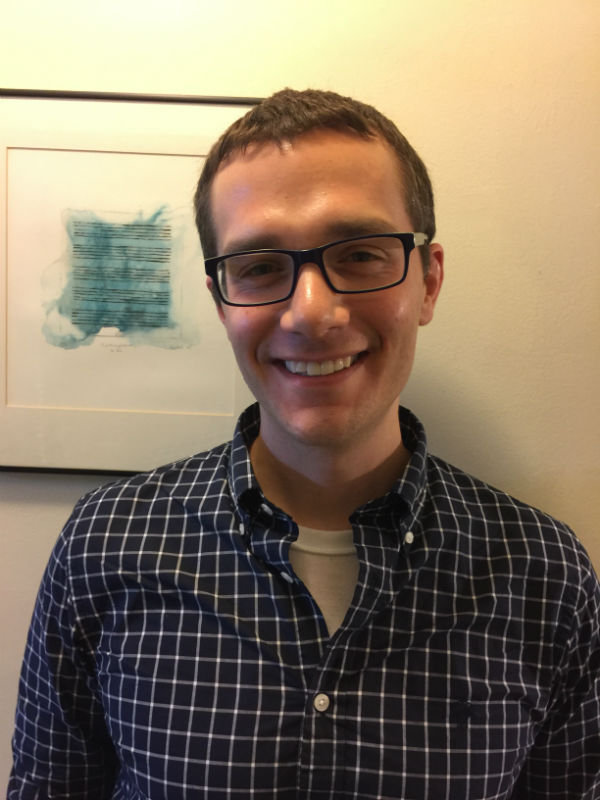
Julia Hubbard, a research fellow at the Francis Crick Institute in London, has Type 1 diabetes and lupus. Collin Diedrich (pictured), postdoctoral research fellow in HIV/TB co-infection immunology at the University of Pittsburgh, US, has dyslexia. Listen to their top tips for successfully juggling scientific careers alongside illness and disability.

Also, Jack Leeming discusses Nature’s recently published comprehensive guide to scientific careers in China.

Continue reading

Podcast: Stars of the yeast

breadandwine


If you’re not loving what you do, try something new. That’s the message both from Ricardo Wilches and Eyal Schwartz. The two researchers swapped academia for careers that combine their love of science with their love of bread (in Eyal’s case) and wine (for Ricardo).

Schwartz was undertaking a neuroscience PhD in Israel when he moved his family to London and started work at an artisan bakery in east London.

And Wilches was a postdoc at the Max Planck Society in Tübingen, Germany when he decided to return to his native Colombia to co-found a vinticulture company that imports and promotes wine.

Moving south from Colombia to Chile, Naturejobs editor Jack Leeming talks to Aleszu Bajak about his recent article on the South American country. Chile is the jewel in the crown for astronomers around the world. Why are other scientists working in Chile envious of their success?


Other podcasts

A fresh start

Family life, career life: making it work

Meaningful mentoring


Postdoctoral training in Sweden: too short to grow

hourglassMembers of the Karolinska Institute’s Postdoc Association fear an amendment to Sweden’s Research Bill could create career instability.

In November 2016 the Swedish government announced plans to introduce a tenure track system to make academic careers more secure, to improve mobility and to make research more competitive.

But in July last year an amendment to the Research Bill stipulated that PhD graduates had a maximum of five years (two years less than now) to get an Assistant Professorship (Biträdande Lektor in Swedish). Universities must comply by 1 April 2018.

Continue reading

What Can You Be with a PhD?

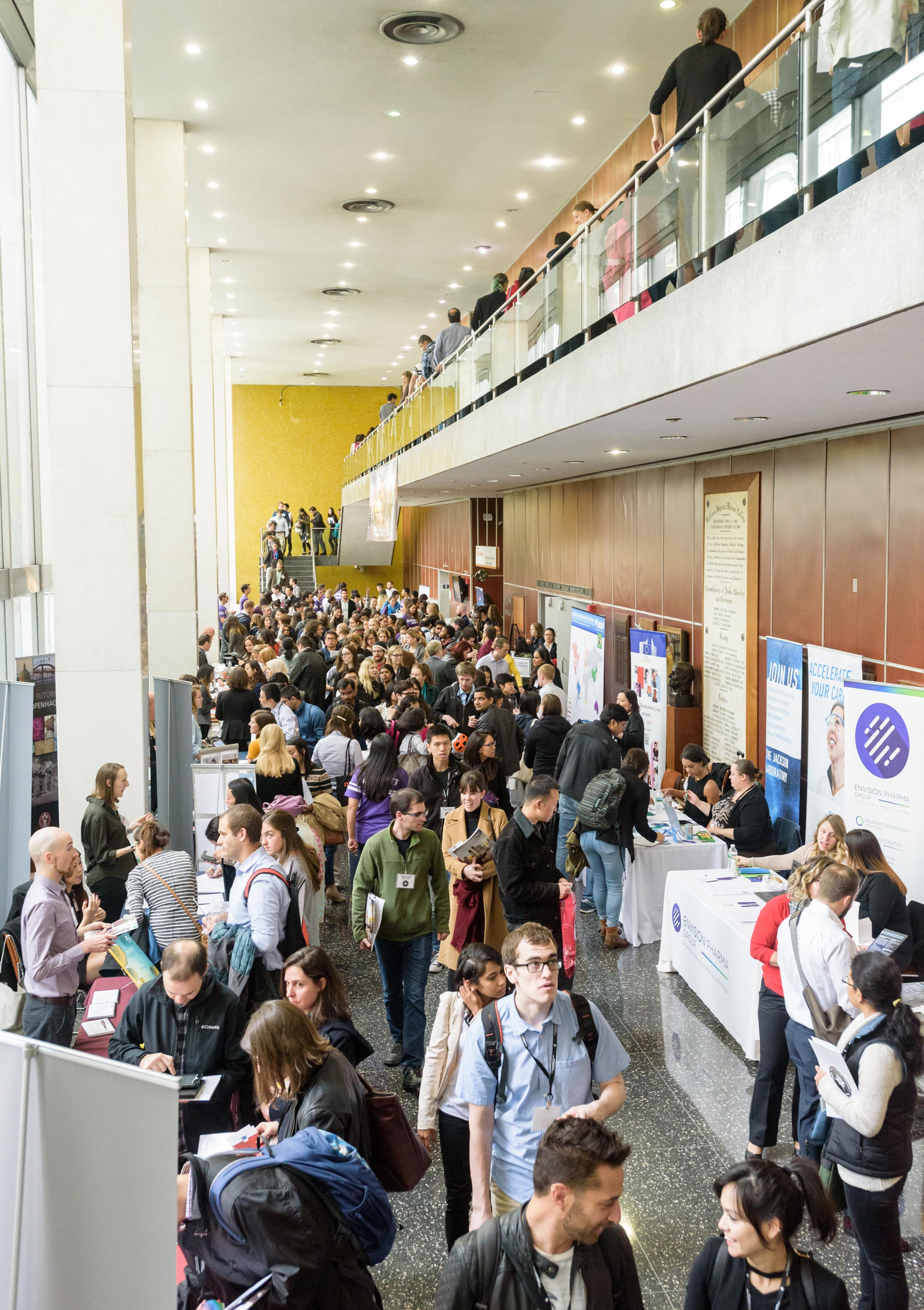
What does it take to land your dream job beyond academia? Do PhDs even have marketable skills? the 2017 What Can You Be with a PhD career symposium has some answers, reports Elisa Lazzari.

171104_0571smaller

{credit}Jeff Weiner/NYU Postdoctoral Affairs Office{/credit}

Continue reading

To improve reproducibility, listen to graduate students and postdocs

The National Institutes of Health (NIH) should implement a national exit interview portal to collect feedback from mentees on their experiences.

Funding agencies should not penalize poor performers; instead they should reward good mentorship, says Ahmed Alkhateeb

Continue reading

New to graduate school? Pay attention to those core courses

Finding the right balance between coursework and research is critical to success in graduate studies, says Tolulope Morawo.

By the end of your first semester in graduate school, you may find yourself drowning in all sorts of emotional episodes if care is not taken. Often, the excitement and challenges that come with conducting research can be overwhelming. If you’re fortunate enough to have been offered a graduate research assistantship, the dual responsibilities of being a student and researcher can be tricky at first. It is imperative that new students balance that fine line until they become established.

My picture- Morawo-smaller

Tolulope Morawo

Continue reading

The changing landscape of pharma: a new route for PhDs?

The pharmaceutical industry is changing – challenging for some, but an open road to opportunity for others. And the latest opportunity in the world of pharma comes from a rapidly growing demand for Medical Science Liaisons (MSLs), says Dr. Martijn Bijker.

As more drugs come to market and pharma’s business model shifts from selling drugs directly to fostering earlier engagement, companies are looking for highly skilled scientifically- and clinically-trained candidates. Could this be an outlet for the overflowing pool of PhD (and MD) graduates produced every year?

So what is an MSL?

An MSL is the scientific and clinical disease expert within a pharmaceutical or biotech company. They’re the go-to person for any complex questions about a specific drug. That could include questions about the science behind the drug, the mode of action, the competitors’ drugs, side effects, clinical trials, research opportunities, and disease-related questions.

MSLs work at the interface between internal stakeholders in the company and external stakeholders in the field – called Key Opinion Leaders (KOLs). MSLs help to bring innovative new drugs to the market and provide education about the proper use of drugs that are already on the market. KOLs – broadly defined as leaders in their field – can be heads of departments at teaching hospitals, heads of pharmacies, professors of medicine, the CEO of a patient organisation, physicians involved in pharmaceutical clinical trials and sometimes clinical scientists themselves. In short, MSLs work with the most influential stakeholders in a therapeutic area.

scientist-762627_1920

MSLs help to bring innovative new drugs to the market and provide education about the proper use of drugs that are already on the market.

Continue reading

Should I get an unpaid internship in science communication?

Dan Cressey of Nature, and Rob Dawson of the Meningitis Research Foundation, speak at the Naturejobs Career Expo, London, 2016 about the benefits of an internship in science communication.

https://www.youtube.com/watch?v=ivcHblYSd94

Continue reading

It’s time to reduce the number of PhD students, or rethink how doctoral programs work

Gwilym Croucher, University of Melbourne

There are not enough academic jobs vacant in Australia each year to employ all our PhD graduates.

This imbalance risks training an increasing numbers of doctoral students on a promise that cannot be fulfilled: that is future academic employment.

4925267732_492be0075f_o-smaller

We need to accept a hard truth that Australia needs to rethink the design of the PhD and the expectations around it, or radically reduce intake to doctoral programs. Continue reading

Ageism “as bad as racism”

Ageism in the workplace is as bad as racism and over-50s applying for jobs are five times more likely to get interviews if they do not disclose their age, reports David Payne.

Andy Briggs, the UK government’s new adviser on older workers, told The Times this week that 27% of men of UK men aged 65 to 70 are in paid employment, compared to 15% in 2006. The figure for women is 18% and rising, and one in ten people aged over 70 are still working. And employers have an unconscious age bias.

Employers have an unconscious age bias

“Just as there are resources invested in younger workers in coaching and career development, and similarly when women return from career breaks, companies should invest in their older staff and give them midlife career counselling. It’s in business’s interest to do this,” he said. Continue reading