Podcast: Stars of the yeast

breadandwine


If you’re not loving what you do, try something new. That’s the message both from Ricardo Wilches and Eyal Schwartz. The two researchers swapped academia for careers that combine their love of science with their love of bread (in Eyal’s case) and wine (for Ricardo).

Schwartz was undertaking a neuroscience PhD in Israel when he moved his family to London and started work at an artisan bakery in east London.

And Wilches was a postdoc at the Max Planck Society in Tübingen, Germany when he decided to return to his native Colombia to co-found a vinticulture company that imports and promotes wine.

Moving south from Colombia to Chile, Naturejobs editor Jack Leeming talks to Aleszu Bajak about his recent article on the South American country. Chile is the jewel in the crown for astronomers around the world. Why are other scientists working in Chile envious of their success?


Other podcasts

A fresh start

Family life, career life: making it work
Meaningful mentoring


African astronomy and how one student broke into the field

Africa is investing in a future of astronomy research, but students need access to inspirational lecturers, says Gina Maffey.

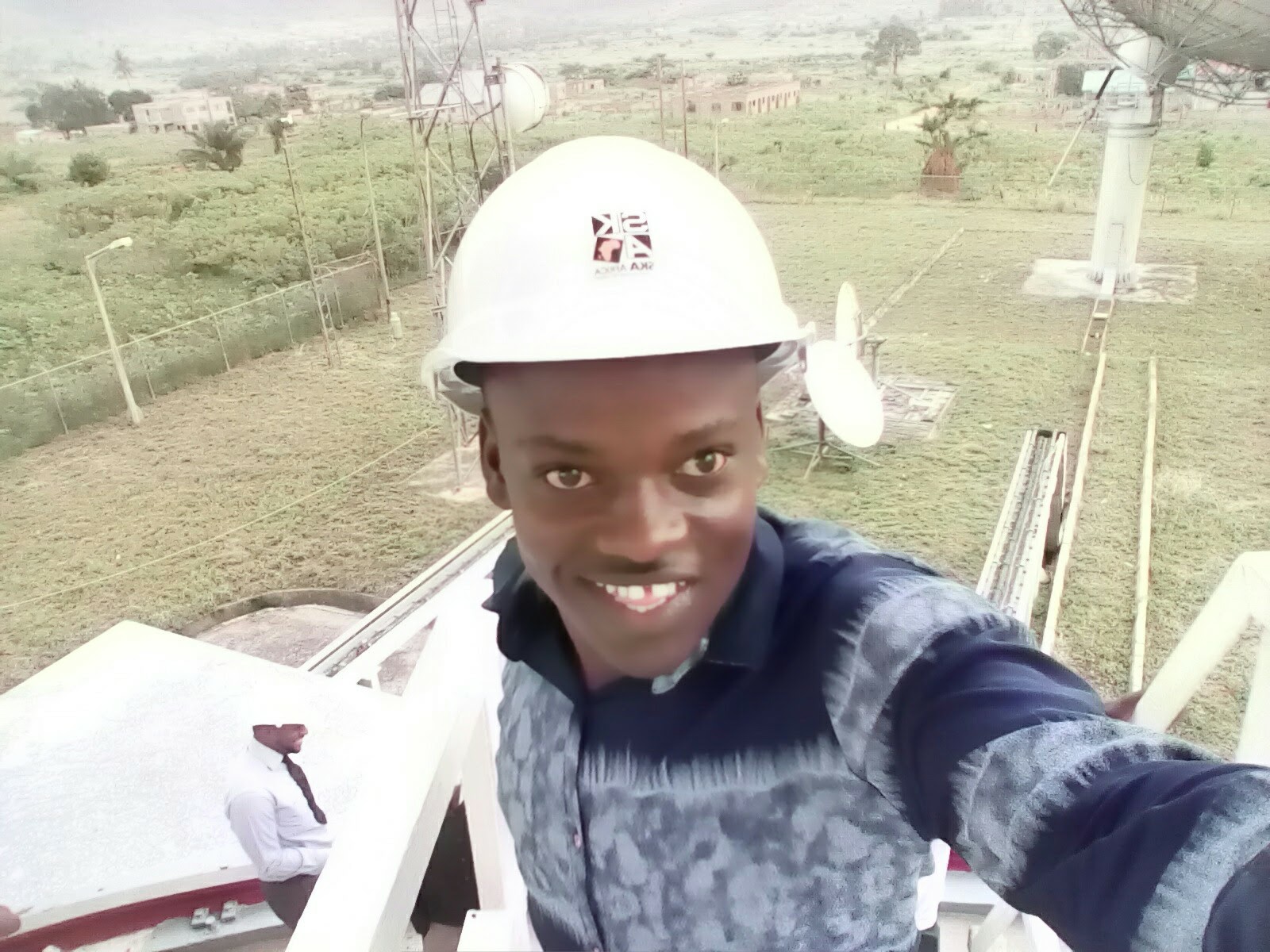
Mutie at the Ghana Radio Astronomy Observatory (GRAO) at Kuntuse, Ghana

Isaac Mumo Mutie

What do you do when the degree you want to study is not offered by your university?

You study it anyway.

“I did a lot of personal research online, looking for answers” says Isaac Mumo Mutie, an astronomy student who studied at the Technical University of Kenya. While studying for a Bachelor of Technology in Technical and Applied Physics, Professor Paul Baki introduced Mutie to astronomy, and Mutie would consult with him in his spare time.

“He would ask me ‘why are you interested? This is not part of the curriculum.’ But I insisted.” Continue reading

A student shaping the future of African astronomy

Africa is investing in a future for astronomy research, but it requires a fresh cohort of enthusiastic people to make it happen. Gina Maffey talks to one dedicated scientist.

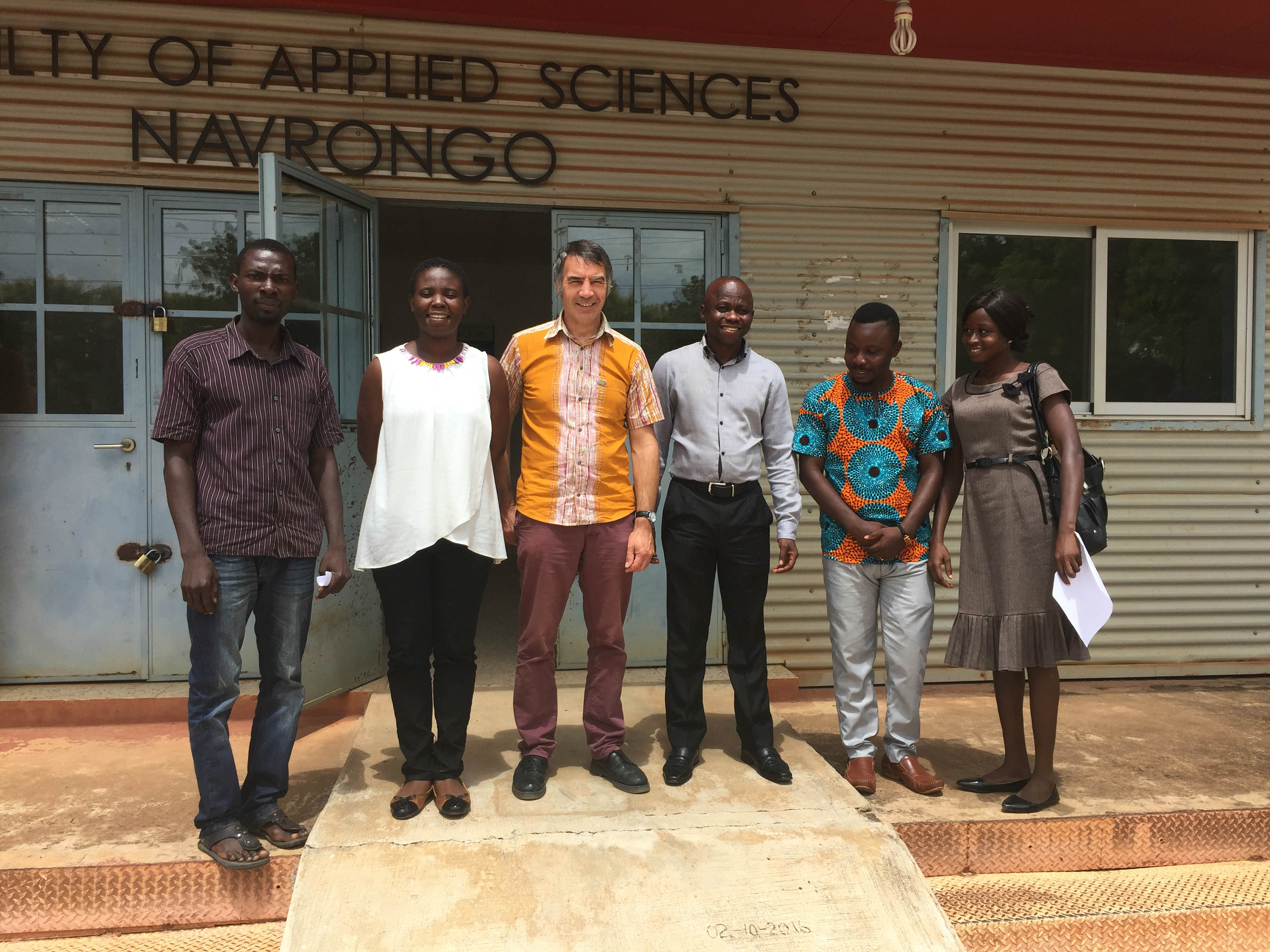
Asabre Frimpong (second from the left) and Prof-smaller

“I want to see Africa lit up.” Naomi Asabre Frimpong says with a laugh, “I want to show how Africa can be forward thinking. I want to make sure that we are not left behind.”

Asabre Frimpong is a 2nd year PhD student at the University of Manchester, in the UK, and her enthusiasm — for both astronomy and science in general — is infectious.

She says she was attracted to science through chemistry, and studied for a BSc and MPhil in Ghana. A post at the Ghana Space Science and Technology Centre introduced her to astronomy and shortly afterwards, on an astronomy and astrophysics training scheme in India, her worlds collided as she discovered astro-chemistry – the study of chemical reactions in space Continue reading

What are the benefits of reproducibility in science?

There has always been an element of risk in science, which is why data must be reproducible, explains Ellen Phiddian.

On June 6, 2012, I skipped class to watch the transit of Venus. I was studying in Adelaide, Australia, where the transit lasted from early morning until mid-afternoon and we had a wonderfully sunny day to view it. If I had known a bit more about the history of the transit, I may have been more thankful for that.

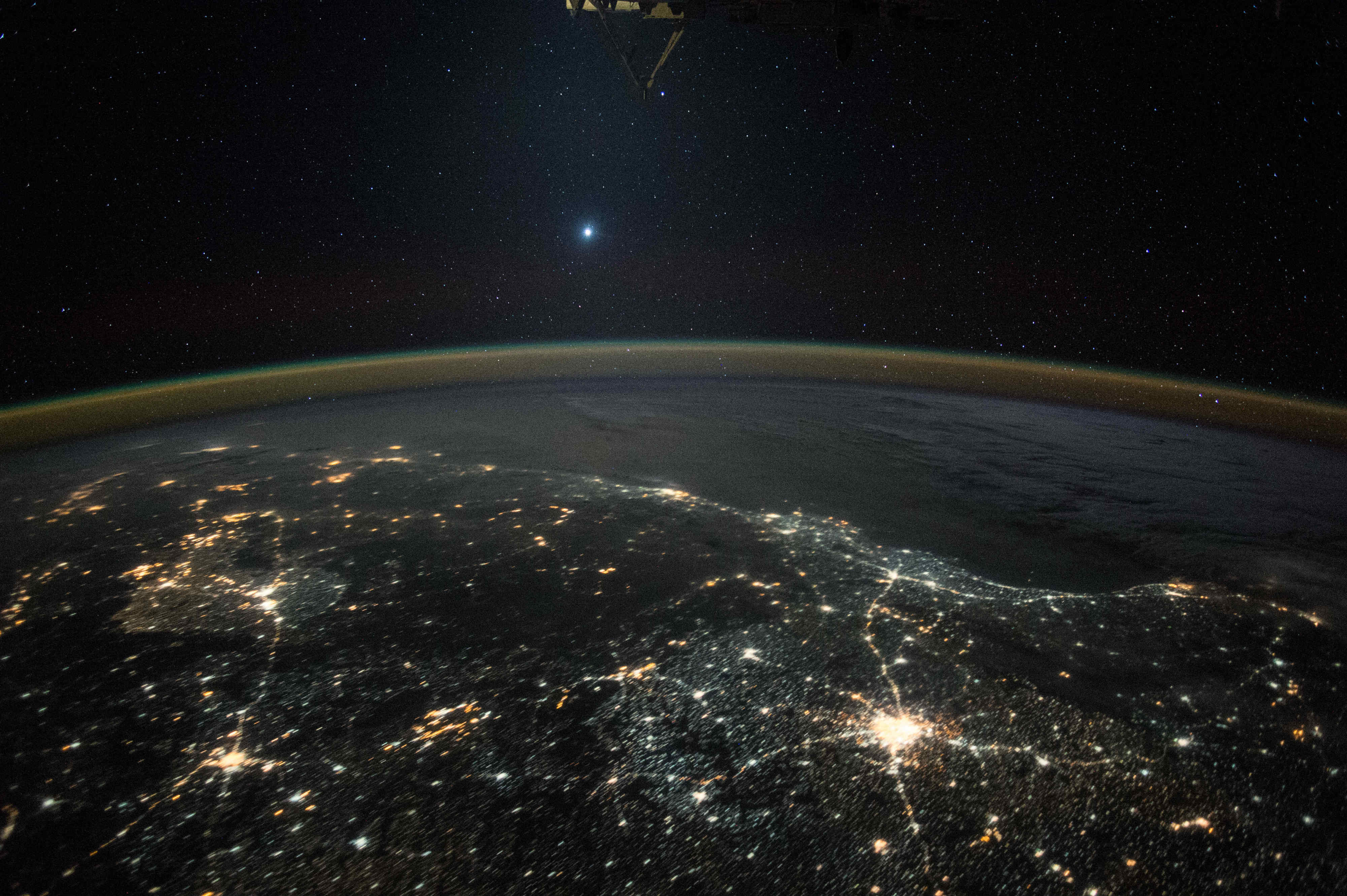
ISS-45_Indian_subcontinent-smaller

A view of Venus from over the Indian subcontinent. This photograph was taken by Japan Aerospace Exploration Agency (JAXA) astronaut Kimiya Yui from the International Space Station on December 5th, 2015

In the 1760s, astronomers made long and convoluted journeys across the globe just to observe Venus crossing the Sun. Scientists at the time wanted the transit recorded from as many continents as possible, so they could use the data to calculate the distance between the Earth and the Sun. It took years of effort and huge sums of money to orchestrate such a viewing. Continue reading

A look out to a dark Universe: Three young scientists share their thoughts

Young scientists from Nature’s Outlook on the dark Universe share their views on dark matter, gravitational waves, and dark energy.

You can find the full Outlook, covering the Lindau conference, Nobel prize winners, and Q&As with George Smoot and Brian Schmidt, here.

WEB_Astronomy-sky_65870

Continue reading

Finding job satisfaction as a data scientist

Following your interests and making connections can launch a career.

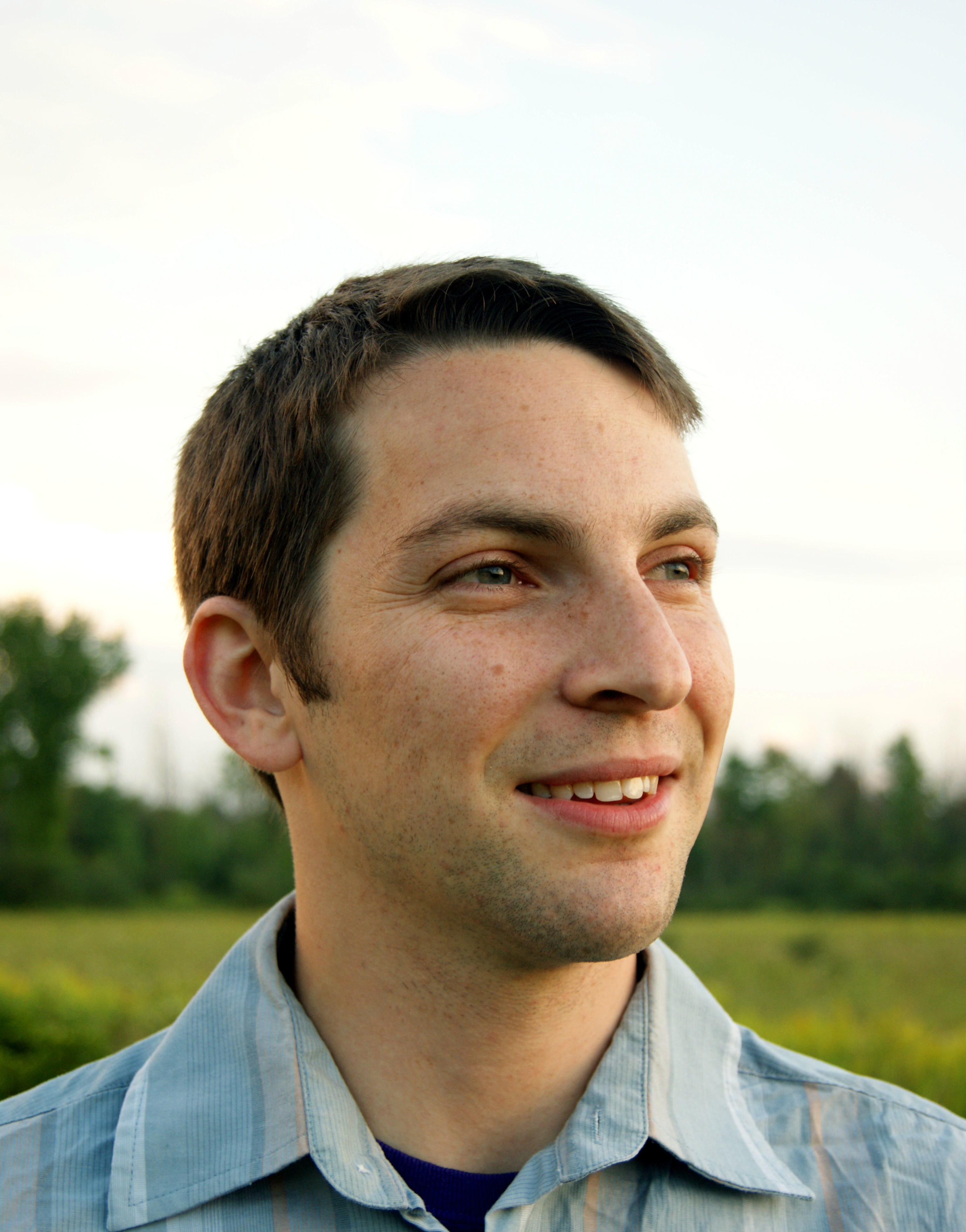
Unlike most US students, Nathan Sanders declared his specialty as soon as he started undergraduate studies. He’d known for years that he wanted to study astronomy, but during his PhD at Harvard University he realized that the analysis itself enthralled him more than the applications for astronomy. He describes how he used his technical skills, and connections outside his academic program, to launch his career.

NSanders_portrait_2016-smaller Continue reading