Breaking the curse on science

Open data can help us avoid inherent biases in our work, says Ayushi Sood

Better Science through Better Data writing competition winner Ayushi Sood

Data-sharing-naturejobs-blog

Recently, an economist friend told me that “scientific inquiry is inherently cursed.” At first I was offended. But I had to agree after he elaborated further – science today suffers from something economists enigmatically call the “winner’s curse”. Continue reading

#scidata16: Open data should be easy

There’ll always be reasons not to share data. It’s time we stop making excuses and start making plans, says Atma Ivancevic.

On the morning of October 26, 2016, a group of scientists convened in London to discuss the state of open data. The third Publishing Better Science through Better Data conference kicked off with morning tea, international introductions, and furious scribing from @roystoncartoons. The premise was simple: “Today is all about being open”, said conference chair Iain Hrynaszkiewicz. We settled in to learn the advantages of data sharing at both the individual level and for the scientific community at large.

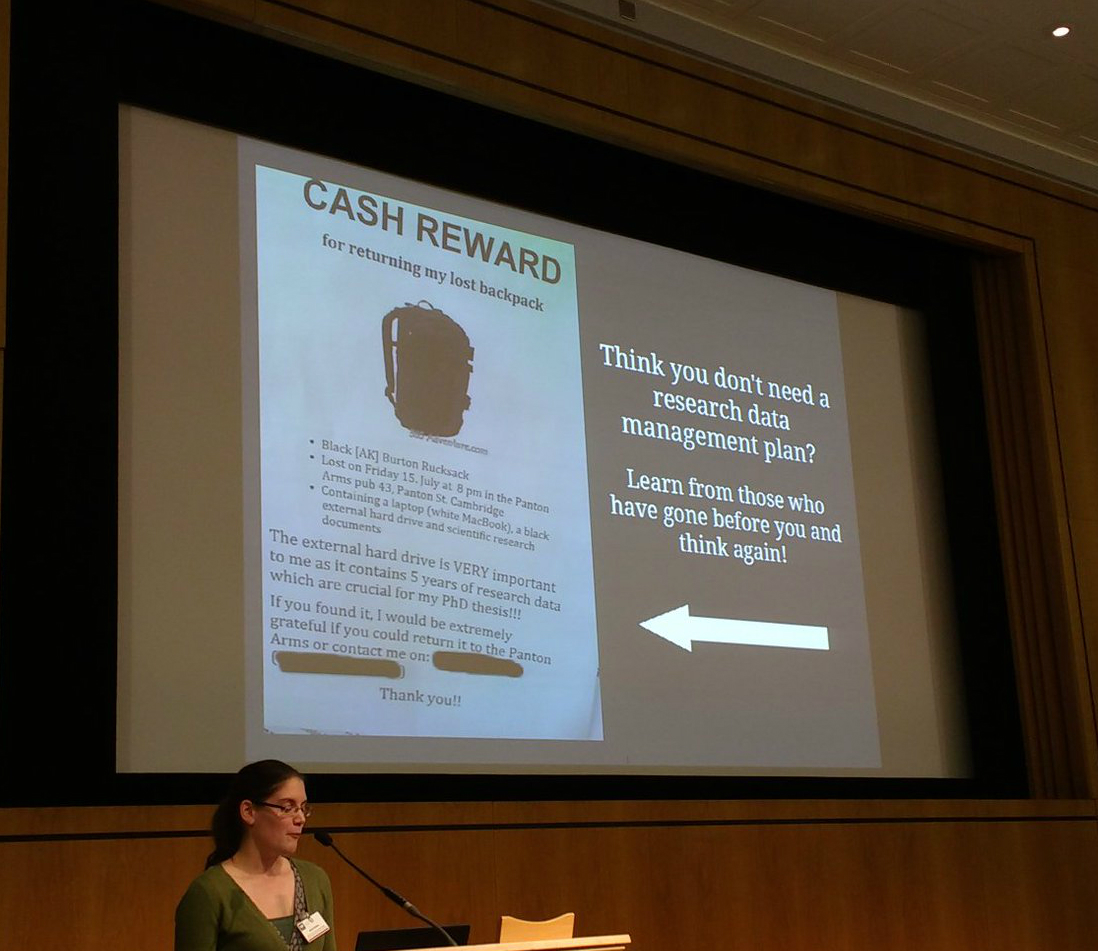
“Open data should be easy,” said Dr Jenny Molloy from the University of Cambridge as she explained the importance of building a data management plan. She pulled up a poster of a missing black backpack: “CASH REWARD” it read, “contains 5 years of research data which are crucial for my PhD thesis!”  I laughed along with everyone else, internally reflecting how similar my life had been before I discovered version control.

IMG_20161102_213011-smaller

Think you don’t need a research data management plan?

Continue reading

#scidata16: Boost research and avoid embarrassing retractions by working openly and reproducibly

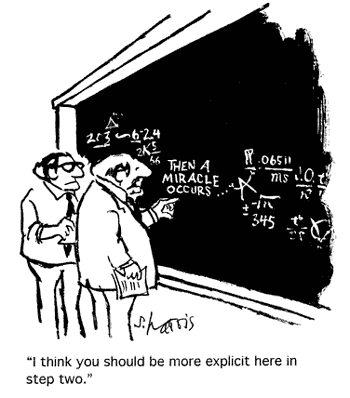
Experiments fail to be reproduced, research data from others is hard to come by, and steps between data and figure are described as ‘here, a miracle happens’.

Speakers at the Publishing Better Science through Better Data (#scidata16) conference addressed these issues and more.

Publishing Better Science through Better Data journalism competition winner Réka Nagy.

Most research happens behind closed doors, and the results can only be gleaned once they’ve been published. The raw data that lead to results, however, are rarely made public, and the steps taken to get from data to figures in a publication is not always clear, which has led to the reproducibility crisis currently facing research. It’s clear that something needs to be done to address this, and the ever-inventive collective mind of science is finding inventive solutions.

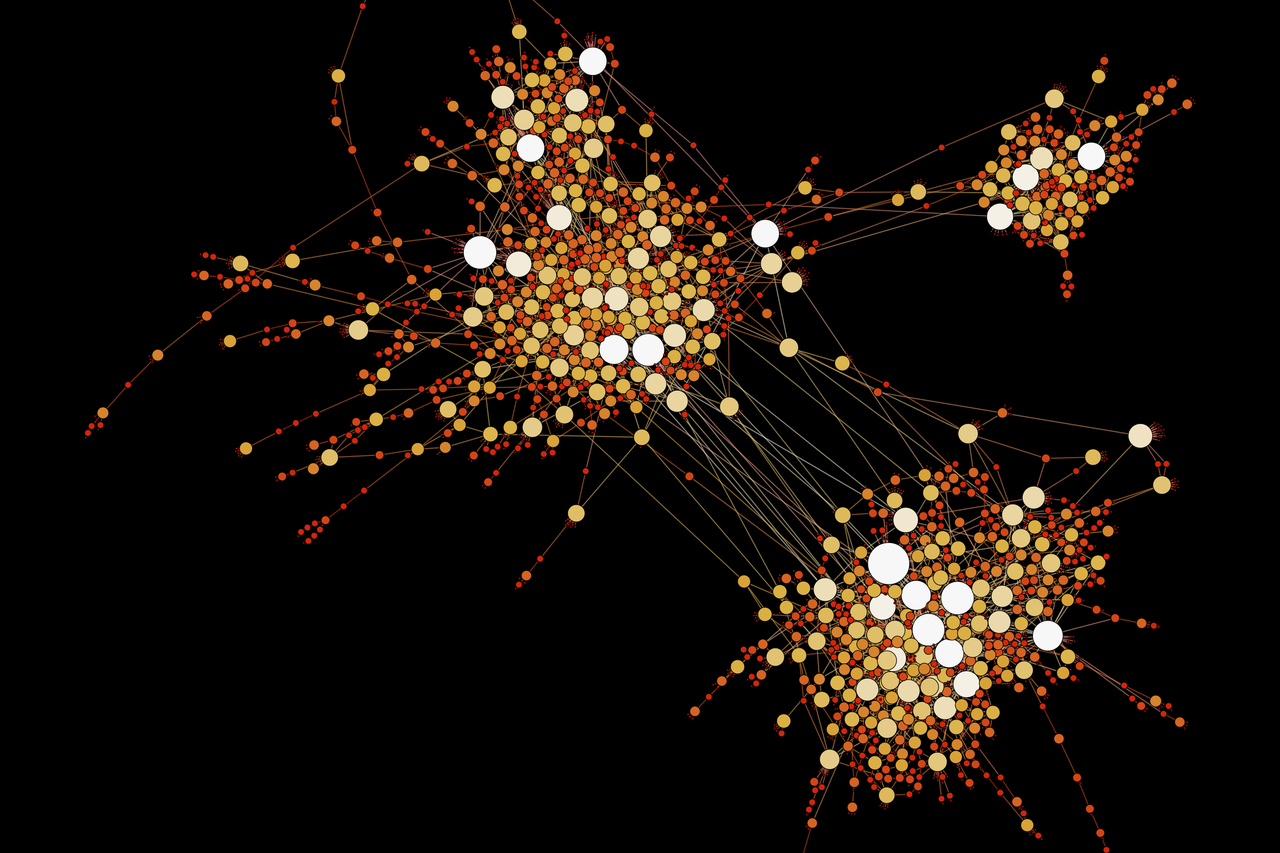
Network_Visualization

The steps taken to get from data to figures in a publication is not always clear {credit}SlvrKy/Wikimedia Commons CC-BY-SA-4.0 {/credit}

Continue reading

Opening doors to open data at #scidata16

Want to embrace open data but don’t know where to start? The tools are out there, says Matthew Edmonds.

The Publishing Better Science through Better Data conference, or #scidata16 for short, took place at the Wellcome Collection in London at the end of October. This one-day event organised by the journal Scientific Data, Springer Nature and the Wellcome Trust explored the challenges facing early-career researchers as we enter the era of open data.

analytics-282739_1280

As a data novice, I arrived without really knowing what to expect. The types of experiments I perform generate only small datasets needing a simple statistical test, easily summarised in a graph in the manuscript. The original data can be safely left to gather dust in a shared drive. Continue reading

Has big data changed what it means to be a scientist?

Researchers still need to adhere to the scientific method, regardless of how large the datasets are or how complicated the experiments become.

Publishing better science through better data journalism competition winner Erica Brockmeier

The life of today’s scientific researcher doesn’t look like it did in the 1940s. One of the papers I cited in my dissertation, published in 1941 by Dr. C.L. Turner, describes the efforts of a solo scientist manually counting bone segments in female fish fins after treatment with anabolic steroids. Turner was one of the first scientists to show that female mosquitofish exposed to androgens exhibited the type of fin growth which was normally only found in male mosquitofish.

behind-the-scenes-quintin-anderson

{credit}QUINTIN ANDERSON{/credit}

Continue reading

Why don’t scientists always share their data?

Reproducibility is the cornerstone of science, and it can be compromised by insufficient data in peer-reviewed publications. Should scientists reveal everything?

Publishing Better Science through Better Data writing competition winner Emma Vander Ende.

One of the foundations of science is its reproducibility. Without it, results are not verifiable and are therefore not believable. But even if a published result is true, there is a chance it might not be reproducible, which introduces a plethora of problems for science.

Irreproducible experiments severely limit the ability of the scientific community to build on results and advance the field. This can happen when scientists don’t share enough data, or details of their experiments in papers, and it happens quite frequently.

So why might a scientist not share their data?
drugs

{credit}Comstock/Thinkstock{/credit}

Continue reading

What are the benefits of reproducibility in science?

There has always been an element of risk in science, which is why data must be reproducible, explains Ellen Phiddian.

On June 6, 2012, I skipped class to watch the transit of Venus. I was studying in Adelaide, Australia, where the transit lasted from early morning until mid-afternoon and we had a wonderfully sunny day to view it. If I had known a bit more about the history of the transit, I may have been more thankful for that.

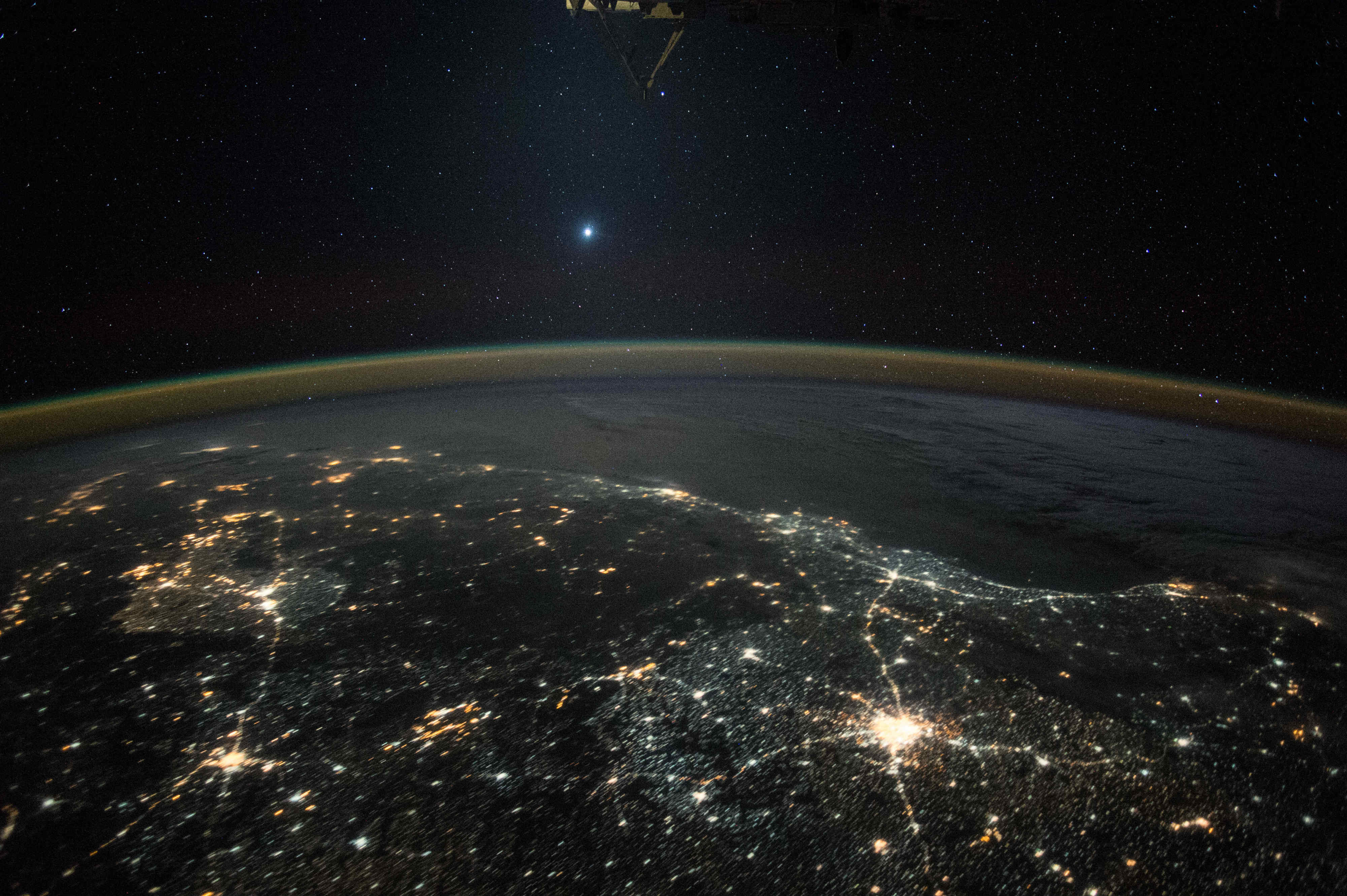
ISS-45_Indian_subcontinent-smaller

A view of Venus from over the Indian subcontinent. This photograph was taken by Japan Aerospace Exploration Agency (JAXA) astronaut Kimiya Yui from the International Space Station on December 5th, 2015

In the 1760s, astronomers made long and convoluted journeys across the globe just to observe Venus crossing the Sun. Scientists at the time wanted the transit recorded from as many continents as possible, so they could use the data to calculate the distance between the Earth and the Sun. It took years of effort and huge sums of money to orchestrate such a viewing. Continue reading

How is the rise of data-intensive research changing what it means to be a scientist?

Research involving vast quantities of data may be changing the image of scientific research, but is it changing the image of scientists too?

Scidata publishing better science through better data competition winner Jonathan Page.

An intrepid, khaki-clad explorer, machete in hand, cutting their way through some undiscovered wilderness. A bespectacled, grey-haired academic in a white coat, supervising some elaborate experiment in a lab, illuminated by glowing lights and flashing buttons. These are the classical images sometimes conjured when the word ‘scientist’ is mentioned.

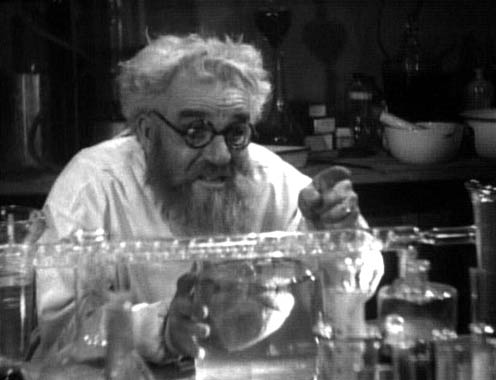
Maniac9

Horace B. Carpenter as Dr. Meirschultz, a scientist attempting to bring the dead back to life in the 1934 film Maniac

Continue reading

How can better data sharing and management improve a career in science?

Taking the time to plan how raw data will be recorded and shared can make all the difference when new research directions appear, says Matthew Edmonds.

In many research projects, there tends to be three major interested parties. The first is the researcher who actually performs the experiment and collects the data. The second is the scientist overseeing the research project, who may be collating related data from several researchers. Finally, there is the institution, which supports the research financially and provides a space in which to do it.

To_deposit_or_not_to_deposit,_that_is_the_question_-_journal.pbio.1001779.g001

{credit}Roche DG, Lanfear R, Binning SA, Haff TM, Schwanz LE, et al. (2014) Troubleshooting Public Data Archiving: Suggestions to Increase Participation. PLoS Biol 12(1): e1001779. doi:10.1371/journal.pbio.1001779, CC BY 4.0, https://commons.wikimedia.org/w/index.php?curid=30978545{/credit}

Continue reading